“Roy Black, Defense Lawyer for William Kennedy Smith and Epstein, Dies at 80” (New York Times, July 24, 2025):
Roy Black, a nationally prominent defense lawyer … died on Monday at his home in Coral Gables, Fla. He was 80. … it was the acquittal he won for Mr. Smith — a 30-year-old nephew of President John F. Kennedy and Senators Robert F. and Edward M. Kennedy — that gave Mr. Black a national profile, in a case that tested the outer limits of power and influence.
Today is the 34th anniversary of the acquittal that Roy Black, a legend among Florida attorneys, secured for William Kennedy Smith.
The New York Times description of how that acquittal happened is completely at odds with a law professor’s account. The NYT says that it was a class struggle, perhaps one that the election of politicians from the Democratic Socialists of America could address:
The trial pitted the word of an accuser — later identified in the news media, including by The New York Times, as Patricia Bowman, whom Mr. Smith had met at a local bar — against the word of a member of one of America’s most powerful families. Mr. Black made full use of the disjunction between accuser and accused, eliciting emotional testimony from Senator Edward Kennedy and from his nephew. … In fact, Mr. Black’s strategy in the key cross-examination of Ms. Bowman’s friend Anne Mercer had been to posit the utter unlikeliness that so presentable a young man as Mr. Smith could be capable of rape.
The law professor, Molly Bishop Shadel, of the University of Virginia, tells a different story in Law School for Everyone, lectures from the Great Courses (available on Audible). The damaging cross-examination of Anne Mercer had nothing to do with William Kennedy Smith being “presentable”. Here are some excerpts from the trial transcript, which the professor somehow got a copy of (I can’t find it with Google). The background is that Ms. Bowman called her friend Anne Mercer and asked her to go to the Kennedy Palm Beach mansion (recently sold for $70 million) and retrieve her shoes.
You say you went to the Kennedy home on the early morning hours of March 30th. Is that correct?
Yes.
Your friend says that she was raped. Is that right?
Yes.
What she tells you is that she wants her shoes? Is that correct?
Yes.
Several times, she was worried about her shoes.
Yes.
So you went into the house. Is that correct?
Yes.
Into the house where the rapist is, Right?
I guess you could say that. Yes.
It’s dark in there?
Yes.
You go through the kitchen, right?
Yes.
Into this little hallway?
Yes.
It’s dark in this hallway, isn’t it?
Right.
You meet up with this man who your friend says is a rapist, isn’t that correct?
I was not afraid of him. No. I was not afraid of him.
No, that’s not my question, Miss Mercer. You understand my question? My question is Did you meet this man who your friend says is the alleged rapist?
Yes.
In this dark hallway. Is that right?
Yes.
And you ask him for help. You ask the rapist to help you find her shoes. Is that correct?
Yes.
…
And her turns around and he goes with you out of the house, is that right?
Yes.
Through the dining room to begin with, is that correct?
Yes.
It’s dark in that house, right?
Yes.
You’re walking through the dining room with this man. Is that correct?
Yes.
The man who is allegedly a rapist, right?
Yes.
You go out the door of the dining room don’t you to a little patio area?
Patio.
With this man who is the alleged rapist?
That’s right.
You go out past the patio and onto the law, is that right?
Right.
It’s dark out, right?
Right.
With this man who’s the alleged rapist?
Yes.
You go across the lawn with him, is that right?
Yes.
Towards the beach?
Yes.
As you go across the lawn you get to a place where there are hedges and a concrete wall. Isn’t that right?
Yes.
And you’re still with this man who is the alleged rapist is that right?
Yes.
The four women and two men on the jury (this was in 1991 so there weren’t any nonbinary jurors) deliberated for only 77 minutes before acquitting William Kennedy Smith. The story wasn’t quite over, though…
Taking on the William Kennedy Smith case ended with an added unexpected benefit: his marriage to Lisa Lea Haller. Black and Haller, a cosmetics manufacturer who served on the Smith jury, bumped into each other the night after the verdict in Palm Beach. Soon after, they appeared on the Donahue show together, again by coincidence. Then, nine months later, they crossed paths again at Doc Dammer’s in Coral Gables. Not long afterward, they began dating. Black married Haller in 1995, and the two went to work renovating one of Coral Gables’ most lavish homes, the erstwhile residence of the city’s founder, George Merrick.
At the opposite end of the legal spectrum, here’s a recent deposition excerpt:
Q. Where are you located right now physically?
A. At home in Jupiter, Florida.
Q. Is there anyone in the room with you?
A. Yes.
Q. [after attempt to hide discomposure] Who is in the room with you?
A. Mindy the Crippler.
Q. And who is that?
A. She’s a golden retriever.
Related:
- A visit to the HOA homeland (Coral Gables, Florida), where Roy Black lived until his death
- you can read Black’s Law on archive.org for free (the William Kennedy Smith case isn’t covered):
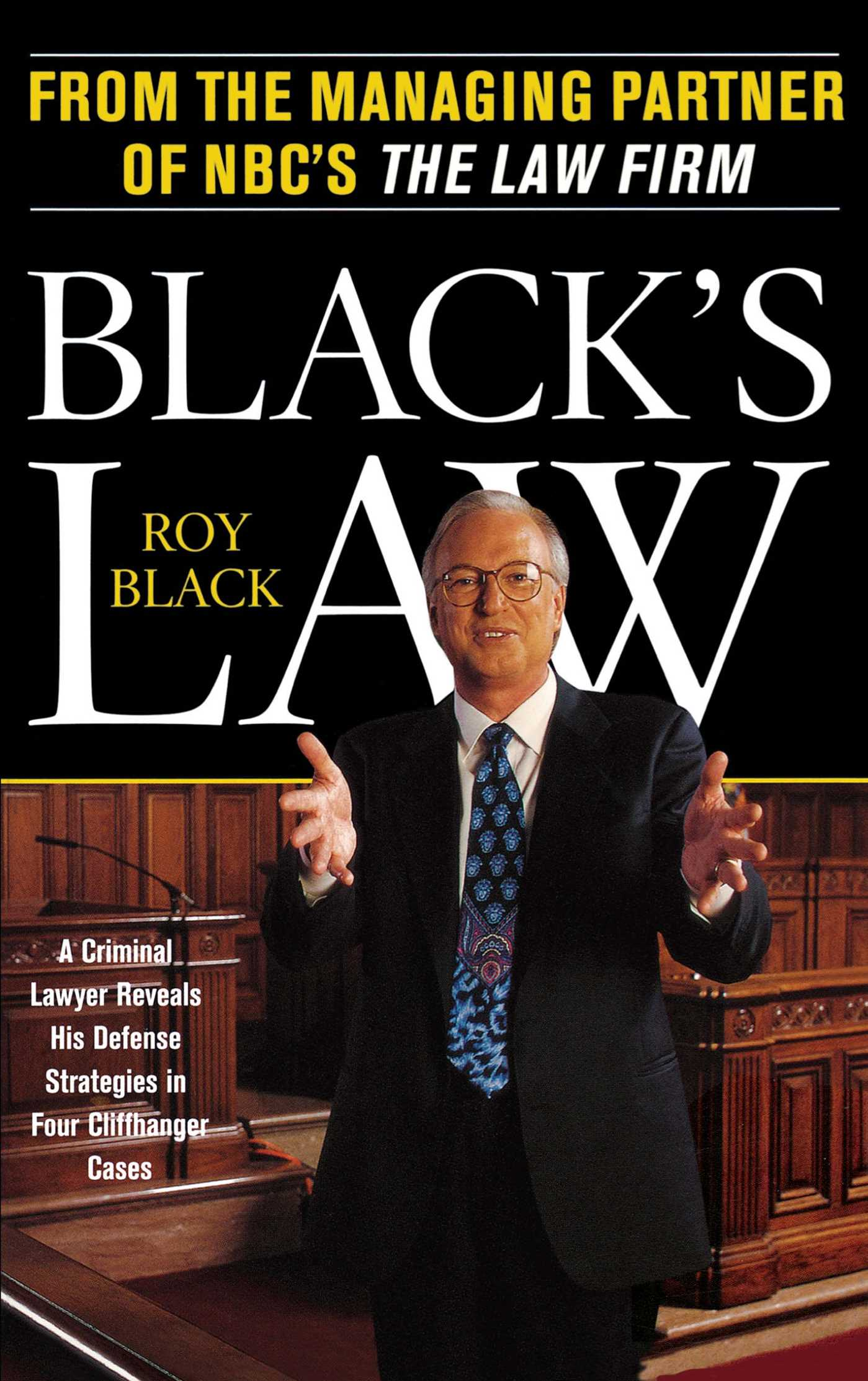
> here’s a recent deposition excerpt
I thought the record for minor “fur children” was sealed, unless they were being tried as an adult. Leaking is always wrong. How is she going to learn if you don’t set a good example? Bad blogger.
Roy Black, if he were a pet defense attorney, would probably file a motion with the court to dismiss all charges against Mindy “The Crippler” Greenspun. To wit, the spot on the rug was “accidental”, and the dislocation of the owner’s shoulder was “mitigated and provoked by a cheeky squirrel deliberately teasing her — Mindy had an irresistible, instinctive urge to chase it. Find that squirrel and charge her; it might have even framed Mindy for the spot on the rug.”
Feeling a bit overwhelmed today that we now have 95,000 more pictures of Epstein and gang. Those smirks…[must hold back outrage]
Tigers aren’t nearly as dangerous after they’ve been fed.
Food for thought.