From 2010: unemployed = 21st century draft horse?
From 2014: Revisiting the 21st Century Draft Horse posting
The above posts start with a quote from economist Gregory Clark’s fantastic book about the Industrial Revolution:
“there was a type of employee at the beginning of the Industrial Revolution whose job and livelihood largely vanished in the early twentieth century. This was the horse. The population of working horses actually peaked in England long after the Industrial Revolution, in 1901, when 3.25 million were at work. Though they had been replaced by rail for long-distance haulage and by steam engines for driving machinery, they still plowed fields, hauled wagons and carriages short distances, pulled boats on the canals, toiled in the pits, and carried armies into battle. But the arrival of the internal combustion engine in the late nineteenth century rapidly displaced these workers, so that by 1924 there were fewer than two million. There was always a wage at which all these horses could have remained employed. But that wage was so low that it did not pay for their feed.” (page 286)
I thought of this on Martin Luther King, Jr. Day 2026 in Cambridge, Maskachusetts. My goal was to get photos of elite whites enjoying their fully paid day off from government, university, nonprofit, and Big Tech jobs and juxtapose those with Blacks forced to work. (See Juneteenth: a day off for white members of the laptop class and government workers)
It turned out to be almost impossible to find Black people at work on Martin Luther King, Jr. Day or on any other day in Cambridge. In any business that was independently owned or a franchise, all of the workers were either native-born American whites or migrants from Latin American and Islamic countries. All of my Uber drivers were immigrants. As far as I could tell from a full week of wandering around, the only enterprises that hired Black Americans in customer-facing roles were the largest companies, e.g., Whole Foods and Target. This was in stark contrast to my experience in the same as an MIT undergraduate (Class of 1982). The only immigrants I can remember meeting then were part of a Greek family that ran a restaurant in Central Square, Zorba’s, and returned to Greece on retirement. Native-born Black people often held service jobs of various types, e.g., cashiers in stores.
Here are a few Black workers that I encountered in Central Square:
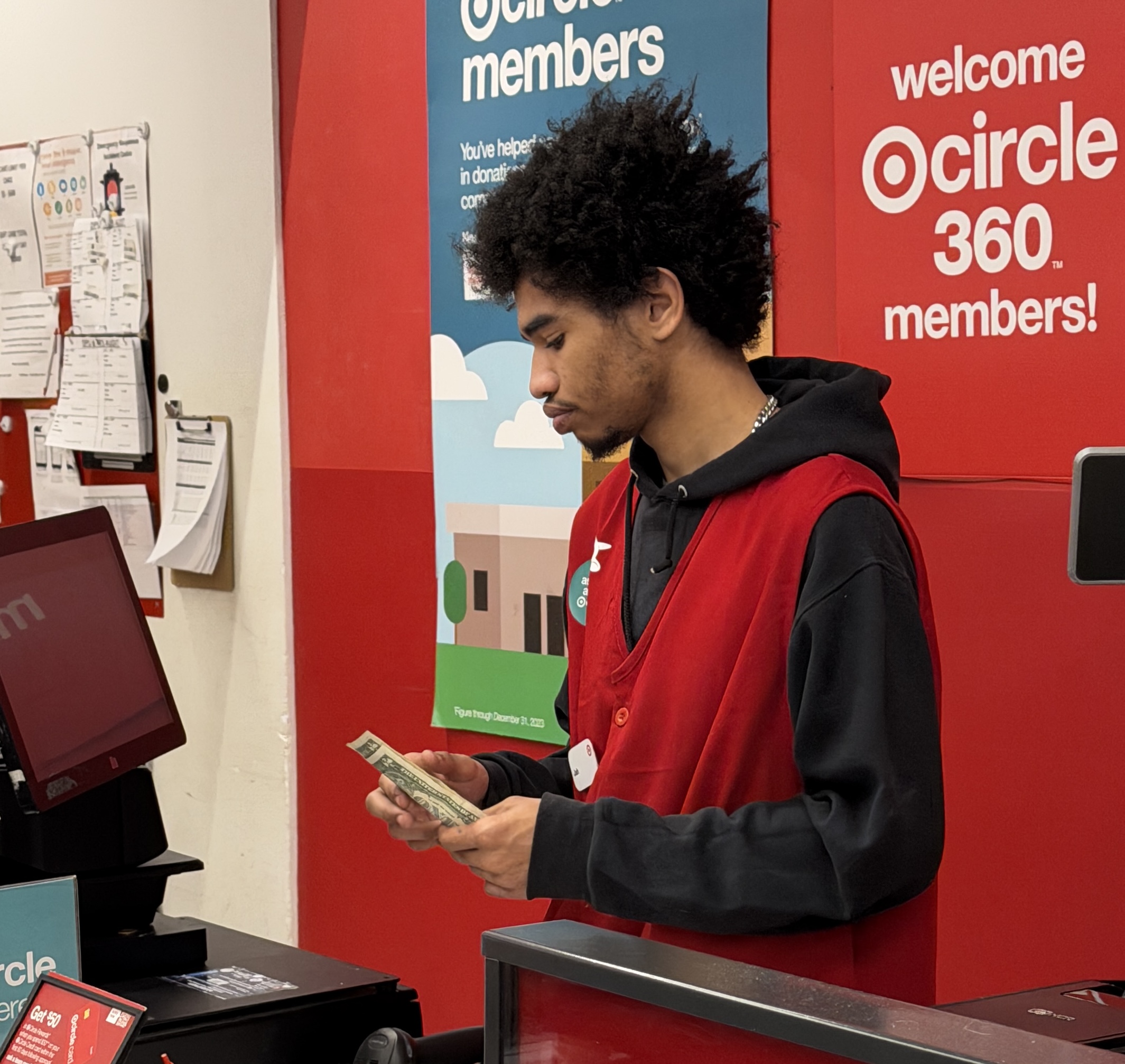
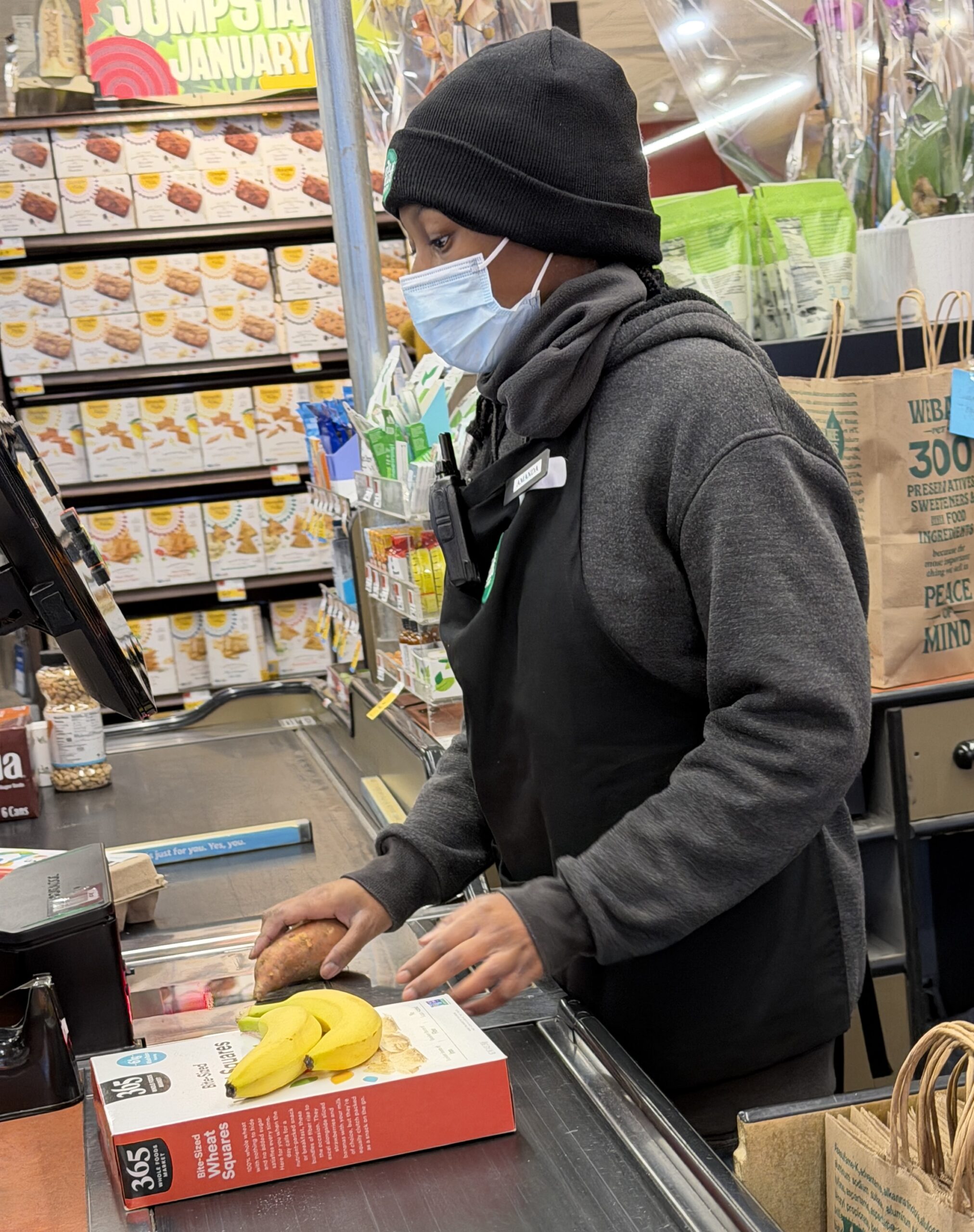
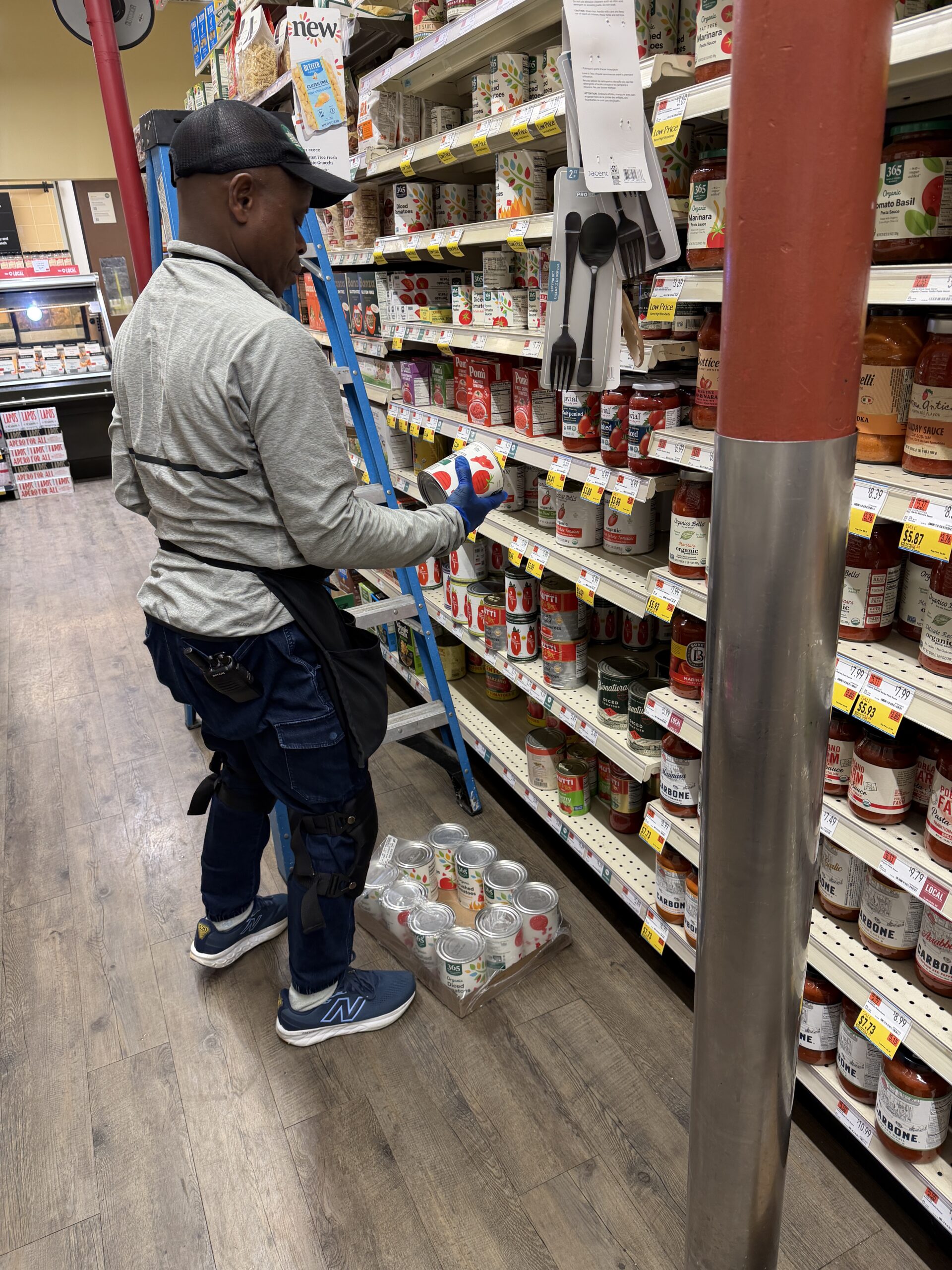
My Uber drivers were Mohammad, Ayoub, Furkan, Rohit, etc.; never a native-born person of any race. The Silicon Valley righteous behind Uber have decided that “Mohammad” is a nonbinary name (pronoun “they”):

All of this is consistent with “Effects of Immigration on African-American Employment and Incarceration” (2007 paper by some Harvard economists), but I hadn’t fully absorbed the transformative impact of the post-1965 immigration boom on Black Americans prior to last week. The Central Square McDonald’s still had quite a few Black customers, but everyone employed there was Latinx. Most of the Dunkin’ Donuts seemed to have all-Latinx employees. The exception was one with all-Islamic staff:
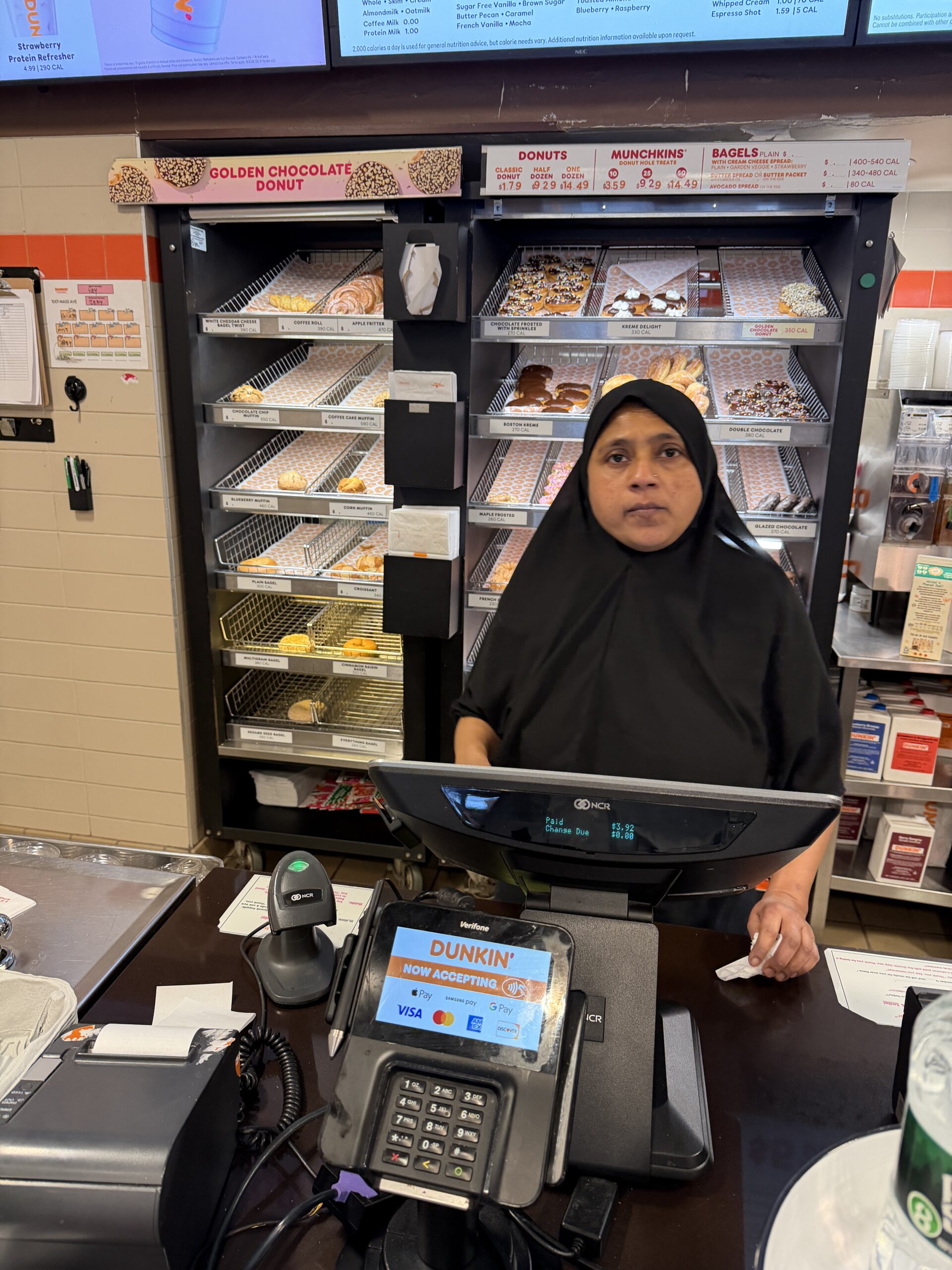
I’m not sure how to square the above anecdotes and photos with nationwide statistics. The labor force participation rate for Black Americans has fallen since 2000, but not any faster than for whites:
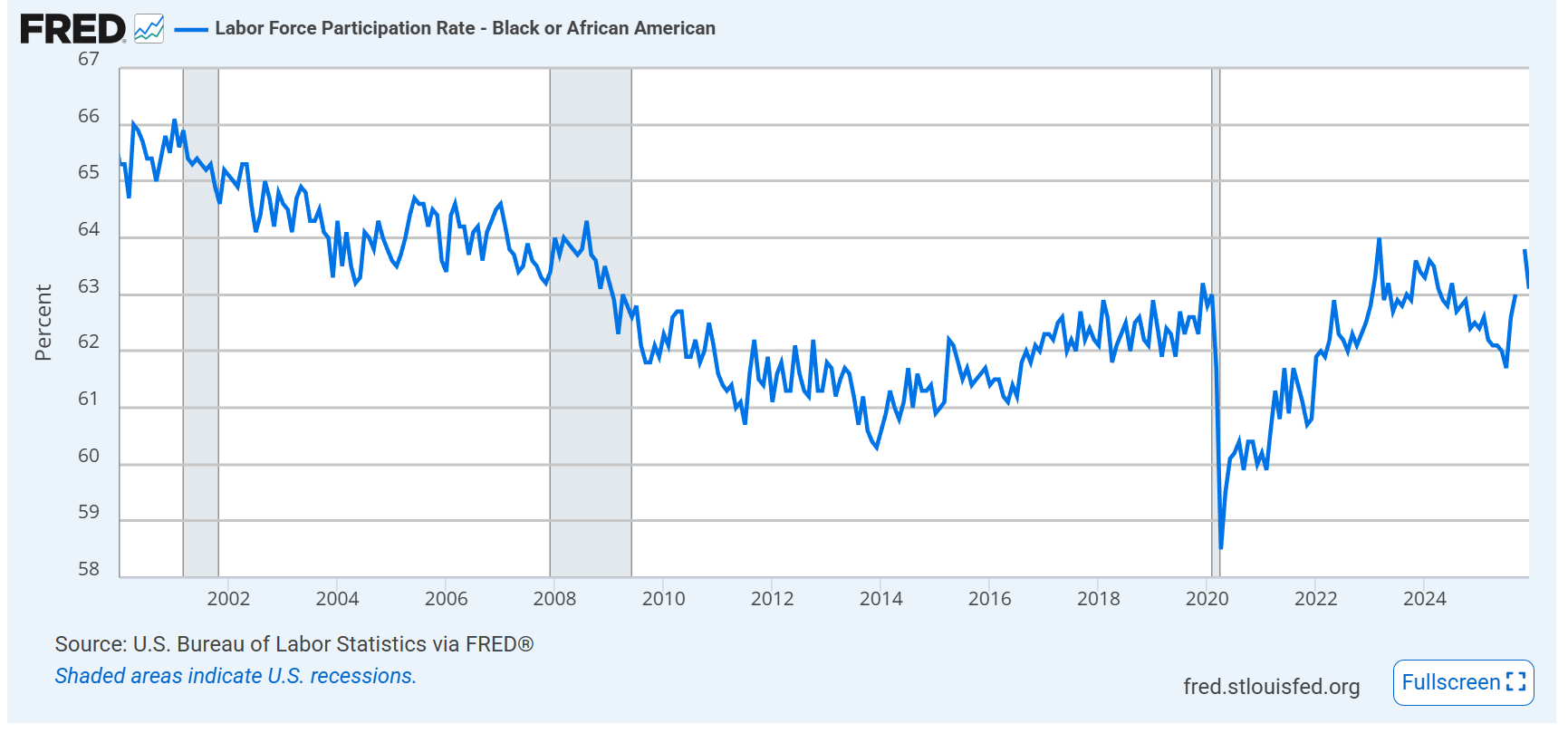
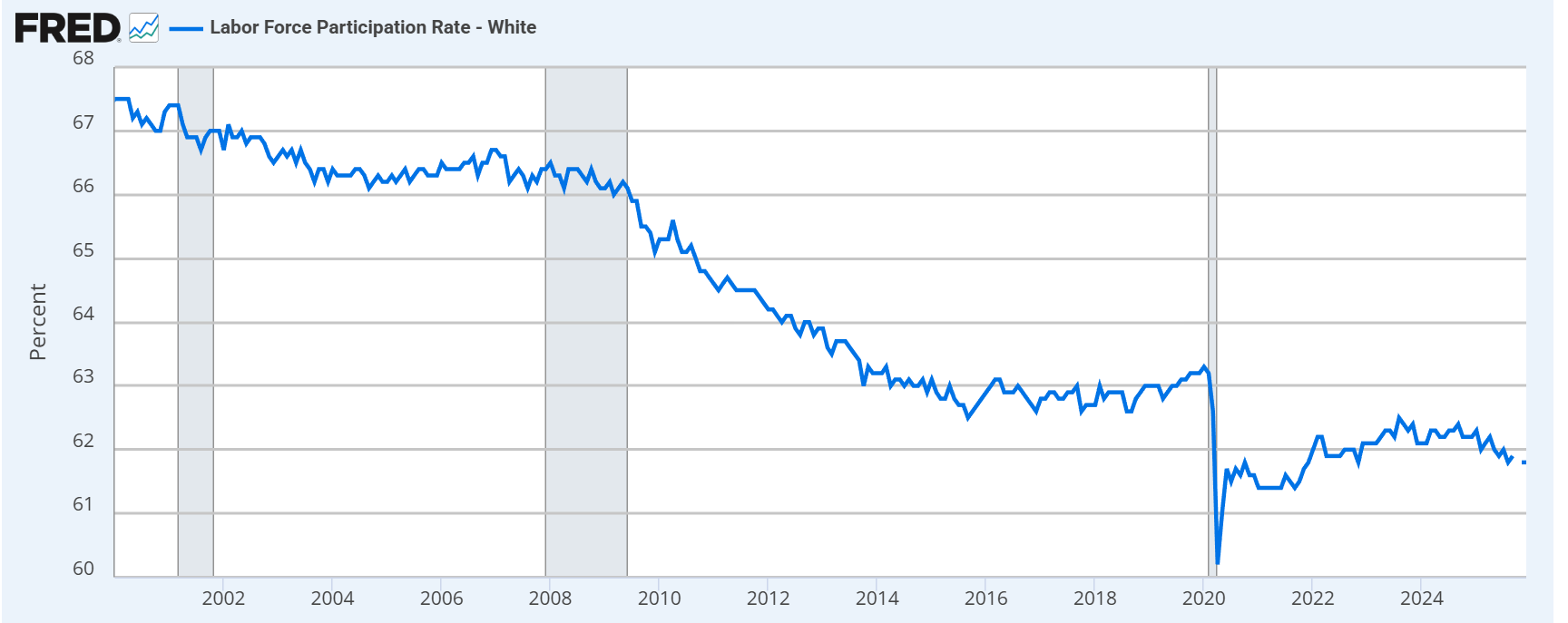
I guess we could infer that Black Americans in Cambridge are working in high-paid office jobs that aren’t customer-facing. But the customer-facing jobs in Harvard Square paid enough to attract reasonably well-educated whites. Maybe Black Americans moved out of Cambridge as they have have moved out of New York City? NYT:
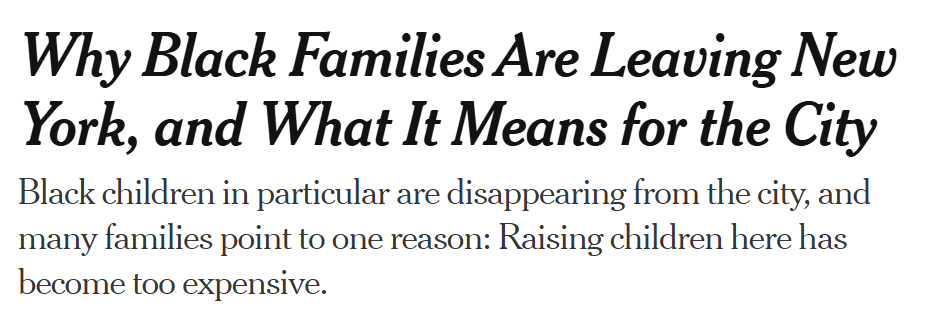
Citywide, white residents now make up about 31 percent of the population, according to census data, Hispanic residents 28 percent and Asian residents nearly 16 percent. While the white population has stayed about the same, the Asian population grew by 34 percent and Hispanic population grew by 7 percent, according to the data.
Native born workers, especially in tech, are increasingly being replaced by AI (Another Indian)?
‘The Silicon Valley righteous behind Uber have decided that “Mohammad” is a nonbinary name (pronoun “they”)’
I hope such observations don’t get you in trouble.
In Sweden, I used to take Uber to work all working days. I regulary had immigrant drivers from Aghanistan and Syria. Other times from Pakistan, Africa, etc., rarely from India. I remember meeting only one caucasian Swedish driver.
Another book worth reading on the Industrial Revolution is Joel Mokyr’s “The Enlightened Economy: Britain and the Industrial Revolution 1700-1850.” Great descriptions of the scientists and engineers, often self trained, sharing knowledge and developing the cutting edge industries of those days – coal mining, textiles, tool making, ship building, road construction (who can forget the great turnpike boom of 1750-70?) finally, the railroads. Mokyr was a Nobel Prize winner in Econ. this year “for having identified the prerequisites for sustained growth through technological progress”
@jdc: I disagree with the core thesis of the book, namely that progress came from a cooperative feedback loop of intellectuals, engineers, and entrepreneurs who openly shared insights.
I think the truth is closer to how James Burke shows history in his “Connections” tv series: progress came from profit-motivated individuals competing with each other, making incremental innovations to fill new opportunities?
Have to agree with Anon 1. After spending a couple of years in former “socialist camp” research and development institutions that contained a lot of technical expertise and feedback loops, it is hard to underestimate value of enterprenurship and risk taking. I think that it also can be a double edged sword.
In other replacement related news, Spain gives half a million migrants legal status to “defeat the far-Right“ (ie: import new voters to replace old voters).
https://archive.is/3UEJf