Robot kamikaze submarines shaped like blue whales render navy ships useless?

One lesson from World War II at Sea: A Global History by Craig Symonds is that a huge expensive ship might be destroyed in a few minutes by a submarine or airplane:

Displacing 71,890 tons when fully loaded, the Shinano was the largest aircraft carrier ever built, a distinction she retained until 1961 when the U.S. Navy commissioned the nuclear-powered Enterprise. … Abe dutifully took the Shinano out of Tokyo harbor one hour after sunset on November 28[, 1944] with a four-destroyer escort. Two and a half hours later, the [U.S. submarine] Archerfish picked her up on radar.

At 3:00 a.m. on November 29, Abe ordered the Shinano and her escorts to turn west, toward the coast. It was the opportunity Enright had been waiting for, and at 3:17 he fired six torpedoes. For an attack on a carrier torpedoes would ordinarily be set to run at a depth of twenty-five to thirty feet, but Enright thought if he hit the big carrier higher up on her hull, it could make her top-heavy and more likely to capsize. He ordered the torpedoes set to run at only ten feet. That decision doomed the Shinano, because the torpedoes struck just above her armored blisters. As the Archerfish submerged, Enright thought he heard six explosions, though in fact only four of his torpedoes hit. It was enough. Tons of seawater rushed into the Shinano’s hull, and almost at once she took on a fifteen-degree list to starboard. With many of the watertight doors not yet installed, the flooding spread quickly. The ship’s list increased to twenty-five degrees, then thirty. Too late, Abe steered for the coast, hoping to run the Shinano aground in shallow water, where she might be recovered and repaired. He didn’t make it, and the Shinano sank just past ten-thirty the next morning. She had been in commission only ten days, and at sea for only sixteen and a half hours.

We have lost some expensive warships to submarines, e.g., the USS Wasp aircraft carrier and the USS Indianapolis cruiser.

After nearly 75 years since we last faced a serious naval adversary, the U.S. has spent $trillions building up and running a Navy full of large and costly warships. These do seem to intimidate Somali pirates (though not so much that they abandon their career?), but might they be vulnerable to an enemy spending only 1/100th of our budget?

What if an enemy were to built a fleet of robot kamikaze submarines? They’d pick up power from the sun when near the surface, be clad in rubber to have a SONAR signature like a whale’s, and have the same size and shape as a whale.

Our advanced systems would pick up these fake whales due to their spinning propellers? It is possible to build a machine that swims like a fish: RoboTuna. Would that make it tougher for SONAR systems to distinguish between an electric fish and a real fish?

Readers: Does it make sense to spend $billions on these Navy ships that could be attacked by robots?

World War II at Sea: A Global History on a guy who was able to predict the future fairly successfully:

Yamamoto was an outlier in other ways. He had spent two tours in the United States and had been profoundly impressed by its industrial strength, reflected by Henry Ford’s automobile assembly plant in Detroit, and the fecundity of the Texas oil fields. War against such an opponent, he concluded, was foolish. Fleet Faction admirals such as Katō did not entirely discount America’s material and economic superiority, but they insisted that the spirit of yamato-damashii could overcome mere wealth and numbers. Like Confederates after Fort Sumter who boasted that one Reb could lick five Yanks, they valued a martial culture over material superiority.

Another area in which Yamamoto defied the reigning philosophy of the Fleet Faction was his skepticism about the preeminence of battleships.

Like every other Japanese naval officer of his generation, Yamamoto had read Mahan’s book at Etajima, and he had initially embraced its tenets. By 1930, however, his natural skepticism led him to reconsider. Prior to his participation in the conference at London, he had been captain of the large aircraft carrier Akagi, and afterward he commanded the First Carrier Division, composed of the smaller carriers Ryūjō and Hōshō. Based in part on that experience, he became convinced that aircraft were poised to make battleships secondary, if not quite irrelevant. In 1934, he told a class of air cadets that battleships were like the expensive artwork that wealthy Japanese families put on display in their living rooms to impress visitors: beautiful, perhaps, but of no practical utility.

Related:

  • “China’s Navy Could Soon Have a New Weapon to Kill Navy Submarines” (National Interest, August 2018)
  • “Pentagon To Retire USS Truman Early, Shrinking Carrier Fleet To 10” (Breaking Defense): “Amidst rising anxiety over whether the US Navy’s thousand-foot-long flagships could evade Chinese missiles in a future war, the Pentagon has decided to cut the aircraft carrier fleet from 11 today to 10. By retiring the Nimitz-class supercarrier USS Truman at least two decades early, rather than refueling its nuclear reactor core in 2024 as planned, the military would save tens of billions on overhaul and operations costs that it could invest in other priorities.” (the ship cost $4.5 billion when launched in 1996 (took two more years to commission))
Full post, including comments

Antarctic aviation in the 1930s

If you love Antarctica stories and airplanes, Antarctica’s Lost Aviator: The Epic Adventure to Explore the Last Frontier on Earth is the book for you. Lincoln Ellsworth, whom the author says would be a multi-billionaire if his fortune at the time were adjusted to today’s mini-dollars, spent years organizing a flight across the continent and finally succeeded in 1935. He decided to become a polar explorer at age 44.

How had things gone for the world’s greatest polar explorer?

Roald Amundsen had devoted his life to polar exploration, and by 1924 it had left him bankrupt and bitter.

In truth, Amundsen’s biggest mistake was that he had won. A small team of hardy and hardened men from Norway, with experience and careful planning, had upstaged the ambitions of the proud and mighty British Empire and the Empire did not like it. Burdened by debt, made weightier by accusations of cheating, Amundsen again sought refuge on the ice, but his plans were interrupted by World War I. After the war, he made an attempt to sail the Northeast Passage, before deciding his future was in the sky. He gained a pilot’s license and resolved to fly to the North Pole and across the Arctic Ocean. He took an obsolete plane to Wainwright, Canada, but crashed it landing on rough ground. Amundsen reasoned that what he really needed was a plane that could take off and land on water or ice: a flying boat. The best available at the time were the Italian-built Dornier Wal flying boats. But how to pay for them? Amundsen was forced to turn to the only way he knew to raise money: touring and lecturing. The money was in America, so that’s where he went. Thus, in October 1924, Roald Amundsen was holed up in New York’s Waldorf Astoria Hotel, refusing to accept visitors lest they be creditors and “nearer to black despair than ever before,” on a tour that, “was practically a financial failure”:

Amundsen, Ellsworth, and some well-qualified pilots and mechanics of the day did head up towards the North Pole in two German-designed Italian-built Dornier Wal seaplanes (two 350 hp engines). Mechanical issues prevent them from reaching the Pole, however. They have better luck in an airship, making it from Svalbard to Alaska via the North Pole in 1926 (story).

What were prices like in the early 1930s?

Bernt Balchen agreed to be the pilot [of a trans-Antarctic flight in a Northrop Gamma] if he was paid $800 a month plus his expenses, for the length of the expedition. For a successful flight across Antarctica he would receive a $14,700 bonus. It was a lucrative contract at a time when professionals, such as doctors, were earning $60 per week and production workers were lucky to manage $17.

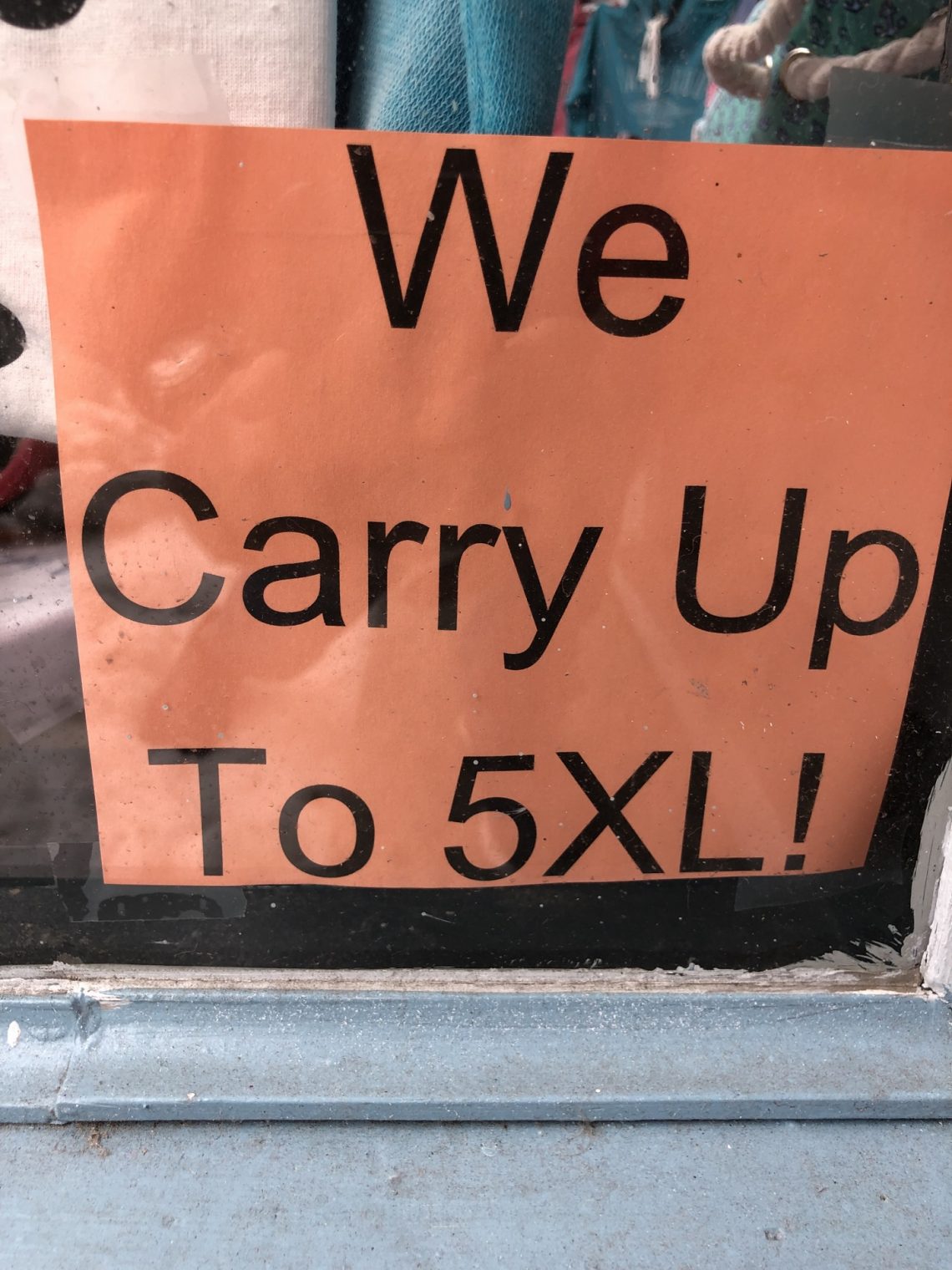
Women today are generally prevented from taking flying lessons. A T-shirt from a flight school in Bentonville, Arkansas

Back in the 1930s, however, men were not sufficiently organized to exclude women from aviation:

While at Mittelholzer’s airfield, the fifty-two-year-old Ellsworth met Mary Louise Ulmer, a fellow American, twenty-five years his junior, who was taking flying lessons. Ulmer was the daughter of an industrialist, Jacob Ulmer (who had died in 1928) and Eldora, who was fulfilling her duty as the wealthy, idle socialite mother of a plain, awkward, and painfully shy daughter. Eldora was dragging her child around Europe in the hope of finding a suitable husband. When Ellsworth and Mary Louise met at Mittelholzer’s airfield, Eldora instantly knew she had hit the jackpot. Ellsworth was older, equally shy, and, she may have suspected from his bachelor status, gay. But he had two qualities that made him an ideal son-in-law: he was incredibly wealthy and he was well practiced in doing what he was told. … ten days after they met, Ellsworth proposed marriage to Mary Louise.

Having succeeded in her safari to the continent to hunt down a husband for her daughter, Eldora’s next task was to return to America to display the trophy. Any fleeting attention Ellsworth might have given to his polar expedition was redirected to surviving the less forgiving environment of a society wedding.

By 1930, Antarctica was still 90 percent unknown. Maybe this is because explorers were usually too plastered to make maps?

Ellsworth also sent on board forty bottles of whisky for his personal consumption, in addition to the whisky and beer taken on board for the crew.

The expedition leader had some reasons to drink:

[Hubert] Wilkins tried to make sense of his life and plan what he should do next. He had no money and was living on the small salary that Ellsworth was paying him to take care of the Wyatt Earp. He felt that his debt—moral or financial—had been repaid. He had organized the expedition and got everything successfully to the Ross Ice Shelf, until circumstances beyond his control had brought the whole affair to a premature end. He was alone and lonely; famous for a failed submarine expedition to the North Pole, while living in hotels at the bottom of the world, touring country towns and showing his films for a little extra cash. … On the personal front, Wilkins had not seen his wife in two years and was conscious that she was dating other men. He had married Suzanne Bennett, an Australian-born chorus girl working in New York, shortly after he was knighted. It was a whirlwind romance, consummated at a heady time in Wilkins’s life. It was soon apparent to Wilkins that Suzanne’s main motivation in attaching herself to the famous explorer was to gain the title Lady Wilkins, then put it to use to elevate her career from chorus girl to movie star. (A strategy that was spectacularly unsuccessful.) Wilkins constantly wrote Suzanne long letters expressing his love, but she rarely replied, and when she did it was usually only to taunt him about his lack of success, his age, or the fact he was going bald.

(The wife later writes to him saying that she is pregnant.) He dispenses life advice to the crew: “Remember, Magnus, you will never gain anything without personal wealth, or government backing.”

The Southern ocean was not any better behaved back then

The Wyatt Earp had a rough trip south. In heavy weather it would roll fifty degrees to each side. From being heeled over to port, rolling though one hundred degrees to starboard, then back to port, took only four and a half seconds. Anything not secured would be catapulted about the cabins with dangerous velocity.

The first trip was going great until the ice shelf from which they had planned to launch the airplane split apart, in cartoon-like fashion, right underneath the airplane. The plane dangles into the crack, supported by the wings on both sides. The season of 1933-34 wasted.

The season of 1934-35 is ruined by a mechanic’s error in trying to start the engine without first draining the preserving oil, then by some bad weather.

The author explains why a lot of folks have had trouble in one particular part of this continent:

Today we know that on each side of Antarctica there is a huge bight. On the side facing the Pacific Ocean it is the Ross Sea, while facing the Atlantic Ocean it is the Weddell Sea. Currents, which are driven forcibly from the oceans to the north, flow into these great bights to scoop up millions of tons of ice that have descended from the Antarctic Plateau and, in a swirling clockwise motion, sweep it out to sea. In the Ross Sea where, at the western extremity Victoria Land does not extend north, the piled pack ice easily reaches open water. At the western end of the Weddell Sea, however, the Antarctic Peninsula extends north. Here the ice cannot escape so freely. Trapped, it becomes deadly as it is caught, crushed, jumbled, and tumbled over itself. And small rocky islands jut from the water and conspire with the ice to crush any ship foolish enough to venture into the area. The northwest corner of the Weddell Sea is the most dangerous coastal area in the Antarctic. In February 1902, Swedish explorer Otto Nordenskjöld and a small party were landed on Snow Hill Island at the edge of the Weddell Sea. Returning in December, their relief ship found it impossible to reach them and had to move away from shore. Returning again in February 1903, the ship was caught and smashed by the ice, marooning the relief party on nearby Paulet Island. Nordenskjöld’s group, which had already built a hut, spent a second winter in Antarctica, while the relief group survived in a small stone shelter, before all the men were eventually rescued. Nordenskjöld claimed the area had “a desolation and wildness, which perhaps no other place on earth could show.” Another person to risk entering the Weddell Sea was Sir Ernest Shackleton, who ignored the advice of the whalers and based his decision on his two trips to the more benign Ross Sea. When he attempted to unload the team that planned to walk across Antarctica, his ship Endurance was famously caught and crushed. In the twenty years since the Endurance, no one had tried to navigate the Weddell Sea. In fact, in more than thirty years, no one had returned to visit Nordenskjöld’s hut. But Wilkins’s previous experience told him there was no other possibility of finding a flat runway. Venturing into the infamous Weddell Sea was their only hope.

Supposedly we are living in a woker-than-ever age of tolerance. People in the old days were morally defective by comparison. Yet when Sir Wilkins’s wife sends him a letter repeating gossip regarding Ellsworth being gay, he replies “I am not the least bit concerned as to what people say. He may be a sissy for all I know, but I do know that I gave my word that I would do the job of putting him in a position for doing the flight he has made up his mind to do and that is that. One does not argue or ask to get out of a contract by word of honor.” The unconventional sexual choices purportedly made by Ellsworth did not keep him from being awarded the Congressional Gold Medal twice, one of only four people to have achieved this. Nor did his sexual orientation prevent a lot of stuff on the map from being named “Ellsworth” (plus a hall at the American Museum of Natural History).

For the 1935-36 season, the pilot is Herbert Hollick-Kenyon, born in England 38 years previously and with 6,000 flying hours behind him.

During the months before the flight, the author describes what is surely Ellsworth’s most remarkable achieve: “he went tiger hunting in the jungles of Brazil.”

The challenge and the proposed solution:

Ellsworth and Hollick-Kenyon had to fly 2,200 miles, more than half of which was over an unexplored area of the Earth’s surface. That unexplored area, lying roughly in the middle of their flight, could be flat ice shelf, towering mountains ranges, or a series of islands. They would be taking off from a point north of the Antarctic Circle (63°5′ South, 55°9′ West), flying to within six hundred miles of the South Pole, and through more than one hundred degrees of longitude (over a quarter of the way around the globe) to an ice shelf the size of France, on which they needed to locate a buried base, only indicated by radio aerials protruding from the snow.

Balchen was proficient at dead reckoning navigation. So was Wilkins. Importantly, Balchen and Wilkins knew that a key to dead reckoning was knowing the plane’s flying speed, and the only way to accurately measure that was to time a flight from point A to point B. Balchen had flown the Polar Star and claimed its top speed was 220 mph and that it cruised at 150 mph. But Balchen had made that test flight in

Full post, including comments

Provincetown Public Library

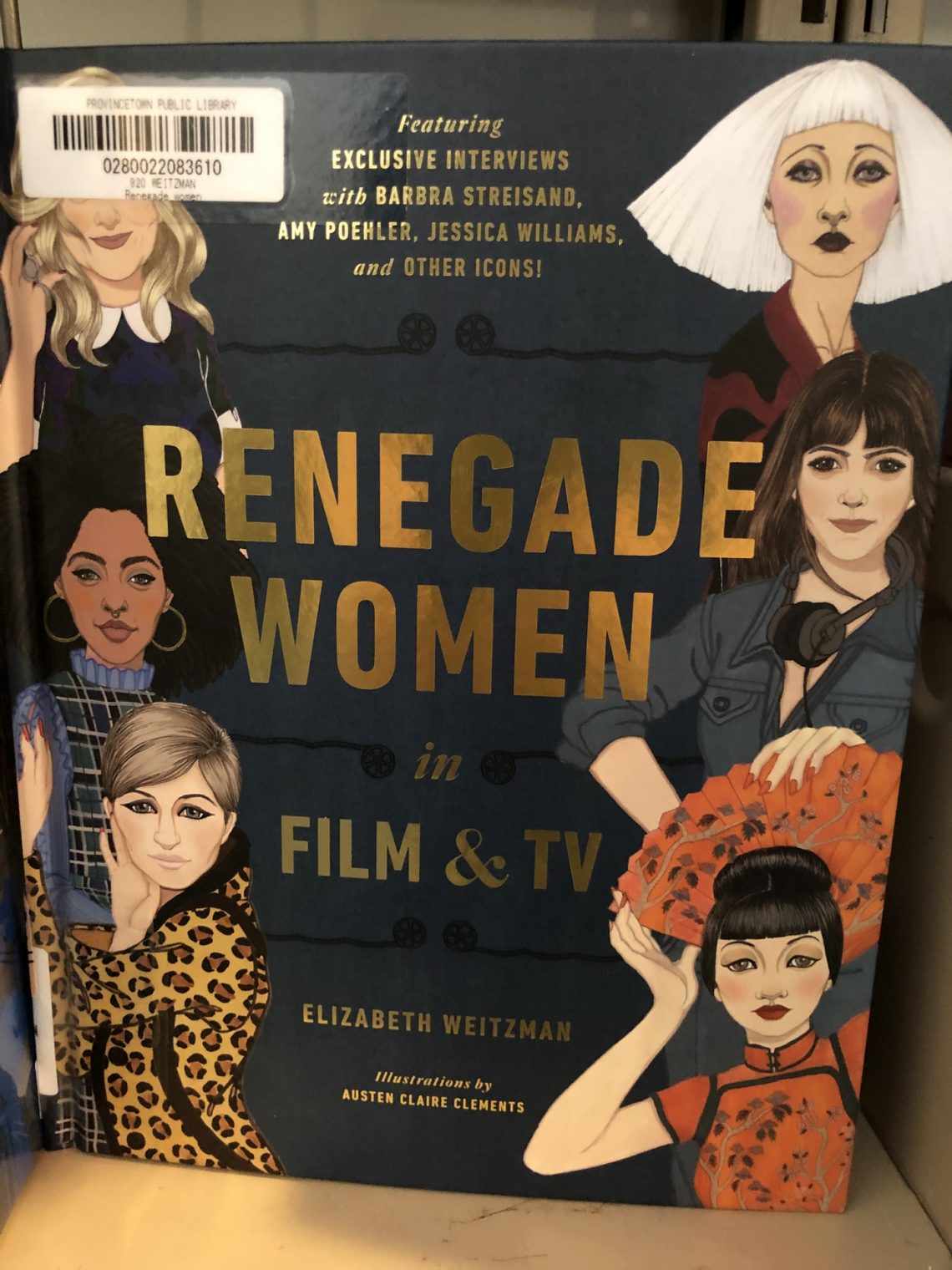
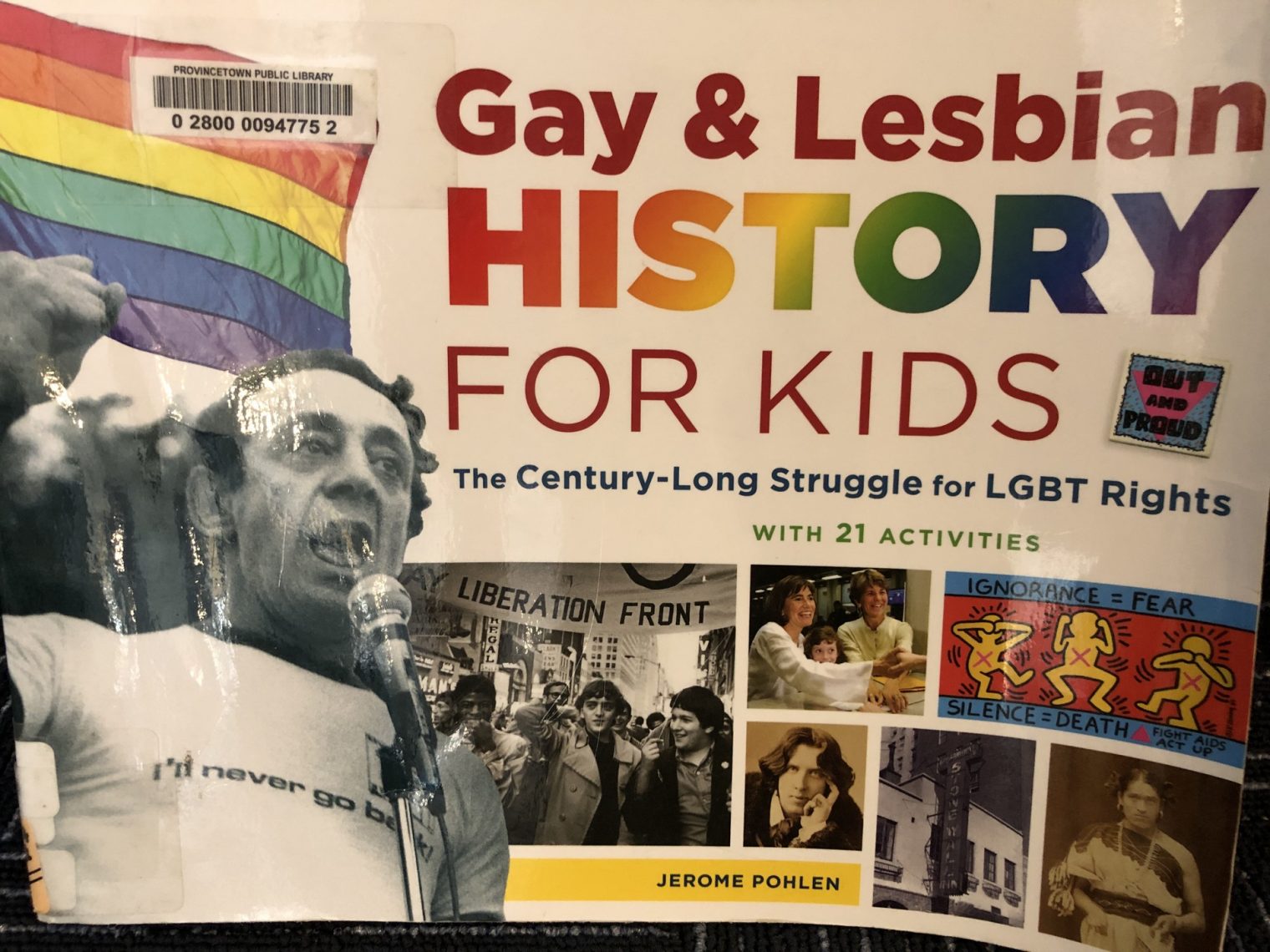
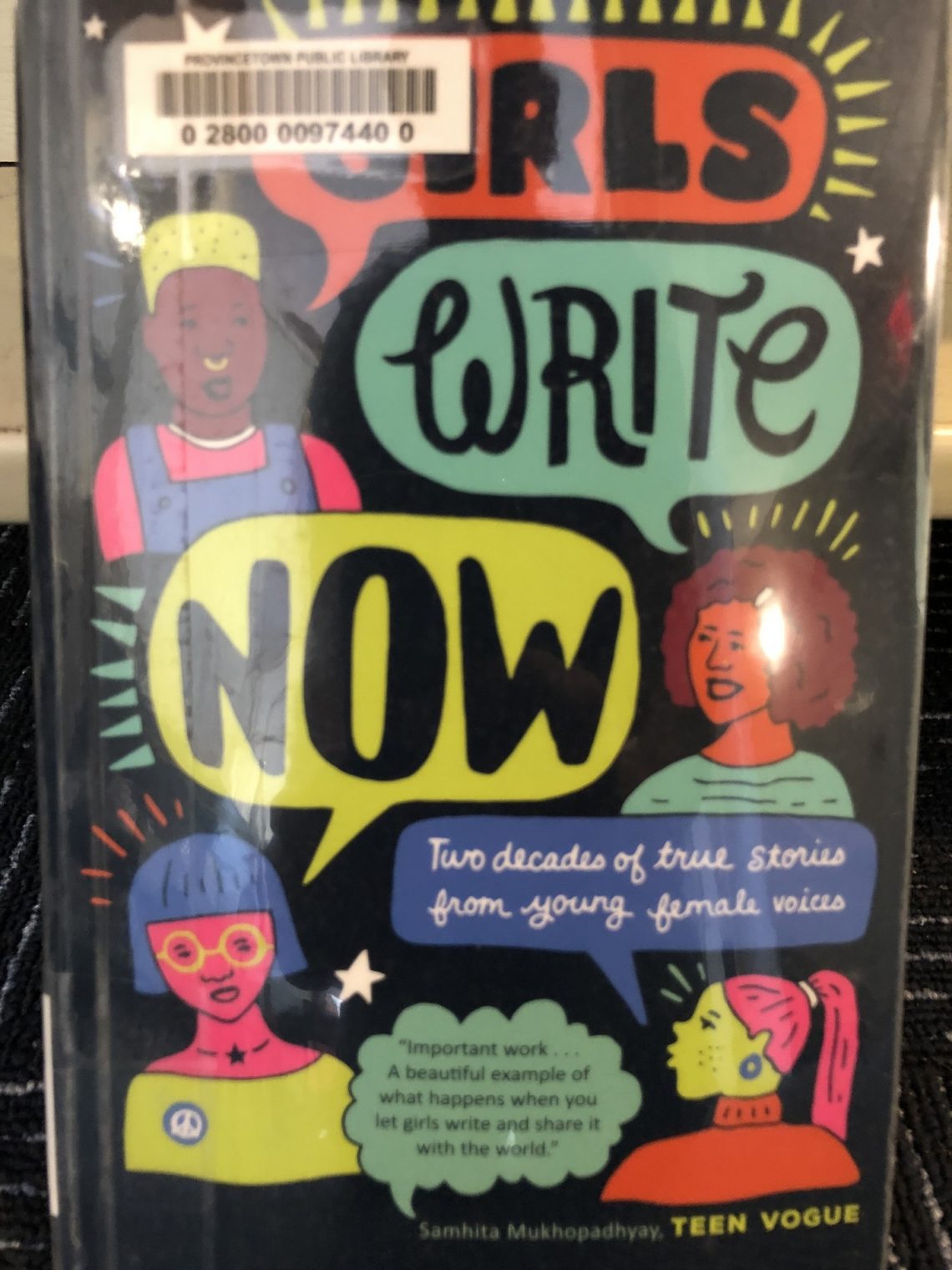
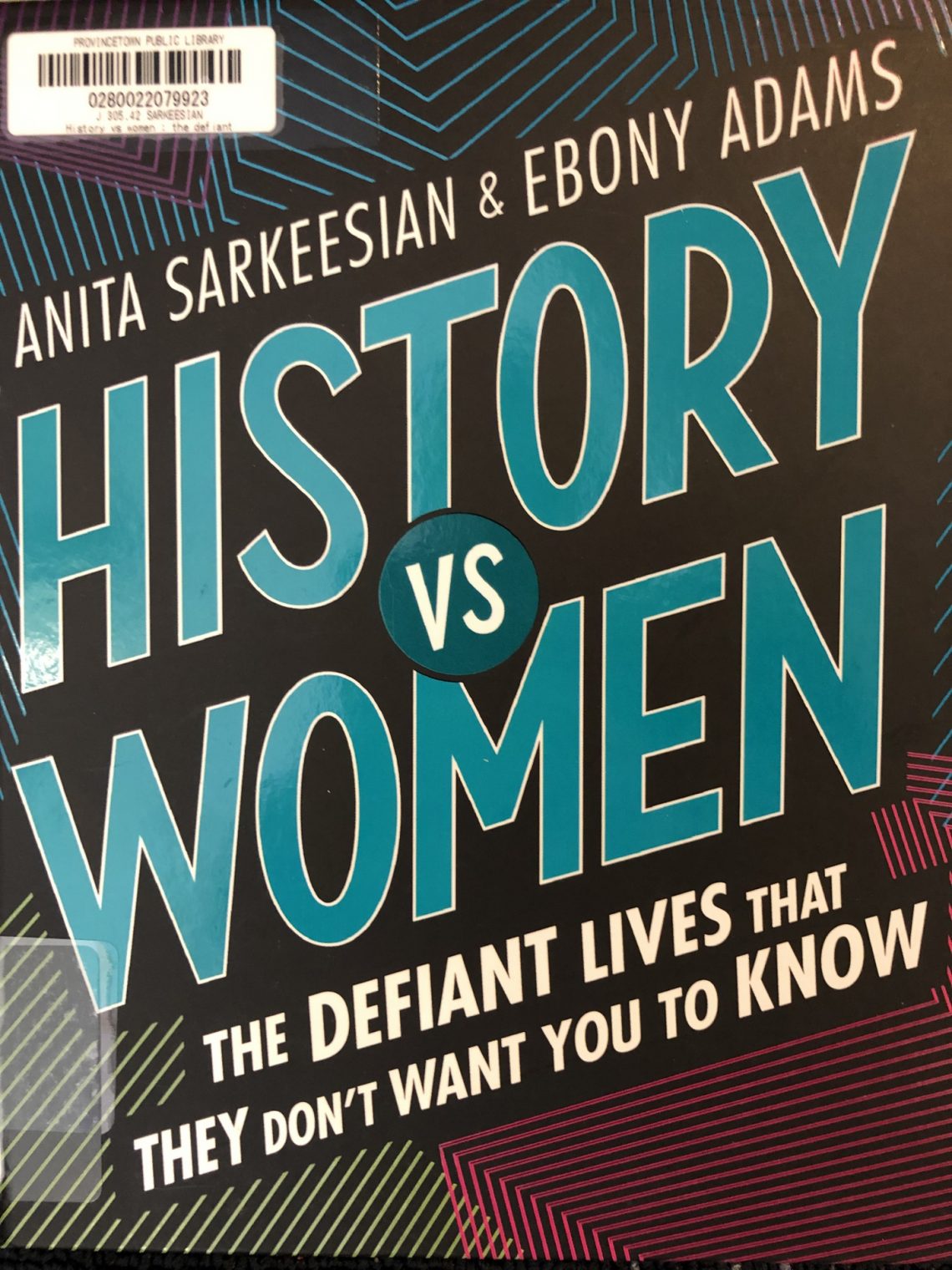
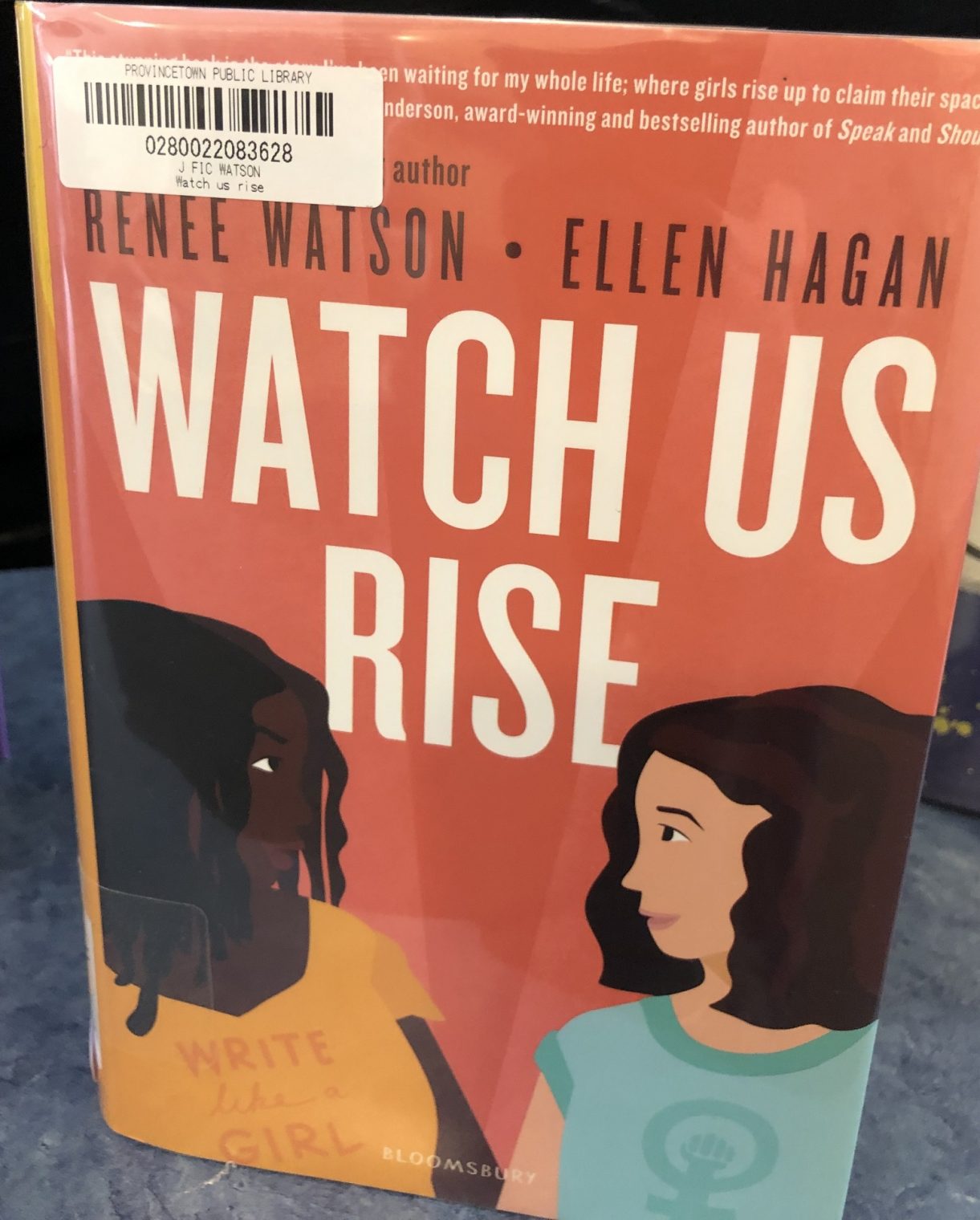
One of the exciting things that I am able to do after 18 years of flight training is go to public libraries in different towns. The photos below are from a recent rare calm-wind, above-freezing day in Provincetown, Massachusetts.

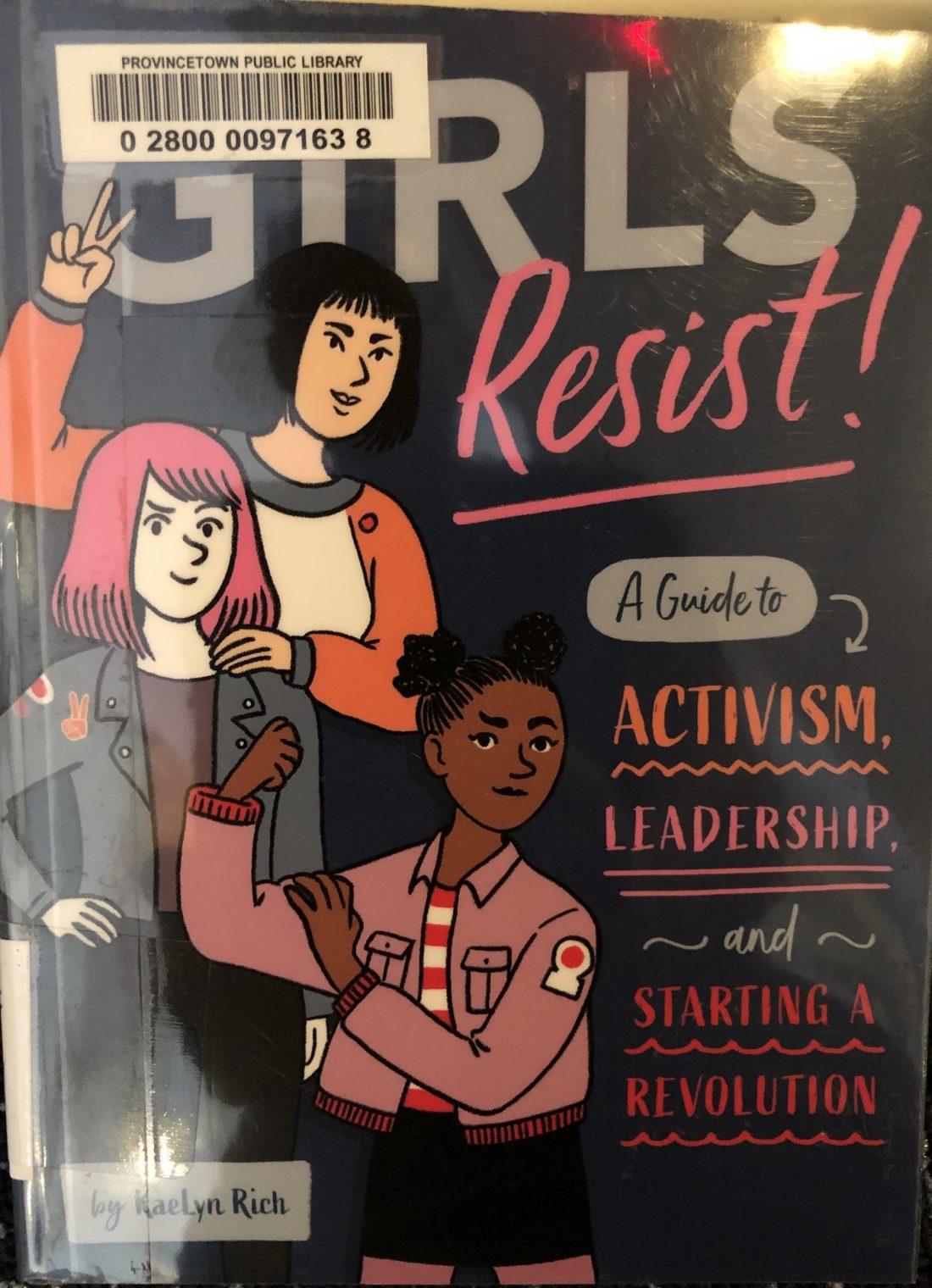
Adjacent books in the featured Young Adult Non-Fiction section:

From the rest of the shelf:

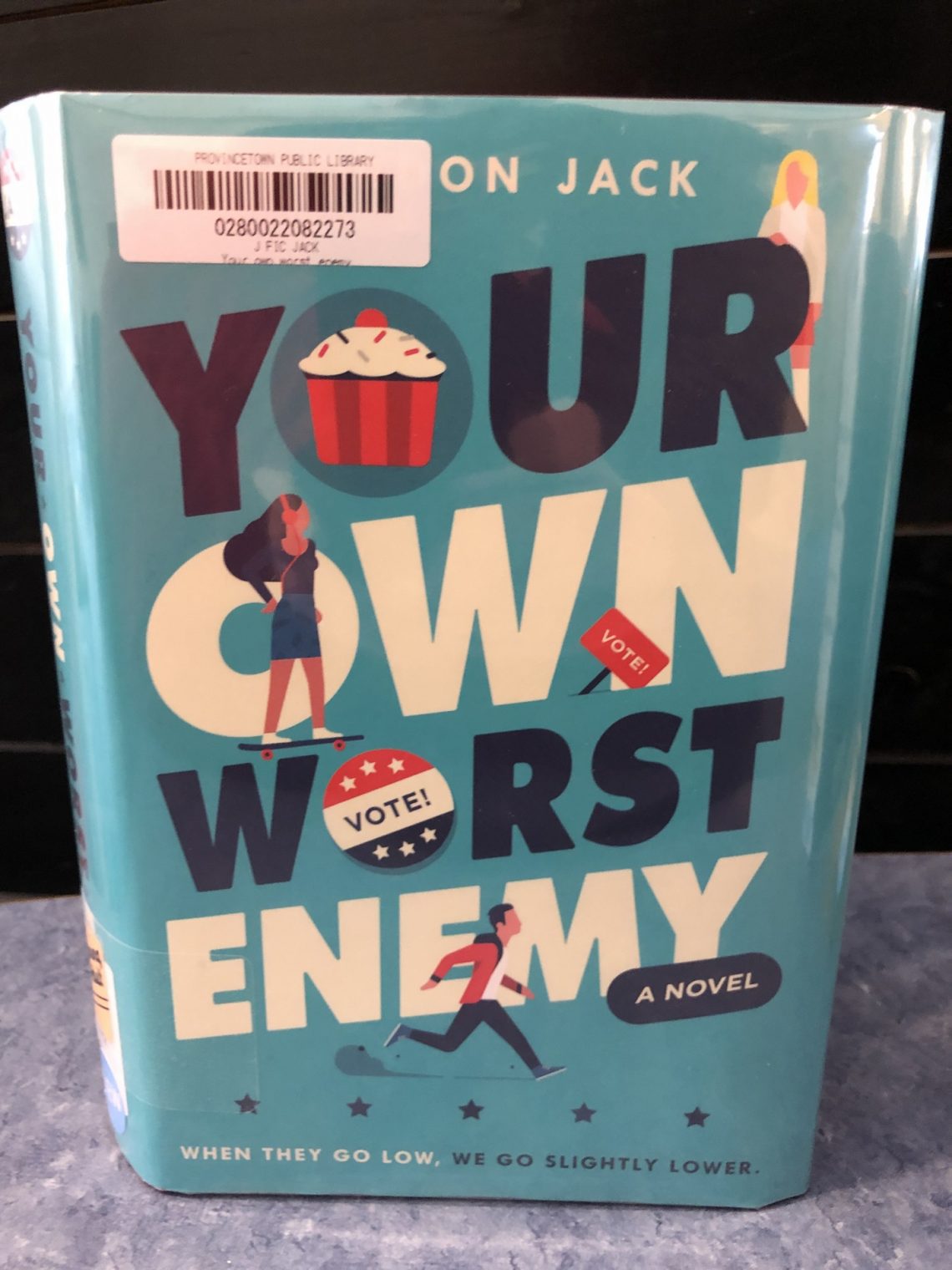
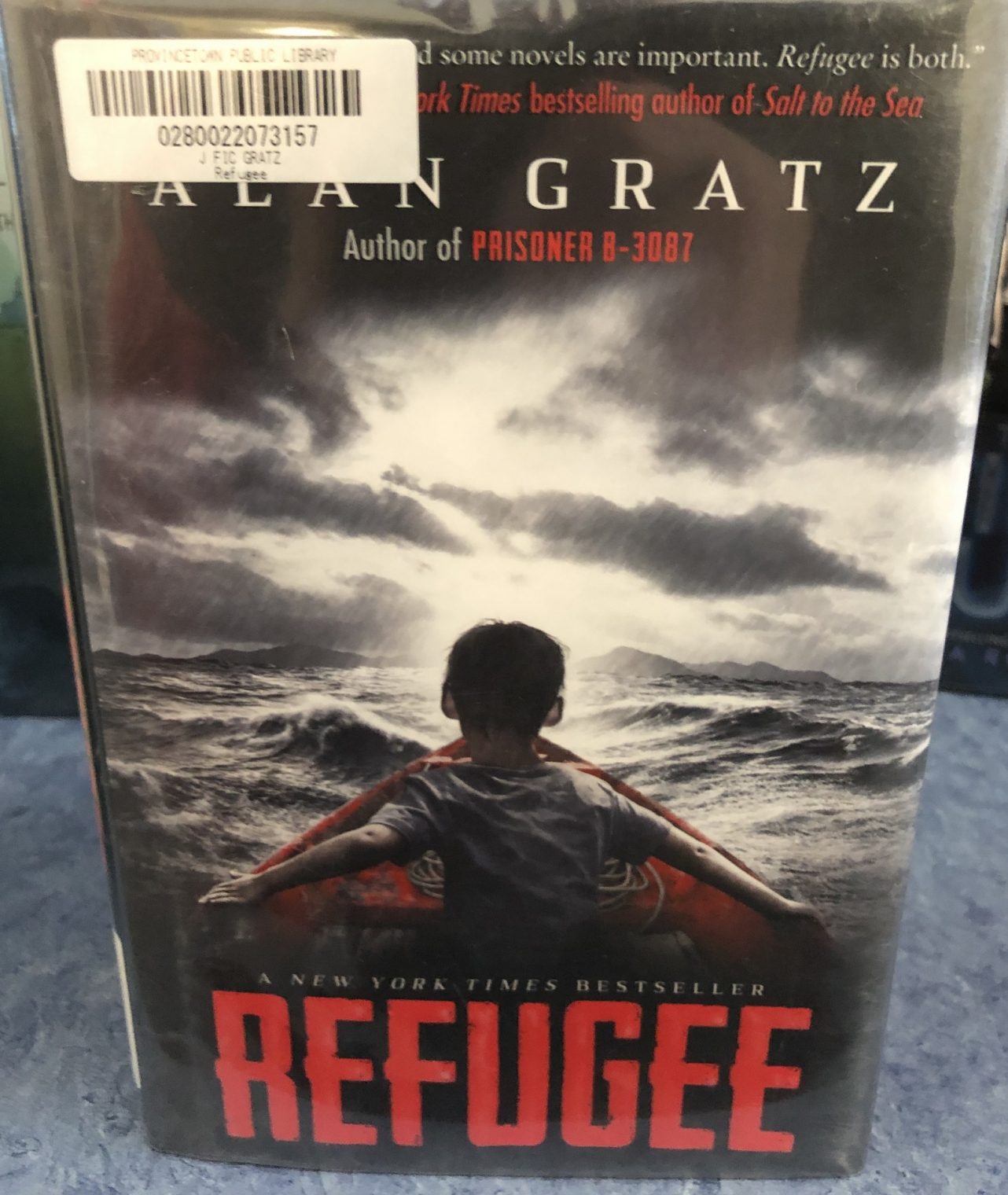
What about New (and/or featured) Children’s Fiction?

I do hope that at least one candidate in 2020 adopts Gordon Jack’s slogan of “When they go low, we go slightly lower.”

In between the fiction and non-fiction sections:

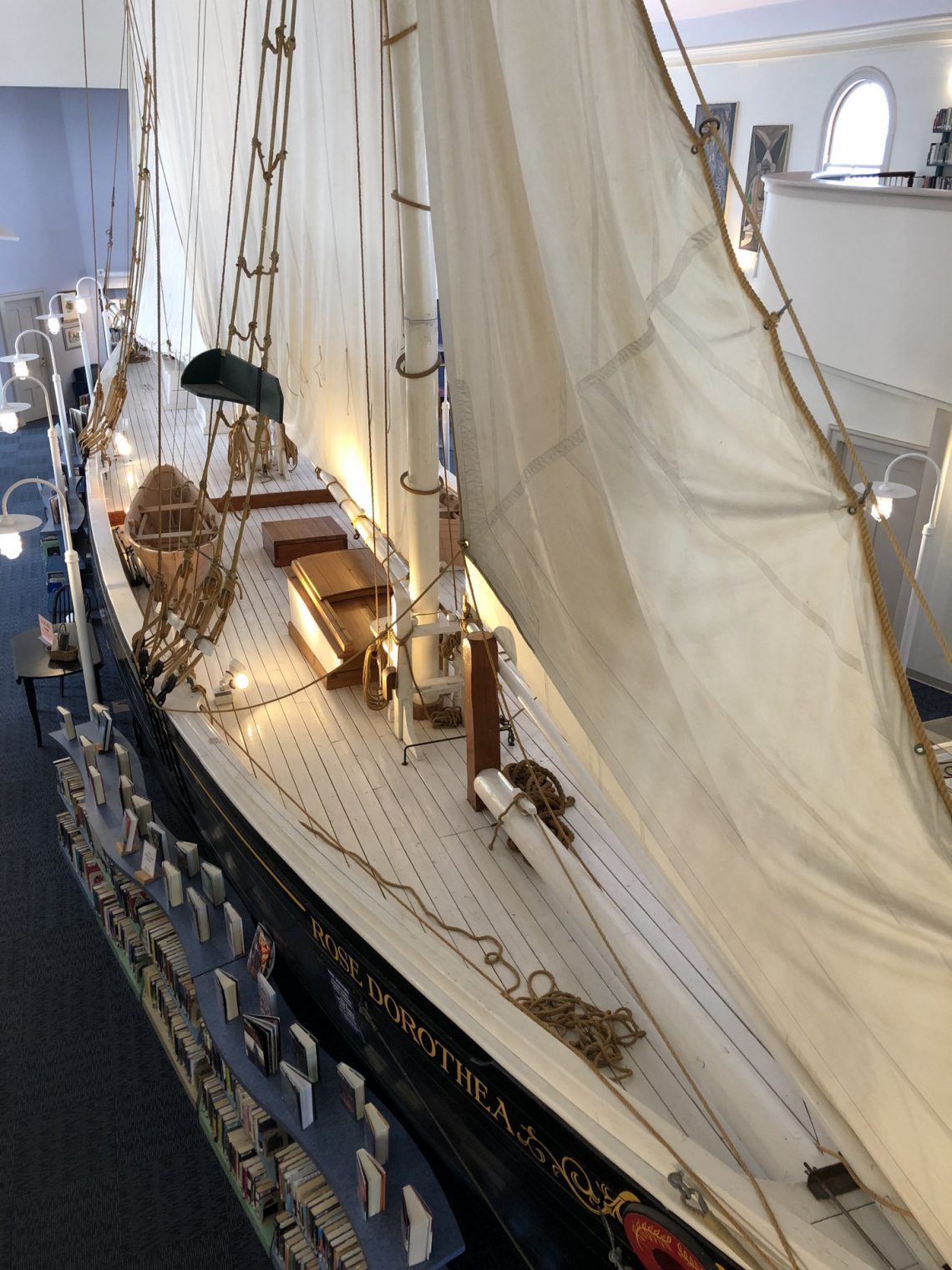
What about for little kids? The library is in a converted church and makes great use of the high ceilings:

There is a restroom:

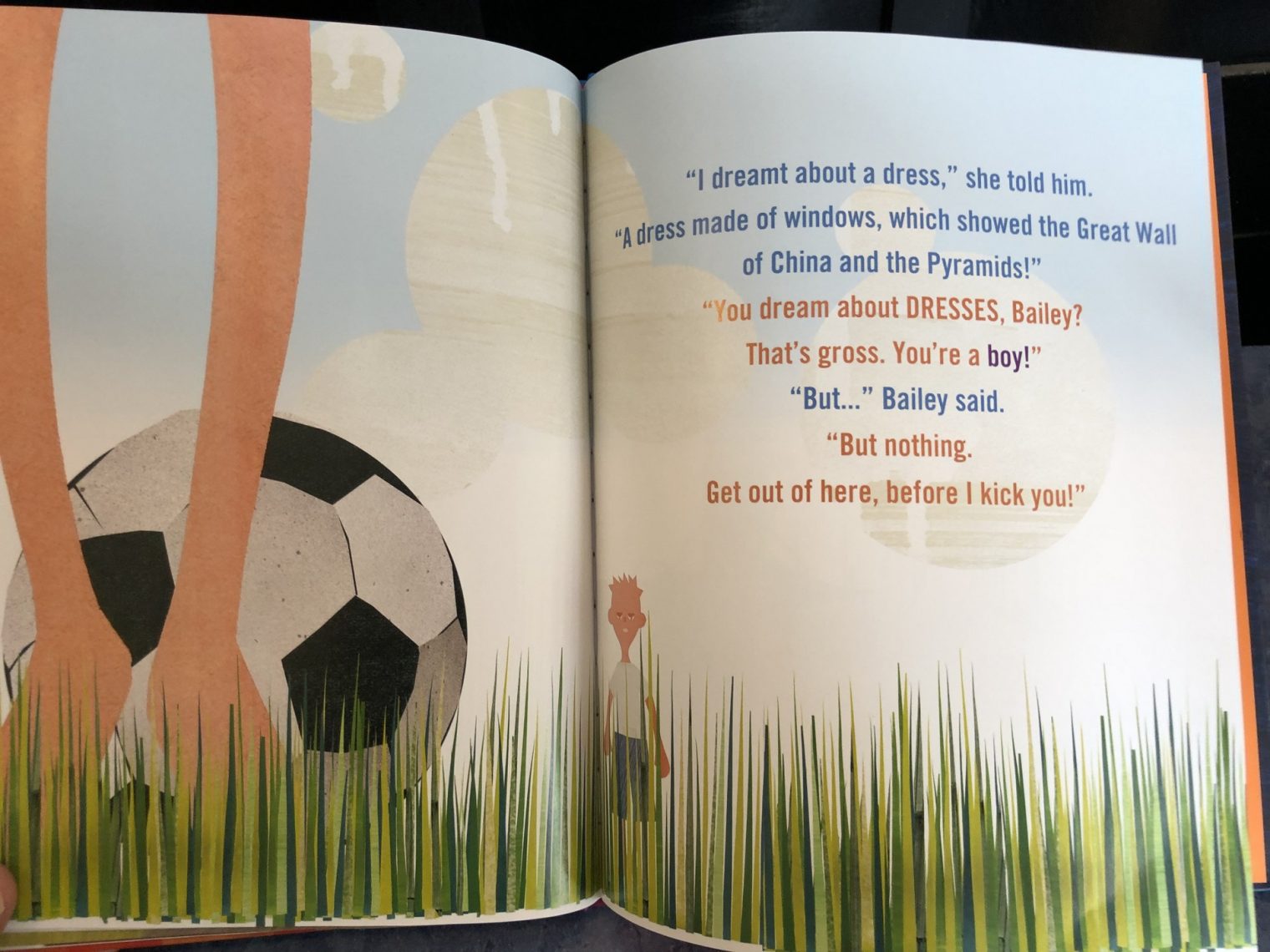
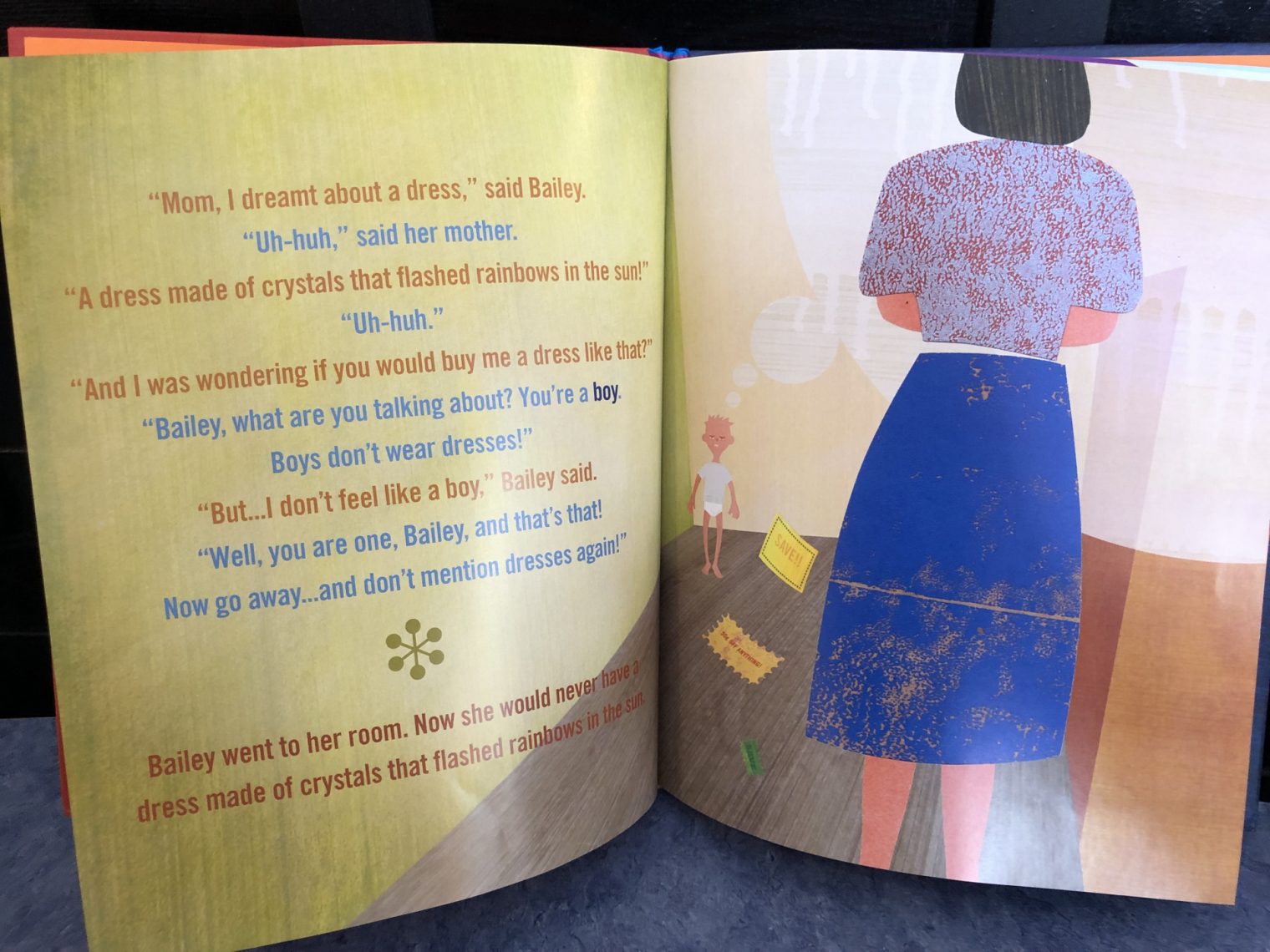
The little kids have their own books, in which it turns out that adults and cisgender boys are guilty of cisgender-normative and hetero-normative prejudice.

The reviews of I’m a Girl on Amazon:

  • A wrongheaded picture book attempts to celebrate “girl power” and the rejection of traditional gender roles but ends up perpetuating stereotypes. … The damaging fallacy extends in every direction, though, as the bystanders’ sometimes derisive comments, which assume that she’s male (“Ugh! Boys are so messy.”), support an additional set of (binary) gender stereotypes.
  • Besides the message of “you can be as annoying as you want as long as you’re breaking gender stereotypes,” having to read “I’m a girl!” with emphasis throughout the entire story gets tedious.
  • Intentional or not, it’s about gender identity and being misgendered. … It never says she is trans, but could easily be read that way

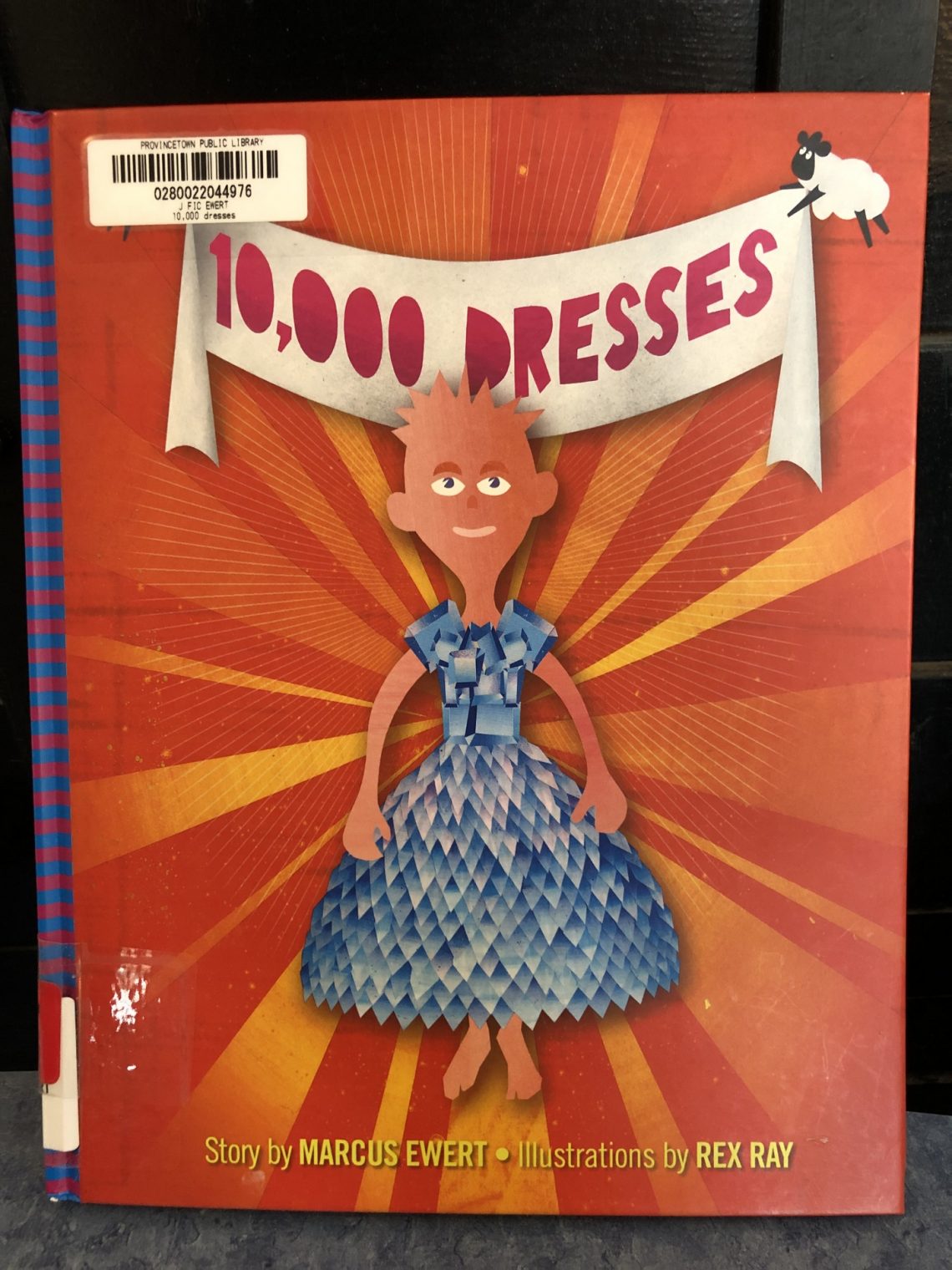
And of 10,000 Dresses:

  • I am building a collection of books and lessons to help my children understand what the GLBTIQ crowd experiences to help teach them how to treat others and how NOT to treat others.
  • I selected this book as part of an independent English literature course that I am taking that involved examining LGBT experience through literature. This is an excellent selection for starting discussion on transgender identity in childhood. The author’s use of pronouns is especially insightful and overall it’s a reaffirming story. I removed one star from my review because the main character’s parents and sibling are rude and intolerant and the book in no way addresses this.
  • I do have a problem with the girl running to a stranger’s house and going in as if that is a perfectly safe behavior.
  • I returned mine today and was appalled as I read the story to my son before reading it to myself. Kids need to feel safe at home, especially when dealing with gender non-conformity.
  • This book seems intended to be positive about a boy wearing dresses, but in the story, the boys’ parents and sibling reject him, and one girl becomes his friend and makes dresses with him. The issues with his family are never resolved.
  • [From American University] 10,000 Dresses is a true depiction of what a young child goes through when feeling that they do not fit in. … There are also no diverse races in this book; every character that is depicted is Caucasian. Since children of color are unable to see themselves represented in the book, they cannot relate to the greater message behind the story.
  • The story is poorly conceived: the parents are unsupportive and cold, while a stranger provides comfort.
  • A child is systematically mocked by each member of his family, only to find refuge with a random stranger.

Should these paper forms be called “Normally aspirated tax”?

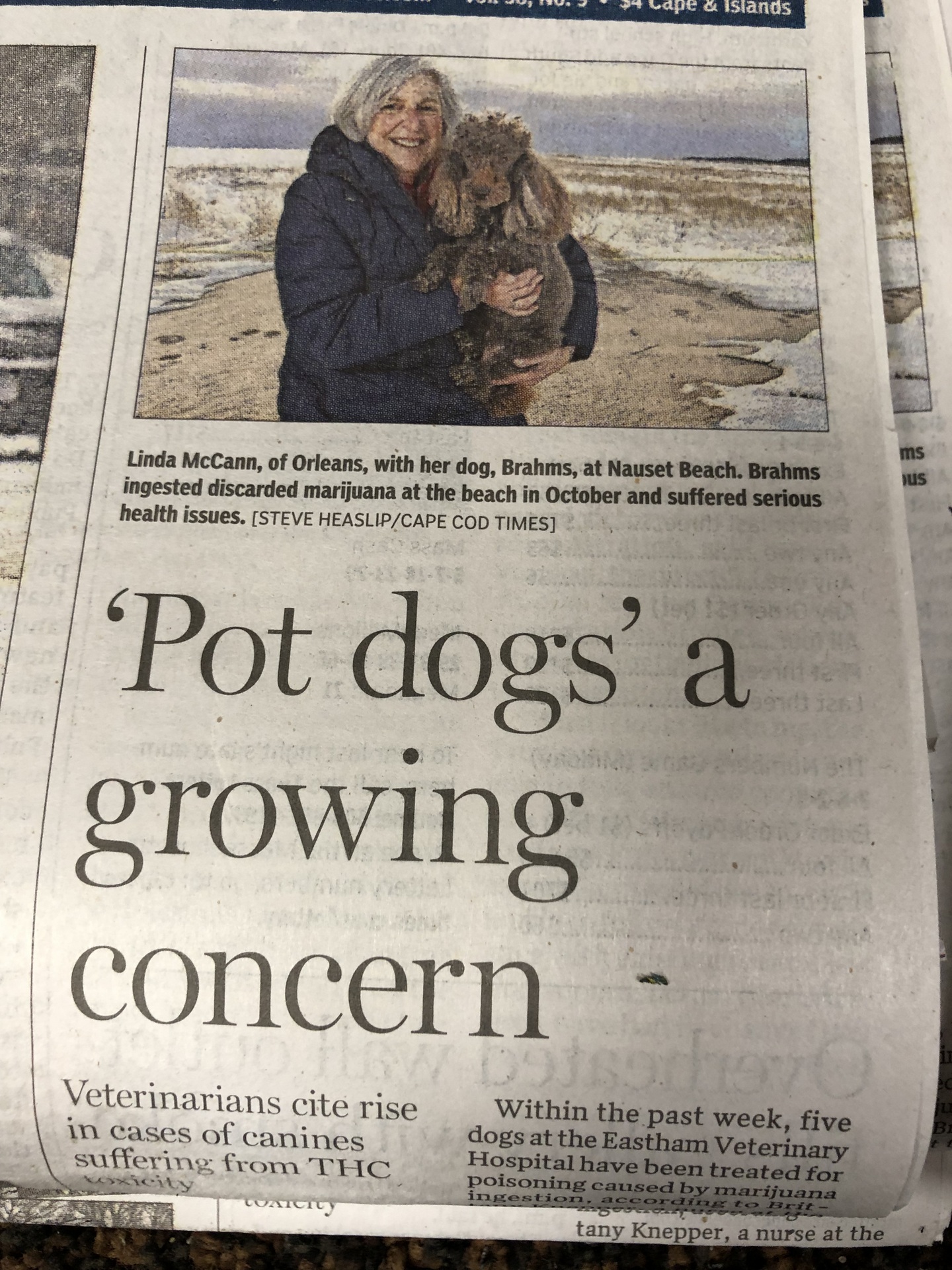
From the convenience store, we learn that customers are passionate about marijuana, but that the claimed health benefits for humans do not translates into health benefits for our canine companions:

What’s happening in the rest of the town?

Full post, including comments

Order of tidying up from Marie Kondo

The Life-Changing Magic of Tidying Up, by Marie Kondo, suggests a tidying-up order.

The Preface, typically used by authors and publishers to motivate readers to invest time in the rest of the book, seems to suggest starting by cutting back on the number of adults in the space:

Here are just a few of the testimonials I receive on a daily basis from former clients… “Your course taught me to see what I really need and what I don’t. So I got a divorce. Now I feel much happier.”

After that, the high-level sequence is

  1. Discard
  2. Organize (find a place for each thing that managed to justify its continued existence)

With the Discard phase, use the following sequence:

  1. clothes
  2. books
  3. papers
  4. misc. items (komono)
  5. sentimental items

Komono may be tidied in the following subsequence:

  1. CDs, DVDs(!)
  2. Skincare products
  3. Make-up (nearly all of her clients are women)
  4. Accessories
  5. Valuables
  6. Electrical equipment and appliances
  7. Household equipment (stationery, sewing)

A key to the discard phase is to put everything on the floor (this method is for people with young backs!). Kondo says that only by holding the thing can one know whether it sparks joy. This may seem absurd for books, but Kondo insists.

In the organization phase, one key is to keep similar items together so that it is easy to put things back. Kondo points out that people are a lot more motivated when they need to use something so it isn’t necessary to make retrieval super easy. Another one of Kondo’s idea is to try to use what she calls “vertical storage” (arranging things like books on a shelf).

One non-obvious idea is to try to cover up or remove extraneous text, e.g., on storage drawers, boxes, bottles of detergent, etc. Her point is that a space, even if wonderfully organized, can be “noisy” with all of the irrelevant text. (Keep the Poison Hotline number handy, though, in case you get those de-labeled bottles mixed up!)

Kondo is dismissive of the value of specialized storage gear and of the very idea of being a “storage expert.” Better to discard a lot of unneeded stuff and then use a few shoeboxes as dividers within larger spaces. So you’d think that The Container Store would try to discourage folks from reading her book. Au contraire! The company is brave enough to confront the tidying expert head-on in “A MESSAGE ON DECLUTTERING & SPARKING JOY Marie Kondo and The Container Store” (from the wife of a co-founder who is now a senior executive):

I was intrigued by the similarities to our own philosophies until I got to the part where I learned that she felt it was a bad idea to shop in stores like ours! To buy organizational products is frivolous. … I finally read the book on a plane to New York this spring. I loved it!

When we opened our store in 1978, we offered multifunctional utilitarian products that were essentially “repurposed”, much like the items Marie Kondo might use. Dairy Crates, Wire Leaf Burners, Barrels, Wooden Boxes, Dishwashing Pans, Restaurant Bus Tubs, Mailboxes, Industrial Parts Bins…all very simple concepts inspiring creative ideas and solutions for our customers.

Today, The Container Store’s offerings are more specific in use, not as esoteric, but the fundamental values of our concept still exist in the product selection. We look for multifunctional items that are versatile enough to last and be repurposed for a lifetime of use. They are beautiful and functional. They enhance our lives and make us better. They help to fulfill our Promise of an Organized Life.

This letter is one of the things that I love about the Internet. It is easy to find multiple perspectives on the same topic. (And, since Trump is not involved on either side of this debate, we need not label one side evil and the other virtuous!)

More: The Life-Changing Magic of Tidying Up, by Marie Kondo

Full post, including comments

If Marie Kondo goes missing…

… the first place to search would be Issaquah, Washington (Costco headquarters), under the cui bono theory.

One of Kondo’s theories is that people who live in untidy environments (i.e., all of us who haven’t been her clients) buy more stuff partly because they don’t realize how much stuff they already have.

She is negative on the idea of stockpiling in Costco-style quantities, pointing out that you’re not running a retail store so it doesn’t matter if you run out.

Kondo never suggests a time period as a way of setting household stock levels. A Costco pallet of paper towels, for example, isn’t a crazy purchase because it may be used up within a month (a friend likes to use an image of an entire roll of paper towels used in a single kitchen clean-up by an au pair to illustrate what happens when people are insulated from pricing, as in health care consumption, for example). On the other hand, in the Amazon Prime age can it make sense to buy a pack of 8 toothbrushes? Or a 16-count Gillette Fusion razor cartridge pack (Dorco might be better!)?

In an American suburban home with basement and garage, why wouldn’t it be reasonable to keep two months of non-perishable consumables somewhere in the house?

More: Read The Life-Changing Magic of Tidying Up, by Marie Kondo.

Full post, including comments

Marie Kondo ignores the Digital Age

Friends in Manhattan had two(!) copies of The Life-Changing Magic of Tidying Up, by Marie Kondo, in their apartment and gave me one.

Kondo herself says that one of the best things to do with a gift is throw it out:

The true purpose of a present is to be received. Presents are not ‘things’ but a means for conveying someone’s feelings. … Just thank it for the joy it gave you when you first received it. … When you throw it away, you do so for the sake of the giver too.

I love almost everything Japanese (except dessert!) so I read the book (big print, double-spaced, so it takes only about one hour for a first read-through).

One thing that jumped out at me is that the book, first published in 2010, barely mentions the Digital Age in which we live. She talks about tidying up CDs, but does not note that 500 at a time can be ripped to a thumb drive. She talks about discarding some papers, keeping other critical ones, and putting receipts in a special place in her house. Why not scan? Is it because that just turns household clutter into C: drive clutter? Or because Marie Kondo hasn’t done any work with scanner?

Maybe she ignores the digital because Kondo is so in love with the physical. For someone who motivates people to throw out what must be millions of lbs. of usable stuff annually, she is herself far more devoted to stuff that the average person:

I began to treat my belongings as if they were alive when I was a high school student. … I can think of no greater happiness in life than to be surrounded only by the things I love. … All you need to do is get rid of anything that doesn’t touch your heart like this. There is no simpler way to contentment.

When you treat your belongings well, they will always respond in kind. For this reason, I take time to ask myself occasionally whether the storage space I’ve set aside for them will make them happy. Storage, after all, is the sacred act of choosing a home for my belongings.

[Your typical Cessna or Cirrus is probably pretty miserable, then, in its aging prefab T-hangar or merely tied down on the ramp!]

When she comes home she talks to the house, says “Thank you very much of your hard work,” to her shoes, “Good job!” to her jacket and dress, and tells her (emptied) handbag “You did well. Have a good rest.”

More: Read The Life-Changing Magic of Tidying Up, by Marie Kondo.

Full post, including comments

Reading list for 2019…

… or at least for the next couple of months. Here are some books that I’ve ordered and perhaps readers will want to check out some of these so that we can have a discussion here.

Full post, including comments
Management lessons from Theranos

I’m digging into Bad Blood, the authoritative book on the rise and fall of Theranos.

I would have thought that there were no lessons to be learned for those who toil in ordinary enterprises, but there are some!

Background: Theranos was not all-fraud, all-the-time. The founder’s vision was far too advanced for Silicon Valley engineers to achieve, at least on a non-Apple budget, but the team did try. There were some reasonably competent people from Apple, Logitech, et al., and they did doggedly build devices. Maybe the combined efforts of the best people at Siemens and Agilent (formerly HP) would have sufficed to deliver most of the vision.

One lesson for managers is that firing the disloyal is a good technique for preserving one’s job. Elizabeth Holmes wouldn’t have lasted past 2005 or 2006 if not for the fact that she axed everyone who disagreed with her. A rebellion in 2008 nearly led to a Board vote to remove her as CEO, but she survived via “contrition and charm” and then fired everyone who had exposed her overoptimism and outright lies to the Board.

Another lesson is that incompetence plus sucking up = long-term job. The head of software would reliably say “yes, we can do it” and that enabled him to survive despite a long track record of failure. Folks who were more capable and who pushed back on unrealistic goals were routinely fired.

[Sort of a “management” lesson: the book describes that Holmes had a boyfriend, Ramesh Balwani, who was two decades her senior and provided her with a roadmap to garnering personal cash without necessarily building a real business. Wikipedia says that he made $40 million personally on a company whose investors were wiped out. He used some of this money to guarantee a loan to Theranos when the company had burned through its first three rounds of seed/VC money. The company might not have lasted past about 2010 without Elizabeth Holmes’s personal connection to the rich guy.]

One weakness of the book so far is that it doesn’t explain how the company was able to hire anyone in the face of competition from Apple, Google, Facebook, et al. The author makes it sound as though many of the people had skills to get jobs at the unsinkable behemoths. How did they end up at Theranos in the first place? The magnetic personality of the founder is one explanation.

Full post, including comments
The next book… Natural Causes: An Epidemic of Wellness, the Certainty of Dying, and Killing Ourselves to Live Longer

I’ve started reading Natural Causes: An Epidemic of Wellness, the Certainty of Dying, and Killing Ourselves to Live Longer by Barbara Ehrenreich. She’s an interesting writer. Years ago she pointed out that Playboy magazine was promoting what was at the time an essentially gay lifestyle: life in the city, avoid marriage, swap out sex partners on a regular basis, be able to spend one’s entire income, appreciate art, food, wine, etc. Therefore they needed to have pictures of naked women to remind readers that this wasn’t a lifestyle reserved for homosexual men.

Her latest book is timely for those of us who are closing on Medicare eligibility and/or who have aging parents. She’s unimpressed with the bargain that Americans have struck with the health care industry, i.e., hand over 18 percent of earnings for a marginal net improvement in health over the most basic system and for, arguably, worse health than what is achieved in countries such as Singapore (4.5 percent of GDP devoted to health). [See my health care reform article from 2009, in which I ask “Who Voted to Spend All of Our Money on Health Care?” and point out that we could have a mostly paid-for life if we didn’t shovel most of our cash to the medical industry.]

From the author’s intro:

Most of my educated, middle-class friends had begun to double down on their health-related efforts at the onset of middle age, if not earlier. They undertook exercise or yoga regimens; they filled their calendars with upcoming medical tests and exams; they boasted about their “good” and “bad” cholesterol counts, their heart rates and blood pressure. Mostly they understood the task of aging to be self-denial, especially in the realm of diet, where one medical fad, one study or another, condemned fat and meat, carbs, gluten, dairy, or all animal-derived products. In the health-conscious mind-set that has prevailed among the world’s affluent people for about four decades now, health is indistinguishable from virtue,

I had a different reaction to aging: I gradually came to realize that I was old enough to die, … If we go by newspaper obituaries, however, we notice that there is an age at which death no longer requires much explanation.

Once I realized I was old enough to die, I decided that I was also old enough not to incur any more suffering, annoyance, or boredom in the pursuit of a longer life. I eat well, meaning I choose foods that taste good and that will stave off hunger for as long as possible, like protein, fiber, and fats. I exercise— not because it will make me live longer but because it feels good when I do. As for medical care: I will seek help for an urgent problem, but I am no longer interested in looking for problems that remain undetectable to me.

As it is now, preventive medicine often extends to the end of life: Seventy-five-year-olds are encouraged to undergo mammography; people already in the grip of one terminal disease may be subjected to screenings for others. 4 At a medical meeting, someone reported that a hundred-year-old woman had just had her first mammogram, causing the audience to break into a “loud cheer.”  One reason for the compulsive urge to test and screen and monitor is profit, and this is especially true in the United States, with its heavily private and often for-profit health system. How is a doctor— or hospital or drug company— to make money from essentially healthy patients? By subjecting them to tests and examinations that, in sufficient quantity, are bound to detect something wrong or at least worthy of follow-up.

There are even sizable constituencies for discredited tests. When the U.S. Preventive Services Task Force decided to withdraw its recommendation of routine mammograms for women under fifty, even some feminist women’s health organizations, which I had expected to be more critical of conventional medical practices, spoke out in protest. A small band of women, identifying themselves as survivors of breast cancer, demonstrated on a highway outside the task force’s office, as if demanding that their breasts be squeezed. In 2008, the same task force gave PSA testing a grade of “D,” but advocates like Giuliani, who insisted that the test had saved his life, continued to press for it, as do most physicians. Many physicians justify tests of dubious value by the “peace of mind” they supposedly confer— except of course on those who receive false positive results.

Physicians see this all the time— witty people silenced by ventilators, the fastidious rendered incontinent— and some are determined not to let the same thing happen to themselves. They may refuse care, knowing that it is more likely to lead to disability than health, like the orthopedist who upon receiving a diagnosis of pancreatic cancer immediately closed down his practice and went home to die in relative comfort and peace. 9 A few physicians are more decisively proactive, and have themselves tattooed “NO CODE” or “DNR,” meaning “do not resuscitate.” They reject the same drastic end-of-life measures that they routinely inflict on their patients.

Not only do I reject the torment of a medicalized death, but I refuse to accept a medicalized life, and my determination only deepens with age. As the time that remains to me shrinks, each month and day becomes too precious to spend in windowless waiting rooms and under the cold scrutiny of machines. Being old enough to die is an achievement, not a defeat, and the freedom it brings is worth celebrating.

Why is medicine so bad? White males are substantially to blame:

According to critical thinkers like Zola and Illich, one of the functions of medical ritual is social control. Medical encounters occur across what is often a profound gap in social status: Despite the last few decades’ surge in immigrant and female doctors, the physician is likely to be an educated and affluent white male, and the interaction requires the patient to exhibit submissive behavior— to undress, for example, and be open to penetration of his or her bodily cavities. These are the same sorts of procedures that are normally undertaken by the criminal justice system, with its compulsive strip searches, and they are not intended to bolster the recipient’s self-esteem. Whether consciously or not, the physician and patient are enacting a ritual of domination and submission, much like the kowtowing required in the presence of a Chinese emperor.

[Based on my conversations with friends who are non-white non-male physicians and dentists, I’m not sure that the author would be happy with these immigrants or children of immigrants from India and China. Despite their double-victim status (immigrant/person-of-color plus female gender ID), these physicians do not seem to be any more respectful of the American masses than are my white male physician friends. In fact, they often use harsher and more direct language when discussing what they perceive to be the personal failings of their welfare-dependent patients and their less-than-brilliant or less-than-rational patients.]

Ehrenreich points out that it is we who should be calling doctors deficient, not vice versa. The “science is not settled” for a lot of the stuff into which we pour huge amounts of money, time, and suffering:

As for colonoscopies, they may detect potentially cancerous polyps, but they are excessively costly in the United States— up to $ 10,000— and have been found to be no more accurate than much cheaper, noninvasive tests such as examination of the feces for traces of blood.

There is an inherent problem with cancer screening: It has been based on the assumption that a tumor is like a living creature, growing from small to large and, at the same time, from innocent to malignant. Hence the emphasis on “staging” tumors, from zero to four, based on their size and whether there is evidence of any metastasis throughout the body. As it turns out, though, size is not a reliable indicator of the threat level. A small tumor may be highly aggressive, just as a large one may be “indolent,” meaning that a lot of people are being treated for tumors that will likely never pose any problem. One recent study found that almost half the men over sixty-six being treated for prostate cancer are unlikely to live long enough to die from the disease anyway.  They will, however, live long enough to suffer  from the adverse consequences of their treatment.

In 2014, the American College of Physicians announced that standard gyn exams were of no value for asymptomatic adult women and were certainly not worth the “discomfort, anxiety, pain and additional medical costs” they entailed. 16 As for the annual physical exams offered to both sexes, their evidentiary foundations had begun to crumble over forty years ago, to the point where a physician in 2015 could write that they were “basically worthless.” Both types of exams can lead to false positives, followed by unnecessary tests and even surgery, or to a false sense of reassurance, since a condition that was undetectable at the time of the exam could blossom into a potentially fatal cancer within a few months.

As in her previous works, Ehrenreich is good at finding big trends:

It was the existence of widespread health insurance that turned fitness into a moral imperative. Insurance involves risk sharing, with those in need of care being indirectly subsidized by those who are healthier, so that if you are sick, or overweight, or just guilty of insufficient attention to personal wellness, you are a drag on your company, if not your nation. As the famed physician and Rockefeller Foundation president John H. Knowles put it in 1977: “The cost of sloth, gluttony, alcoholic intemperance, reckless driving, sexual frenzy, and smoking is now a national, and not an individual, responsibility.… One man’s freedom in health is another man’s shackle in taxes and insurance premiums.”

I’m hoping that some other folks here will pick up
Natural Causes: An Epidemic of Wellness, the Certainty of Dying, and Killing Ourselves to Live Longer  and then we can have a real discussion about it!

Full post, including comments

What it takes to welcome refugees and other immigrants

Our Towns: A 100,000-Mile Journey into the Heart of America by James and Deborah Fallows identifies the presence of refugees and immigrants as a sign of an American town’s success. What’s the price of success?

When the Sioux Falls public schools opened their doors in 2013, the biggest single group of these students, about one-third of the total (according to school district figures), were the 700 Spanish speakers, many of whom arrived in migrant worker families. As for the other two-thirds, when we visited, there were 259 Nepali speakers, 135 who spoke Arabic, 129 Swahili, 101 Somali, 93 Amharic, 84 Tigrinya (a Semitic language from the Horn of Africa), and 77 French. A very long tail of other languages included many I’ve never heard of, and I have been studying languages and linguistics all my life. Mai Mai had 27 speakers in the city, Nuer had 7, and then there were Grebo, Lingala—the list goes on.

The school programs start in the classroom and extend to tutoring, summer school, free lunches, and bus passes. They also look to whole-family success. Home-to-school liaisons do things like help schedule parent-teacher conferences and round up translators. Sometimes, translation involves the children’s game of telephone, where speakers pass on a message from one language to the next and the next, and then back again. Such details are fundamental to keeping the entire system working.

Where do you start acculturation with the ocean-deep discrepancies among the children? In refugee-rich Burlington, Vermont, one school’s population includes the daughter of the principal and a little boy whose life experience is so raw that he pees in the corner of the classroom because he can’t imagine a toilet in a restroom.

Although the authors are unreservedly positive about the benefits that low-skill immigration bring to Americans, the facts that they relate do not seem to support this perspective. Many of the “immigrant-rich” or “children-of-immigrant-rich” cities that they write about are remarkable for their poverty and lack of economic growth. For example:

The city’s population had long been more “majority minority” than the entire state’s—San Bernardino is now about 60 percent Hispanic, versus about 40 percent for California—and significantly poorer. The median household income in the city is under $40,000, versus over $60,000 for the state and over $50,000 for the country. San Bernardino is the poorest city of more than village size in California. When things went wrong for the country as a whole in 2008, they went worse for San Bernardino. Because its population was so poor to begin with and had lost so many previous sources of income, the debt levels on its real estate shot up during the subprime bubble of the mid-2000s and then home values fell extra hard, making the city one of the foreclosure centers of the country. Its unemployment rate neared 20 percent at the worst, and even as it improved it remained nearly twice the national level. In 2014, a WalletHub ranking put it dead last on a ranking of job prospects in 150 metro areas.

“We have one of the poorest communities in the nation, fifty-four percent of the population on some kind of public assistance. And our public school system is requiring that our taxpayers further invest dollars that they don’t have, for students just to barely get an entrance requirement for community college. That’s tragic. I couldn’t take that anymore. You’ve got to fix it.”

(The chapter on San Bernardino does not mention its most famous immigrant, Tashfeen Malik, or child of immigrant, Rizwan Farook, or the most famous recent event in San Bernardino, i.e., the 2015 shooting.)

Don’t feel bad for everyone in San Bernardino, though: “This city with a per capita income of $35,000 ended up paying its public safety workers total compensation of about $160,000 apiece, or about $40,000 more than the statewide average.”

Allentown, Pennsylvania is described as having gone from mostly white to “more than 40 percent Latino” and simultaneously to “a bombed-out-looking, high-crime shell of what had been until the 1980s an architecturally attractive and commercially successful downtown area.” Ultimately the city is restored to some extent with huge tax breaks that have drawn in development dollars and projects from other cities and towns in Pennsylvania. The FBI got interested in why certain developers happened to be favored in this public-private partnership and six local officials pled guilty to corruption. In October 2018, the mayor was tried, convicted, and sentenced to 15 years in prison.

How dramatic has the change in American demography been?

The history of the student population is very different from that of the staff. Since the late 1980s, the demographic composition of Dodge City’s [Kansas] students has dramatically changed. According to one estimate we heard from city officials, the Hispanic population in grades K–12 would have been about 20 percent in the 1980s, and is nearly 80 percent today. First Mexicans, then waves of others from Central American countries like El Salvador, Honduras, and Guatemala. Dodge City is, in effect, a “port of entry,” says Robert Vinton, the director of the Dodge City Migrant Education program, even though it is nearly seven hundred miles north of the border. The high school is about 70 percent Hispanic, with another 7 percent designated as “other,” which includes African and Asian immigrant populations; the rest are Anglo. In the high school, 36 percent of students are English-language learners.

Each August, some twenty or thirty new immigrant students are likely to show up. They continue to dribble in through May. The latest wave came from Guatemala, many of whom—even at the high school level—were entering a classroom for the first time and were illiterate. At home, conditions are often poor, and many families arrive with a rough history.

Among the social services I saw: counseling for students who are pregnant, who are already moms, who have incarcerated parents;

More than 50 percent of the students (not all of them migrants) in the DCPS are enrolled in well-established English-Language Learner (ELL) programs. The recently arrived Guatemalans have brought a new linguistic twist. While Guatemala is officially a Spanish-speaking country, roughly twenty-four indigenous languages are spoken there as well. For some who arrive in Dodge City, an indigenous language is their sole language. This forces the same kind of telephone-game translation system I saw applied in Sioux Falls, where a series of interpreters hot-potato a conversation from English to two or three other languages and back again.

In Dodge City, there are some illiterate teenage children arriving who “don’t know how to hold a pencil,” Vinton told me.

Deborah Fallows rides with “Sister Roserita Weber and Sister Janice Thome, nuns of the Dominican Order of Peace” as they serve the immigrants and children of immigrants in Dodge City, Kansas. There are “single moms” with up to six children. There are women trying to get Green Cards based on having been domestic violence victims (see “Au pair to green card” for how this works when done right). There is a family that needs a free ride from “a school’s summer free-lunch program to their trailer.”

Sometimes it seems that immigrants themselves are a resource to be mined by an otherwise failing town. The Rust Belt’s Rust Belt town of Erie, Pennsylvania, for example, is now 10 percent refugee:

I went to visit the starting point for Erie’s continuing flow of new arrivals: the field office of the U.S. Committee for Refugees and Immigrants (USCRI). It was already beginning to bustle before 9:00 a.m. on a hot August morning. A woman wearing a bright African cloth wrapped at the waist, with two little children beside her, was sitting on the concrete step in front of the building, waiting for something or someone. Clusters of others, mostly talking quietly in Arabic, were waiting inside in the stuffy reception area. A few of the staffers behind the reception windows were greeting everyone who came in. Along the narrow halls, there were day-care rooms, and there was a play area outside. Beyond some parked strollers and water dispensers, a language lesson was in progress; the instructor was juggling a meld of English grammar and culture for a dozen or more men and women seated at long tables.

Part of that summer bulge was the Zkrit family, who arrived in Erie early in June. In 2012, Mohammad Zkrit was living in Aleppo, Syria, with his young wife, Yasmine, and their two small daughters, and was working in a fabric factory. Then one day, his neighborhood was bombed by the forces of Bashar al-Assad. His house was destroyed, and he was injured.

After three years in Jordan, they were offered the chance to resettle in the United States. Zkrit, thirty-six, and his wife, twenty-six, and their growing family of four young children boarded a plane in Amman bound for Chicago and, ultimately, Erie.

The Fallowses visited in 2016, which means that Mr. Zkrit had been in the U.S. for about one year. How was a guy with experience in “a fabric factory” going to fare in the labor market of a state with no fabric factories? It turned out that he was unemployed, unable to command even the minimum wage of $7.25 per hour. Also, he did not speak English. Through an interpreter, however, he told the authors how happy he was in Erie and the U.S.: “America is my dream country.”

[Mr. Zkrit, with his lack of English, is not the most challenging refugee in Erie from a job placement perspective. The authors also write about “at least twenty-four deaf refugees from Nepal who live in Erie now.”]

How can a town survive with 10 percent of its population being unskilled unemployed refugees with four kids each? I wonder if the answer is harvesting federal subsidies. Our poorest cities often have sparkling new hospitals, built by mining elderly citizens for Medicare dollars. Could it be that Erie is mining refugees for the Federal Welfare that attaches to them? Each refugee is entitled to housing, health care, and food, all of which will be funded nationally, but purchased in the local economy.

The authors are negative on Donald Trump and imply that anyone who votes for him would be doing so out of “resentment,” “fear,” or “grievance.” They’re especially dismayed by Trump’s opposition to low-skill immigration. Yet their book shows that only a crazy rich country could possibly afford to run both low-skill immigration and a comprehensive welfare state.

More: Read Our Towns: A 100,000-Mile Journey into the Heart of America

Full post, including comments