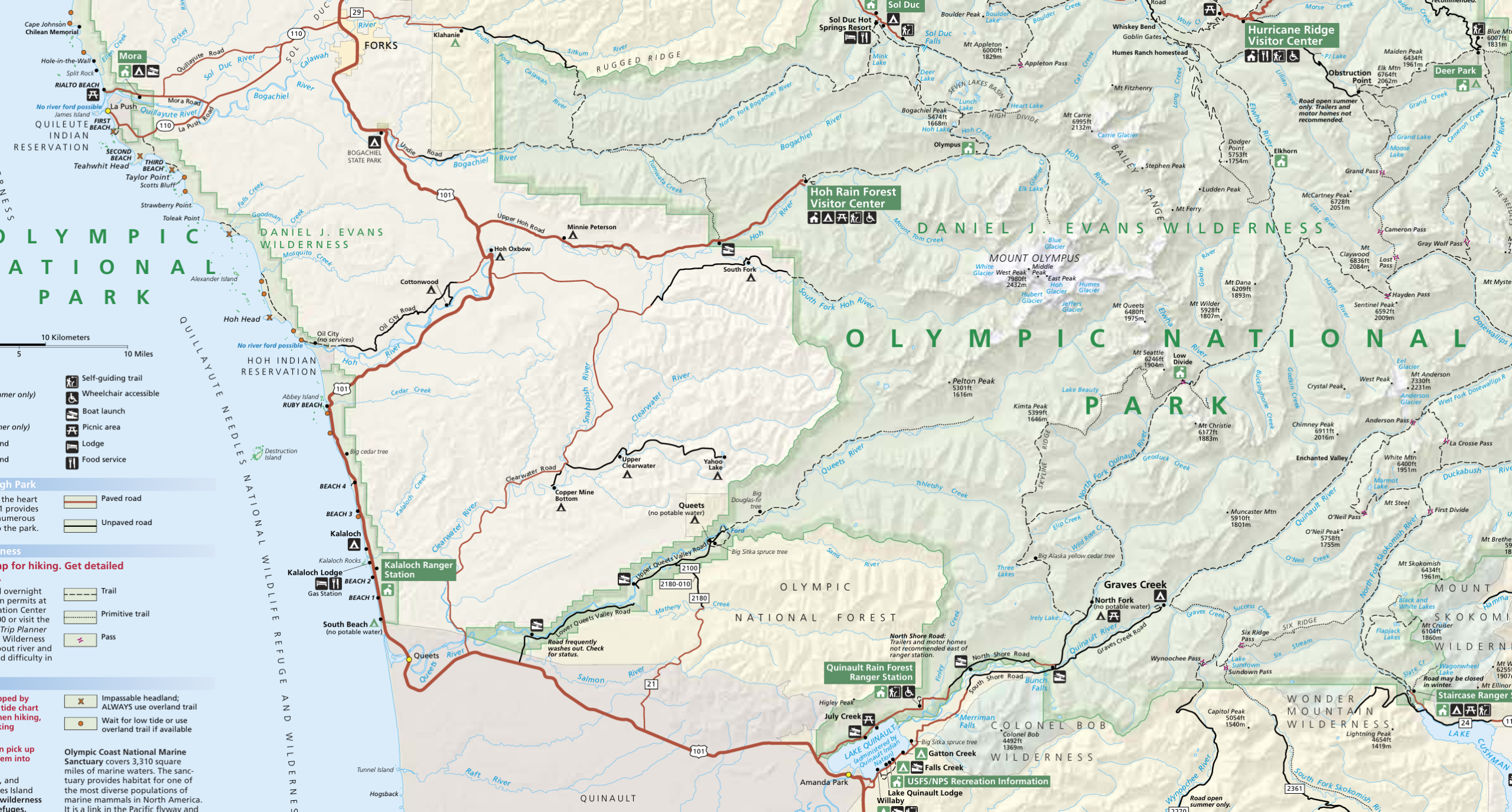
My last visit to Ruby Beach and the western side of Olympic National Park was 1993 and is described in Chapter XIII of Travels with Samantha.
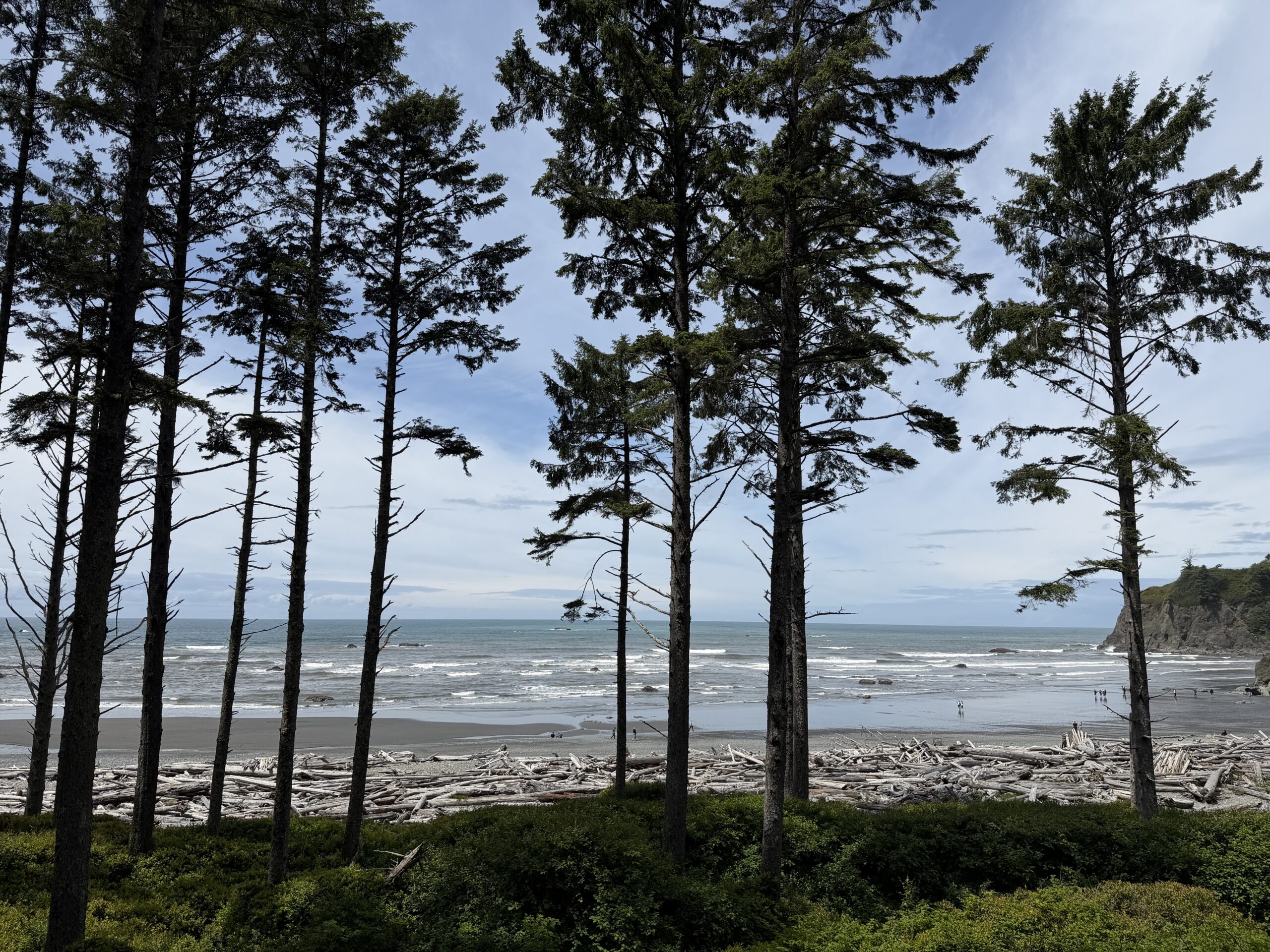
Ruby Beach is the traditional headline attraction for this part of the park:
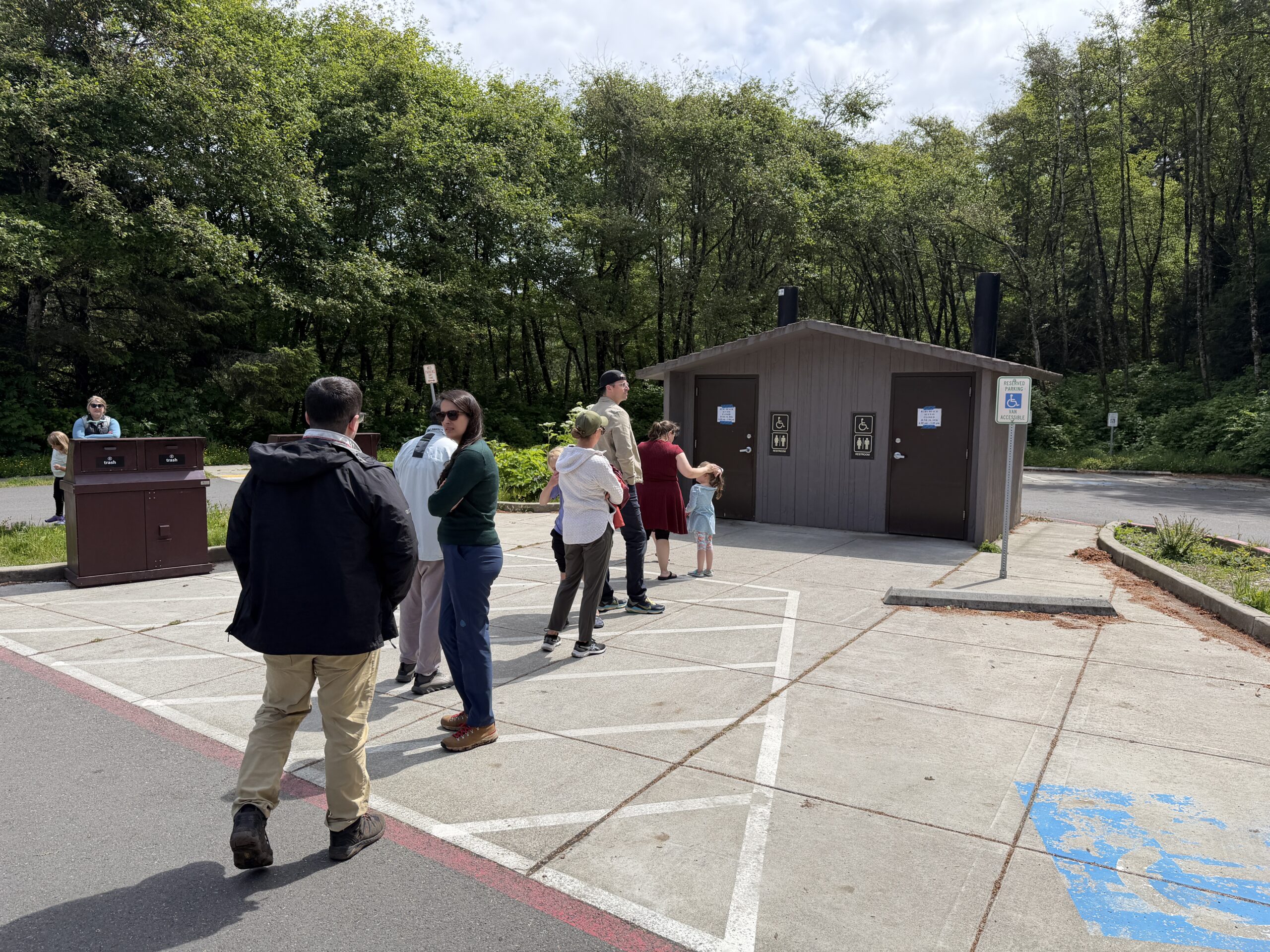
Due to the government’s refusal to charge market prices (see What if our National Parks charged Navajo prices?), the beach is crowded and the facilities, in this case outhouses without running water, are grossly undersized for the number of visitors. We were there well before peak season and look at the line:
The beach is dog-friendly, though!
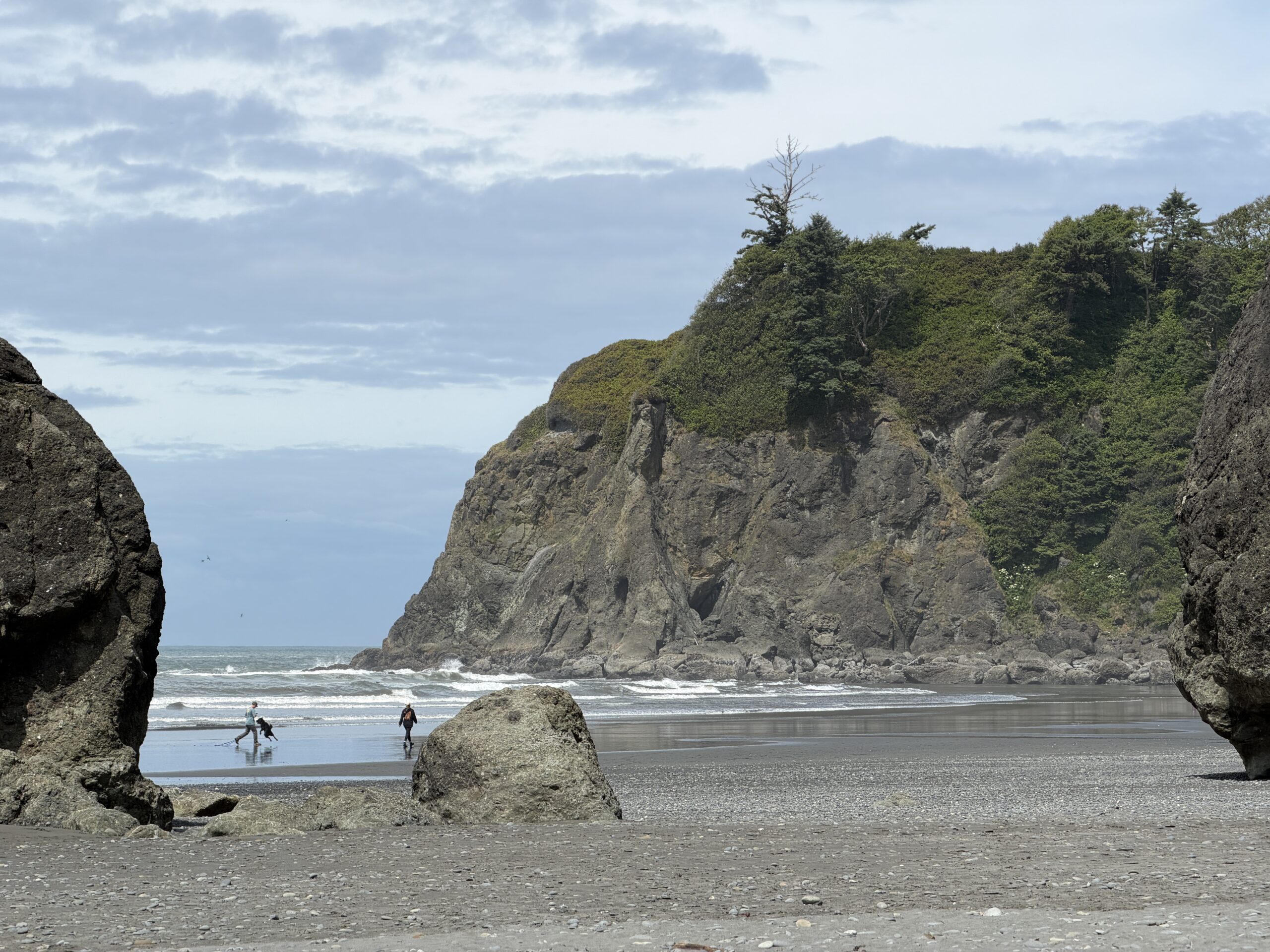
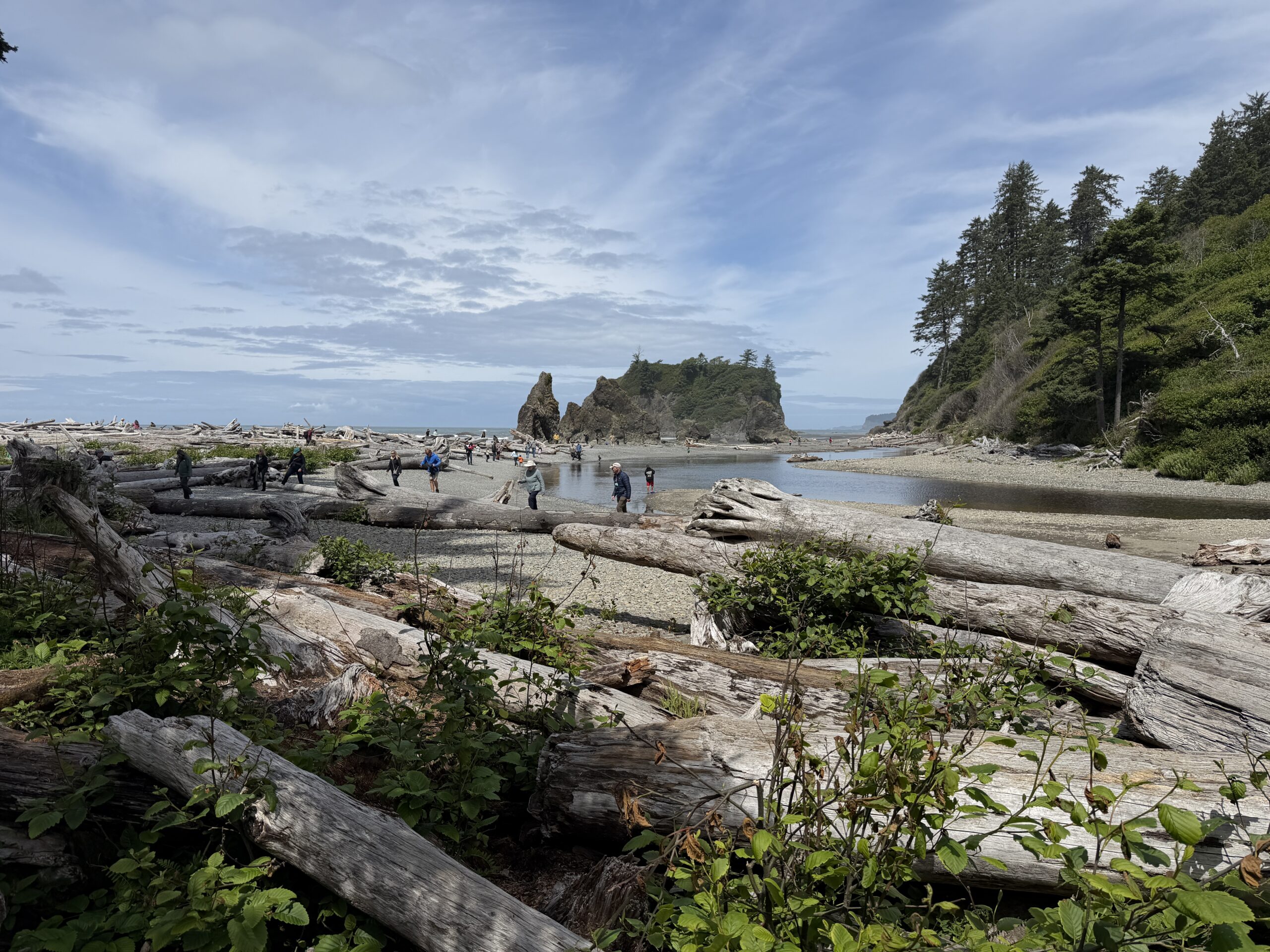
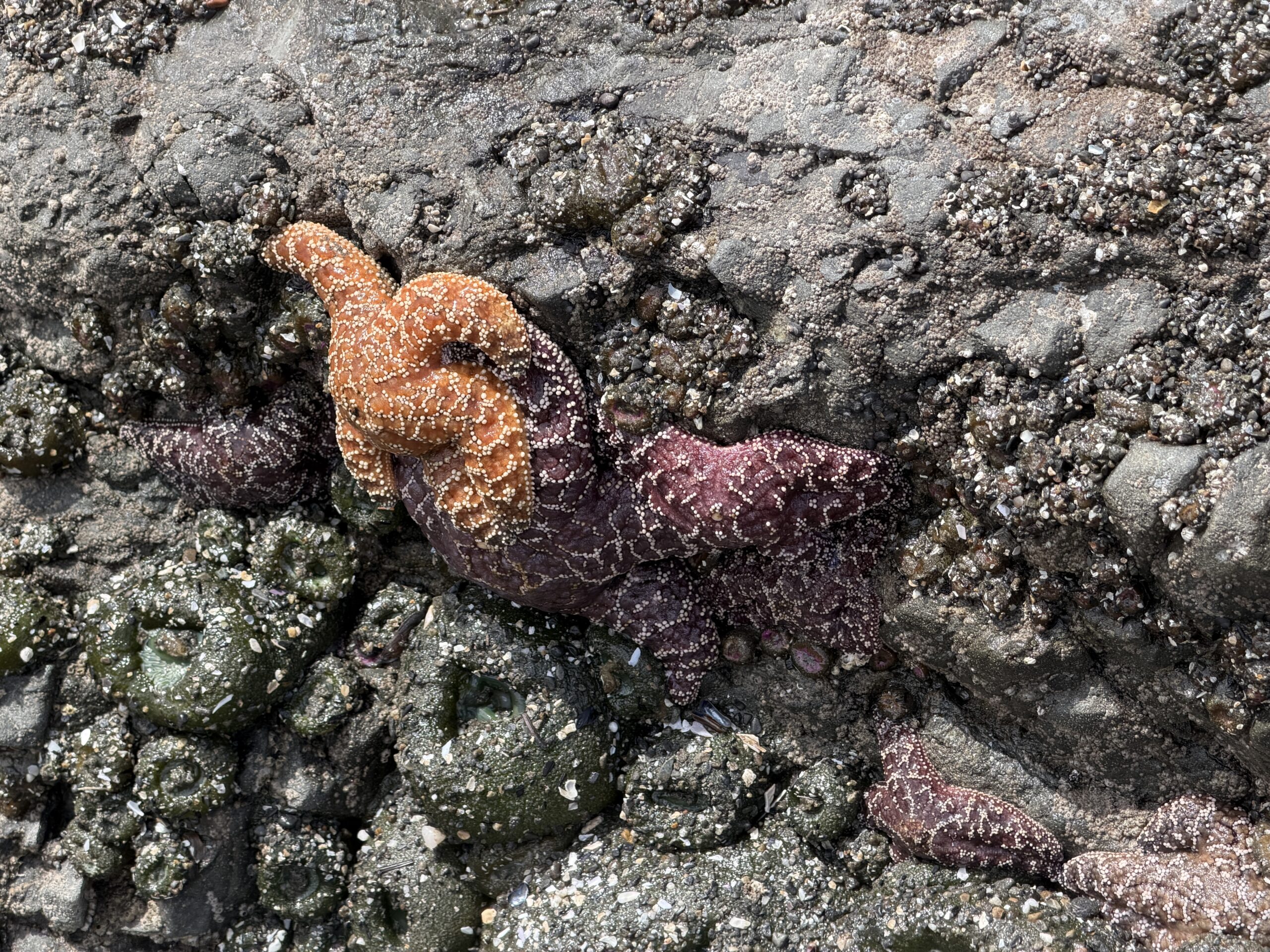
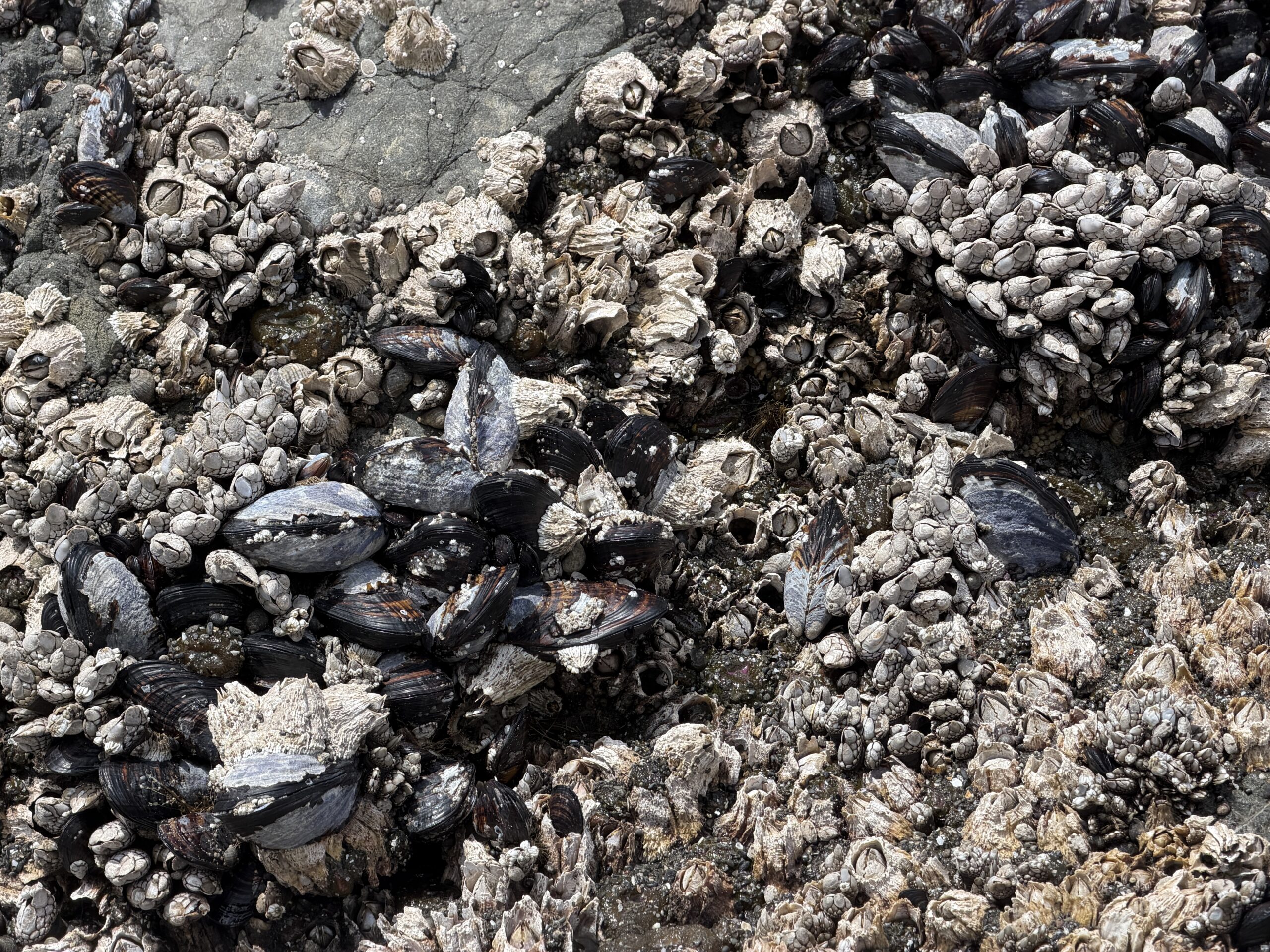
Kids love the tide pools here:
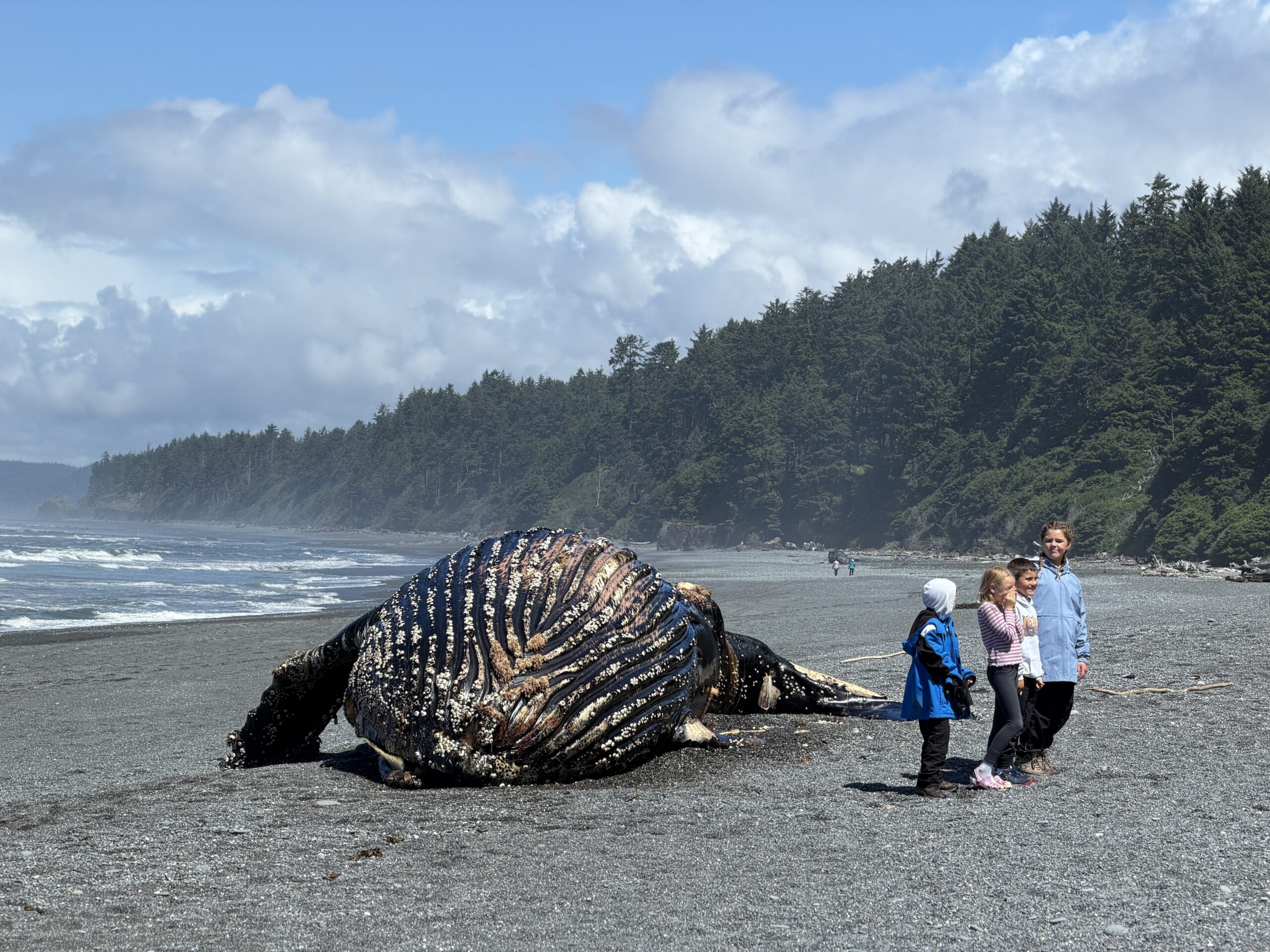
Imaginatively named “Beach 4”, however, had a larger and sadder animal-related sight: two dead whales, one a baby humpback and one a young gray whale. A worker at Kalaloch Lodge blamed Donald Trump for the whales’ deaths. How did Trump kill the whales? By authorizing increased ground fishing, e.g., for halibut, which she said interfered somehow with the density of the food that these whales like to eat. ChatGPT:
What she has right: gray whales are bottom feeders. They eat seafloor invertebrates, including amphipods, by scooping/sucking sediment, and bottom-contact fishing gear can damage some seafloor habitats. NOAA describes gray whales as primarily bottom feeders eating benthic and epibenthic invertebrates such as amphipods.
Where the claim likely breaks down: the major NOAA explanation for the recent gray-whale starvation/mortality problem is not “more groundfishing,” but localized ecosystem changes affecting access to and quality of prey in the northern Bering and Chukchi seas. NOAA says those prey changes caused poor nutritional condition, more deaths during migration, and fewer calves.
The “Trump allowed more fishing” story that is in the news mostly concerns opening Pacific remote island marine monument waters to commercial fishing, far southwest of Hawaii, and a broader deregulatory push. That area/policy is not the northern Bering/Chukchi gray-whale feeding ground, nor the Olympic coast. A federal judge later blocked the Pacific monument rollback, according to 2025 reporting.
Also, the key Alaska/Bering Sea bottom-trawl habitat regime was not newly created by Trump. The North Pacific Fishery Management Council says Bering Sea measures adopted in 2007 and implemented in 2008 “froze the footprint” of bottom trawling and created major trawl-closure areas, including around St. Matthew Island, St. Lawrence Island, and Nunivak/Etolin/Kuskokwim Bay. On the West Coast, NOAA says the groundfish plan has long included habitat protections, including more than 100,000 square miles closed to bottom trawling or all bottom-contacting gears since the 2006 Amendment 19 action.
Regardless of who killed them, the poor animals ended up as backdrops for tourist phone images:
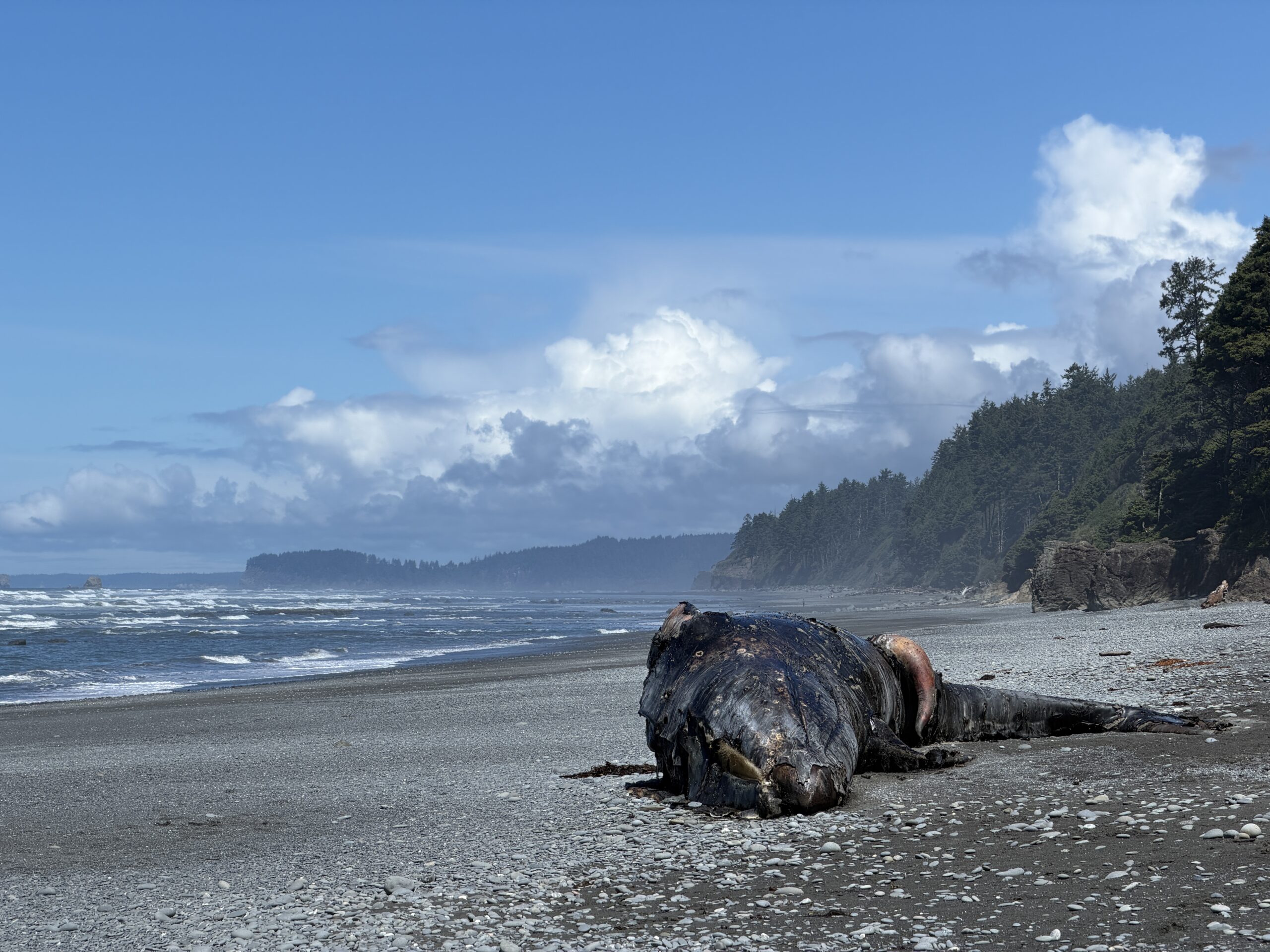
(If Greta Thunberg were still interested in climate change, rather than Gaza, she might be interested to learn that ChatGPT says “Arctic warming → less/changed sea ice → less high-quality bottom-dwelling prey for gray whales → malnutrition during migration” is a plausible explanation.)
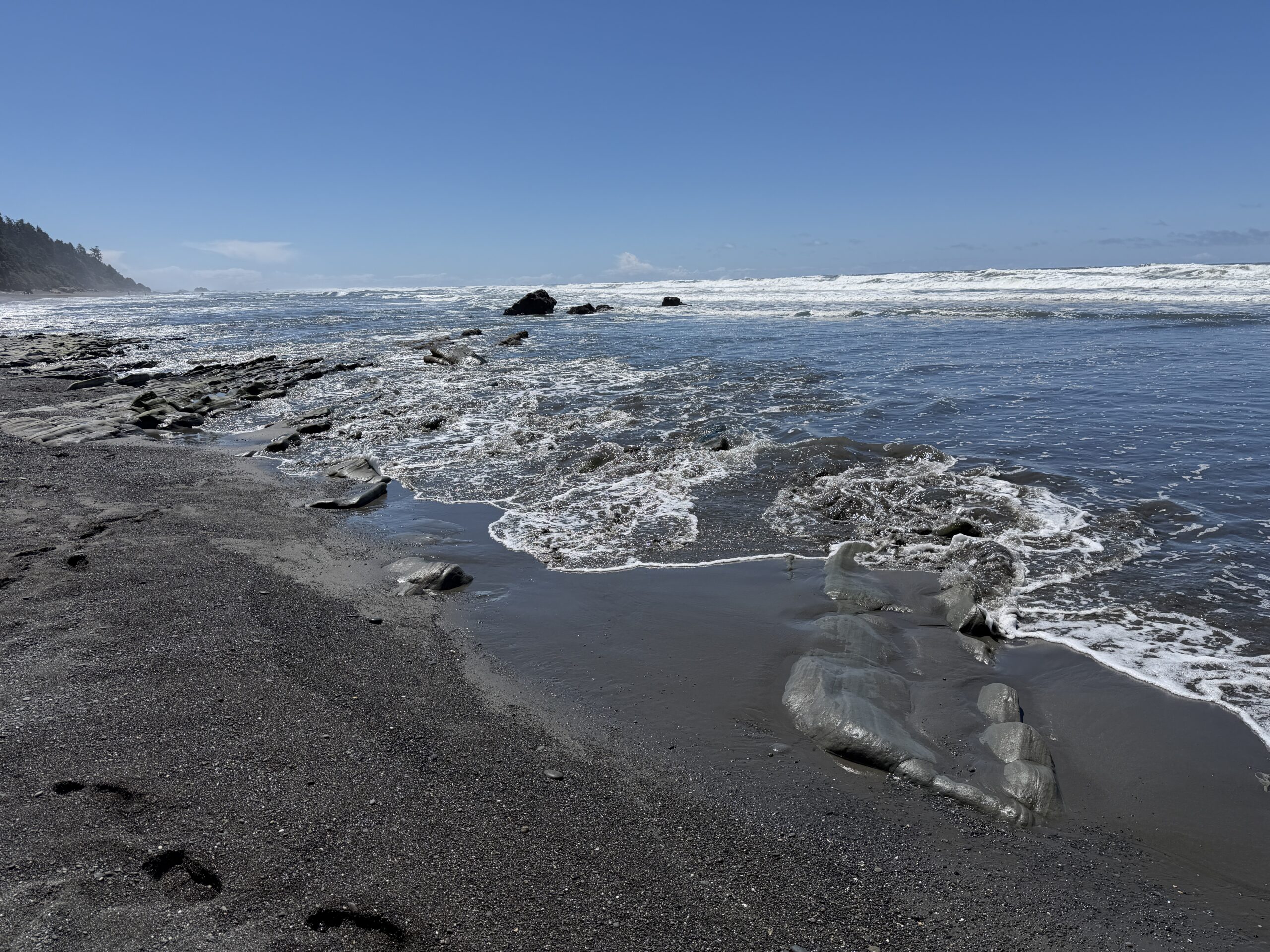
This beach also has some great tide pools:
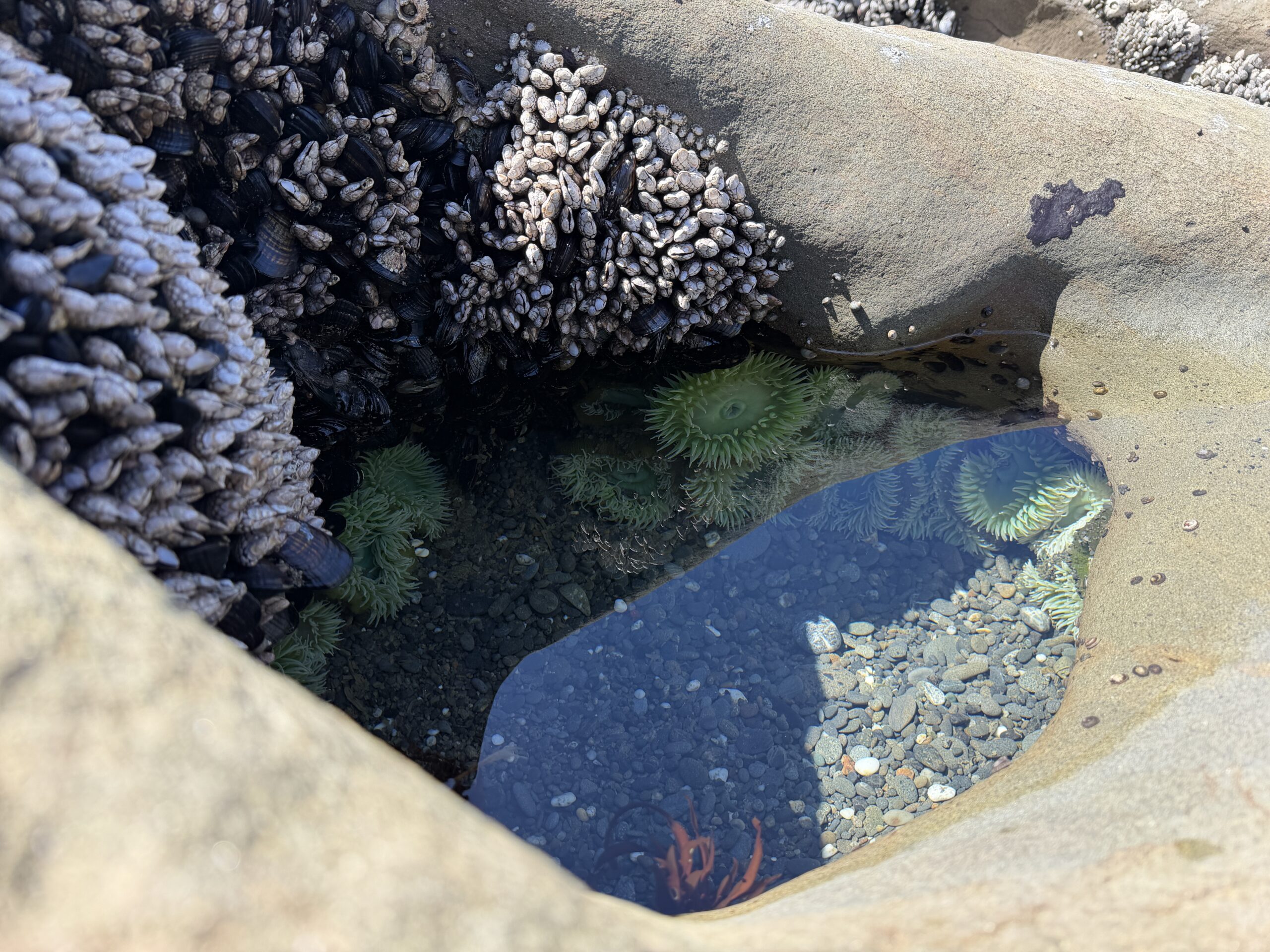
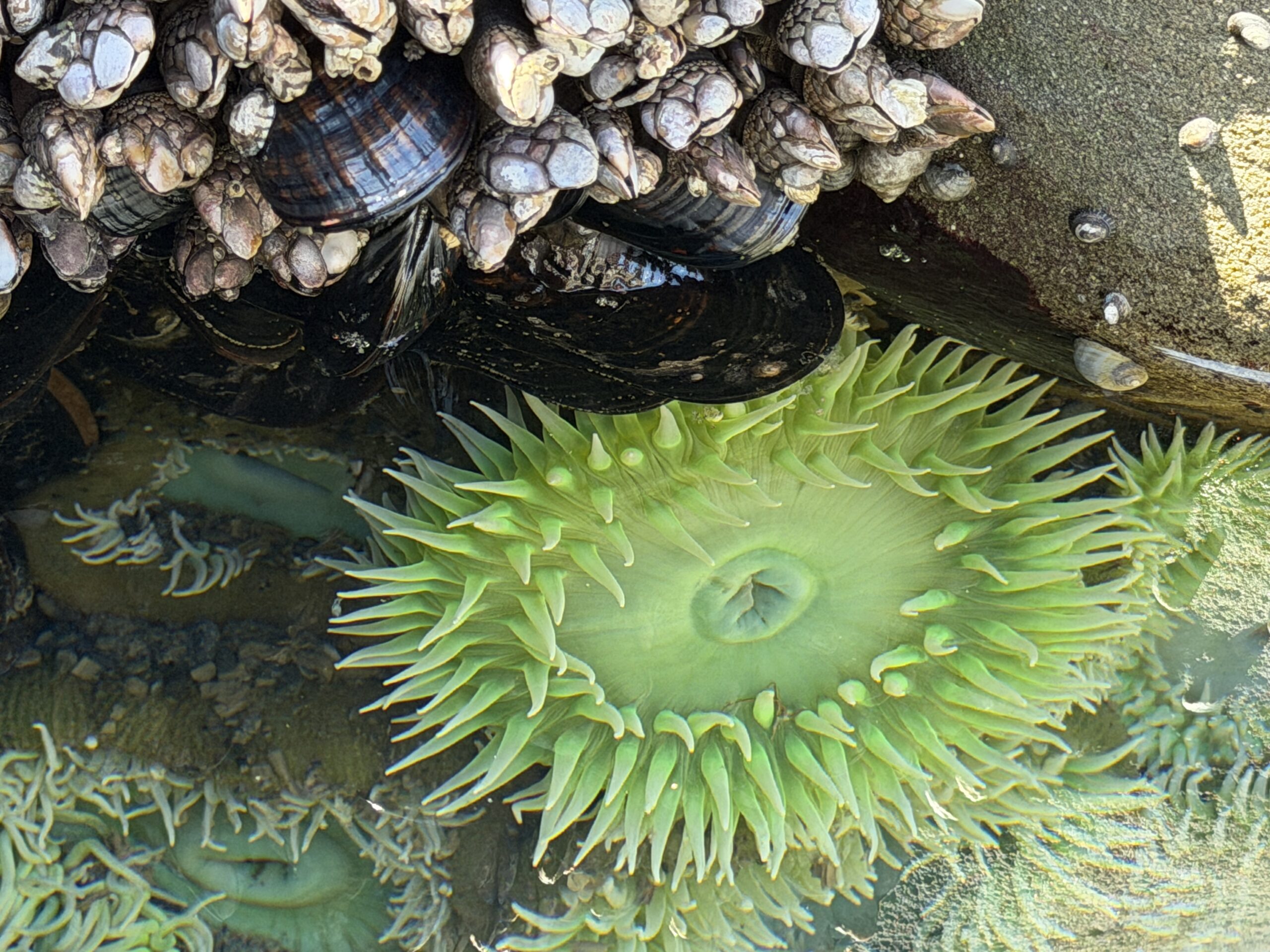
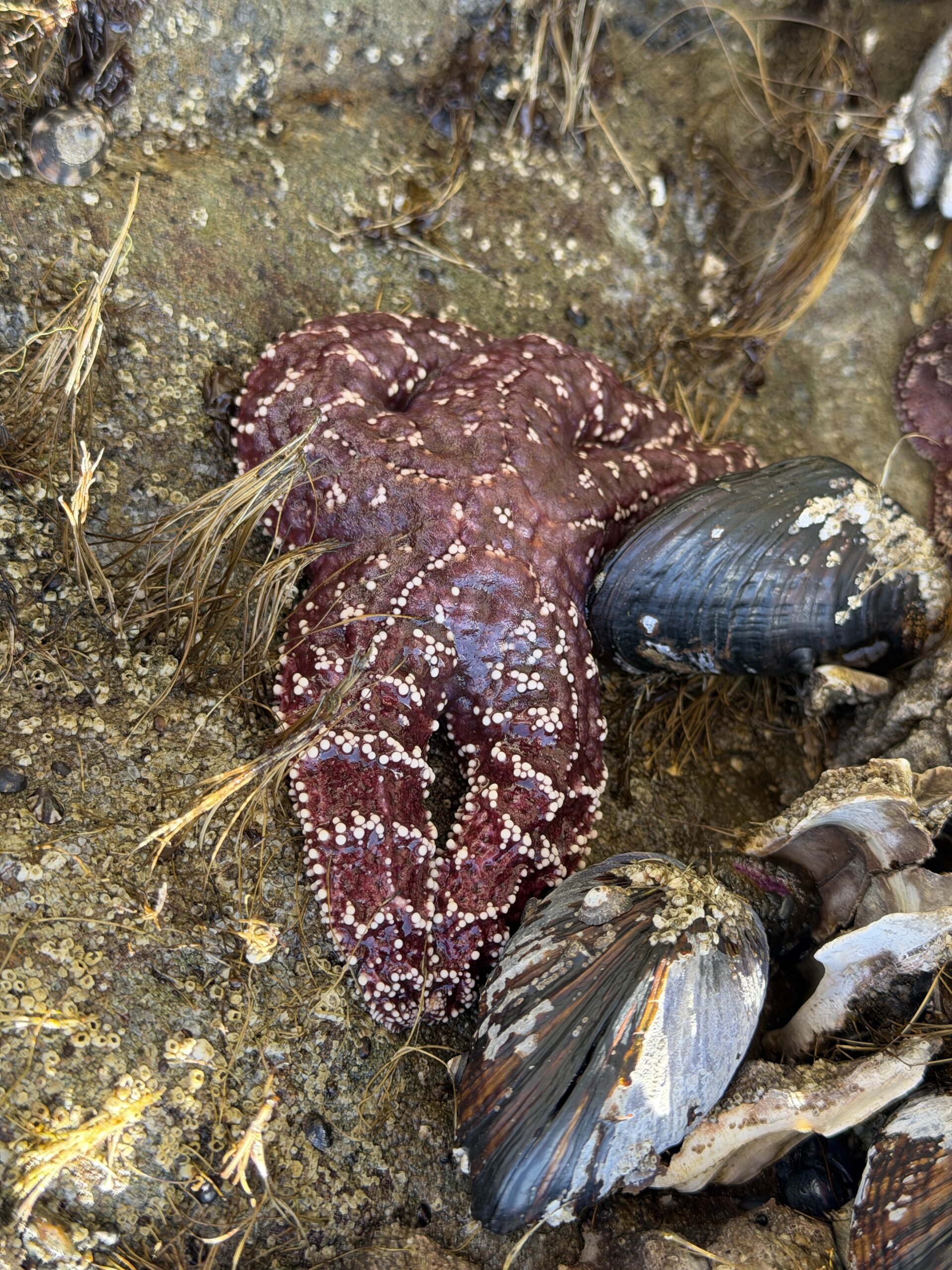
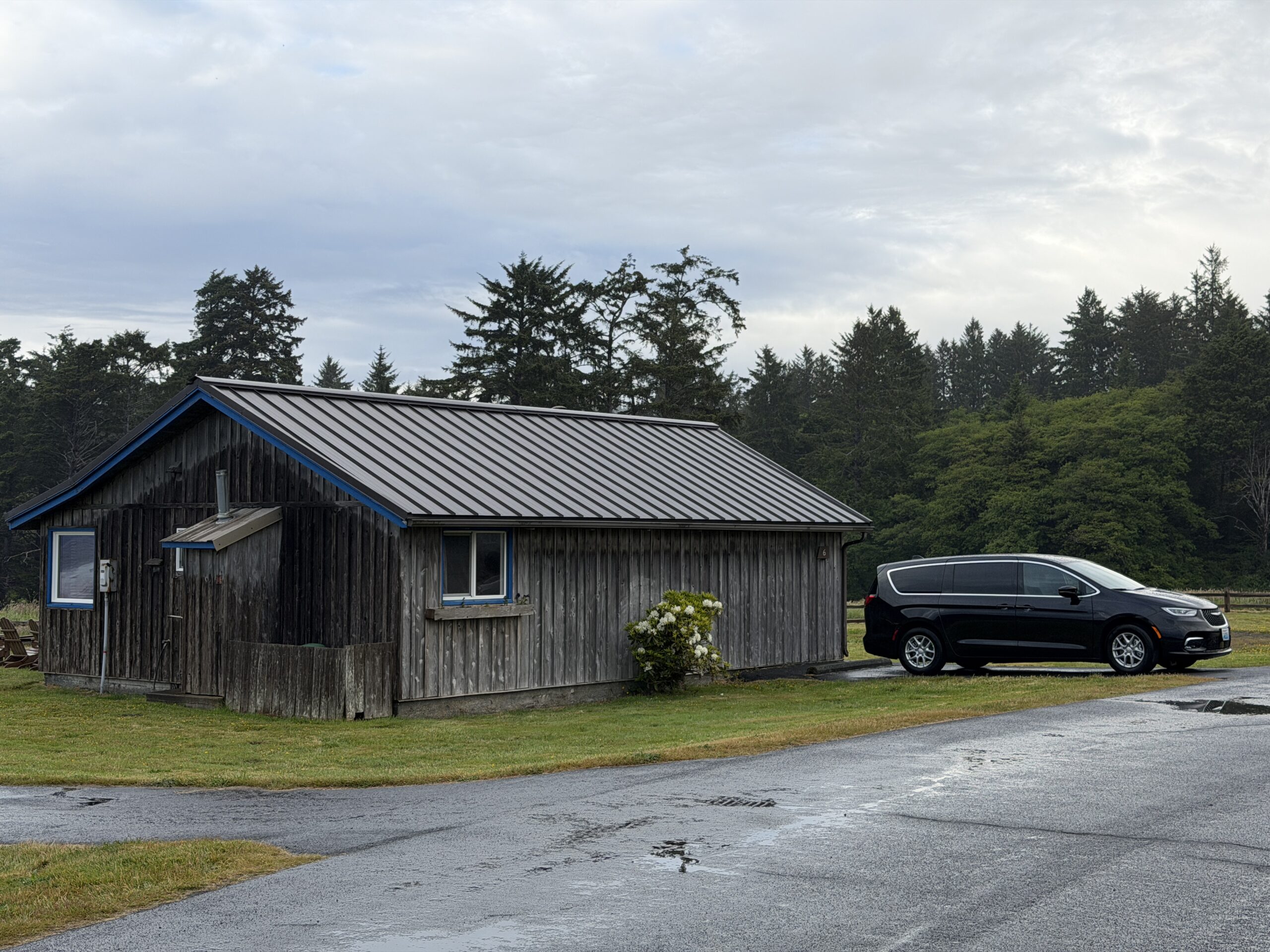
Our base was a cabin in the Kalaloch Lodge, somewhat rustic but the having a kitchen was awesome. Be sure to stock way up on groceries before heading here, though, because the on-site store has a limited selection. The restaurant is reasonably good, but all of these remote places struggle with the fact that the American workforce no longer contains a significant number of people willing to travel to a seasonal job, even if that job is in the middle of a world-class national park.
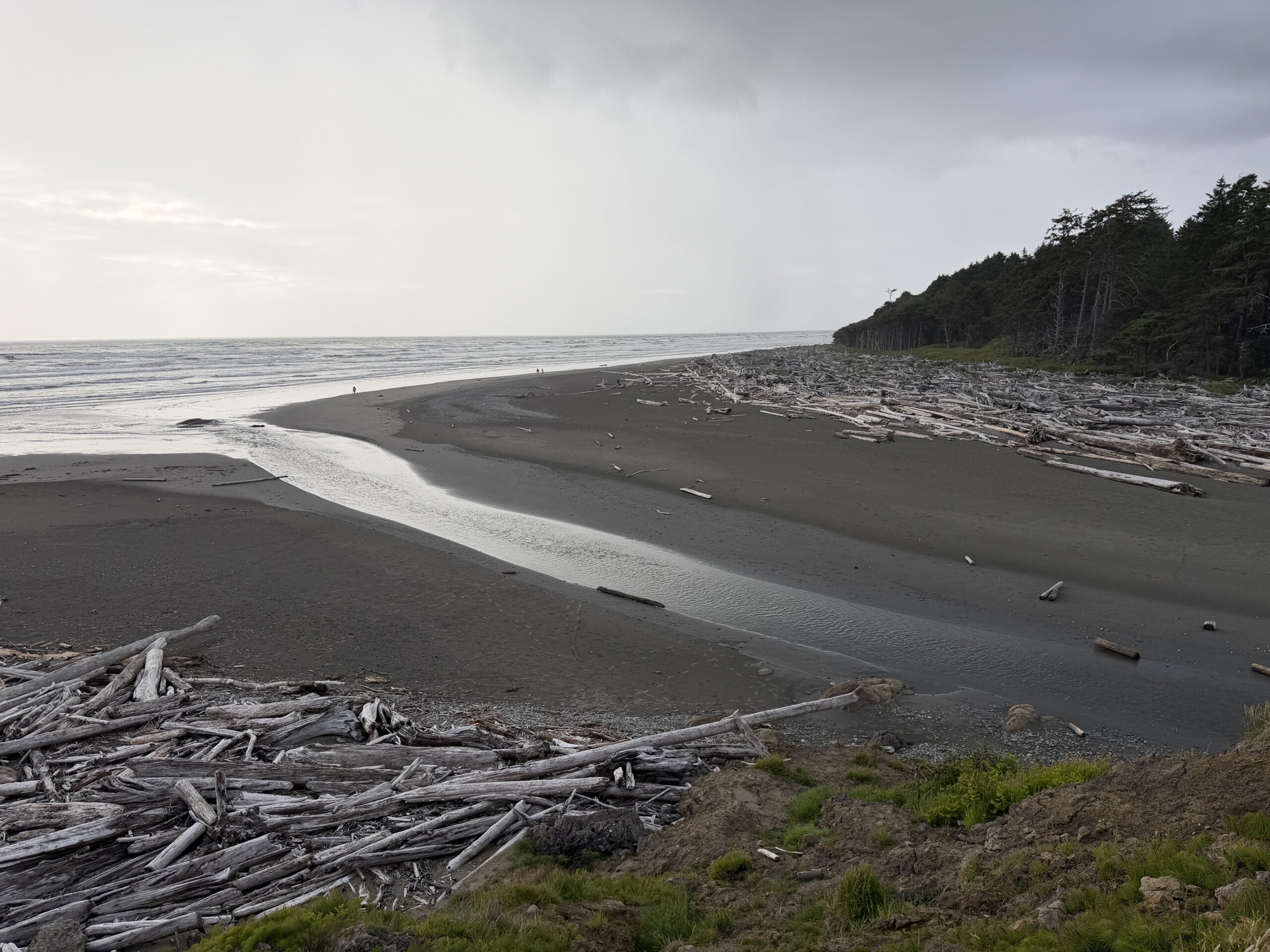
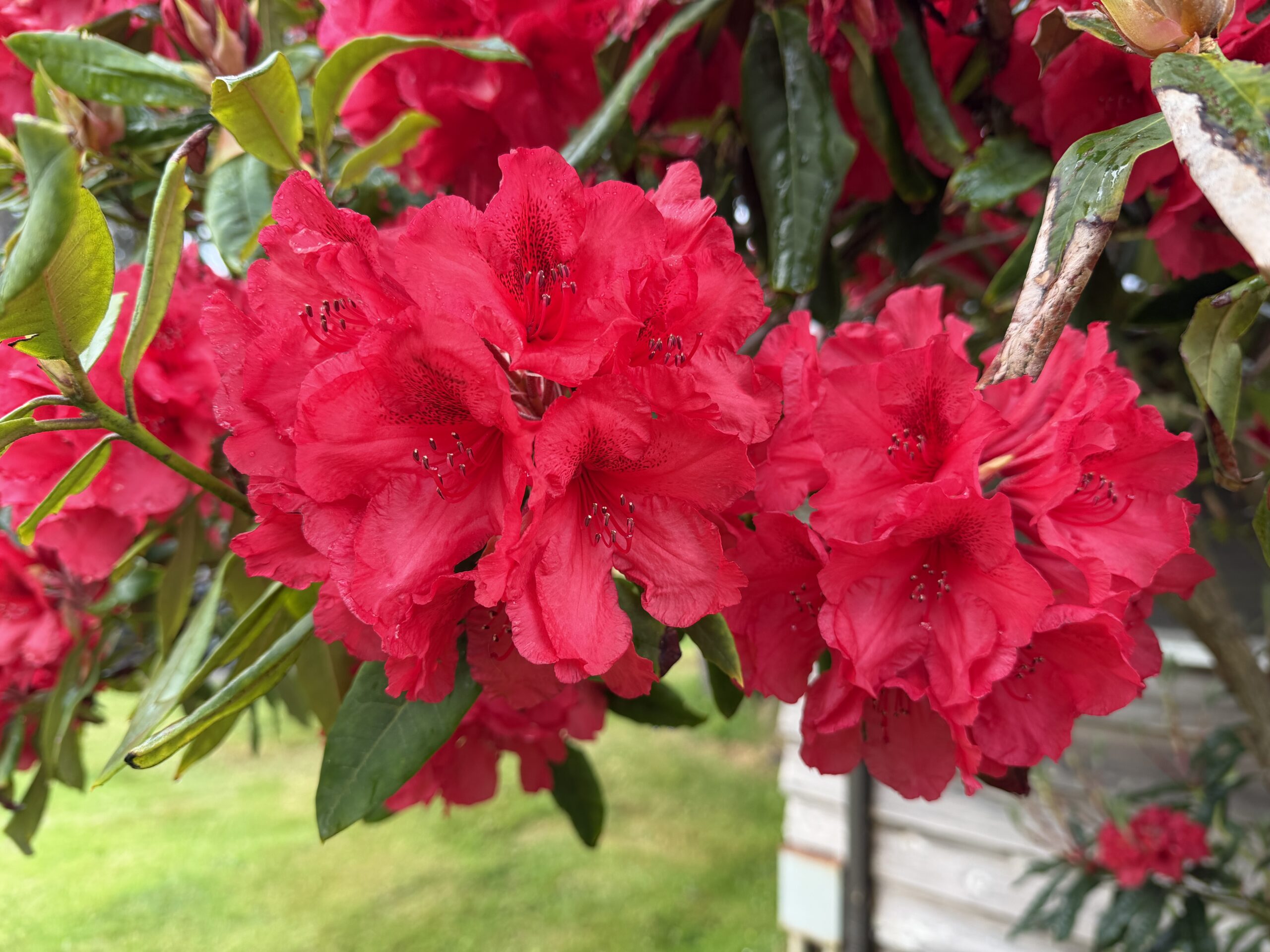
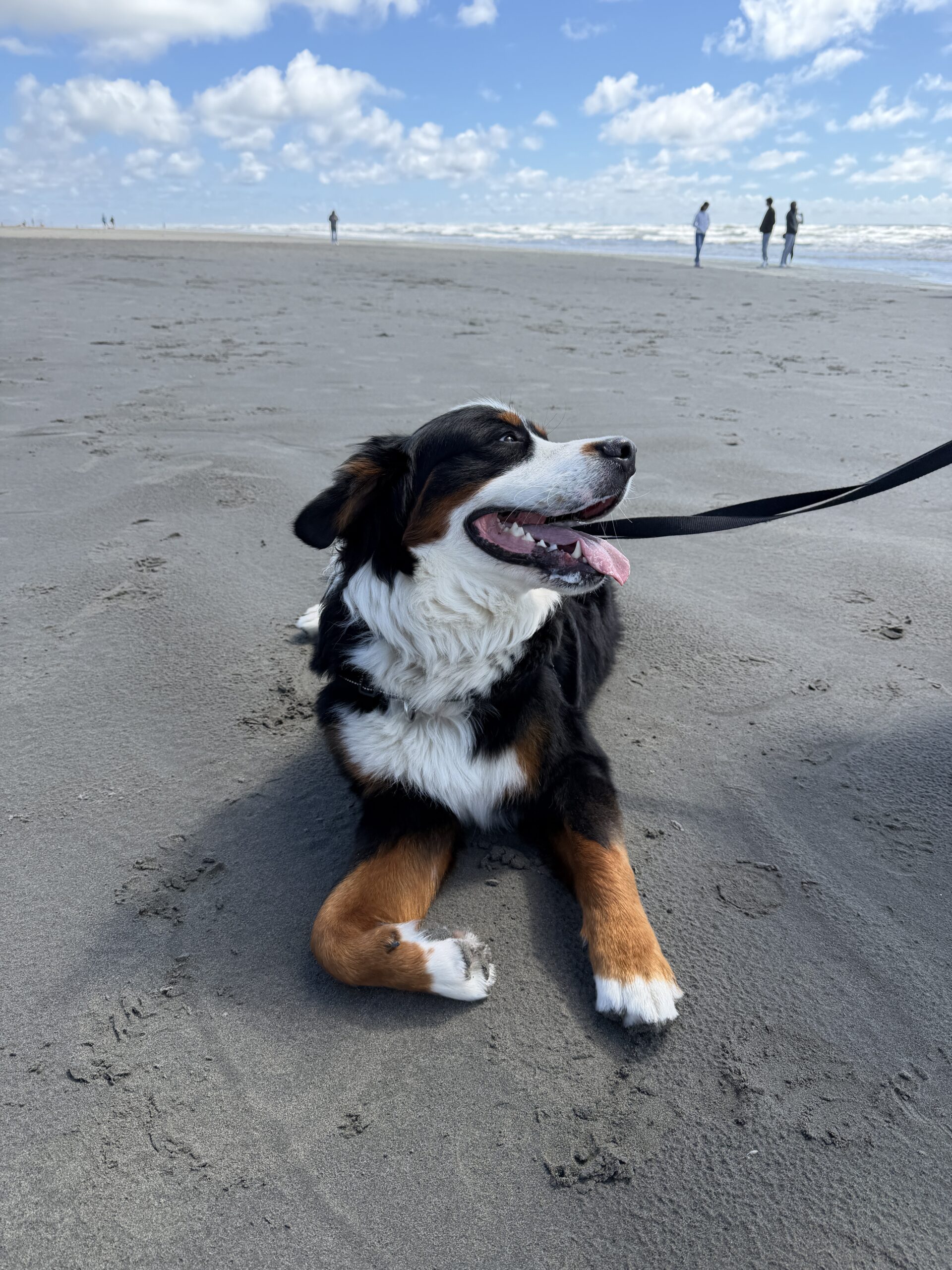
The weather, mid-50s in early June, was perfect for this Pitbull of the Oberland (Bernese Mountain Dog):
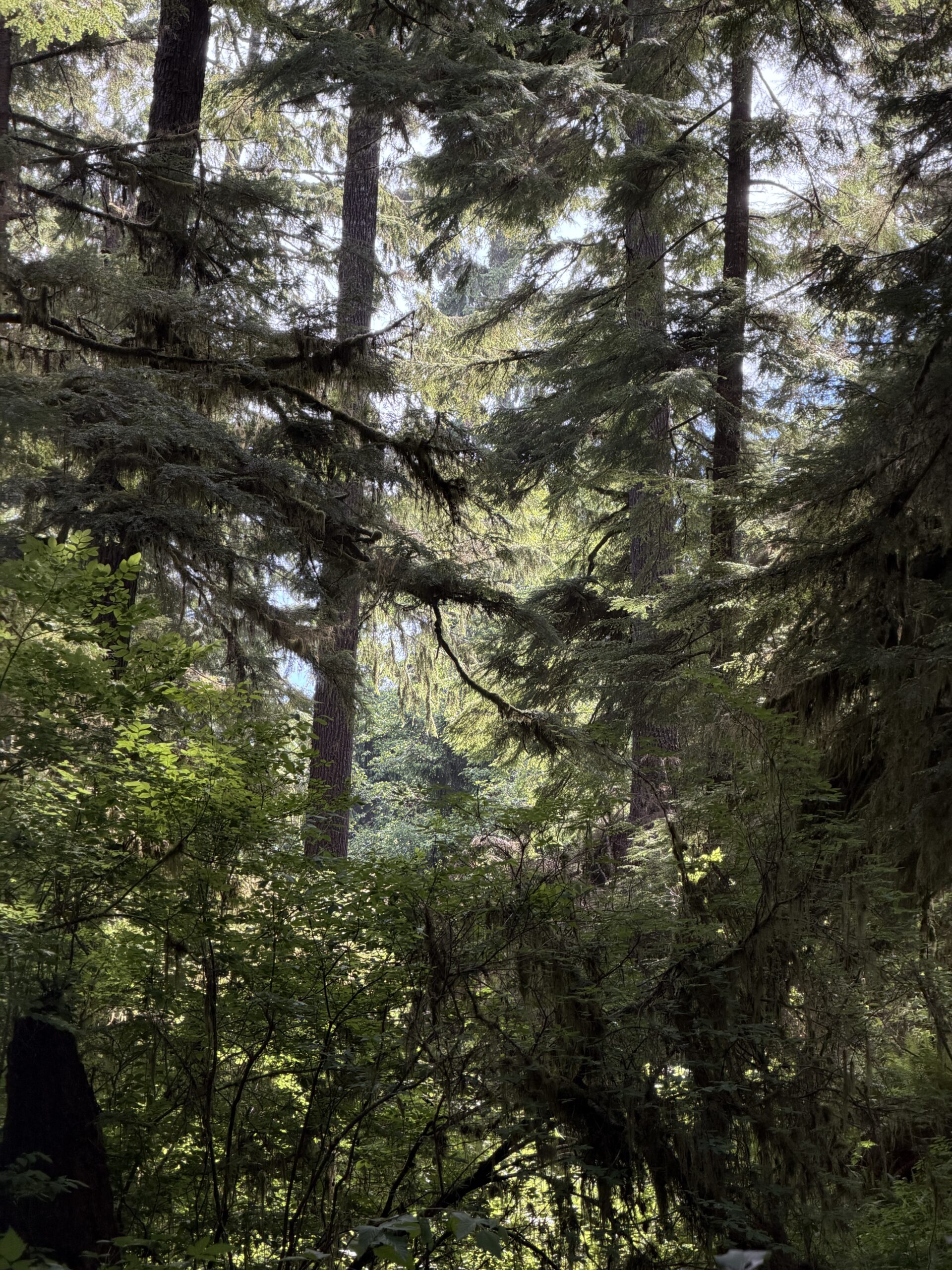
The woods on the other side of the road have some hiking trails.
Too bad The Greenspun doesn’t have as much affinity for photos of beached whales as photos of men cuddling.
lion: men cuddling could be a big part of the solution to Climate Change. Imagine if all men formed throuples and spent 24/7 cuddling. There would be a lot less need for wintertime heating and, therefore, less CO2 emitted. Flipping this around during summer months, nobody should be allowed to have A/C so there would be no additional A/C load (because A/C wouldn’t exist, just as the Europeans have determined is optimum).
Interesting how Butt-Fuckers solve all problems! So special.
And then there would be no children for the next generation and all human cause problems would be solved forever. Brilliant!
DB: IMO, it’s the masculine equivalent of this:
https://www.youtube.com/shorts/b60JoJkbu70
Does Kalaloch Lodge have a tsunami evacuation route?
Did you visit the Hoh Rainforest yet?
Did you Feel the Bernese, and if so, was it like free healthcare?
A Hoh Rain Forest post is coming! I did feel privileged to interact with the Bernese Mountain Dog, but it was nothing like free healthcare because Elizabeth Warren did not find a trillionaire to pay for the animal!
“Regardless of whom killed them…”
Grammar!
Otherwise, an excellent post. Definitely want to visit now!
Fixed. Thanks! (I think that started off as “regardless of whom is to blame”)