Are the mega-rich controlling the presidential election?
Last weekend, I spent some time in the company of at least 4800 “mega-rich”:
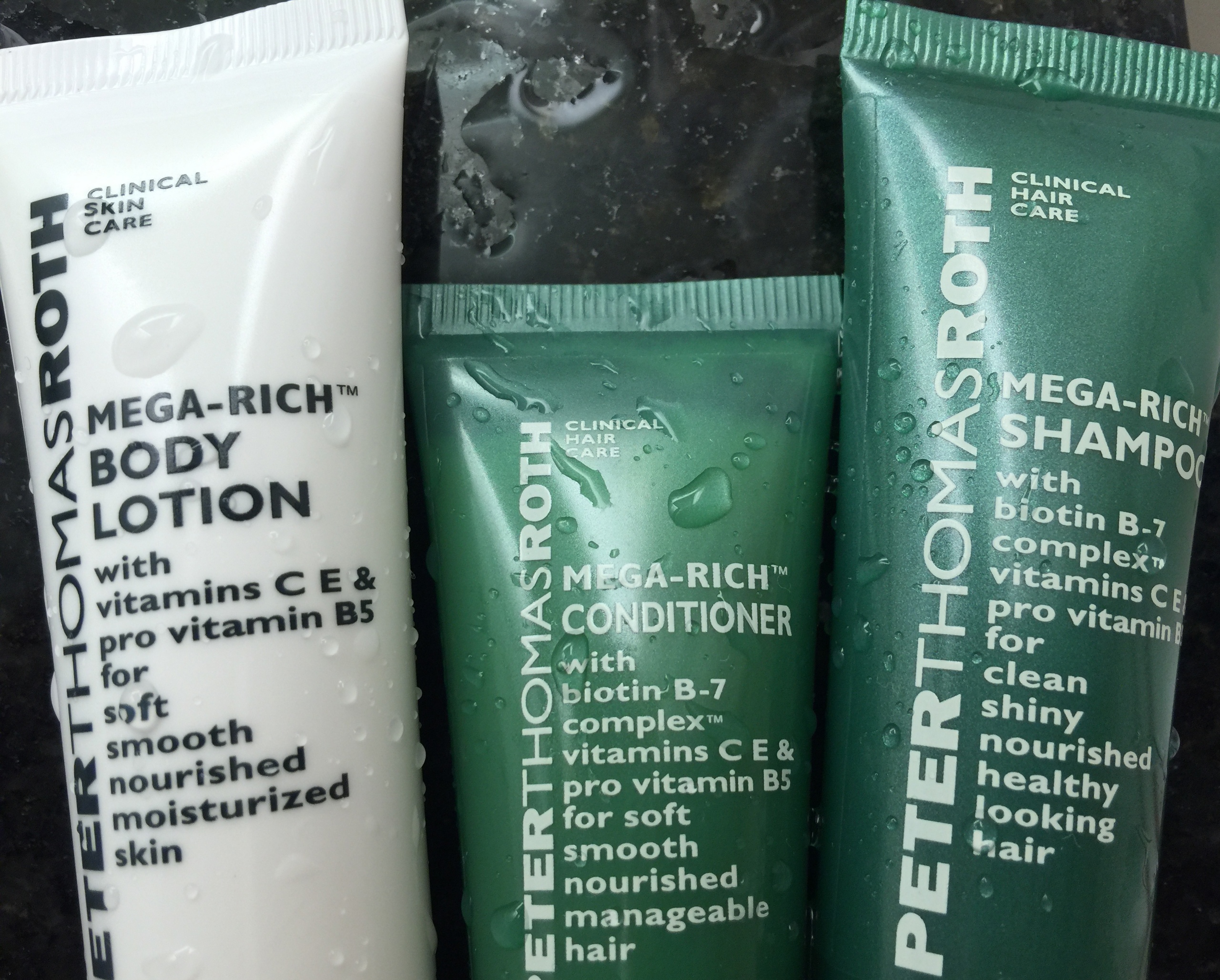
(The hotel in Chicago has more than 1600 rooms.)
Are the mega-rich controlling the 2016 presidential election?
“Which Presidential Candidates Are Winning the Money Race” (New York Times, February 1, 2016) shows that Hillary Clinton has raised more than twice as much as Bernie Sanders and Jeb Bush is the top choice of rich Republican-oriented donors. Donald Trump, meanwhile, has spent less than nearly all other candidates and raised $0 from “Super PACS.”
Now the results from Iowa are available. The voters were equally fond of Hillary Clinton and Bernie Sanders. Jeb Bush received less than 3 percent of the vote.
Are the mega-rich controlling the election in some other way that isn’t measured by candidate fundraising and/or PAC spending? Or is it safe to say that Americans are not reliable puppets for the Koch brothers and the Clintons’ Wall Street and Silicon Valley friends?
[Separately, it seems that there is no reason to abandon my policy of (mostly) ignoring Donald Trump. He attracted less than 25 percent of one party’s vote and if any of the professional politicians quit the race their supporters will presumably be most likely to choose another professional politician, e.g., Ted Cruz. Maybe readers can explain why so many Americans, and even a lot of Europeans, wanted to talk about Trump-the-Candidate 24/7.]
Related:
- “Why bother to read news about the 2016 presidential election?” (April 2015 posting that failed to anticipate Bernie Sanders’s popularity)
- Donald Trump proves the “white male privilege” theory?
- Iowa family law (for calculating child support profits from any post-election sexual encounters between high-income visitors and natives)