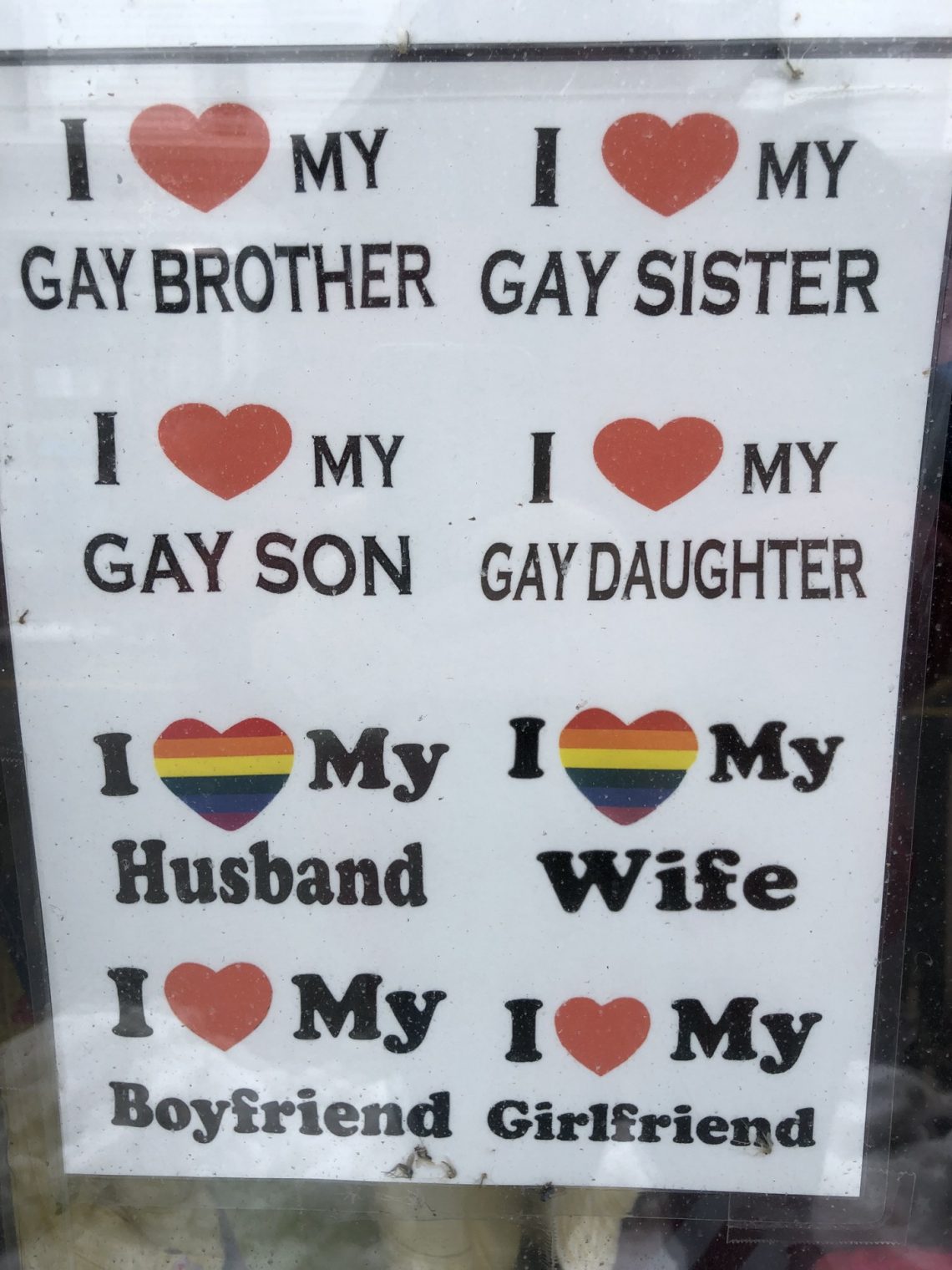
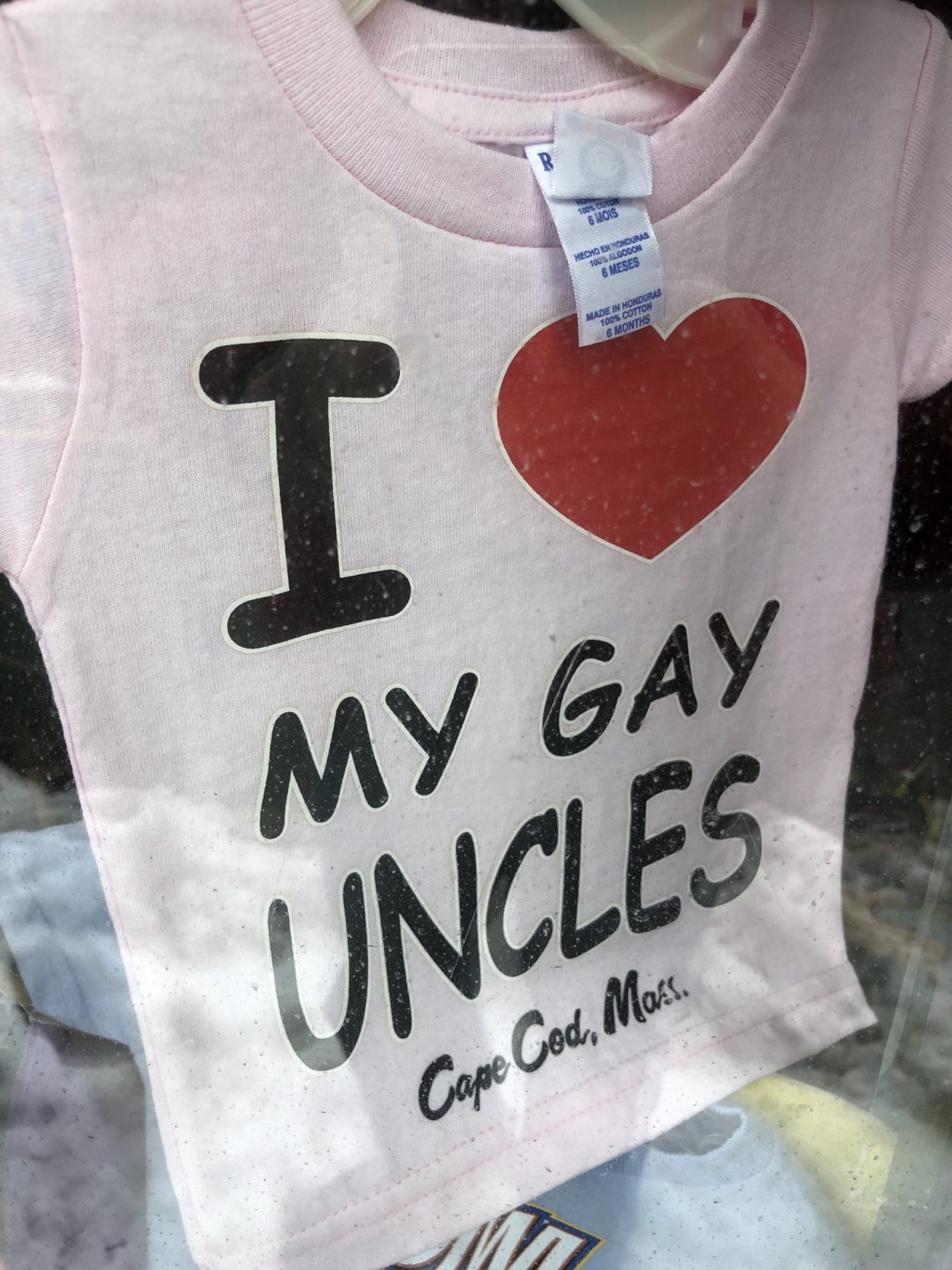
Provincetown Public Library
One of the exciting things that I am able to do after 18 years of flight training is go to public libraries in different towns. The photos below are from a recent rare calm-wind, above-freezing day in Provincetown, Massachusetts.
Adjacent books in the featured Young Adult Non-Fiction section:
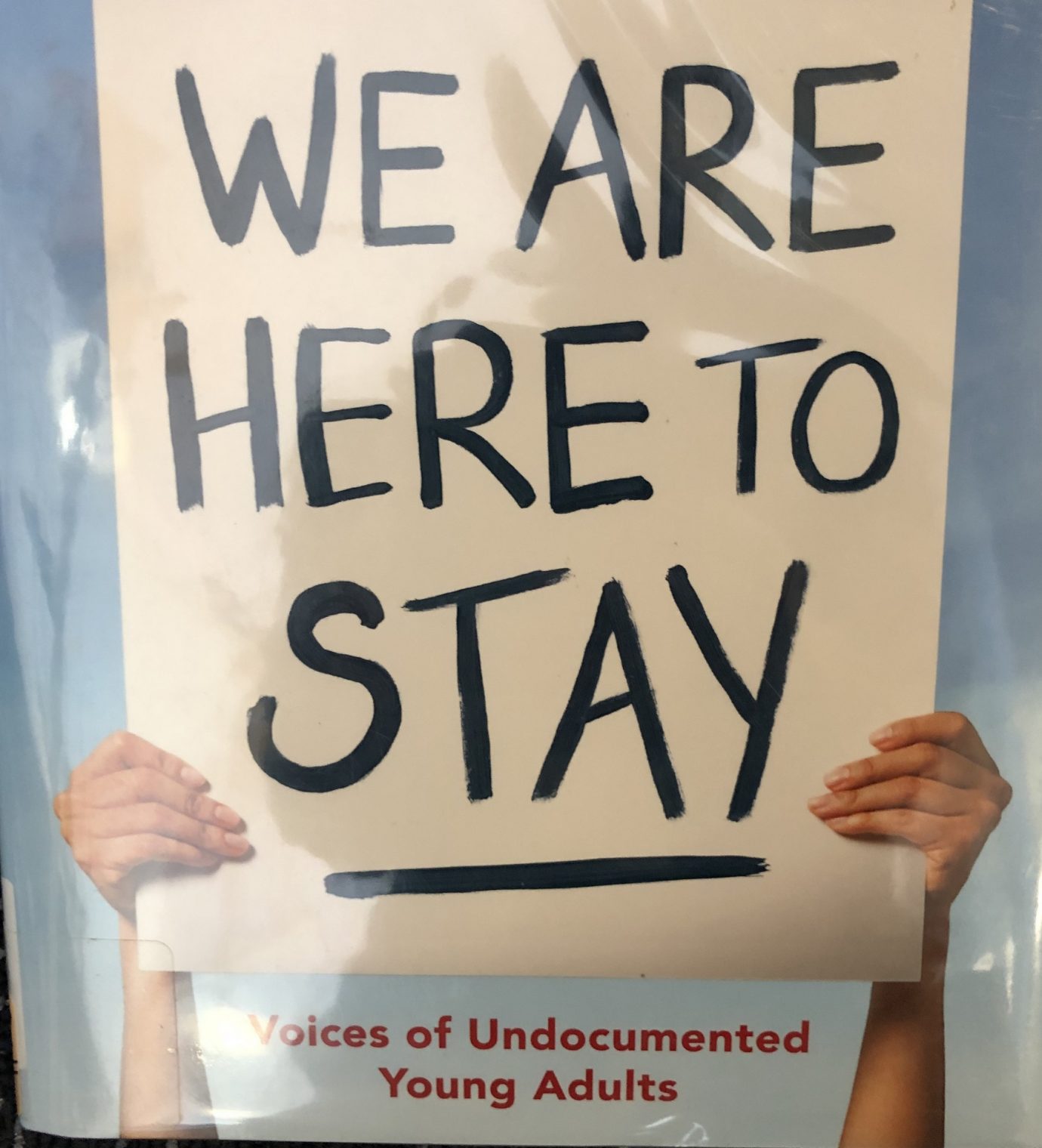
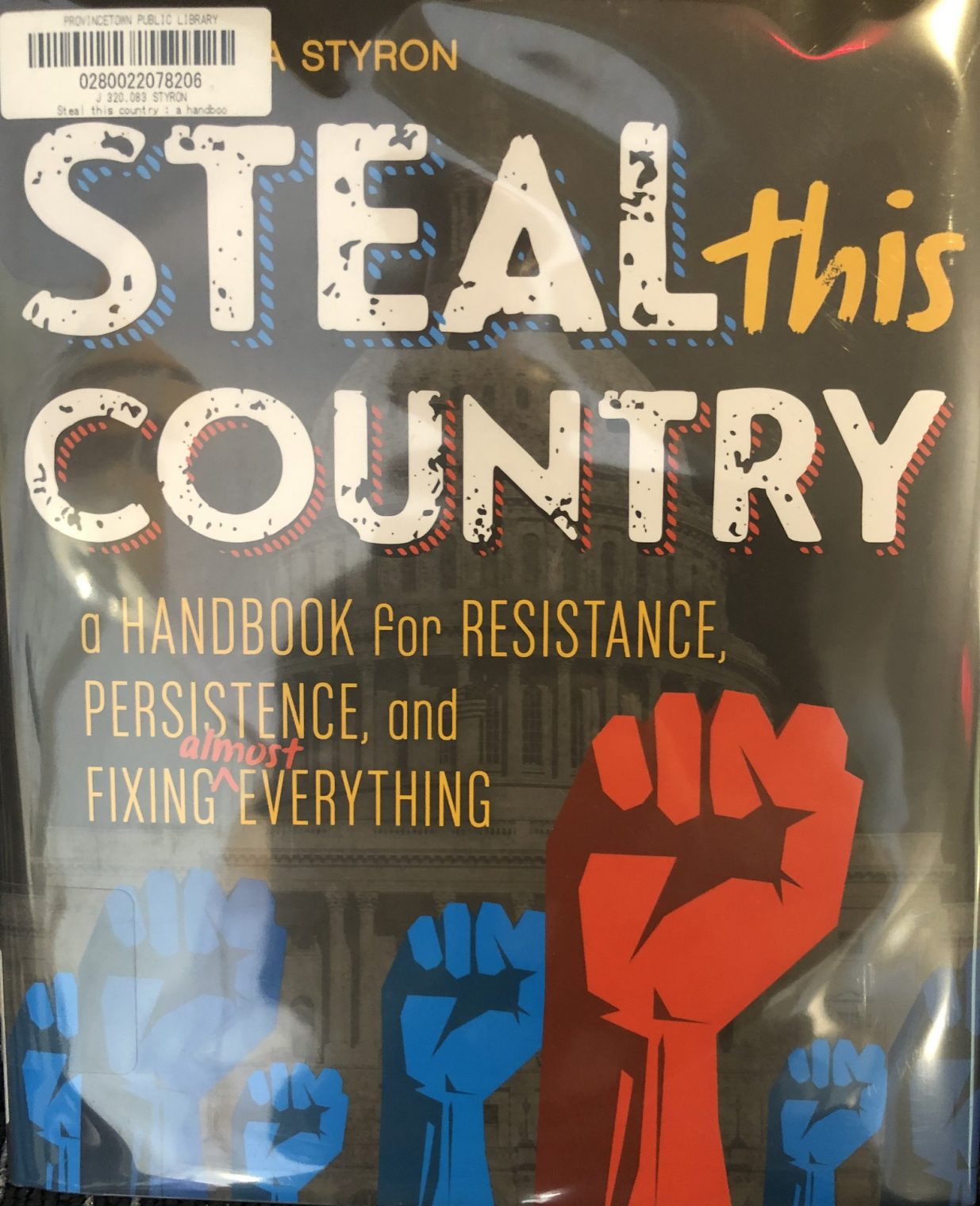
From the rest of the shelf:
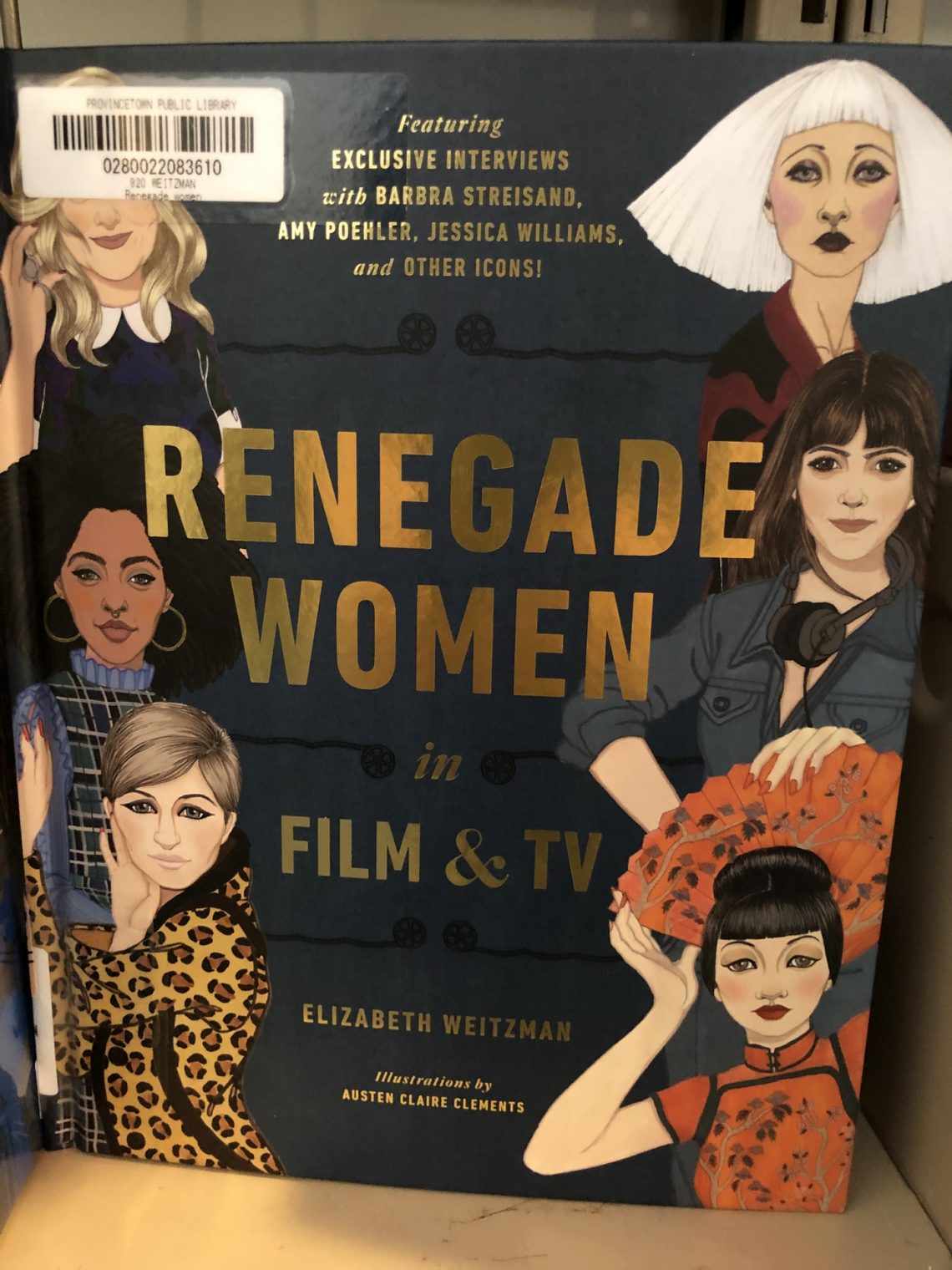

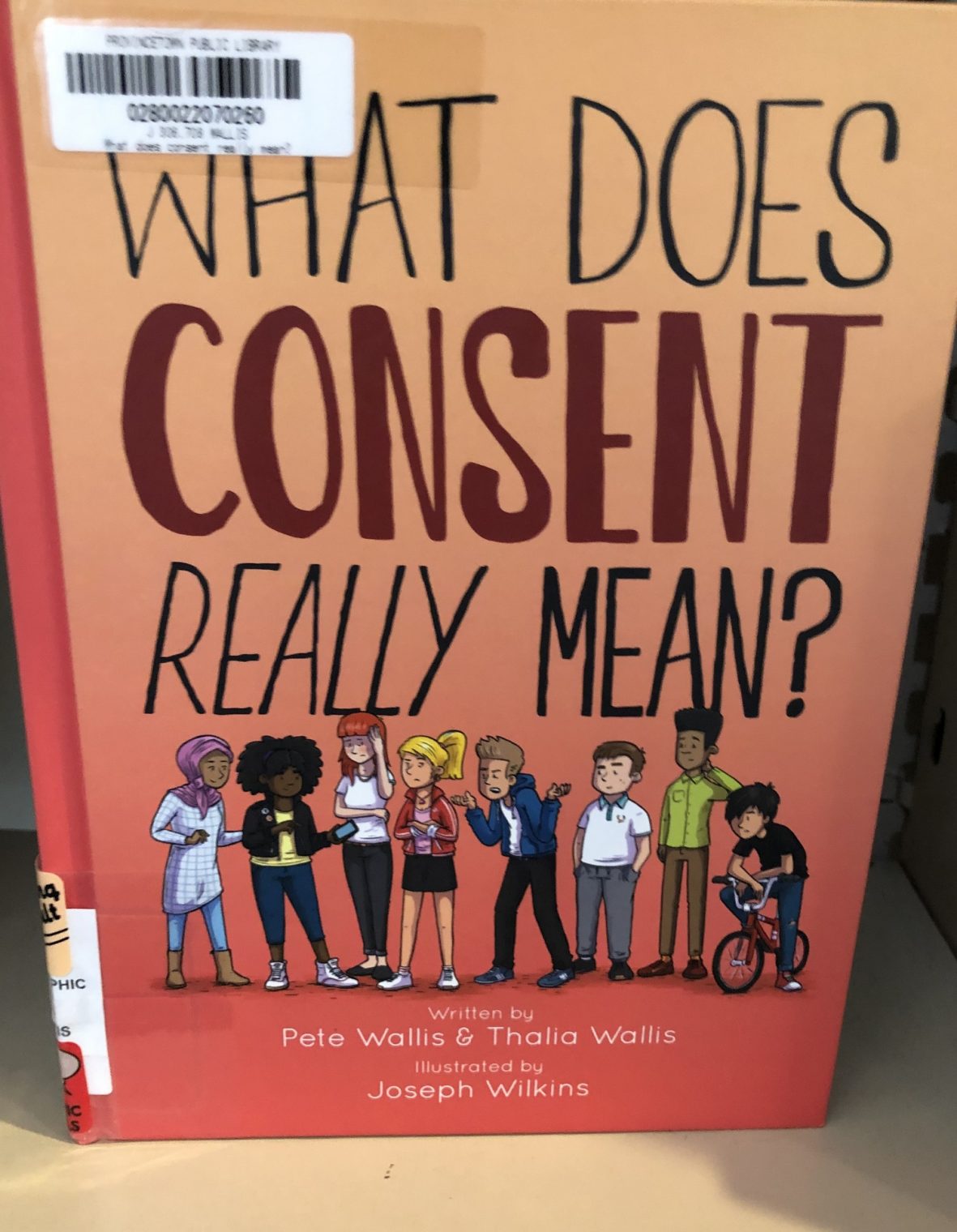
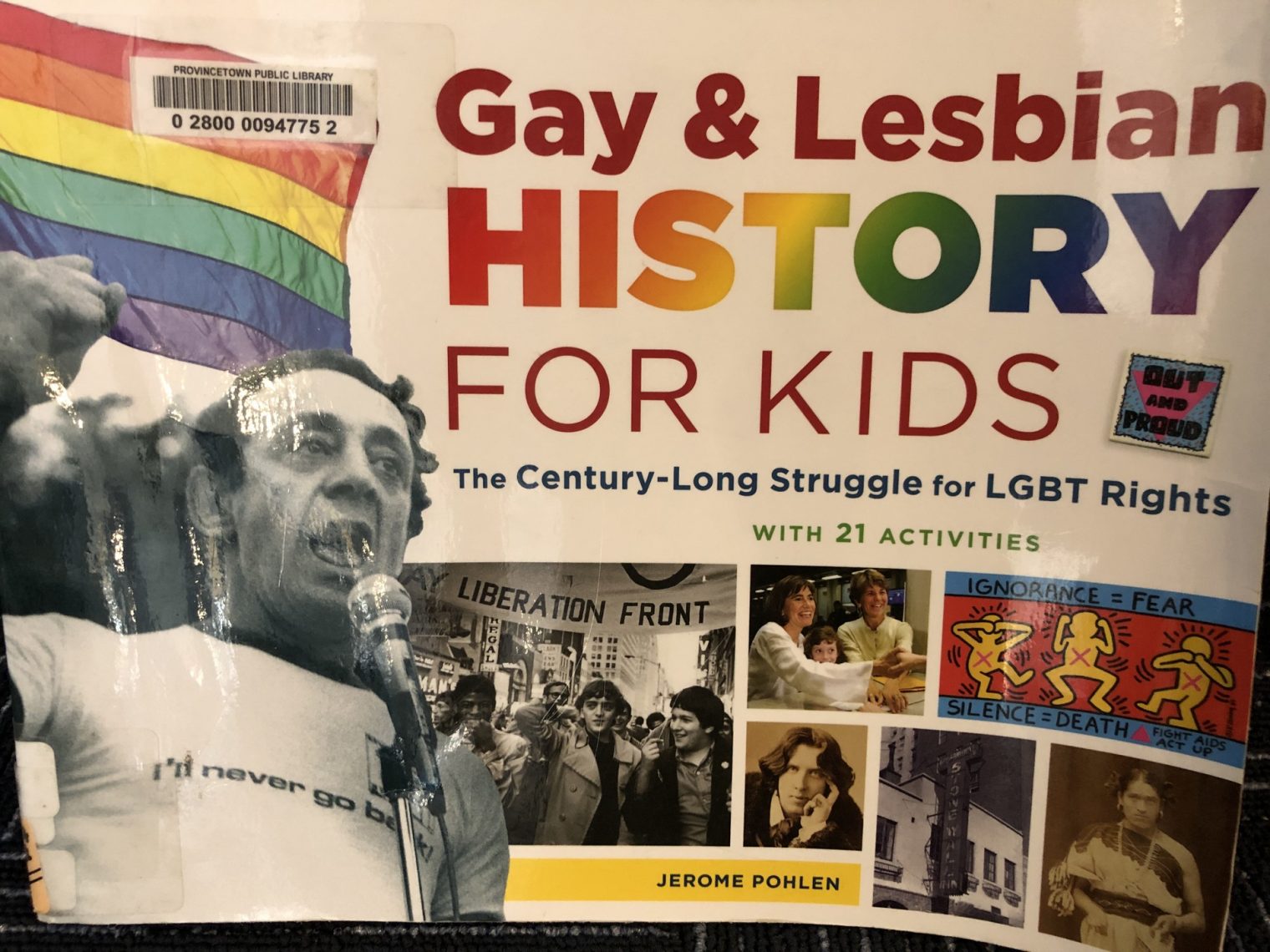
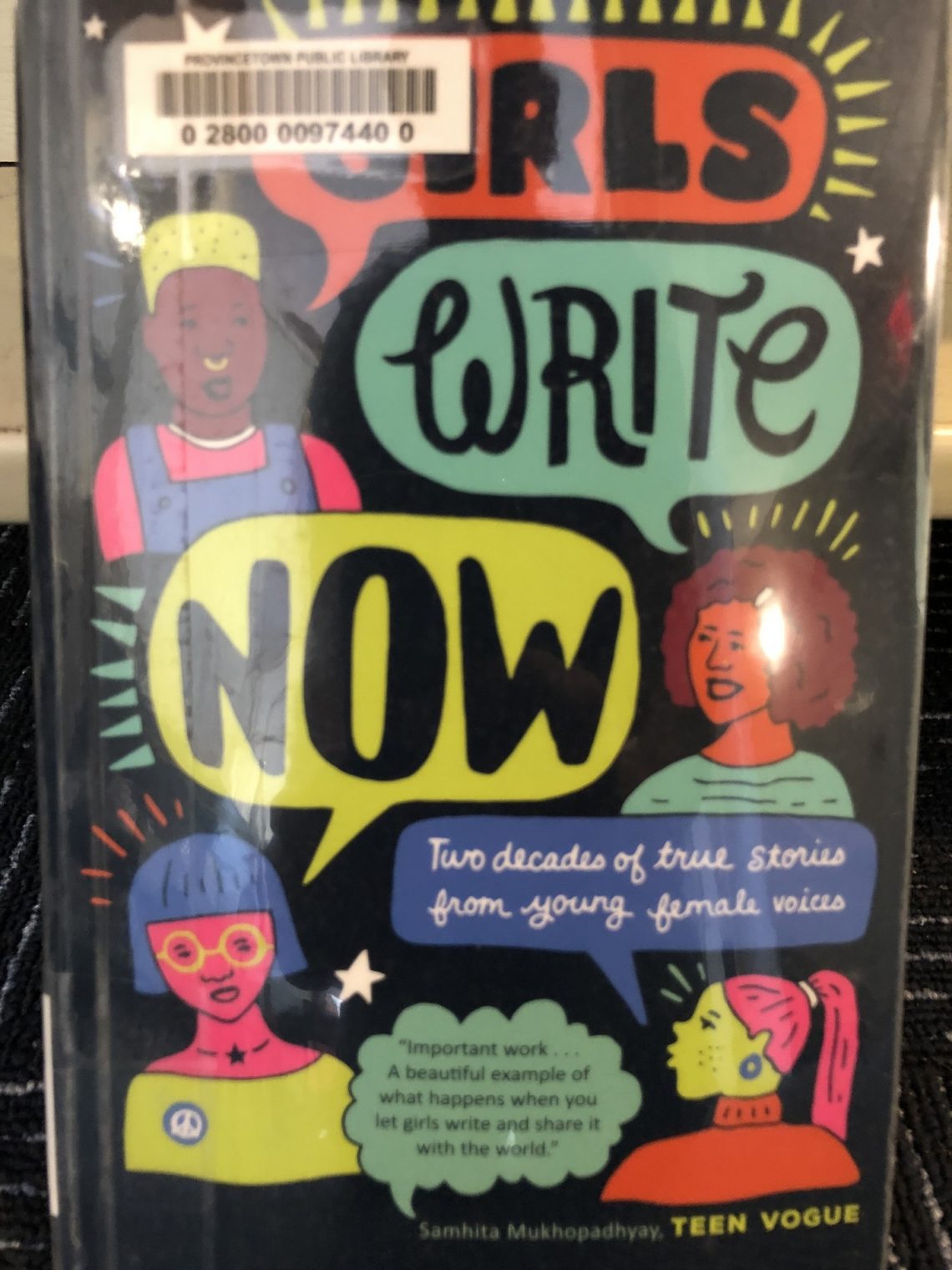
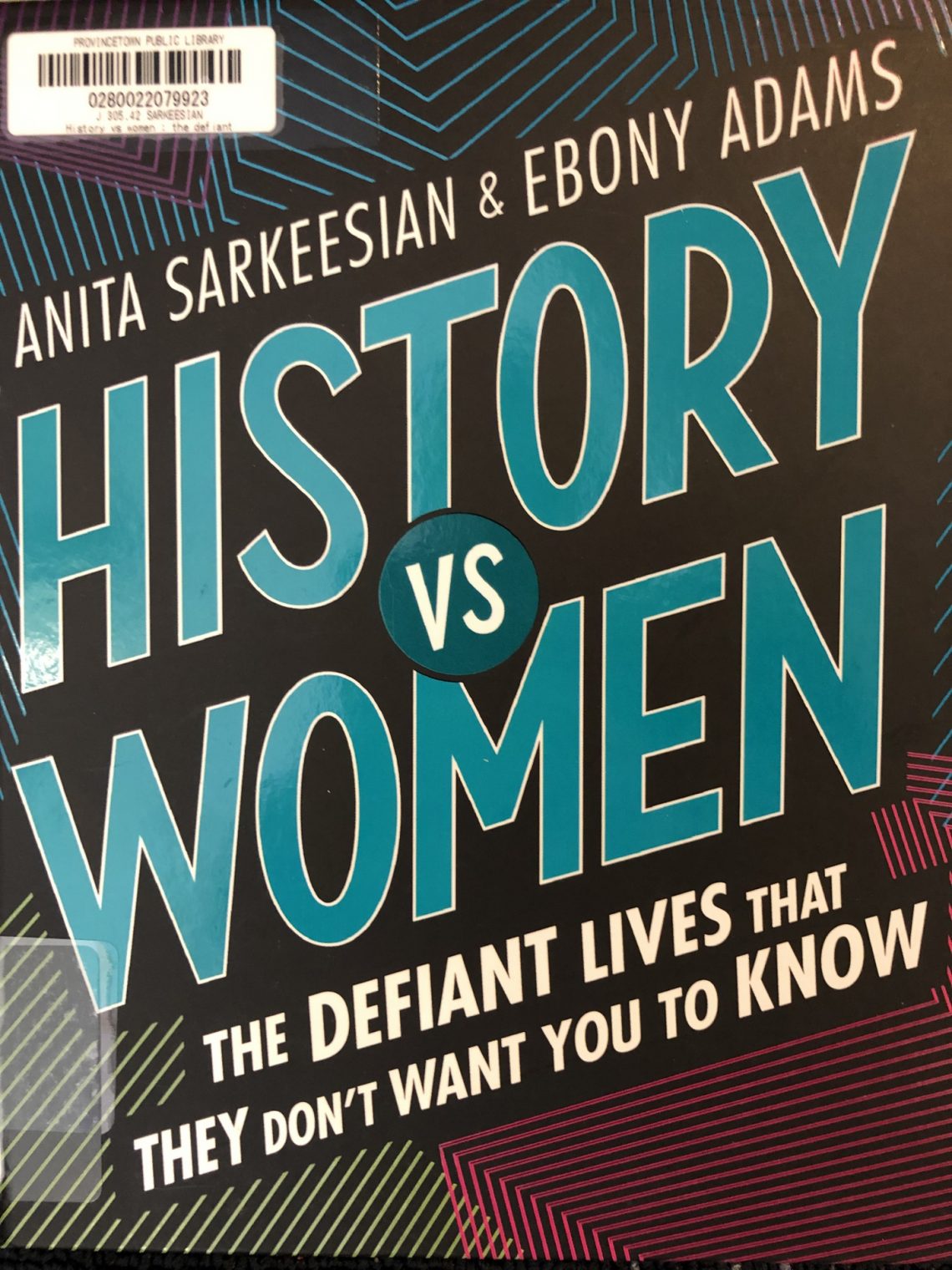
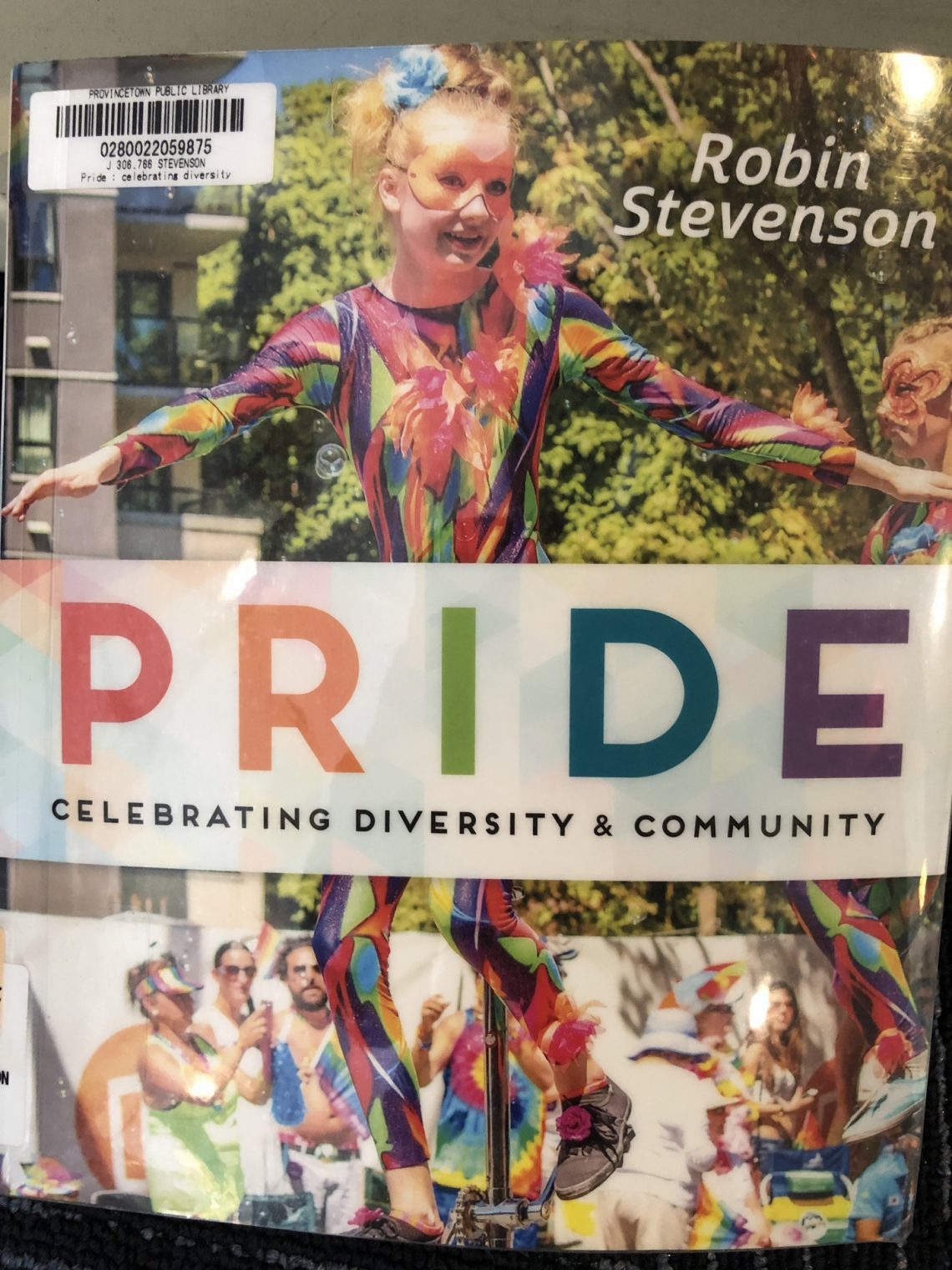


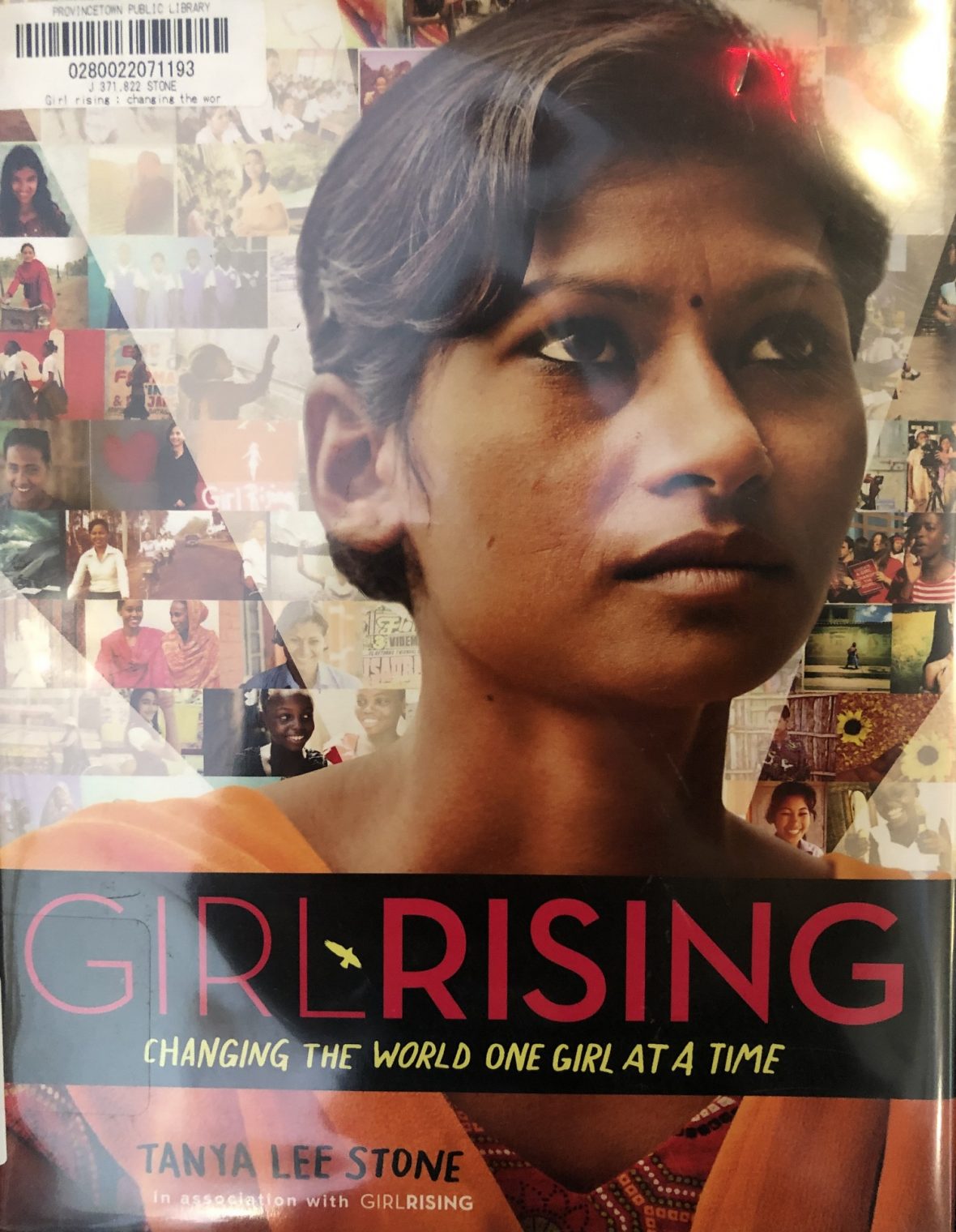
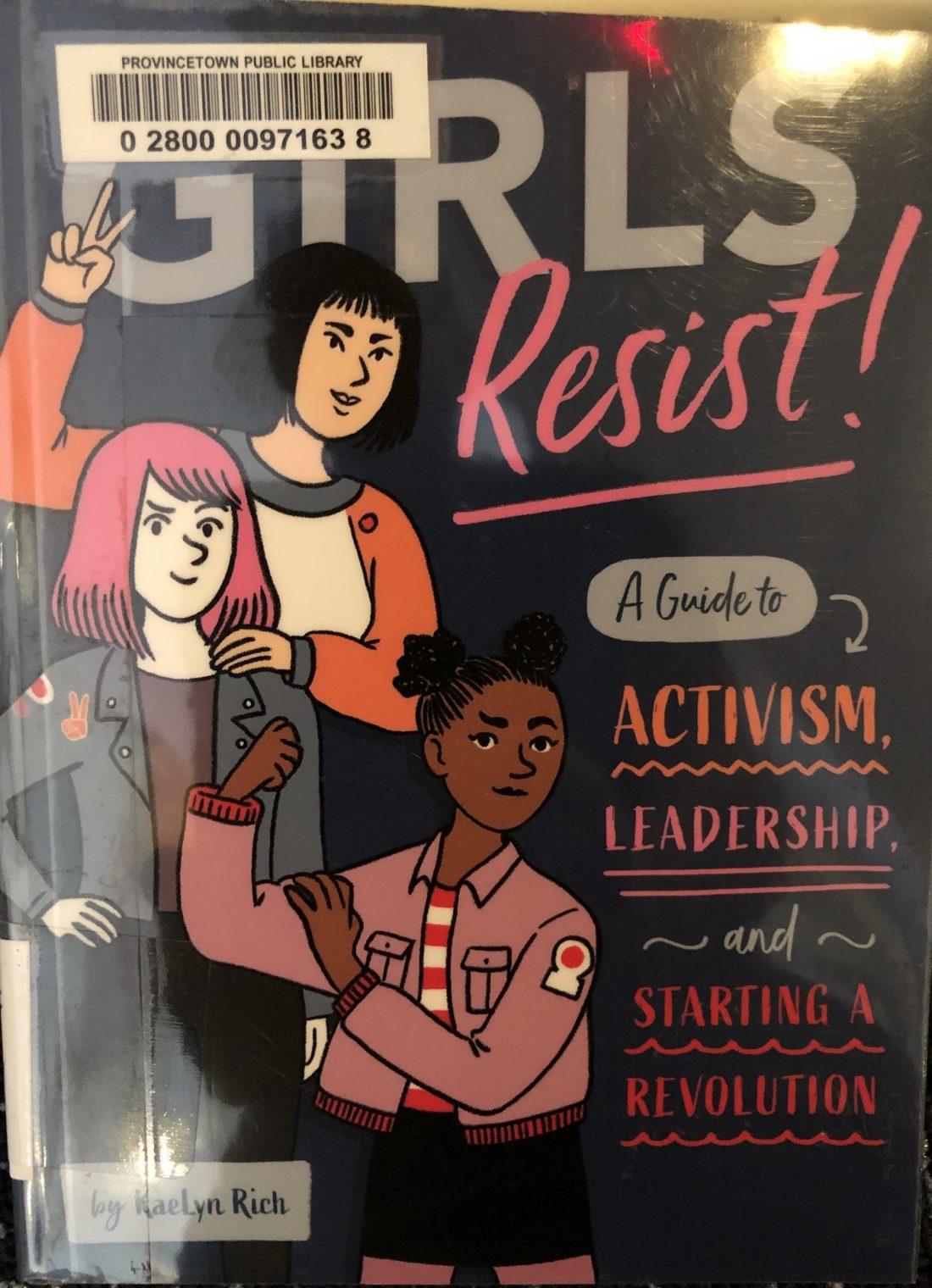
What about New (and/or featured) Children’s Fiction?
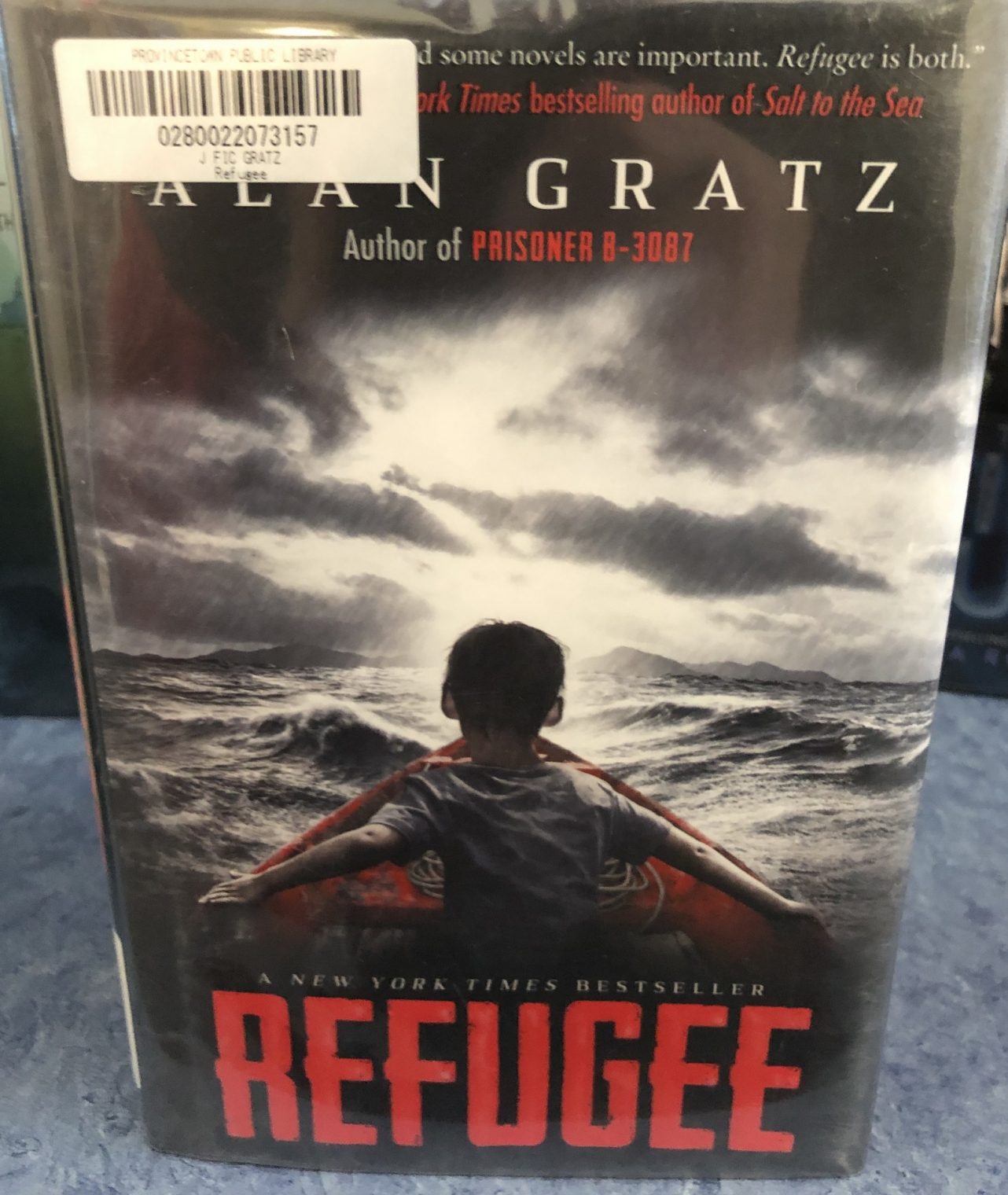

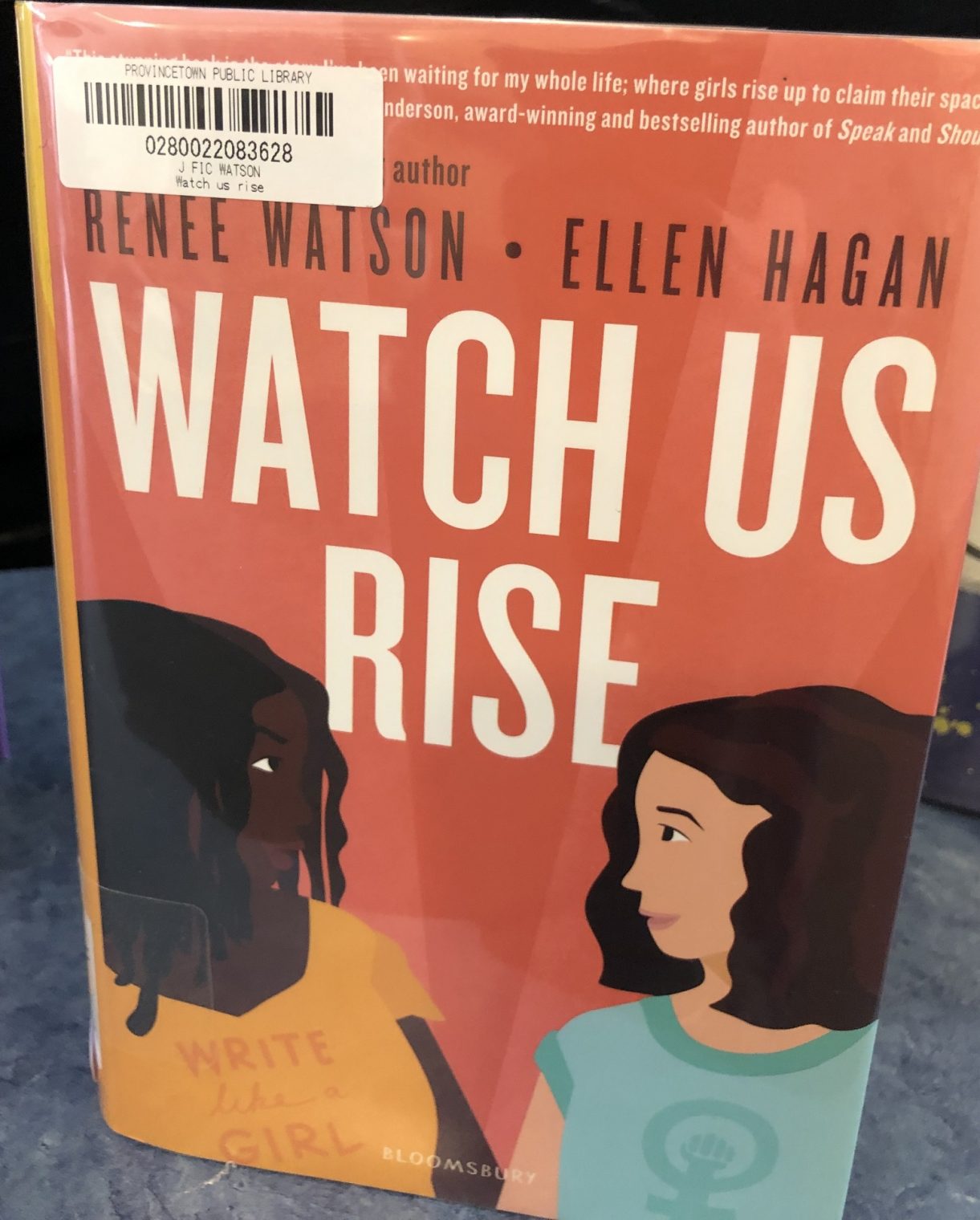
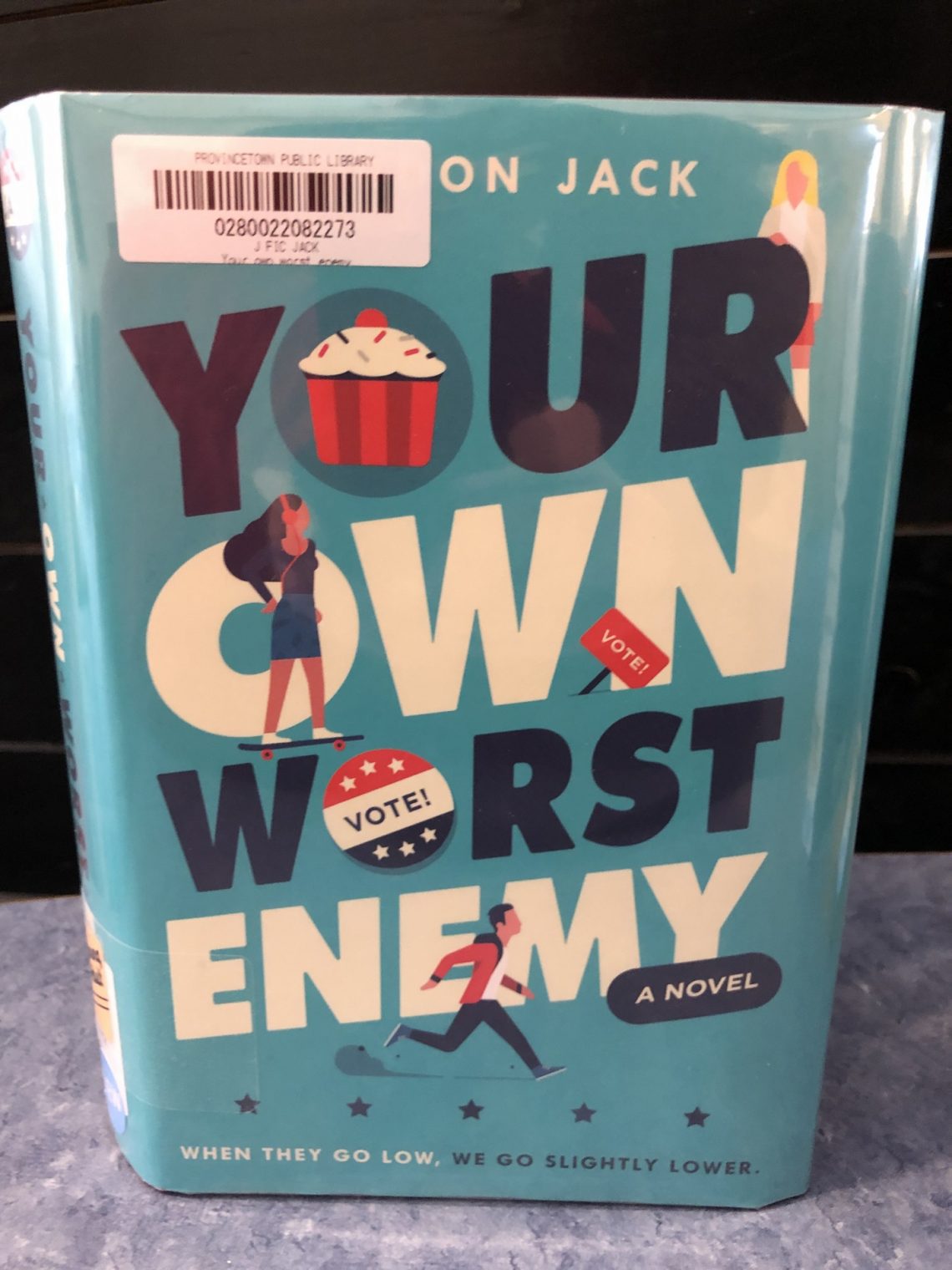
I do hope that at least one candidate in 2020 adopts Gordon Jack’s slogan of “When they go low, we go slightly lower.”
In between the fiction and non-fiction sections:

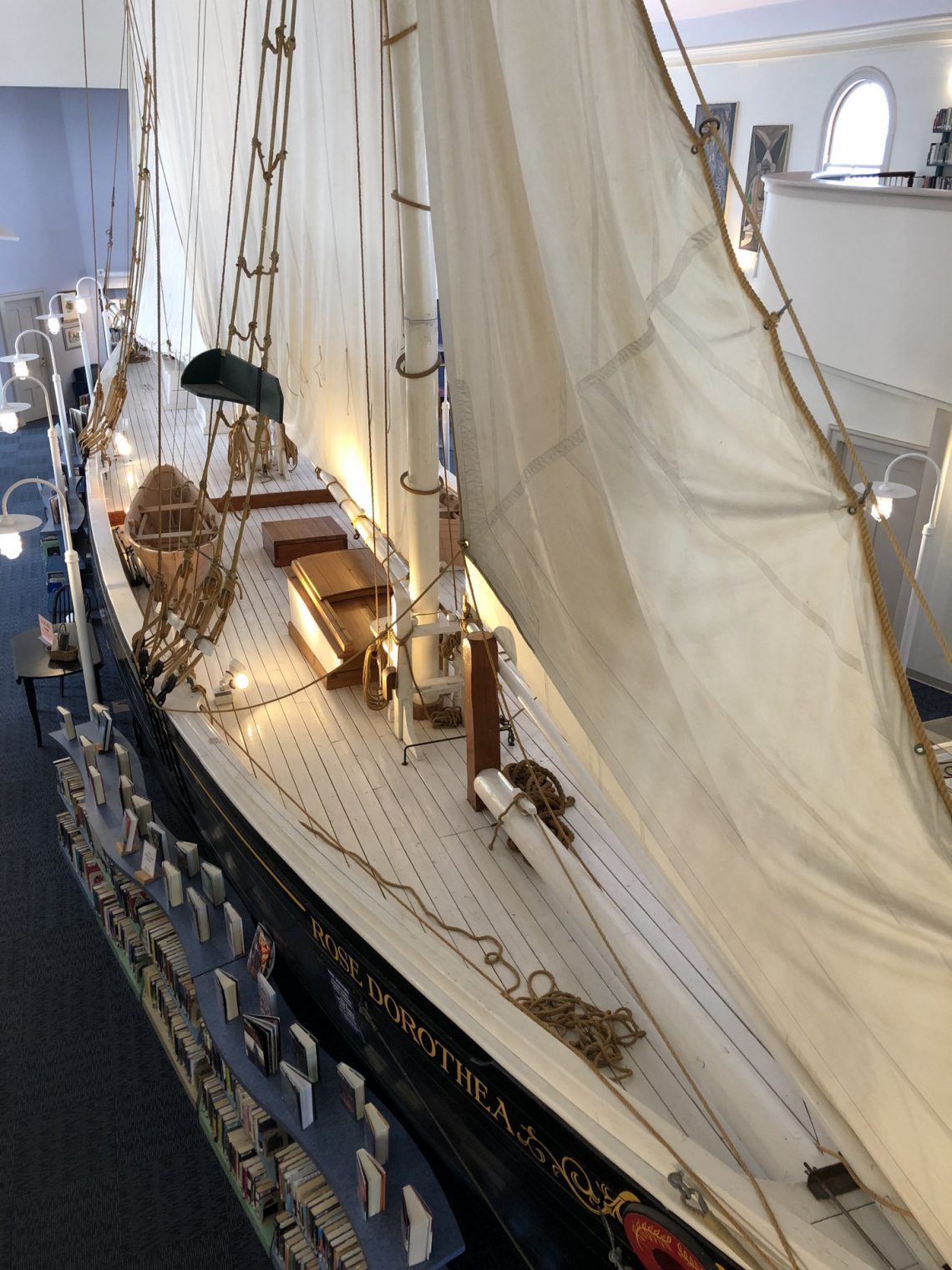
What about for little kids? The library is in a converted church and makes great use of the high ceilings:

There is a restroom:
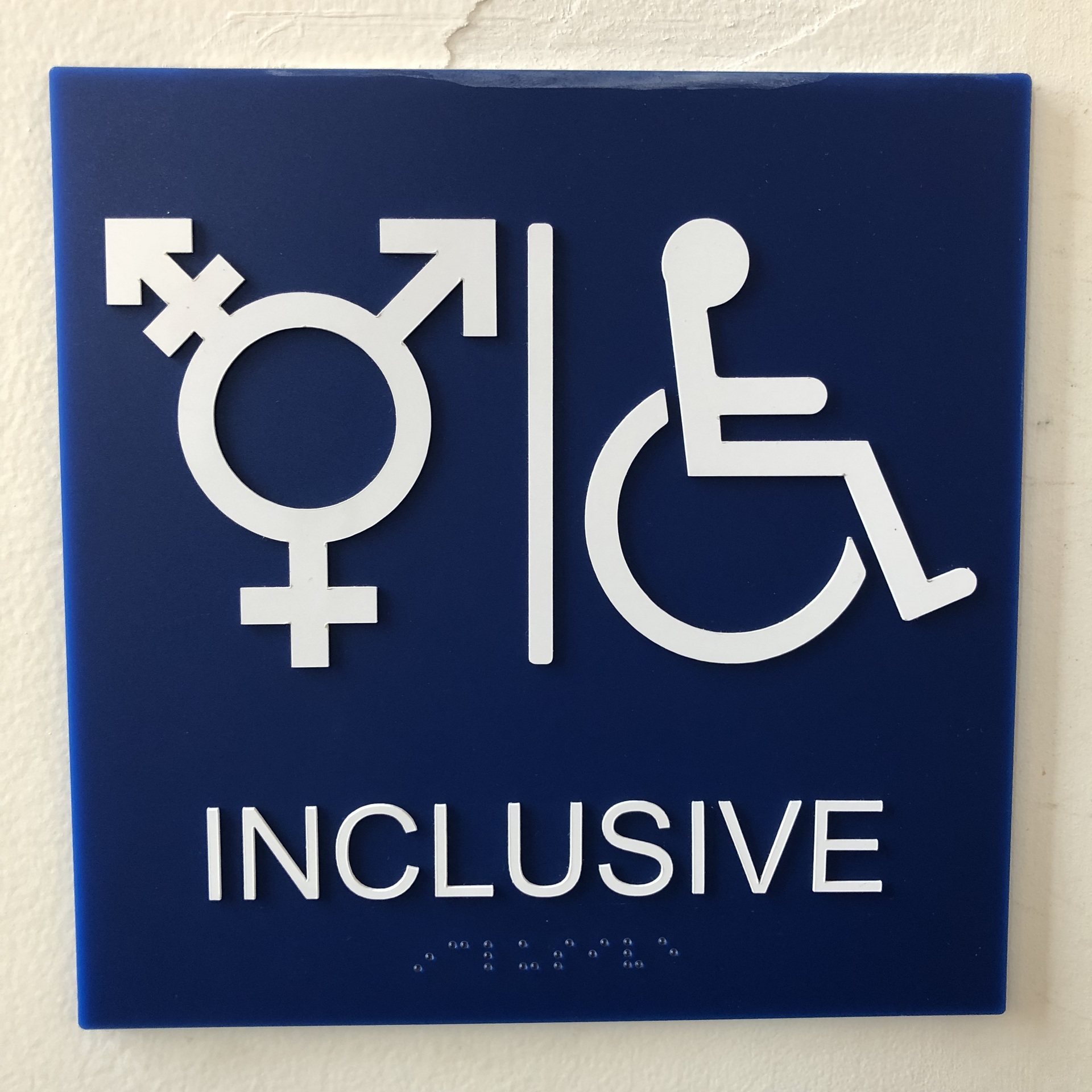
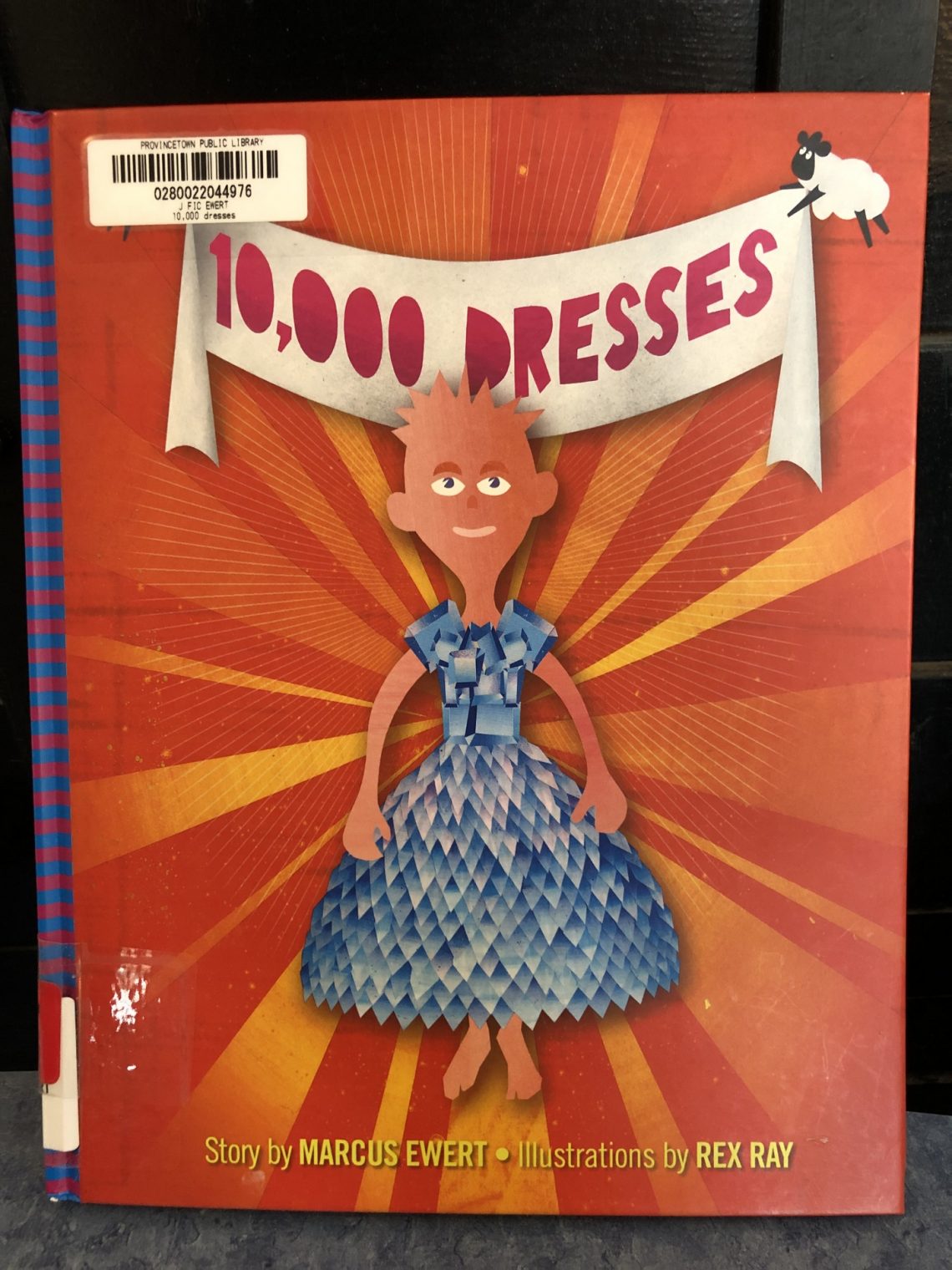
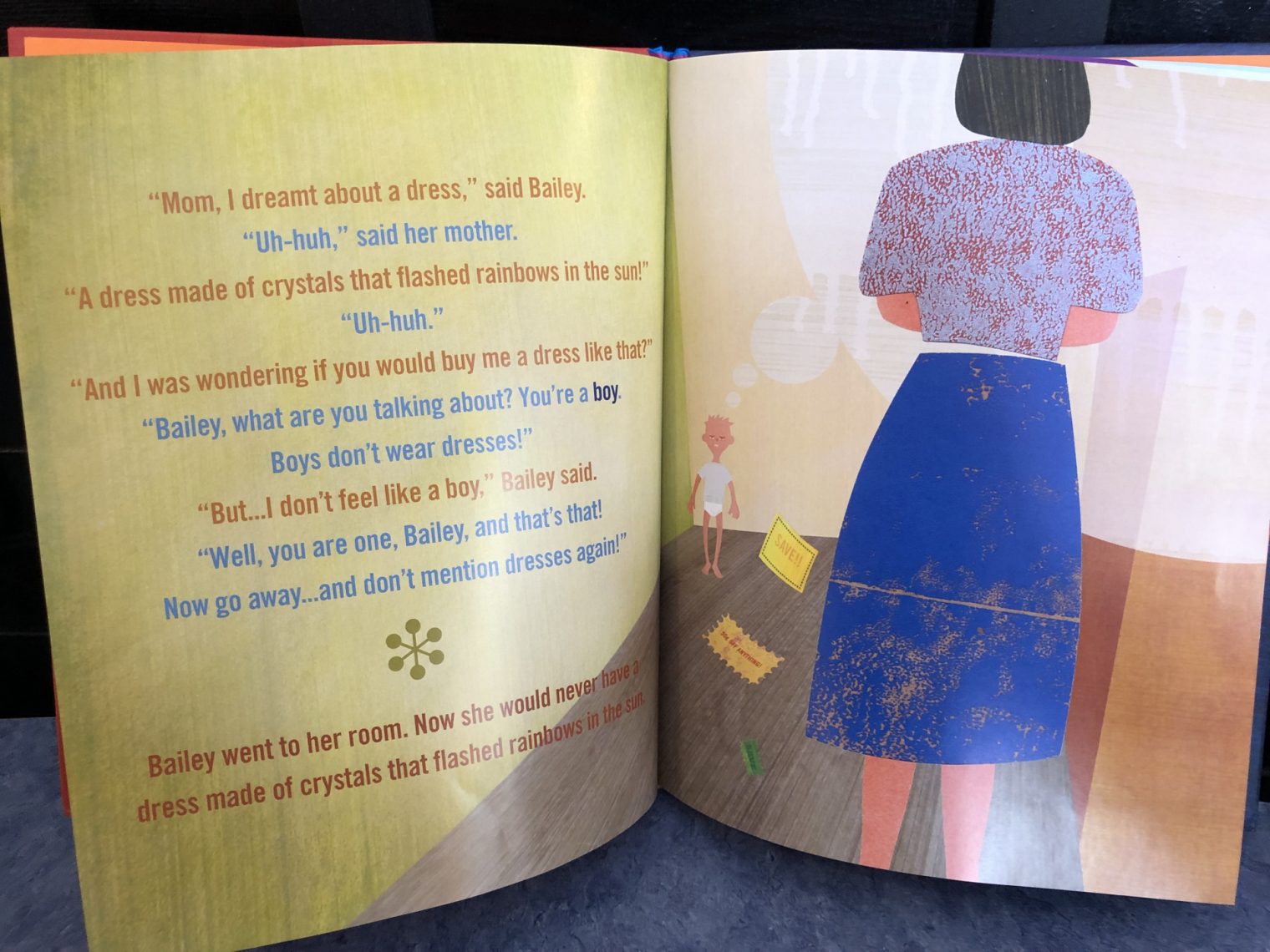
The little kids have their own books, in which it turns out that adults and cisgender boys are guilty of cisgender-normative and hetero-normative prejudice.
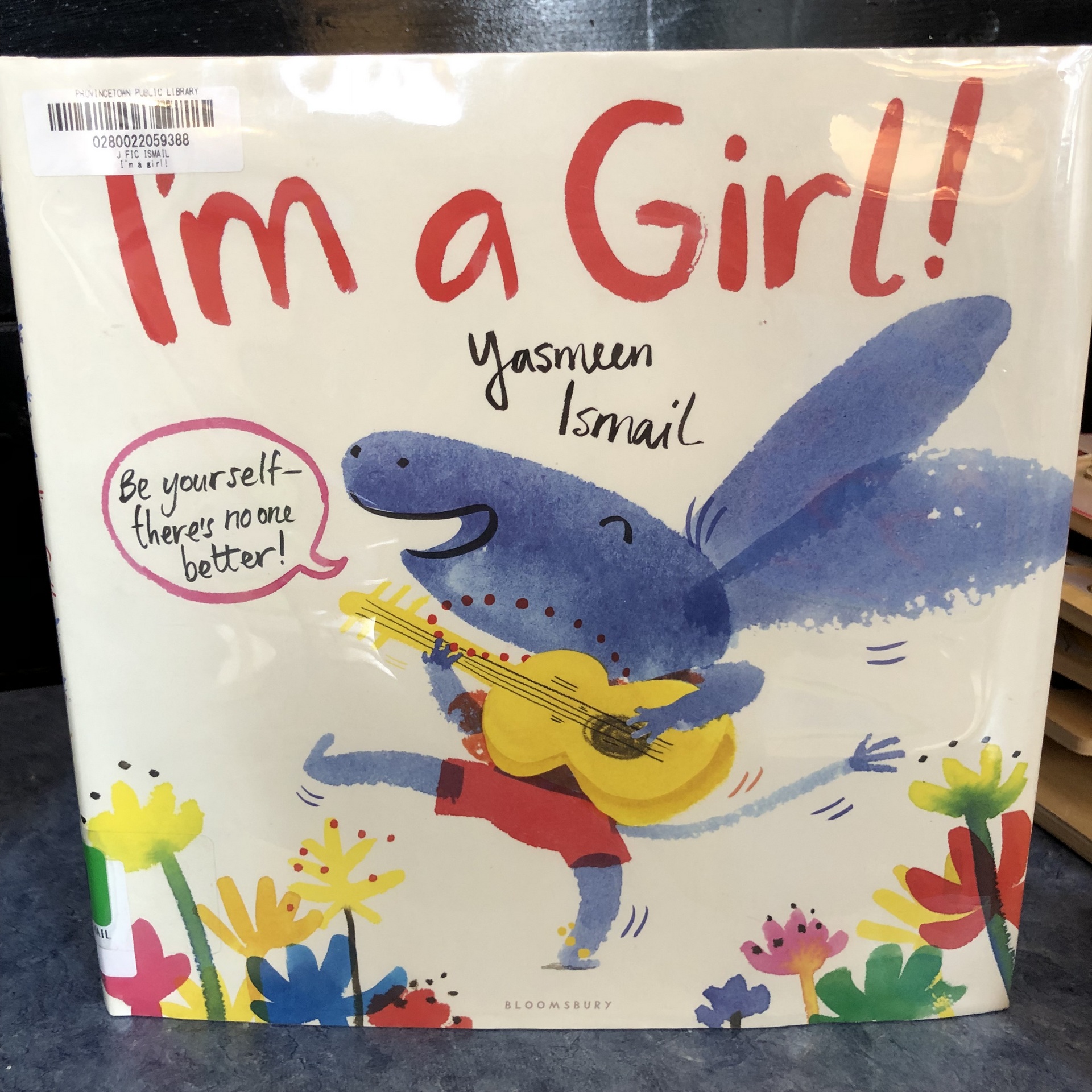
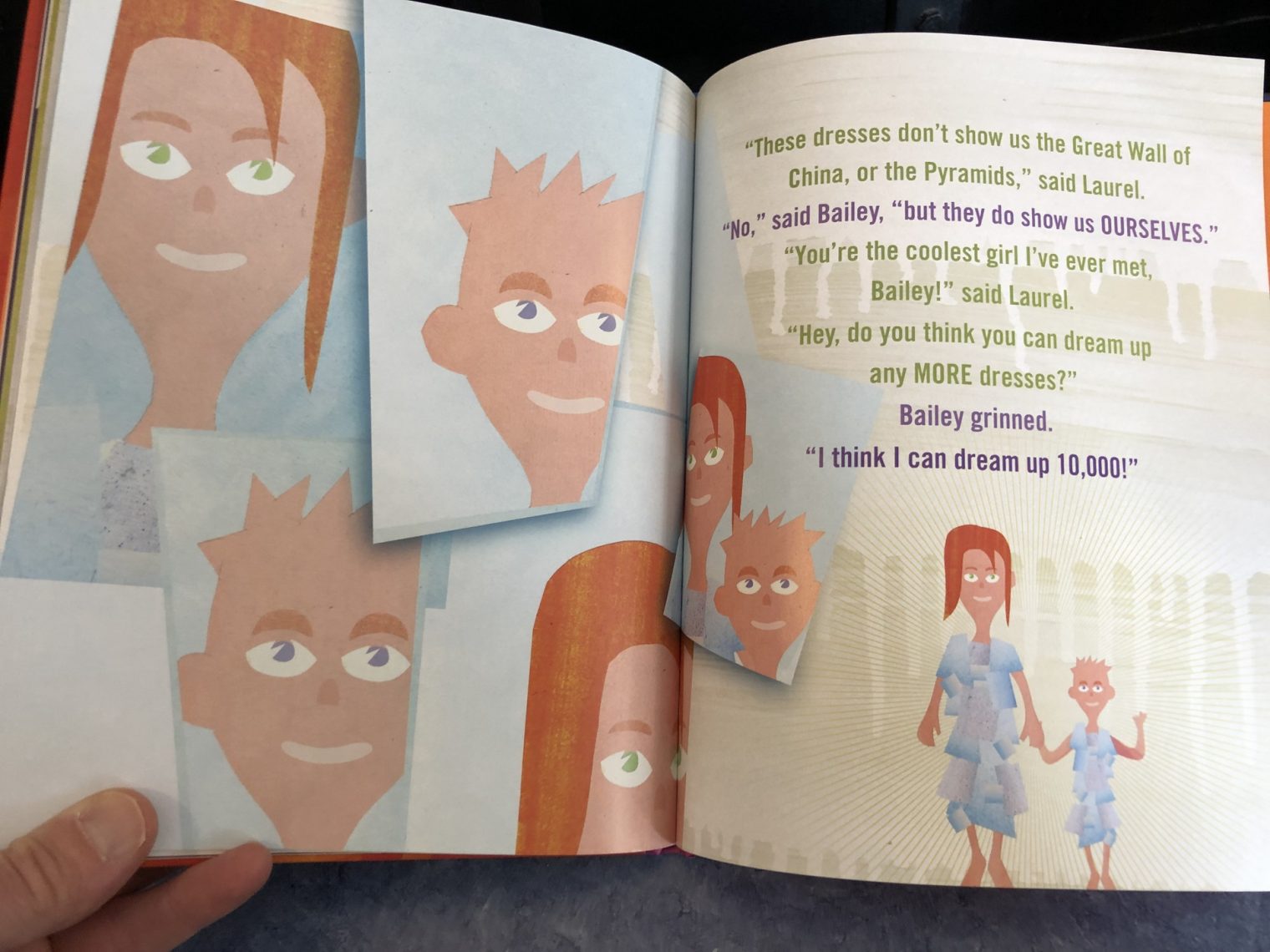
The reviews of I’m a Girl on Amazon:
- A wrongheaded picture book attempts to celebrate “girl power” and the rejection of traditional gender roles but ends up perpetuating stereotypes. … The damaging fallacy extends in every direction, though, as the bystanders’ sometimes derisive comments, which assume that she’s male (“Ugh! Boys are so messy.”), support an additional set of (binary) gender stereotypes.
- Besides the message of “you can be as annoying as you want as long as you’re breaking gender stereotypes,” having to read “I’m a girl!” with emphasis throughout the entire story gets tedious.
- Intentional or not, it’s about gender identity and being misgendered. … It never says she is trans, but could easily be read that way
And of 10,000 Dresses:
- I am building a collection of books and lessons to help my children understand what the GLBTIQ crowd experiences to help teach them how to treat others and how NOT to treat others.
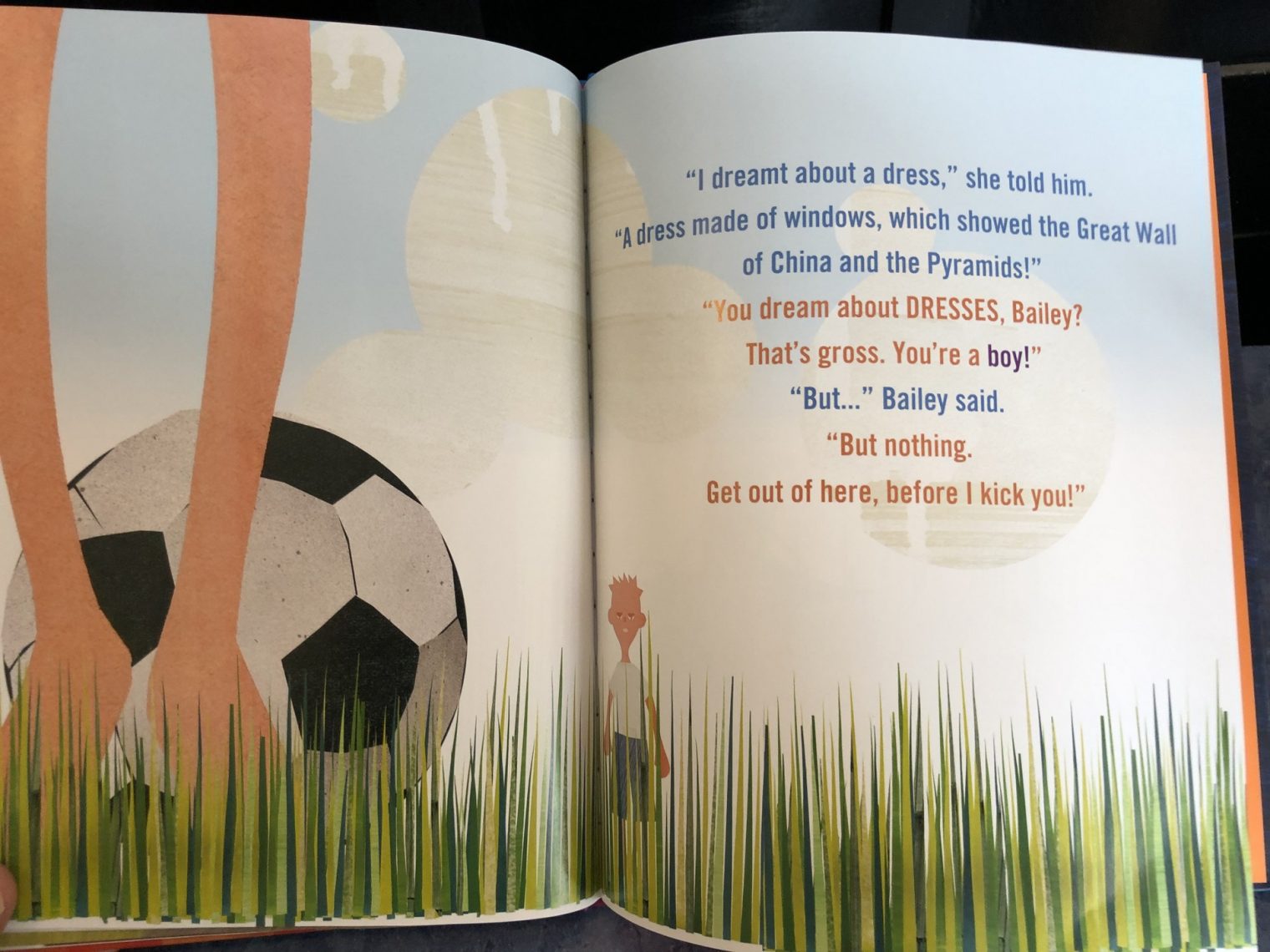
- I selected this book as part of an independent English literature course that I am taking that involved examining LGBT experience through literature. This is an excellent selection for starting discussion on transgender identity in childhood. The author’s use of pronouns is especially insightful and overall it’s a reaffirming story. I removed one star from my review because the main character’s parents and sibling are rude and intolerant and the book in no way addresses this.
- I do have a problem with the girl running to a stranger’s house and going in as if that is a perfectly safe behavior.
- I returned mine today and was appalled as I read the story to my son before reading it to myself. Kids need to feel safe at home, especially when dealing with gender non-conformity.
- This book seems intended to be positive about a boy wearing dresses, but in the story, the boys’ parents and sibling reject him, and one girl becomes his friend and makes dresses with him. The issues with his family are never resolved.
- [From American University] 10,000 Dresses is a true depiction of what a young child goes through when feeling that they do not fit in. … There are also no diverse races in this book; every character that is depicted is Caucasian. Since children of color are unable to see themselves represented in the book, they cannot relate to the greater message behind the story.
- The story is poorly conceived: the parents are unsupportive and cold, while a stranger provides comfort.
- A child is systematically mocked by each member of his family, only to find refuge with a random stranger.
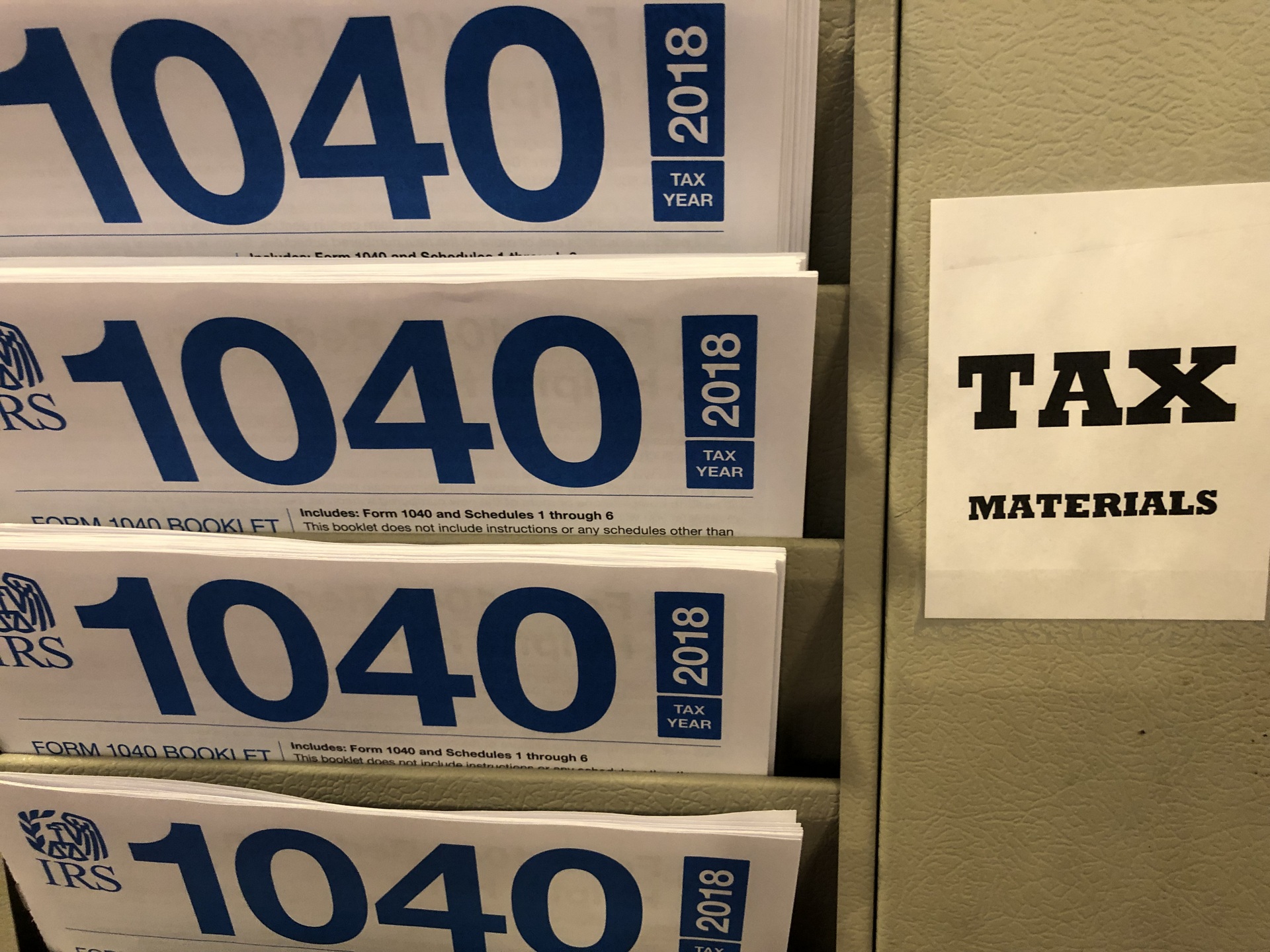
Should these paper forms be called “Normally aspirated tax”?
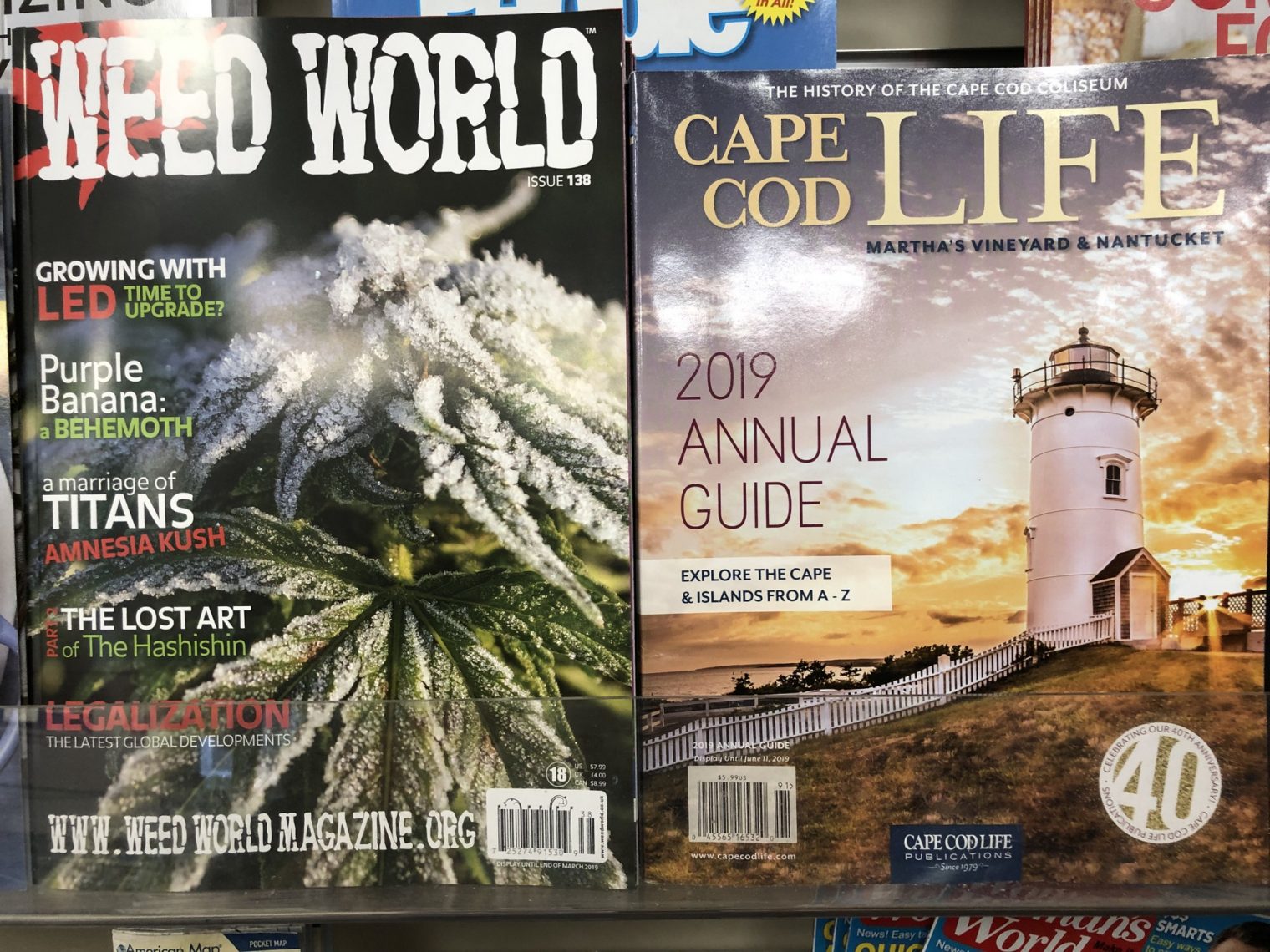
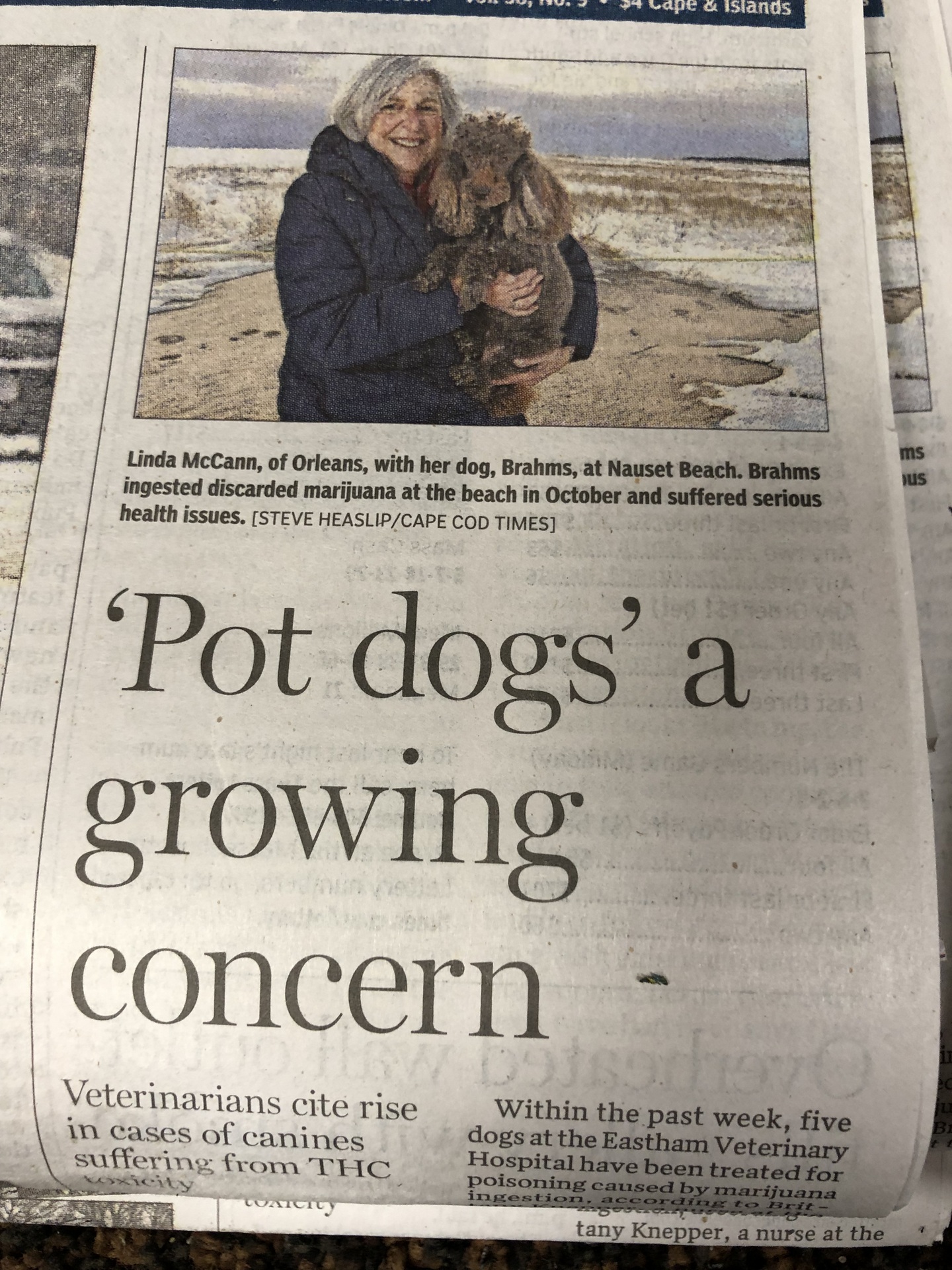
From the convenience store, we learn that customers are passionate about marijuana, but that the claimed health benefits for humans do not translates into health benefits for our canine companions:

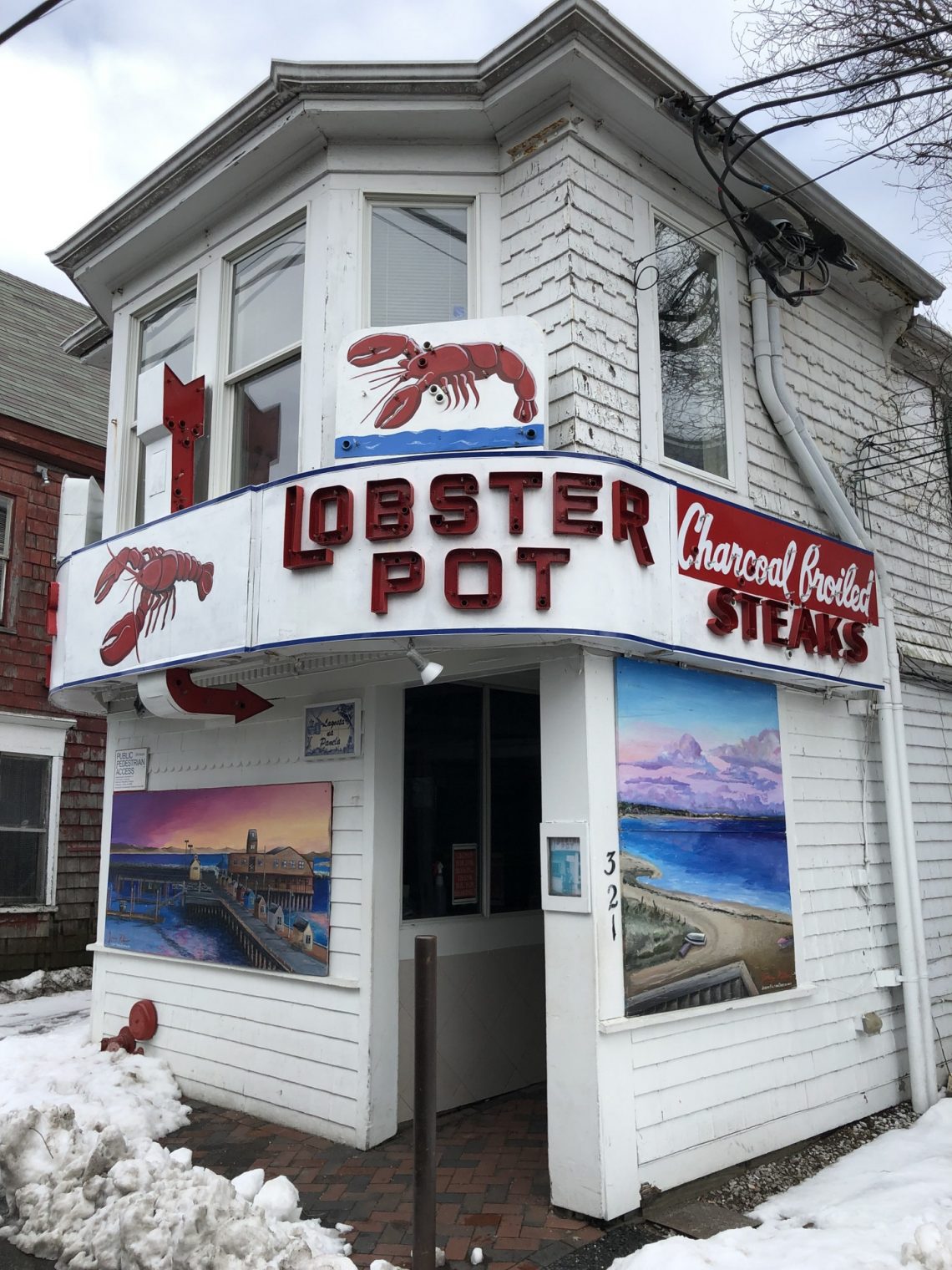
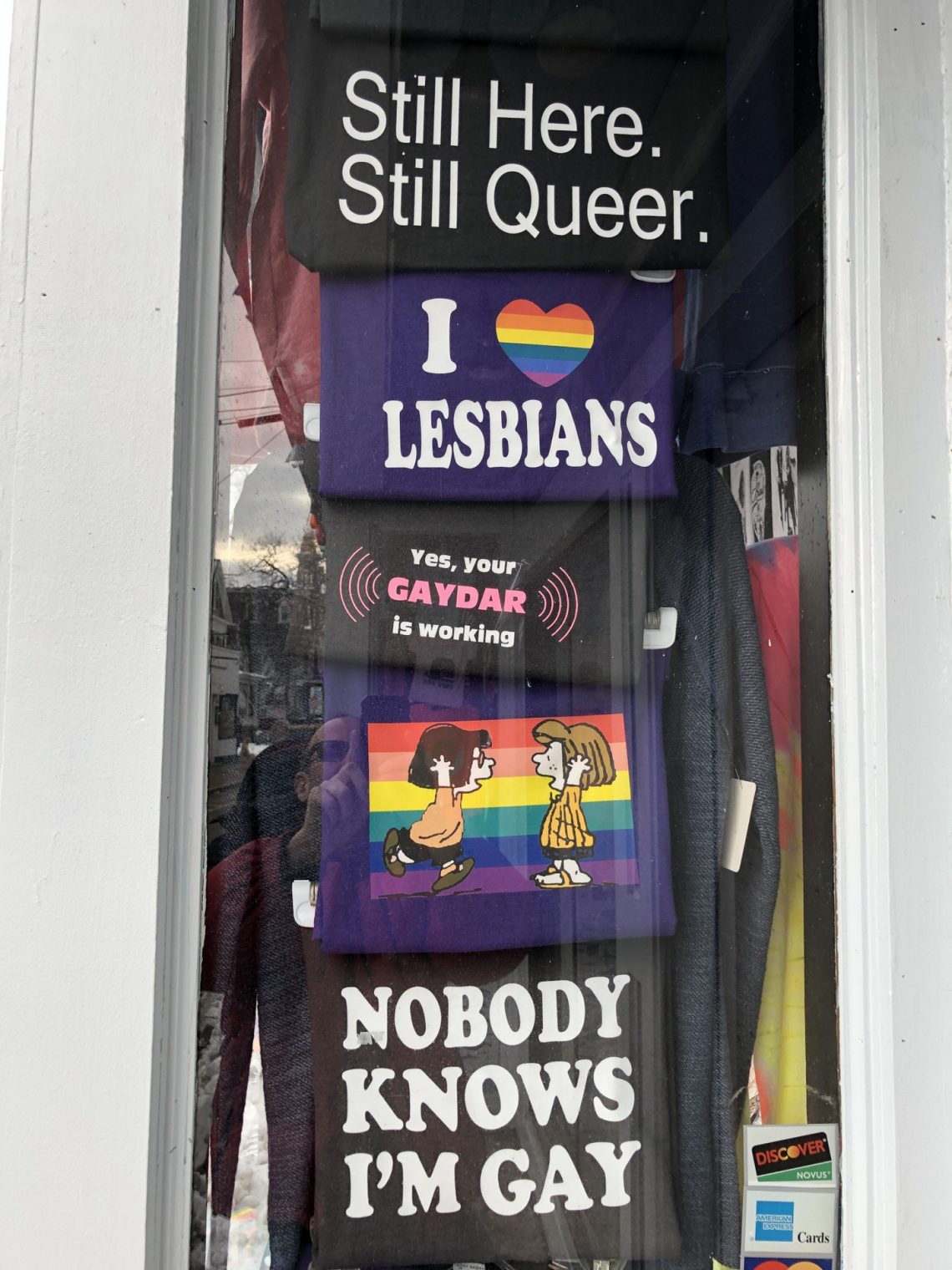
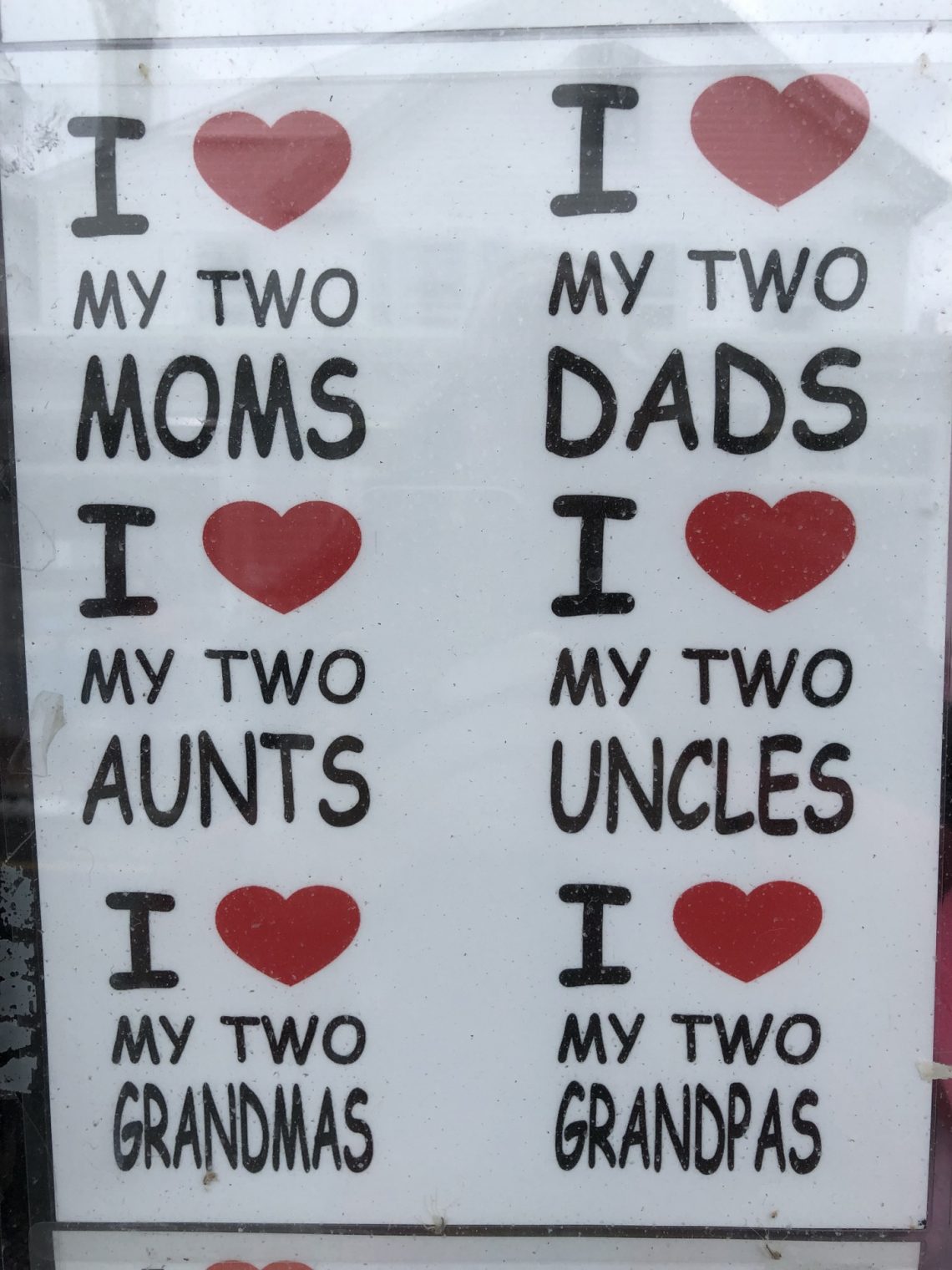
What’s happening in the rest of the town?