Pregnancy explained by a science museum in a state that offers abortion care at any stage of pregnancy (Illinois)
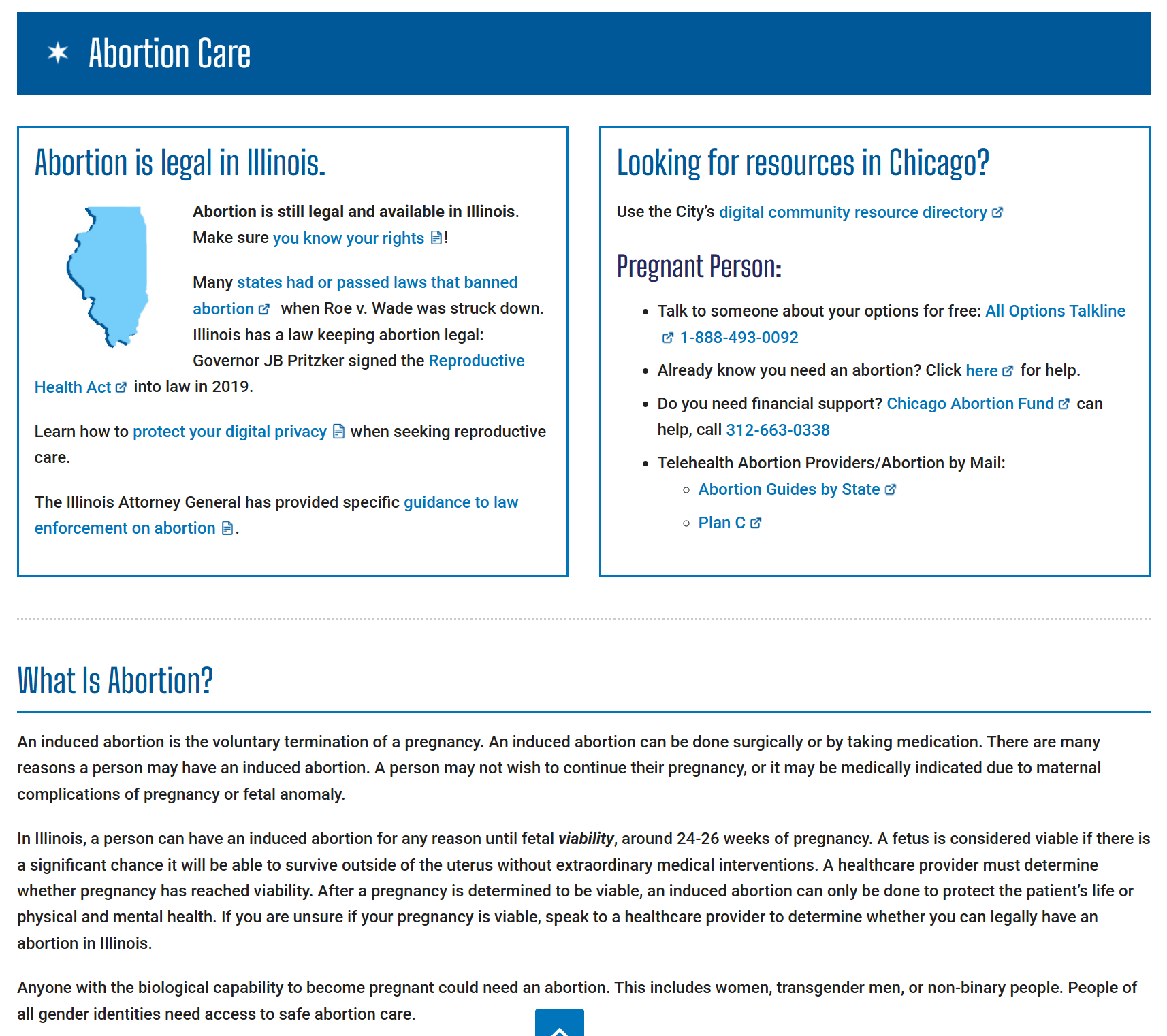
As in Maskachusetts (old law; updated recently as noted below), a pregnant person’s pregnancy can be terminated in Illinois at any gestational phase via abortion care if the pregnant person’s mental health can be thus protected . (Given that any child has the potential to “drive a parent crazy”, any pregnancy in any pregnant person can be subjected to abortion care at any time.) Here are the rules explained by the City of Chicago, which notes that “People of all gender identities need access to safe abortion care.”
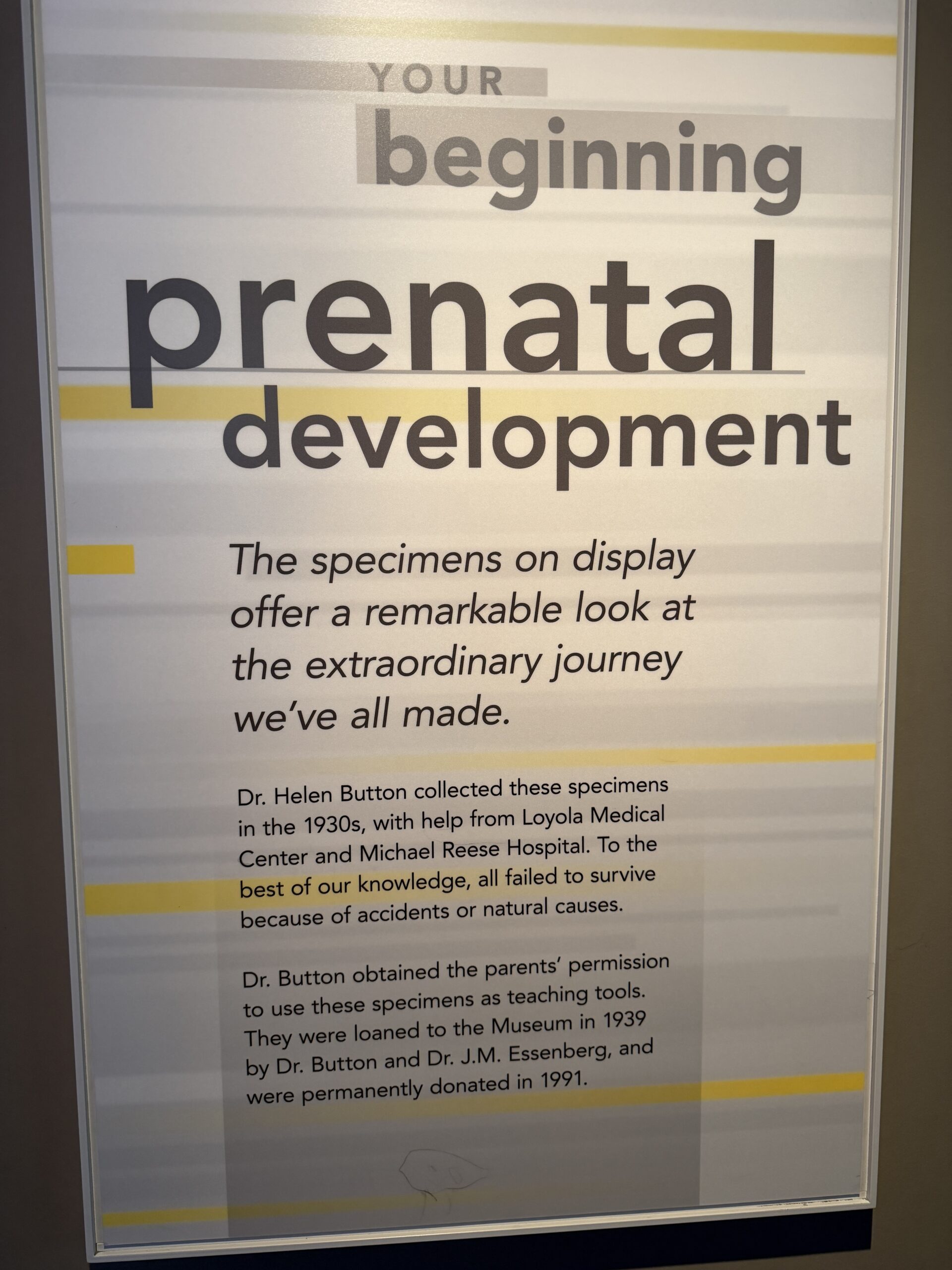
The Griffin Museum of Science and Industry has an exhibit on “prenatal development” featuring preserved “specimens”:
The “specimens” can also be characterized as “fetuses”:



The museum strays from Illinois law and principles, however, in a slide show in which the legal-to-abort-at-any-time collection of cells is described as “another human being” or “this baby”:
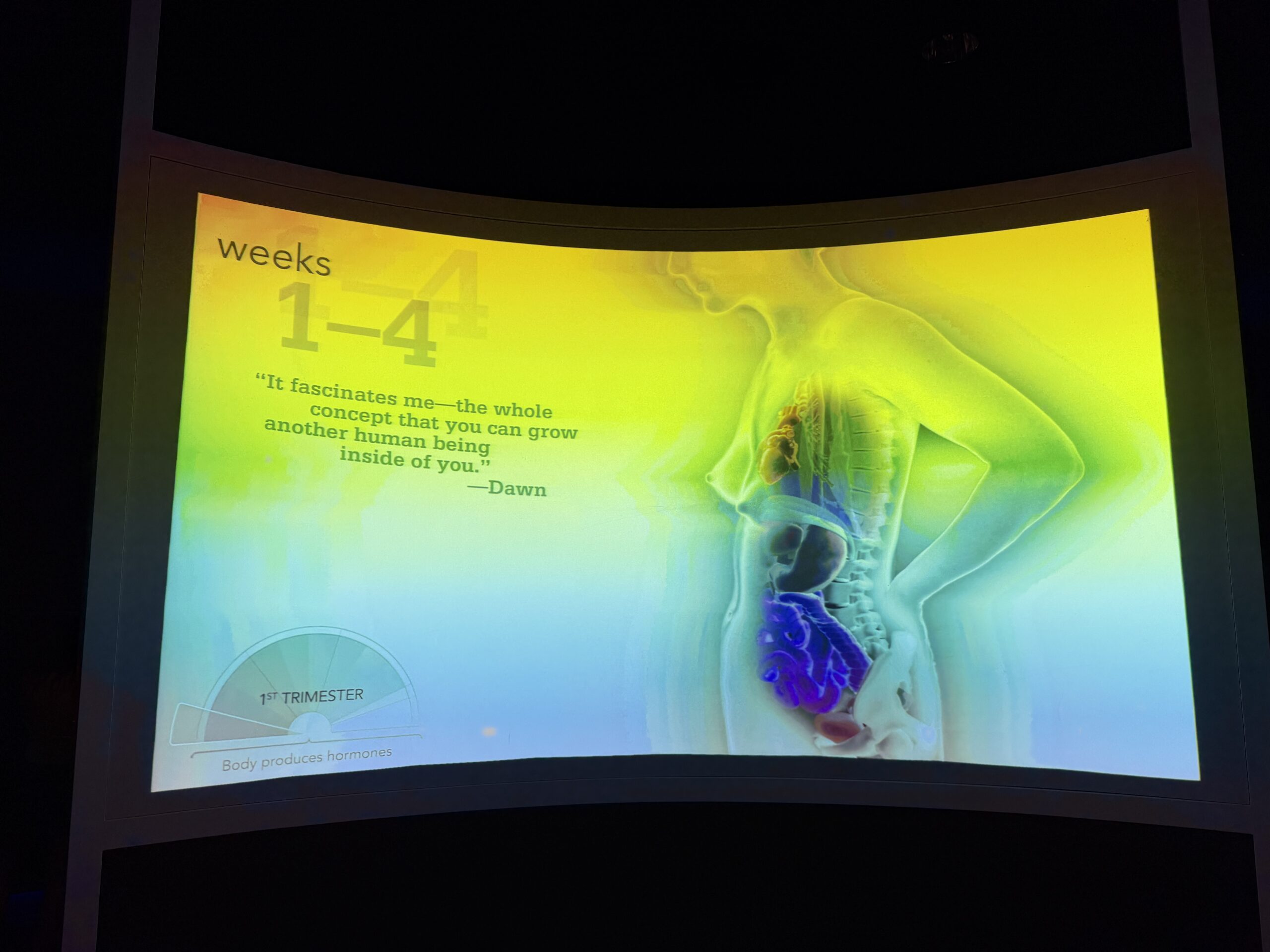
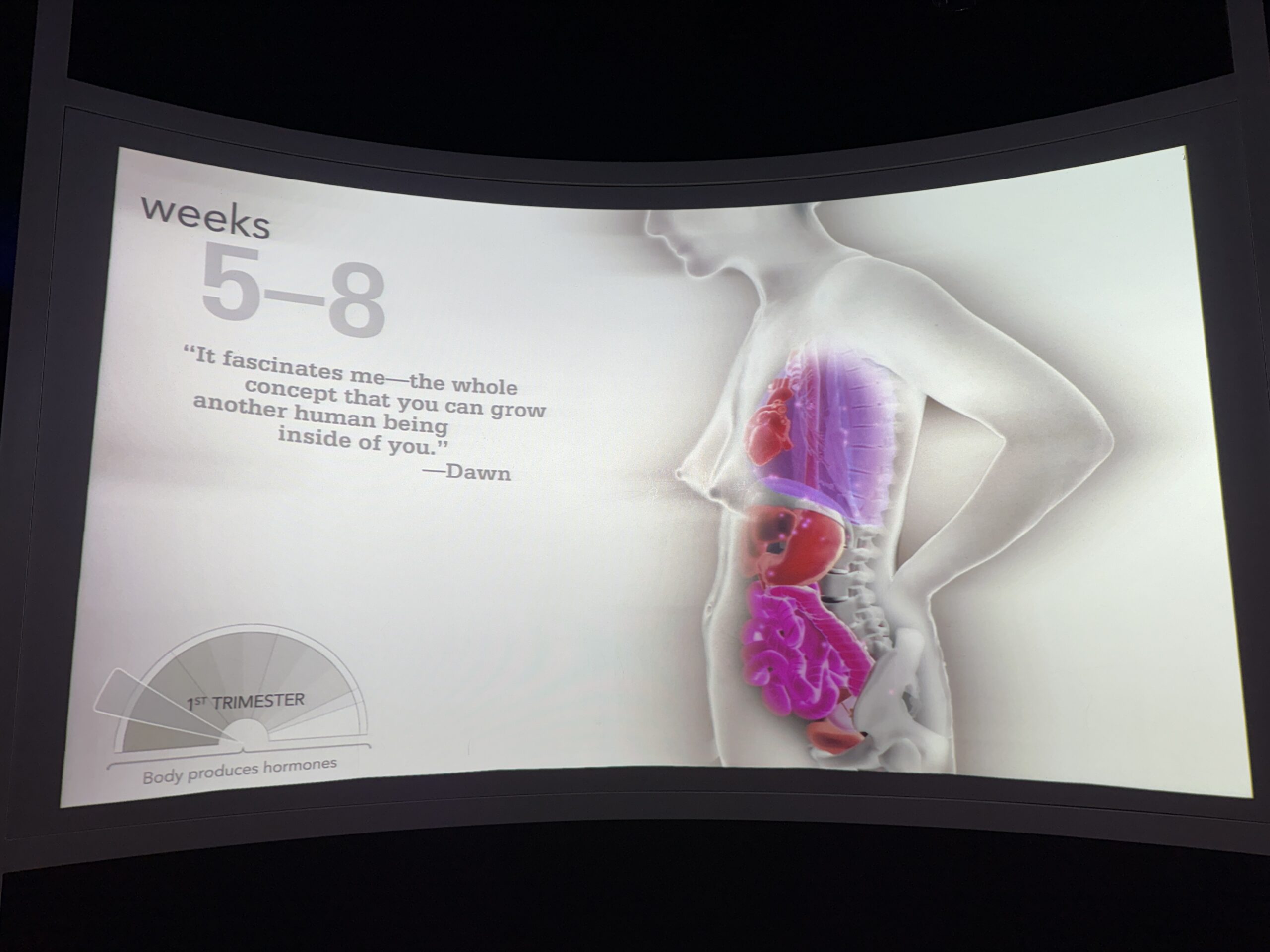
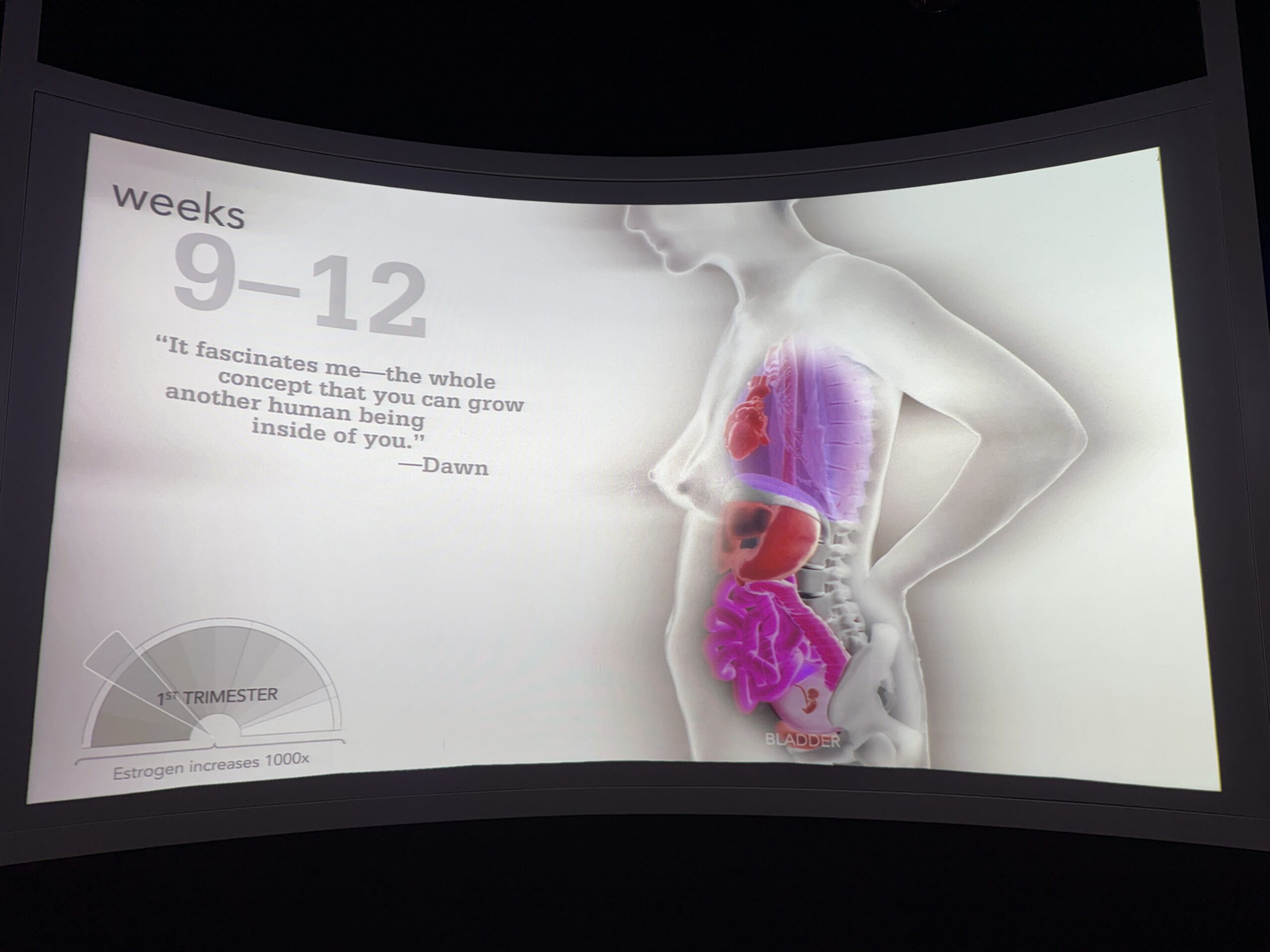
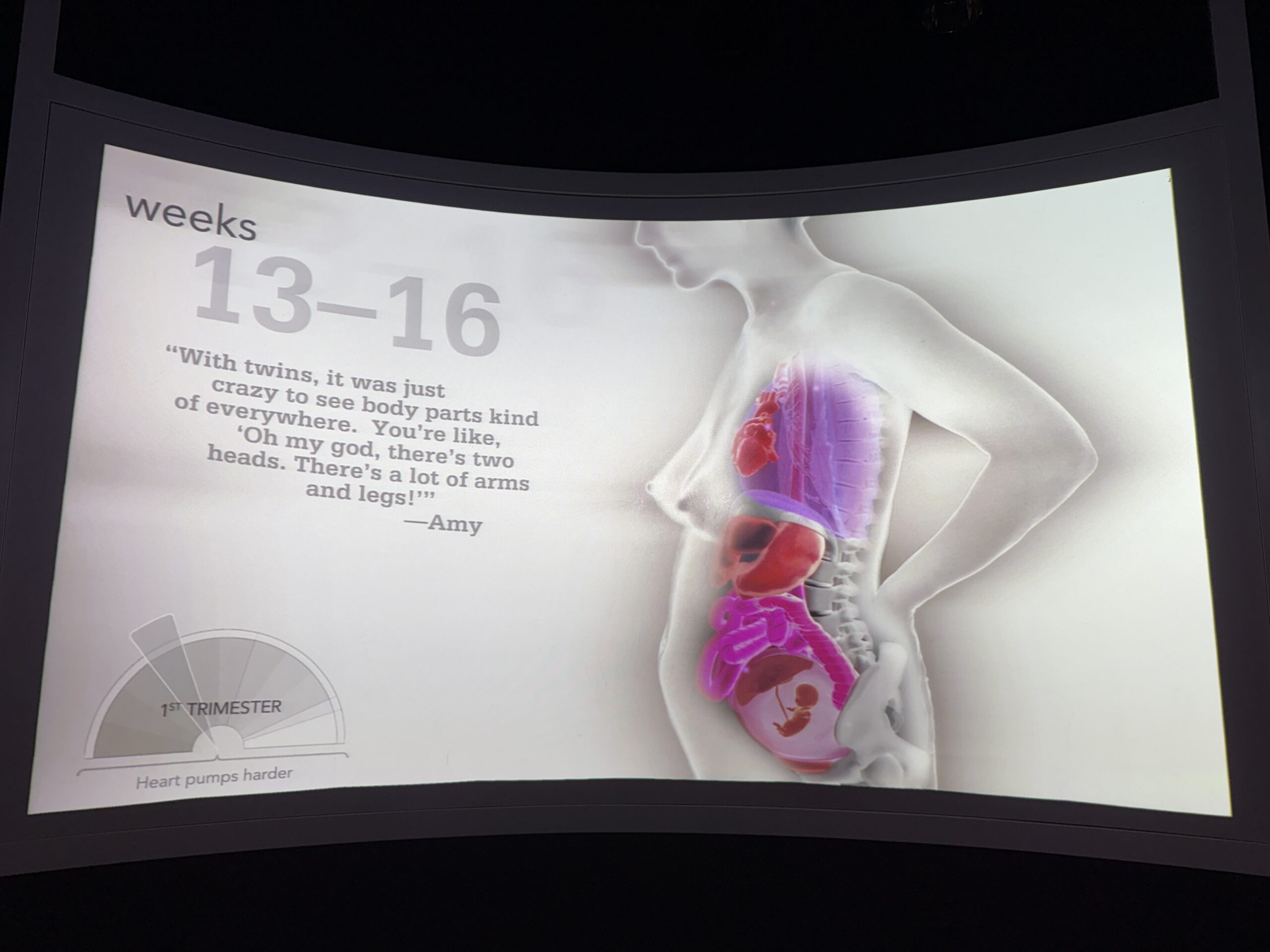
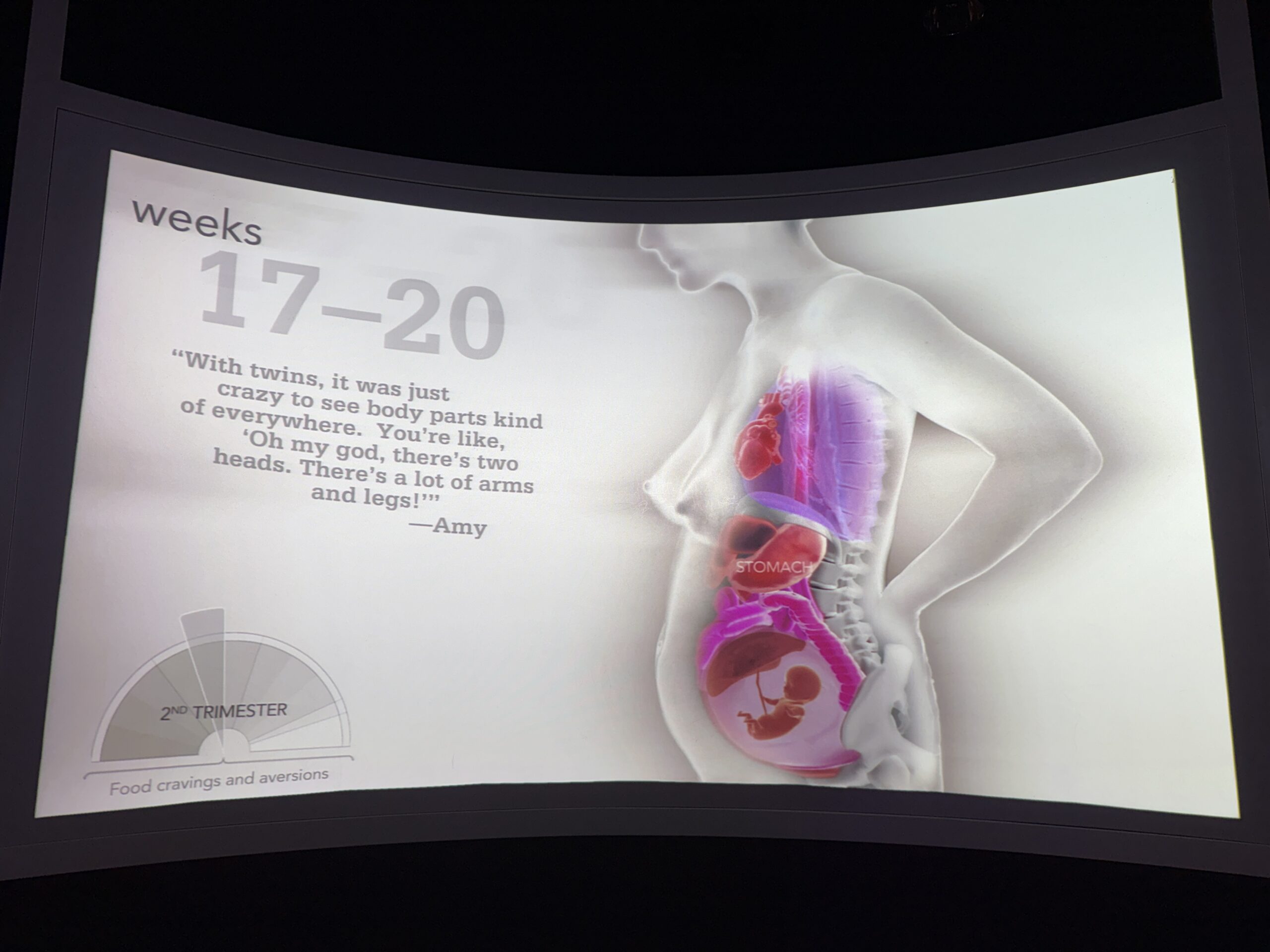
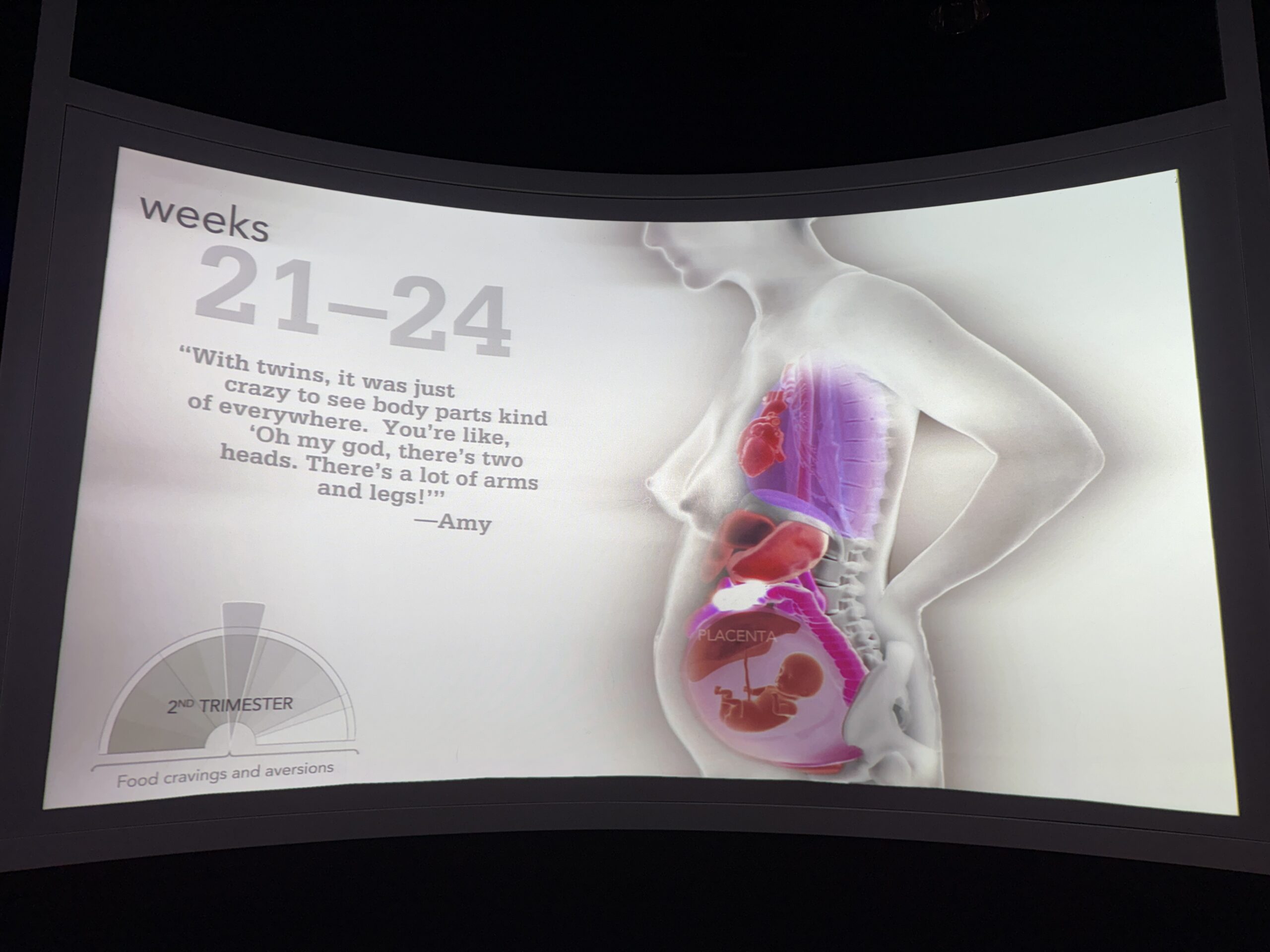
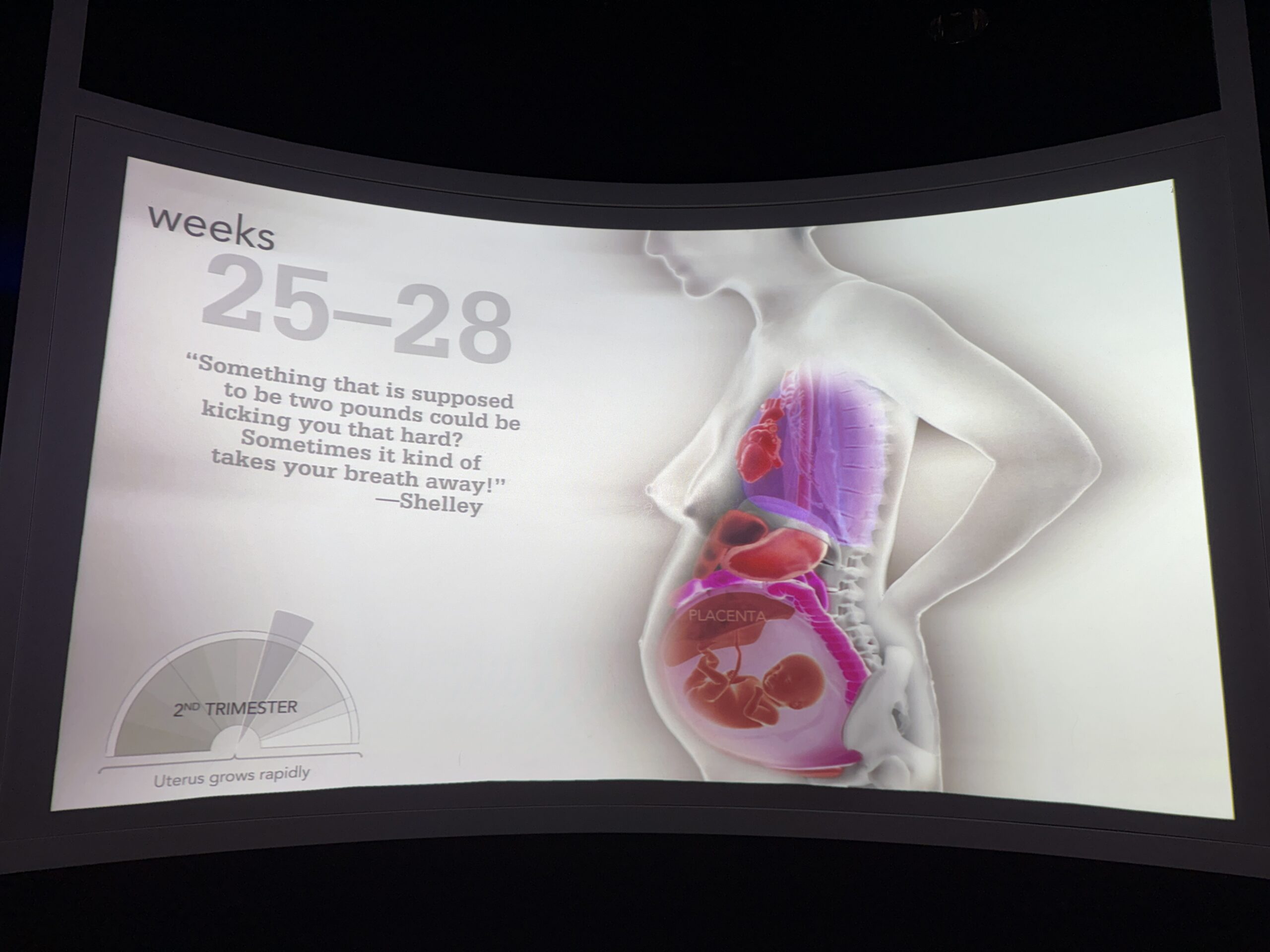
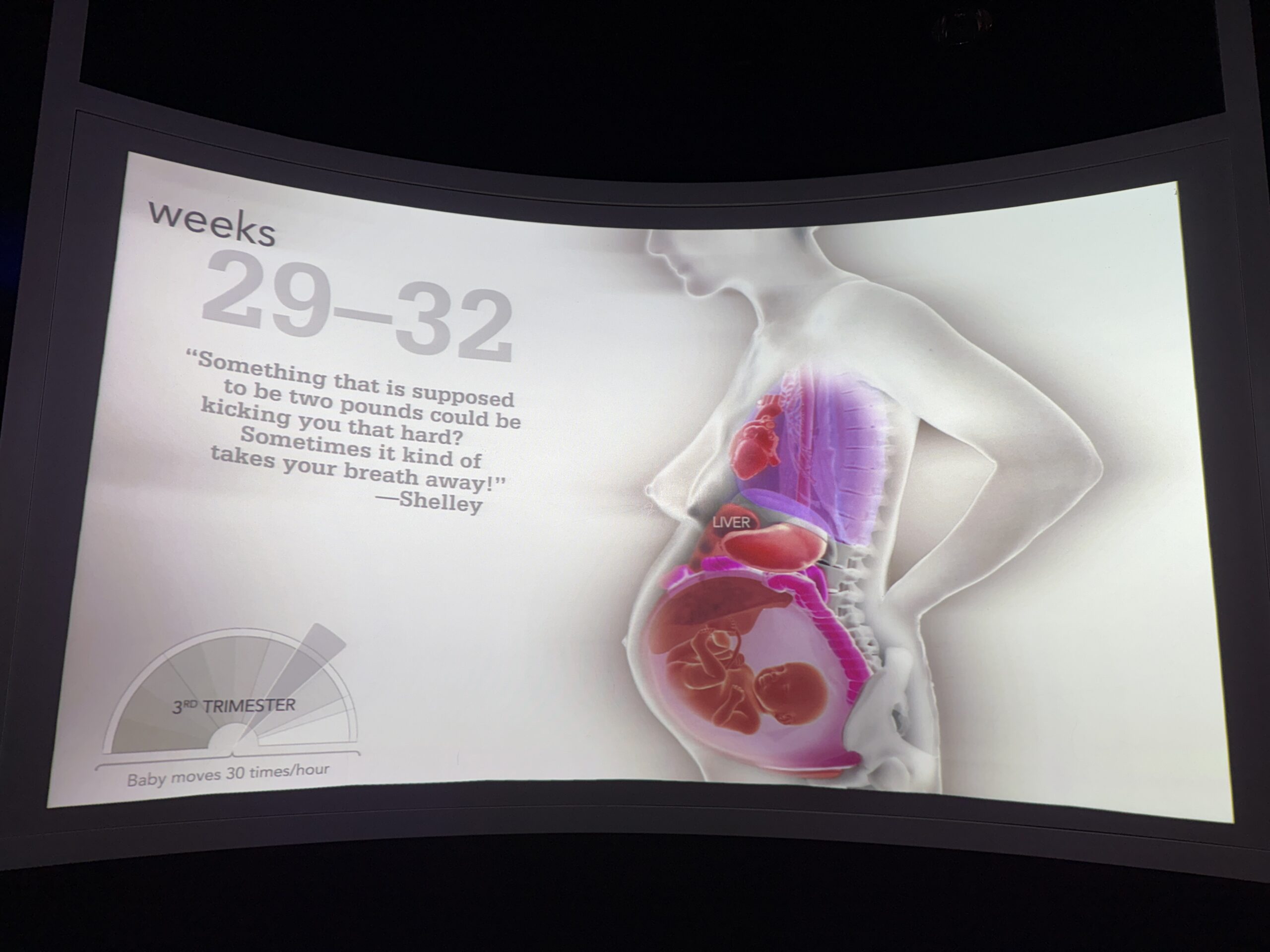
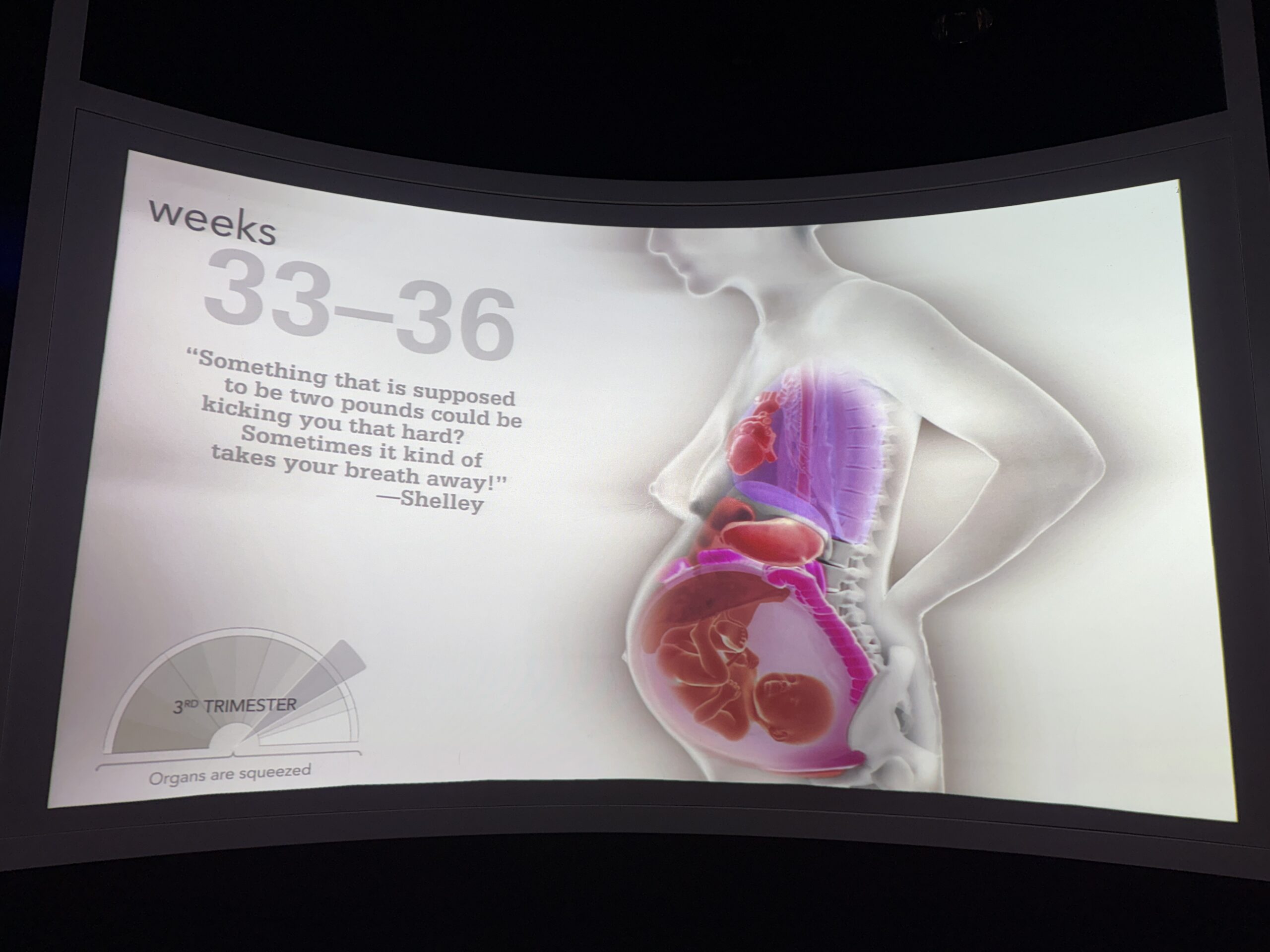
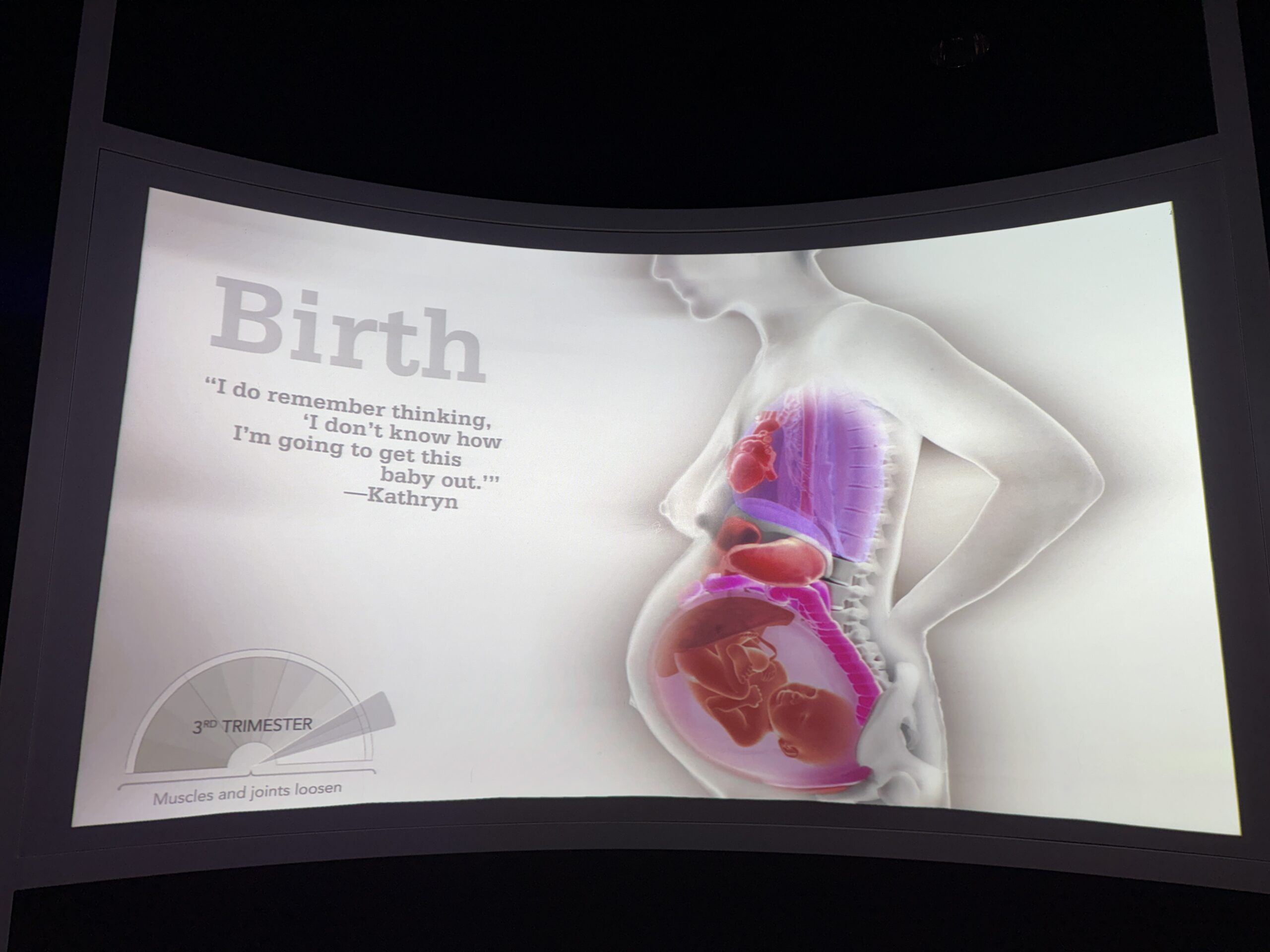
ChatGPT’s mind is subtle enough to handle the apparent contradiction:
Yes, the exhibit uses “baby” in the ordinary prenatal sense, while Illinois law uses different categories for determining legal protection. That is a real linguistic tension, but not a formal legal contradiction. Immediately before delivery, a healthy 30-week fetus may colloquially be called a baby and could, under the statutory health exception, legally be subjected to an abortion intended to cause fetal death. Were the same child delivered alive instead, intentionally causing its death would not be abortion care and could be prosecuted as murder.
Meanwhile, “Massachusetts is close to giving doctors the final word on whether to perform late abortions” (state-sponsored WGBH):
Under current Massachusetts law, abortion is legal for the first 24 weeks of pregnancy. It is allowed after that only if a physician using best medical judgment says it is necessary to preserve the life, physical or mental health of the woman, because of a lethal fetal anomaly or diagnosis or because the fetus wouldn’t likely survive outside the uterus.
Under the new language, abortion would be legal at any point in pregnancy for any reason. It would leave it to health care providers whether or not to perform an abortion.
The state Senate adopted the measure Friday, sending it to Democratic Gov. Maura Healey, who has signed other laws strengthening abortion rights.
Here’s the follow-up:

The governor is a childless white women. She’s surrounded by apparently white women whose average total fertility is statistically minimal. The progressive overlords couldn’t find any token People of Color to help them celebrate the expanded abortion care availability?
Related:
- Kermit Gosnell, a Black man unjustly imprisoned in Pennsylvania for conduct that, with minor tweaks, would have been perfectly legal in Maskachusetts both before and after this new law