As noted previously, the Museum of Science and Industry in Chicago is ironically named for Ken Griffin, one of the most famous examples of a person abandoning Chicago during coronapanic and the peaceful BLM riots of 2020. Here’s a report on some fun stuff that is inside.
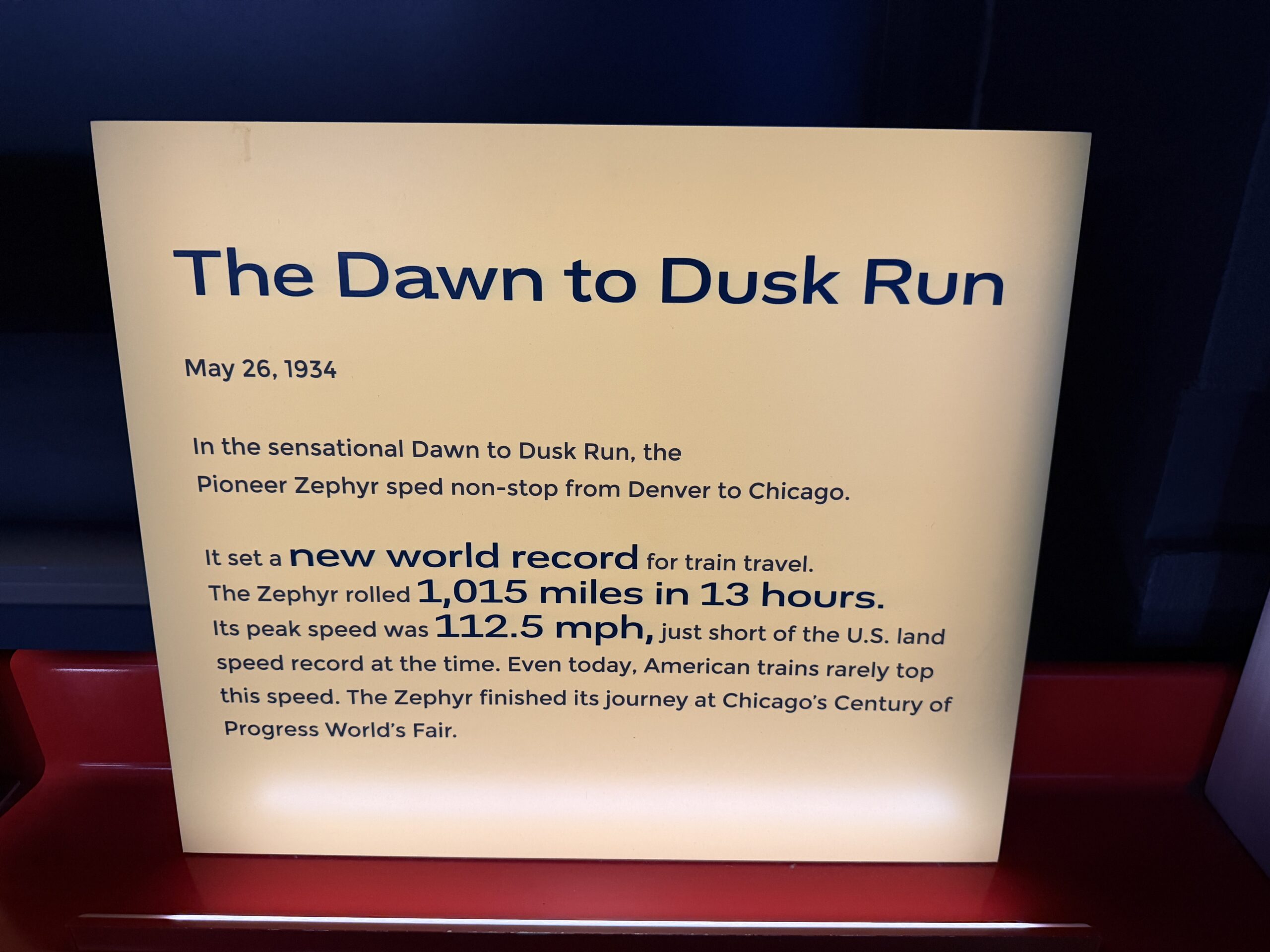
AMTRAK customers will be pleased to learn about a train that went 112 mph… in 1893… while pulling four six-axle parlor cars with passengers on board (nearly 300 tons). The machine is featured in a hall with a Spitfire chasing a Stuka, a Boeing 727, and some other fun aviation items:
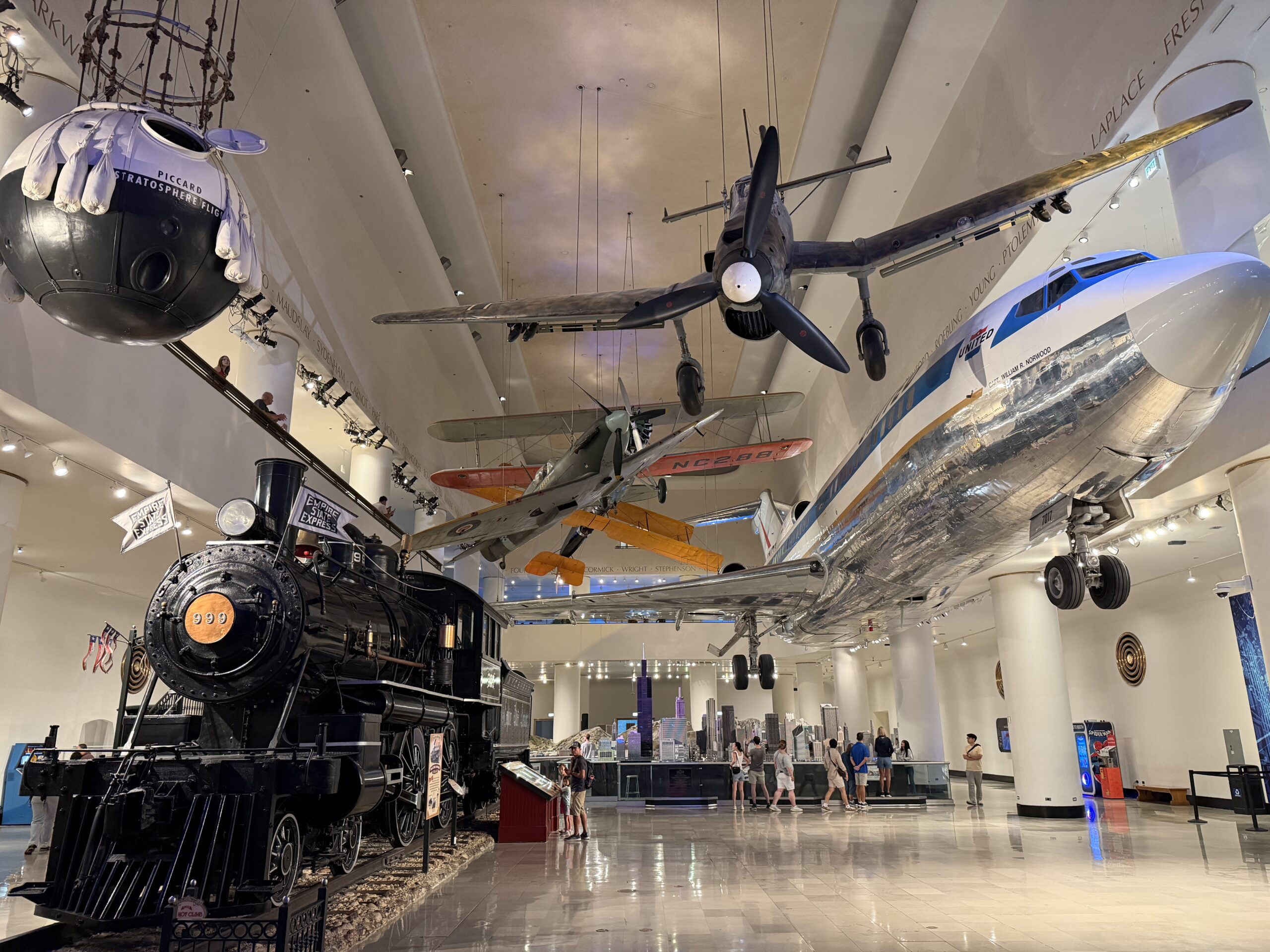
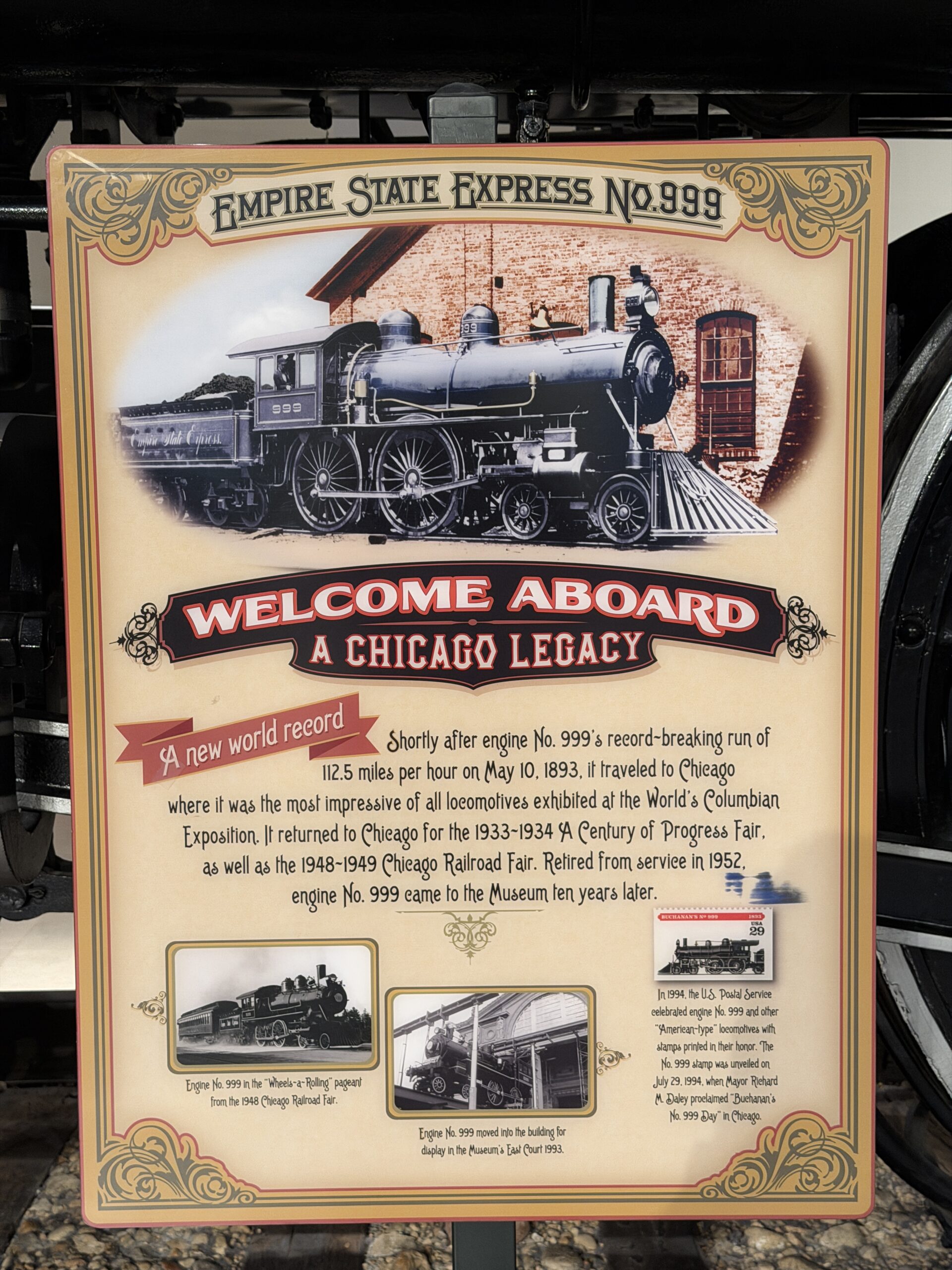
(Wokipedia says that the 112.5 number is “questionable”, though it definitely went over 100 mph. There is also a 3,500-square-foot HO-scale model train layout. Hamburg’s Miniatur Wunderland is a lot larger and also Northlandz in New Jersey.)
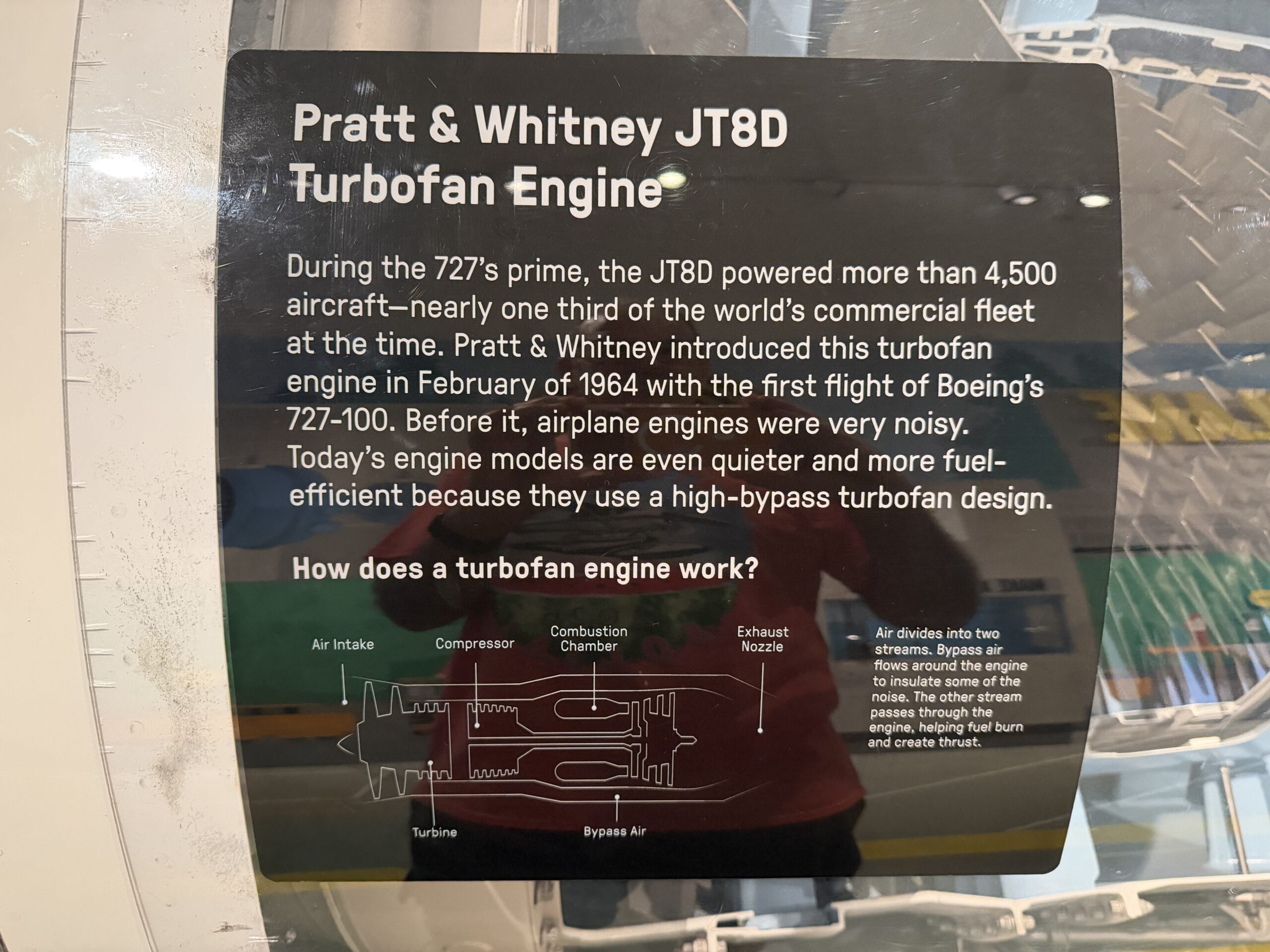
The cut-away Boeing 727 engine is impressive for its sheer scale. Thanks to Pratt for explaining everything!
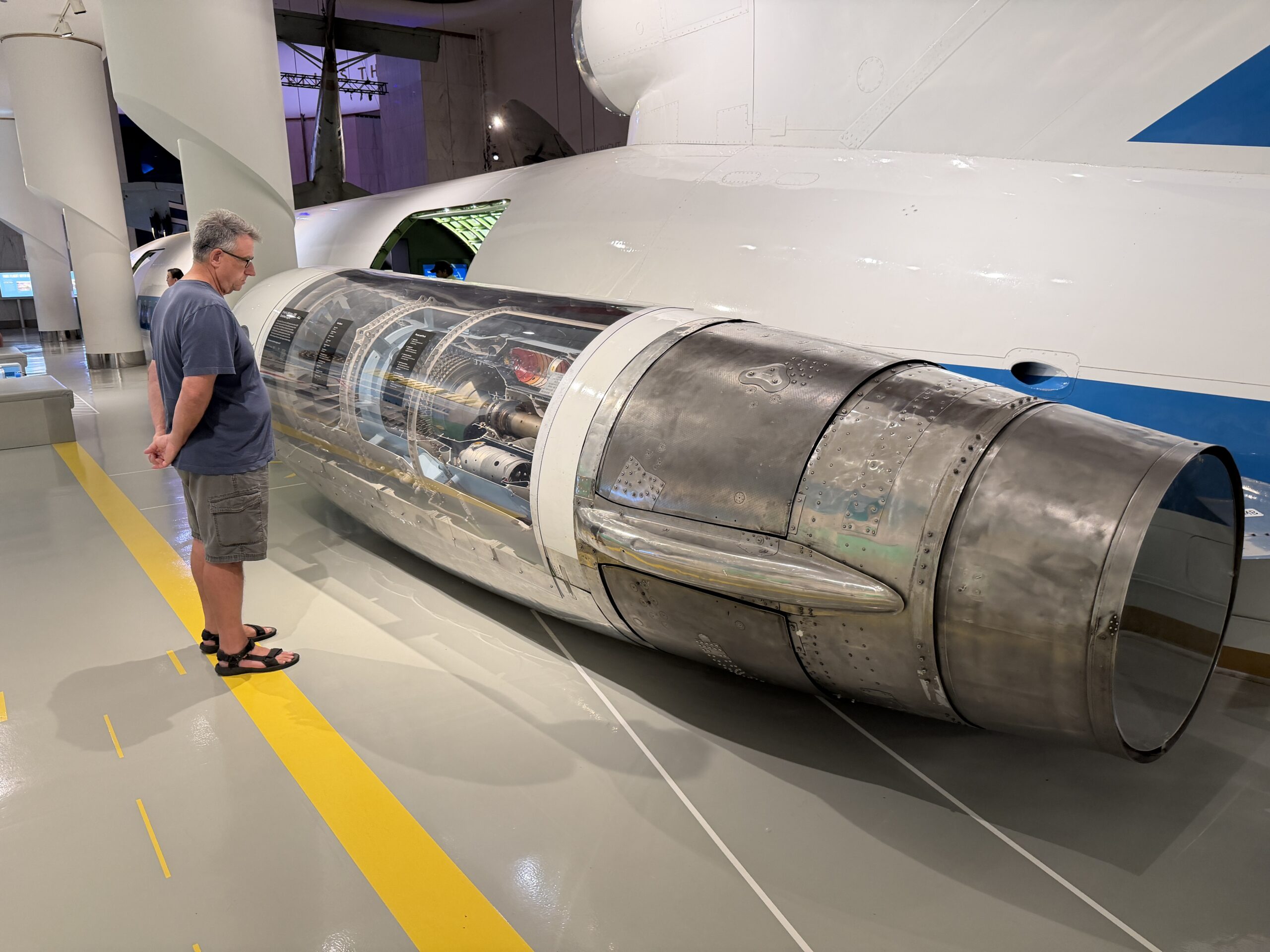
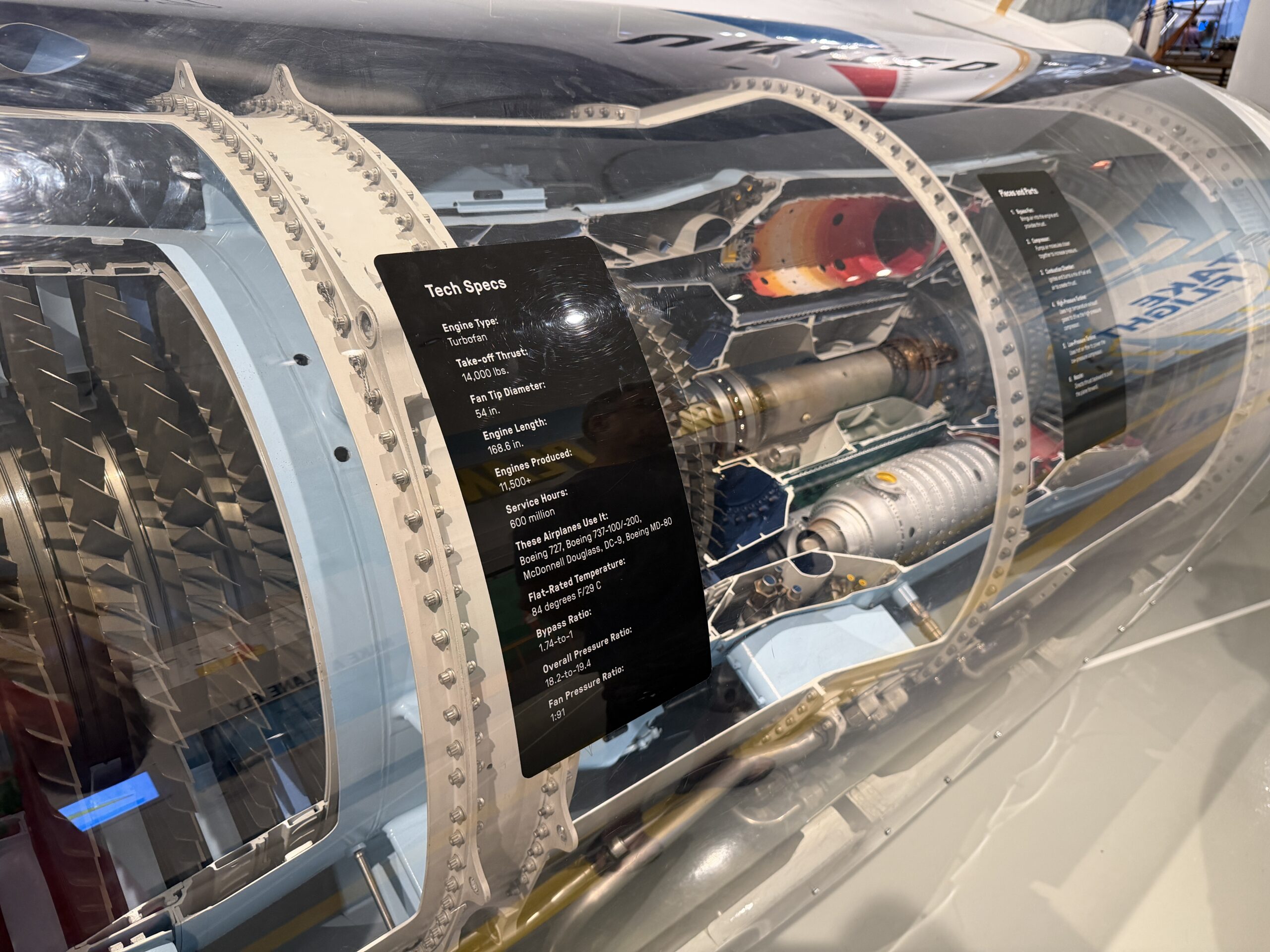
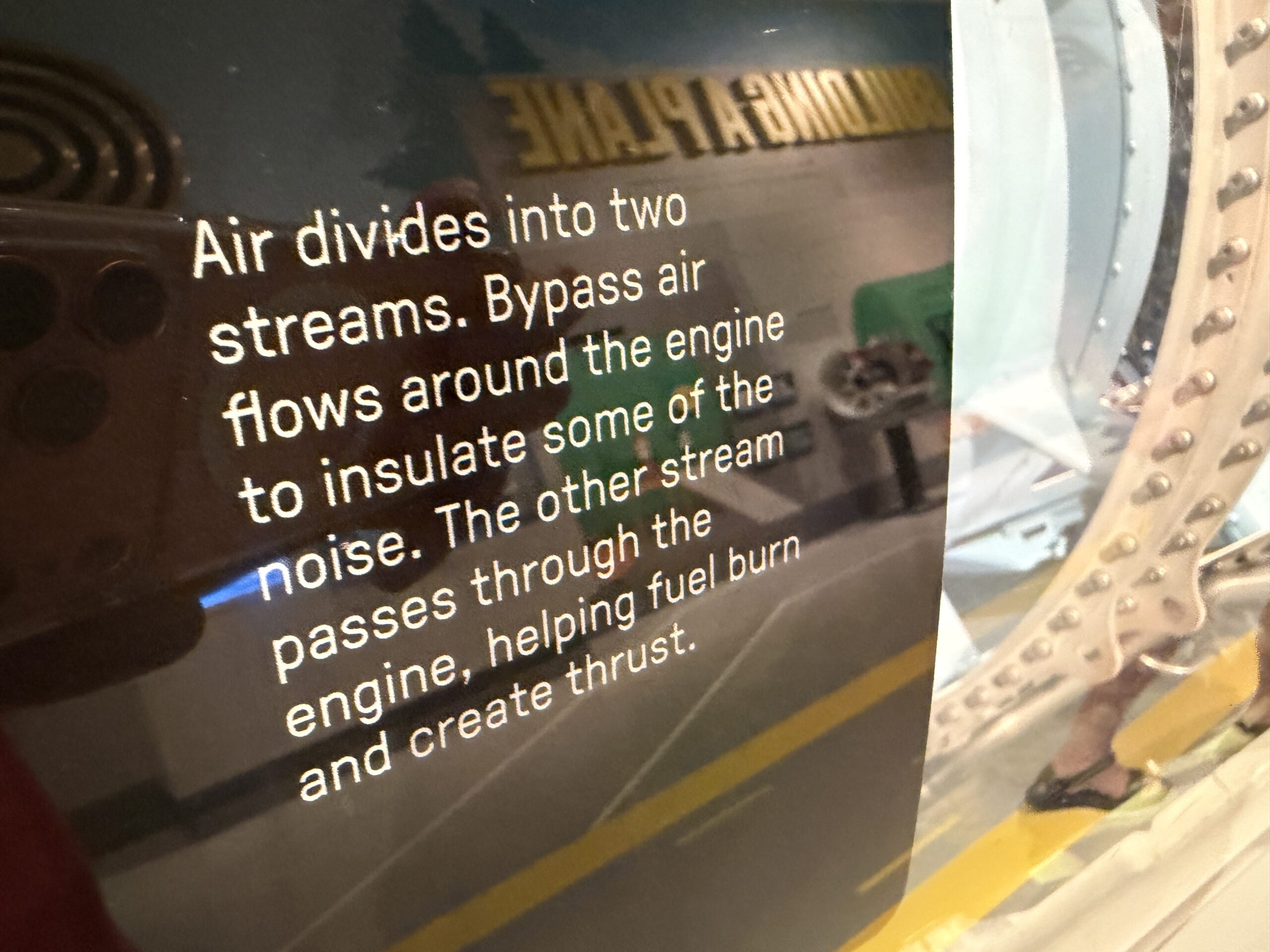
Of course, the signs not written by Pratt are completely wrong! They say that bypass air in turbofan engine is there primarily to reduce noise. (Bypass is primarily for thrust and results in much higher efficiency than a straight turbojet engine.) The 1964 date is also incorrect; the Boeing 727 first flew in 1963, the greatest year in the history of all possible years.
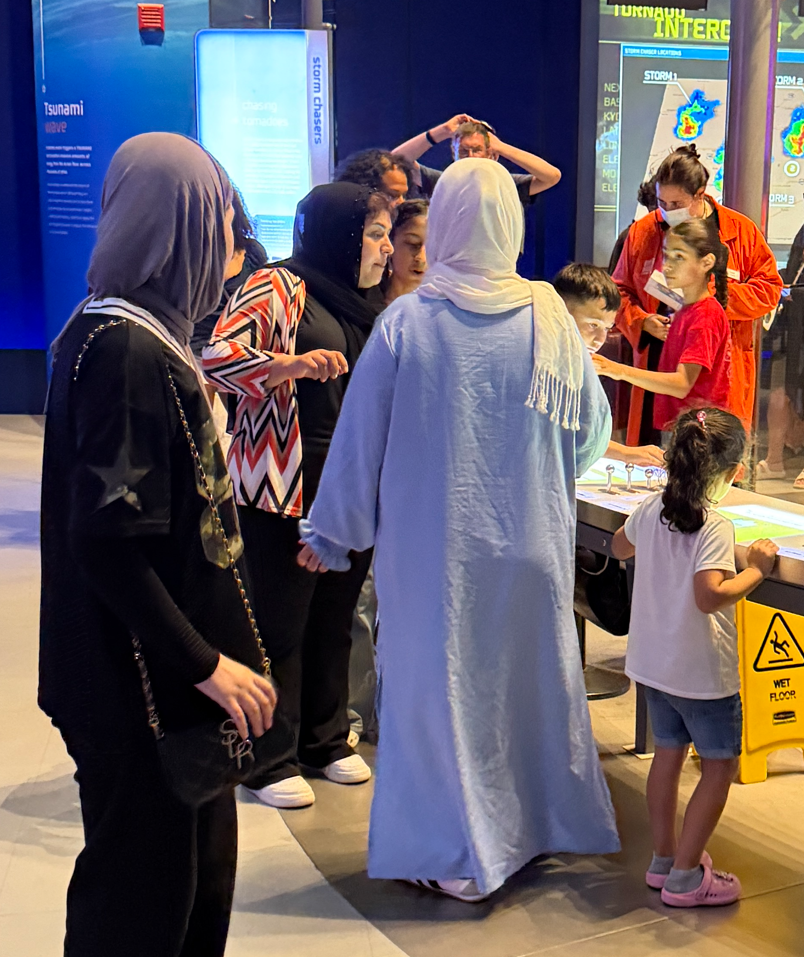
Followers of Science will be pleased to learn that quite a few young apparently healthy museum staff members are following the Science by wearing masks (July 2026):
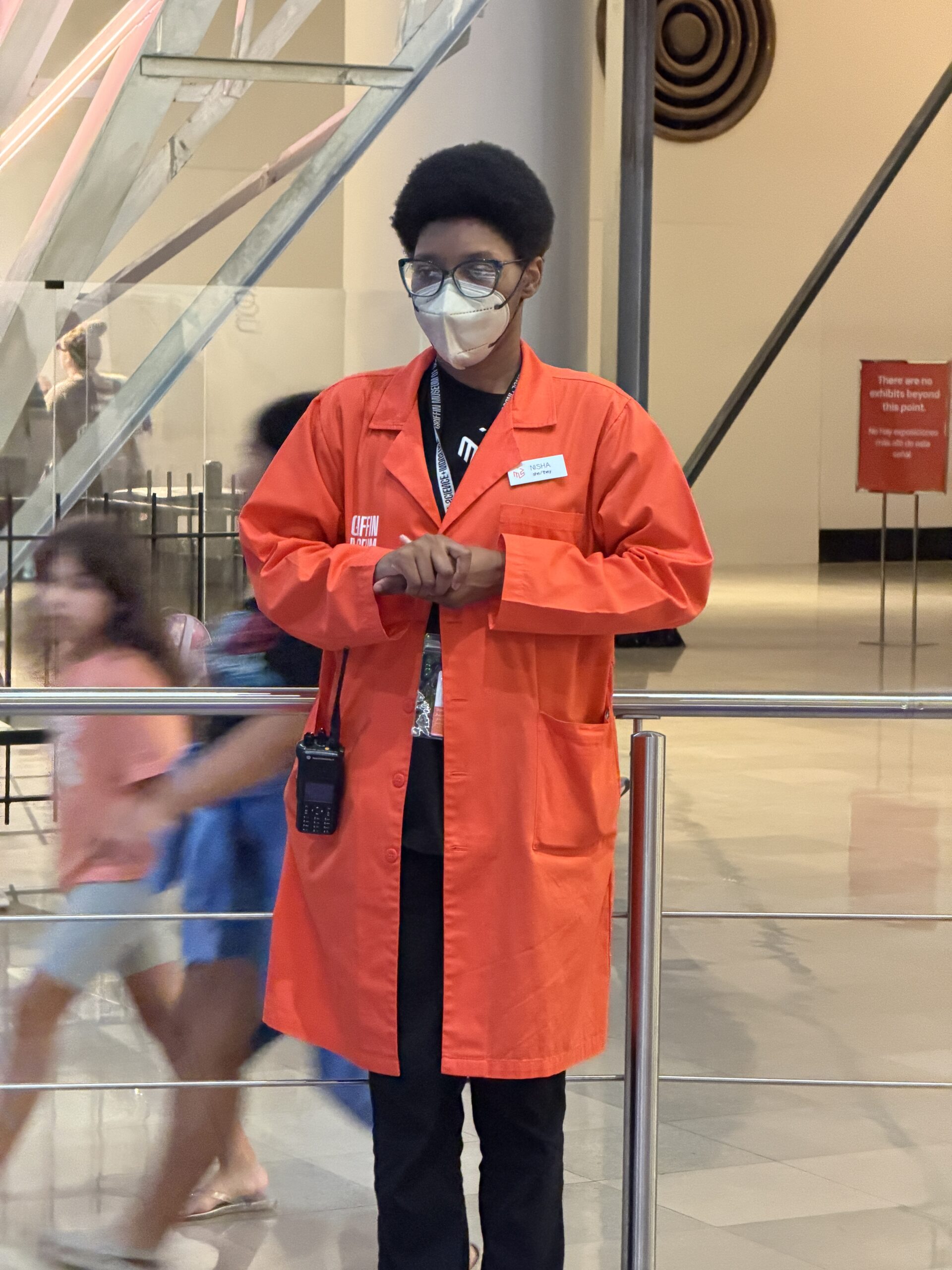
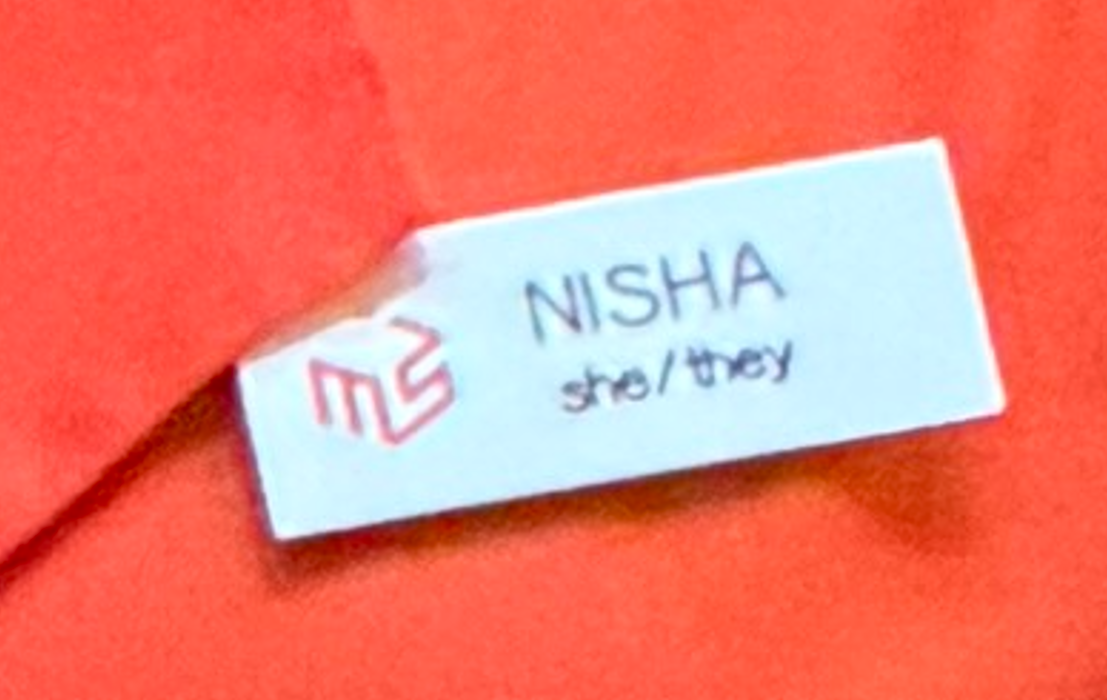
What are the pronouns of the employee at left? “she/they”:
Although pronoun compliance is high, Scientists might be upset to see that only 4 out of 74 genders recognized by Science are depicted on a purportedly “all genders” restroom:

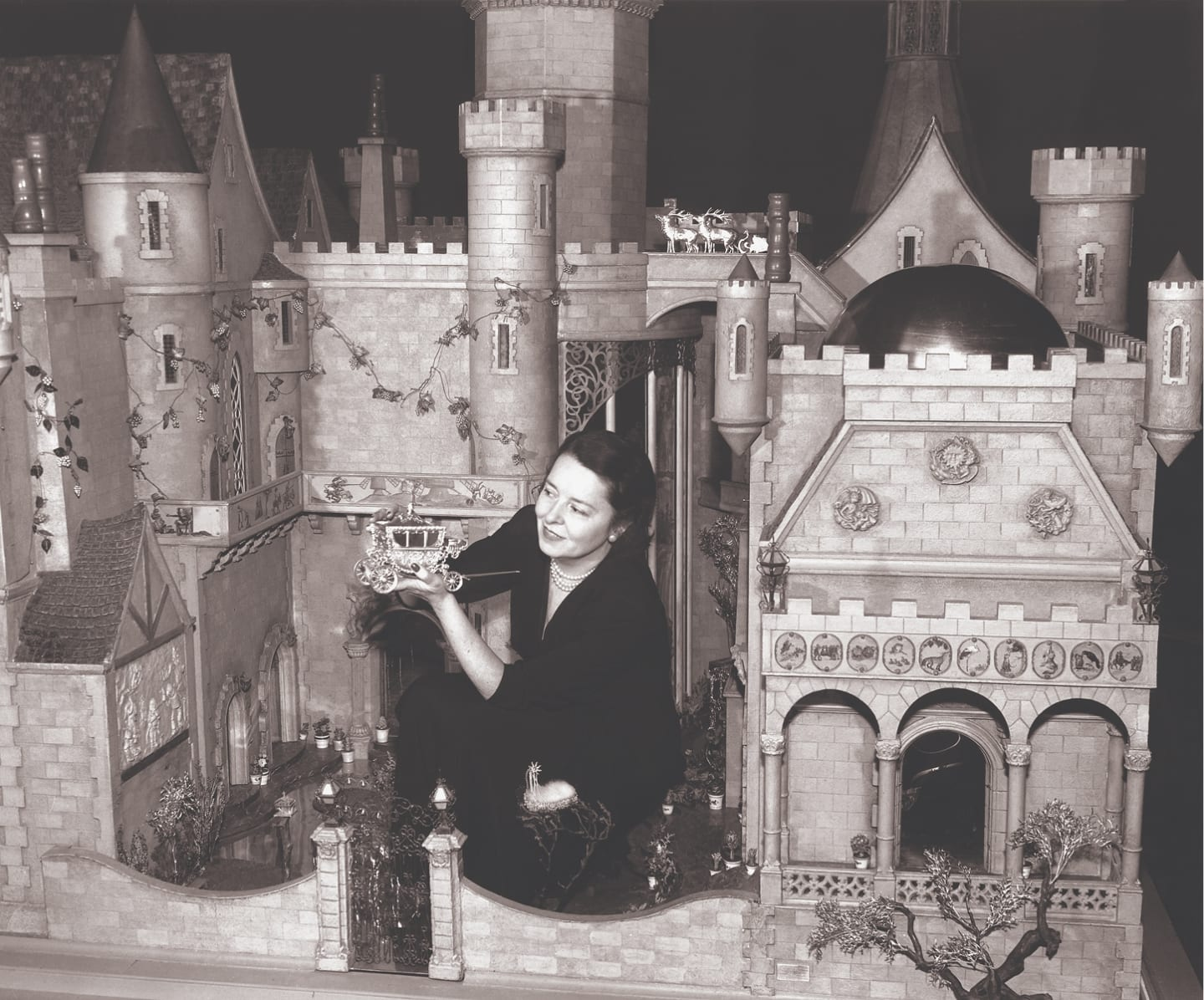
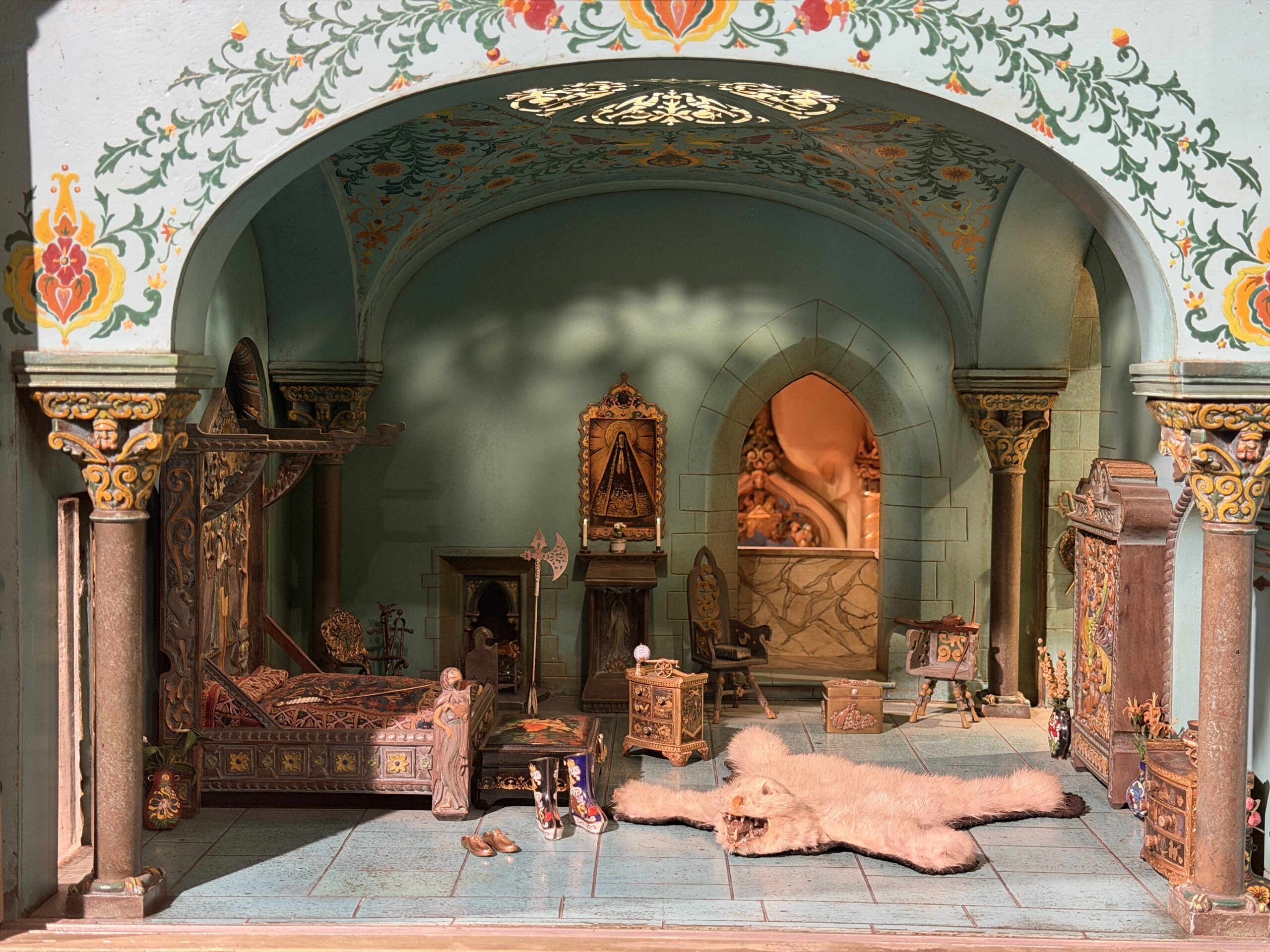
The Fairy Castle must be seen to be believed. It cost $500,000 in 1935, comparable to $12.3 million mini-dollars today. Built until the direction of a dollhouse-loving silent film star, Colleen Moore, the 8x8x8′ castle required 100 craftsmen and ingredients such as gold, silver, and diamonds (details). (As an example of how language changes over time, the person who built a “fairy” castle starred in a movie called “Flaming Youth”.)
What animal had to be killed to make the bearskin rug?
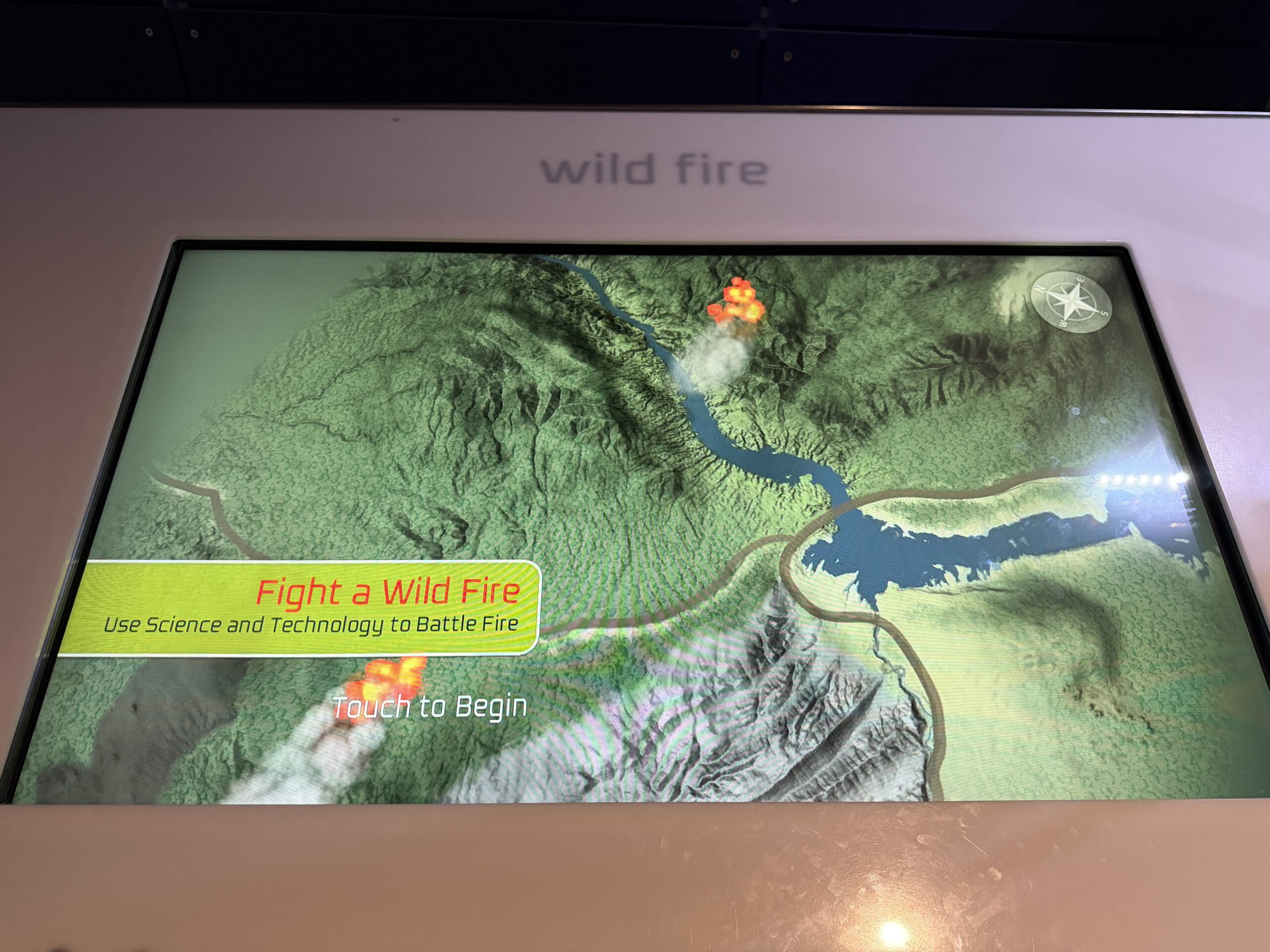
There are a lot of touchscreen simulation games. Here’s one that our brothers, sisters, and binary-resisters up in Canada might have missed: “Use Science and Technology to Battle Fire”.
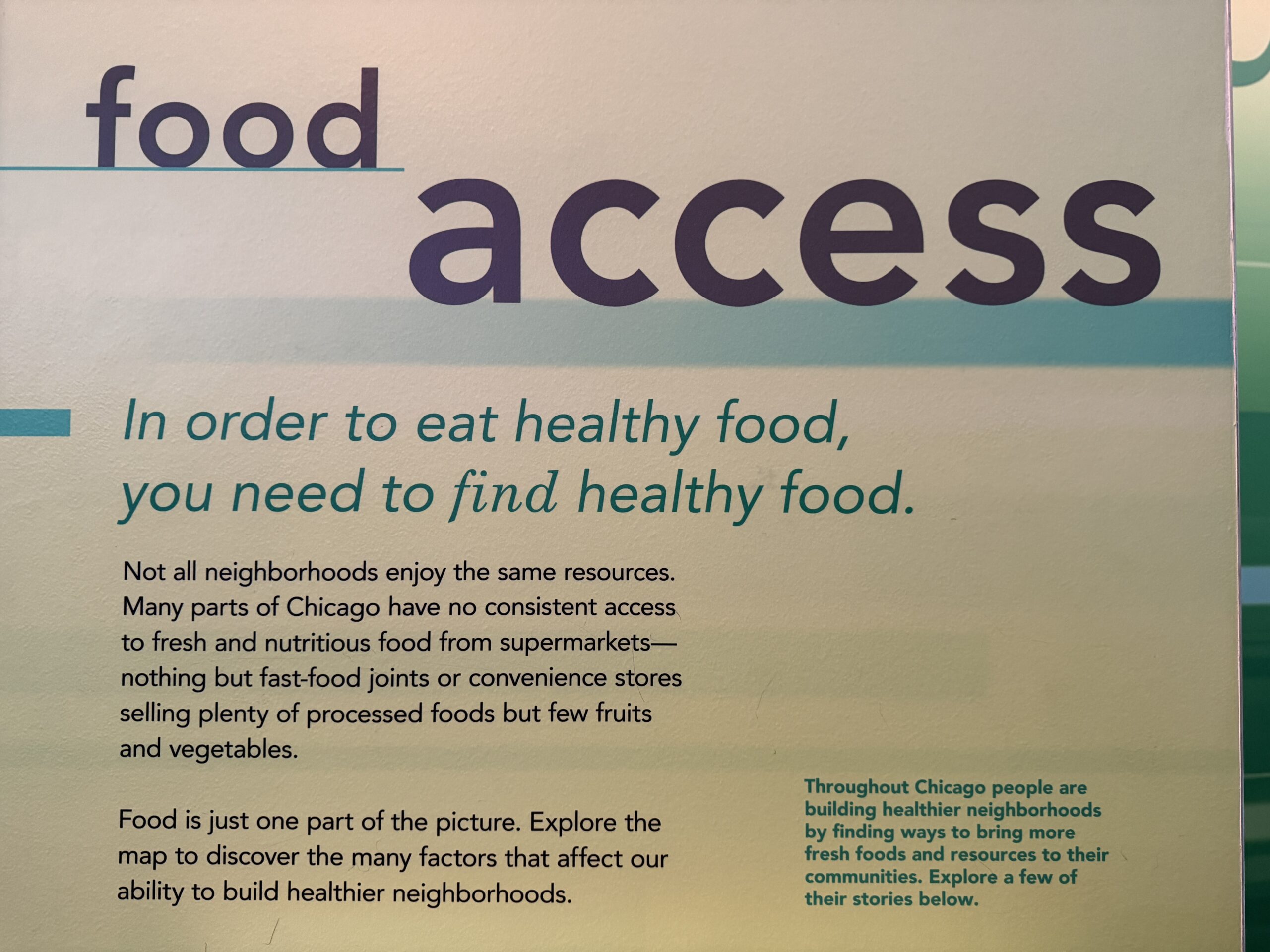
The Museum reminds us that stores in poorer neighborhoods sell Coke and potato chips not because there is no demand for broccoli, but because retailers want Americans of Color to be denied healthy food.
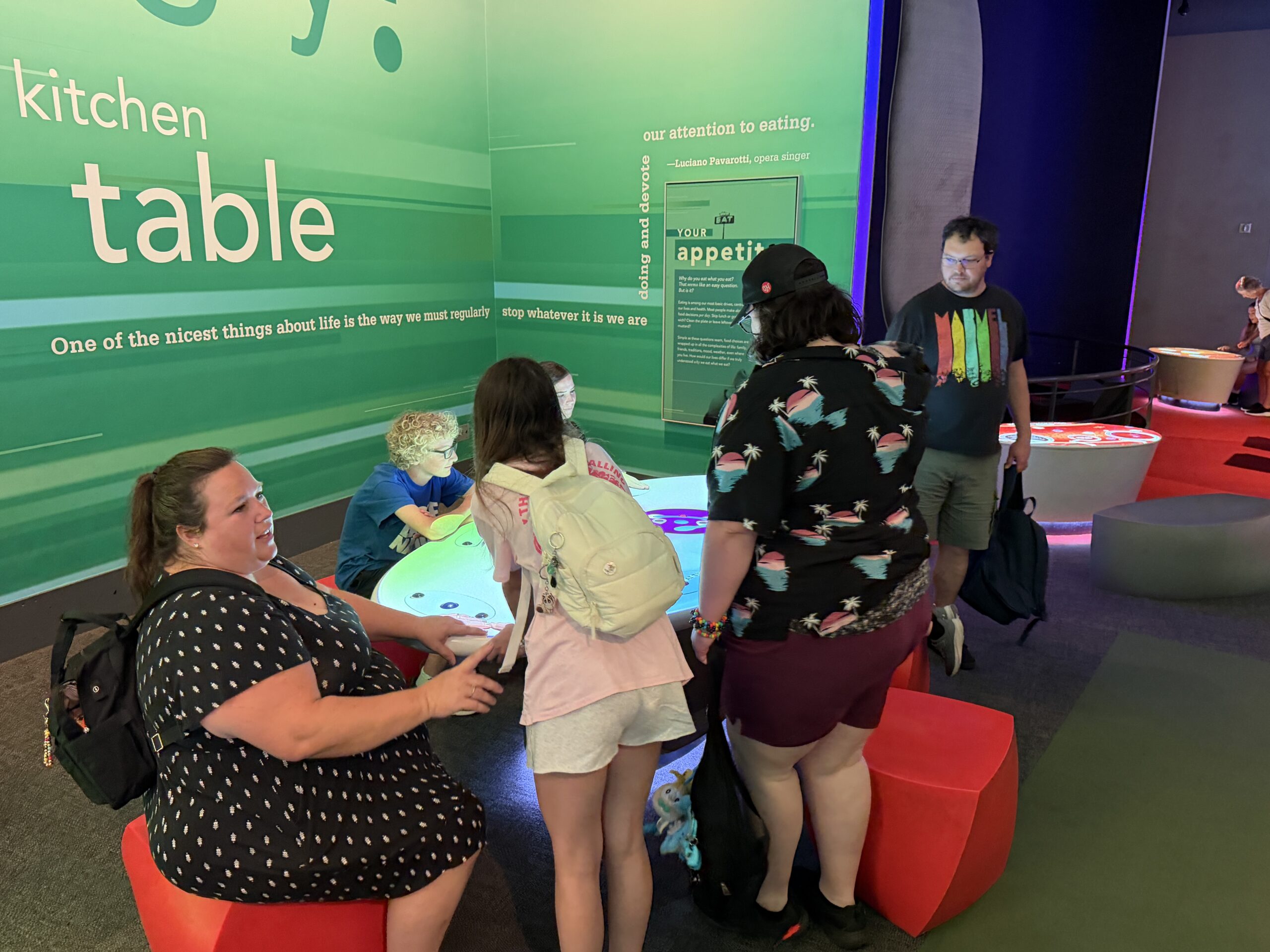
There’s a photo exhibit by Peter Menzel and Faith D’Aluisio, photographer/author of What I Eat, but concentrating on Chicago residents. Here are some Chicagoans who might have missed the broccoli memo at the “kitchen table”. The quote from Luciano Pavarotti is odd. The guy weighed 350-400 lbs.
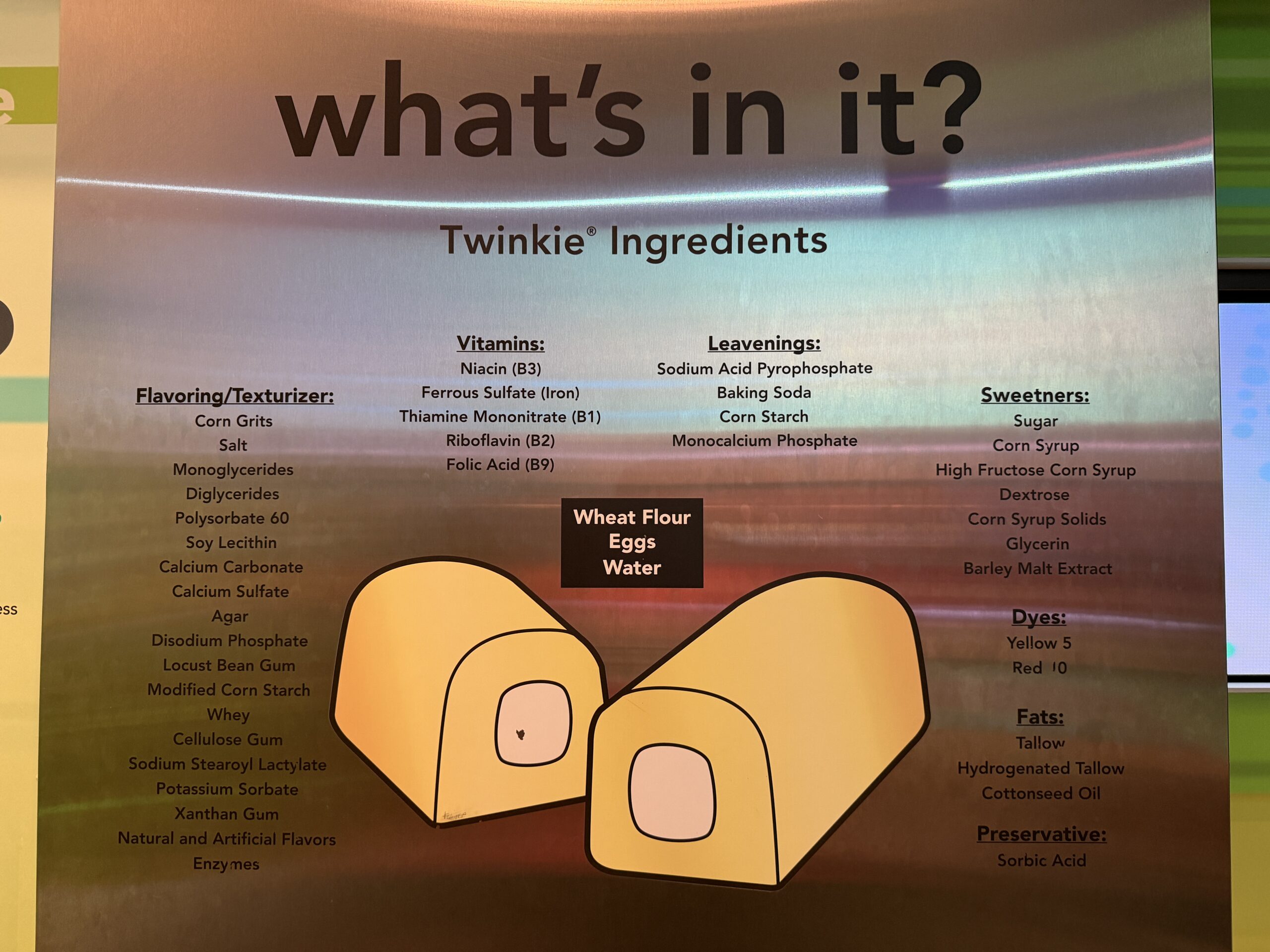
Speaking of wholesome foods, the Twinkie was invented right near O’Hare Airport.
You’ll pass the 7×15′ Jollyball machine towards the exit. It’s a tour through Switzerland, but built by a British jeweler named Charles Morgan:
What do you see when you’re leaving? Another 112-mph train, this one from 1934:
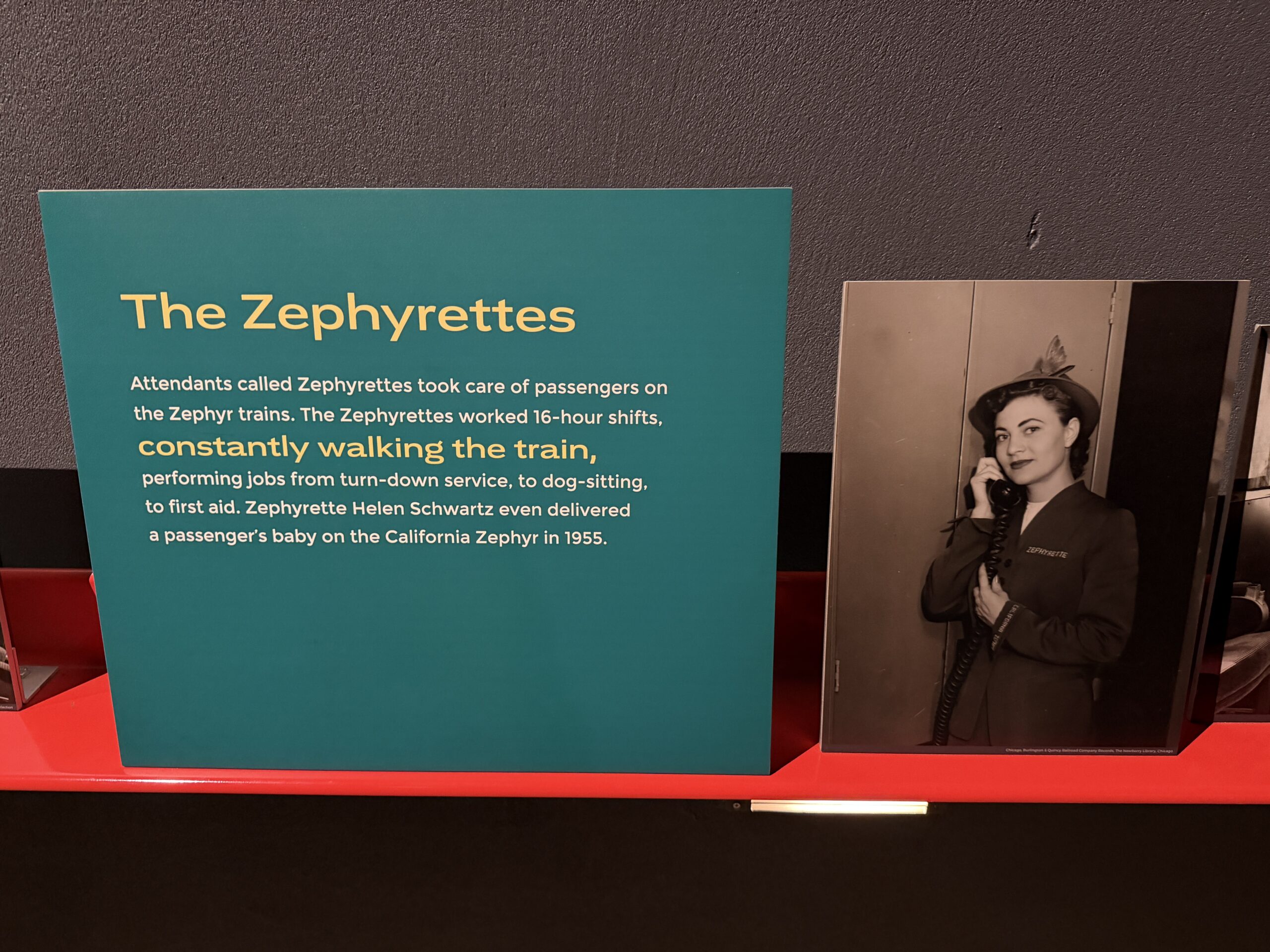
Compare to present-day AMTRAK employees:
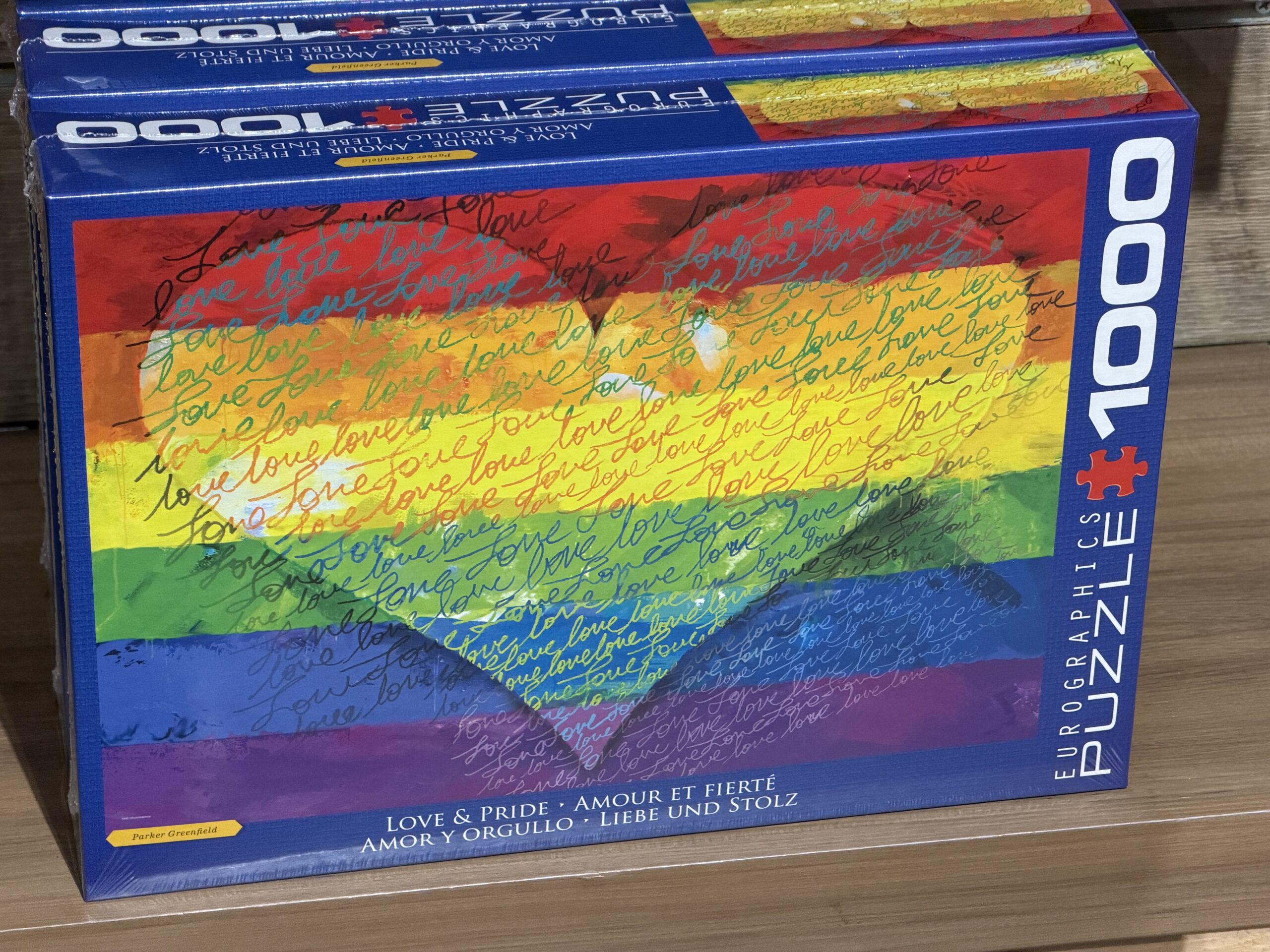
What’s in the gift shop, you ask? A 1000-piece puzzle about “love & pride”:
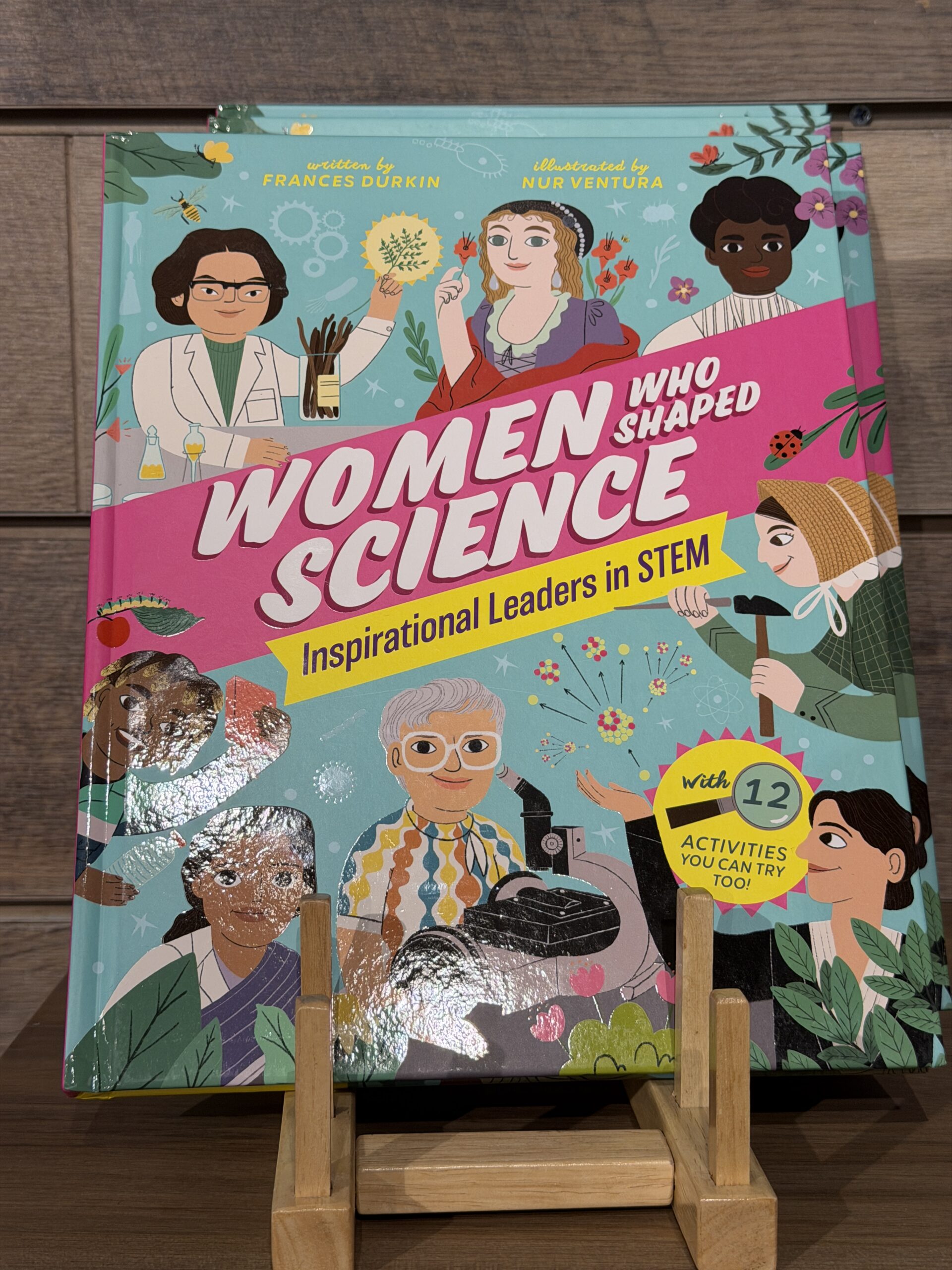
A book about the one gender ID (out of 74 recognized by Science) that has contributed the most to Science:
A book called Kenya’s Song:

What does Amazon say about this?
Kenya’s homework is to pick her favorite song and share it with her class. Sounds simple, but for Kenya, it’s anything but. With all that beautiful music in the world, how can she possibly choose? Her family and friends try to help by offering their favorite songs as choices, but it’s no help to Kenya. While those around her have made some great suggestions, Kenya has a hard time calling any one of them her favorite.
For inspiration, Kenya accompanies her father to the Caribbean Cultural Center where he plays music. Kenya hears music from Cuba and Trinidad, Haiti and Puerto Rico. She hears music in all different languages—French, English, Spanish. But still, Kenya can’t decide which song she likes best. Finally, Kenya makes her decision—one that will surprise readers while inspiring them to listen to the world around them.
I asked ChatGPT to explain how this fits into a science musuem:
Kenya’s Song fits the museum’s broader institutional emphasis on children, creativity, multicultural education, and representation.
Random thoughts:
+ To think, Twinkies went out of production for a few months in the new millennium. The horror. Couch potatoes were hoarding them. (I heard Gooball had a baker in its HQ that made healthy twinkies, but they don’t let hacker hippies like me in so I can’t confirm.)
+ I don’t think that engine sign is so incorrect. More efficiency would be more thrust per gallon of fuel. At least it doesn’t attribute the invention to a glorious Somalian woman engineer, modeled with discarded plastic bits.
> 1963, the greatest year in the history of all possible years
1967, The Summer of Love — by far. “The Summer of Love encompassed hippie culture, spiritual awakening, hallucinogenic drugs, anti-war sentiment, and free love.” (Wikipedia) and of course, the birth of little neo hippies.
+ Colleen Moore was a glimpse into the future of people retreating into delusional fairytale-land. “I’m a grown-ass woman who still plays with dollies! Whee!”
+ The mini-deathstar balloon capsule is cute.
+ Finally
> I asked ChatGPT to explain [Kenya’s Song] how this fits into a science musuem
Did either one of you look inside the book? Maybe it has a discussion of the physics modes of vibration of strings and membranes using vector calculus? This MIT-cancelled gentleman discusses the topic in more depth here:
No lions were killed in making bearskin rugs.
What on earth is a Zephyrette? I thought the brotherhood of sleeping car porters was all black men.