Department of You Can’t Make This Stuff Up… Carnegie-Mellon has released renderings of its new home in Miami. It’s a massive sea-level almost-all-glass pavilion that will generate a ton of CO2 every minute (for A/C):
For 20 years CMU’s Nobel-winning Climate Doomers told us that hurricanes of never-before-experienced intensity would be ravaging Miami at least once per year. If forced to move to the Hurricane Belt, you’d expect the elites of Pittsburgh to build themselves something like the German U-boat base in Saint-Nazaire (26-foot-thick roof). What do we see instead? The folks who said that everyone in Miami was going to be killed by hurricanes or driven out by rising seas are going to park themselves inside a literal glass house (at sea level, of course!).
What would a structure in South Florida built by people who took their own predictions seriously look like?
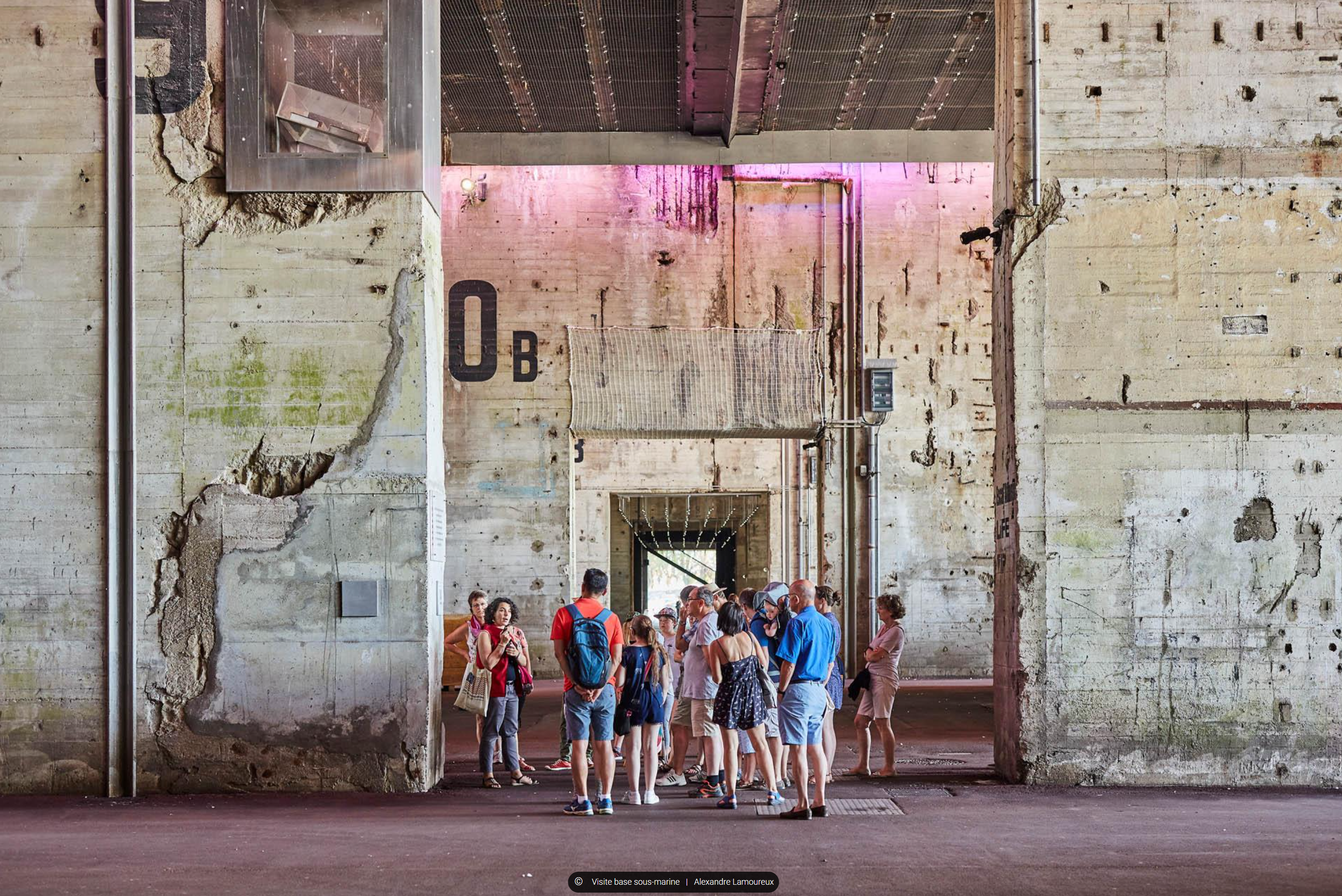
This glass is exactly the point. As elites move to Florida, peddlers of elite education move after them. It’s going to have to be built from ultra-reinforced expensive glass. Showing to the plebs that they can afford it, and plebs can’t.
Sure, it will be impact glass, but I don’t think it can ever approach the strength of 2-3′ of concrete. I think NAP of the Americas was built in 2001, before Donald Trump’s presidency destroyed the Earth and the climate, but even then “To prevent any service interruptions, the walls have 7in (18cm) thick, steel-reinforced concrete exterior panels; the building has no windows, and it is located in one of the highest parts of Miami.”
https://www.bbc.com/news/technology-21178983
ChatGPT says that the ground elevation for NAP of the Americas likely towers 14′ above sea level and that the new CMU campus will be at roughly the same elevation.
Asked if there is a contradiction between CMU’s architecture and their expressed climate panic… “There is a genuine tension between CMU’s unusually strong public commitments on climate change and its decision to showcase a heavily glazed campus in hurricane-prone Miami … the obvious question is why an institution dedicated to reducing energy consumption would begin with an architectural concept featuring so much glass rather than emphasizing passive cooling, deep shading and insulated walls.” It says that we should ask the righteous the following question: “Carnegie Mellon has committed itself to climate resilience and eliminating or offsetting net greenhouse gas emissions by 2030. Why do the first renderings of its Miami campus emphasize extensive glass façades in a hot, hurricane-prone city? What specific hurricane wind speeds, debris impacts, energy-use intensity and embodied-carbon targets will the university require its architects to meet?”