On November 20, 1941, the Japanese proposed an agreement with the United States in which both countries would agree to leave Southern Indochina and the South Pacific alone. President Roosevelt would unfreeze Japanese assets and un-embargo oil sales to Japan (i.e., Japan would become a huge customer for U.S. oil and other raw materials). Eighty-five years later, maybe it is worth asking what would have happened if we’d accepted.
Here are some positive possibilities:
- Mao and friends wouldn’t have been able to take over China and, thus, tens of millions of lives would have been saved (as many as 55 million people may have died in the Great Leap Forward); this is the largest potential benefit, but also the most speculative
- a Japan that wasn’t destroyed would have limited Soviet power (the Russo-Japanese War was a humiliating defeat for the Russians and they wouldn’t have been anxious to repeat it)
- Japan wouldn’t have invaded the Philippines or the Dutch East Indies (Indonesia) since it wouldn’t have needed the oil and even the Japanese recognized that they had their hands full in China
- perhaps the Bengal famine of 1943, which killed as many as 3 million people, wouldn’t have happened because the Japanese wouldn’t have occupied Burma and, therefore, the rice would have continued to flow in from Burma
- Japanese scientific and engineering advances would have become available to the world sooner
- the Korean War might have been avoided (the 38th parallel division couldn’t have happened without a Soviet invasion and occupation)
- we wouldn’t have destroyed Manila in order to save it, Team America-style
- we wouldn’t have found out that our Constitution was just a piece of paper as Japanese-Americans were interned with Supreme Court blessing (see, also, what happened to the First Amendment right of assembly during the coronapanic lockdowns!)
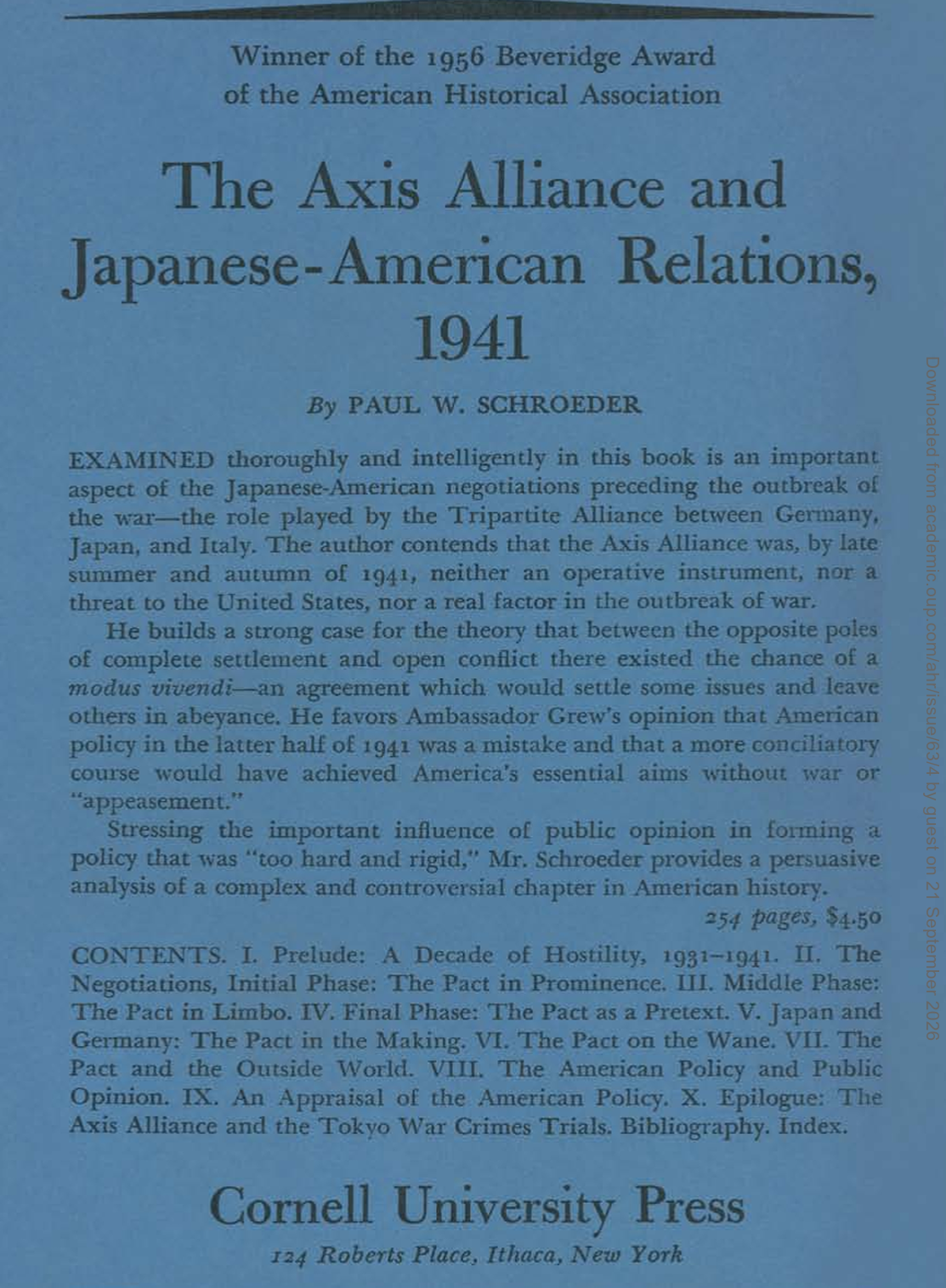
Apparently, the above ideas aren’t original. The Axis Alliance And Japanese American Relations, 1941 is a 1950s book by a University of Illinois history professor who says that we could have gotten everything that we needed in the Pacific via negotiation with Japan, which would definitely have freed up our resources for the fight against Germany.
No Clear and Present Danger: A Skeptical View of the U.S. Entry into World War II, by Bruce Russett, a political science professor at Yale, is a 1997 book that says we didn’t have to fight anyone in the 1940s. In his view, we could have just kept supplying the British and Russians with weapons and let them fight the Germans at least to a WWI-style stalemate.
America’s Second Crusade (1950) by William Henry Chamberlin, a journalist and anti-Communist, points out that our efforts in WWII resulted in the strengthening of our Communist rivals in the Soviet Union and, in his view, helped Mao take over China. In his view, FDR was as incompetent at geopolitics as he was in managing the U.S. economy (see False Dawn: FDR and the Great Depression and U.S. economy may not be tough enough to survive incompetent government for discussions of two books regarding the government, especially FDR, prolonging what would have been a nasty, but not unprecedented, economic downturn).
> Eighty-five years later, maybe it is worth asking what would have happened if we’d accepted.
The butterfly effect with a big butterfly? Some quantum state observed, and we pick the new outcomes which suit our point? Hmm.
And as we’ve seen, the UN was the solution in our timeline. (For heaven’s sake I’m joking, the Usenet flame wars could have been avoided too, if we would have just listened to Phil.)
Teh moral of the post today being, “Saddle your own ponies, and fight your own wars.” I’m such a strong isolationist, I use Edwin instead of emacs, because it doesn’t support Unicode, which you can’t spell without UN.