Happy IPO Day to SpaceX, which its investors presumably hope will be the future of space travel. Via this post, we can also look at the past of space travel.
Most air and space museums, including the Smithsonian, are primarily about showing artifacts and make little attempt to educate visitors. Seattle’s Museum of Flight is a notable exception and, thus, could easily occupy a nerdy family for a day. Here are some snapshots from an early June 2026 visit.
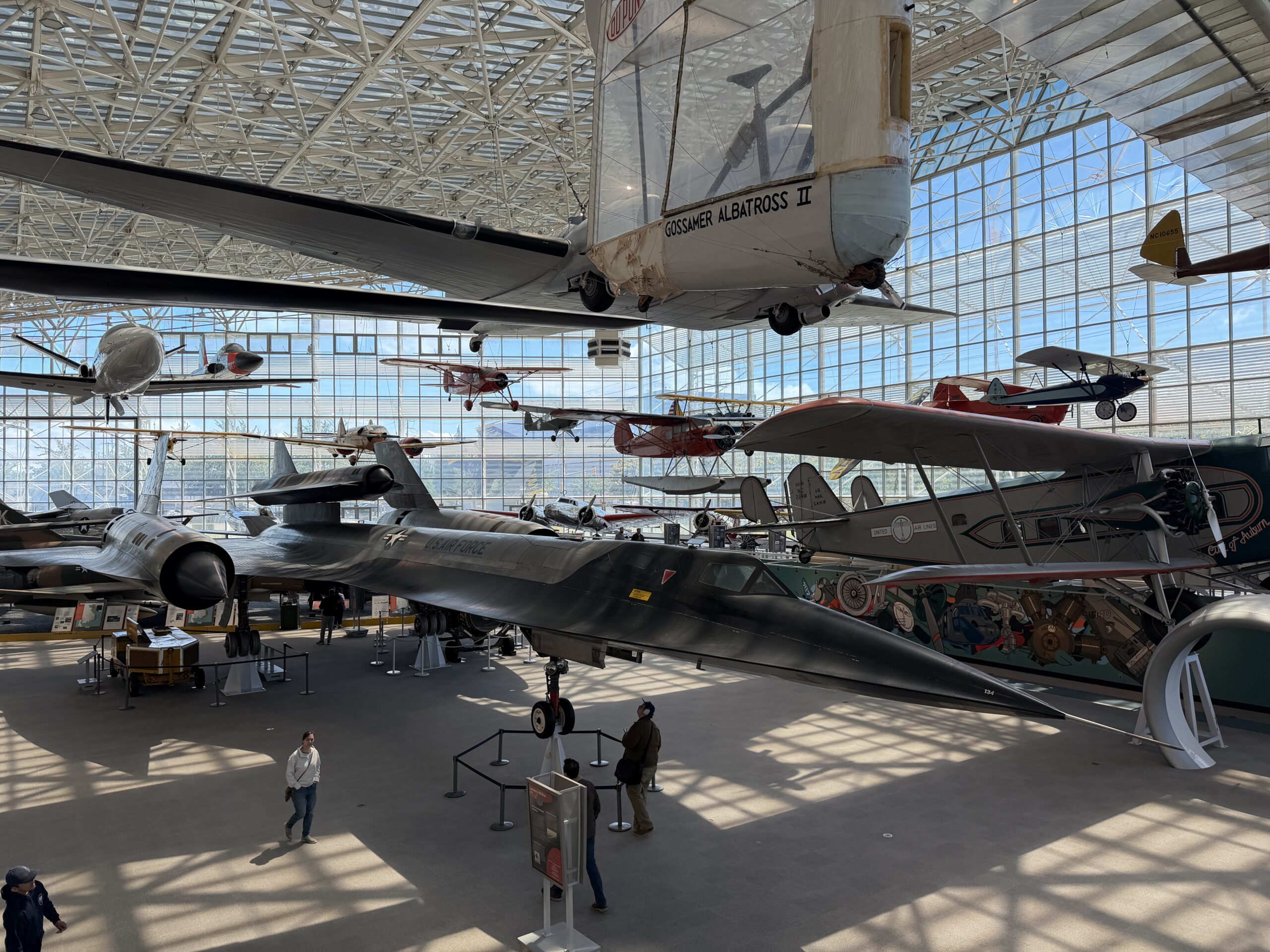
The SR-71, the world’s fastest airplane and one that reached the edge of space (85,000′), with the world’s slowest, Gossamer Albatross II, ironically placed just above it (in real life, the Albatross II flew mostly at 5-15′ in order to take advantage of ground effect).
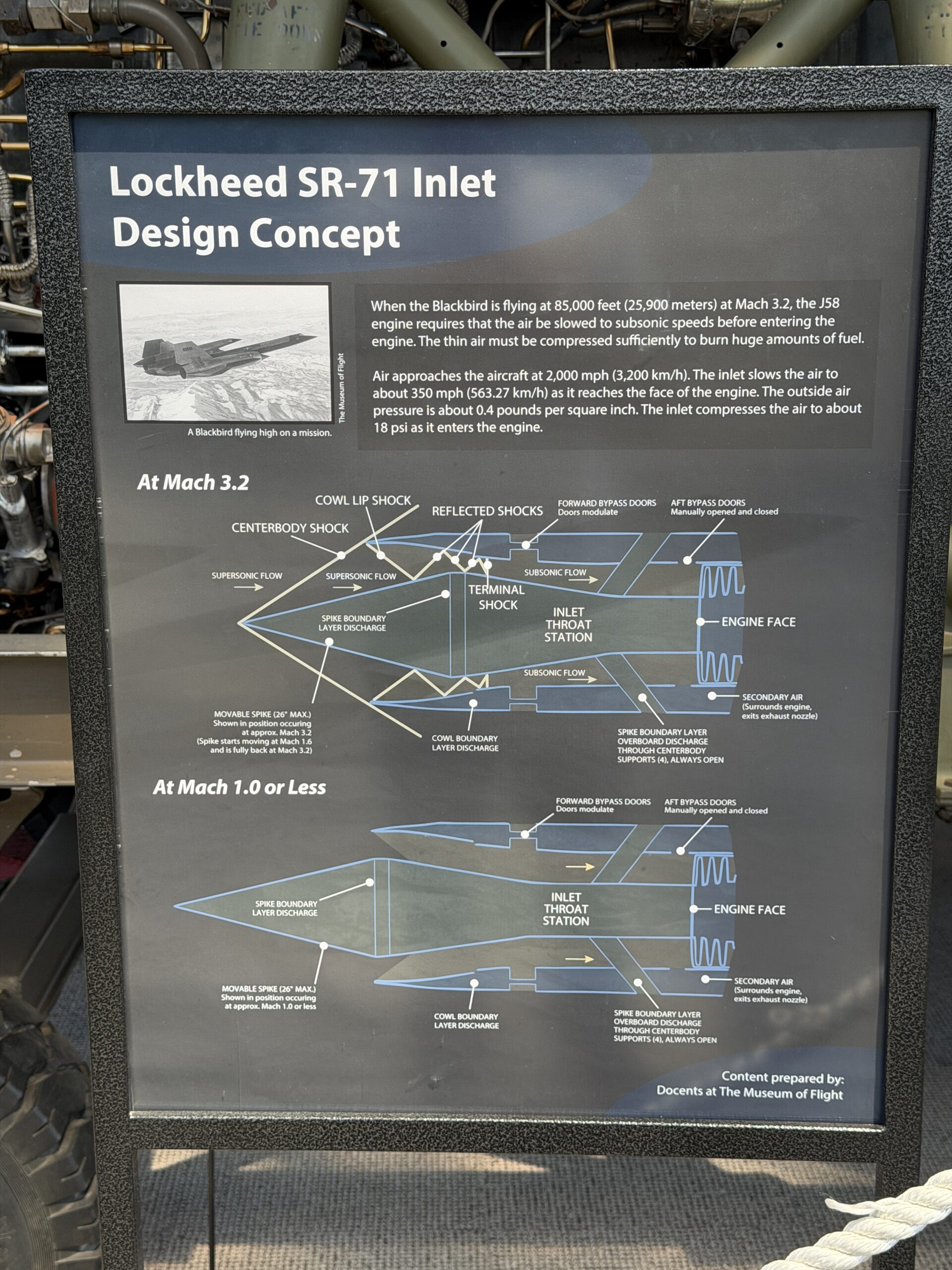
How did the SR-71’s engines, designed for slower aircraft, function? A sign explains:
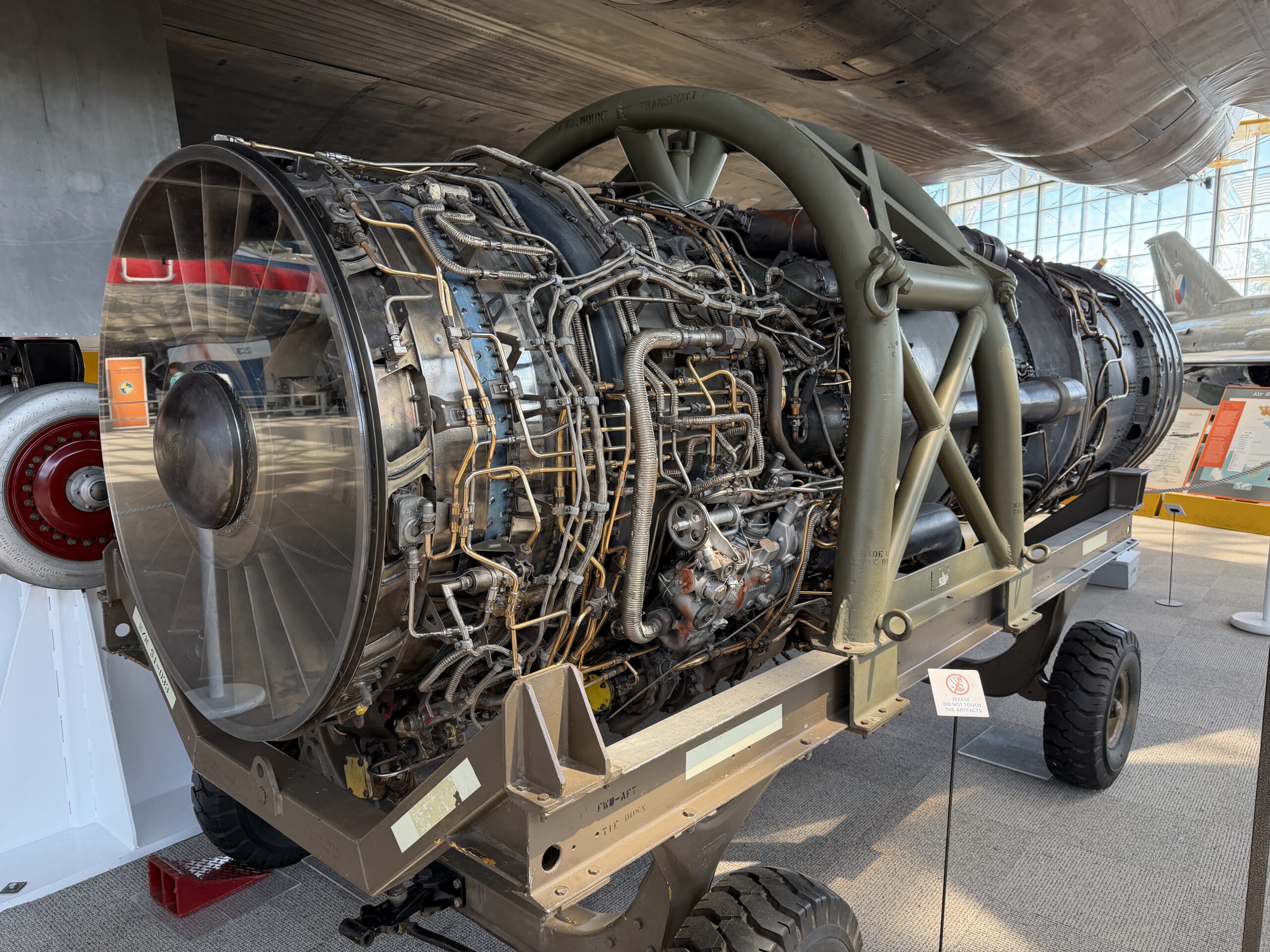
Maintenance might not be simple…
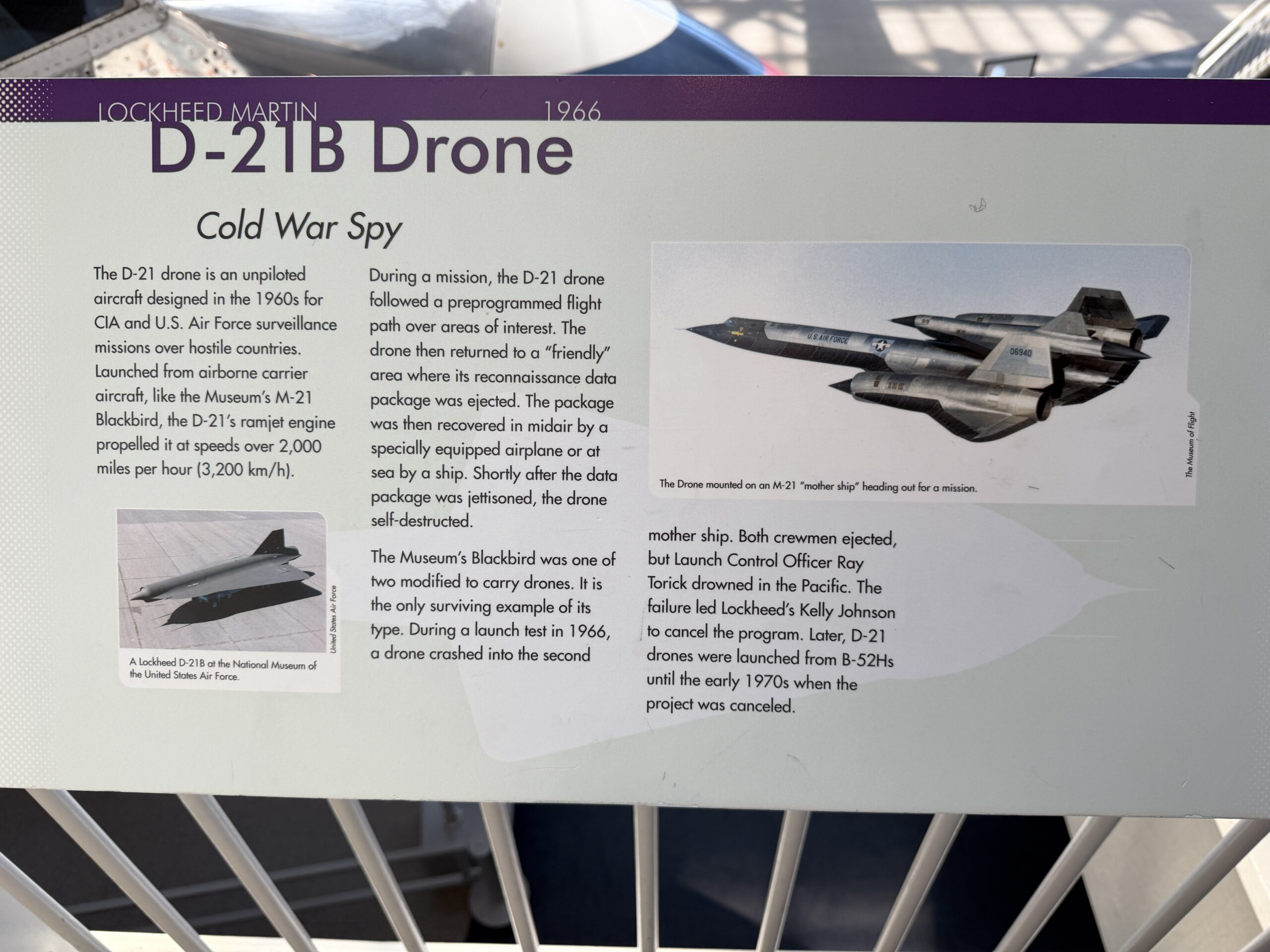
Notice that there is an aircraft on top of the SR-71. This is thoroughly explained (also sadly, since Roy Torick was killed in testing for the D-21B drone):
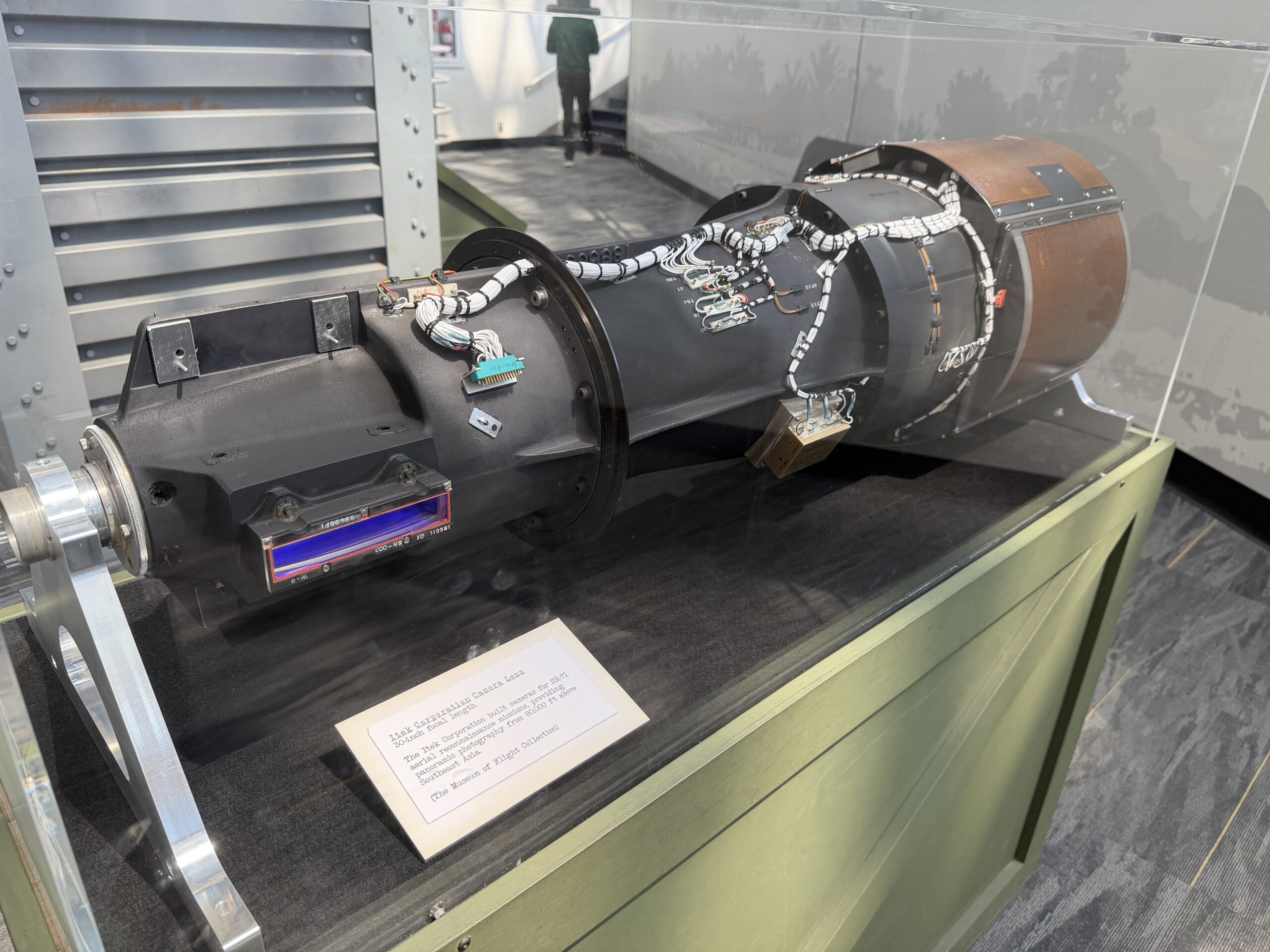
How about the camera? The museum displays the 30-inch Itek lens:
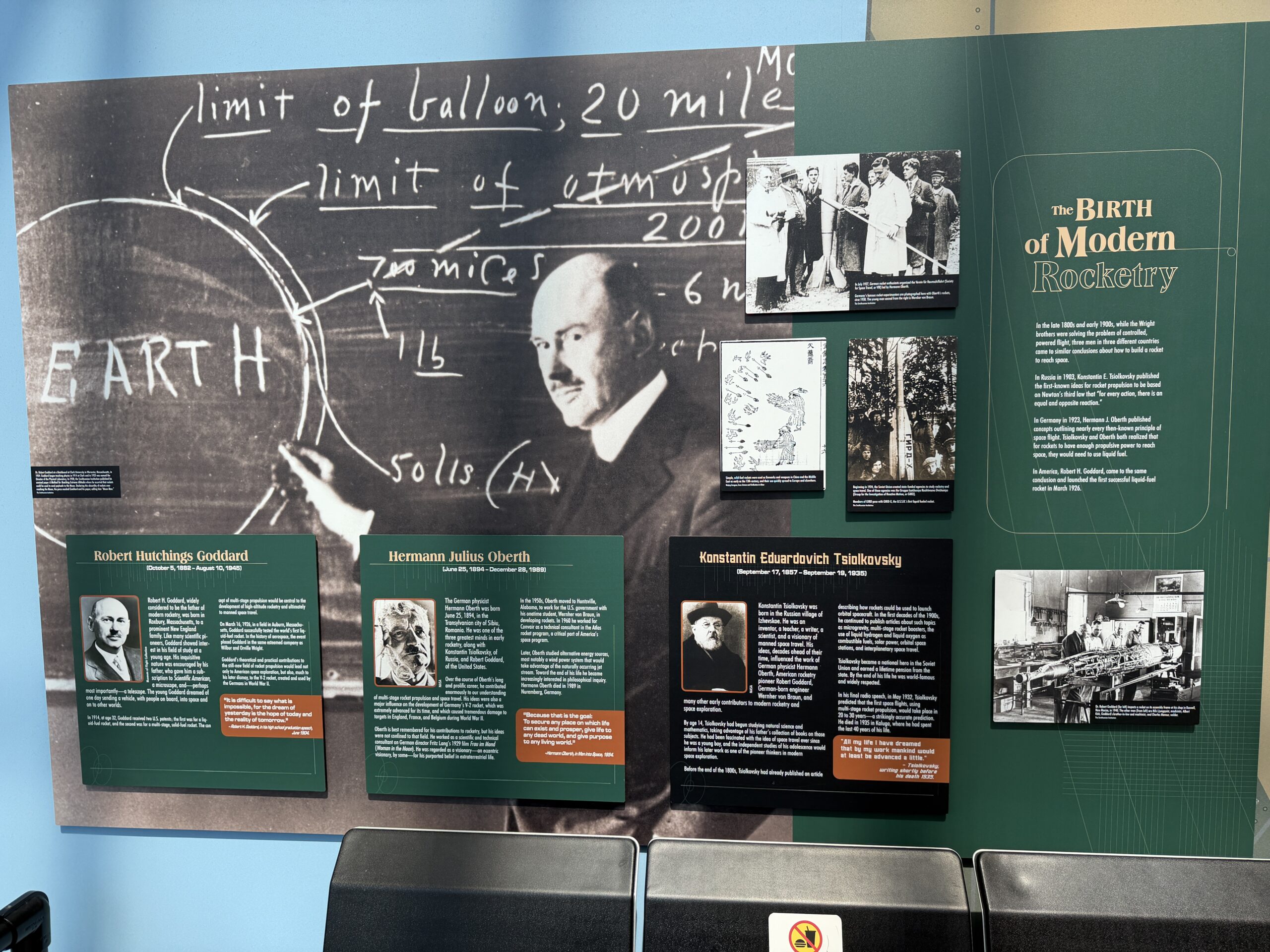
The Museum avoids American chauvinism, pointing out that modern rocketry was developed independently in three countries and that, before Goddard, there was Konstantin Tsiolkovsky in Russia.
(There is a big section on the Apollo program and the role of Boeing, and companies later acquired by Boeing, building equipment for it, but the photos aren’t too exciting.)
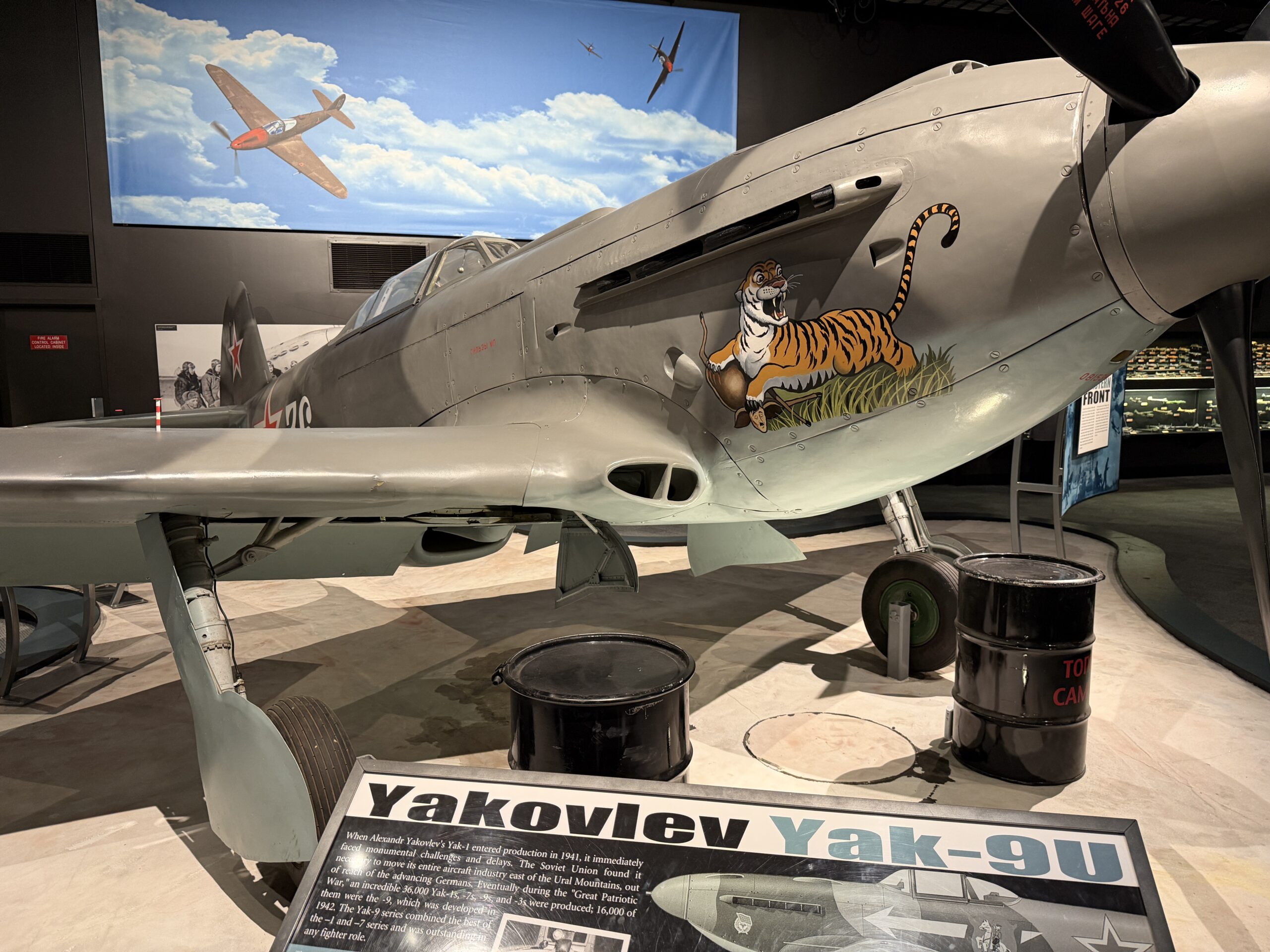
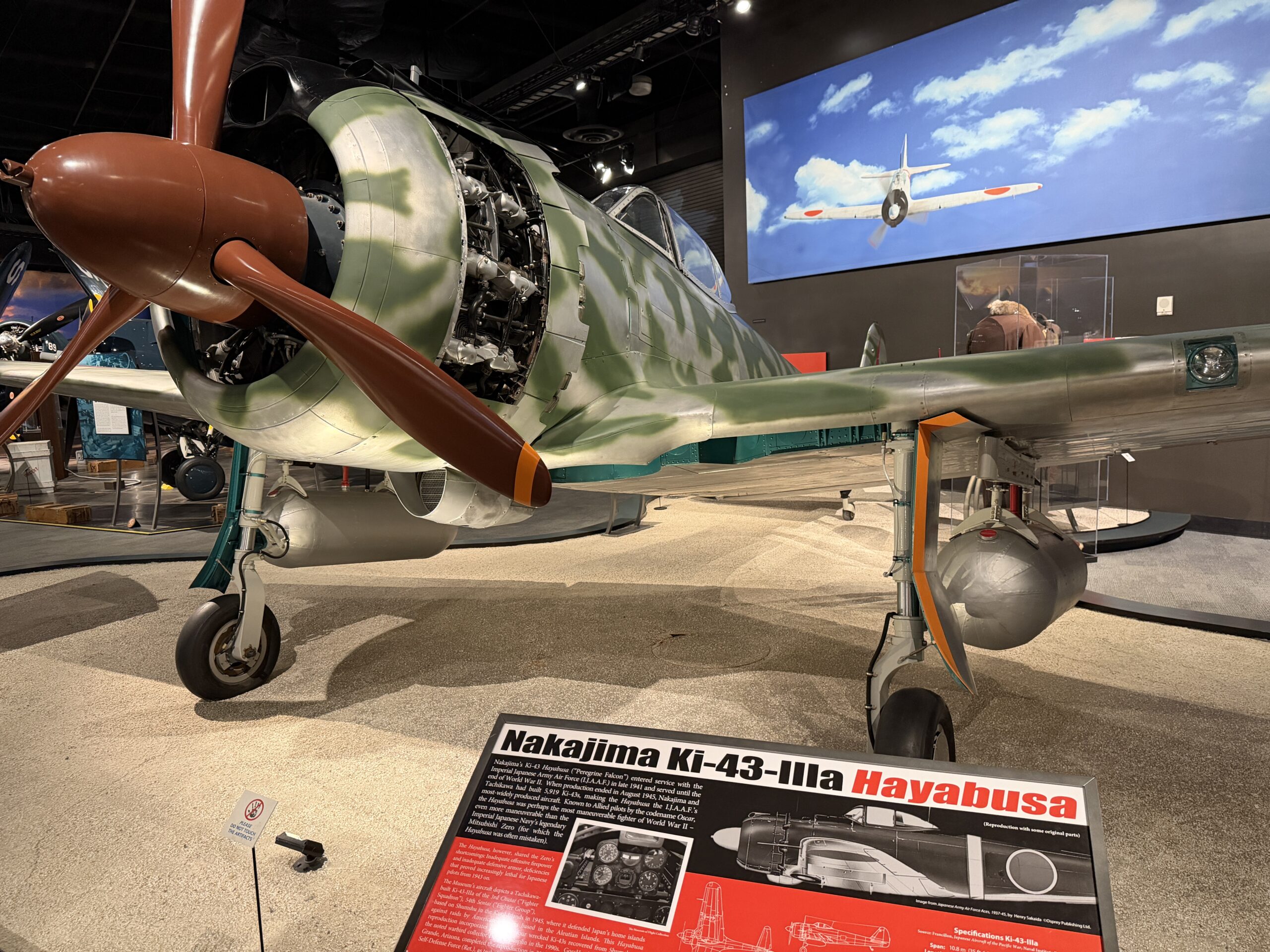
The World War II exhibit gives reasonable space to allied and enemy aircraft, e.g., a Yakovlev and a Nakajima:
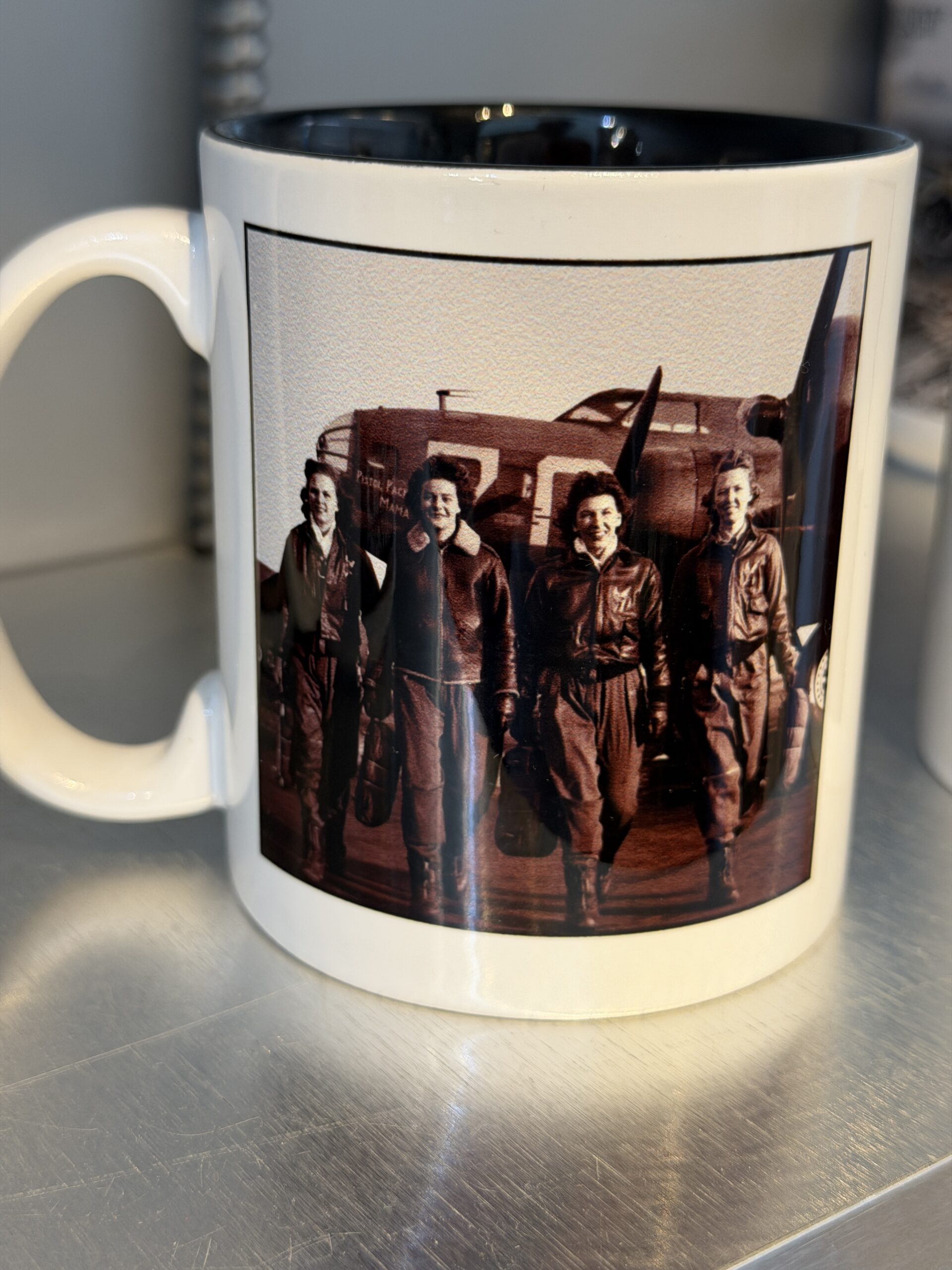
Equal space is accorded to female pilots who ferried aircraft over friendly skies and male pilots who flew in combat. Nancy Nordhoff Dunnam served in the U.S. between February 1944 and December 1944, most of which was spent in training. She lived until 2017. Richard Bong spent about two years in combat in the Pacific, shooting down 28 heavily armed Japanese planes, and died in 1945 while helping to bring the U.S. military into the jet age.
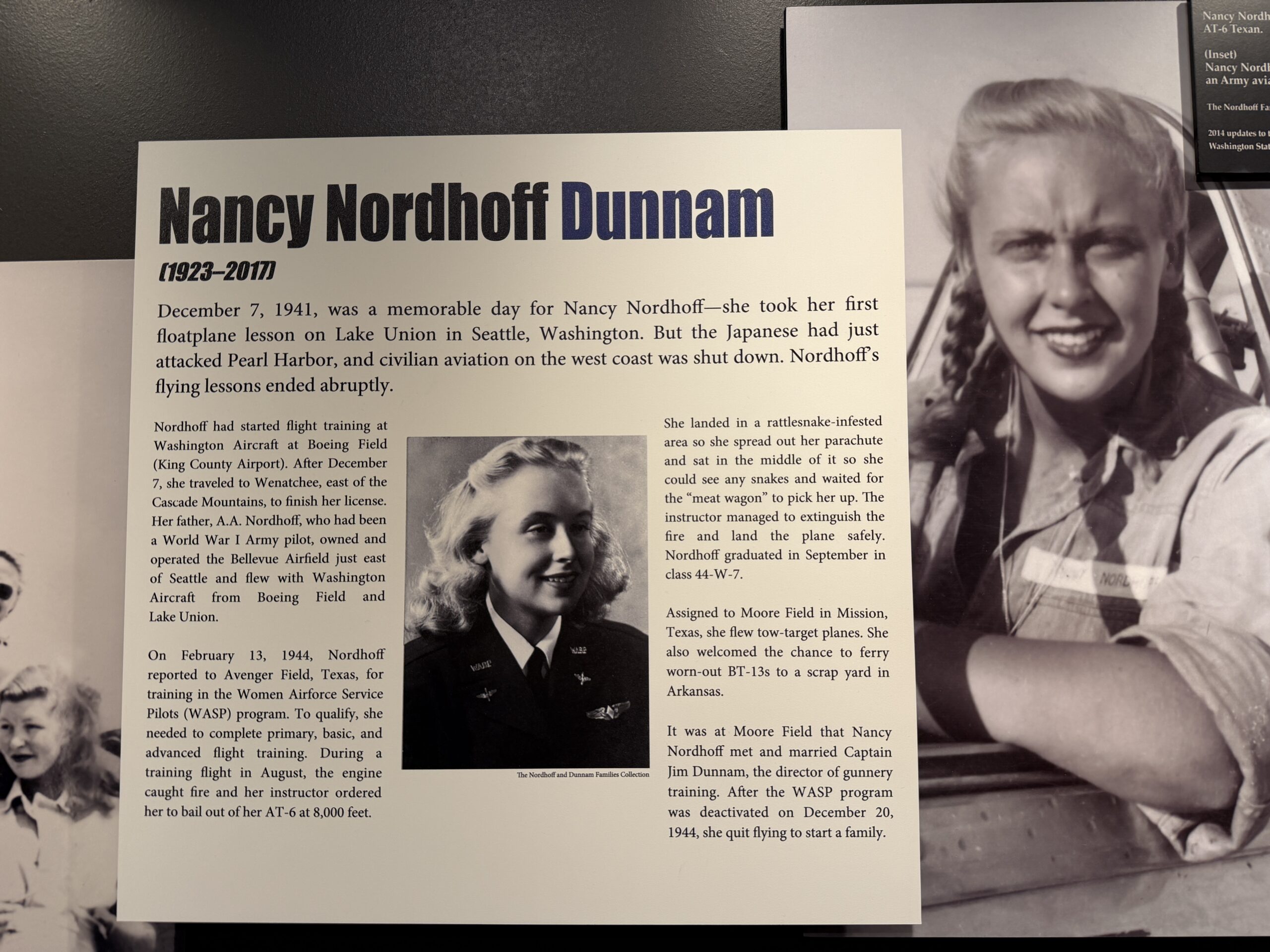
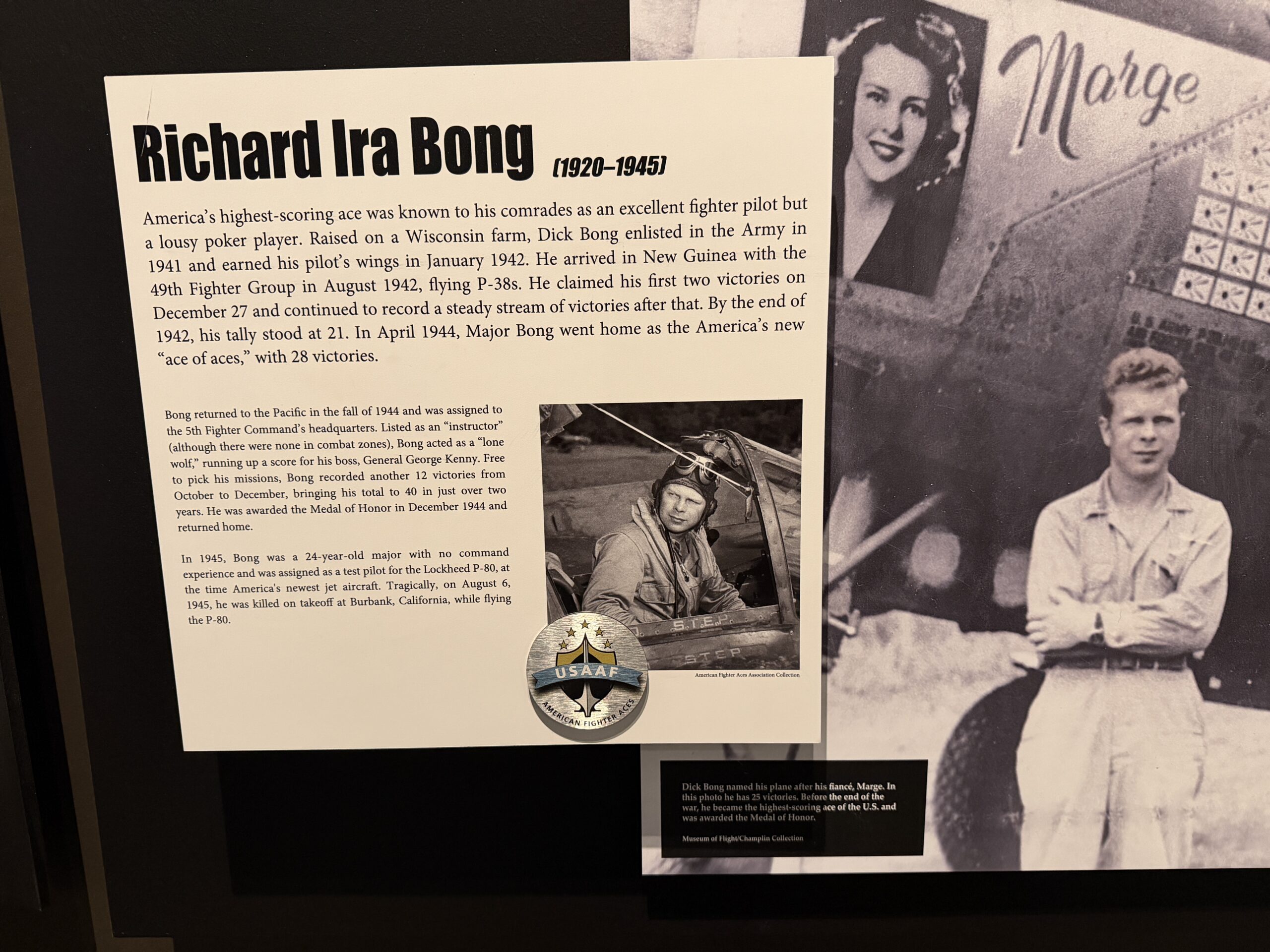
Were there any male pilots in WWII who did the same jobs as these heroic females, i.e., ferrying airplanes? ChatGPT:
In the U.S., aircraft ferrying was run mainly through the Army Air Forces Ferrying Command, later part of the Air Transport Command (ATC). Its Ferrying Division delivered newly built aircraft from factories to training bases and ports of embarkation. That system used AAF military pilots, civilian pilots, airline pilots, and women pilots including WAFS/WASP. The Air Force history page for the Twenty-Second Air Force says the Domestic Wing/Ferrying Division moved newly produced aircraft using “AAF pilots, civilian pilots, and women pilots” from the WAFS/WASP. The male civilian pilots came from several pools: airline pilots, commercial/private pilots, bush pilots, air-taxi pilots, crop dusters, business pilots, and pleasure pilots. … 27 male pilots per female pilot.
So… the gender that did 27/28ths of the work gets no credit in the museum. Congress and President Obama awarded the Congressional Gold Medal in 2009 to the civilian female pilots. Did the civilian male pilots who performed similar jobs get a similar honor? ChatGPT says “no”.
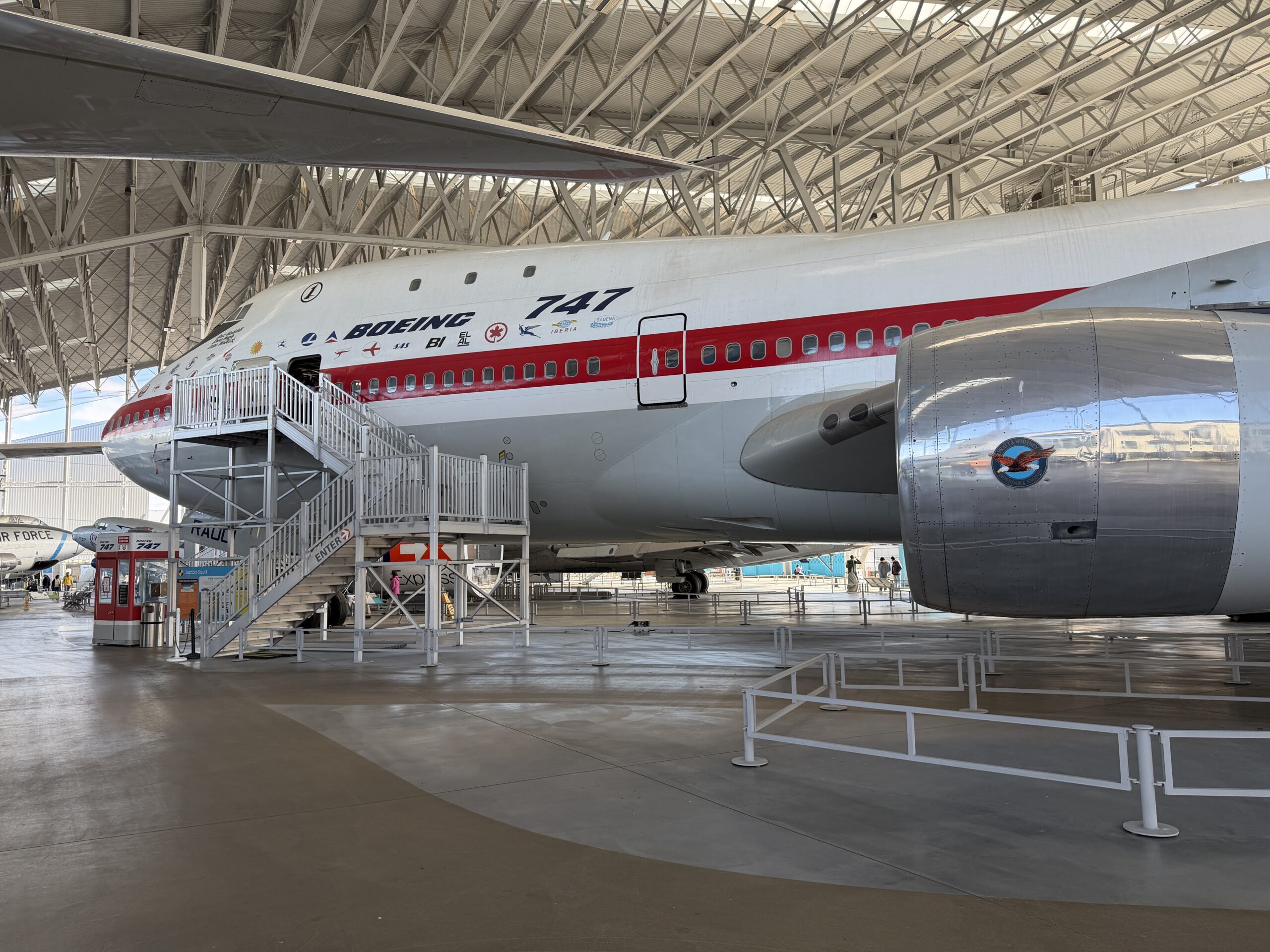
The Museum’s outdoor-but-covered exhibits include most of Boeing’s greatest hits, including the 747, an Air Force One 707, a 787, a B-17, and a B-29.
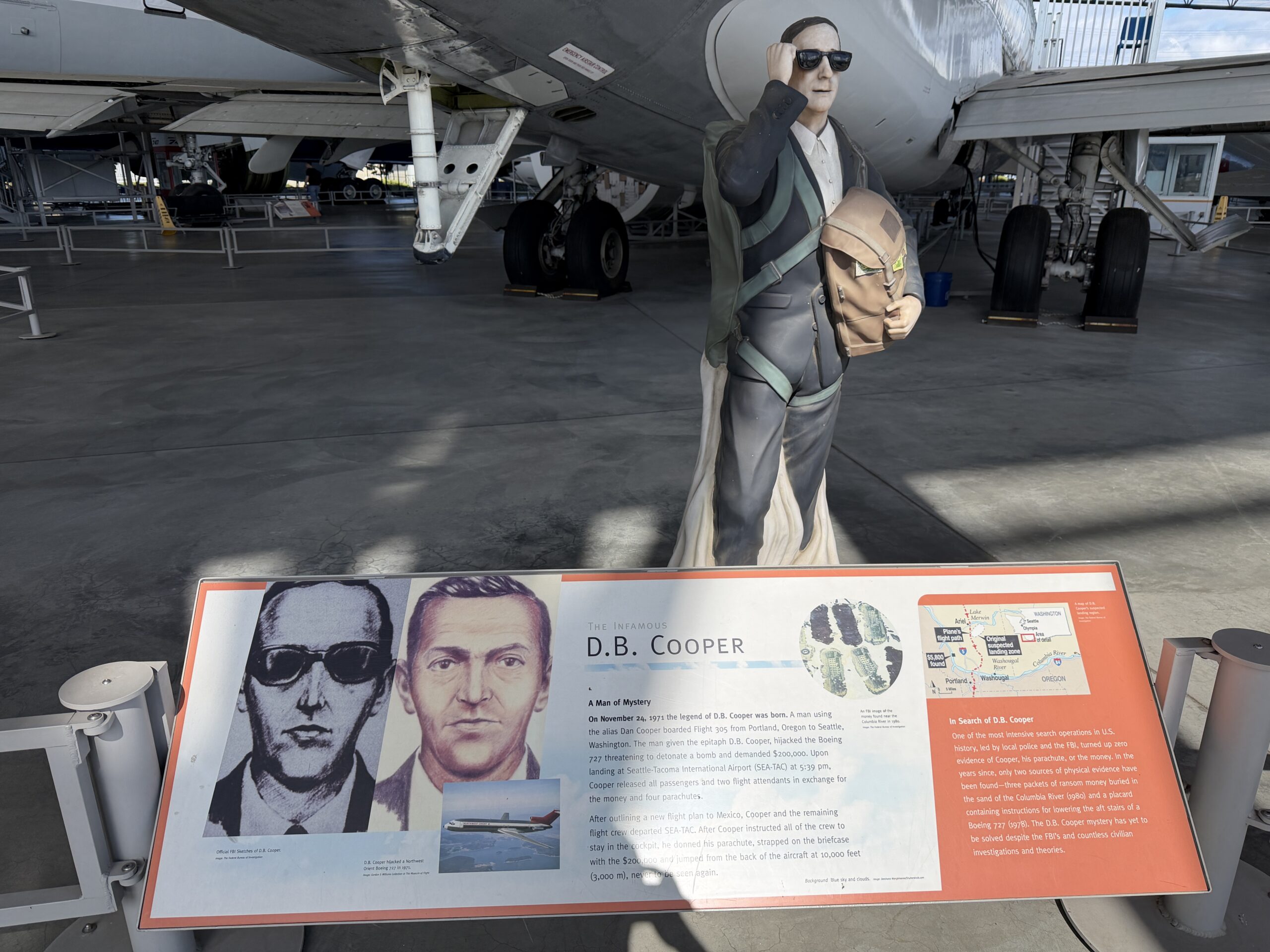
The 727 on display is accompanied by a D.B. Cooper sign:
There is a sobering Vietnam memorial, displaying a beautiful B-52 and also reminding us of the cost of war, nothing that we lost 10,000 aircraft in the war.
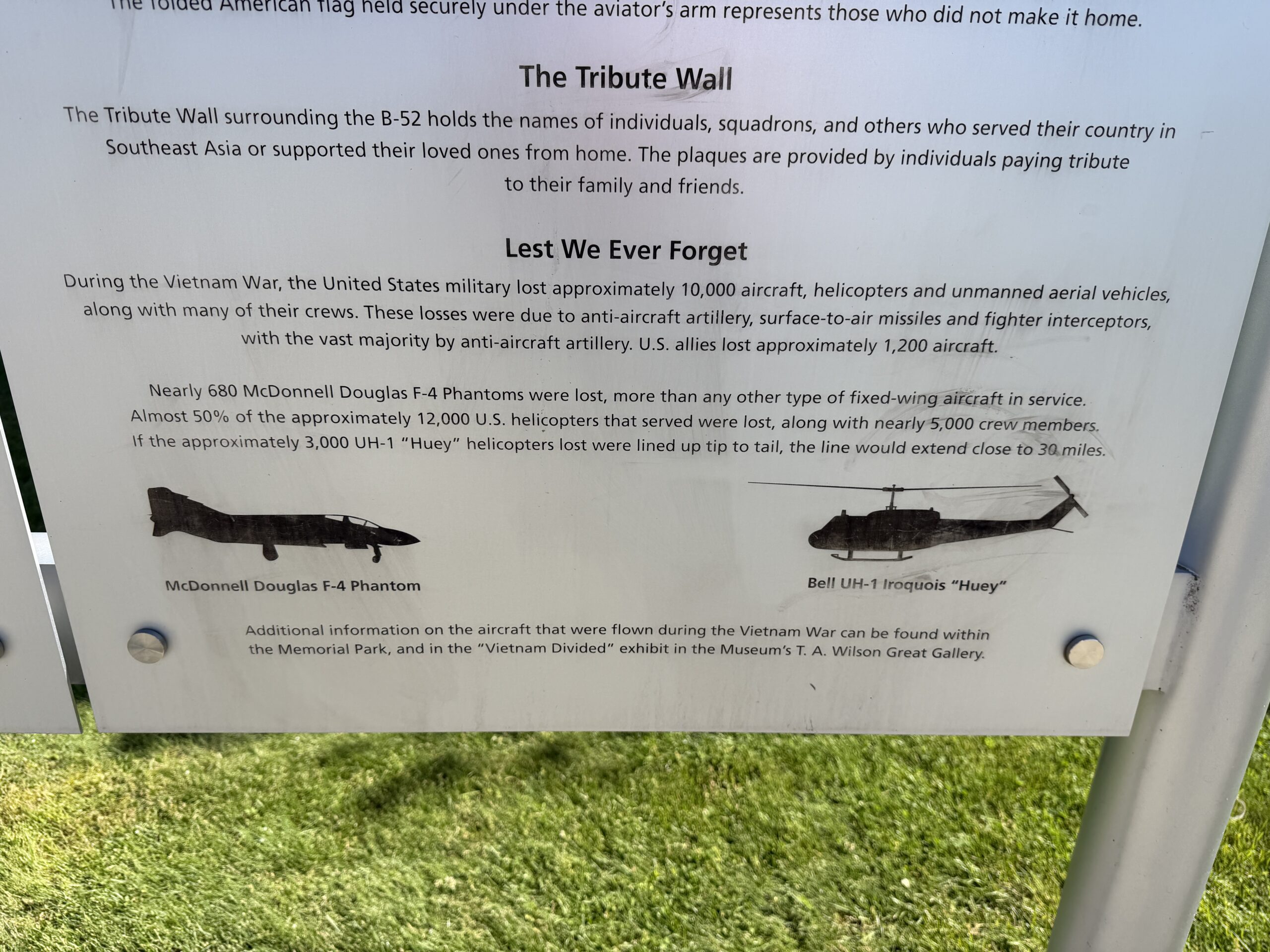
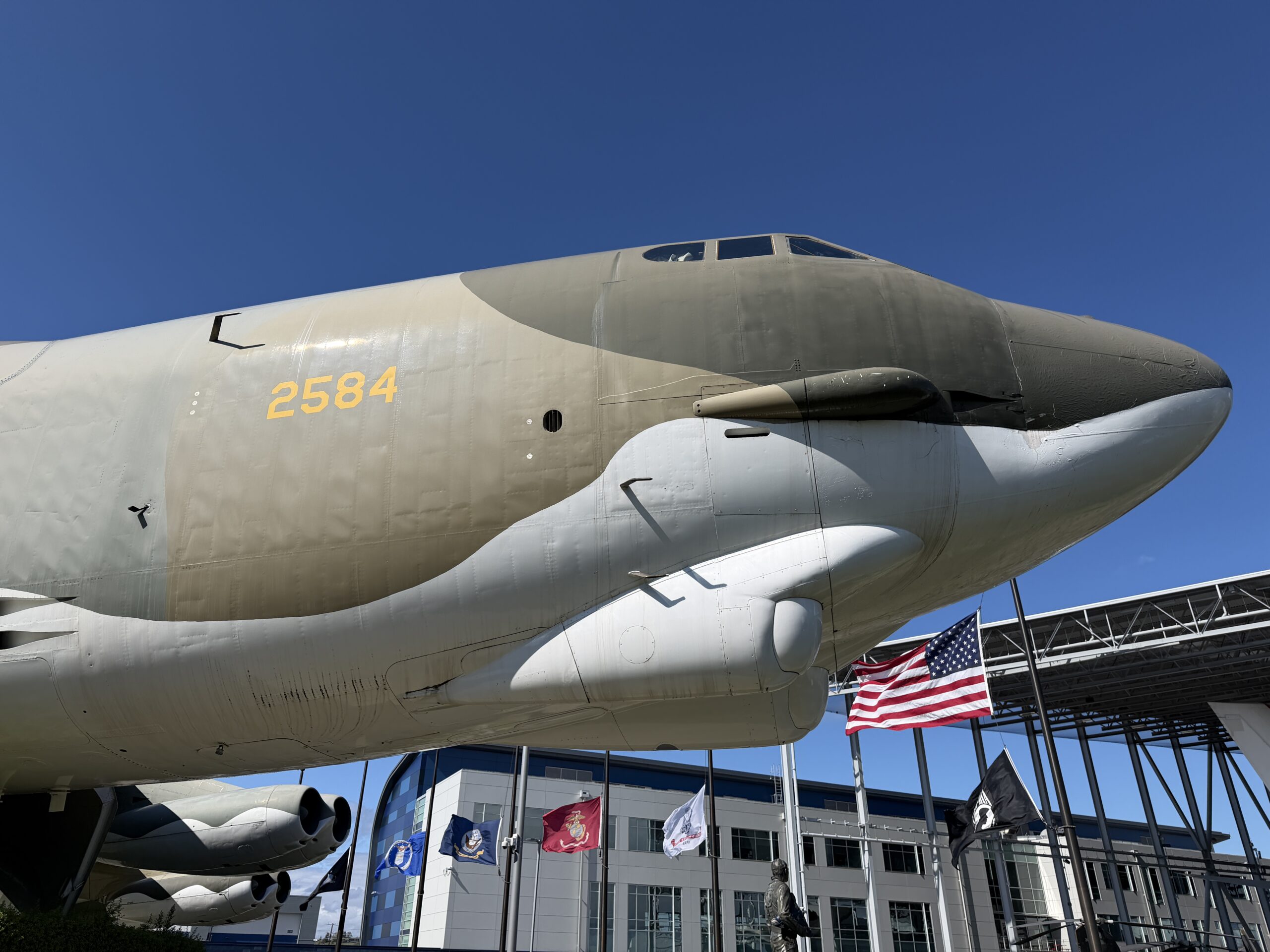
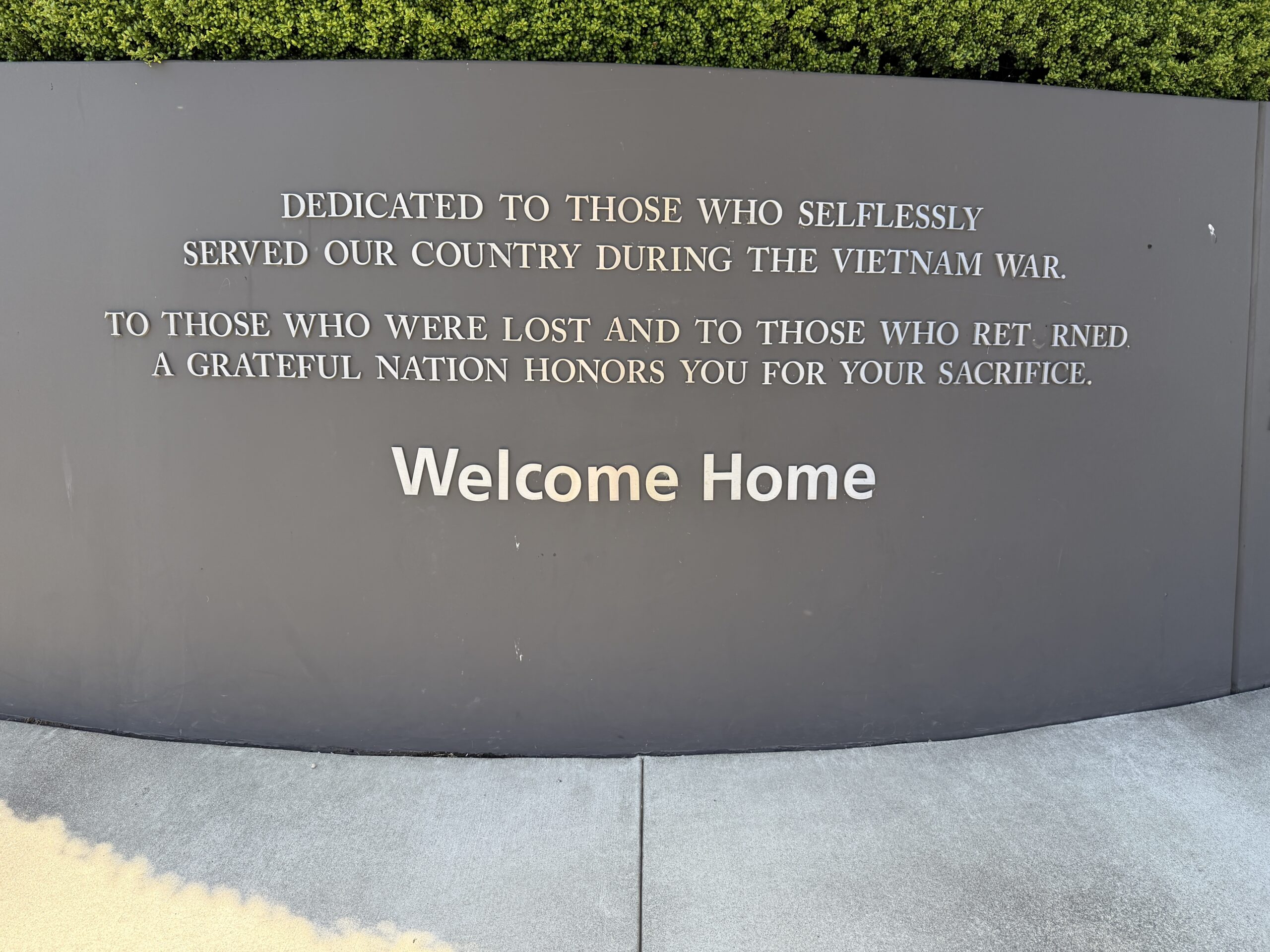
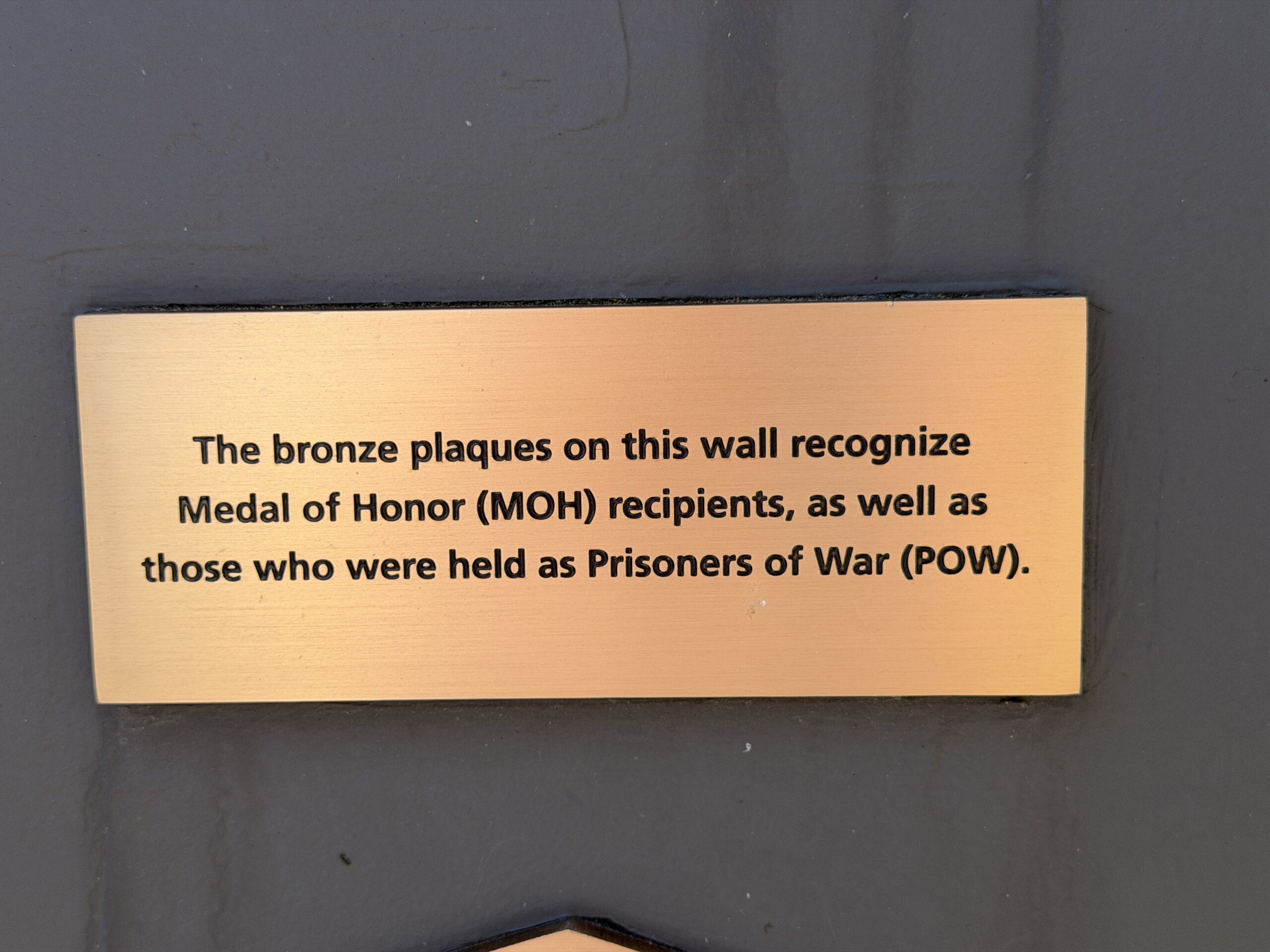
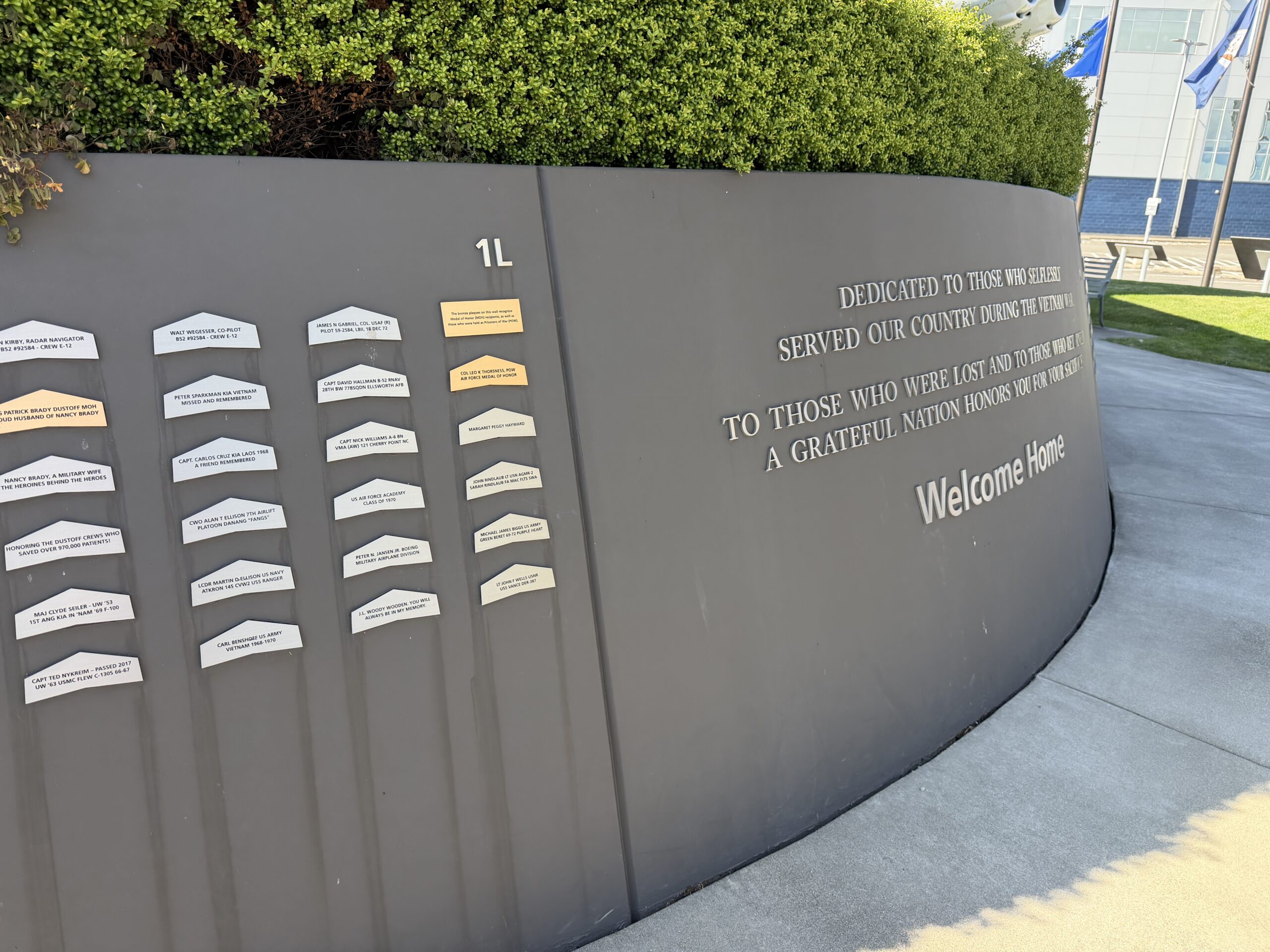
A notable omission from the plaques of names of men who were held as POWs: Robert L. Stirm. AP:
Stirm, a decorated pilot, was serving with the 333rd Tactical Fighter Squadron based in Thailand in 1967. During a bombing mission over North Vietnam that Oct. 27, his F-105 Thunderchief was hit and he was shot three times while parachuting. He was captured immediately upon landing.
He was held captive for 1,966 days in five different POW camps in Hanoi and North Vietnam, including the notorious “Hanoi Hilton,” known for torturing and starving its captives, primarily American pilots shot down during bombing raids. Its most famous prisoner was the late U.S. Sen. John McCain, who also was shot down in 1967.
Stirm became famous for this photo of his family welcoming him home:
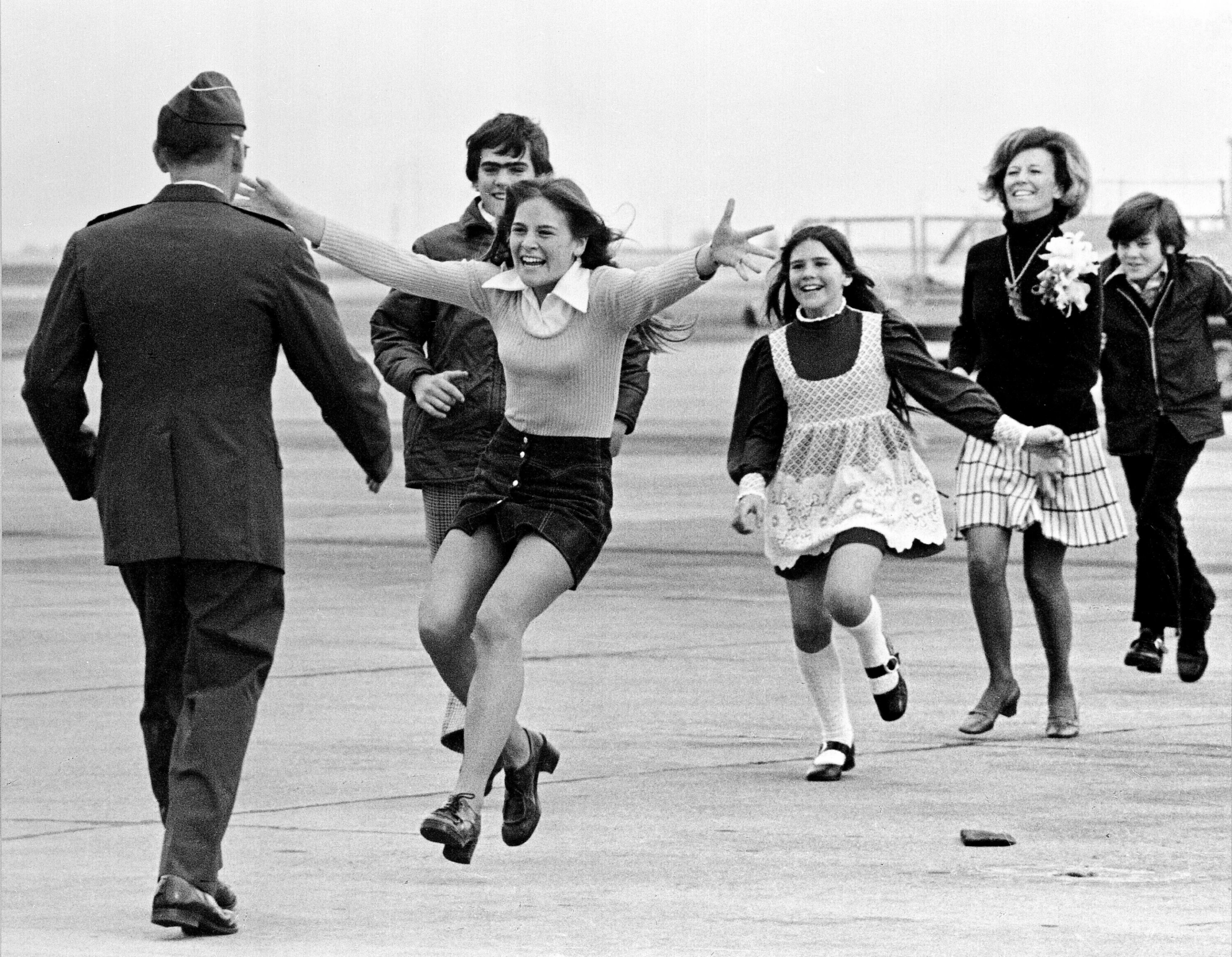
As Wikipedia notes, however, the principal welcome that he received was being sued for divorce, under the nation’s then-new no-fault divorce laws, by the wife who’d been having sex with various new friends while the pilot was held prisoner. She obtained the house and car that he’d purchased, a child support revenue stream, and 43 percent of his military pension for her service on the home front (maybe her name should be on the wall as the person who made the greater sacrifice during the Vietnam War? A judge decided that fairness required that she receive the majority of the money that Robert L. Stirm was paid during his USAF career (only 43 percent of the pension, but she got 100 percent of his pay while he was a POW)).
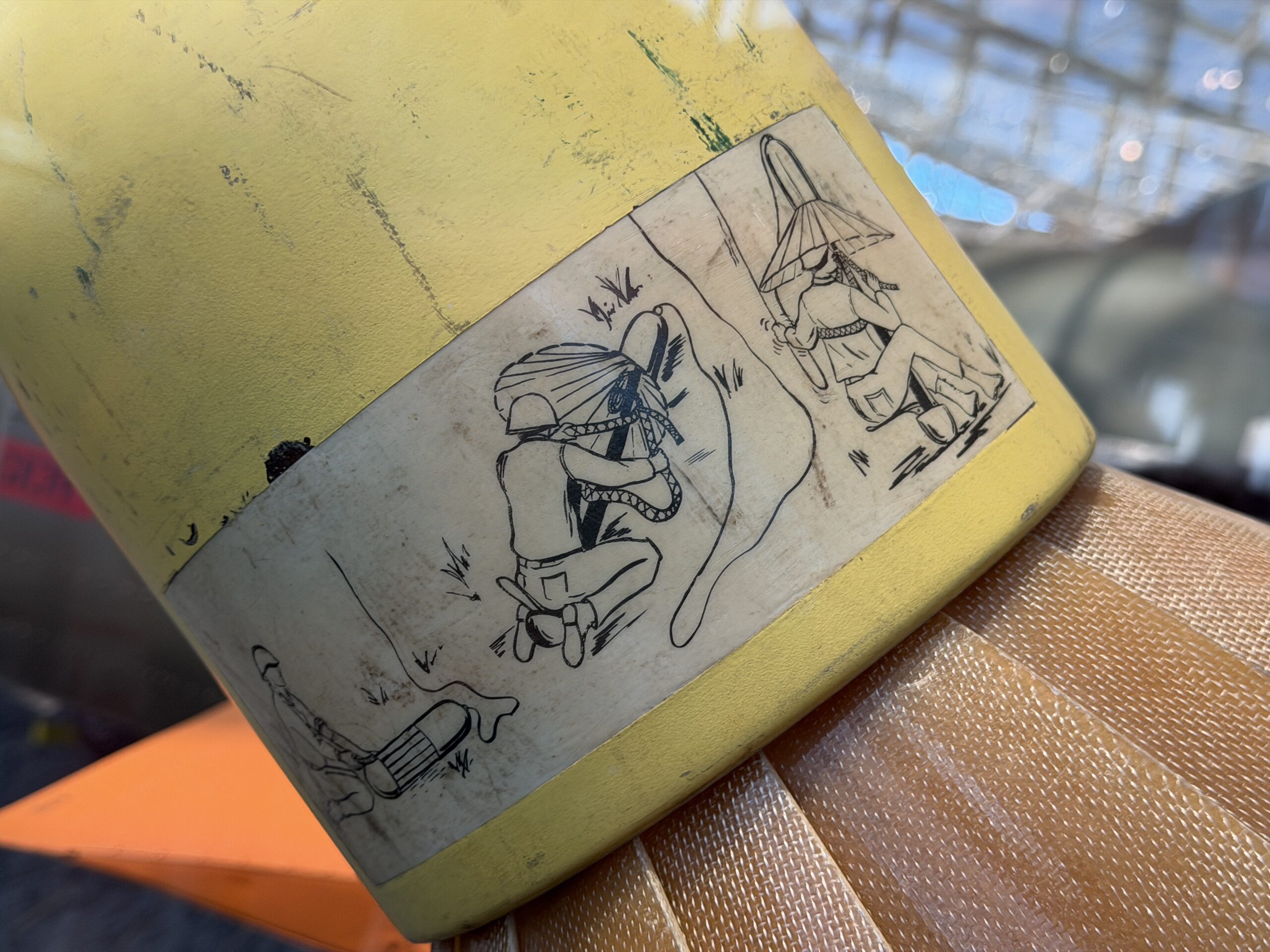
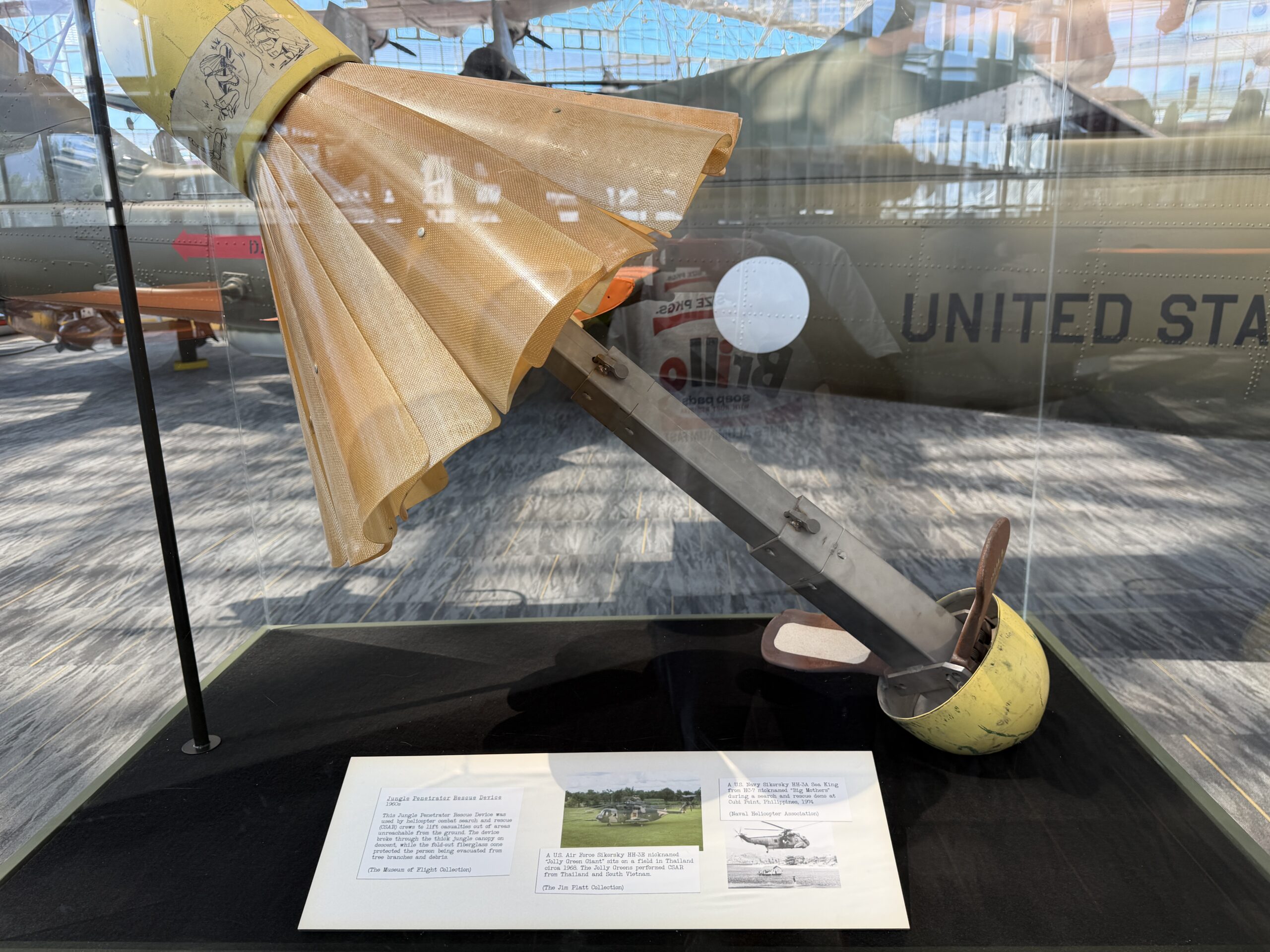
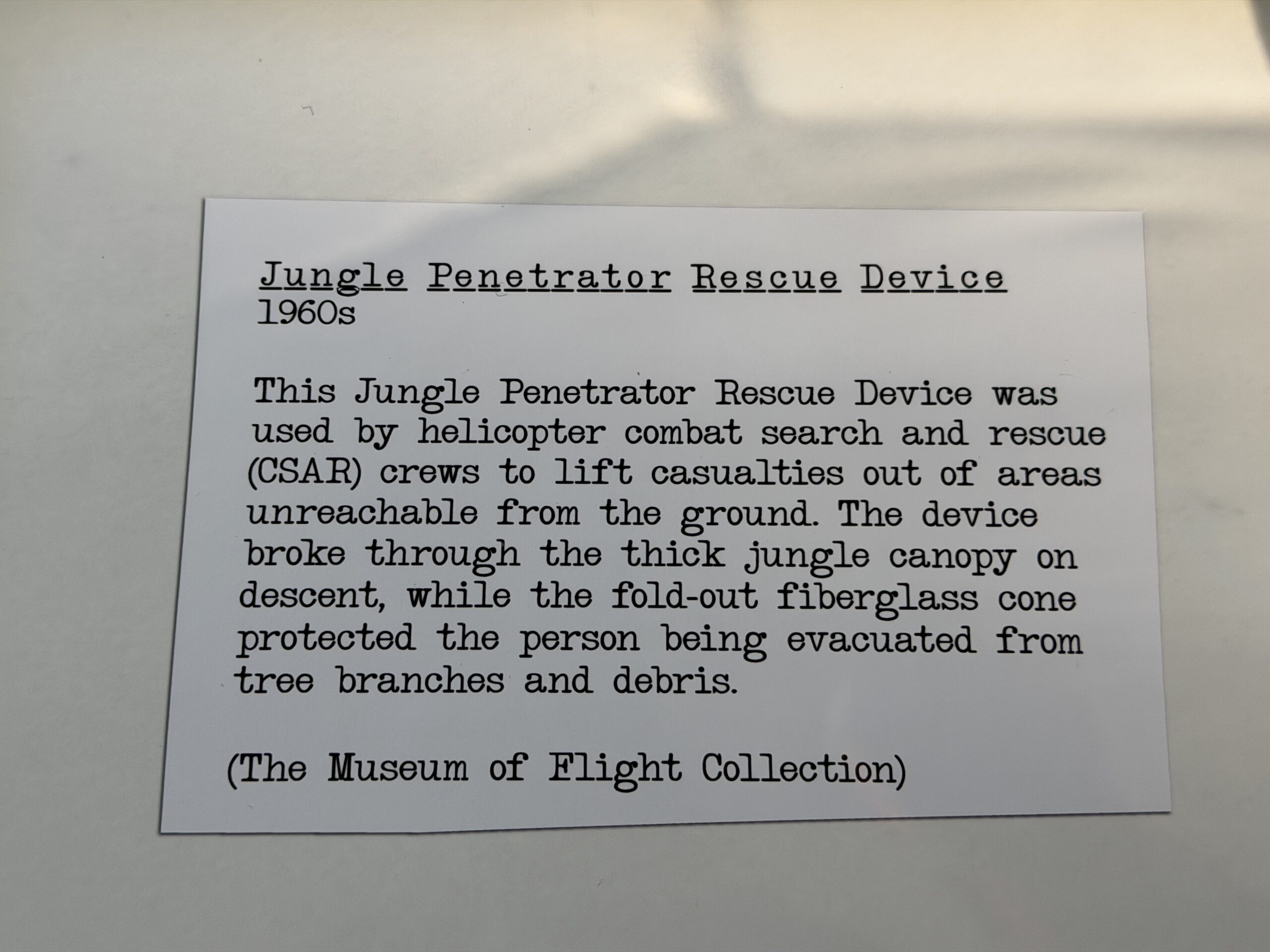
Circling back to the interior, the museum shows a seemingly crazy rescue apparatus for pulling downed pilots out of the jungle (now “rainforest”) by helicopter:
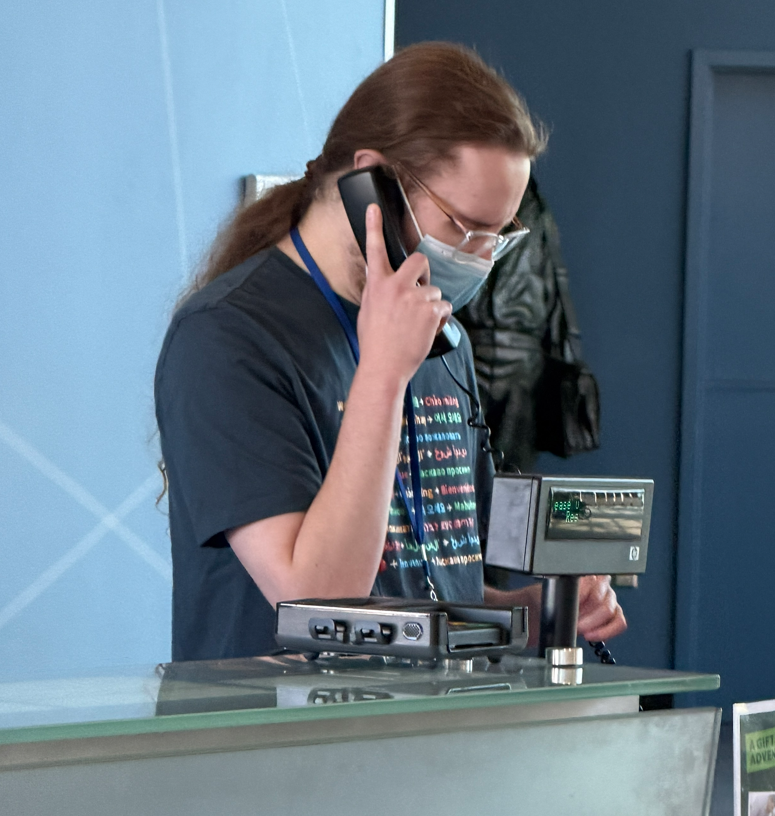
What about compliance with the Washington State religion? Employees at the front desk are fully masked:

The museum costs $29 to enter or $3 if you’ve been wise enough to get an EBT card for SNAP or have any other evidence of being on “any form of government or public assistance”:
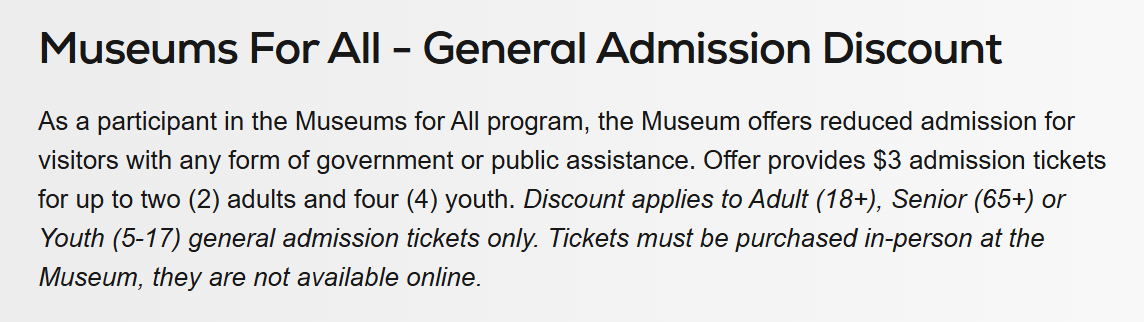
Anyone on what used to be called “welfare” can also get a family membership for $29 that includes an unlimited number of children and grandchildren for one year (normally $140).
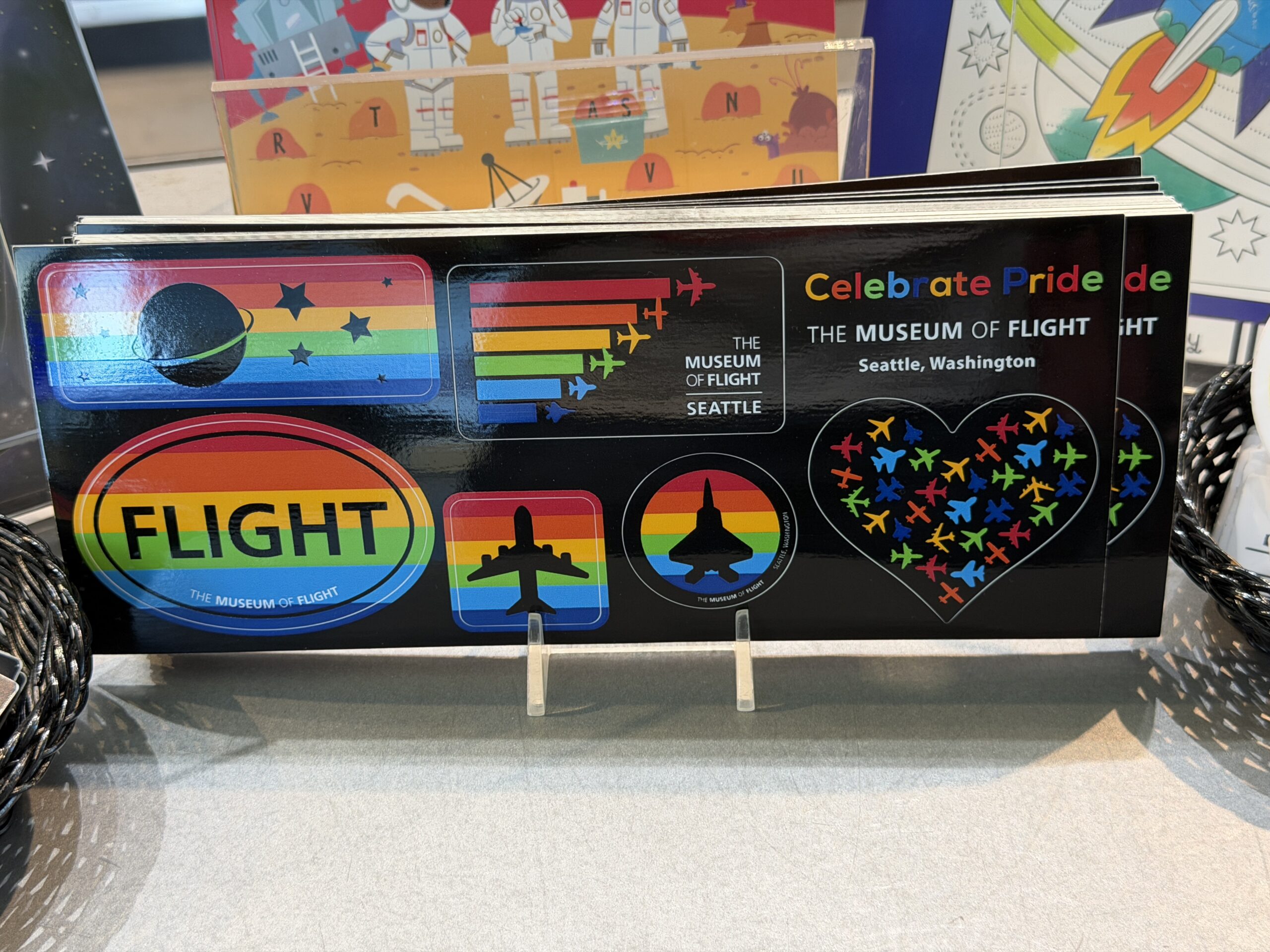
As one turns away from the masked ticket agents (6+ years after coronapanic they haven’t been able to find a job that won’t expose them to tens of thousands of potentially infected humans every year?), the gift shop reminds visitors to “Celebrate Pride”:

The front desk near the outdoor section displays the sacred Rainbow Flag along with a U.S. Navy flag.
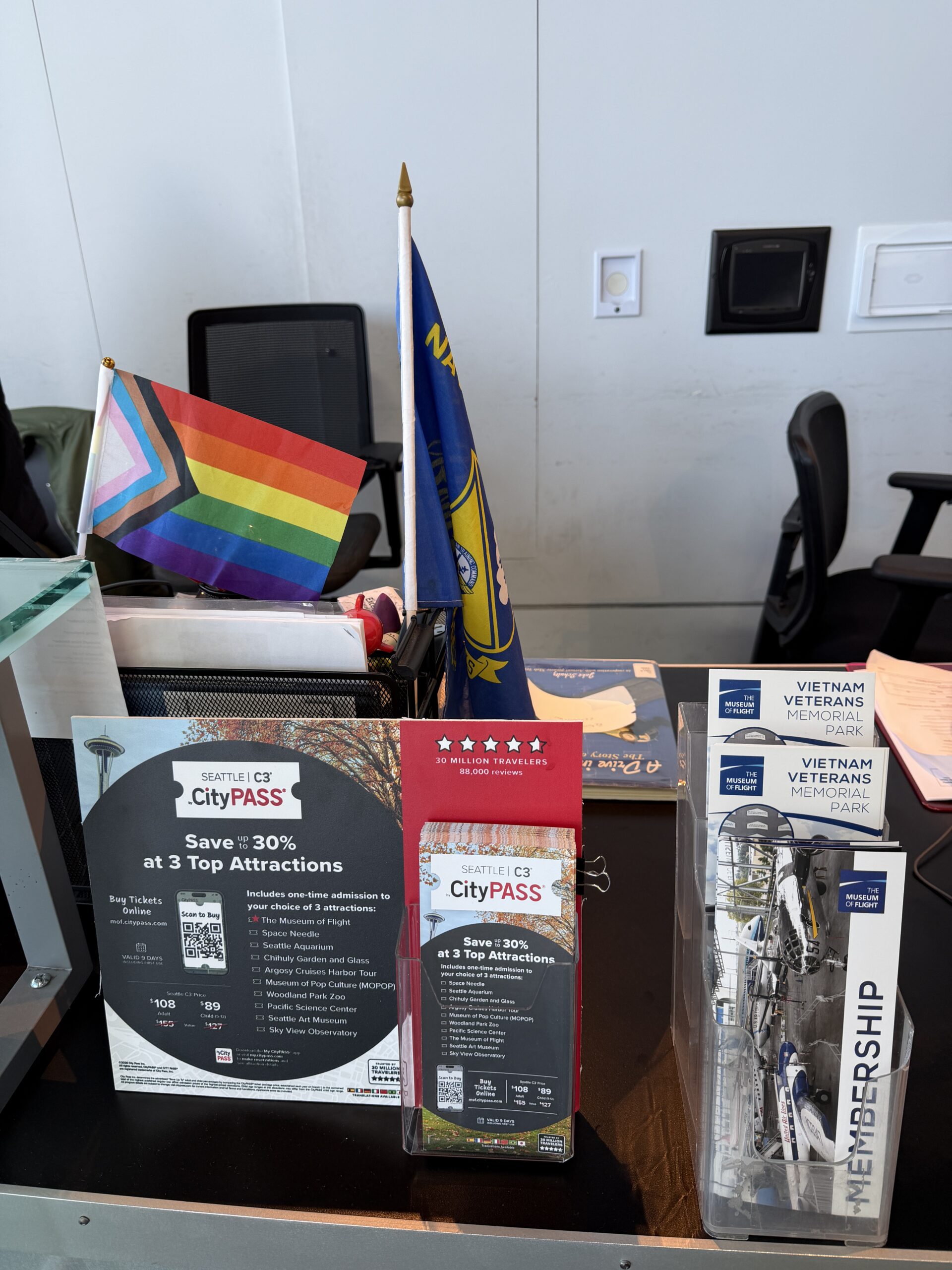
Although Seattle is an oasis of tolerance amidst a country full of haters, the Museum has had to set up a segregated “All Gender Restroom” separated from the main restrooms.

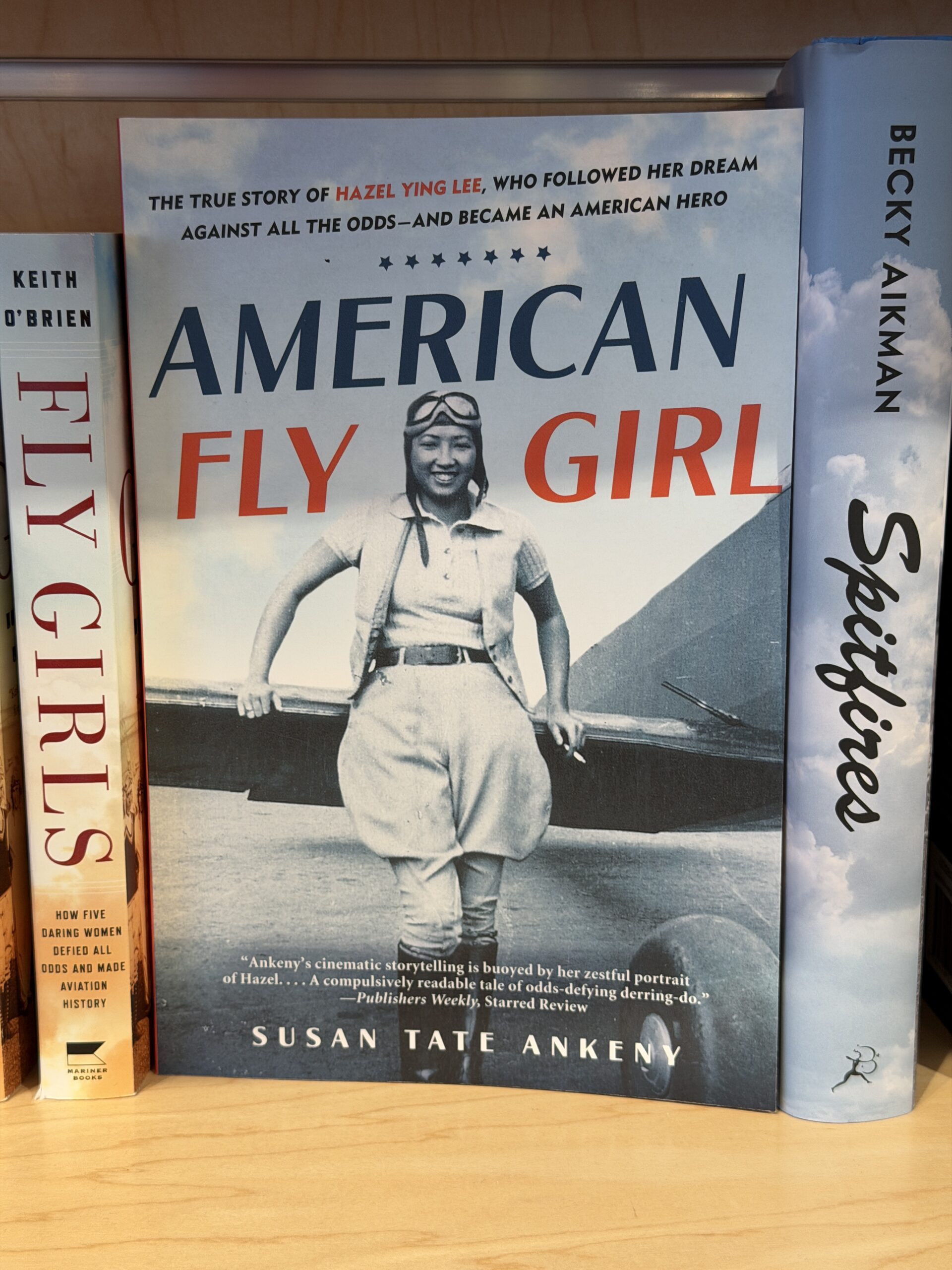
The gift shop also reminds us that aircraft are primarily designed, built, and flown by people who identify as “women”:


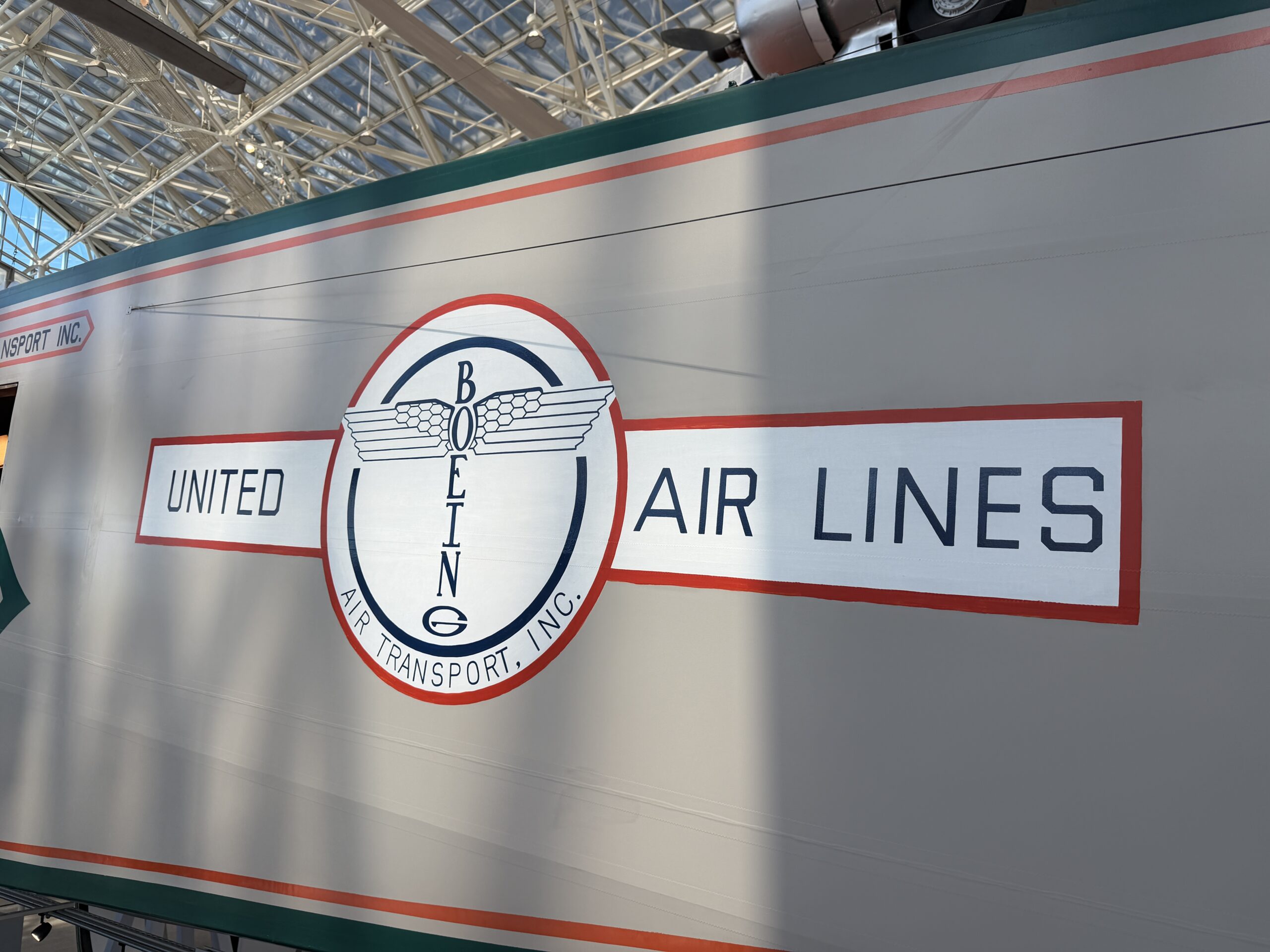
Let’s close by reminding ourselves just how much of the aviation industry was once controlled by Bill Boeing. The United Aircraft and Transport Corporation owned Boeing, Pratt, and United Airlines, among other companies, until it was broken up the U.S. government in 1934. It would be interesting to imagine an alternative history in which the vertically integrated company had stayed together. For one thing, founder Bill Boeing might have stayed in aviation instead of devoting his time to horses and racially restricted real estate development (Mr. Boeing agreed with future Harvard research that diversity makes a community worse, not better).
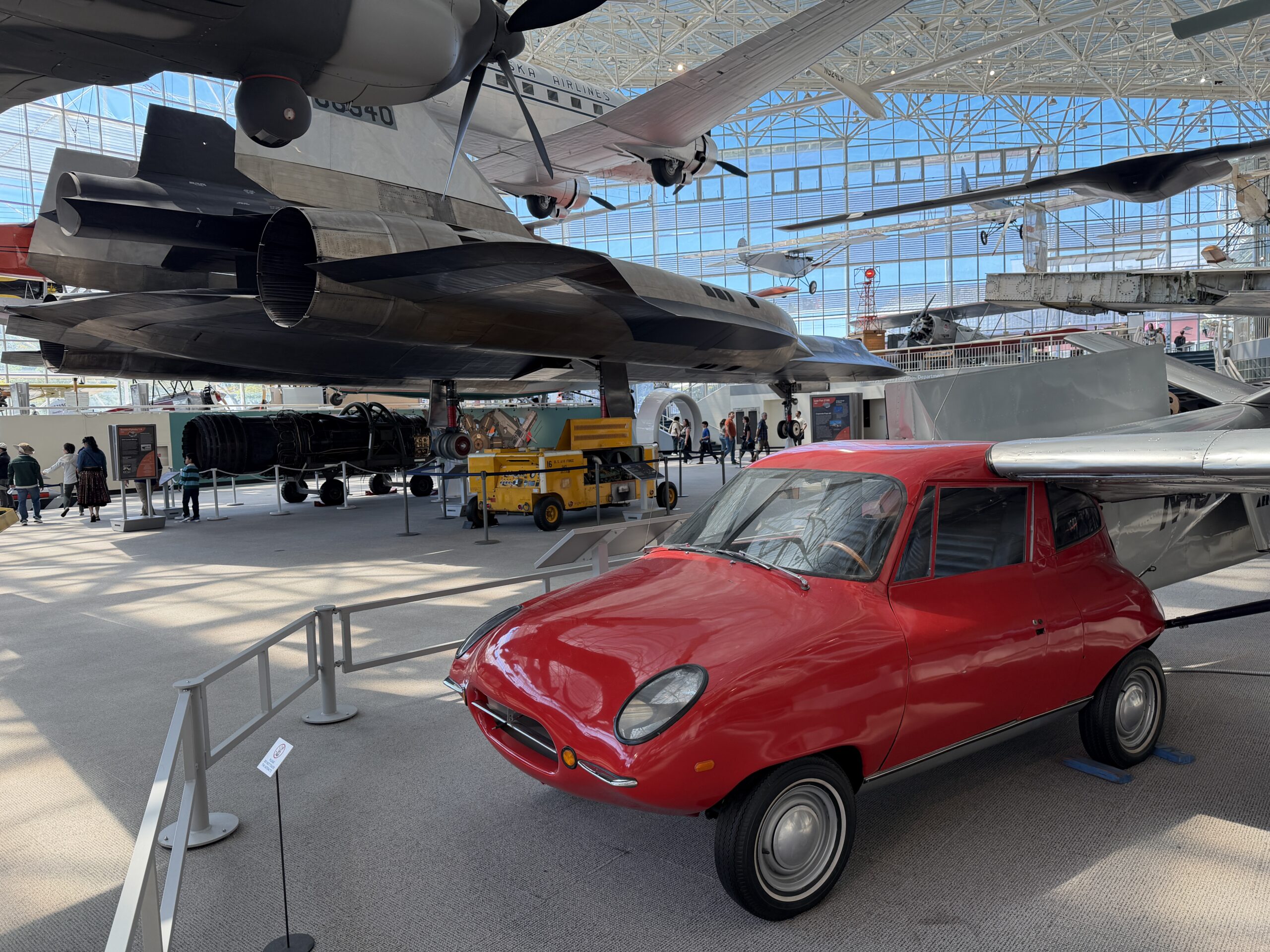
Finally, the 140 mph (supposedly!) Taylor Aerocar and the SR-71:
“For 500 quatloos, Alex, I’ll take a shot at…heheh…Erich Hartmann.”
About maintenance complexity, this picture off WWI German U-boat is more than a century old https://www.thevintagenews.com/wp-content/uploads/sites/65/2015/09/8770449822_be8d916f6c_k.jpg Maintenance was really hard, one of WWII German U-boats took on water because of its commander flashing toilet too much, survivors surrendered to the British, who back than were British and had big guns.