You can sit on top of each other, but wear a mask

Part of an email from the local public school here in Maskachusetts….

To assist you in planning, our bus protocol for the fall includes:

  • All students/drivers will wear masks on the bus
  • Windows will be open at least one inch
  • No social distancing will be in place
  • Seats will be assigned

(i.e., the exact opposite of WHO advice prior to June 2020; even the simplest mask will stop an aerosol virus and therefore you should feel comfortable in a crowded indoor environment)

Full post, including comments

Happy Irrelevant Person’s Day!

Hallmark says that today is Father’s Day. The Harvard Gazette takes a different view with “Why living in a two-parent home isn’t a cure-all for Black students” (June 3, 2021):

New research suggests financial and other resources are also key to success for youth

So a plaintiff who pops a Clomid and has sex with a married dentist and harvests the resulting child support will have cash-yielding children that turn out better than if he/she/ze/they had married a medium-income person and stayed married. (Since a night of sex can pay better than a long-term marriage. Caution: this is true in Massachusetts, California, New York, or Wisconsin, but not in Nevada or Minnesota. See Real World Divorce for a state-by-state analysis.)

At least for Black children, parental income is the only factor correlated with success:

Rather than the two-parent family being the great equalizer that most Americans imagine it to be, Black children from low-income, two-parent families find themselves in the same position as Black children growing up with a single parent. This is what I found in my forthcoming study in the journal Social Problems. In it, I explore the differential returns to living in a two-parent family for Black youth’s academic success. Drawing on a nationally representative sample, I found that there were no differences in the earned grades, likelihood of grade level repetition, and rates of suspension between Black youth from low-income, two-parent households and their peers raised in low-income, single-parent households.

The government can save us:

What we need are policies that alleviate financial hardship and facilitate good, consistent parenting. President Biden’s proposed American Families Plan is an example of such a policy.

The Harvard folks don’t highlight that the Biden family is leading by example on the plan that is financially optimum for the typical American capable of incubating a baby (see “Hunter Biden’s child support is finalized with his stripper baby mama” (Daily Mail) and when does this grandchild get to visit the White House to see Grandpa Joe?).

Let’s see who is funding the soon-to-be-professor who informs us that #Science proves that low-income Black men are useless and the mom who rids her home of one of them in favor of pursuing full-time Tinderhood is doing the kids a favor:

The National Science Foundation paid for this scientific result with your tax dollars.

Sadly, wherever there is science there are science deniers. “Sorry, Harvard, fathers still matter — including Black fathers” (USA Today):

A new report from the Institute for Family Studies co-authored by us with sociologist Wendy Wang finds large differences between Black kids raised by their own two parents, compared to their peers raised by single parents (primarily single mothers). Black children raised by single parents are three times more likely to be poor, compared to Black children raised by their own married parents. Black boys are almost half as likely to end up incarcerated (14% for intact; 23% for single parent) and twice as likely to go on and graduate from college (21% for intact; 12% for single parent) if they are raised in a home with their two parents, compared to boys raised by just one parent. Parallel patterns obtain for girls. Equally striking, we also find that Black children from stable two-parent homes do better than white children from single-parent homes when it comes to their risk of poverty or prison, and their odds of graduating from college. Young white men from single-parent families, for instance, are more likely to end up in prison than young Black men from intact, two-parent homes.

Whether you’re white, Black, or don’t see color, if there are humans on this planet who refer to you as “Dad” … I’d like to wish you a Happy Irrelevant Person’s Day!

Full post, including comments

Coronavirus became 12X more deadly after just one month of the Biden administration

The CDC, early morning on January 20, 2021 (i.e., the last few hours of the Trump Dictatorship; via archive.org):

From an epidemiologist’s point of view, the best “reference group” for a disease that kills 82-year-olds is 18-29-year-olds. If you’re old, you have a 63,000% chance of dying (“630x higher”).

From February 18, 2021:

After just one month scientific government by President Biden, Dr. Jill Biden, M.D., and President Harris, an old person has a 790,000% chance of dying (“7900x”). Get the great-grandkids to dig 7,900 graves in the backyard.

(Of course, the frightening 12.5X increase in the deadliness of COVID-19 is a result of changing the comparison group for this killer of the elderly to 5-17-year-olds.)

The latest version of the page: https://www.cdc.gov/coronavirus/2019-ncov/covid-data/investigations-discovery/hospitalization-death-by-age.html

(Thanks to a reader, whose identity I must protect from the virtue police, for pointing me to this page.)

See also “With Vaccination Goal in Doubt, Biden Warns of Variant’s Threat” (NYT, June 18):

State health officials are trying to persuade the hesitant. In West Virginia, where just over a third of the population is fully vaccinated, Dr. Clay Marsh, the state’s coronavirus czar, said young people were proving especially difficult to win over.

“There was a narrative earlier in the pandemic that is really haunting us, which is that young people are really protected,” he said. “There’s a false belief that for many young people who are otherwise healthy that they still have a relatively free ride with this, and if they get infected, they’ll be fine.”

Dr. Joe Biden, M.D., Ph.D., to the rescue:

“The best way to protect yourself against these variants is to get vaccinated,” the president declared.

That should persuade healthy 16-year-olds that they need to take a few days off to get two injections, recover from the flu-style symptoms, etc.! Certainly they won’t continue to hold the “false belief” that they are roughly 1/8,000th as likely to die from COVID-19 as an old person.

Full post, including comments
NYT celebrates a beauty contest limited to one skin color and one gender ID

“What Does It Mean to Be Crowned ‘Miss Juneteenth’?” (New York Times, June 14):

For contestants, it’s a pageant, yes, but also a place to celebrate Black sisterhood and promote a deeper understanding of a complex holiday.

In the month of June, as celebrations to commemorate the Juneteenth holiday begin, dozens of Black girls and women across the country will be competing for a singular title: Miss Juneteenth.

Yet for young Black women who earn the title, the honor is connected to a holiday that marks the emancipation of their ancestors. More than simply a crown, Miss Juneteenth holds deep meaning to these women, their families and their communities.

“It’s a reminder that I’m proudly Black and I’m happy about it and I’m strong,” she said. “A reminder that Black is beautiful. To be ourselves with the hate or without the hate that we experience. A reminder that we’re free. We’re here with a purpose.”

The rise of Miss Juneteenth pageants has come at a moment when Black contestants have met with remarkable success in more high-profile pageants. In 2019, the winners of the five most prominent pageants — Miss World, Miss Teen USA, Miss America, Miss USA and Miss Universe — were all Black.

The pageants, Ms. Sledge explained, focus on all facets of Black womanhood, from style to cultural contributions in music and dance. “Our young ladies are taught that in any room that they walk in, they belong there, regardless of who else is there.”

Ms. Glosson, who won the pageant in 1982, said she valued having a space designated for celebrating Black women.

The same newspaper informs us that gender ID is fluid and that there are more than 50 gender IDs. Why would they write favorably about an event based on gender binarism and the idea that gender ID is persistent? (We could ask the same question regarding beauty contests open to humans of all skin colors, such as Miss America. Why does it make sense to limit contestants to those with a single gender ID, e.g., those who can be addressed as “Miss”?)

MLK, Jr.:

I have a dream that my four little children will one day live in a nation where they will not be judged by the color of their skin but by the content of their character.

Perhaps this contest meets the literal terms of MLK, Jr.’s dream? Since there is a pre-filter based on skin color the remaining contestants “will not be judged by the color of their skin”?

Separately, the Miss America folks proved to be prescient. On December 19, 2019, only three months before most of the world went into coronapanic, they awarded the title to Camille Schrier, who could be Dr. Fauci’s vastly better looking doppelgänger:

“Miss America can be a scientist and a scientist can be Miss America.”

In 2018, Camille graduated with honors from Virginia Tech with dual Bachelor of Science degrees in Biochemistry and Systems Biology, and is currently pursuing a Doctor of Pharmacy at Virginia Commonwealth University.

A certified Naloxone trainer in the city of Richmond, Schrier will use the Miss America national recognition to promote her own social impact initiative, Mind Your Meds: Drug Safety and Abuse Prevention from Pediatrics to Geriatrics.

(If you want to know why Naloxone is so critical to American well-being, read Who funded America’s opiate epidemic? You did.)

Related… “Victoria’s Secret Swaps Angels for ‘What Women Want.’ Will They Buy It?” (NYT, June 16): “The Victoria’s Secret Angels, those avatars of Barbie bodies and playboy reverie, are gone. … In their place are seven women famous for their achievements and not their proportions. They include Megan Rapinoe, the 35-year-old pink-haired soccer star and gender equity campaigner … the 29-year-old biracial model and inclusivity advocate Paloma Elsesser, who was the rare size 14 woman on the cover of Vogue…”

I wonder if this makes it tougher on Victoria’s Secret customers. In the past, all that the young ones had to do to look great, by the brand’s standards, was not eat more calories than their bodies burned. Now, however, Victoria’s Secret is telling customers that they need to be great athletes (though maybe not as great as 14-year-old cisgender boys? Also Australia’s women’s soccer team cannot reliably prevail over 14-year-old boys) or have great achievements, e.g., in advocating for Palestinians against the Jews.

Full post, including comments
Medical School 2020, Year 3, Week 20

Same rotation, but the second week of Internal Medicine brings a new attending and new residents. I get in at 6:15 am to pre-round on my two patients from the weekend (one was discharged on Sunday). I run into one of the interns for the service. Terrific Tiffany appreciates the patient summaries from Sleek Sylvester, Ditzy Diane, and myself — we are the only ones that know the patients because everyone else has left the service. Tiffany is refreshed after her 3-week stint at the resident clinic before she slaves away for a month on inpatient “wards”. We head to morning report and then directly to our new attending’s office to meet him. Formal Frank is infamous for long bedside rounds in which we present in the patient room. He expects formality and professionalism in all interactions with patients. Every time we go into the room we introduce each member of the team: “Hi, my name is Student Doctor [Sylvester].” The medical student and intern are responsible for performing a comprehensive history and physical (including neurologic exam), medications (“always have note of their medications and dose in your pocket”); the senior is responsible for presenting the assessment and plan. He also goes through expectations for an intern and resident. The resident is in charge of allocating work, a brief synopsis note, and deciding how many patients to take on the census. The intern should each hold about 7 patients. He concludes the meeting by asking Ditzy Diane, “When do you call me?” blank face. “Anytime you need me.”

His reputation does not disappoint. Rounds last until about 12:30 pm. Bianca is a little nervous because we haven’t done any “work” (writing notes, discharge orders, etc.). We each present our two patients in the room. The attending expects a full H&P instead of the shorter SOAP update note. Tiffany always adds a few items we forget. She knows everything about the patient. When we are finally done, our classmates on IM have been studying in a circle in the resident lounge for at least an hour. Gigolo Giorgio asks us, “Why are you guys all smiling?” We look at each other. “I don’t know, we’re smiling? We just got done with rounds, maybe that’s why?” 

Boss Bianca, a PGY2 internal medicine resident who completed an intern year of surgery before switching to internal medicine (3 years of training) sits down with us in the lounge after rounds while the interns hit the computers. She’s classic type-A, getting up at 4:00 am each day to read a new journal and read in her favorite Harrison’s textbook for residents, but she has an insatiable passion for teaching.

“I’m really impressed how good your presentations are for medical students. I’ve made a template that I shared with each of you for notes in the morning. Try to organize your morning presentations just like the note.” She concludes, “It’ll take us a few days to get used to how Dr. [F] wants us to work together, but we’ll have plenty of teaching times.” We work for two hours on notes before Boss Bianca pulls us over again. We go over some of her myriad powerpoints on every medical topic. Today is how to interpret a urinalysis (“UA”). 

We are pre-call so we admit four patients. Ditzy Diane takes a 50-year-old stroke patient with expressive aphasia presenting for COPD exacerbation. Diane: “It was really hard completing a history on him. His family had left when I got there.” I admit a 73-year-old lady for acute on chronic hypoxic respiratory distress secondary to COPD exacerbation and CHF exacerbation. Around 3:00 pm, we meet Formal Frank, our attending, in the ED and present our patients. Sylvester, who admitted the first patient, reads verbatim from his H&P note. I just admitted my patient around 2:30, so I do not have any time to start writing a note; instead I struggle to verbalize my disorganized notepad. 

Call day: we have several rapids and one code blue. Bianca and I get there first, and I watch her take over the show. She clearly instructs the nurses to get vitals, blood sugar, and EKG. The patient goes in and out of having a pulse. She starts checking for the 5H’s and T’s of PEA. She listens to his lungs for a pneumothorax. We do a bedside needle decompression before the attending arrives and we cart him a few rooms down to an ICU bed. 

She recounts her first rapid response as an intern. “I was called at night to a rapid response for bradycardia [slow heart rate]. We worked the patient up, and it was clear that this was caused by an overdose of her home metoprolol. The unit nursing director came in and questioned why I was not giving her atropine. There was no indication for atropine. She was not symptomatic. The unit director then called several attendings saying the intern did not know what she was doing. Two attendings arrived. I gave report: ‘patient developed bradycardia after double dose of metoprolol. Her blood pressure is 120/68, without mental status changes, pulse in 40s with no st changes on her ekg’ The nursing director was furious. I stared into her eyes  and told her to go get glucagon [a medication used for hypoglycemia, clearly not needed in this situation]. The attendings smile at me, and walk out.” Slyvester laughs, “Go get me glucagon. What a classic! You are such a boss.”

Bianca gives some handy advice: “When you first arrive, make everyone feel calm. The room should be quiet in a well run code. Assign the nurses to do specific tasks so people aren’t idly standing around. For example, get a 12-lead EKG, put the pads on, check blood glucose, and ABG. This will also highlight who doesn’t need to be in the room. People gravitate to a code situation and the room suddenly becomes packed. If there is someone crowding the room, or not following your orders, send them out of the room politely to grab something. Doesn’t matter what.” 

I admit a patient with alcoholic pancreatitis with Terrific Tiffany. I lead the interview, with Tiffany starting her H&P and placing basic admission orders on the computer. The IM service gets evaluated based upon how quickly admission orders and transfer orders are placed on ED admissions. This is the patient’s second admission for pancreatitis (2 years prior) with no change in his alcohol consumption habit. We start him on aggressive IV fluids. Tiffany quizzes me on pancreatitis management. How do we diagnose pancreatitis? How do we risk-stratify pancreatitis? I don’t give convincing answers. “The most prognostic lab value is blood urea nitrogen on admission and if it remains elevated after 48 hours. Look up the various pancreatitis score system and we’ll chat about it.” 

Over the next few days Bianca sits down with us to go over several useful topics. I appreciate her because she gives concrete examples about disease, and will provide specific data about interventions. For example, instead of saying statins are helpful in primary prevention of CV events, she will explain that statins have about a 20-30 percent relative risk reduction in cardiovascular events over 10 years. 

We have an afternoon lecture with one of our professors. We walk around the hospital in a group of six watching people walk by. We see one patient who has a diagonal ear lobe. “Frank’s sign” is more specific for CAD [coronary artery disease] than any stress test. We walk by a 50-year-old obese female with an antalgic gait [unusual way of walking in order to avoid pain]. “What do you think could be causing her pain? Look at her knees.” Ditzy Diane responds, “Her knees are bent out.” The professor continues: “Yes, look at how her leg is in valgus. Women have wider hips which make their legs into valgus strain. They are at much higher risk of arthritis and knee injuries because of this.”

We continue down to the hospital lobby to people-watch. We notice a patient with jaundice. We get distracted by our doctor going on a rant about the rise of autoimmune conditions as a result of glyphosate, the active ingredient in Round-Up. “A high dose results in the gut wall epithelial cells’ tight junctions opening up in seconds. A low dose results in gut wall opening in hours, but when you add various antigens like gluten it opens in minutes.”

[Editor: “Roundup Maker to Pay $10 Billion to Settle Cancer Suits” (New York Times, June 24, 2020): “The longest and most thorough study of American agricultural workers by the National Institutes of Health, for example, found no association between glyphosate and overall cancer risk, … The Environmental Protection Agency ruled last year that it was a ‘false claim’ to say on product labels that glyphosate caused cancer. The federal government offered further support by filing a legal brief on the chemical manufacturer’s behalf in its appeal of the Hardeman verdict. It said the cancer risk ‘does not exist’ according to the E.P.A.’s assessment.”]

Our next call day, Bianca gifts the pager to Tiffany, a bundle of nerves. Tiffany gets a page during morning report and steps out. As the ultimate demonstration of trust, Bianca doesn’t go with her. Morning report: 45-year-old real estate agent who is transported from home via EMS at 8:00 pm for  anaphylaxis. His 15-year-old daughter used her EpiPen, which likely saved his life. He reports flushing, scratchy throat and occasional hives that occur around 8:00 pm most days for the past month. In the history, we learn that he gets a burger almost every day at a diner near his work. We work him up for Alpha-Gal, or “Midnight Anaphylaxis” (delayed reaction from lone star tick leading to red meat antigen). We catch up with Tiffany walking back to the lounge and she is out of breath and sweating. “That was crazy. My first rapid alone. Oh my God that was scary.” Bianca smiles, “Awww, I remember my first rapid.” She turns to the medical students. “Rapids are way more nerve-wracking than codes. Codes you have a clear ACLS protocol. Rapids you have no idea what you’ll be walking into. You have no idea about the patient’s medical history so you have to quickly absorb the information while dealing with an acute problem.”

Statistics for the week… Study: 4 hours. Sleep: 6 hours/night; Fun: 0 nights. We do our 24-hour call on Friday. There is not much activity so the night team sends us home at 10:00 pm. We have Saturday off after morning report and return Sunday.

The rest of the book: http://fifthchance.com/MedicalSchool2020

Full post, including comments

Happy Juneteenth for government workers

Juneteenth (June 19) is the latest day off for government workers, a great mid-summer demonstration of why it is stupid to work in the private sector (an Irish small business owner friend: “Government workers have been at home watching daytime TV for 15 months now”; just today: “the Government are still on holidays due to an abundance of caution”). But the paid day off this year falls on a Saturday, so “Most feds off Friday as Biden set to make Juneteenth a federal holiday” (Federal News Network). On the side of the article was the “Fed Photo of the Day”. What’s the most significant thing that this enterprise is doing in exchange for the $6 trillion that Americans will have to earn to fund it? (see “Biden to Propose $6 Trillion Budget to Make U.S. More Competitive” (NYT; the more you spend the more competitive you are)) The soon-to-be-on-vacation government workers are hoisting a rainbow flag:

If you’re a government worker, enjoy your well-deserved extra day of leisure. Hoisting that flag must have been a huge effort!

Everyone else: What are you doing to mark Juneteenth?

A scan of my inbox…

From Carnegie Hall:

Juneteenth commemorates our nation’s true independence—the day when all members of the newly reunited nation were finally declared free after the American Civil War. More than 400 years after the first enslaved African people were brought to the North American colonies, the fight for equality continues. Rev. Dr. James A. Forbes Jr. leads this celebration—along with Tamara Tunie, and special guests Wayne Brady, Martin Luther King III, and Annette Gordon-Reed—to recognize the importance of this historic day and to acknowledge the long road still ahead. In addition to music, dance, and commentary, the evening also recognizes contributions made by prominent African Americans today: Bryan Stevenson, founder and executive director of the Equal Justice Initiative; Robert F. Smith, businessman and chairman of Carnegie Hall’s Board of Trustees; and Congresswoman Sheila Jackson Lee.

A 400-year fight! The Vietnam War and the Iraq/Afghanistan wars were mere blips. (Note that the “event” is just a streaming TV show, not an in-person gathering in Manhattan.)

From the Boston Museum of Fine Arts:

In celebration of Juneteenth, join us for a virtual conversation with BIPOC leaders. Panelists will discuss the need for disruption in their industries, their personal stories of seeking and achieving liberation in their careers, the impact they hope to make with their own positive disruption, and what liberation looks like on individual and collective levels.

From KAYAK, the travel site:

Grab your popcorn! San Francisco Pride will be hosting two socially distanced Pride Movie Nights on June 11th &12th, to celebrate San Francisco’s LGBTQ+ community. They’ll also be hosting a Black Liberation Event in partnership with the AAACC on June 18th, the eve of Juneteenth, to highlight the intersection between LGBTQ+ rights and racial justice.

Separately, how soon before it becomes simpler for the government, rather than list holidays, to write down a list of days when government workers are expected to come into the office and work?

Full post, including comments

Medical School 2020, Year 3, Week 19 (Internal Medicine)

Internal Medicine clerkship starts at 7:00 am. My classmates and I meet the clerkship coordinator at the hospital coffee shop to receive schedules and team assignments. Gigolo Giorgio is frustrated we did not receive our schedule a few weeks ago to allow us time to plan Thanksgiving and Christmas. We can choose five days off within the next six week block in addition to two post 24-hour call days. The IM service treats weekends the same as weekdays. Giorgio complains, “I could have scheduled those five days to go home for Turkey Day.” 

Each IM team has two interns, a senior resident (PGY2 or PGY3), an attending, and a medical student pair. For this block, our team happens to have an additional (third) medical student. The attending rotates every week. 

We sip coffee as the clerkship coordinator goes through the rotation schedule for 30 minutes. The senior residents for each team come down, introduce themselves to their respective medical students, and whisks them away to meet the rest of the team. Sleek Sylvester, Ditzy Diane, and I are stuck waiting for about one hour trying to reach our senior resident. It turns out to be her day off. We locate an attending from a different team who says that three medical students should not be on one team. We follow him to locate the clerkship coordinator. She informs him that we have an extra student this rotation so the team will have to manage. 

We wait around until noon. The interns have academic half day after rounds so our entire team is off at lectures from a nephrologist. A senior resident from a different team sends us home around 2:00 pm: “Your team isn’t taking any admissions today, and the senior is off. They already finished rounds so just head home.”

The next day we get in at 6:30 am. We still do not have any patients assigned to us. Our senior resident, a 6’3″ Vermonter with a six-month-old, sits us down to go over expectations. “It is all going to depend on the attending. Some attendings will be okay with the medical student going down to the ED to interview the patient first. Some will want the intern and medical student to tag team. I’ll usually pop in to see if the patient meets admission criteria or needs ICU level of care. The most frustrating thing you’ll experience is doing a really great exam and you come up with a detailed assessment and plan, all to hear that the patient is going to go to the ICU.”

How many patients should an individual student follow? “Depending how busy we are, between 2-3 patients. I try to have medical students follow patients that they admit. Step downs and overnight admissions are always harder to understand. Leave those to the interns.” Advice for rounding and presentations? “You have to feel what the attending wants. Dr. [Bubbles] likes things a little shorter once he trusts your judgement. Watch the interns today, let’s head up for rounds.”

We head to the conference room for morning report at 7:15 am. Interview season is upon us so there are 30 fourth-year medical students (hoping to obtain residencies) in the front. Our senior resident comments, “You’ll notice that all the attendings show up on interview days, even if they have no interaction with residents at all. It’s pretty funny seeing an attending that never teaches us reflect for ten minutes about the good ole days and tidbits on how to read a CBC (e.g., monocytes are the first cell line to respond in an aplastic crisis).” A senior resident from a different team presents a case on leukostasis in acute myelocytic leukemia. Leukostasis occurs when there are so many blasts (immature blood cells from the bone marrow) in the blood that the increased viscosity leads to uncontrolled clotting and bleeding in every organ (disseminated intravascular coagulation). The patient died from a hemorrhagic stroke.

We meet our attending on the 4th floor PCU (Progressive Care Unit, with round-the-clock monitoring of vitals; essentially synonymous with “Step Down Unit”) for rounds. He’s a balding, quirky 58-year-old with round high-power glasses. Sylvester jokes that he looks like Bubbles from Trailer Park Boys. The interns are busy writing notes. We gather outside a patient’s room, and the intern presents overnight events and any changes to the current plan. If there is an overnight admission, or a new admission the attending has not seen, the intern will present a full H&P (History and Physical). The presentation is primarily an opportunity for the intern to practice articulating medical information; the attending has already looked carefully at the chart. The team then walks into the room and the attending takes over to ask the patient some questions. This may be the only time that the attending sees the patient in a 24-hour period, but Dr. Bubbles likes to return later in the day.

There are several COPD exacerbations from poor outpatient management and persistent smoking. There are two old ladies in a shared room both admitted for COPD. We are considering sending the first one to skilled rehab given her poor support system at home. The attending asks, “Do you have any help at home?” She responds: “My two sons don’t give a damn about me except for my money. You guys don’t give a damn about me.  I haven’t slept in four days, I’m just going to walk out of here. Where is my cane? God dammit, I left it at home.”

[Editor: In the Victorian era, arsenic was known as “inheritance powder.” And it would be interesting to see whether the American health care industry’s passion for elder care would survive the elimination of Medicare.]

The other lady is in a similar mood. Outside, the senior commented, “Well someone is having a bad hair day.” The attending smiled, “That will get you when you haven’t slept in four days. Let’s get her to sleep.” The intern asked, “Melatonin?” The senior responded, “No! Something that will work. Let’s try her on ramelteon or trazodone.” We finish rounds around 11:00 am. The attending returns to his office while the rest of us go to the residents’ lounge.

While the interns type at Epic, our senior resident goes over management of atrial fibrillation and congestive heart failure. Some of the medical students on other rotations join in the teaching session. We’re all clueless, even on these basic IM topics.

Sleek Sylvester and one of the interns step out for the first and only admission. Ditzy Diane and I are each assigned patients that have been here for one day. We read up on our respective patients and introduce ourselves later that afternoon. We get sent home at 3:30 pm by the senior resident: “Tomorrow is our call day, so we’ll be here pretty late. Get some studying and sleep before.”

Each team is “on call” for one or two times per week. The on-call team allocates admissions to the rest of the teams. Most teams want 12-14 patients post-call depending on the comfort of the senior resident with his or her interns. The call team also responds to all codes in the hospital outside of ICU beds. 

I get in at 6:30 am to preround on my patient, and try to get away for morning report at 7:15 am. Sleek Sylvester, Gigolo Giorgio and I lack the knack of extricating ourselves from conversations and we’re all 10 minutes late to the morning report. 

During morning report we get a page for a “code blue” (patient with no pulse). We run up seven flights of stairs (the elevators are excruciatingly slow) to find ten people standing in the room with a 60-year-old man who recently underwent a radical tonsillectomy for squamous cell cancer of the pharynx. Our Vermonter chief steps into the crowded room, which contains no doctors, and asks if anyone is leading the code. No answer. One nurse is performing CPR while another is trying to get a blood pressure. The other eight people are essentially spectators. “Fuck, okay, let’s begin.” He immediately takes over. “How long has he had no pulse?” “What happened when you walked in?” “What’s his blood pressure?” “Can we get an EKG?”

I step up to take over compressions from the nurse who is sweating and has been performing compressions for several minutes. Diane and Sylvester line up behind me and we switch every 2 minute ACLS (Advanced Cardiac Life Support, standard algorithm to respond to cardiac arrhythmias) round. The nurses say that they found him hemorrhaging “from the neck”. We activate the Massive Transfusion Protocol to transfuse 6 rounds (1 unit of blood, 1 unit of platelets, and 1 unit of FFP per round) in rapid succession. Anesthesiology and the surgical critical care teams are also paged.

The anesthesiologist shows up after five minutes and, due to all of the blood, struggles for six minutes to intubate the patient, but eventually succeeds. The surgical critical care chief arrives five minutes behind the anesthesiologist and identifies the bleeding as coming from inside the mouth, not the neck. She stuffs gauze down the patient’s throat. We  perform compressions for about 20 minutes, with his pulse coming in and out. I grab the ultrasound machine, which comes in handy when they ask for better venous access. The critical care intern places a femoral central line. We transfer the patient to an ICU bed, where his pulse returns, and then wheel him to the OR. Diane, Sylvester, and myself are all following. I tell them only one of us will be able to scrub into the surgery. We settle on Diane. But when push came to shove with the elevator doors closing, I jumped on. Sorry Diane. 

I scrub into surgery, and peek into the mouth as the ENT surgeon identifies a failed clip on the tonsillar artery. He cauterizes the pulsating artery and places several more clips. The tonsillar artery hemorrhage led to aspiration of blood leading to respiratory arrest, then cardiac arrest. The ENT surgeon asks, “Who stuffed the gauze down the throat? That saved his life. It was never hemorrhagic shock that led to cardiac arrest.” (i.e., it was blood in the lungs that starved the heart muscles of oxygen, not loss of blood).

The senior resident: “It was like something out of the movies. That was awesome. I’ve never had something like that.” Everyone, especially the medical students were congratulating him on a smoothly run code. He responded, “White coat doesn’t mean anything. You just have to take charge. Code Blues are algorithmic, it’s pretty simple compared to a rapid [Rapid Response Code] where you have no idea what you are walking into.” For me, this was the first code in which the patient actually survived. (Unfortunately, when I checked on his chart over the weekend there were notes of severe neurological deficits.)

With rounds complete, we head back to the resident lounge to work on notes for the remainder of the day. We have four rapid codes. The first was induced by a double dose of metoprolol for atrial fibrillation. She had taken one dose at home, and was given another 50 mg dose in the hospital when the doctor continued her home medications in Epic. The other three rapids were opioid-related: overdoses leading to respiratory depression and acute mental status changes. The senior instructs the nurse to administer narcan, the patient comes back. One patient had two rapid responses called because the narcan wore off. Senior resident: “Narcan is a short acting drug, some of these opioids act for a long period of time.”

The interns and I admit two patients throughout our call day. One intern is a fully licensed Iranian physician retraining so that she can practice in the U.S. and the other is a young American preoccupied with planning his next beach vacation (booze-lubricated encounters with women will be a big part). Each H&P is supposed to have a full examination including

Full post, including comments
Medical School 2020, Year 3, Week 18 (REI)

Reproductive, Endocrinology, and Infertility (REI) elective begins at 8:00 am at the newly-constructed clinic, a 30-minute commute. I work with a 33-year-old first-year attending straight out of her three-year REI fellowship. Infertility is defined as failure to conceive after one year of unprotected intercourse. During the 45 minutes before the first couple arrives, the attending quizzes me on the basic menstrual cycle.

We see eight patients throughout the day. A typical new patient visit: the couple referred for infertility sits across from the attending’s L-shaped desk while she draws a diagram and goes over the “four pillars of conception”: (1) viable, motile sperm, (2) viable egg that ovulates (is released by the ovary), (3) open fallopian tubes for conception, and (4) implantation into uterus. (Starting with the 4th new patient, she has me draw and explain the pillars.) She will then order basic fertility labs, including a hysterosalpingogram (abdominal x-ray with contrast injected into uterus), sperm analysis of partner, ovulatory labs (Anti-Mullerian hormone, LH surge level, mid cycle progesterone), and a saline-infused sonogram evaluating the uterus cavity for implantation obstacles (e.g., intracavitary fibroid, uterine anomaly). She emphasizes that her therapies cannot fight nature’s fertility decline with age. The goal of therapy is to get back to the age-dependent cycle fertility rate.

She advises all female medical students to freeze their eggs before they hit 35.

[Editor: Better advice from a purely economic perspective would be for the prospective medical student to fertilize her eggs (with an appropriate partner and in the right state) and thus graduate debt-free.]

The clinic offers three types of fertility therapies: (1) timed-intercourse with drug-induced superovulation; (2) intrauterine insemination (IUI) with superovulation; and (3) in-vitro fertilization (about $10,000 – $15,000 per treatment). Superovulation is associated with a 5-8 percent twinning risk. Most of the couples have already done their research and been performing effective timed intercourse using over-the-counter ovulation kits. For women under 35, she recommends 2-3 IUI therapies, and, if these fail, advance to IVF.

(Why does IUI, injecting sperm into the uterus, work when ordinary intercourse doesn’t? It saves low-quality sperm some of the swimming effort.)

A woman comes in for transvaginal ultrasound prior to ovulation induction. We’re looking for 5-6 mature follicles between the two ovaries. She will have been taking letrozole (an off-label use of an inexpensive generic aromatase inhibitor used for breast cancer treatment) or clomiphene (higher risk of twinning, out-of-fashion) to stimulate superovulation. The ultrasound shows sufficient follicular development, so we instruct her to have intercourse for the next three days and, on Day 2, induce ovulation by injecting herself subcutaneously with beta-HCG (Human chorionic gonadotropin) to mimic the natural FSH/LH (Follicle-stimulating hormone/luteinizing hormone) surge.

I was fortunate to witness my attending’s first successful IUI pregnancy in this clinic. The couple tried to have kids when they were in their 20s, gave up, and returned at the husband’s initiative when the aspiring mother was 36. They cry when they see see their “little gummy bear” on transvaginal ultrasound. Nearing the end, the wife asks to see the sperm analysis, “You had mentioned something wrong with [John]’s sperm over the phone. What was it?” John comments, “Well, clearly, my sperm are good enough.” The attending jokes: “Not if you’re not the father.” The father: “I’ll have to get a paternity test now.”

[Editor: Depending on the state, if one of these two decided to end the marriage, John will have to pay child support regardless of the DNA test results. See “Who Knew I Was Not the Father?” (New York Times, November 17, 2009) for an all-American tale of extramarital love and litigation: “I pay child support to a biologically intact family,” Mike told me, his voice cracking with incredulity. “A father and mother, married, who live with their own child. And I pay support for that child. How ridiculous is that?”]

The next day we are in the OR back at the hospital. My REI attending, an intern, and I perform two hysteroscopies on women with uterine anomalies that had prevented pregnancy. The intern is not allowed to move the hysteroscope, a fiber optic cable equipped with a camera, shaver device, vacuum, and saline injector). From the first patient, we remove a uterine septum (congenital divider; first noticed during a CT scan for appendicitis). From the second, an intracavitary fibroid (smooth muscle tumor that distorts the uterine cavity lining). Both of these are covered by insurance due to their potential to cause bleeding or other medical issues unrelated to fertility.

The REI attending devotes one afternoon per week to PCOS (polycystic ovarian syndrome) cases.  We start by ignoring the elephant in the room (literally; obesity is the main cause of PCOS) and testing for extremely rare disorders that could also account for menstrual irregularity.

The first patient is typical, a 27-year-old secretary with a BMI of 34 (obesity begins at 30). She’s not planning on children in the near future, but wants to know what her prospects are. The petite fit attending lectures her on the need to lose weight, recommending cutting back on restaurant meals and making smoothies. The patient starts crying, recounting her unsuccessful attempts to lose weight.

The next patient is not typical, a 35-year-old obese female with history of bipolar disorder recently released from a state mental asylum. For her bipolar disorder, the discharge summary says that she is supposed to be on lithium, which is teratogenic (causing birth defects), but she can’t remember what medicines she is taking. She struggles for half of the visit trying to log into MyChart from her iPhone. She also has uncontrolled type 2 diabetes. Her chart shows several ED visits for substance abuse: cocaine and fentanyl. “It’s hard for me to get a job, so I want my job to be mother.” We give her pamphlets about sperm banks. The attending: “Well, that was interesting… I am not getting her pregnant. I am not sure how she even got an appointment here.”

REI is cut short by exams. As we walk into the testing center, Nervous Nancy asks, “You guys ready to look at some nasty vag pictures?” Sample questions that accompanied numerous photos of vulvar lesions:

  1. A 26-year-old female presents with nondescript vaginal discharge. A picture depicts a female with 1mm pustules on her trunk and arms. What drug would have prevented this? (Ceftriaxone to treat disseminated gonorrhea.)
  2. When do you induce labor for gestational diabetes if they are diet controlled (“A1”) versus insulin dependent (“A2”)? (41 weeks and 39 weeks) 
  3. Diagnosis of gestational diabetes using 3-hour glucose tolerance test values, requiring memorization of normal ranges.
  4. Group-B Streptococcus (GBS) prophylaxis indications if screen for GBS is negative: fever, preterm or prolonged rupture of membrane (“RoM”, over 18 hours). (give penicillin to the mom in order to prevent sepsis in the baby) 
  5. Given a chart of labor progression times, how would you classify a patient? (Students complained that the times were all in the “grey” zone between prolonged RoM and prolonged labor cutoffs.)
  6. If a mom has an abortion, what test should you always get? (Type and screen for Rhesus antigen)

(Why a screening test after an abortion? Rhesus (Rh) antigen is a sugar chain on an individual’s blood cells. If a mother who is Rh – (for example, A-) has a baby with a Rh+ father, her immune system becomes sensitized to the Rh+ antigen from recognizing the Rh+ fetus’ blood cells that cross the placenta into maternal circulation. If she does become sensitized and has another Rh+ pregnancy, the fetus will be killed by the mother’s immune system. Therefore, during any large blood volume transfer (e.g., abortion, vaginal delivery), mothers are given Rhogam, an antibody against Rh+ that binds up the Rh+ antigens before the mother’s immune system can become fully activated.)

Ob/Gyn also requires an oral examination with the clerkship director. We each go into her office for 15 minutes of questioning. We first go over a case regarding cervical cancer screening and urinary incontinence in an elderly female. We also prepared eight cases from our rotation, and she chose two to discuss (on pre-eclampsia and ovarian cancer).

After exams, I meet classmates at a new downtown brewery. Type-A Anita just finished her internal medicine rotation. “That was the first time I saw some shady medicine. A lot of the second and third year is learning about billing. You could bill for a COPD exacerbation, or you could code hospitalization as respiratory distress with hypoxia.” Lanky Luke afterwards: “Reimbursements for Medicaid patients lose money so they have to make it up by overcharging Medicare and privately insured patients. They have an army of billers to deal with this.” I respond with the positives of REI: motivated and healthy patient population, great lifestyle, no insurance hassles.

[Editor: The wise central planners in the Commonwealth of Massachusetts force private insurers to pay for in-vitro fertilization, without any limit to the number of cycles. Come to our local airport to see the business jets that the fertility doctors fly!]

Facebook status from a fourth-year medical student:  “Please read this. Even a progressive institution such as Planned Parenthood can still have unconscious bias. Wake up people! My trans friend was disappointed in his care at Planned Parenthood and switched to Hope and Help.” Underneath, a shared post from the born-female-identifying-as-a-male patient: “After dealing with fat phobia and transphobia with the nurses, as well as issues with filling my prescription, I decided it was time for a change. My doctor confirmed my fear that my dose has been far too low to yield the typical results of 9 months on T [testosterone] and worked with me to find a reliable pharmacy and be on the right dose.The staff was incredibly welcoming and I left feeling I had a voice as a patient.”

Our school can’t be accused of bias against LGBTQ community members; the Facebooking fourth-year student hasn’t had to write any tuition checks thanks to national and school-specific scholarships limited to applicants who identify as LGBTQ and/or can be characterized as part of an “underrepresented” group. The rest of the country, on the other hand, disappoints our class. From the fourth-year scholarship student, just before the 2018 elections:

I am sick and tired of being scared, and being sad, and waking up every day wondering what’s it going to be this time. Of an administration that galvanized hatred against people based on their sexuality, religion, race, ethnicity, identity. I refuse to stand for an administration that says we shouldn’t let committing sexual assault ruin a man’s life, ignoring that it has done irrevocable damage to the life and mental wellbeing of his victims. And I’ll be damned if we don’t vote these monsters out of office.” Vote for democracy. Vote for change. Vote like your life depends on it. Because it absolutely does.

From Pinterest Penelope, cheered by our school’s recent award for “diversity in higher education”:

Out of darkness, there is LIGHT! Thanks to all who work to make our university a more diverse, safe, and welcoming environment! Now, vote like your life depends on it. Because it does.

[Editor: government attacks on physicians under the Trump Administration were so severe that taxpayer spending on Medicare and Medicaid in 2017 was cut to less than $1.3 trillion (CMS.gov), projected to grow at 5.5 percent per year through 2026.]

Statistics for the week… Study: 8 hours. Sleep: 7 hours/night; Fun: 2 nights. Over beers and burgers on Saturday, Mischievous Mary talked about finishing her six-week cardiothoracic elective rotation. Lanky Luke and Jane’s eyes glaze over as she goes into details about helping to cannualize the aorta for bypass. Another exciting moment: “We were sitting at the CT surgeon lounge looking at the strips in the CCU, and we see a patient in torsades de pointes [sinusoidal wave]. We run out, and no one had noticed. We start doing compressions, pushing magnesium. It was awesome! Saved his life.”

The rest of the book: http://fifthchance.com/MedicalSchool2020

Full post, including comments
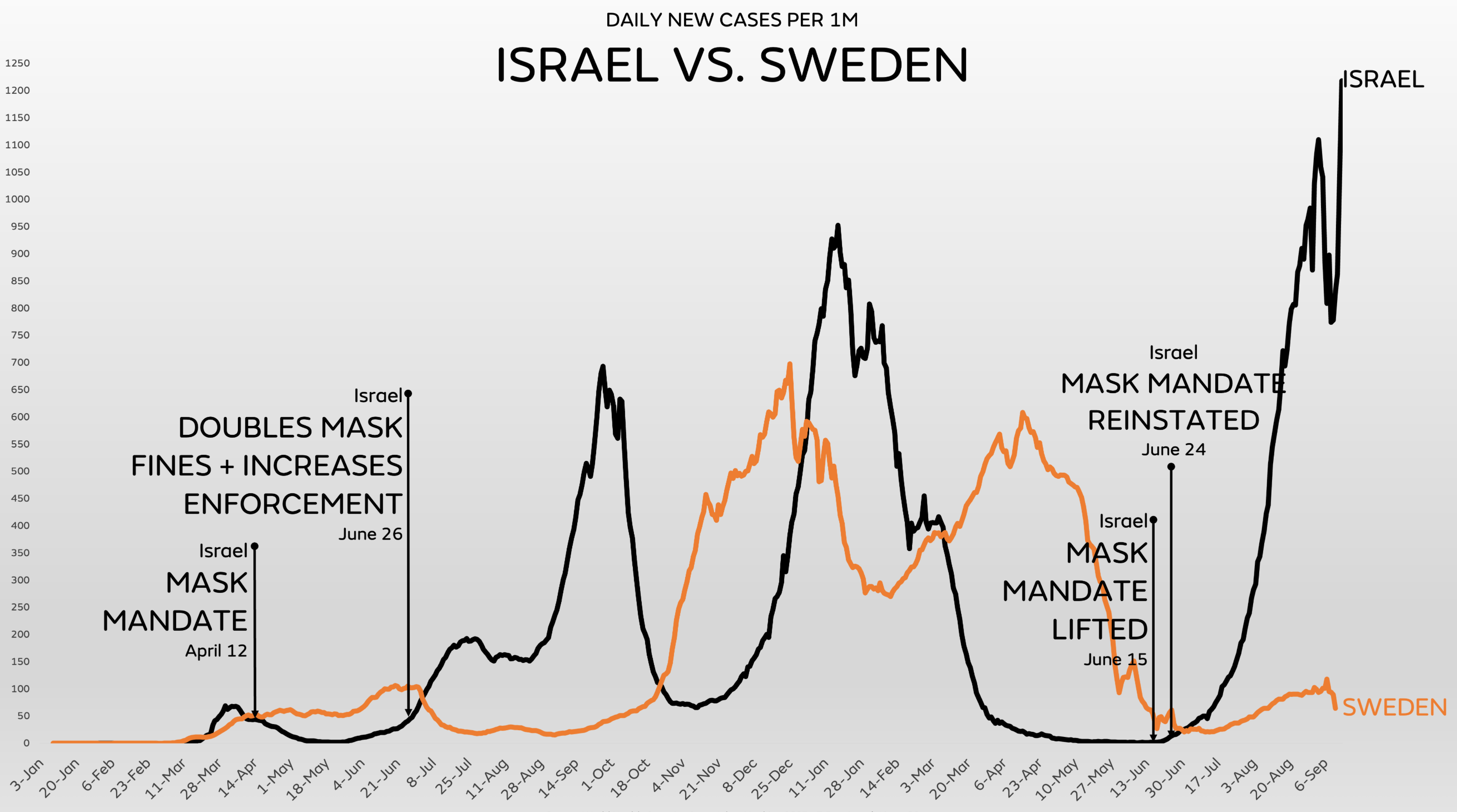
The English decide to stay in their foxholes (COVID surge despite vaccination)

“How UK PM Johnson decided to delay COVID reopening” (Reuters):

British Prime Minister Boris Johnson on Monday delayed by a month his plans to lift the last COVID-19 restrictions in England after modelling showed that thousands more people might die due unless reopening was pushed back.

The move was due to the rapid spread of the Delta coronavirus variant, which is more transmissible, associated with lower vaccine effectiveness against mild disease and could cause more hospitalisations in the unvaccinated.

Models commissioned by the government showed that without a delay to the planned June 21 reopening, in some scenarios hospitalisations could match previous peaks in cases when ministers feared the health system could be overwhelmed.

Britain has one of the fastest vaccine rollouts in the world, with over half of adults receiving both doses and more than three quarters receiving at least one, which has led some to question why restrictions need to be extended.

As Johnson announced the postponement, Public Health England published data showing shots made by Pfizer (PFE.N) and AstraZeneca (AZN.L) offer high protection against hospitalisation from the variant identified in India of 96% and 92% respectively after two doses. read more

Are we seeing the difference between the lab (the vaccines work against this variant) and the real world (the virus is smarter than humans)?

Separately, can we infer anything about our future based on the English experience? If the variant virus is overpowering the vaccinated herd in the U.K., should we expect a raging plague here by the fall (with associated lockdowns, mask orders, etc., in Church of Shutdown states)?

The official U.K. “curve”:

Related:

Full post, including comments
Medical School 2020, Year 3, Week 17 (Outpatient Gyn)

Outpatient gynecology week begins at a clinic with two nurse practitioners. Two-thirds of appointments are routine obstetric visits; one-third are gynecology visits (annuals and acute problems). Sixty percent of patients are enrolled in Medicaid; the remaining 40 percent are typically uninsured, but a social worker employed by the hospital is tasked with signing them up for Medicaid. The office runs like a typical doctor’s office… except there is no doctor. In theory, the NPs can call the inpatient gynecology attending who will drive over (20 minutes) from the hospital, but this didn’t happen during my two days.

My first patient is an outgoing postmenopausal 54-year-old botoxed blonde presenting for vaginal itching. She divorced her husband six months ago and co-founded a rental business with her handyman, with whom she now files. Their first property on the market was the ex-husband’s former house. She reports that during the early phase of her relationship with the handyman, she had sex with her ex-husband “a few times, huge mistake”. She emphasizes that for the past month she has been faithful to her new lover, but reports vaginal itchiness and discharge. She is concerned that she may have an STD. “I just pray I don’t have to tell my ex-husband. The bastard would tell my [teenage] children to turn them against me.” The NP supervises while I perform a speculum exam. I swap the cervix then prepare a wet (saline) and KOH slides to analyze under the microscope. Urine sample tests negative for chlamydia and gonorrhea. We reassure her that she does not have an STD, just bacterial vaginosis (multiple clue cells under microscope are diagnostic) and prescribe a seven-day course of Flagyl (metronidazole) 500mg BID (twice daily).

The NP schedules me for all three gynecology visits so I can practice speculum exams (nurse chaperone in room) while she keeps on time with the short routine OB. I see two OB visits on my own before she comes in. The last patient I see jointly with the NP. She is a withdrawn 17-year-old G2P1 at 16 weeks presenting for her initial OB visit. She is accompanied by an older sister. I communicate the schedule of upcoming OB visits (e.g., 20-week anatomy scan, glucose tolerance test, bacteriuria screening, Rhogam at 28 weeks, etc.). “I’ll have to make sure I can get out of school and that my sister can drive me.” The older sister says that she hopes the soon-to-be-mother-of-two will stay in high school and graduate. “Is the father aware of the child?”  The older sister responds, “Yes, he’s in school, but isn’t going to be involved. Our parents are going to take care of the new baby.”

After the visit, the NP recounted her experience as a nurse on the obstetrics triage floor. “We had a 12-year-old come in for a missed period. We asked the patient if she was having sex. No. Intercourse? No. Then a resident finally comes up and says: ‘Are you doing it?’ ‘Well yeah, I’m doing it.’ We immediately started to get worried about incest. Back in the day you’d get worried about a 12-year-old having sex. Now we don’t even bat an eyelid.”

I leave at 3:00 pm for the afternoon gynecologic oncology lecture. Our attending goes over the common gynecologic cancers: ovarian, endometrial, and cervical. She summarizes: “Ovarian cancer patients die of malnutrition, endometrial cancer patient die of a heart attack [patients are generally  obese with multiple comorbidities].” She continues: “Does cervical cancer run in families?  After a pause, Nervous Nancy responds, “No, it’s not a genetic disease, it’s about behavioral risk factors — HPV exposure and smoking.” The attending answers: “You’re correct about the risk factors, but cervical cancer does end up clustered in families because failure to access the health care system runs in families. My cervical cancer patients have not been to the doctor in over 10 years, or at least haven’t gotten a pelvic exam in 10 years. Sometimes they have been seen by an internist a few times who just have given up performing pelvic exams in their practice. Cervical cancer patients die of renal failure, that’s a good death. Uremia, you just fall asleep. The patients are young, typically 50 years old but it’s a good death unlike ovarian cancer.” (The working lower middle class are in the worst shape for access, suffering from massive insurance co-pays and being ineligible for the various free care options.)

She describes the challenges of patients consuming online information and the Power of the Pink Ribbon. “I had a sister who sent me an article saying OCP [oral contraceptive pills] increase the risk of breast cancer. I followed the link and it cited a 2014 article assessing high-dose estrogen-only pills, which are never used now. It just shows you how much false information is online. This stuff can impact your health. OCPs actually prevent breast and gynecologic cancers.” She continues: “Now keep in mind the vast majority of women who get breast cancer do not have ANY of the risk factors we talk about.  There is a high enough baseline risk that every woman over 45 should be getting a mammogram.”

[Editor: See “National expenditure for false-positive mammograms and breast cancer overdiagnoses estimated at $4 billion a year.” (2015), a study done using the insurance claim database that we have at Harvard Medical School. “Populationwide mammography screening has been associated with a substantial rise in false-positive mammography findings and breast cancer overdiagnosis.” Many of the lives saved from cancer that have been chalked up to mammograms were in women who did not actually have cancer. It turns out that waiting for a lump is as reliable a way of finding true cancers as mammography. Switzerland, which spends much less on health care and enjoys longer life expectancy, has eliminated routine screening mammography. The U.S. meanwhile, is doubling down on medical interventions. The government issued a February 11, 2019 recommendation to put all higher-risk women on aromatase inhibitors.]

On Wednesday, I am in a different outpatient clinic: the “resident clinic” for high-risk OB. This one is led by a 5’4″ no-nonsense PGY4. My first patient is an uncontrolled obese T2DM G3P2002 (type 2 diabetes; third pregnancy; two babies delivered at term; zero pre-term; zero miscarriages; two living children) presenting for her initial OB visit at 8 weeks. I go in first to get a history and complete a basic physical with doptone heart rate, waiting for the resident before beginning the pelvic exam. The unkempt diabetic single mom does not check her sugars. She hasn’t followed up with her endocrinologist because she owes $150 (she should be eligible for Medicaid, but hasn’t jumped through all of the paperwork hoops). 

The patient describes vaginal discharge. We perform a speculum exam. I have to hold up several abdominal folds leading to a foul smell from candidiasis (yeast infection) while the resident performs the exam. We explain that she needs to use contraception if she doesn’t want to get pregnant again. “Those pills bad for the body.” (She may be correct; her uncontrolled hypertension is a contraindication for oral contraception.) The resident: “Yes, but it’s also unhealthy to keep having unwanted pregnancies, especially when you are overweight and have uncontrolled blood sugar.” She says she will consider contraception, but rejects the offer of an IUD insertion after delivery. The resident gets frustrated when her lecture on risks to the baby from uncontrolled diabetes is interrupted by incoming calls and texts on the Medicaid-eligible patient’s unsilenced iPhone X.

After several obese women described by the resident as  “simply refusing to take care of themselves, let alone their multiple kids,” I see a young immigrant couple. They earn too much to qualify for Medicaid, but found that insurance was unaffordable. The 24-year-old Indian 26-week nullip has a normal BMI, but was diagnosed with gestational diabetes at screening.  The husband brings a notebook of sugar logs. I circle two fasting and one 2-hr postprandial sugar value that were elevated within the past two weeks. Wow! I present the patient to my resident. “If they are tracking their sugars, they have good sugars,” the resident explains. “For every five terrible patients, many of whom have several children in foster care, you see a couple like this one. I’m glad you were able to see them. They can’t afford private practice so they come here, and they will be terrific parents.”

The outpatient clinic employs a full-time Spanish-language medically certified interpreter and she is present for roughly 50 percent of the visits. Visits with a Mandarin-speaking patient and an Arabic-speaking patient are cumbersome. Within the hospital, full-time Mandarin and Arabic interpreters are available in person. From the clinic, however, we use a phone-based service for interpretation, but it isn’t nearly as efficient as having a live interpreter in the room.

[Career tip from the Editor: the typical certified interpreter earns about $35/hour, or $70,000 per year working full time.]

Jane is on inpatient pediatrics. “After rounds we sit at a table finishing notes on our laptops. After a while, she does UWorld questions. She is partnered with Awkward Arthur, a 5’5” Asian 28-year-old who has had to remediate following most clinical skills exams. “He keeps looking over my shoulder. I eventually ask if he wants to do questions with me. And he starts trying to show me up. He does this in rounds too. He seems innocent, but he is a total gunner.”

Statistics for the week… Study: 4 hours. Sleep: 7 hours/night (showtime for outpatient work is 8:00 am); Fun: 2 nights. We see an Americana jam-band at a church turned into a concert hall by a local foundation with Sarcastic Samantha and Lanky Luke.

The rest of the book: http://fifthchance.com/MedicalSchool2020

Full post, including comments