Boeing B-17 crash at Bradley

Yesterday was a sad one for aviation enthusiasts due to the Boeing B-17 crash near Hartford, Connecticut.

Friends and reporters have been asking me about this, but it is tough to say much. A plane of that vintage does not have the hooks necessary to feed a flight data recorder (“black box”). There wouldn’t be any reason for the plane to have had a cockpit voice recorder either, though that would be comparatively simple to install.

Currently, the only clue as to what might have gone wrong is the following exchange with Bradley Approach:

  • Pilot: Boeing 93012 We’d like to return to the field.
  • ATC: November 93012 Sorry, say again.
  • ATC: What’s the reason for coming back?
  • Pilot: The number four engine. We’d like to return and blow it out.

The italicized words are a bit tough to make out, but I think that is what one of the airplane’s pilots said. My friends who fly planes with radial engines don’t know what this means and neither do I. Certainly it doesn’t mean anything for pilots of a conventional piston-powered Cirrus or Cessna.

[Speculation: Aviation gasoline is leaded to prevent detonation. Spark plugs are subject to lead fouling and a fouled plug will cause the engine to run rough. In the event of a failed magneto check during the preflight run-up, a technique for clearing the fouled plug and restoring the engine to smooth operation is to lean the mixture (less fuel per unit of air) and run the engine up to a reasonably high power setting on the ground. I haven’t heard anyone refer to this procedure as “blow it out,” but perhaps that is what was meant.]

After this exchange, the radio exchanges were essentially ordinary until the plane landed short of Runway 06, damaging the approach lights (out of service by NOTAM issued shortly after the crash: “RWY 06 ALS U/S 1910021702-1910092000EST”), and eventually veered off into the de-ice area to the right of the runway (airport diagram). The ILS 6 procedure says that the runways has an ALSF-2 approach lighting system and this FAA document says that those lights should start about 2,400′ before the runway pavement begins.

Flying a multi-engine plane after an engine failure is challenging due to the fact that the plane wants to yaw and roll (good explanation). If the pilots do everything right, the plane will fly slightly sideways and with reduced performance. That’s assuming a working feathering mechanism for the propeller on the dead engine, though, so that the prop blades can be turned into knife edges rather than massive speed brakes. After the initial reconfiguration and getting the prop feathered, touching down is the trickiest part. A plane flying slightly sideways through the air is inefficient. A plane going sideways off the runway is crashing.

[When I was fresh from my multi-engine instructor rating, I wrote up this page on how one trains for the failure of an engine on one side. See also my post about how I was unable to pull on the correct lever during my own training and our MIT ground school class, in which this topic is covered during Lecture 19 (PPT and video linked and free to download).]

Both pilots of this airplane died in the crash (Hartford Courant) so we may never find out exactly what happened. I looked them up in the FAA Airmen Registry:
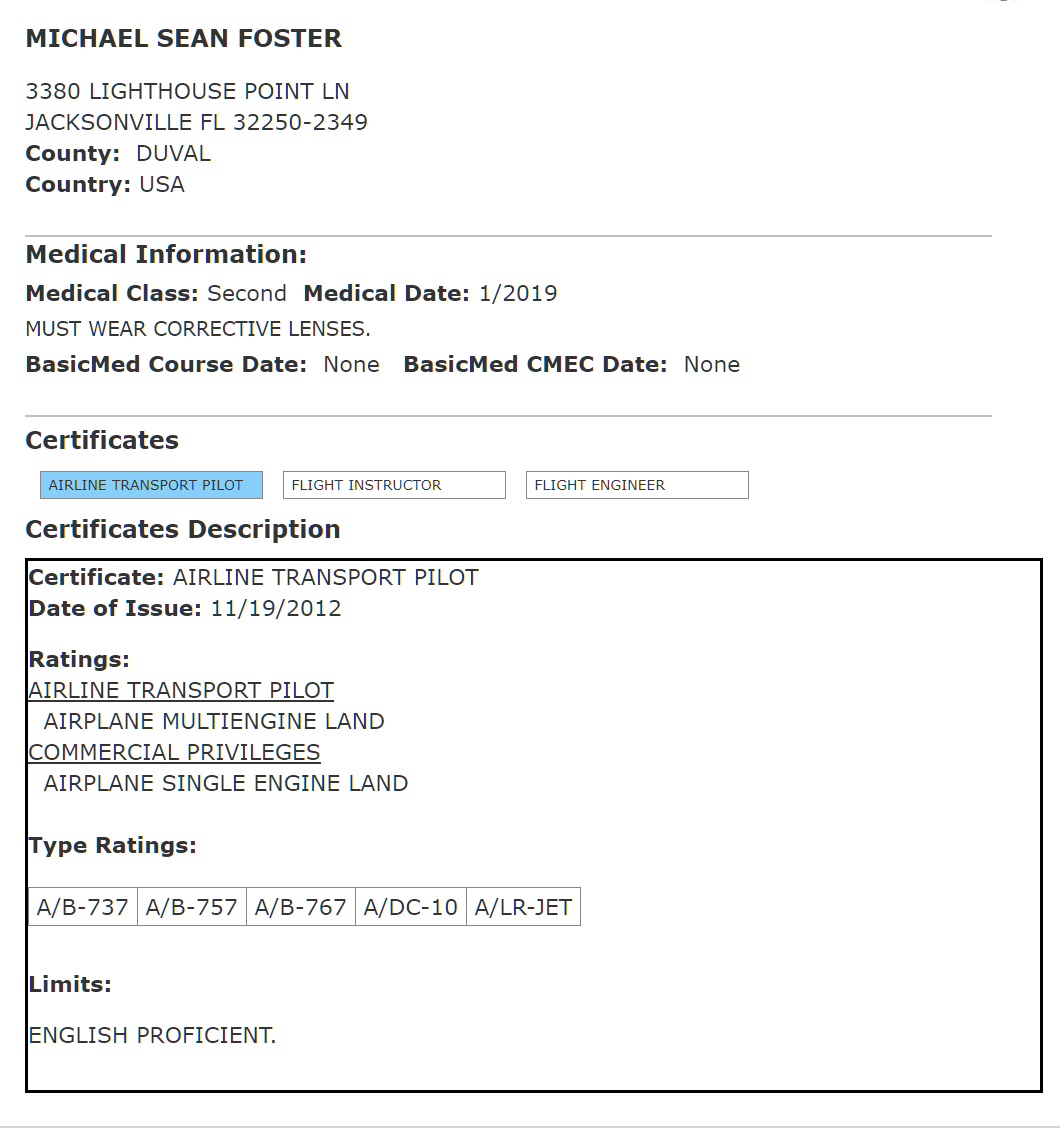
Airplanes heavier than 12,500 lbs. or powered by turbojet engines required specific training and a checkride to add a “type rating” to fly that type of aircraft. The B-17 can take off at more than 50,000 lbs. and therefore requires a type rating for the captain. I believe that it also requires a two-pilot crew at a minimum (and in World War II was flown with two additional flight crew members: a flight engineer and a navigator). Depending on the operation, the second crew member need not be typed.

Michael Sean Foster, described in the media as the “co-pilot,” had a significant amount of aviation experience. He starts out with an Airline Transport Pilot certificate, the highest level, and is typed in three Boeing airliners, the DC-10, and the Learjet. He also holds an FAA Flight Engineer certificate, which would have qualified him to serve in this position in planes such as the DC-10. He was a Navy carrier pilot veteran. Ernest Herbert McCauley, who was serving as the “pilot”, held a Commercial certificate and was typed in the B-17. The NTSB credited McCauley with 7,300 hours of B-17 time; a World War II bomber pilot might have come home with 250 hours of total time in the B-17 (from 25 missions). He also held an FAA A&P certificate to perform maintenance on certified aircraft.

Weather cannot have been a factor. Tower reported “wind calm” just before the plane returned. The plane took off at 1348Z (9:48 am local time). The METAR from three minutes later: KBDL 021351Z 00000KT 10SM FEW110 FEW140 BKN180 23/19 A2981 (“Bradley Airport, October 2, 1351Z time, wind calm, 10 statute miles of visibility, few clouds 11,000′ above the airport elevation, few clouds 14,000′ above the airport, broken layer of clouds 18,000′ above the airport, temperature 23C, dewpoint 19C, altimeter setting 29.81”).

The Collings Foundation is a great organization, based here in Massachusetts as it happens, and everything that I’ve seen them do has been done with meticulous attention to safety, detail, and historical accuracy on a spare-no-expense basis.

Not having any B-17 training or time myself, that’s all that I know. It was good weather at a great airport, an aircraft that was likely maintained as well as possible, a plane that can fly safely on three engines, and two pilots with a tremendous depth of experience. Very saddened that it didn’t work out better.

Related:

Full post, including comments

Trump is building a wall for only $64 million and in only two years

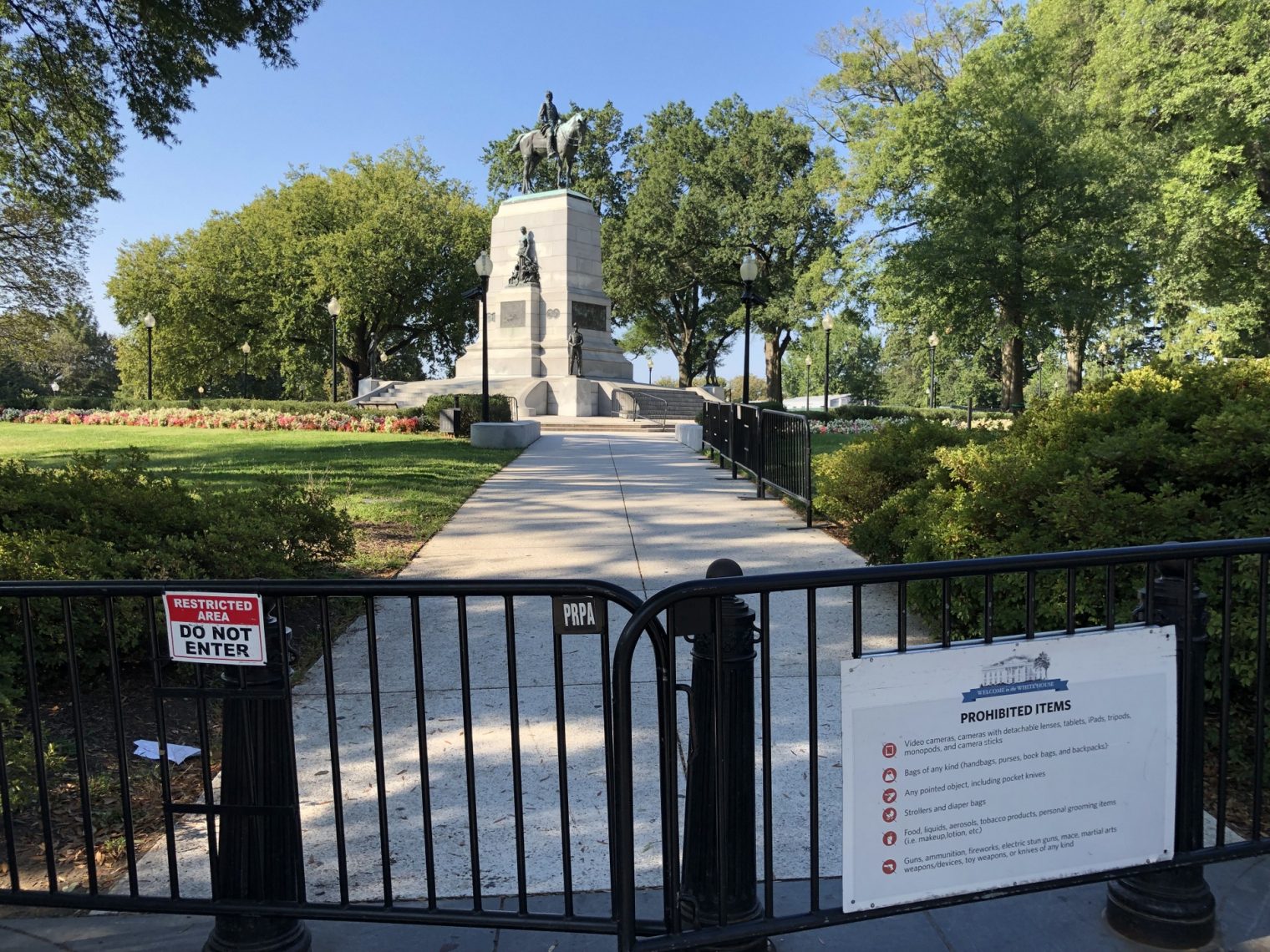
From a recent trip to Washington, D.C.:

A large swath of recently public space (used by both tourists and protesters) has been blocked off and is now patrolled by assault rifle-toting guards. Part of this is associated with the construction of a new fence around the White House. The 3,500′ fence will, if there are no overruns, cost $64 million and take approximately two years (AP).

What if the the southern U.S. border fence were completed in this fashion? The White House fence is 0.66 miles long, so the cost will be approximately $100 million per mile. Wikipedia says that 649 miles of the 1,954-mile border is currently fenced. So if the same techniques were used down in Texas and New Mexico, we would be doing 1,305 miles at $100 million per mile, which comes out to a fairly reasonable $130 billion (a couple of months of spending on public housing and Medicaid?).

[Trump cannot take all of the credit for this achievement. The Feds say that planning began in 2014.]

The citizen in the photo above holds a “Hate Won’t Make America Great” sign, but the souvenir vendors a block away apparently disagree:

[Nancy Pelosi said that it was “immoral” to build a more extensive border fence (but the current 649 miles did not have to be dismantled, apparently, because those are the moral miles of fence?). If a Democrat wins the White House in 2020, will this $64 million project be abandoned?]

Full post, including comments

Asians all look same to Harvard and the Federal judge

In yesterday’s post on Judge Allison Burroughs ruling that it is legal for Harvard to engage in race discrimination, I wrote

why is it okay for the judge to imply that a group of Asians is lacking in diversity? “In her decision, Judge Burroughs defended the benefits of diversity … ‘The rich diversity at Harvard and other colleges and universities and the benefits that flow from that diversity,’ she added, ‘will foster the tolerance, acceptance and understanding that will ultimately make race conscious admissions obsolete.’” Isn’t the implication that if we assemble white and black Americans we have “rich diversity,” but if we assemble a group of Japanese, Korean, Chinese, Vietnamese, Thai, Cambodian, Burmese, and Indian students we have a boring monoculture?

A reader pointed out that there is already a web site for the Ivy League admissions officers and their Obama-appointed friends on the Federal bench: alllooksame.com.

Full post, including comments

National Museum of African American History and Culture

The crowds are thinning out at the Smithsonian’s National Museum of African American History and Culture. I simply showed up on a recent Sunday afternoon and was able to walk in (in theory this is possible only on weekdays in the off season).

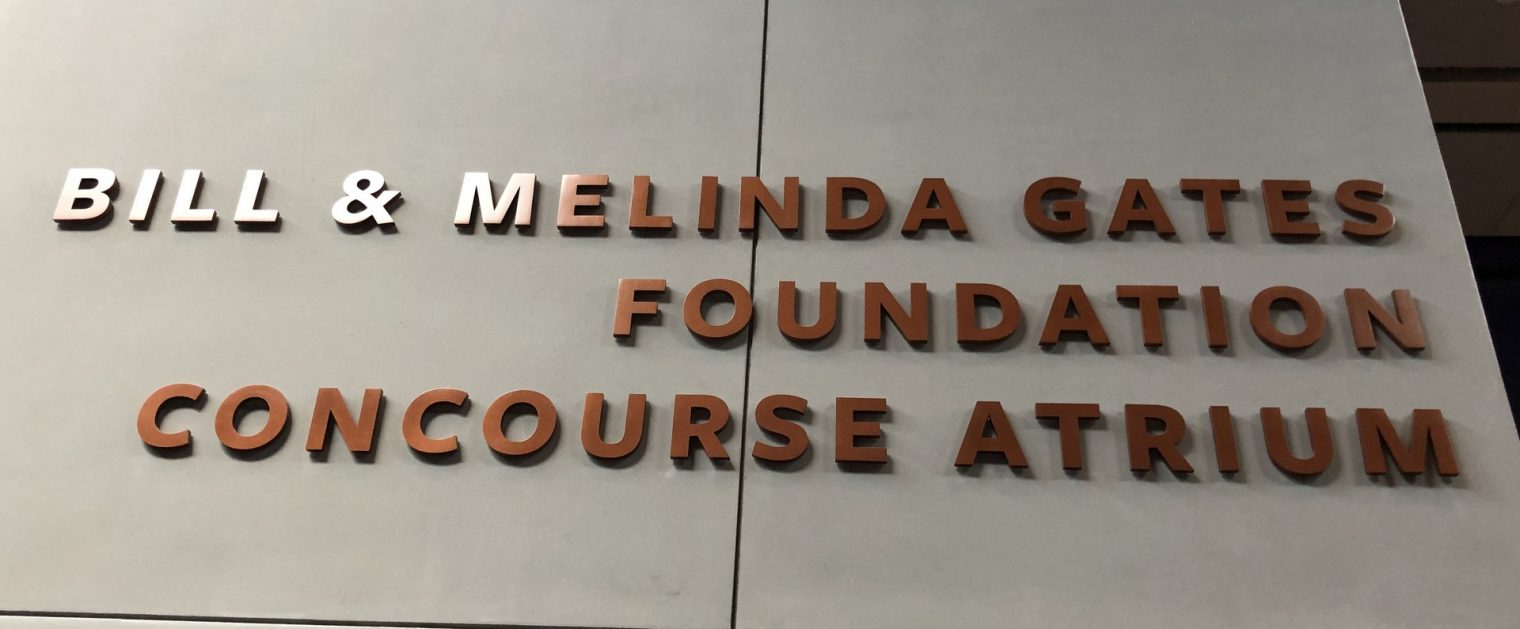
The most prominent funders of the museum are white do-gooders:

And they are challenging stereotypes by serving fried chicken and collard greens in the cafeteria:

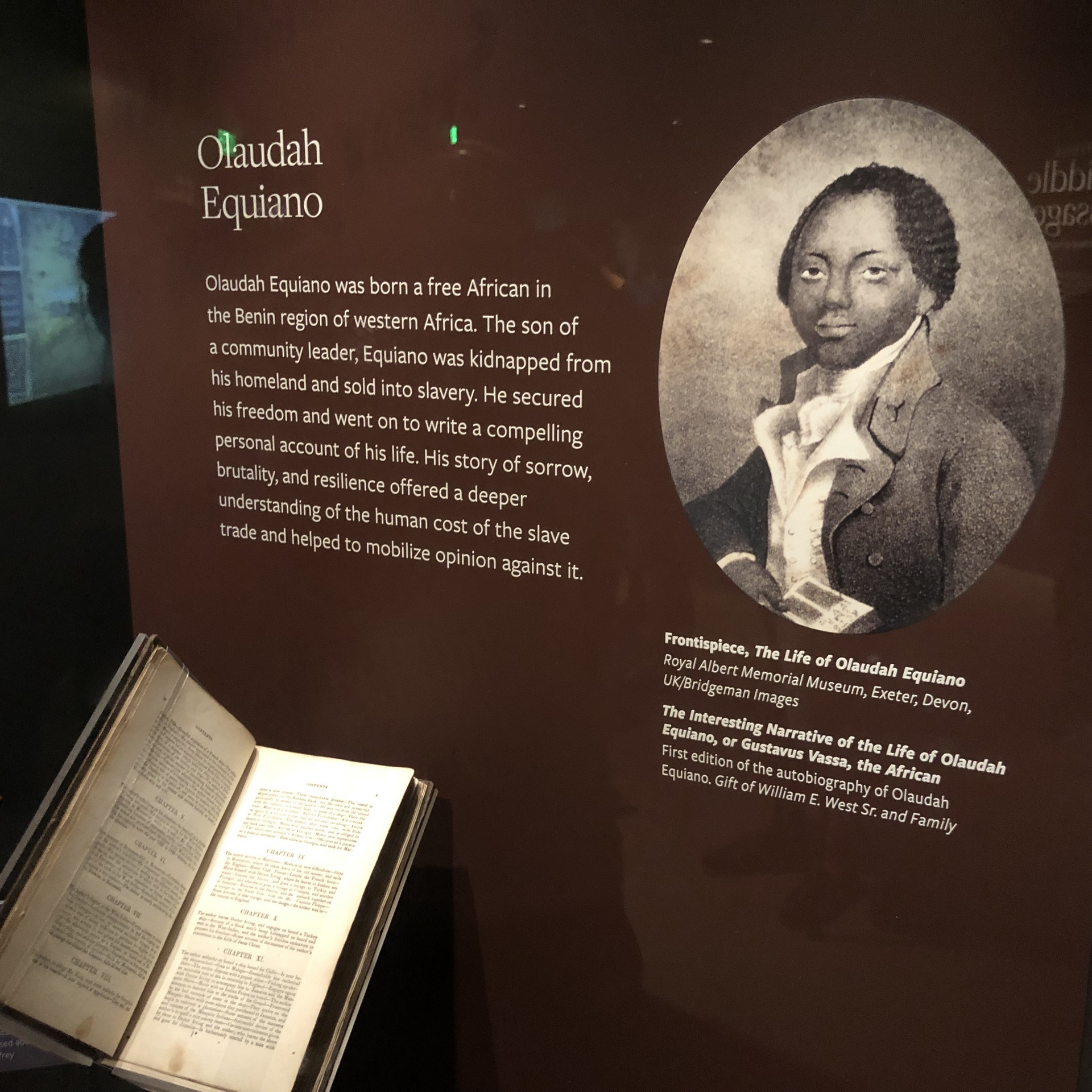
Slavery is presented as something that white Europeans did to African blacks. This sign regarding Olaudah Equiano is about as close as the museum ever gets to noting that black Africans were predominantly captured and sold into slavery by fellow black Africans and/or Arabs.

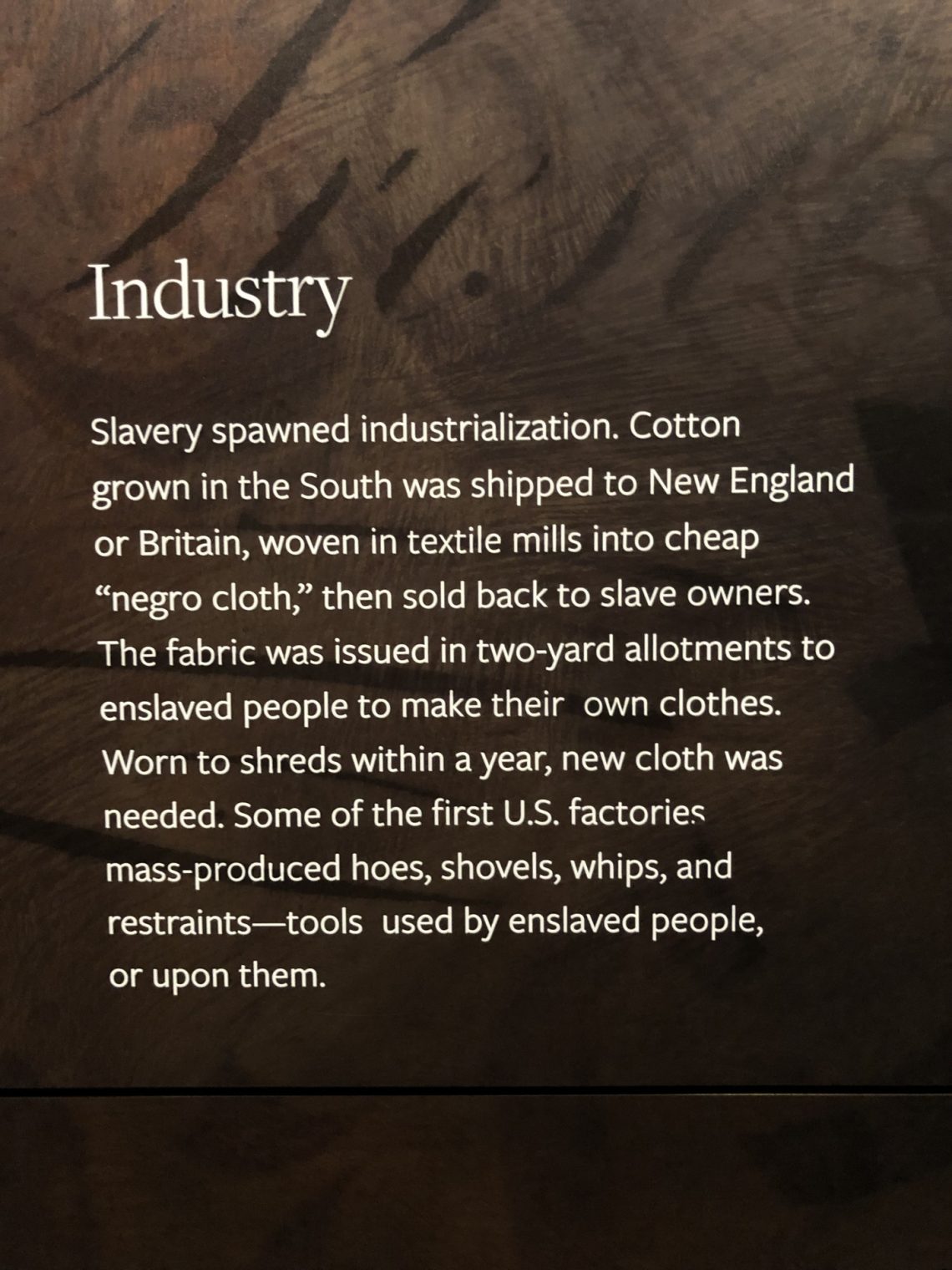
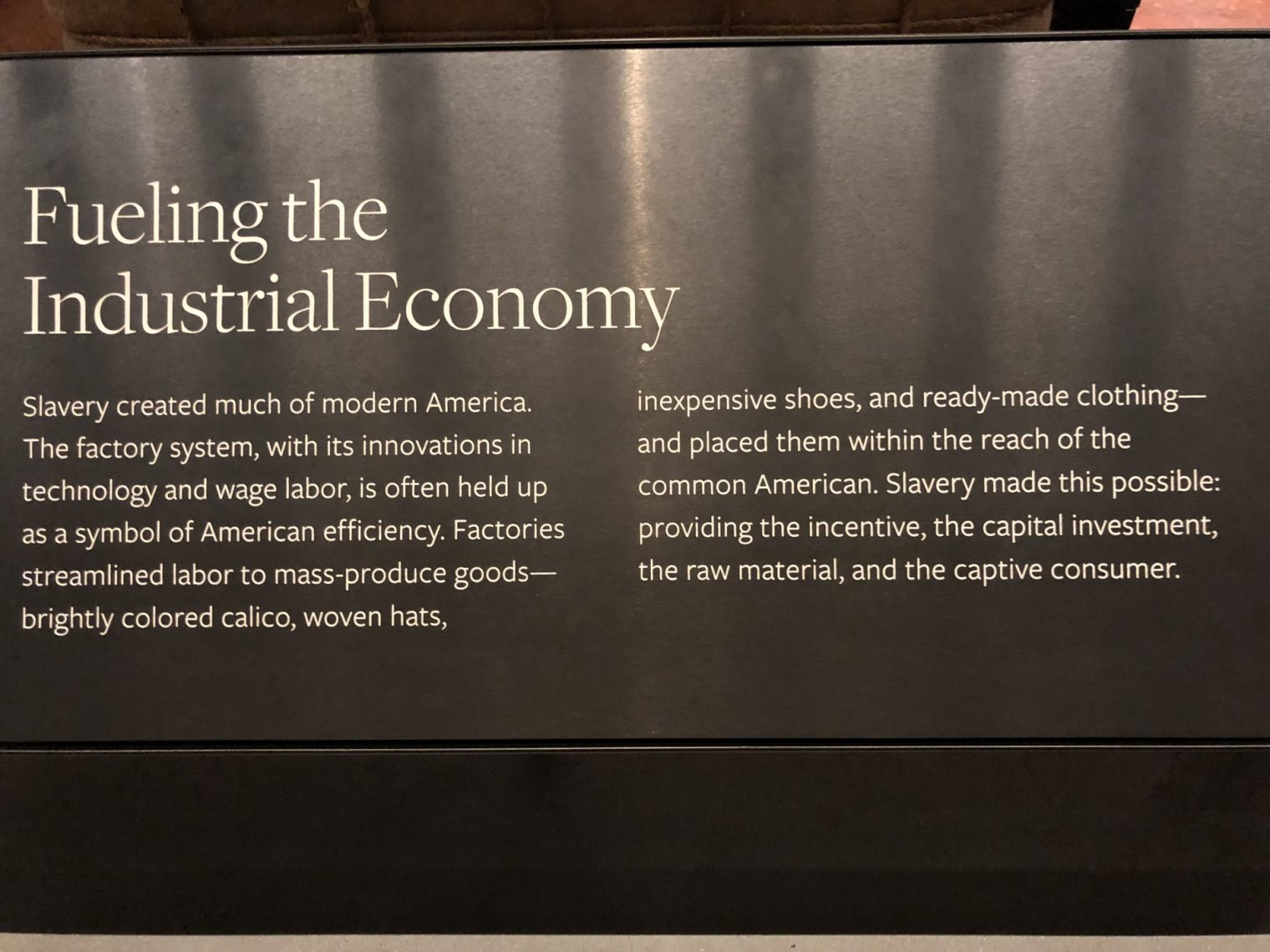
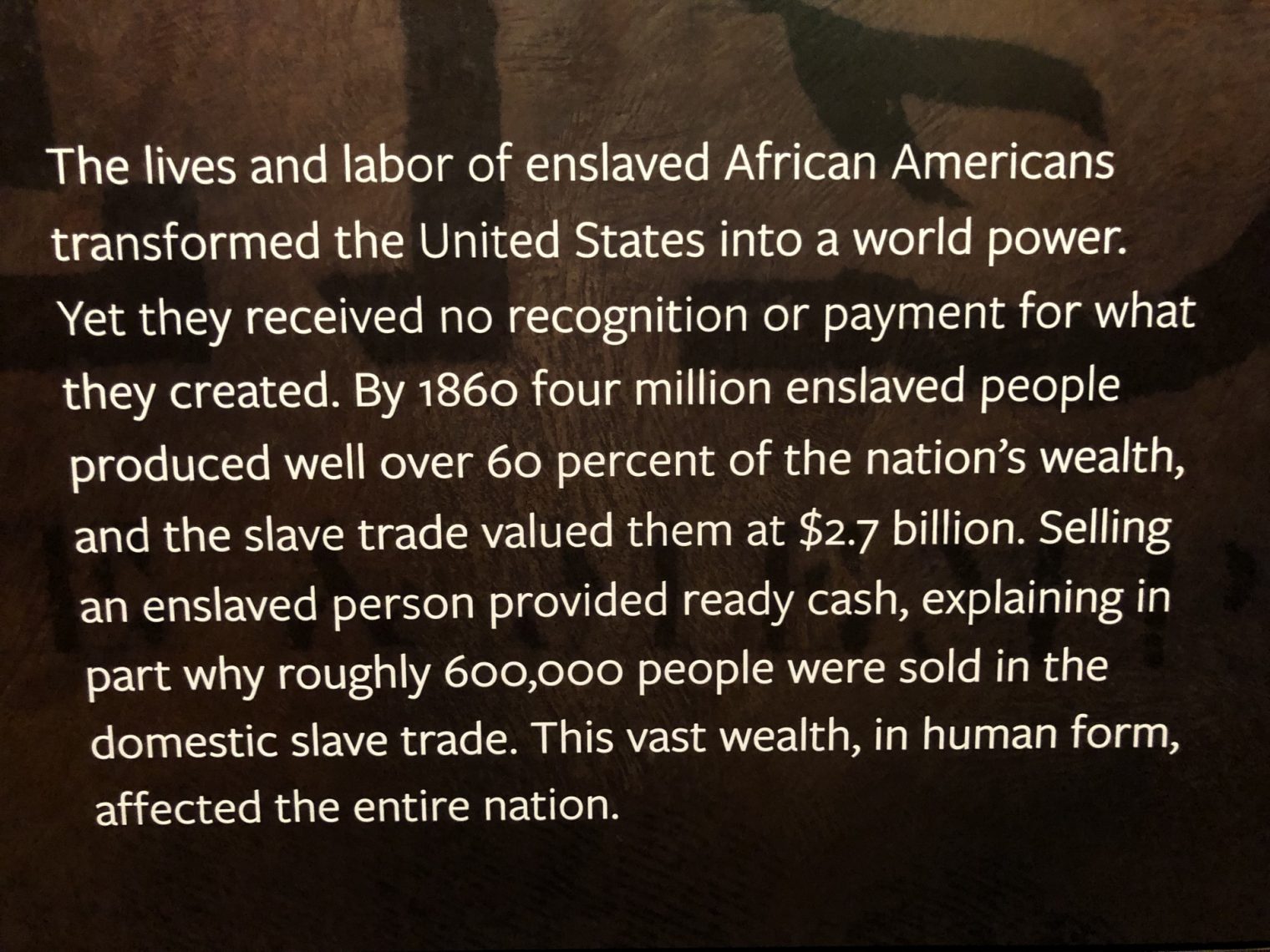
The museum confidently presents an economic history in which black labor is the basis of American wealth:

The Smithsonian does not explain how it is possible that enslaved blacks generated most American wealth and yet the South was much poorer than the North, to the point that it lost a war where the defense had a big advantage.

Suppose that the $250 million number for the value of cotton produced by slaves in 1861. A guesstimate of U.S. GDP at the time was $4.6 billion (source, in which it is noted that the $8.3 billion number for 1869 might be good, but earlier numbers are extrapolations).

Also, if slaves guarantee long-term wealth, why aren’t the other parts of the world that had a lot of slaves in the mid-19th century very rich today?

Most of the exhibits consist of “artifact plus explanatory written sign” that would have been familiar to a visitor to the British Museum circa 1759. And the collection is actually kind of short on artifacts, so much of the experience becomes reading while standing in a crowd. Will this be compelling for visitors in 25 years after everyone has grown up wearing AR glasses?

That said, there are some cool artifacts. A Stearman open-cockpit biplane trainer used by the Tuskegee Airmen:

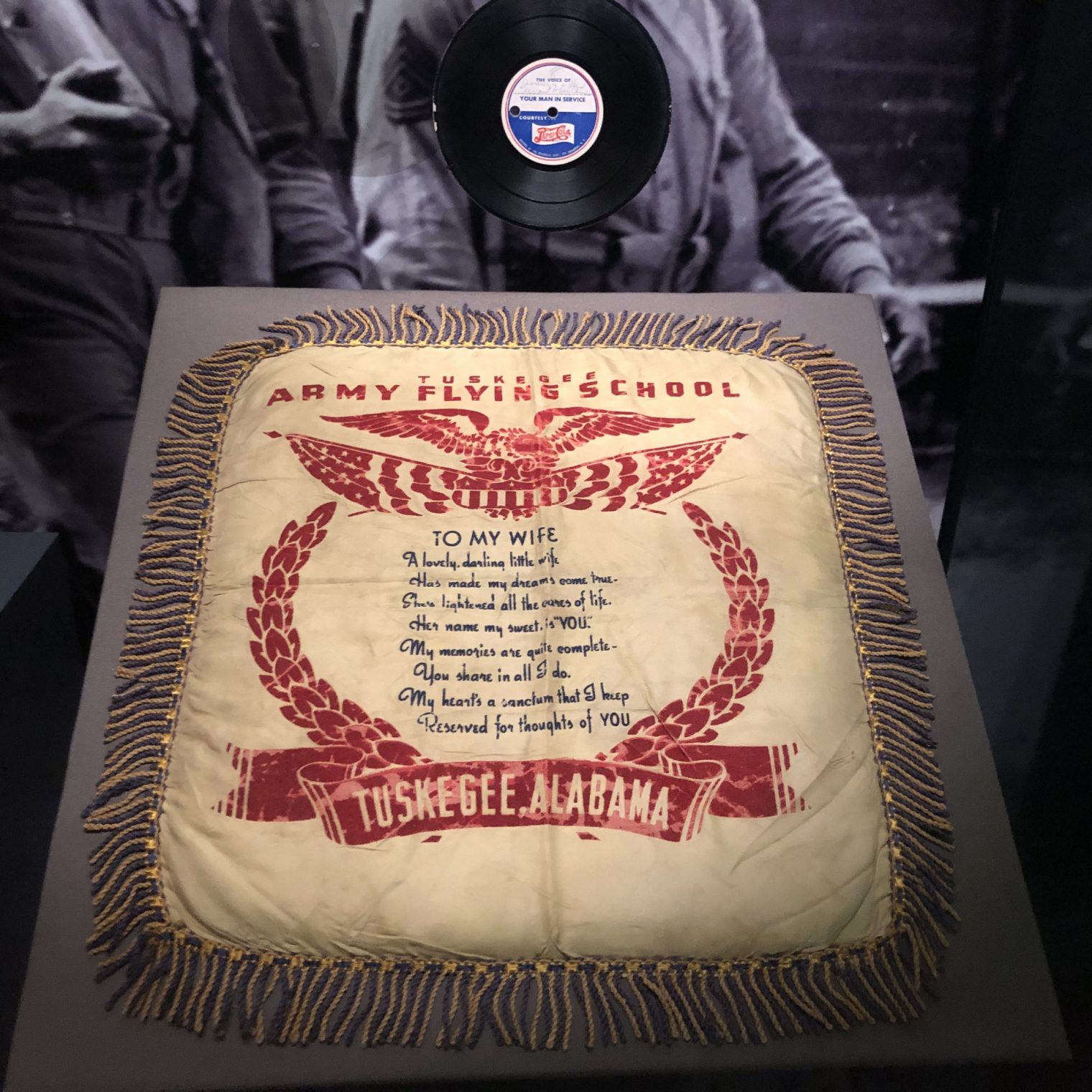
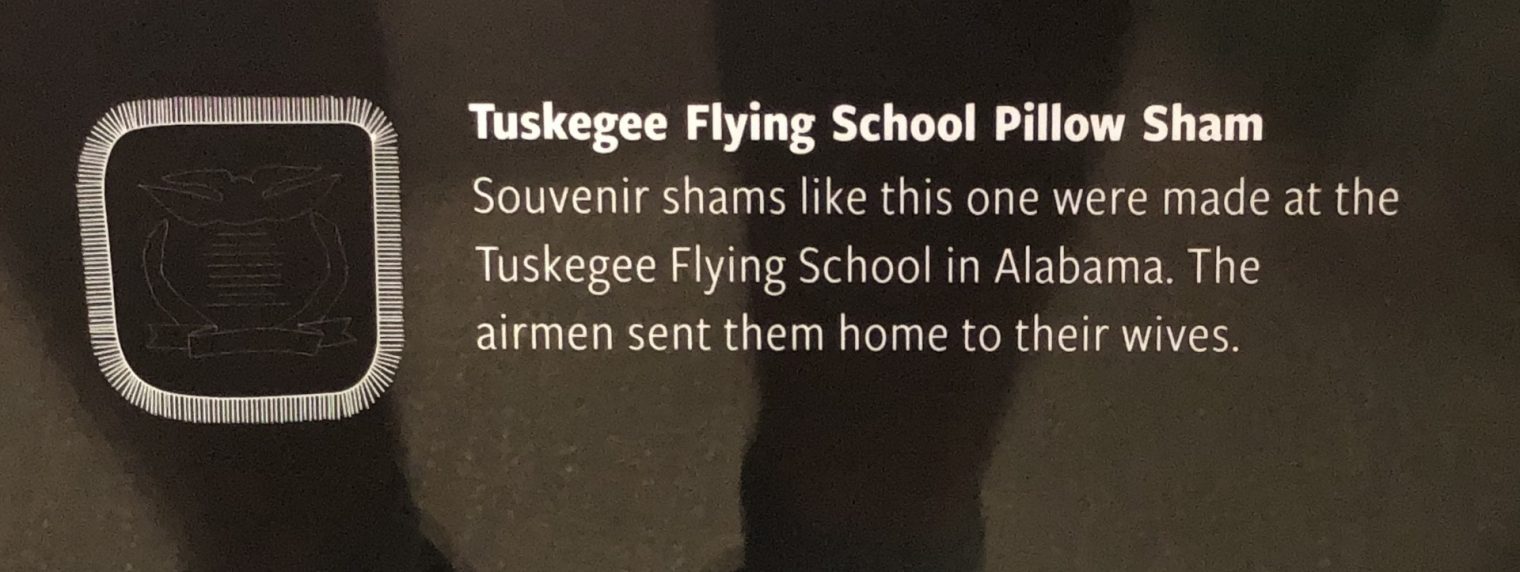
The most shocking revelation to me was that the future P-51 fighter pilots were also doing needlepoint:

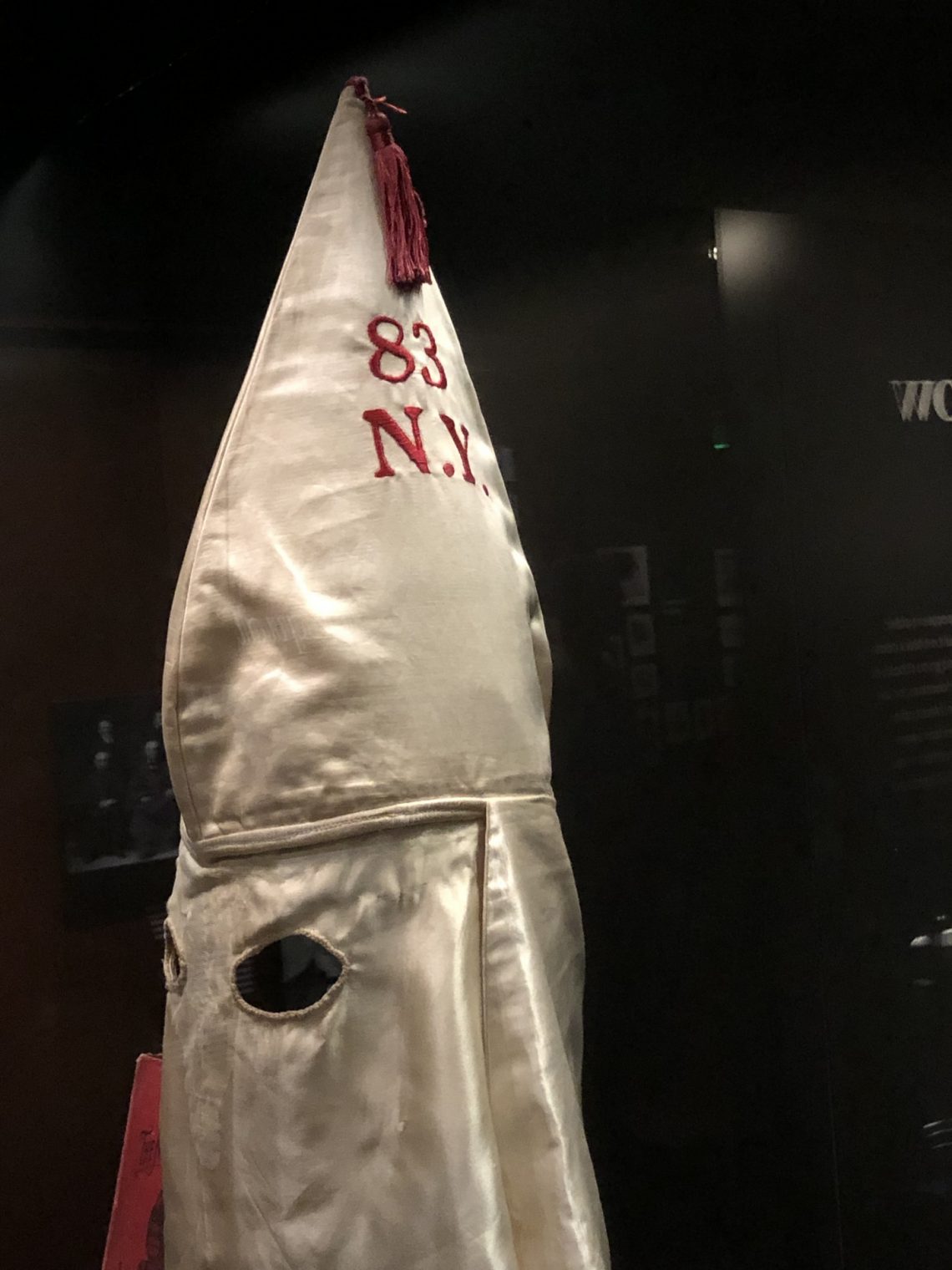
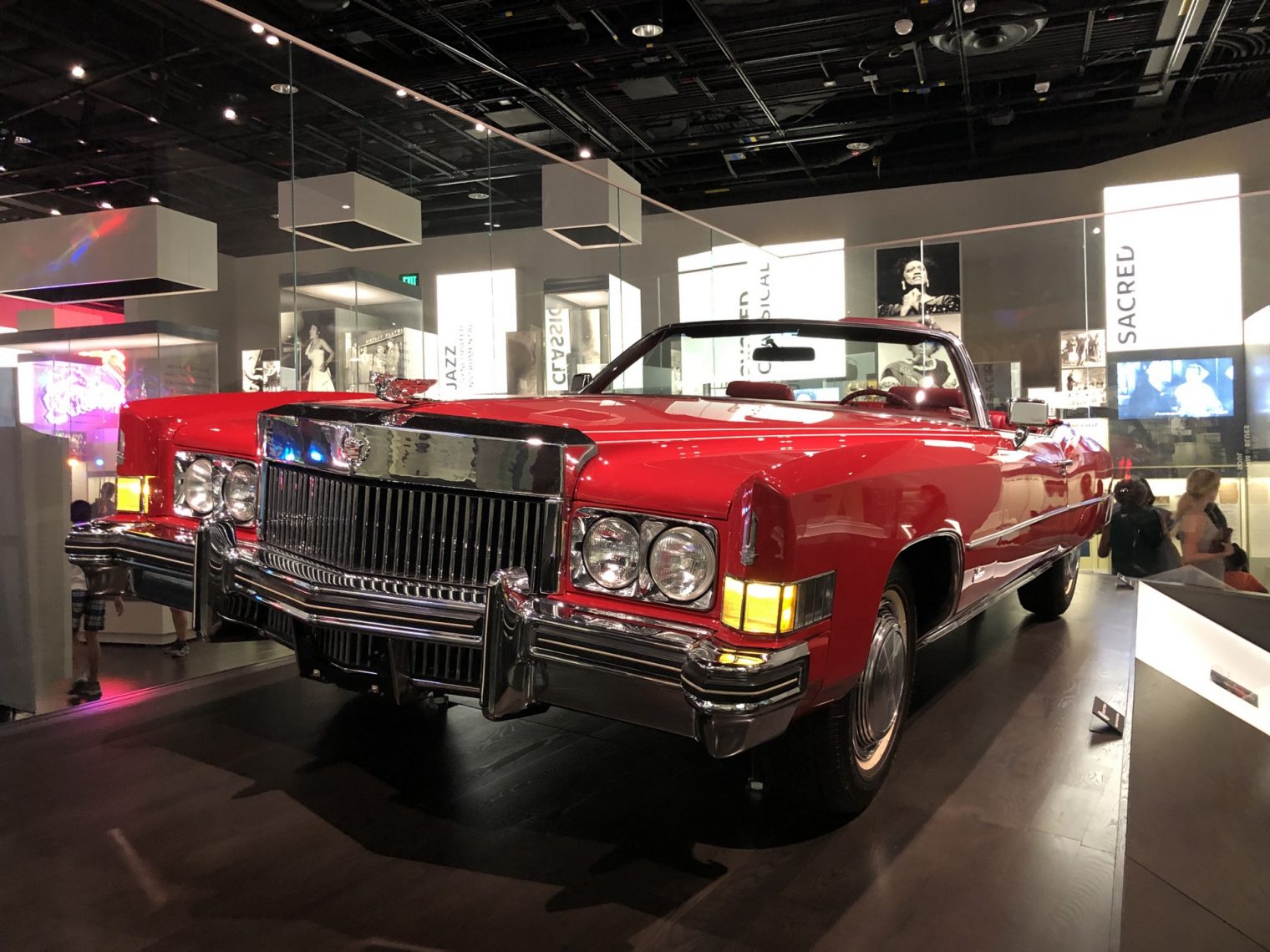
A KKK hood from New York and Chuck Berry’s Cadillac:

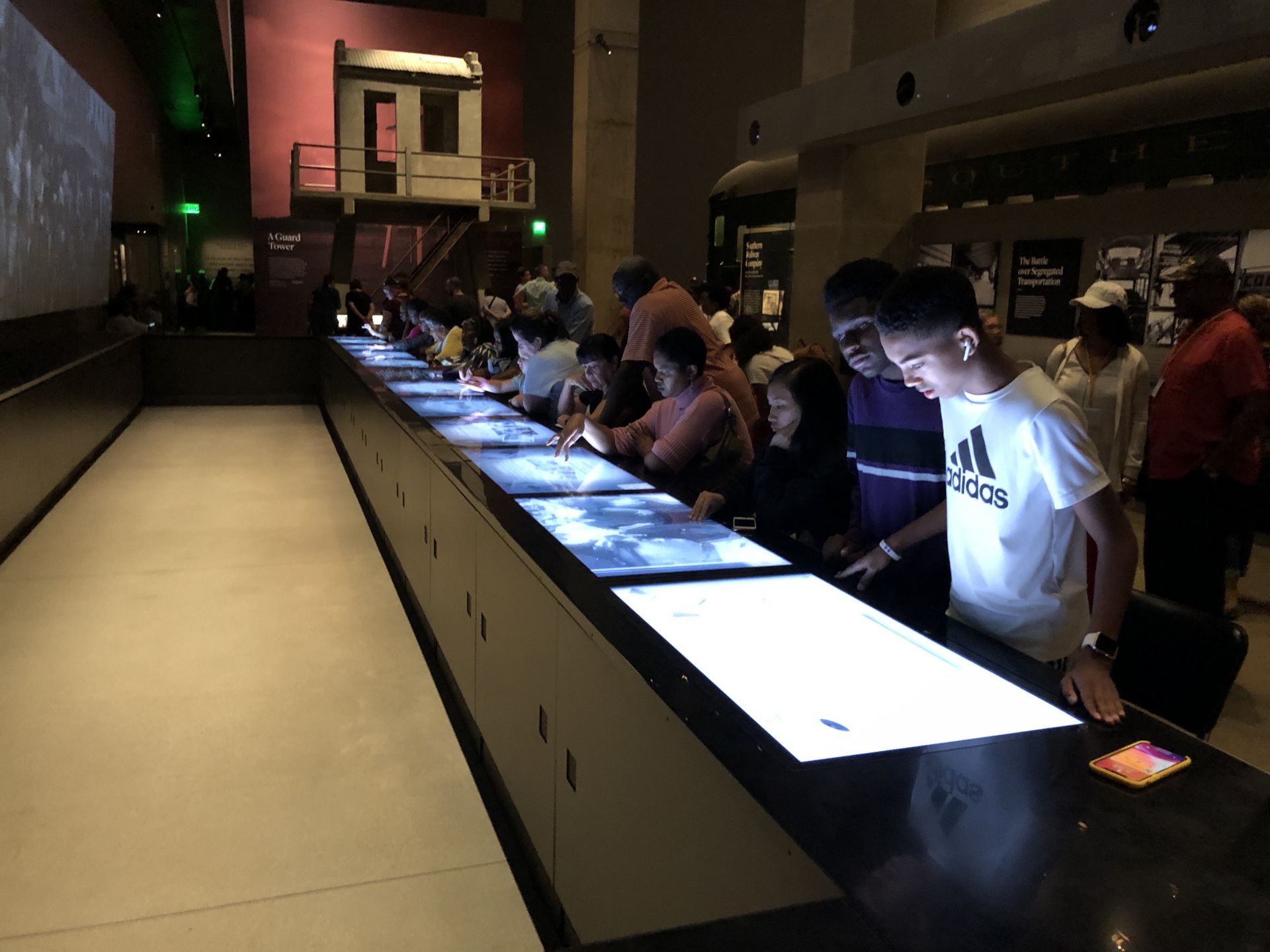
An updated touch-screen lunch counter for sit-ins:

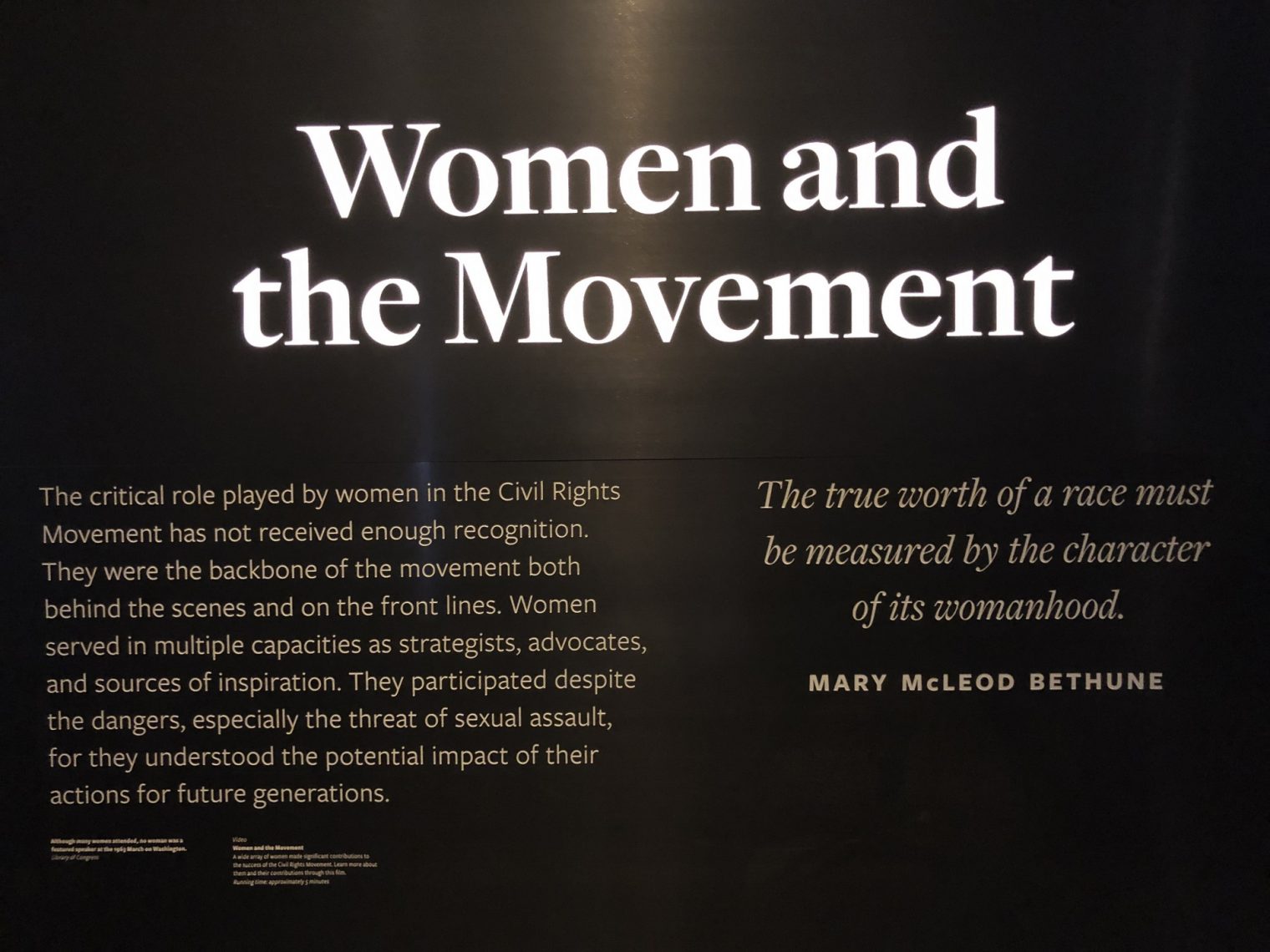
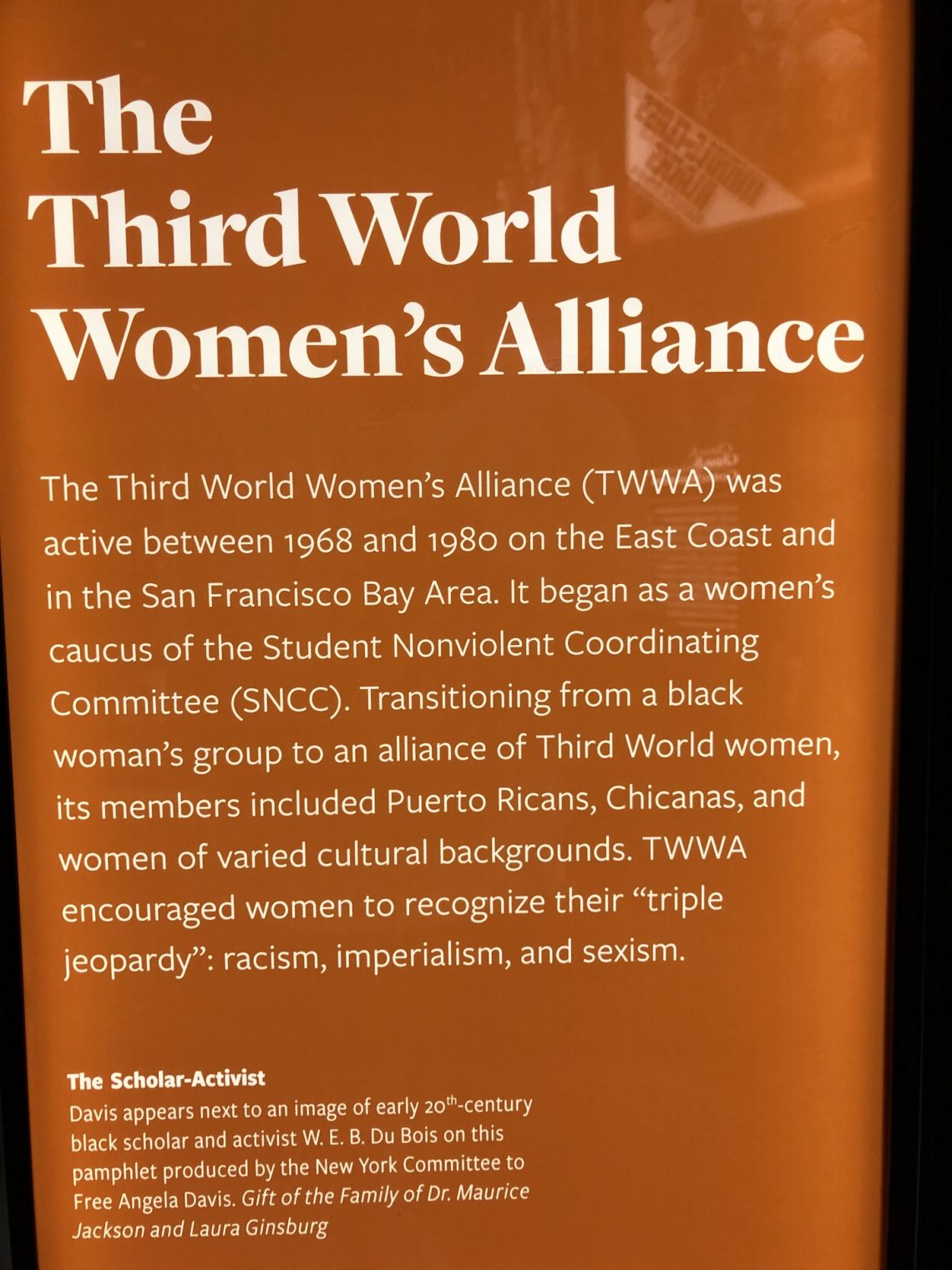
The museum explicitly notes that “the critical role played by women in the Civil Rights Movement has not received enough recognition,” that attention should be paid to a “black lesbian feminist group,” and that the Third World Women’s Alliance “encouraged women to recognize their ‘triple jeopardy’: racism, imperialism, and sexism.”

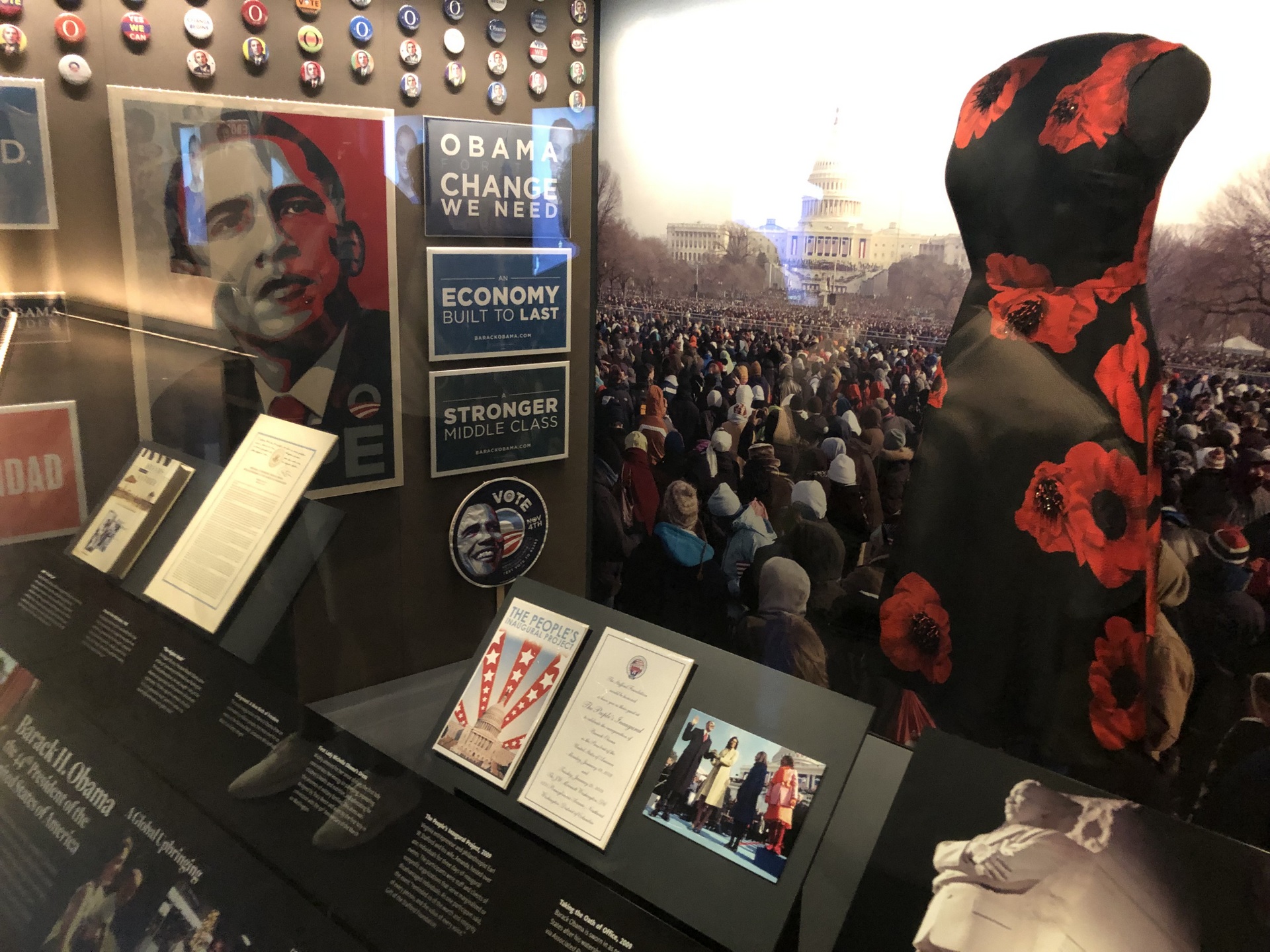
After telling visitors that women are important, the museum shows that one man’s achievements far exceed those of all women collectively:

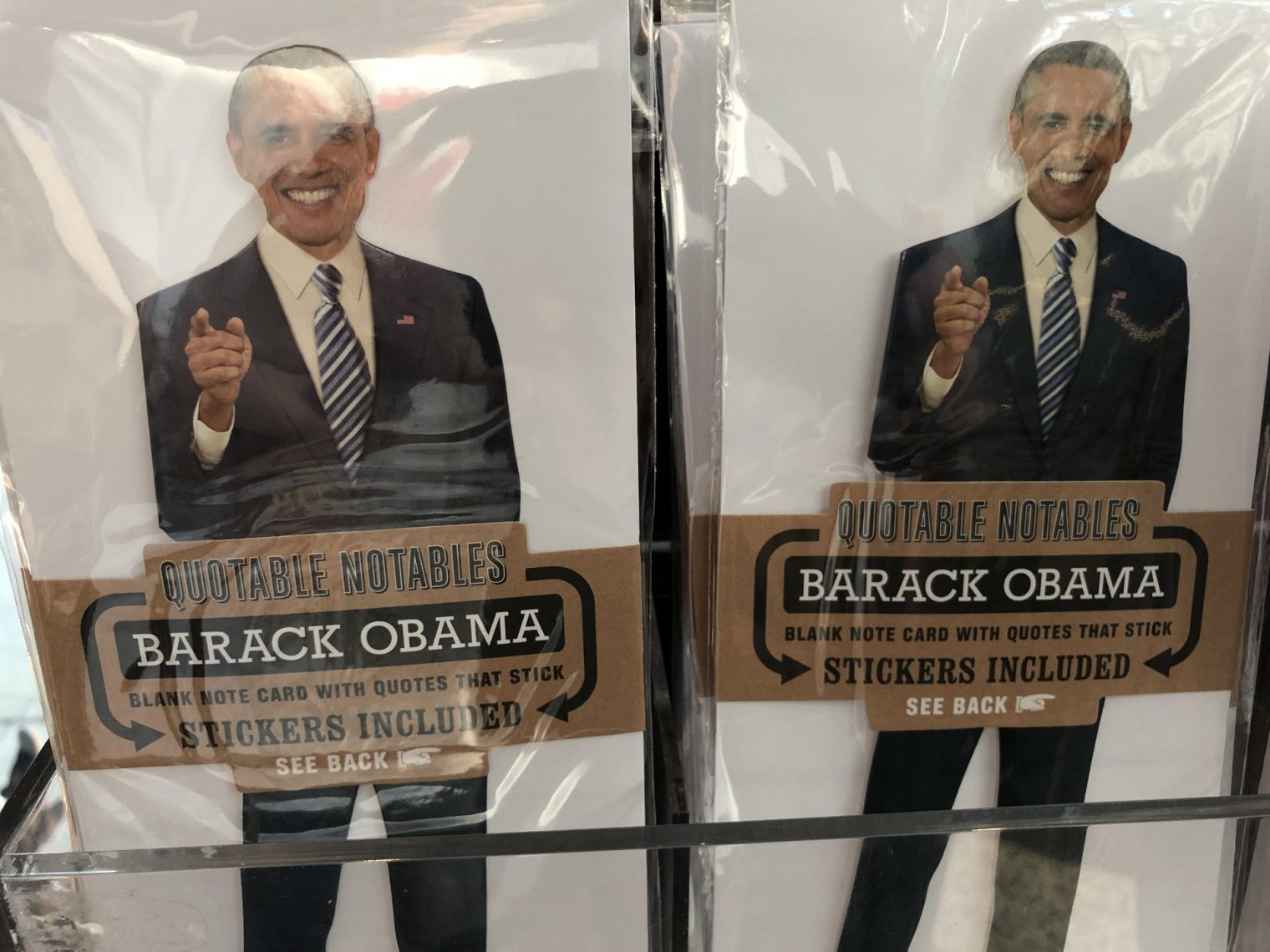
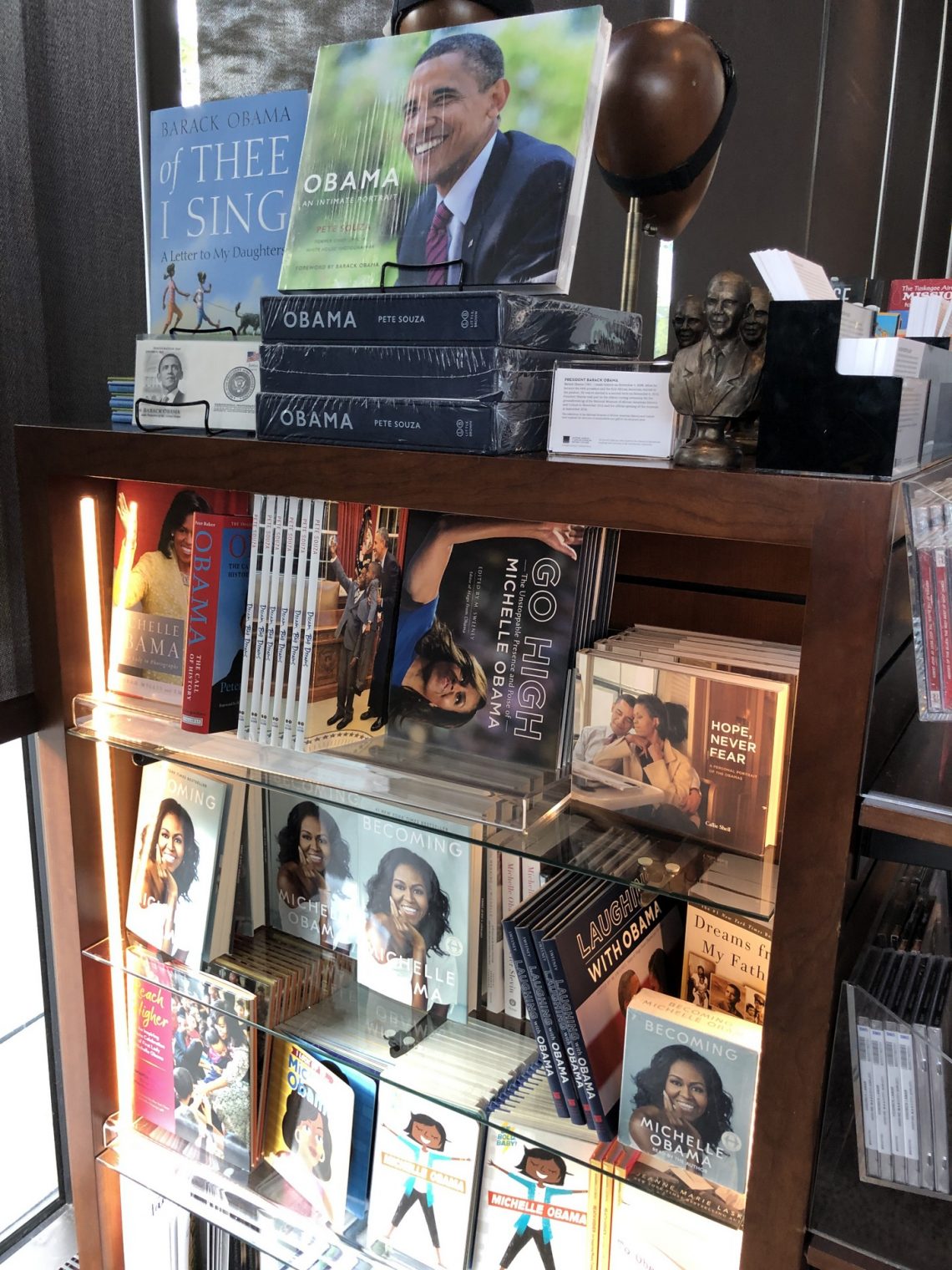
The shrine to Barack Obama, whose connection to formerly enslaved African Americans is never explained, continues in the bookstore:

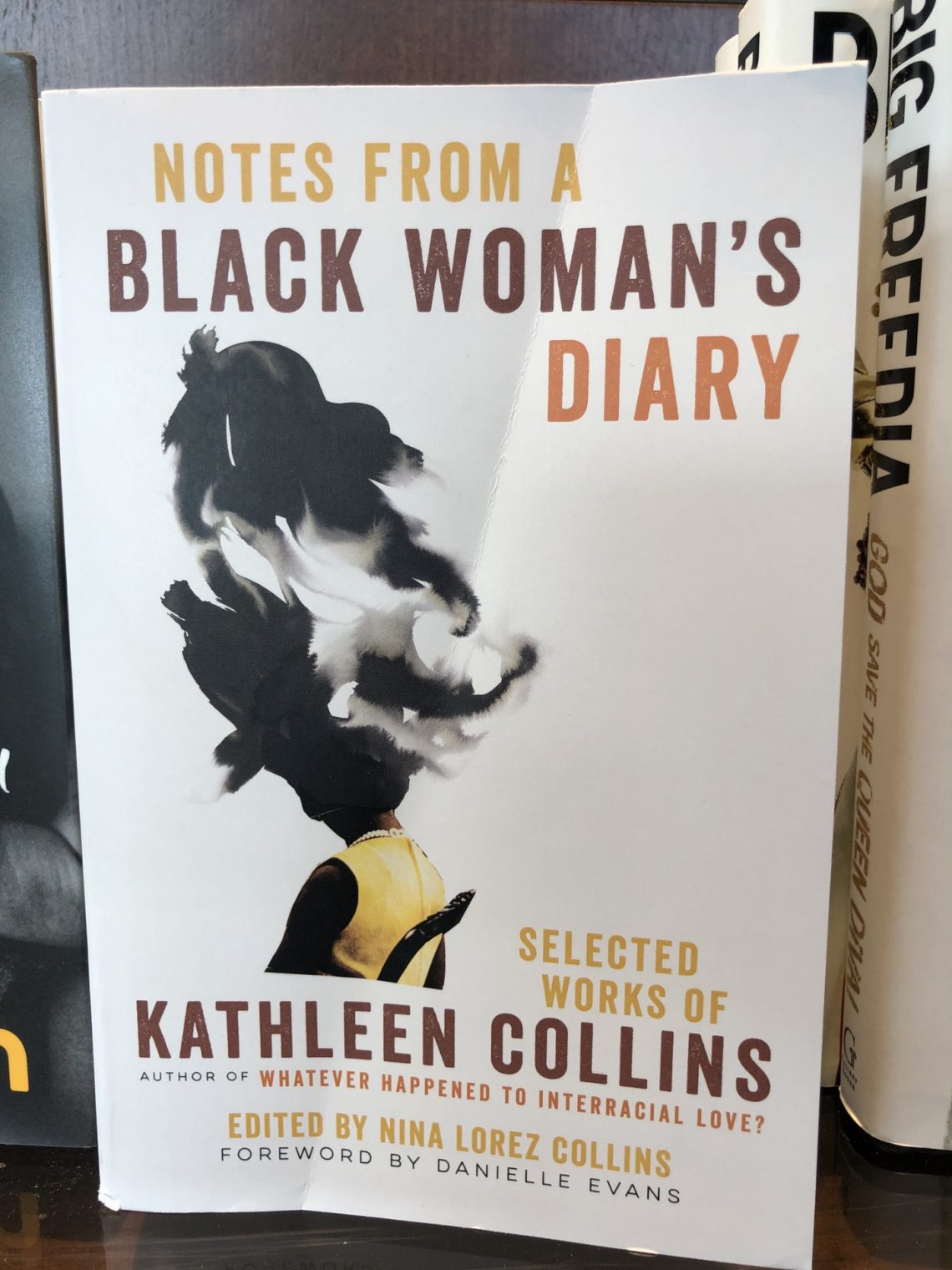
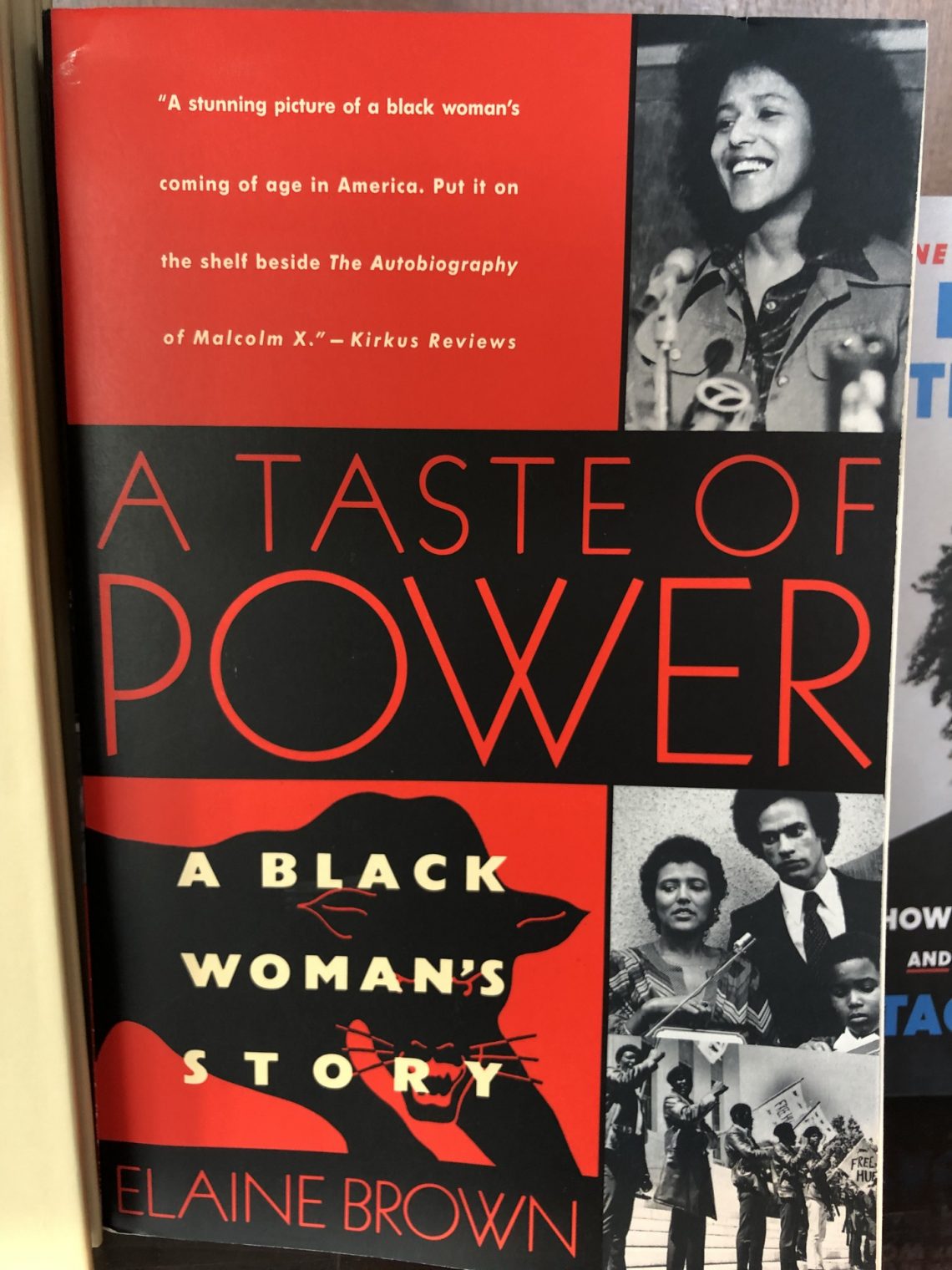
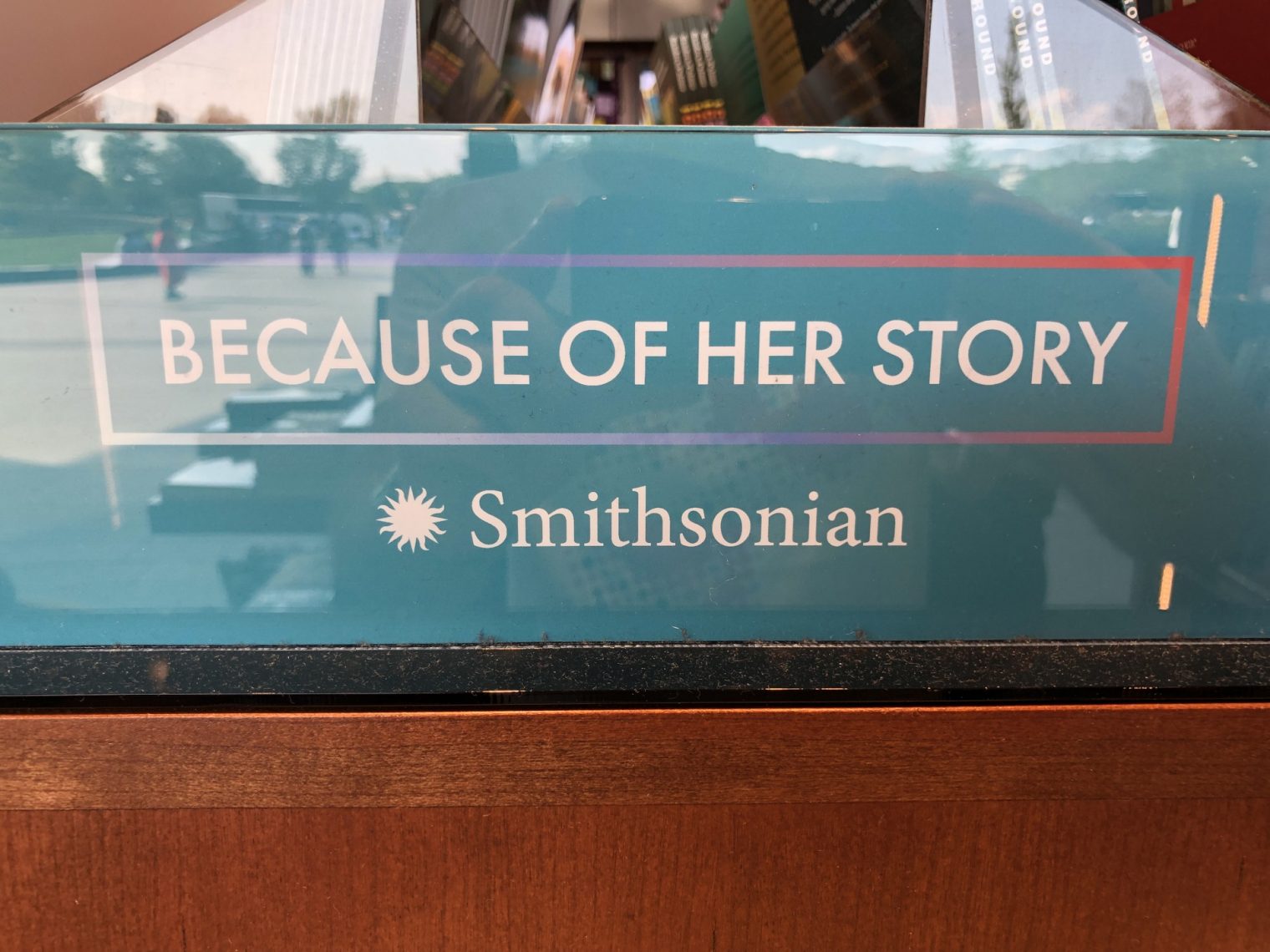
A giftshop section “Because of Her Story” does not come close to tilting the scales in favor of women against Barack Obama:

(Unrelated, but fun:

)

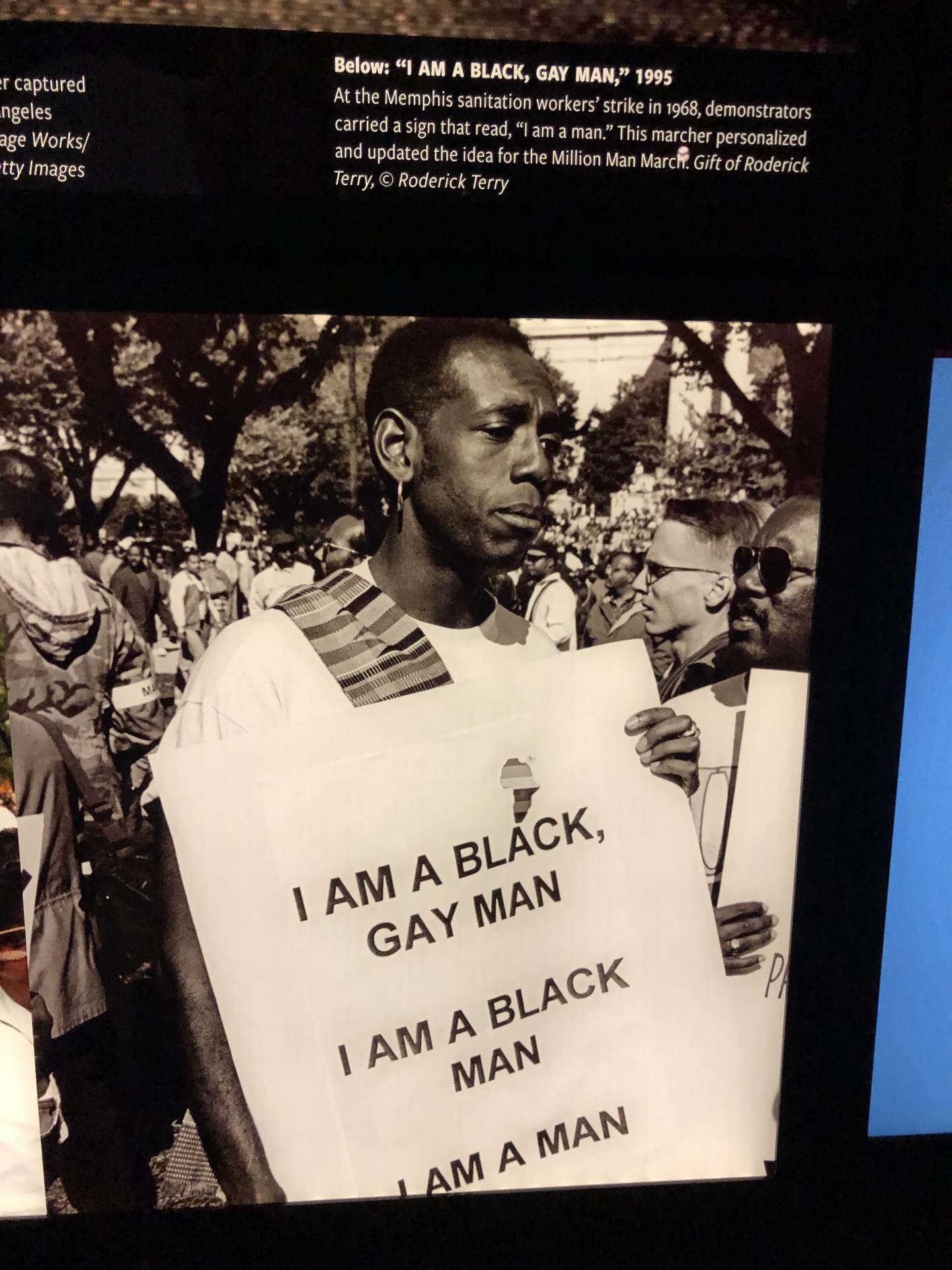
Does black gay man beat black straight woman in the Victimhood Order of Hands? If so, the museum is ready:

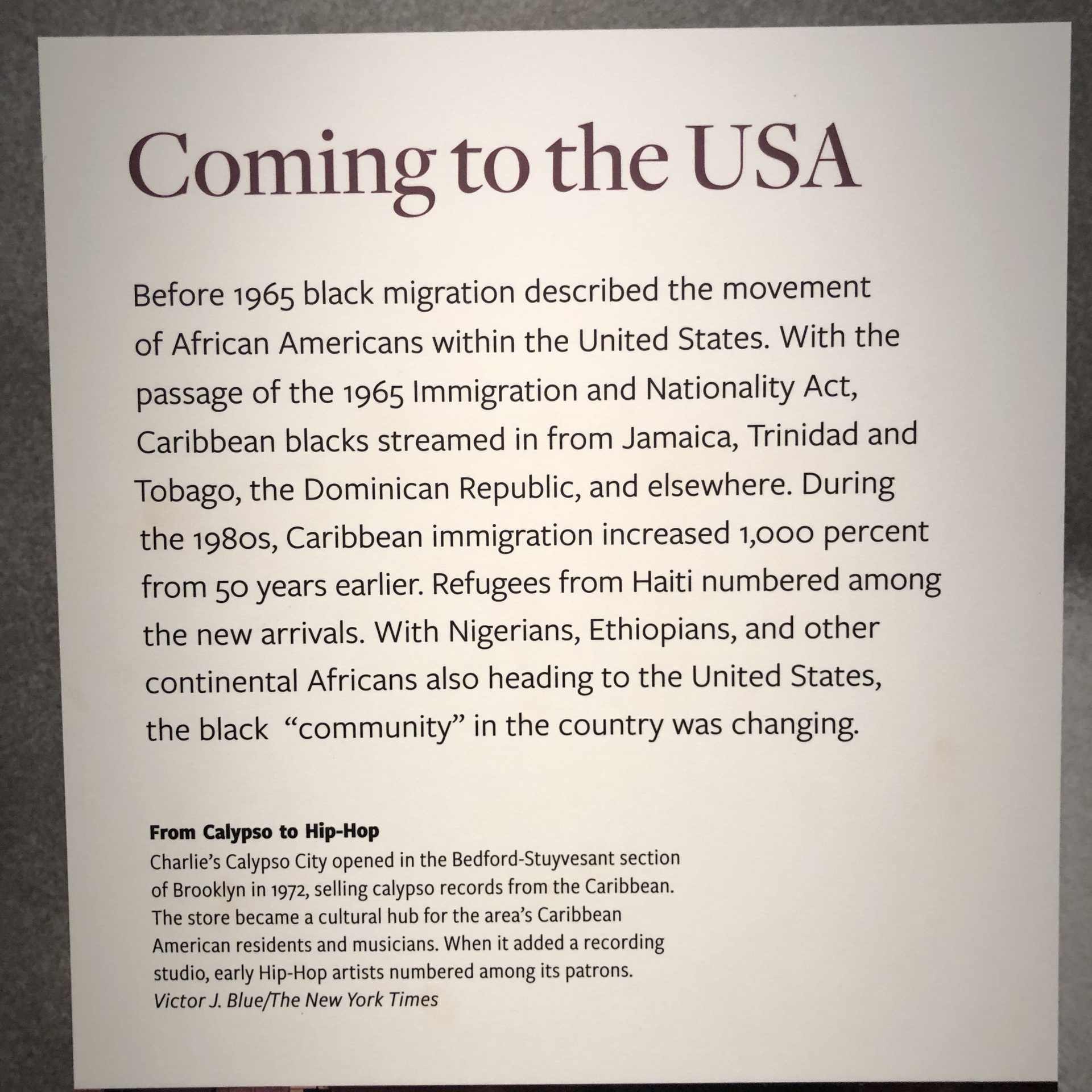
African Americans are the group whose prosperity is most injured by low-skill immigration (Harvard study) and the museum notes that “Caribbean immigration increased 1,000 percent from 50 years earlier.”

(Result: lower wages, but some awesome calypso albums.)

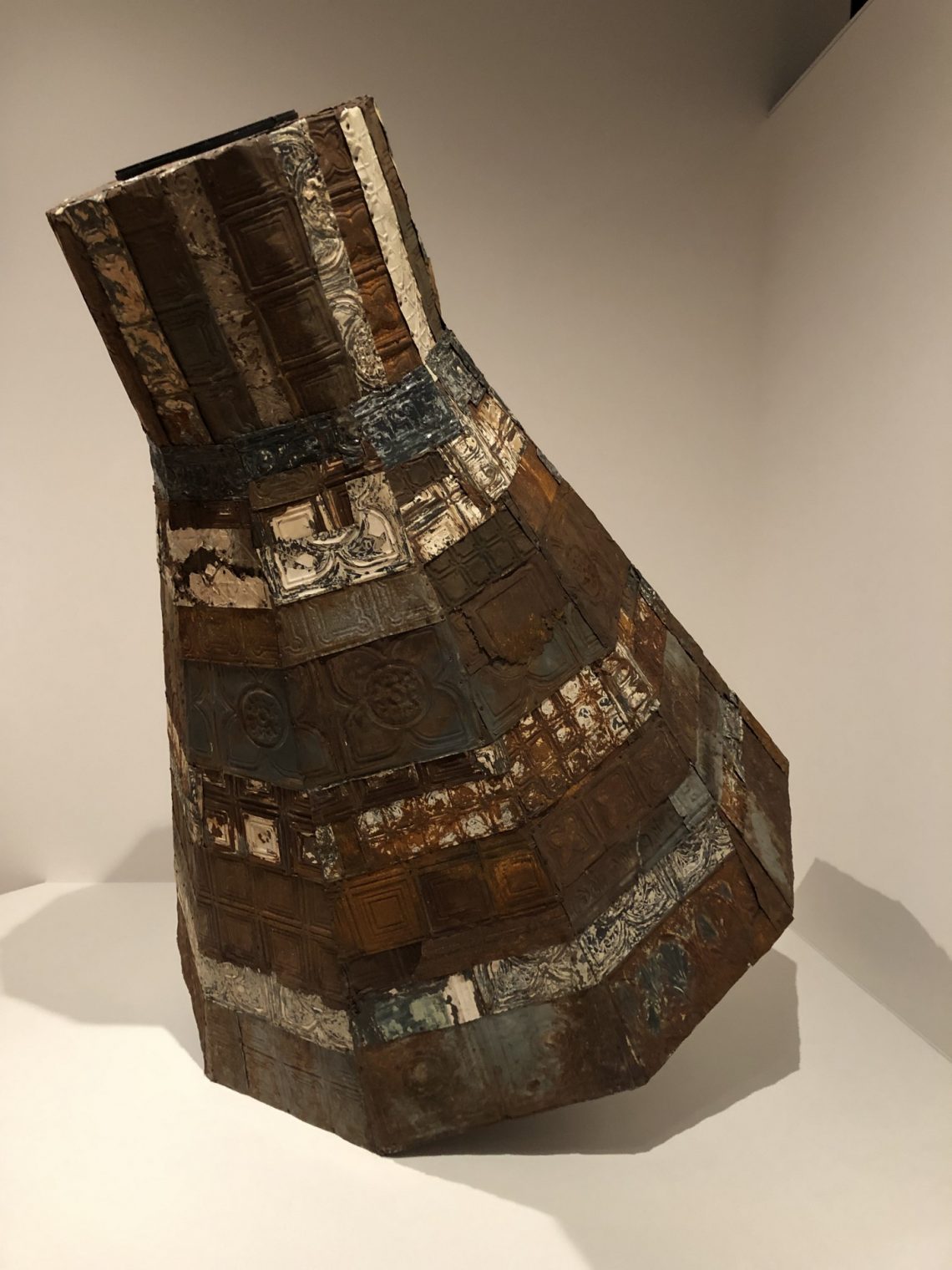
The art museum part of the museum has some great pieces that are conventionally organized and presented:

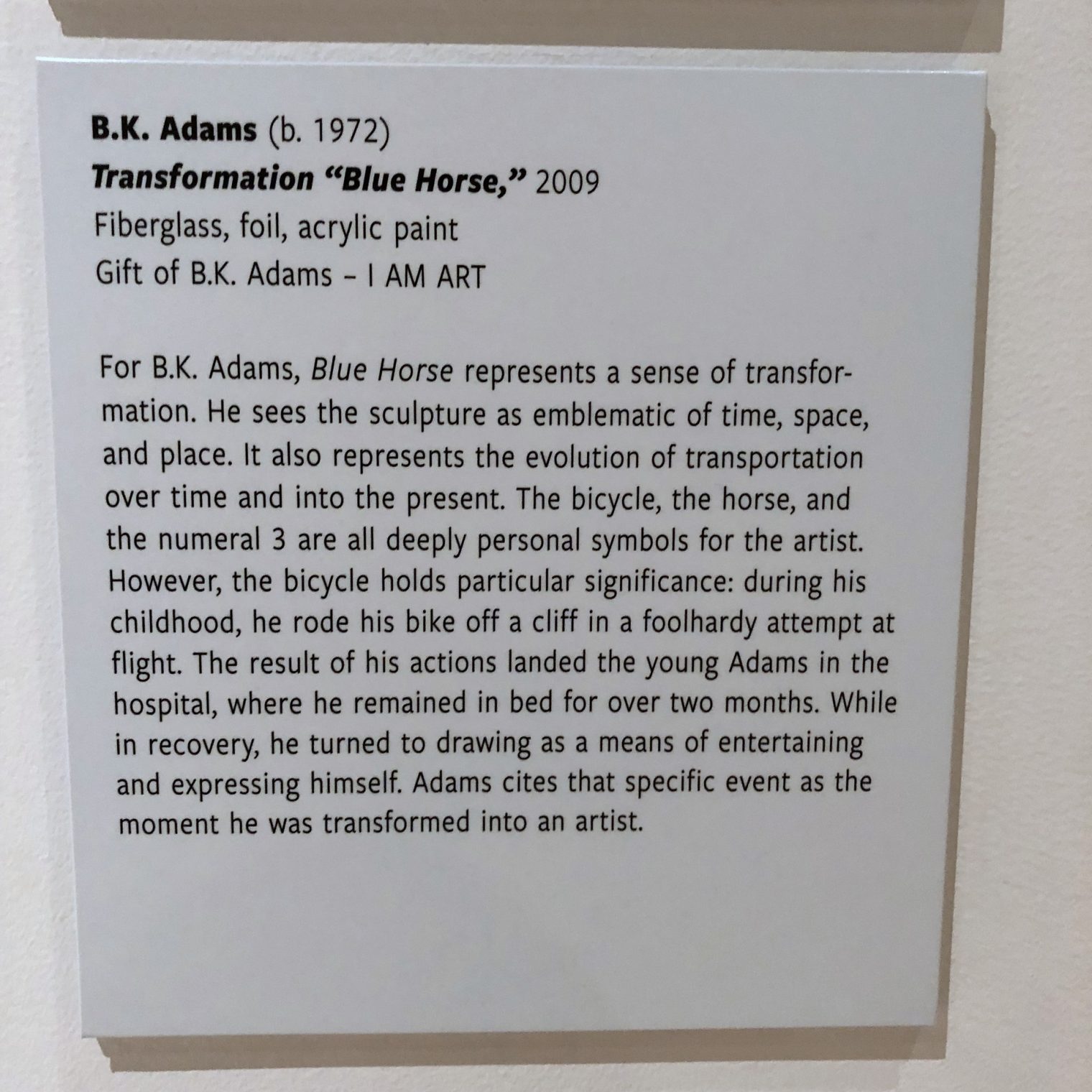
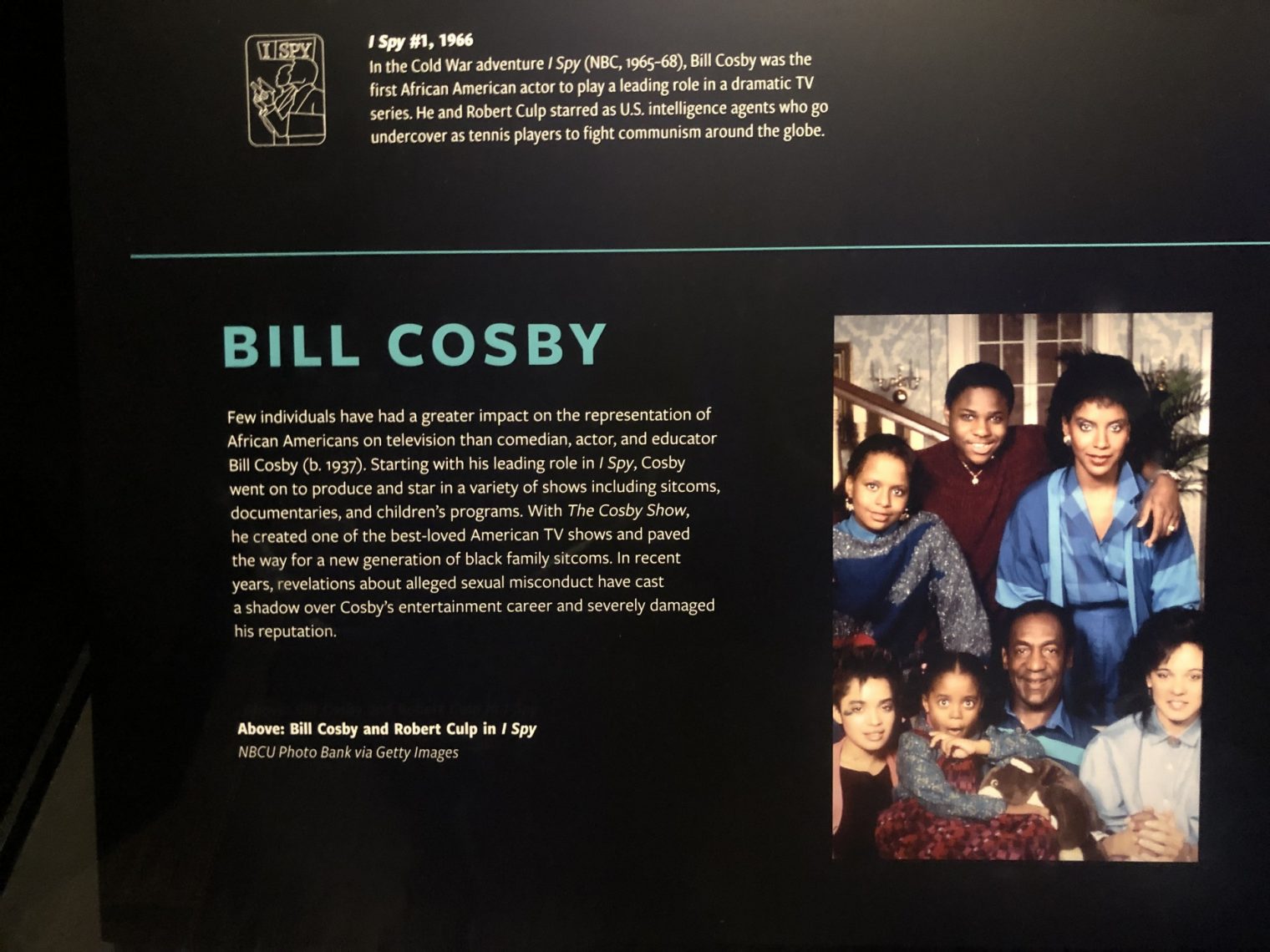
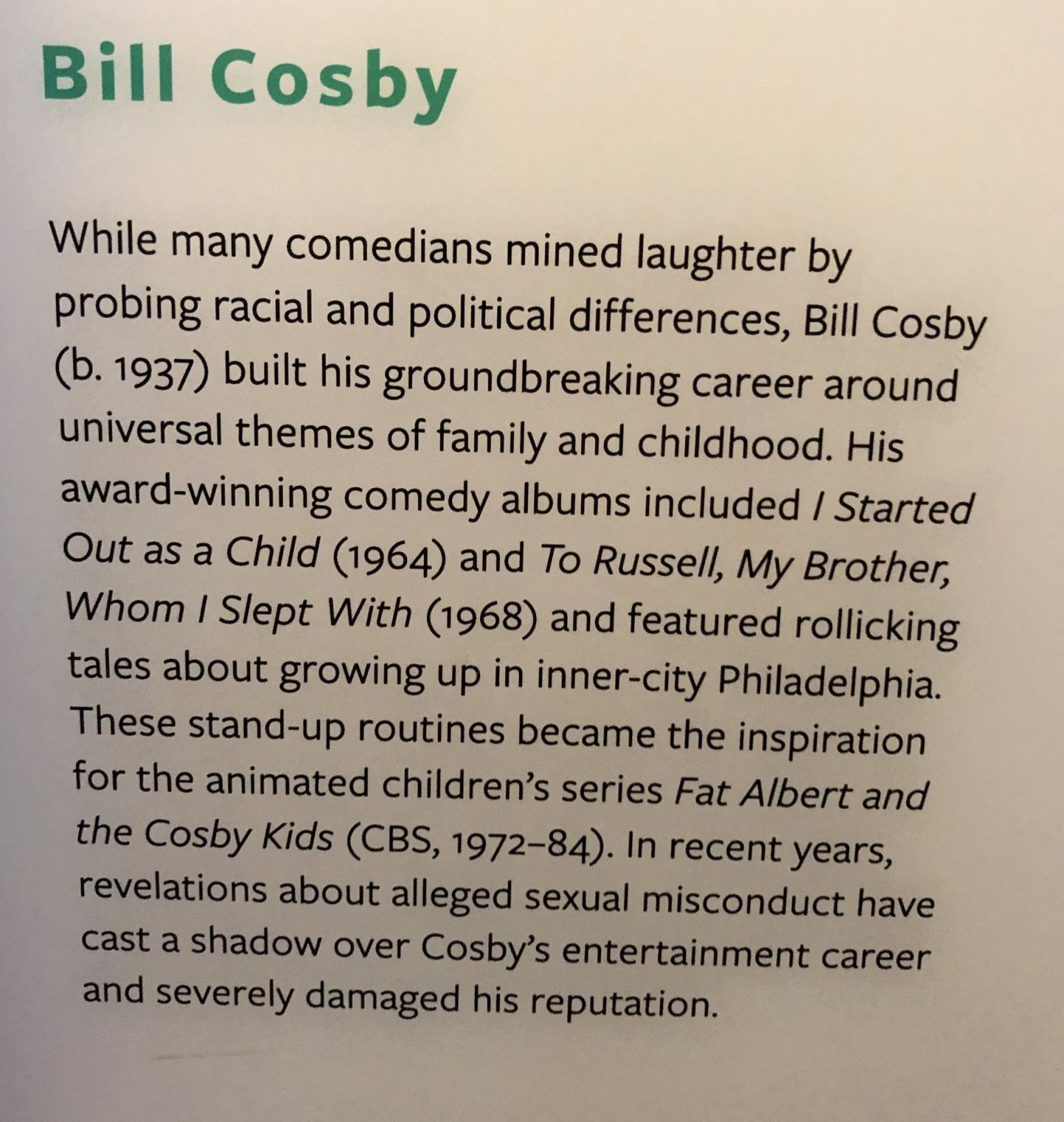
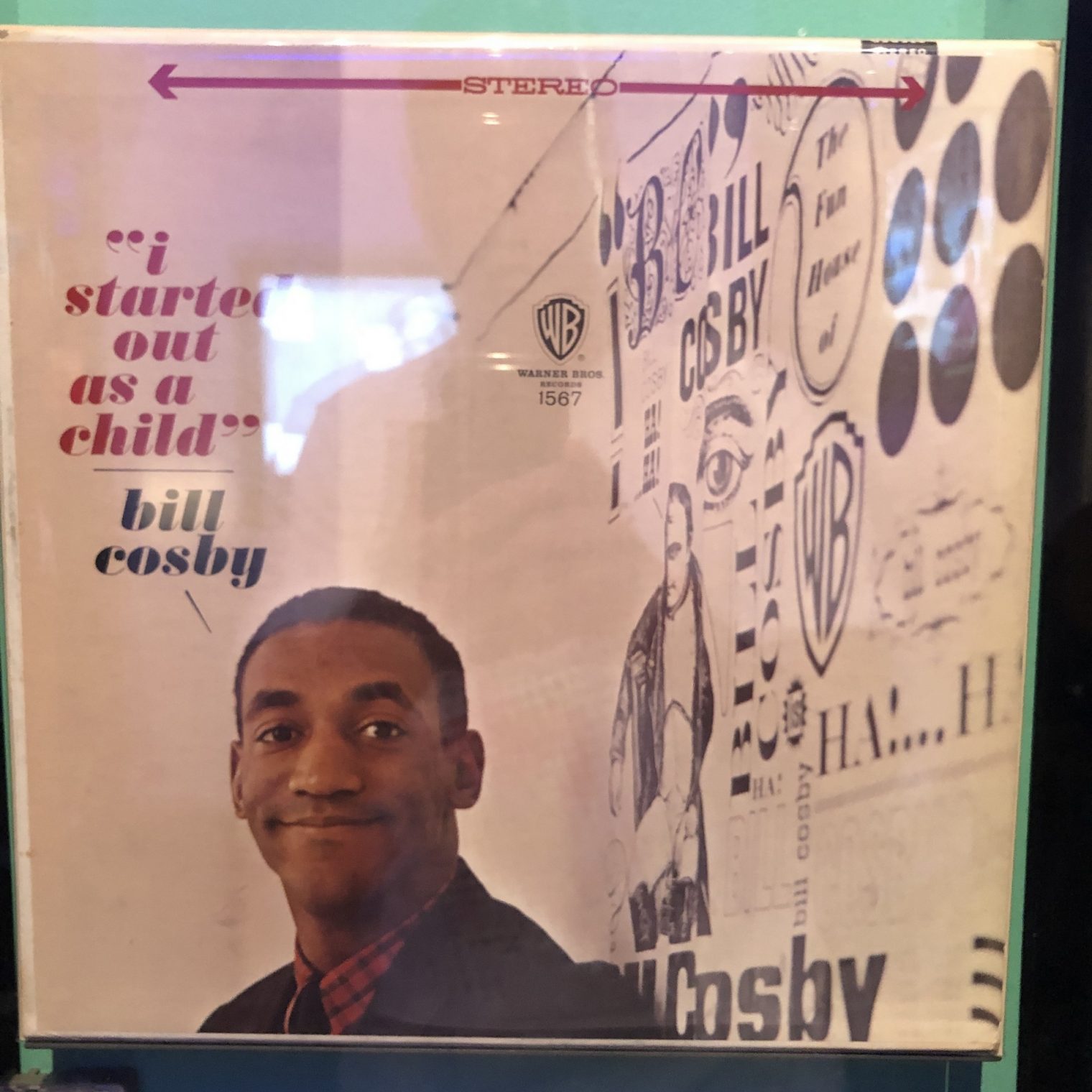
The first African American to star in a TV drama is a challenge for the curators:

Fortunately, we will always have Oprah:

Full post, including comments

Should judges who approve racial discrimination have to explain the system to children?

“Harvard Admissions Process Does Not Discriminate Against Asian-Americans, Judge Rules” (nytimes) describes how an Obama-appointed judge approved of Harvard’s system of admitting students based on race. (The NYT headline is interesting; it would be more accurate to say that the judge ruled that she didn’t care whether Harvard discriminated against Asians or that the judge ruled that Harvard did discriminate against Asians, but that they did so with her blessing.)

Here’s my comment:

A Whirlpool factory service guy showed up today to fix the refrigerator (failed in early September after three weeks; soonest service appointment was today, Oct 1). He turned out to be an immigrant from South Korea whose job now is cleaning up after all of the appliance failures experienced by American McMansion-dwellers.

I would love to see the judge explain to his children why they will need to work harder and score higher than children of other races in order to get into a college that is at least partially funded with taxes paid by their appliance repairman dad.

Assuming that other factors are equal, the child of an investment banker with the correct skin color will be admitted by Harvard ahead of the Korean-American child of an appliance technician.

Readers: What do you think? Would judges be less likely to approve of racial discrimination if they had to explain to the young targets of the discrimination how it was going to work?

[Separately, why is it okay for the judge to imply that a group of Asians is lacking in diversity? “In her decision, Judge Burroughs defended the benefits of diversity … ‘The rich diversity at Harvard and other colleges and universities and the benefits that flow from that diversity,’ she added, ‘will foster the tolerance, acceptance and understanding that will ultimately make race conscious admissions obsolete.'” Isn’t the implication that if we assemble white and black Americans we have “rich diversity,” but if we assemble a group of Japanese, Korean, Chinese, Vietnamese, Thai, Cambodian, Burmese, and Indian students we have a boring monoculture?]

Related:

  • https://philip.greenspun.com/blog/2019/09/18/why-is-it-difficult-to-make-a-reliable-refrigerator/ (background on the refrigerator saga; the $2,600 Kitchenaid failed after three weeks; the tech today said that it was an example of “Monday morning or Friday afternoon assembly,” with a thermometer that is supposed to control the coil defrost cycle in the wrong place and some blue tape left improperly in the fridge evaporator section. He thought that it would have been easy to see at the factory that the unit had been assembled improperly, so there was at least a deficiency in inspection)
  • “Legacy and Athlete Preferences at Harvard,” a paper by economists at Duke, University of Georgia, and University of Oklahoma; Harvard is not seeking out “students of color” because they grew up poor: “disadvantaged African Americans receive virtually no tip for being disadvantaged” (the (Harvard grad) friend who sent me this article concluded “being black confers the same advantage as giving the school over $1 million”)
  • Grutter v. Bollinger, in which the Supreme Court held that University of Michigan could discriminate on the basis of race (against a white woman), but Sandra Day O’Connor wrote “race-conscious admissions policies must be limited in time … [the] Court expects that 25 years from now, the use of racial preferences will no longer be necessary to further the interest approved today.”
Full post, including comments

True cost of Medicaid is 2X headline cost?

I recently attended a talk by the CEO of a hospital with $2.6 billion in annual revenue. She noted that patients on Medicaid are 40 percent of the census and that Medicaid pays only 50 percent of the cost of treatment. In order to at least break even at this not-for-profit, therefore, she has to charge privately insured patients enough extra to make the books balance.

(A doc who was formerly Physician-in-Chief of this hospital and then president of another hospital said “you can’t make money doing research” and, financially at least, “teaching is hopeless”.)

This might explain why apparently healthy people are paying such big premiums. “Employer Health Insurance Is Increasingly Unaffordable, Study Finds” (nytimes):

A relentless rise in premiums and deductibles is putting insurance out of reach for many workers, especially those with low incomes.

Instead, she quit her job last summer so her income would be low enough to enroll in Medicaid, which will cover all her medical expenses. “I’m trying to do some side jobs,” she said.

The average premium paid by the employer and the employee for a family plan now tops $20,000 a year, with the worker contributing about $6,000, according to the survey. More than a quarter of all covered workers and nearly half of those working for small businesses face an annual deductible of $2,000 or more.

Annual Medicaid spending is supposedly roughly $600 billion per year, about 3 percent of GDP. But if hospital-related charges are the majority of Medicaid costs and, in fact, the hospitals are recovering half of their expenses from unrelated privately insured patients, the true cost of Medicaid to Americans is closer to $1 trillion per year (about 5 percent of GDP, meaning that people who work 40 hours/week have to stay at work on Friday from 3-5 pm to pay for Medicaid).

Note that this off-books funding for Medicaid is done in a regressive manner since the money is extracted silently from all Americans with employer-affiliated or other private health insurance. I.e., the cost of a health insurance policy also contains a hidden tax to pay for about half of Medicaid (and also to pay for the uninsured who throw out the hospitals’ $100,000+ bills?).

[Anecdotally, we know plenty of folks in Massachusetts who are careful to refrain from earning more W-2 wages than the thresholds for public housing and MassHealth (Medicaid) eligibility.]

Related:

Full post, including comments

Taxi driver’s perspective on Uber coming to Vancouver

Uber had been, until recently, effectively outlawed in Vancouver (history). I took a taxi(!) to the airport there on September 12 and asked the driver how he felt about the impending Uberstorm.

He was an unskilled, though English-speaking, immigrant who rented the taxi from the medallion owner at a fixed price and then his earnings were dependent on the vicissitudes of the market. How much was a medallion worth? “It used to be $500,000,” he replied, “but now they’re down to $50,000.” (Vancouver Sun says that the peak was C$1 million).

Due to the fact that prices for taxi rides were high enough to pay the rent on a C$1 million asset (the medallion), consumers used taxis only as a last resort and drivers ended up netting more or less the market-clearing wage for unskilled immigrant labor. With lower prices, the driver expected to be working more and keeping everything but the car costs.

Related:

  • California AB 5, a new law that is intended to force Uber to treat drivers as W-2 workers (ironically leaving drivers of traditional taxis, who have to rent from medallion owners, as supposedly modern “gig” workers)
Full post, including comments

Vanity Fair on Amazon Prime

In preparation for three weeks away from decent Internet, I downloaded a five-hour adaptation of Vanity Fair, the mid-19th century novel, from Amazon Prime.

To appreciate the achievement of Gwyneth Hughes, the screenwriter, download the Project Gutenberg text of the novel. It is heavy sledding compared to modern works and contains minimal dialog. Hughes had to create characters’ speech patterns from whole cloth. A woman refers to Becky Sharp as a “treasure-hunting jade”, but I couldn’t find this phrase searching the text of the book. I’m not sure to what extent she leaned on previous TV miniseries, but very little seems anachronistic.

Readers: If you’ve seen this, what do you think? Can anyone compare it to previous adaptations?

Full post, including comments
Free coding class from Microsoft for 8th graders

From the email inbox of a reader-parent….

Meany Middle School was invited to an amazing opportunity at Microsoft on Thursday, October 3rd from 9 a.m. – 2:30 p.m. This event is in partnership with Paramount Picture. The students will have an opportunity to experience a coding class with a surprise special guest.

There is space for 45 – 8th grade students who identify as female. The students must be 13 yrs. old to attend this field trip. Lunch will be provided. It has been described as a once in a lifetime opportunity.

Only the first 45 students who return the permission slips and photo release form will be allowed to attend. Permission slips were sent home with students yesterday.

If Microsoft chooses to expose these young folks to C++, it would be interesting to know how many decide that coding is the best career choice.

Full post, including comments

Northwest Passage and Donald Trump

I’m in Washington, D.C. today. What does the former malarial swamp have to do with the mostly-frozen (still) Northwest Passage? It turns out that timbers from a British Royal Navy ship sent out to search for Franklin, HMS Resolute, were used to make the Resolute desk, a gift from Queen Victoria to Rutherford B. Hayes.

Who is using the desk now? Donald Trump! (at least until he is convicted following the impeachment process that the New York Times assures us is right around the corner)

Where else in the U.S. do folks love polar exploration? One of the experts on our cruise had studied the Arctic at Ohio State, home of the Institute for Polar Studies (renamed “Byrd Polar and Climate Research Center” because #ClimateMatters).

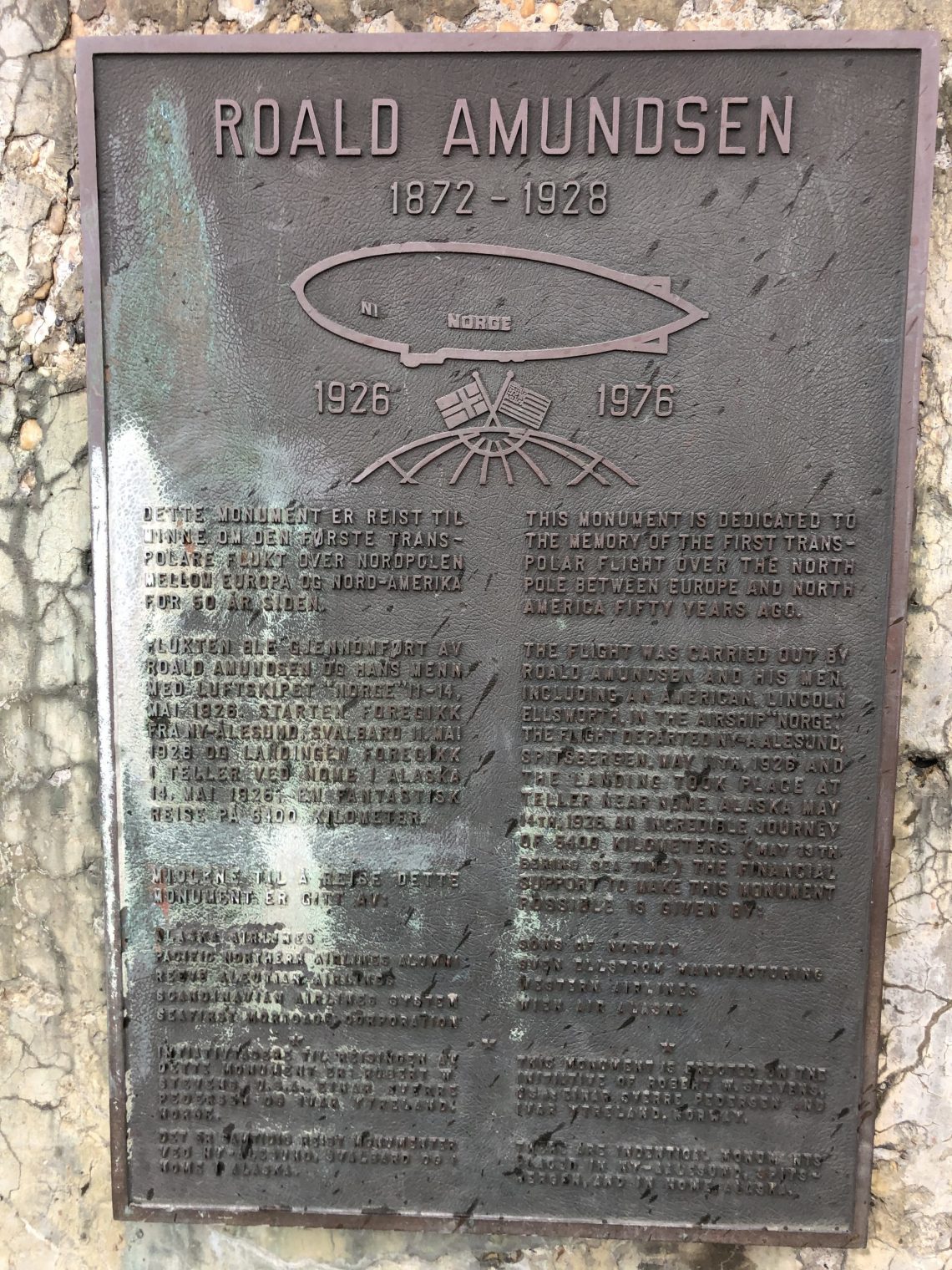
Here are some photos from Nome, Alaska, commemorating the Amundsen-Ellsworth airship trip over the North Pole, very likely the first time that humans reached that point:

Readers: What do we make of the fact that most American presidents do much of their work at a desk that is associated with a famous British failure?

Related:

  • In the #MeToo age, let’s just be grateful that no furniture associated with the polar hero Fridtjof Nansen is in the White House; it turns out that he was sending nude selfies (made with a view camera?) to a woman 30 years his junior (Vice)
Full post, including comments