President Biden delivers on his promise to shut down the United States…

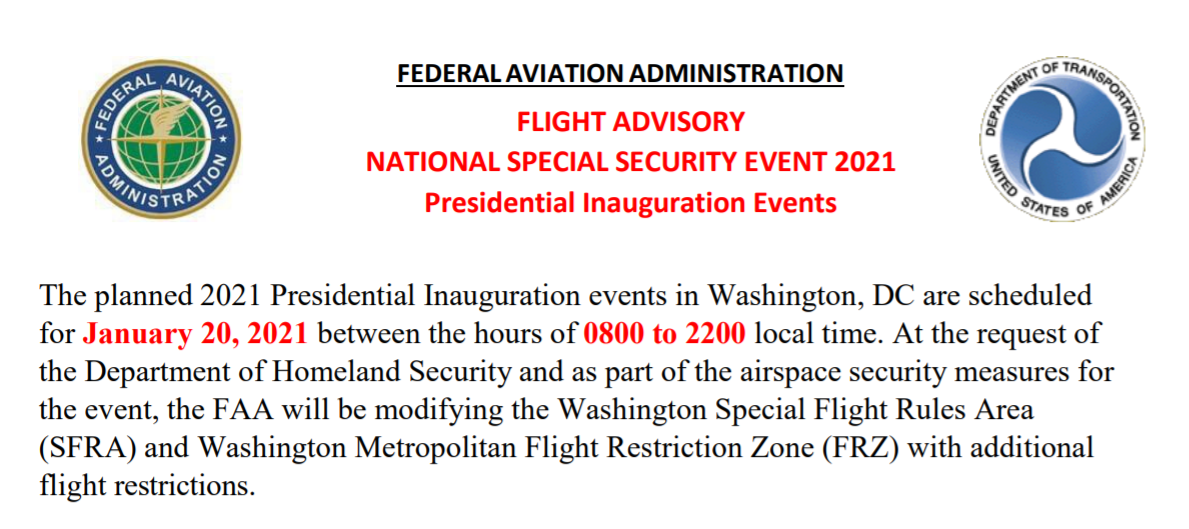
… well, the Washington, D.C. area at least. From the FAA:

It is still possible to go IFR into three airports:

But VFR pilots and those based at GAI, for example, are denied the use of their aircraft during this most joyous of days.

Related:

Full post, including comments

Sell COVID-brand cigarettes?

“Smokers in N.J. Are Eligible for Vaccine. No Proof Needed.” (New York Times):

Faced with soaring rates of coronavirus infection and more doses of vaccine in freezers than in arms, New Jersey officials made a calculated choice.

They opened the floodgates of vaccine eligibility on Thursday to about 4.5 million additional residents: those 65 and older and younger people with underlying health problems, including cancer, heart conditions and diabetes — diseases that can lead to severe complications from Covid-19.

As part of the expansion, New Jersey also became only the second state in the country to open vaccinations to another high-risk group — smokers. As is true for all Covid-19 vaccinations in New Jersey, no documentation of an underlying health condition is required.

Could we make a few $$ by selling COVID-brand cigarettes to folks in New Jersey who want to buy their first pack ever and check the “smoker” box when getting a vaccine?

Readers: What should the package look like? A picture of Dr. Fauci on the front and Dr. Jill Biden, MD on the back?

From a state fair in New Jersey, 1995:

Full post, including comments

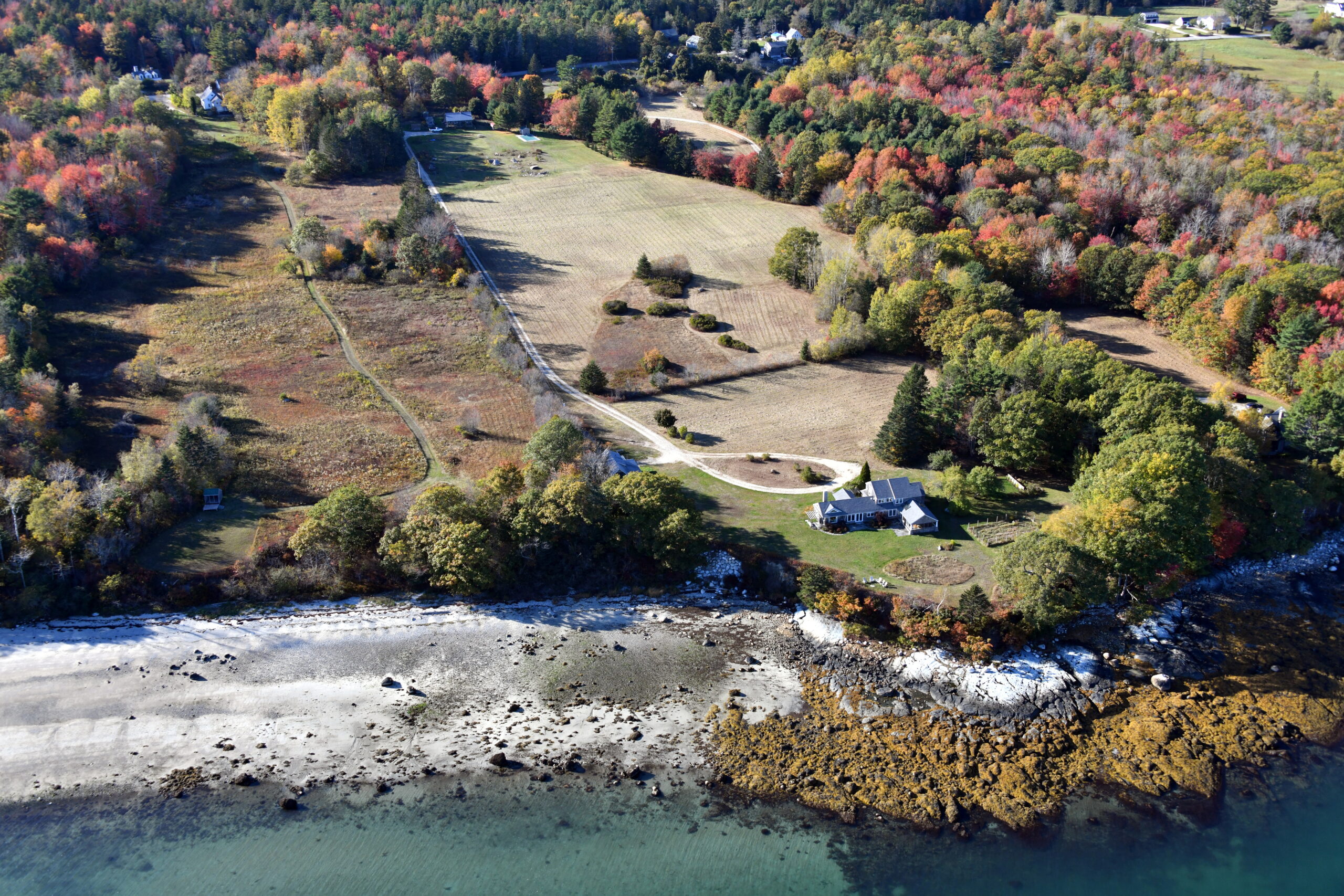
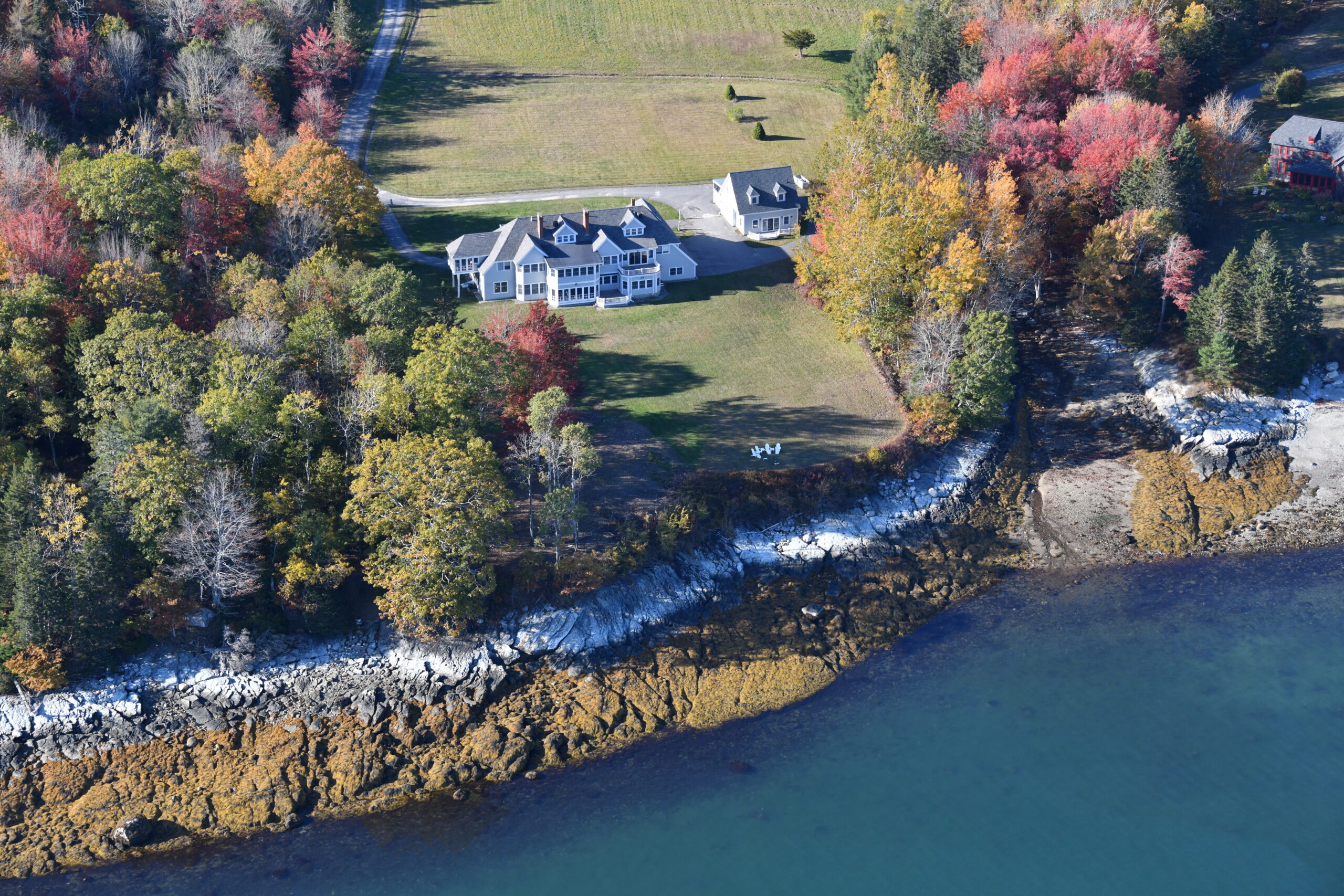
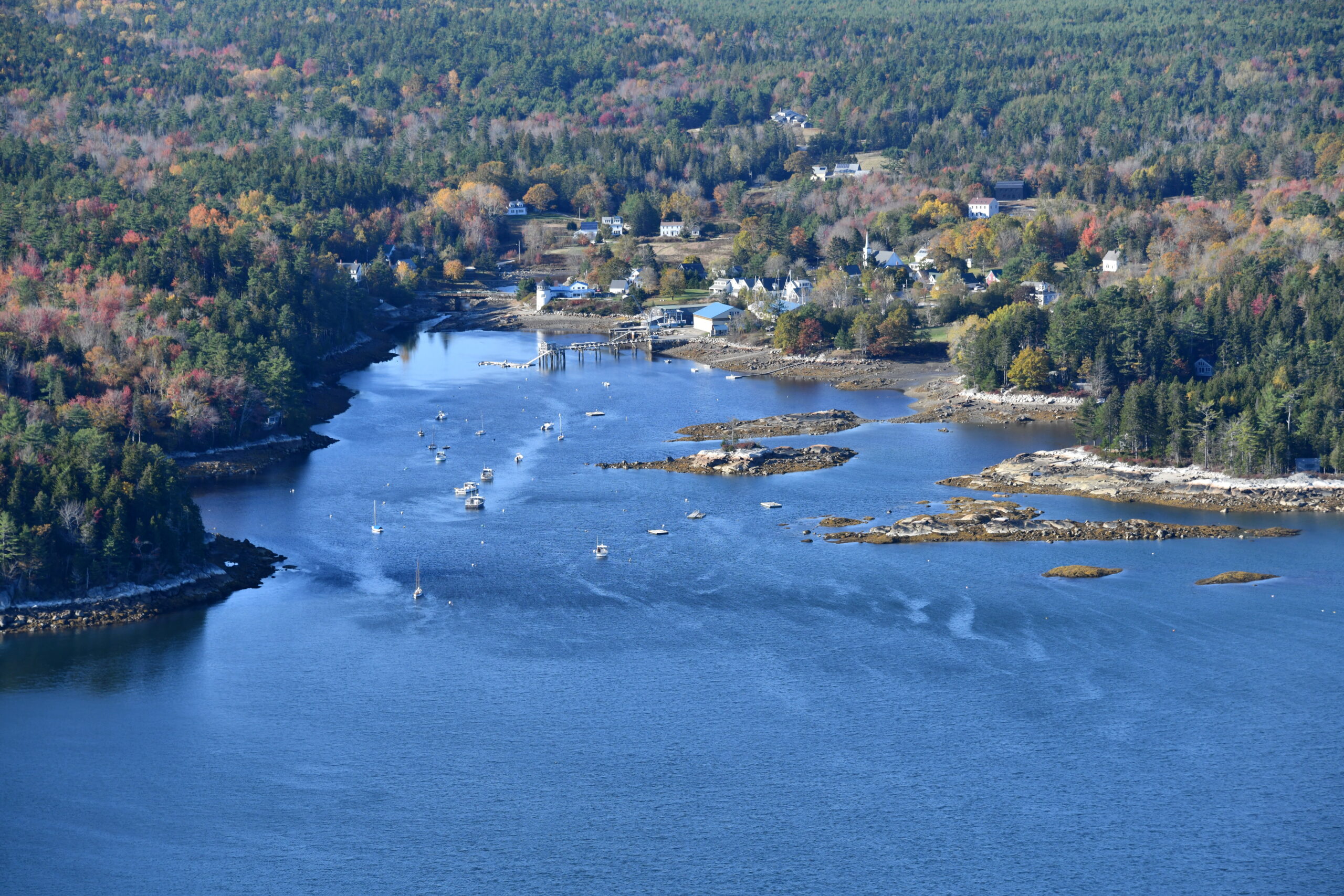
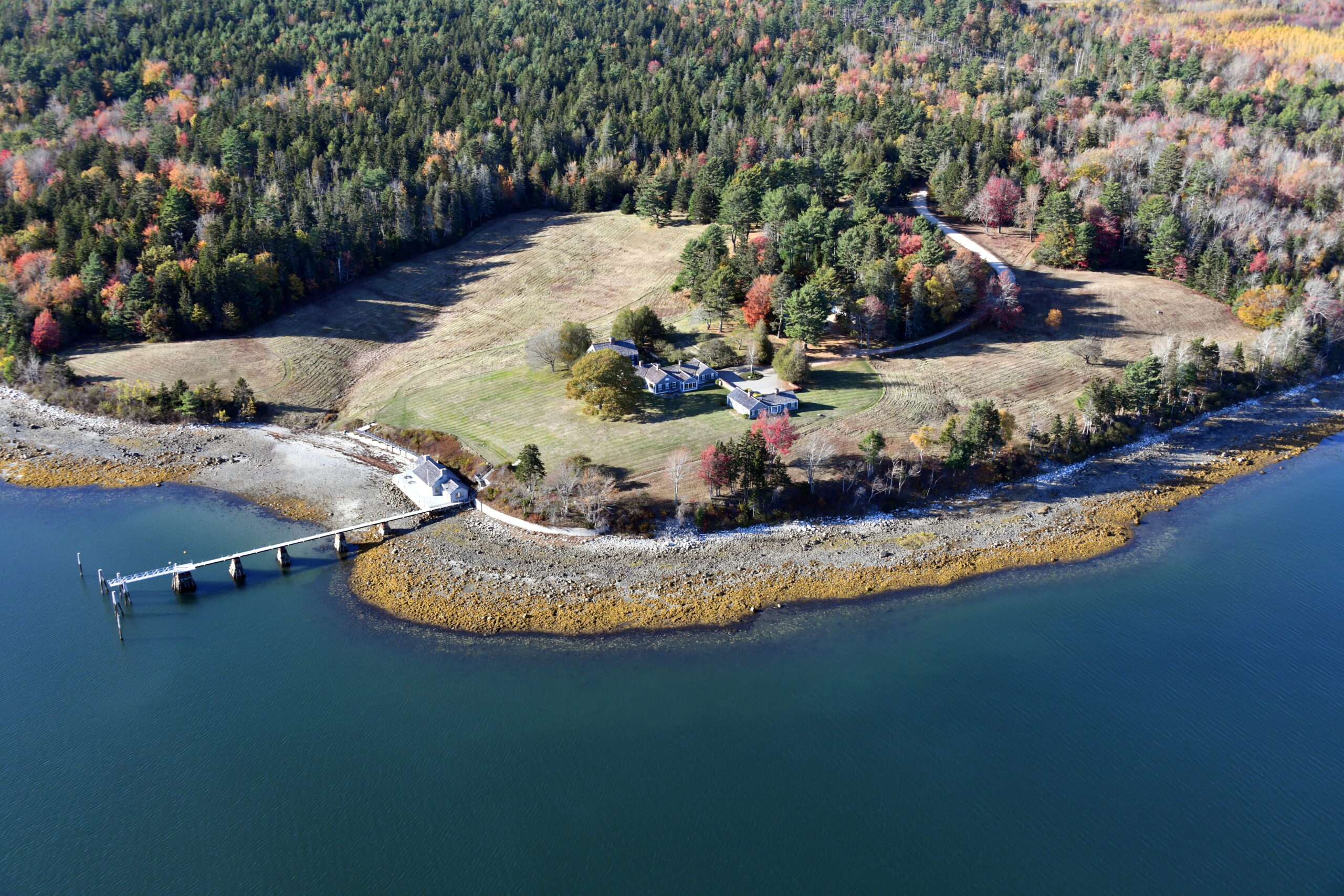
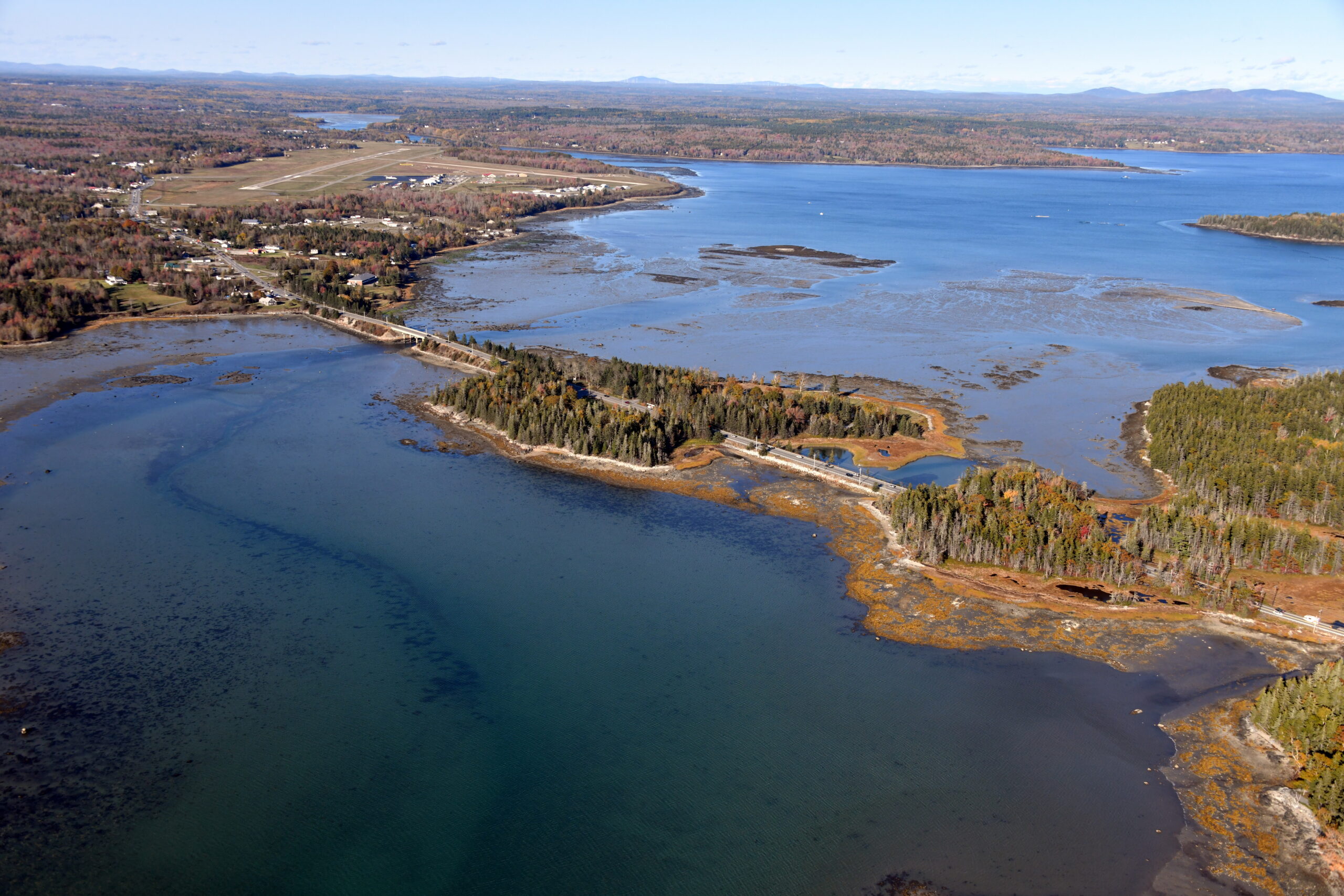
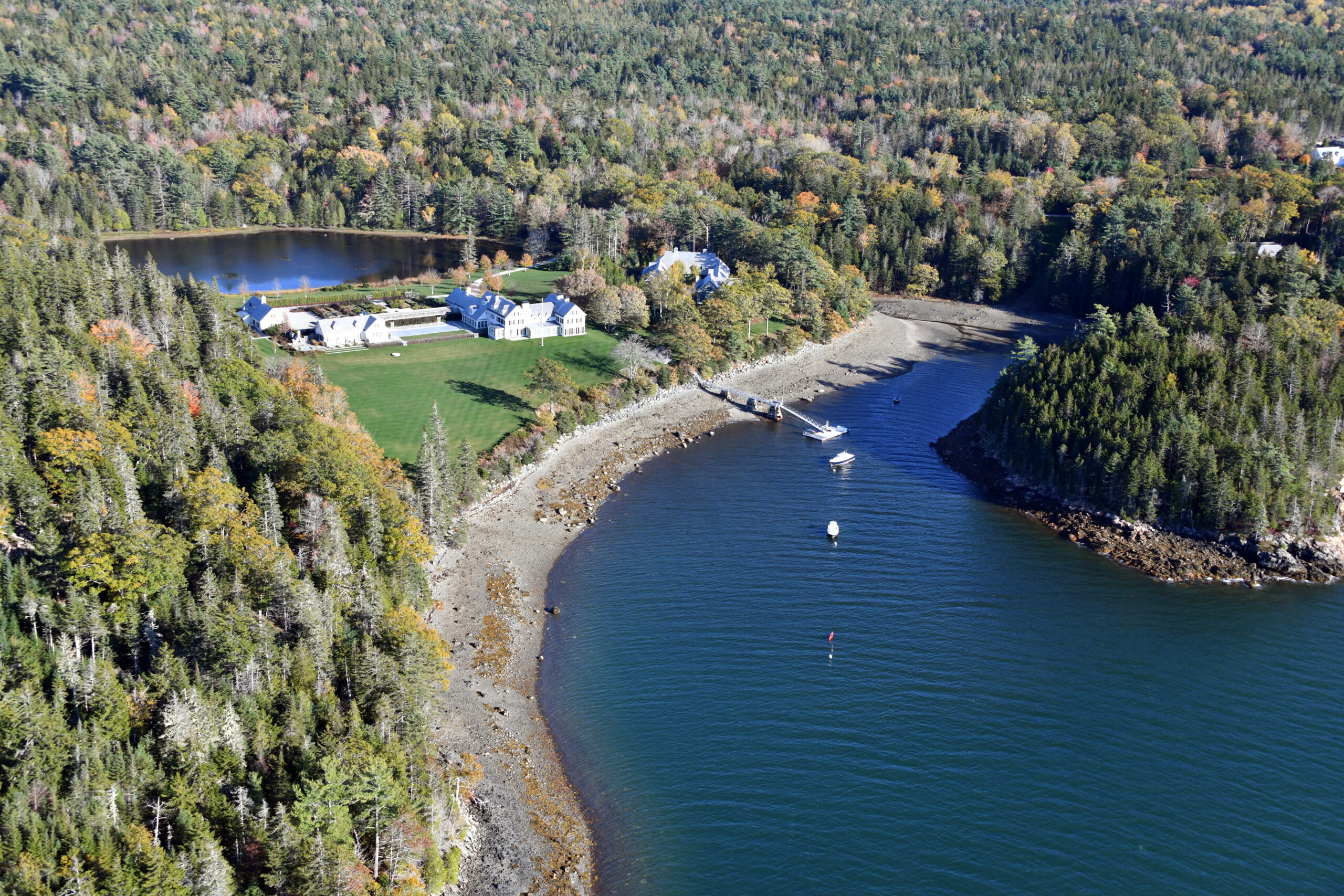
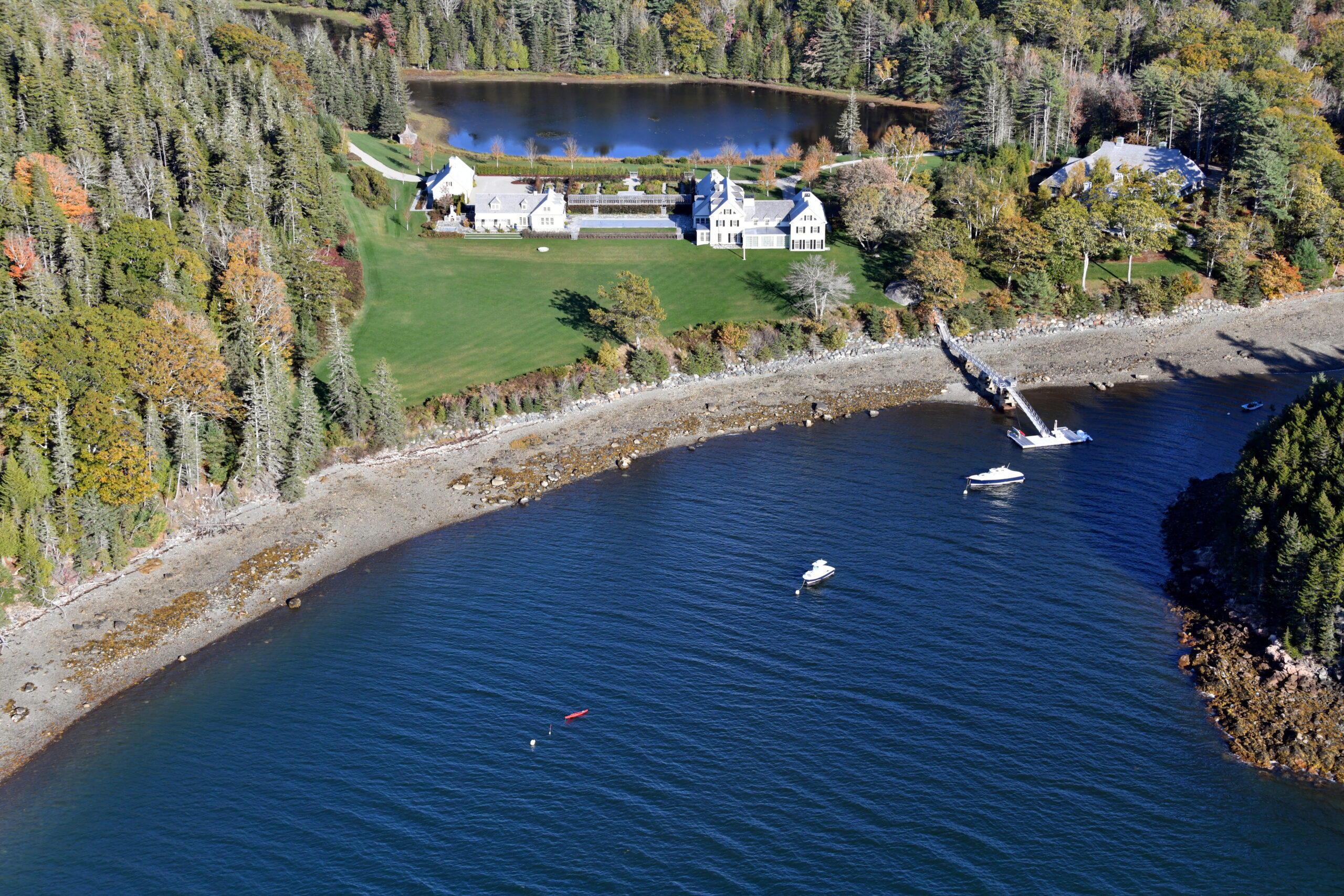
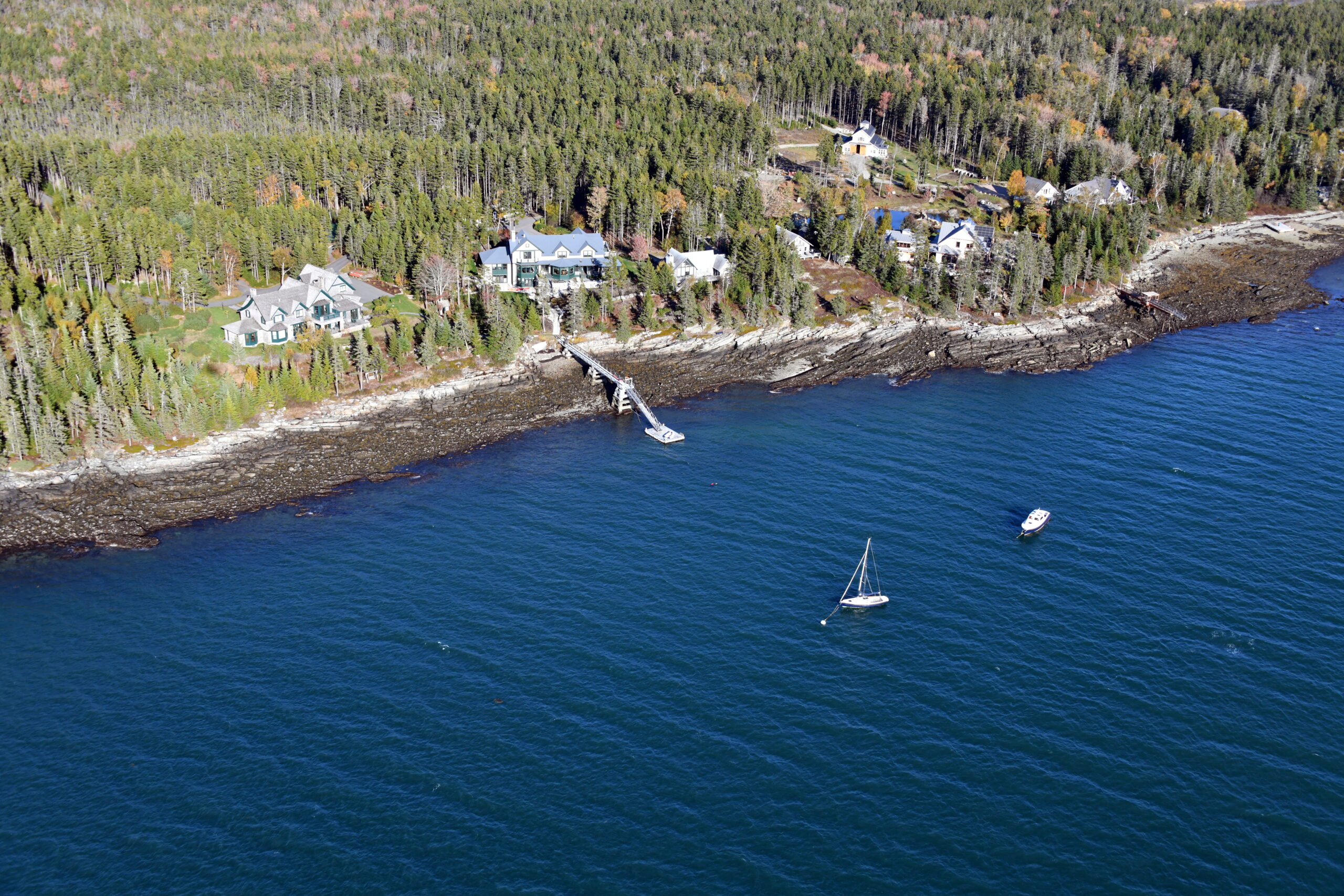
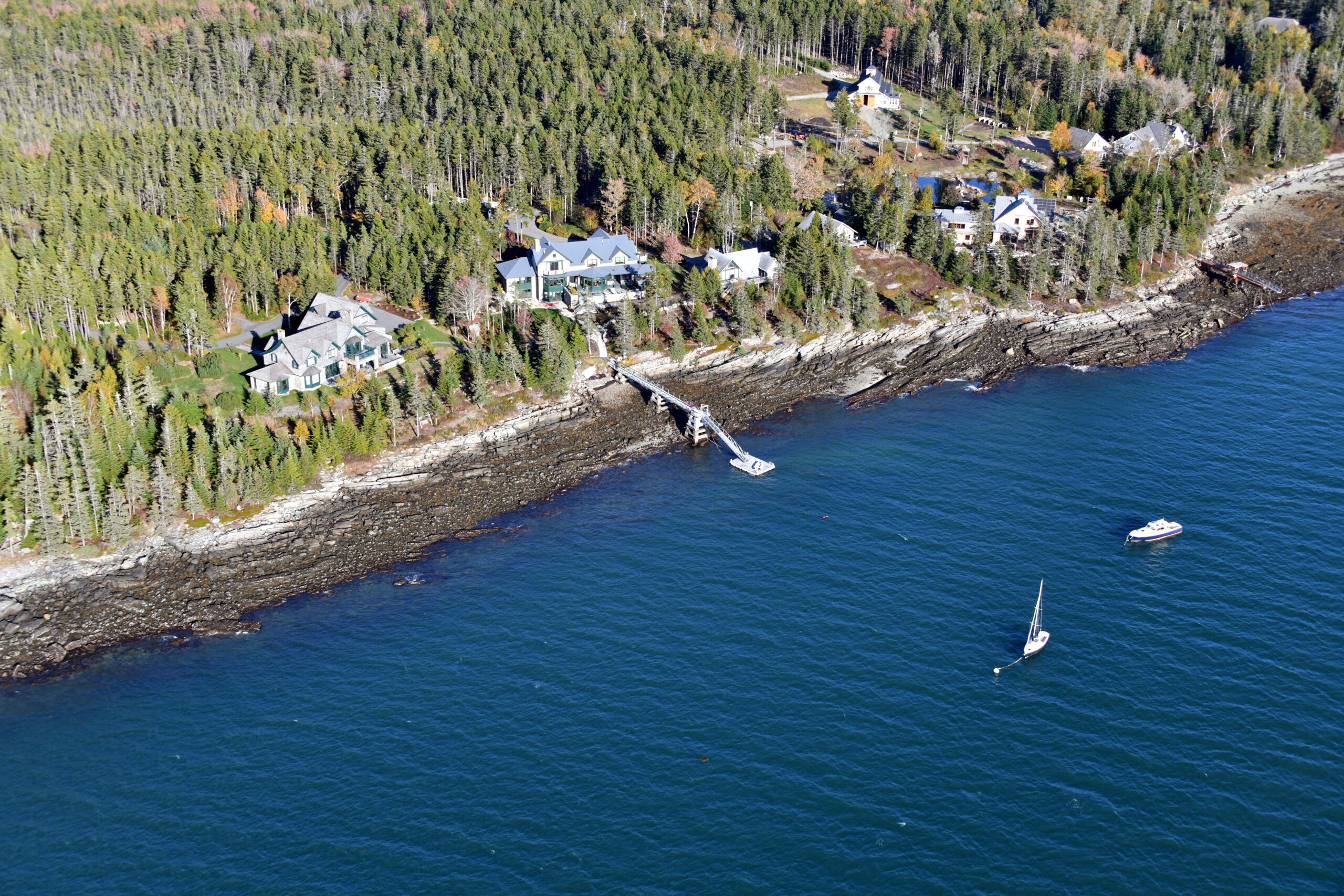
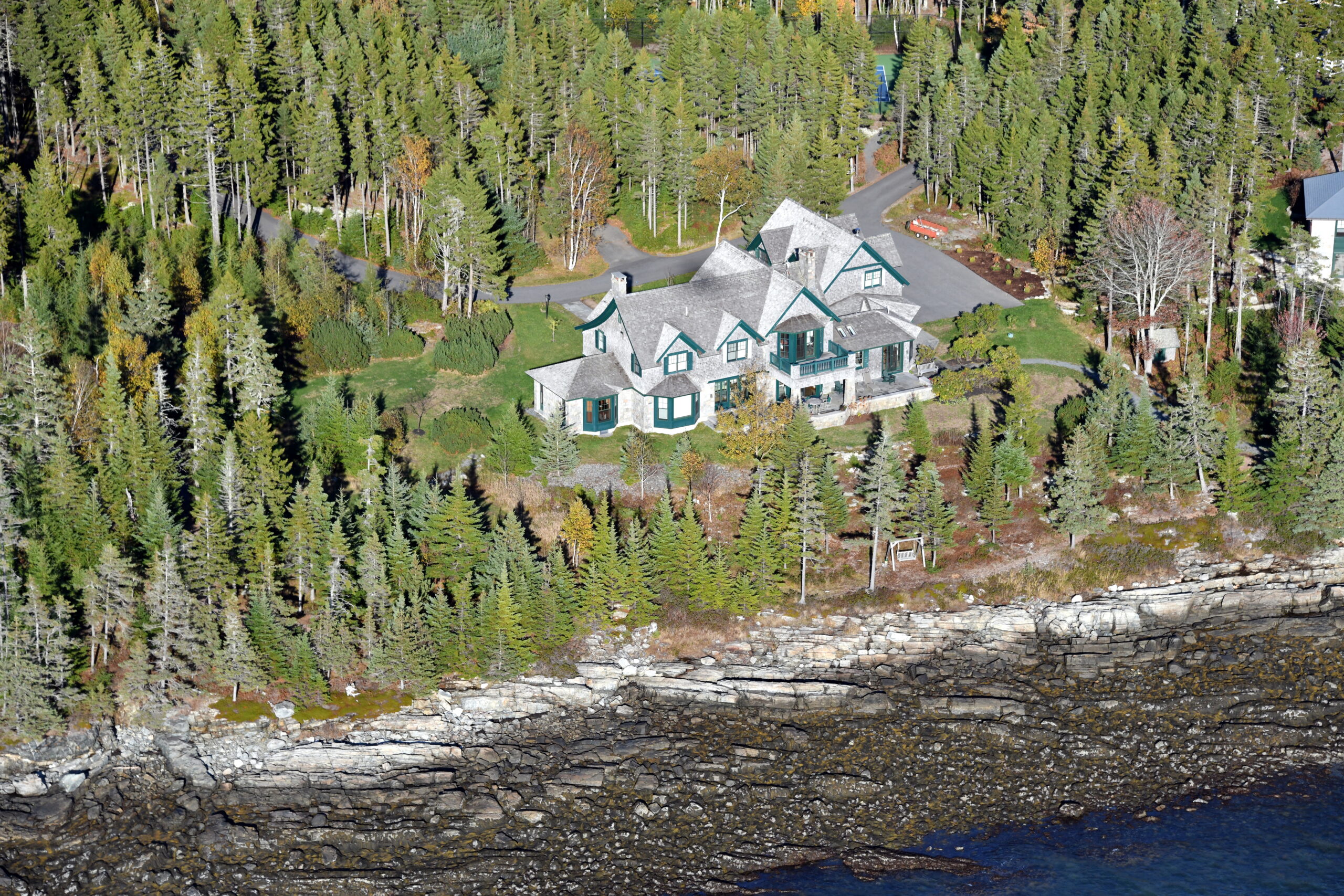
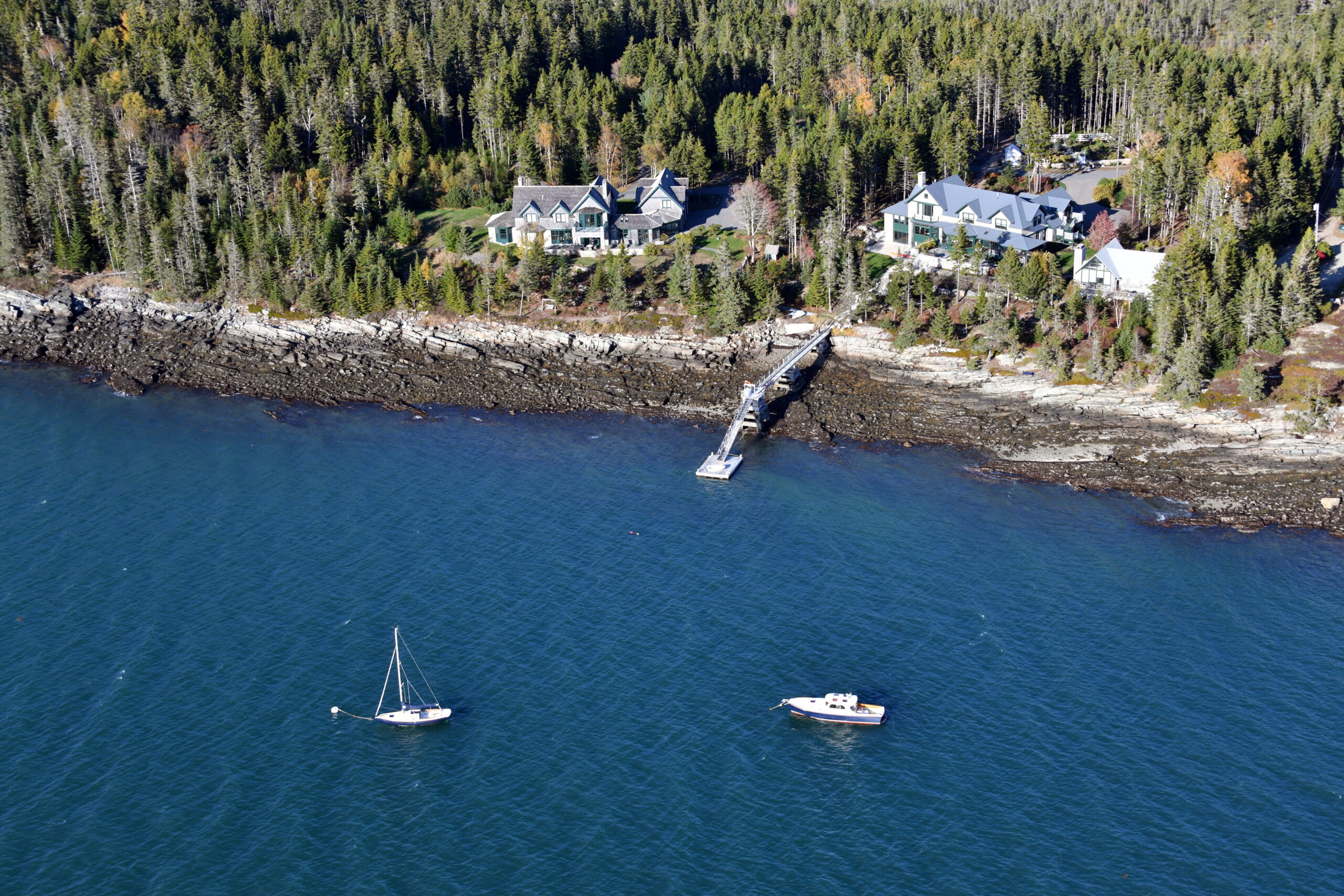
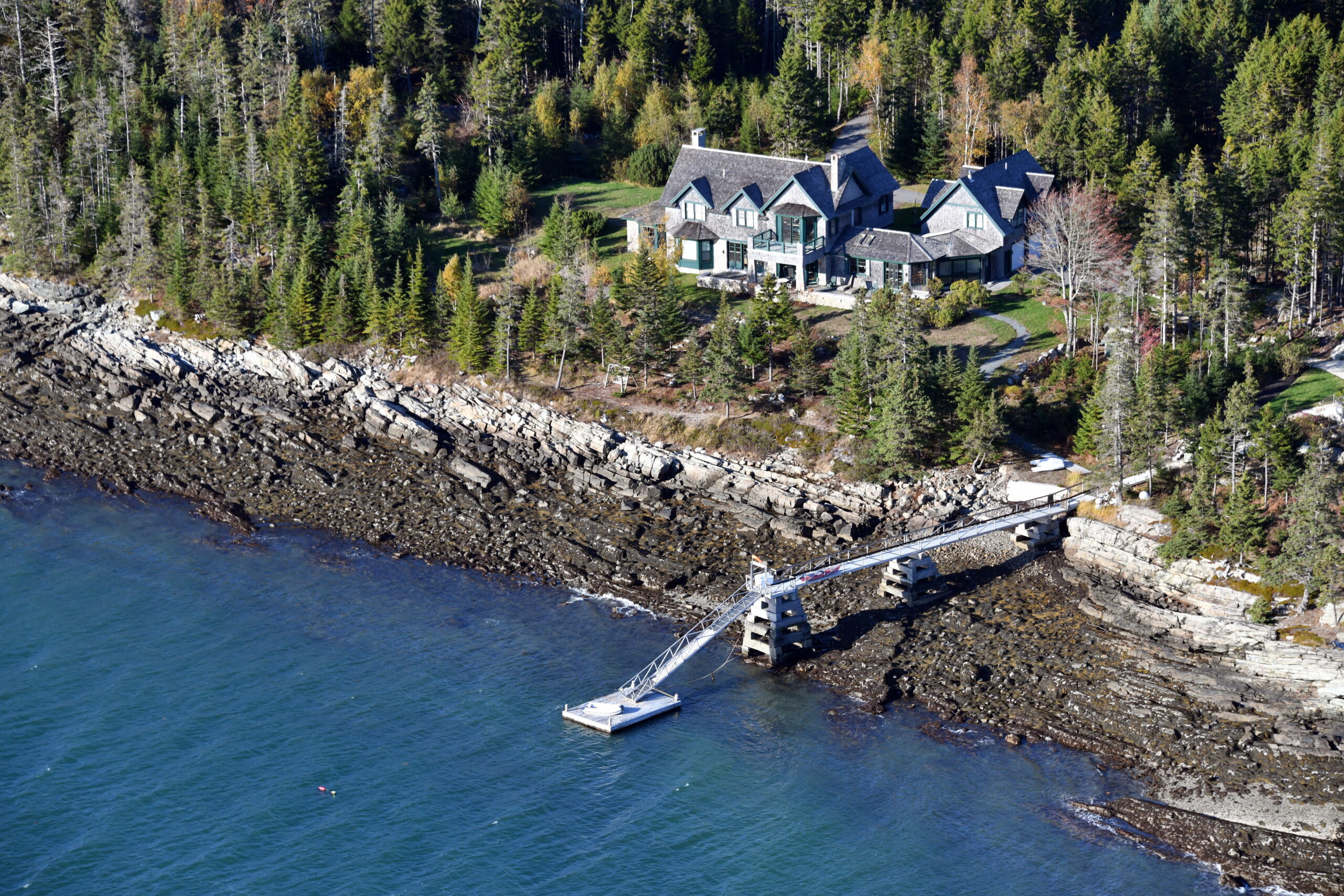
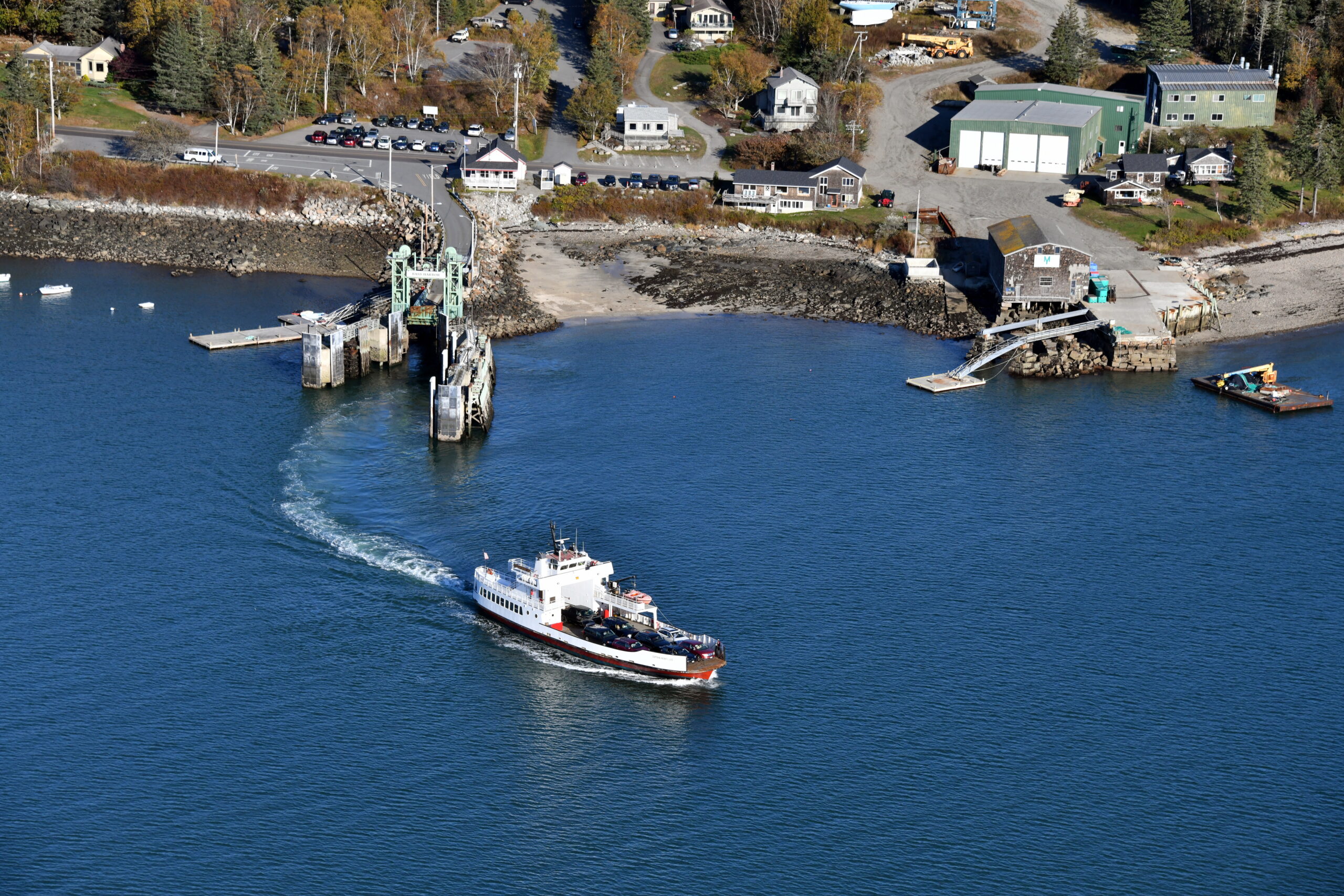
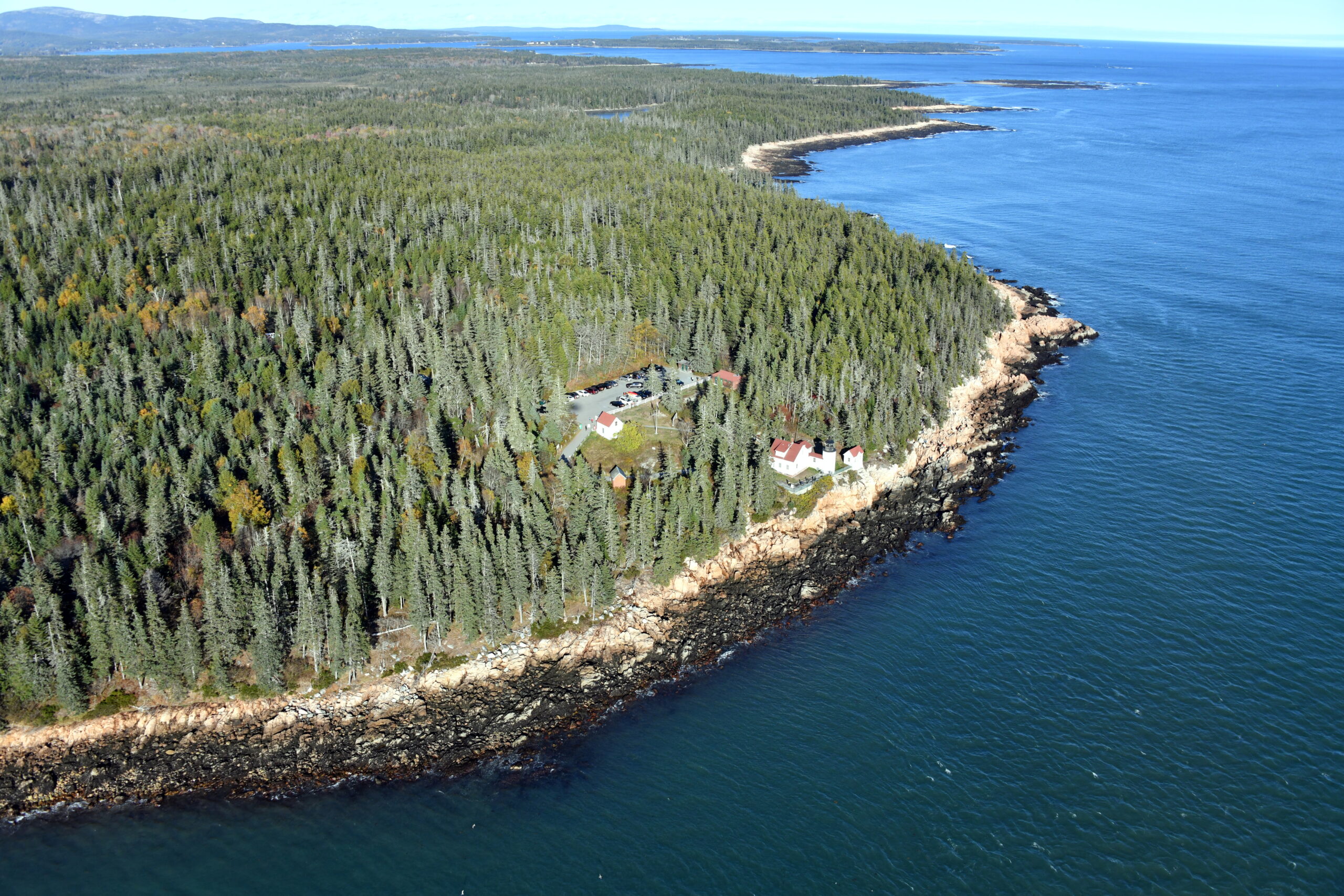
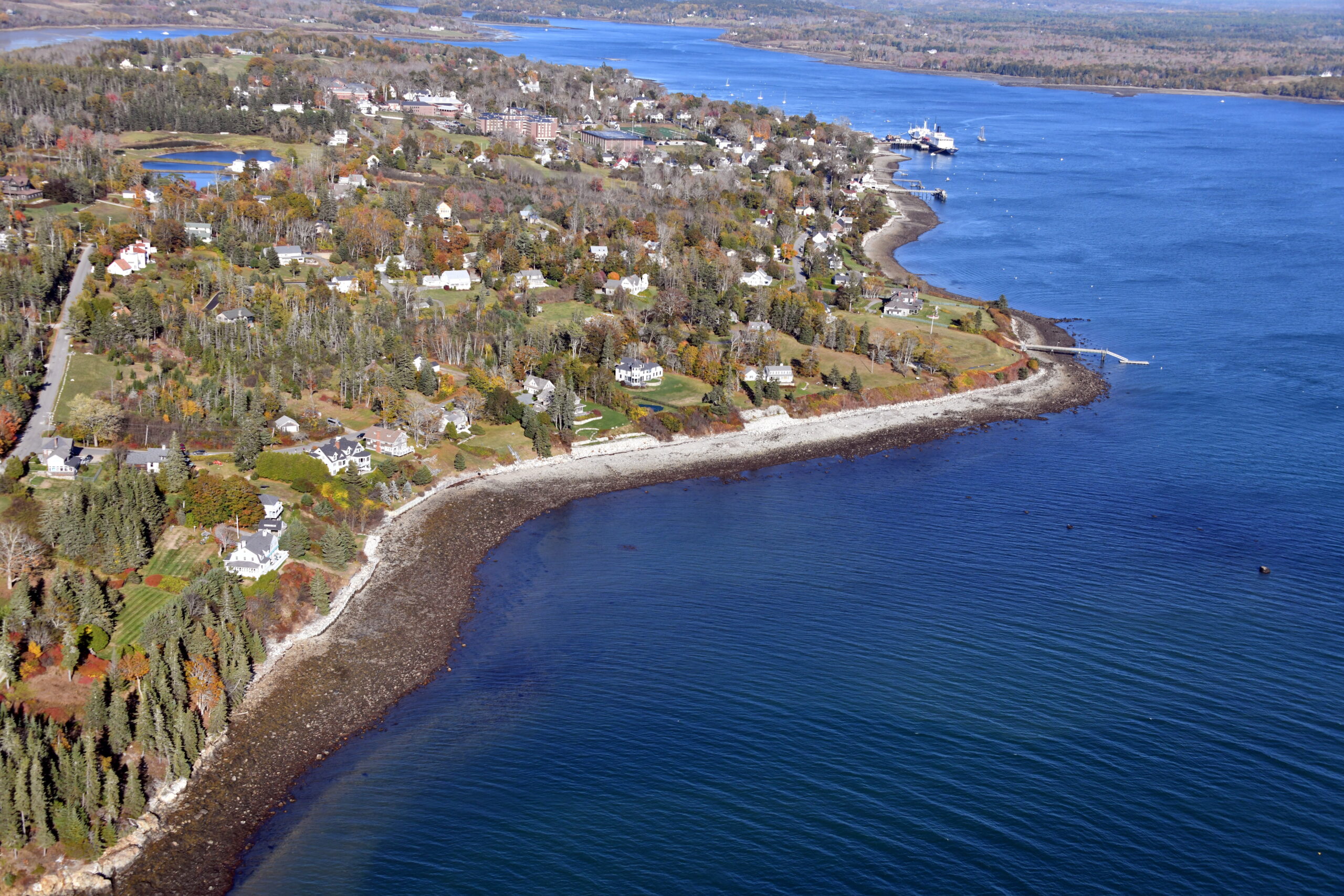
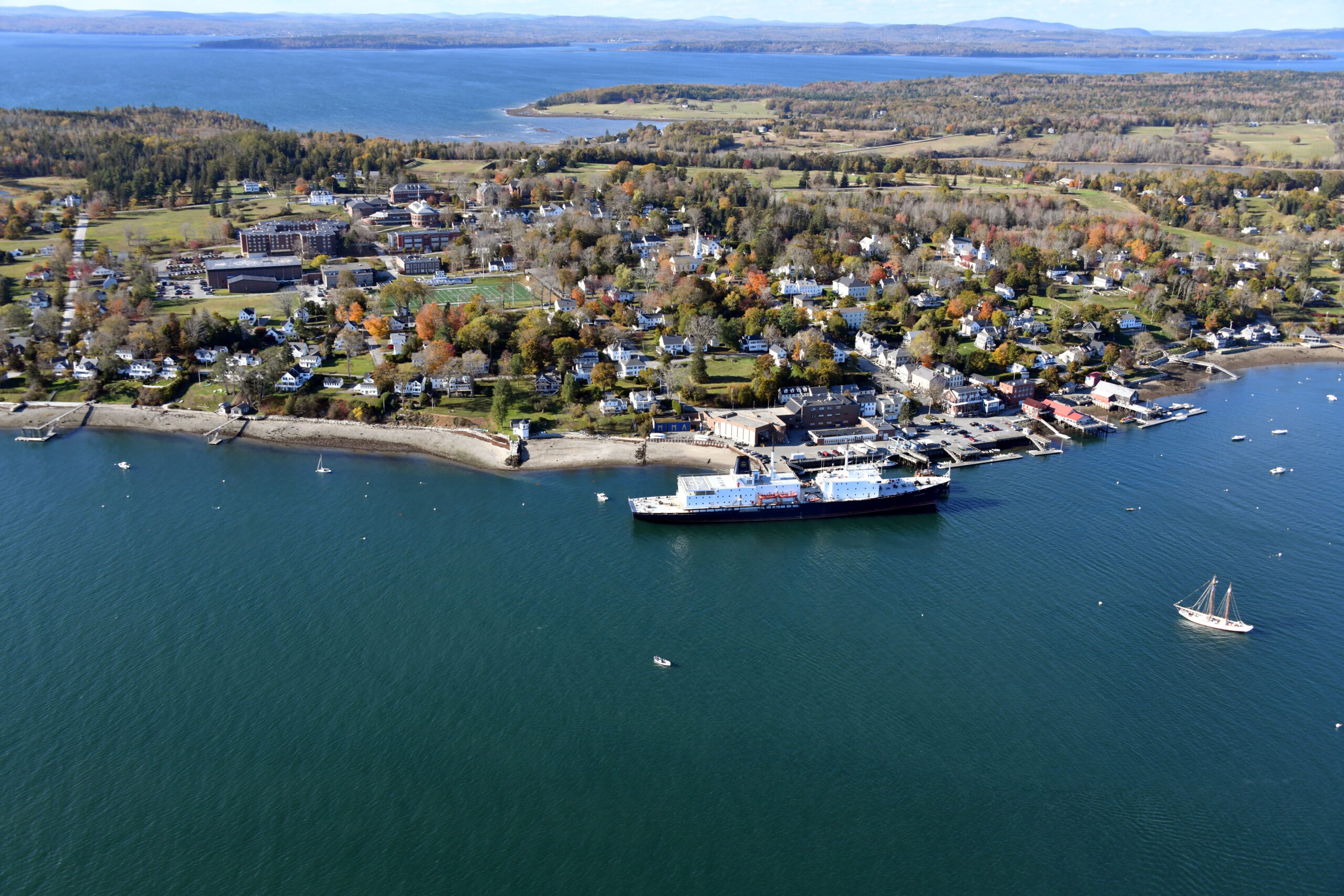
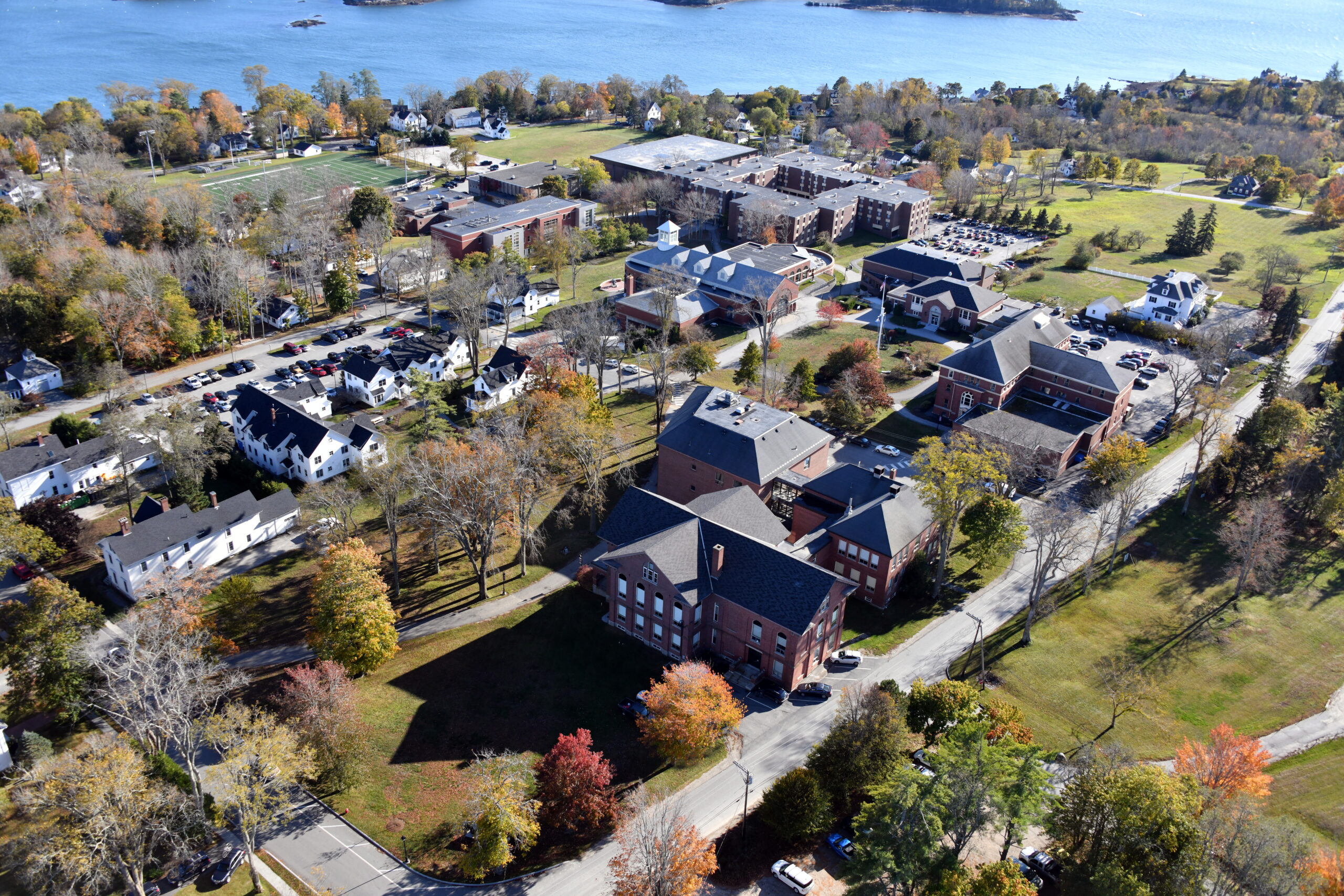
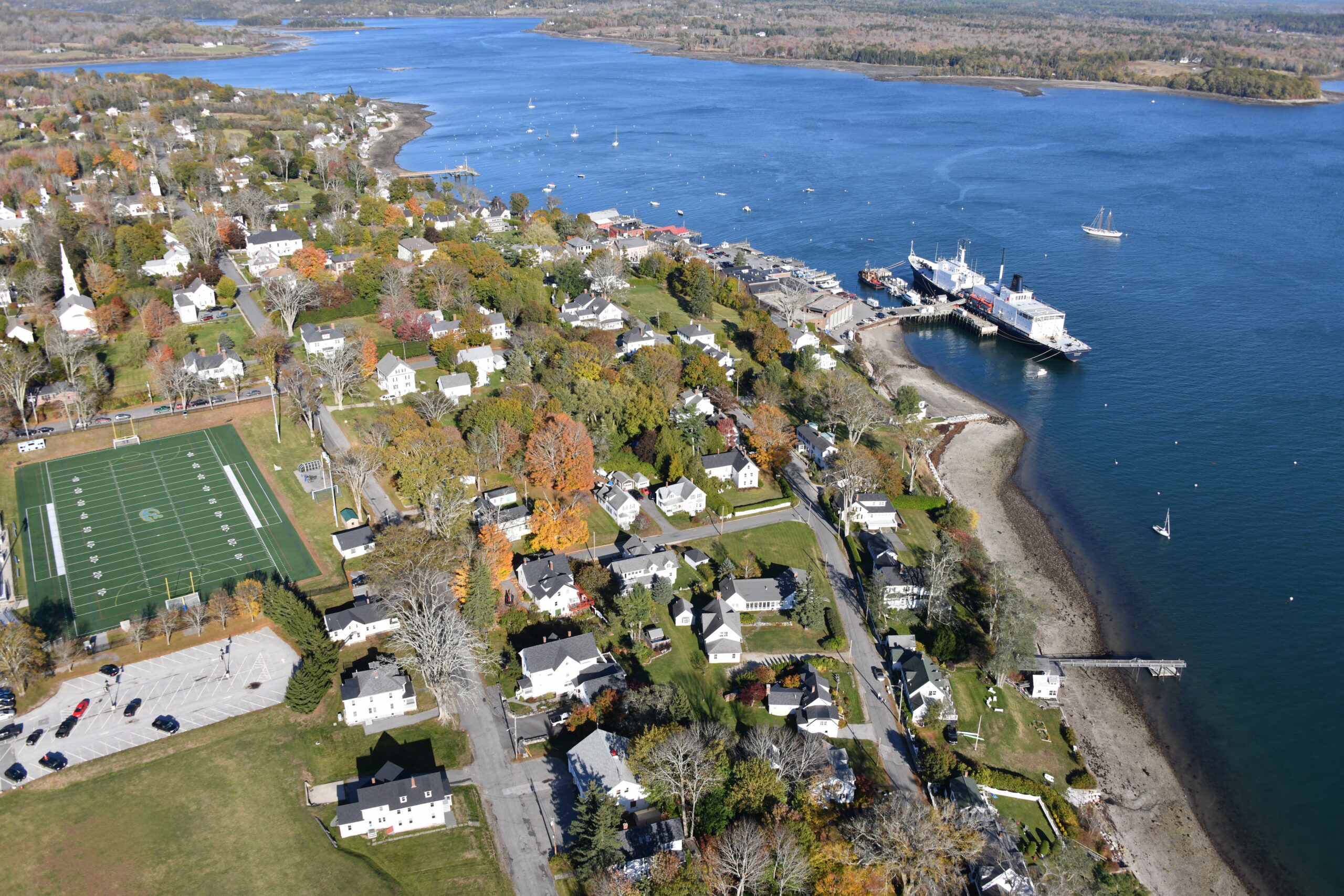
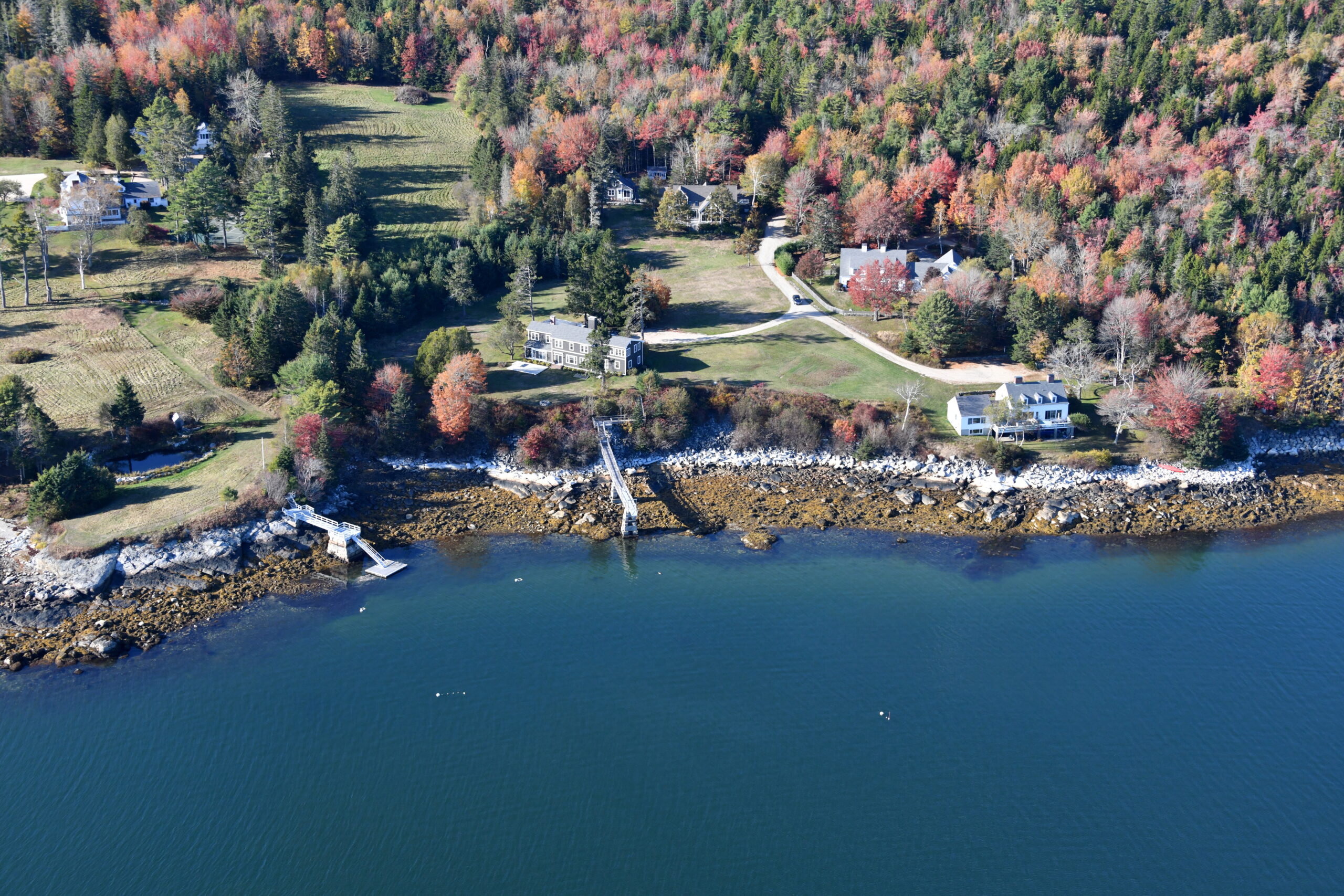
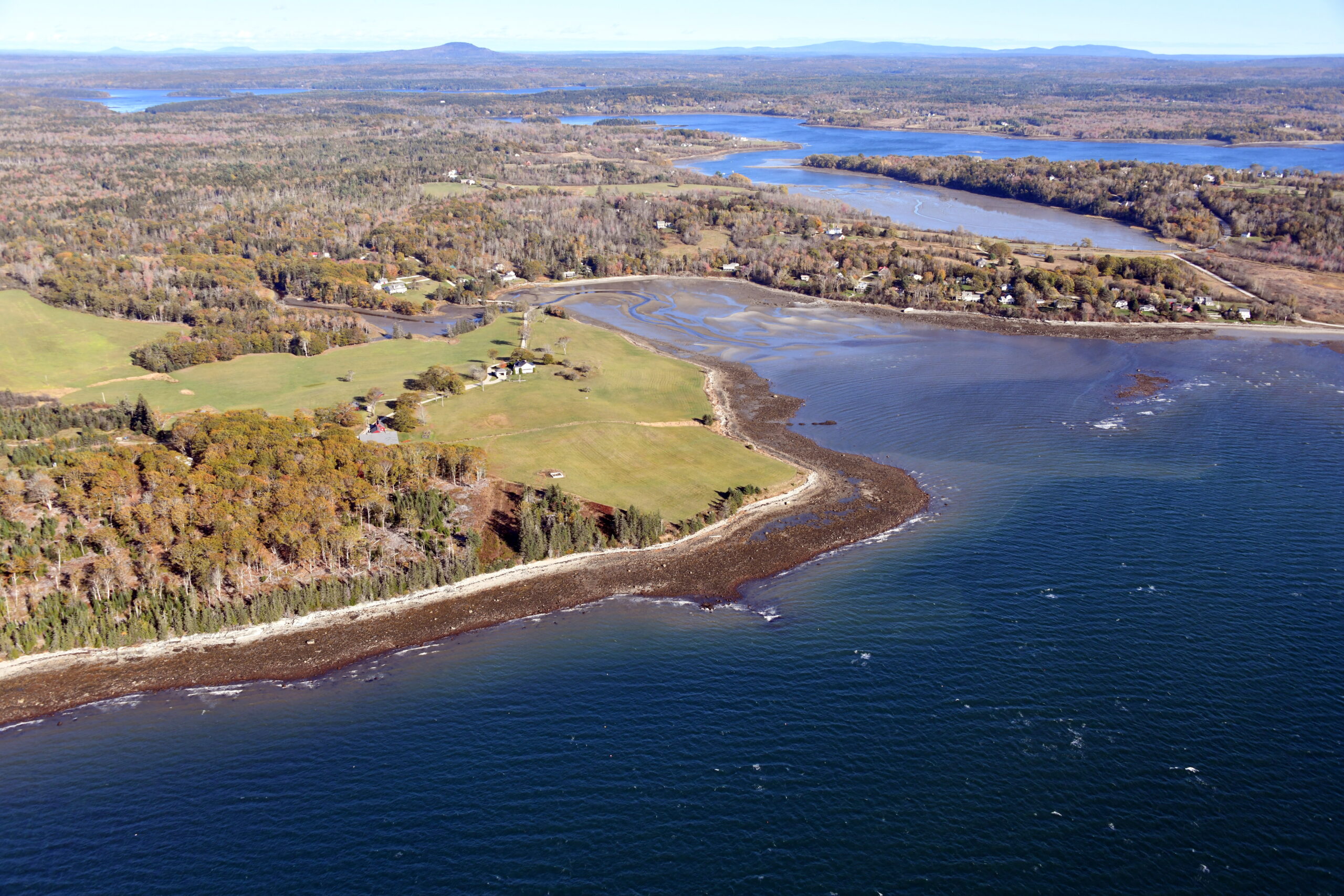
Maine coastal aerial photos: Castine to Mount Desert Island

Castine to the causeway from Trenton to Mount Desert Island, home of Acadia National Park:

Down the west coast of Mount Desert Island to Bass Harbor:

From our Boston to Bar Harbor, Maine trip in a Robinson R44 helicopter. Tony Cammarata was in back with a door removed and a Nikon D850. Instrument student Vince Dorow and I were flying.

Full post, including comments

Should we hire Guatemalans to guard the U.S. Capitol?

My friends on Facebook are delirious with joy that Washington, D.C. is being closed off to ordinary people and that more 26,000 U.S. military troops are guarding the Capitol against potential domestic enemies. I’m not sure why the 3,800 D.C. police officers, 2,300 Capitol police officers. U.S. Secret Service agents, FBI agents, U.S. Park Police, et al. cannot protect the U.S. government from its subjects. But I wonder if it could be done at a lower cost.

“Migrant Caravan, Now in Guatemala, Tests Regional Resolve to Control Migration” (New York Times):

As many as 7,000 migrants from Central America are hoping to reach the United States to escape poverty intensified by hurricanes and the pandemic. President-elect Joseph R. Biden Jr. has pledged to ease asylum rules.

Wielding truncheons and firing tear gas, Guatemalan security forces on Sunday stepped up their efforts to stop a caravan of thousands of Central American migrants who have surged in from Honduras in recent days in hopes of reaching the United States.

Shortly after dawn on Sunday, migrants tried to force their way through the phalanx but were beaten back by security forces with truncheons, shields and clouds of tear gas, according to the local news media and a video circulated by the Guatemalan government.

“Fortunately, our security forces managed to contain this pitched battle,” said Guillermo Díaz, director general of the Guatemalan Migration Institute. “We managed to calm everything in a very complicated situation.” He added, “We are talking about national security here.”

Instead of mobilizing costly U.S. military forces, why not pay the Guatemalans to keep us safe from ourselves?

Separately, I had always wondered why we needed to spend nearly $1 trillion per year on a military that served no apparent purpose. The Soviet Union was mostly an enemy in our own minds. Canada and Mexico still haven’t invaded. Our military didn’t do anything to stop up to 29 million undocumented migrants from crossing the border and settling down in recent years. Maybe the real purpose of the U.S. military is simply domestic policing?

Tikal, Guatemala, from 2000 (captured with the Mamiya 7 medium format camera):

And the flower market in Chichicastenango

Before coronapanic, friends regularly traveled to the UNESCO World Heritage site of Antigua, Guatemala for Spanish lessons and relaxation. Why not travel there to find folks with a proven track at controlling a determined crowd without lethal violence?

Update from Facebook:

Full post, including comments

Toyota Sienna vs Honda Odyssey

For those who need the style and prestige that only driving a minivan can yield… the Toyota Sienna is all new for 2021 and contains much exciting technology (see Electric AWD implemented by Toyota for the 2021 Sienna minivan).

Our 2018 Honda Odyssey recently needed an oil change. While it was getting worked on, I test-drove a 2021 Honda Odyssey (apparently identical to our 2018 with the exception of the graphics on one switch) and walked across the driveway to the Toyota dealer and test-drove a 2021 Toyota Sienna XLE FWD.

The Sienna seems a little noisier inside at 50 mph. The handling and acceleration are less responsive. Stomping on the gas pedal does not result in anything dramatic happening whereas the Odyssey can be a 1980s-grade sports car if you need it to be. There is a wireless charger in the center of the dashboard in a place that would keep the phone out of everyone’s way. But why is it useful? You have to plug in the phone to get Apple CarPlay to work. At that point the phone is charging from the cable. The iPhone 12 Pro Max kept sliding off the precise spot where it needed to be to charge and the charge indicator would then flash.

One plus: the Sienna has a regular shifter for the transmission, instead of a confusing set of push buttons.

The “kick to open” sliding doors don’t work if you leave the keys in the car as we often do when we’re inside the airport fence, for example. So it ends up being an inconsistent interface (works when you have key in pocket; doesn’t work when keys are in car).

Nit: There are (plastic?) chrome buttons all around the touch screen that look cheap.

The other big problem with the Sienna XLE is that it seems to be far more expensive per month than the comparable Honda EX-L, at least when leased (which I think is the most reasonable way to look at the true cost of a car). The Sienna is a hybrid so it gets much better gas mileage, but it could still never save enough in fuel to overcome the extra lease cost ($150 or more per month).

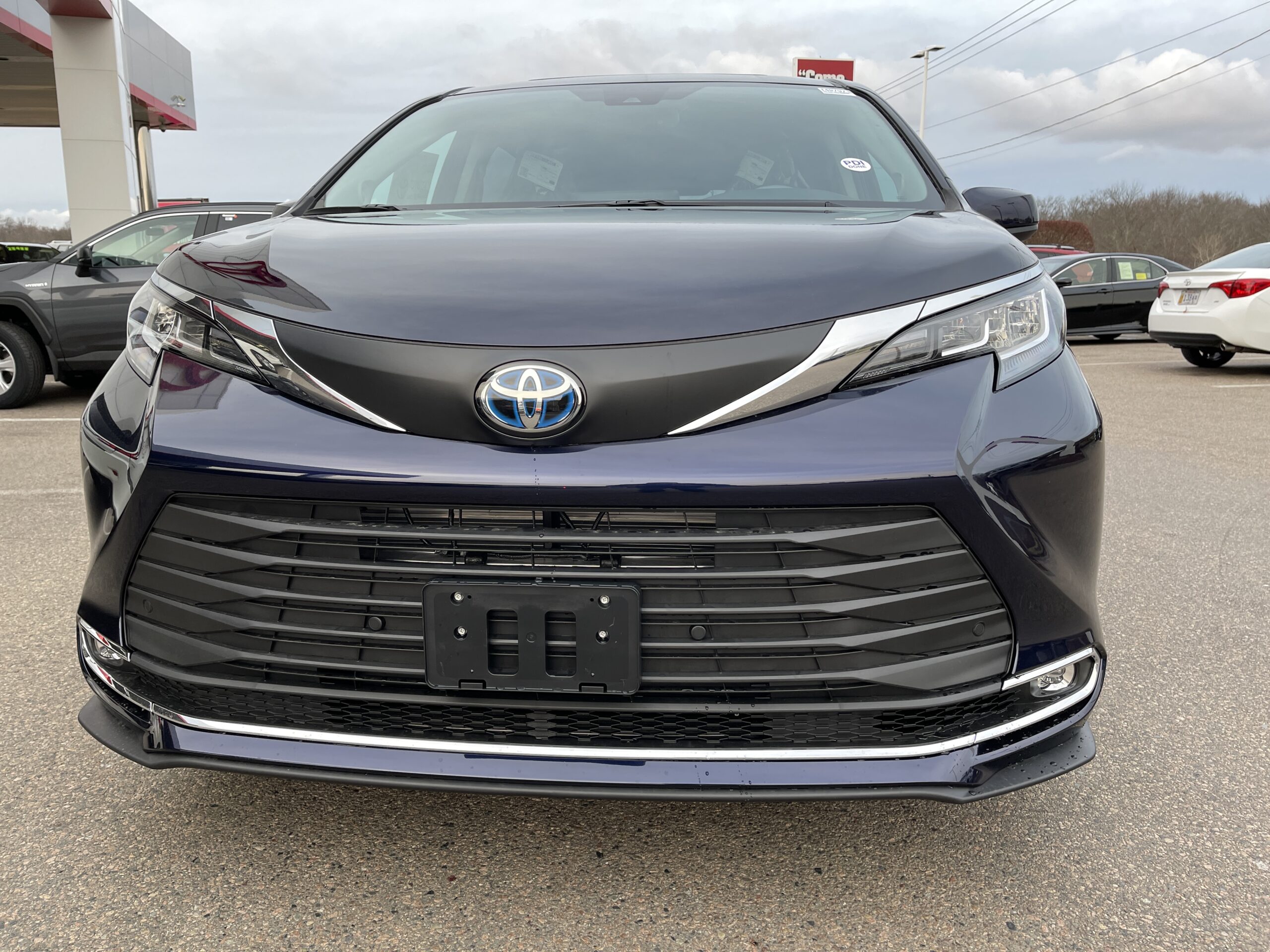
Here’s the monster grille on the Sienna that I tested:

This would be great for a “form follows function” textbook example. The grille is mostly blocked off so as to reduce drag. There is a small hole in the middle for air to come in and cool the engine.

Our family decision: Change it up by replacing our leased white 2018 Honda Odyssey with a leased white 2021 Honda Odyssey.

Loosely related… what happens when MIT geniuses go shopping for cars? “Electric Cars Are Better for the Planet – and Often Your Budget, Too”:

New data published Thursday shows that despite the higher sticker price, electric cars may actually save drivers money in the long-run.

To reach this conclusion, a team at the Massachusetts Institute of Technology calculated both the carbon dioxide emissions and full lifetime cost — including purchase price, maintenance and fuel — for nearly every new car model on the market.

My comment:

How can the budget assertions of this article make any sense? A mid-sized Nissan Altima leases for $290/month (spreading the up front payment over 36 months). The Tesla web site shows the lease cost of the Tesla 3 at $525/month. The Tesla’s higher capital cost and high cost of bodywork means that the insurance for the Tesla will be much more expensive than for the conventional gas-powered mid-size car. Even if electricity were free, the Tesla would still be more expensive over the three-year lease. (Here in Massachusetts, the electricity for a Tesla actually costs MORE per mile than the gasoline for an Accord, Altima, Camry, or similar.) Maintenance costs? The conventional car will be under warranty for the entire lease period. It might need a couple of oil changes at $50/each. The Tesla will burn through tires (at least all of my friends’ Teslas have). I wonder if the research was done by people who had never shopped for a car.

Via facts, figures, and research, our best academics have proven that something that costs $525/month is cheaper than something that costs $290/month.

Update: Consumer Reports finally released their test results on the Sienna. Honda did better on the road test (85 vs. 79), “third seat comfort,” “interior fit and finish,” and “trunk/cargo area.” The Toyota was better for predicted reliability and fuel economy. In CR’s scoring system, the Sienna ended up higher overall, but for a lease customer the reliability is irrelevant (since the warranty extends for the full three years of the lease). The superior fuel economy is nice, but, as noted above, saving the planet won’t save you any money because the Sienna lease costs so much more every month.

Full post, including comments
Why didn’t coronapanic and shutdown push virtual reality over the hump?

In Virtual reality and augmented reality: the technologies of the future (March 2019) I asked

Is it fair to say that “VR/AR is the technology of the future, and always will be”?

The future arrived in March 2020, with governments around the world making it illegal to interact face to face, illegal to travel, etc. If VR were ever going to catch on, shouldn’t coronapanic and associated lockdowns have been the catalyst?

If there were complete VR experiences at most of the world’s art museums, I would buy a VR headset right now, but museum web sites don’t seem to offer more than conventional image galleries. Maybe there are a handful of museum experiences available, but certainly it is not like the freedom that we had in the physical world when the physical world (beyond South Dakota and Sweden) included freedom.

VR could also be great for mass (virtual) gatherings. Wander around in VR and form small conversation groups (but maybe this wouldn’t be as good as Zoom because you’d have to interact with avatars unless you wanted to see pictures of people with VR goggles attached to their heads.

Who has tried the Oculus Quest 2? One of my cousins loves this, but maybe that is because he has been locked into his house with wife and two (mostly grown) children (i.e., perhaps coronapanic did push him into the VR fold). No cumbersome cables (and therefore limited to two hours of battery-based usage). No need to configure a PC. No privacy issues because it is tied to Facebook, which already knows everything about you.

Related:

Full post, including comments
MLK Day: Maskachusetts imprisons Black urbanites on weekends

This is the weekend when many Boston-area commuter rail lines cease to run (NBC). Black families that have been locked down for nearly a year, their children in the parody of education that we call “remote school”, will henceforth be unable to come out to the white suburbs/exurbs and walk around in the conservation land.

(The righteous folks of Arlington and Lexington, Massachusetts nearly all have BLM signs, but they previously fought hard to keep the core MBTA subway system from expanding in their direction, thus imposing a transportation barrier to the dark-skinned. Coronaplague has enabled white suburbanites to get a little closer to their dream of isolation from the BIPOC.)

In What would Martin Luther King, Jr. do for us today? I noted that MLK seemed to contemplate a future in which Black Americans would have jobs. Presidents Biden and Harris, though, promise to make it illegal for millions of Black Americans to work (via shutdown: CNN; also via a $15/hour minimum wage: Prospect (anyone whose skills weren’t worth at least $30,000/year would become either impractical or illegal to employ)) and instead to provide them with more welfare.

MLK organized a 1963 “March on Washington for Jobs and Freedom” (the two things that, in a typical state with shutdown orders from the governor, Black Americans have lost during coronapanic!). From the speech:

I have a dream that one day on the red hills of Georgia, the sons of former slaves and the sons of former slave owners will be able to sit down together at the table of brotherhood.

(What about those who don’t identify as “sons”? They were going to be cooking in the kitchen and then serving at the table?)

Harvard University did not get this memo:

I have a dream that my four little children will one day live in a nation where they will not be judged by the color of their skin but by the content of their character. I have a dream today.

Gender binarism:

…. one day right there in Alabama little black boys and black girls will be able to join hands with little white boys and white girls as sisters and brothers. I have a dream today.

Circling back to the “Jobs and Freedom” theme, is it fair to say, then, that coronaplague has helped white Americans take the country farther away from what MLK was hoping to see for Black Americans?

Related:

Full post, including comments

Our hero’s hospital is full (but not with patients who should be there)

From May 2020, A typical American hospital during coronapanic:

The author of Medical School 2020 gave me an update on his training hospital. They have roughly 1,100 beds. They have admitted 24 Covid-19 patients since the plague began. There are currently 7 Covid-19 patients in the hospital. Residents have been working week-on/week-off due to the shortage of cases from which they might learn. “We’re allowed to do elective surgeries as of this week,” he said, “and I thought there would be a huge backlog, but there isn’t. We’re still not busy.”

How about now? “Every bed is full. The ICU is full. The ED has 55 patients waiting for rooms [in the rest of the hospital].” Is COVID-19 that prevalent? “No,” he responded, “but we have to test every patient before discharge even if we have no reason to suspect Covid. If someone tests positive, he or she can’t go back to the nursing home for three weeks. People who would have been in the hospital for 4 days in 2019 are staying 6 weeks. We will have to shut down elective surgeries soon if we can’t do better at placing discharged patients.”

What about the COVID-19 patients per se? “Most of them are on 1 liter of oxygen [per minute], which is nothing,” he said. “They might not notice if it were stopped. People can be at home on 5 liters.” In his opinion, the ones who were on ventilators had to be in the hospital because they needed to be managed by nurses, but none of the other Covid-19 or Covid-19-positive patients had any medical need to be in the hospital. They were there because no infrastructure had been built to accommodate patients who didn’t need to be in the hospital, but who could be sent back into nursing homes for fear that they would infect others (enter the hero Governor Cuomo!).

Essentially, the hospital is packed because, even with nearly a year to prepare, state and local health departments that regulate hospitals and track hospital capacity couldn’t get organized to turn empty hotels into Covid-19 halfway houses.

Department of Nobody Listens to Me… from April 2, 2020… If we could build renal dialysis capacity, why not COVID-19 treatment centers?: treat COVID-19 patients in strip malls.
Update: A medical school professor who read the above… “It’s all true. But one big additional reason is that discharging all those patients would be a loss of $$$$$.” (I’m disappointed in myself for not immediately realizing that a 100-percent full hospital, and a ready excuse in the form of hysterical headlines for why it is 100-percent full, is not the end of the world from the hospital CEO’s perspective.)

Related:

Full post, including comments