Time for graduate school in Trump hatred

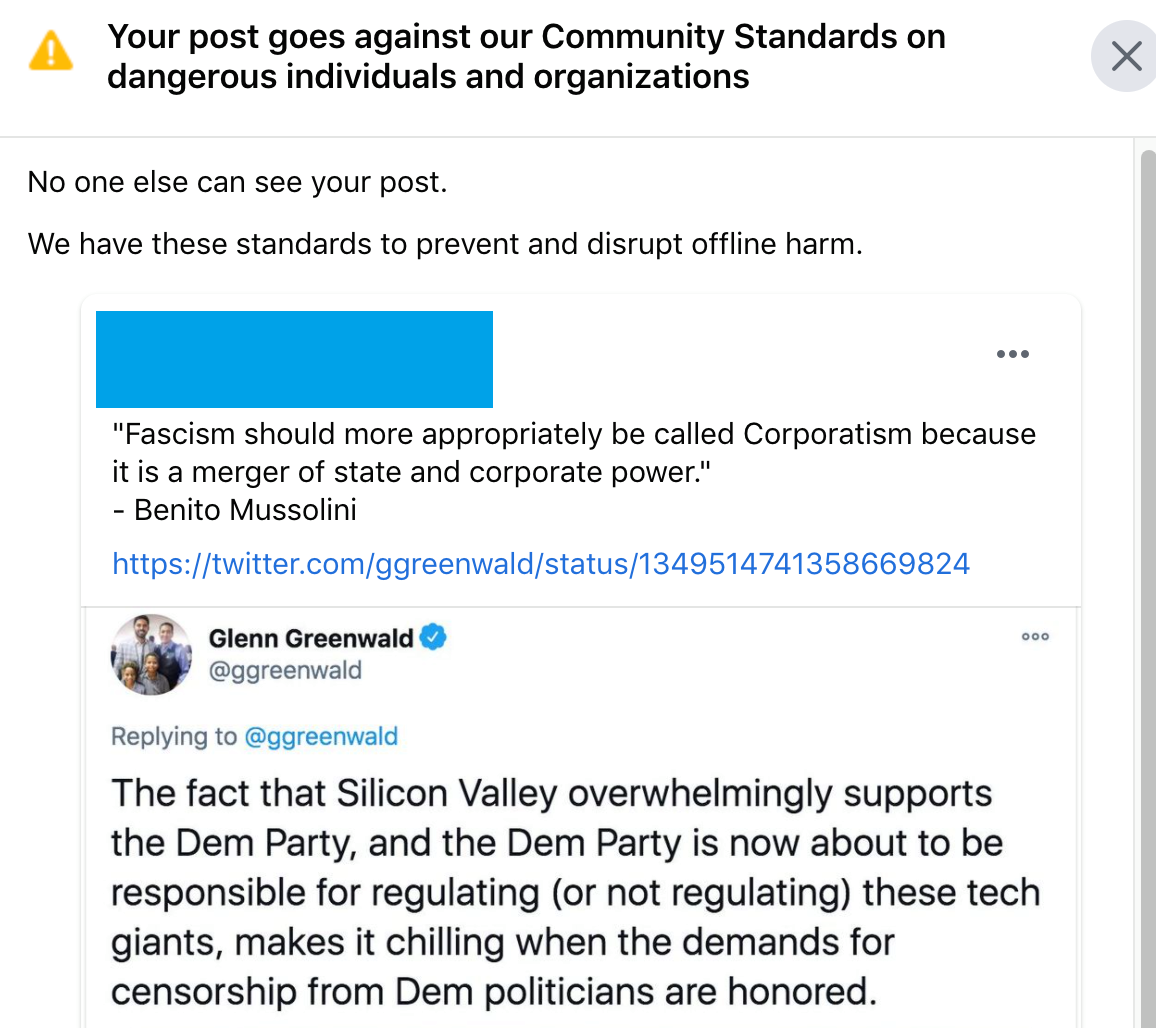
If we regard the lead-up to the election as a Bachelor’s degree in Trump-hatred, can the post-election activity be thought of as grad school? From “Voting Trump Out is Not Enough,” by Keeanga-Yamahtta Taylor (New Yorker):

Like tens of millions of Americans, I voted to end the miserable reign of Donald J. Trump, but we cannot perpetuate the election-year fiction that the deep and bewildering problems facing millions of people in this country will simply end with the Trump Administration. They are embedded in “the system,” in systemic racism, and the other social inequities that are the focus of continued activism and budding social movements. Viewing the solution to these problems as simply electing Joe Biden and Kamala Harris both underestimates the depth of the problems and trivializes the remedies necessary to undo the damage. That view may also confuse popular support for fundamental change, as evidenced by Trump’s one-term Presidency, with what the Democratic Party is willing or even able to deliver.

The hated dictator’s name appears more than 20 times in this article.

With Trump gone, it is apparently time to listen to the scientists who said that the shutdown would cost more lives than would be saved from Covid-19:

Today, in Philadelphia, where I live, there is not a single aspect of life that the pandemic has not upended, from work and school to housing and health care, pulling poor and working-class African-Americans, in particular, deeper into debt and despair. The uncertainty of the moment, let alone the future, feeds fear, frustration, hopelessness, and dread. In Philadelphia, shootings are on the rise, and the murder rate is growing. … African-Americans make up eighty-five per cent of the city’s shooting victims. Even before the pandemic, drug overdoses in Black Philadelphia were on the rise. In the first three months of shelter-in-place orders, a hundred and forty-seven Black residents died by accidental drug overdose, forty-seven per cent of drug deaths in the city. … Job losses have overwhelmingly affected low-wage, minority workers. Since May, as many as eight million people have been pushed into poverty, with Black families overrepresented among them. … Thousands of people have already been evicted during this crisis, and nearly one out of six renters have fallen behind on their rent. Nearly one in four renters who live with children report that they are not up-to-date with the rent. The Centers for Disease Control and Prevention’s unprecedented moratorium on evictions was too good to be true: the Trump Administration recently signalled to landlords that it would allow them to challenge the eligibility of tenants. This leaves the viability of the C.D.C. moratorium up to the discretion of individual judges, who may or may not honor it. Local organizers and activists have tried to fill the gap created by federal neglect with relentless mutual-aid organizing, but it is hardly sufficient.

Our cities are actually run by good people:

It is not a Trumpian slur to observe that many of the cities where Black suffering takes place are also governed by proud members of the Democratic Party. Instead, it illuminates the depth of the bipartisan failure to address the tangled roots of racism, poverty, and inequality.

But they have been let down by the U.S. economy, which is only about half as large as it needs to be to support the subsidies that low-skill and/or non-working Americans require:

In Philadelphia, which, ignobly, has among the highest proportion of poor residents of any big city in the country, thousands stand on the cusp of eviction. Twenty-two per cent of households in the city are severely cost-burdened, meaning that they are spending half or more of their income on housing costs, which is well above the national average. Before this downturn, sixty-one per cent of households headed by Black women in Philadelphia were spending at least thirty per cent of their income on rent, compared with fifty-three per cent of households headed by white women and forty-four per cent of households headed by white men.

(The author doesn’t mention this, but what will really help these folks is 45 million immigrants to compete with them in the rental market:

(from Migration Policy Institute). Econ 101 tells us that when demand is boosted by 45 million, prices for scarce rentals will inevitably fall.)

Not enough money is being diverted from rural America (i.e., the counties that voted Republican) to the cities (i.e., the counties that voted Democrat):

The likely gridlock in Congress next year will lead to more stagnation in local government, as communities become hamstrung by a lack of federal funding.

(I should do a separate blog post on this. I wonder if the reason that people in low-density parts of the U.S. vote for smaller government is that big government spends nearly all of its money in cities. Hospitals, federal buildings, central post offices, community centers, concert halls, courthouses, etc. all tend to be built in downtown areas. The bigger the government, the larger the transfer from rural counties to urban counties.)

The core problem is the existence of Republicans:

That conclusion may seem to be supported by the shocking fact that upward of seventy million people voted to reëlect the most corrupt, venal, and brazenly racist President in modern American history. … The insistence on unity between the two parties almost always comes at the expense of those whose needs are greatest. How would a Biden Administration incorporate the views of a Republican Party that has supported a white-supremacist President, voted for Trump’s plutocratic tax cuts, advocated for the separation of families at the border, and facilitated the heist of a Supreme Court seat in hopes of fulfilling the right’s fantasy of ending access to abortion and destroying any hint of government-backed health insurance? We were told that this Presidential race was the most consequential of our lifetimes, that it was a contest between democracy and budding fascism. Why would Biden welcome the foot soldiers of Trump’s authoritarian politics into his coalition?

And the struggle will continue even if Trump disappears in his Boeing 757, beyond the reach of even the most vindictive Democrats:

The need in this country dwarfs the best of what Biden has put on the table for changing our current condition. But the demonstrations of the summer, the ongoing campaigns for mutual aid, and the growing movement against evictions are demonstrable proof that power is not only generated in mainstream politics but can be garnered through collective organizing and acts of solidarity. They also foretell a future in which the country does not return to a long-forgotten normal but is animated by protests, strikes, occupations, and the ongoing struggle for food, medicine, care, housing, justice, and democracy.

One reason that I voted for Bernie Sanders (twice!) was his logical consistency. In my opinion, we shouldn’t run a country that says housing is a “right” and then provide subsidized housing to only one quarter of those who qualify. At the same time, building the 7 million additional low-income housing units that are required (NLIHC) will cost roughly $5 trillion. Not only don’t we have an extra $5 trillion lying around, but every year an additional million or so low-skill immigrants arrive whose correspondingly low income would entitle them to subsidized housing (i.e., even if we got 7 million new units built by the end of 2021, we’d still have a substantial shortfall).

The Democrats actually did have control of the Presidency and Congress in the first two years of the Obama Administration, right? And they couldn’t find enough money in the U.S. economy to achieve their policy goals? If the Democrats’ huge advantage in funding is sufficient to take control of the Senate via the Georgia runoff votes, will they be able to fund their dream programs in 2021 and 2022? Or will they discover that the U.S. economy has grown at a much slower per-capita rate than their dreams?

Related:

Full post, including comments

Electric AWD implemented by Toyota for the 2021 Sienna minivan

Back in 2019 I wondered Why aren’t AWD cars half electric?

The latest 2021 Toyota Sienna, redesigned with a grille large enough for a 400 HP diesel Freightliner truck, works this way (as does the Toyota RAV4, as a reader comment pointed out on that 2019 posting). From the press release:

Sienna uses a new kind of AWD called Electronic on-demand AWD. Instead of a heavy AWD transfer case and space-robbing driveshaft to the rear wheels, this AWD system uses a separate independent electric motor to power the rear wheels the instant additional traction is needed and at all vehicle speeds.

One bizarre feature of this brand-new-for-2021 minivan is that it has an older generation of the driver assistance technology: Toyota Safety Sense 2.0. The 2021 Toyota Camry, for example, offers “Safety Sense 2.5+” (why not just “2.5”? Is this like “LGBTQIA” where it isn’t complete without the plus sign?) and can perhaps drive itself in a stop-and-go highway situation.

Some excerpts from Consumer Reports:

From our brief time with this preproduction Sienna, it feels as if the van is no longer playing second fiddle to the polished Honda Odyssey. The van is responsive to steering inputs and happy to hustle along winding roads.

Yes, the Sienna is quiet and composed at low speeds when running on electric-only power. But when the Sienna transitions from electric power to the gas engine as a result of added throttle inputs, the engine comes on with a roar. The four-cylinder engine is loud when the driver tries to hurry the Sienna along, particularly on the highway. Sienna owners who are used to the V6 engine’s refinement may find this experience a bit of a letdown.

From Car and Driver:

The all-new Sienna is much improved and heavily refined over the old model, but stops short of leading the minivan class.

From CNET:

One of the best arguments in favor of this Toyota is fuel economy. After a good ol’ thrashing on a wide variety of roads, I averaged just shy of 35 miles per gallon in my Platinum-trim, all-wheel-drive tester. That’s practically economy-car efficiency, plus it’s right in line with this Toyota’s window sticker. According to the EPA, it should return 35 mpg city, 36 mpg highway and 35 mpg combined. Front-drive models are rated at 36 mpg across the board, and all-wheel drive is available across the lineup.

Related:

Full post, including comments

Is it possible that a COVID-19 vaccine won’t be lucrative?

Just as Big Pharma’s worst enemy in D.C. is on his way out, we have “Pfizer says early analysis shows its Covid-19 vaccine is more than 90% effective”. In a world where a lot of people have no goal other than avoiding COVID-19, will Pfizer shareholders now become infinitely rich?

I’m wondering if there will be so much competition in the coronaplague vaccine market that this ends up being only moderately profitable.

First, maybe it isn’t that difficult to create immunity to coronavirus. Here’s a curve of COVID-19-tagged deaths in Sweden.

After a few months of mixing in schools, workplaces, restaurants, gyms, etc., it would appear that a lot of Swedes became immune (otherwise, how to explain the drop in deaths? The Swedes didn’t change their laws or behavior after mid-March. From the IHME prophets:

If it was that easy for Sweden to build immunity, maybe most of the current vaccine candidates from all around the world will work fairly well (WHO report on 47 currently in clinical trials, which also mentions 155 in preclinical evaluation). Except in the U.S., therefore, competition should work to drive down the price.

Related:

Full post, including comments

What did Return from the Stars get right?

I’ve been listening to Return from the Stars, which Stanisław Lem wrote in 1961. The book is set in approximately 2088 when a 40-year-old astronaut returns to Earth after 127 years of high-speed travel with consequent time dilation.

Lem’s vision of economics is pure Marx. Despite a proliferation of humans, there is no scarcity. Not only is electricity too cheap to meter, but also apartments, food, clothing, and transportation. It is unclear how this happened, but perhaps it is due to robots, which are the workers in restaurants and hotels (also free). On the third hand, the novel describes a “real” star who lives in a fabulous suburban villa. So there are some people who live way more luxuriously than others, but there is no mechanism for dealing with scarcity for lifestyle items.

Lem envisions the Kindle (on which Return from the Stars is now available), but not a public computer network to fill it up with content. (Computer networking existed in 1961, but the packet-switched wide-area networks with which we’re familiar weren’t conceived of for another few years.)

I spent the afternoon in a bookstore. There were no books in it. None had been printed for nearly half a century. … No longer was it possible to browse among shelves, to weigh volumes in the hand, to feel their heft, the promise of ponderous reading. The bookstore resembled, instead, an electronic laboratory. The books were crystals with recorded contents. They could be read with the aid of an opton, which was similar to a book but had only one page between the covers. At a touch, successive pages of the text appeared on it. But optons were little used, the sales-robot told me. The public preferred lectons—lectons read out loud, they could be set to any voice, tempo, and modulation. Only scientific publications having a very limited distribution were still printed, on a plastic imitation paper. Thus all my purchases fitted into one pocket, though there must have been almost three hundred titles. A handful of crystal corn—my books. I selected a number of works on history and sociology, a few on statistics and demography, and what the girl from Adapt had recommended on psychology. A couple of the larger mathematical textbooks—larger, of course, in the sense of their content, not of their physical size. The robot that served me was itself an encyclopedia, in that—as it told me—it was linked directly, through electronic catalogues, to templates of every book on Earth. As a rule, a bookstore had only single “copies” of books, and when someone needed a particular book, the content of the work was recorded in a crystal.

The originals—crystomatrices—were not to be seen; they were kept behind pale blue enameled steel plates. So a book was printed, as it were, every time someone needed it. The question of printings, of their quantity, of their running out, had ceased to exist. Actually, a great achievement, and yet I regretted the passing of books. On learning that there were secondhand bookshops that had paper books, I went and found one. I was disappointed; there were practically no scientific works. Light reading, a few children’s books, some sets of old periodicals.

So the bookstore is somehow linked via a network, but the network can’t reach into homes or pockets. Speaking of pockets, Lem did not anticipate wearable or pocketable technology. There are no smartphones. There is no email. People send telegrams at “the post office” (Lem didn’t imagine that Bad Orange Man would dismantle this institution in 2020!).

Lem envisions a world of fantastically advanced construction technology. Although the city of 1961 looked a lot like the city of the 1830s, he expected the cities of the 2080s to be spectacularly different. I.e., the very field that has been most stagnant he expected to undergo the most dramatic changes and the very field that has seen skyrocketing costs he expected to become almost free. (Again, maybe the prediction is based on the fact that Lem has envisioned a world in which there are 18 robots for every human.)

Lem correctedly predicted the end of monogamy (some real life history). There are still marriages, but they are brief and easy for one partner to dissolve unilaterally (not too many couples have children, so litigation over profitable child support isn’t possible). An old doctor advises the returned astronaut:

Once, success used to attract a woman. A man could impress her with his salary, his professional qualifications, his social position. In an egalitarian society that is not possible. … Take in a couple of melodramas and you will understand what the criteria for sexual selection are today. The most important thing is youth. That is why everyone struggles for it so much. Wrinkles and gray hair, especially when premature, evoke the same kind of feelings as leprosy did, centuries ago . . .

In other words, it is just like Burning Man!

Marriages, to the extent people bother with them, last about seven years before people move on to new/additional sex partners. Perhaps more commonly, marriages end automatically after a one-year trial period.

Lem completely misses the LGBTQIA+ rainbow wave. Nobody in the novel changes gender ID. Everyone identifies as a “man” or a “woman”. Cisgender heterosexuality now, cisgender heterosexuality tomorrow, cisgender heterosexuality forever!

On the other hand, the OLED section at Costco would not have surprised Lem:

I realized that what I had in front of me was a wall-sized television screen. The volume was off. Now, from a sitting position, I saw an enormous female face, exactly as if a dark-skinned giantess were peering through a window into the room; her lips moved, she was speaking, and gems as big as shields covered her ears, glittered like diamonds.

Big TVs are used as ceilings with video feeds so that everyone in this heavily populated Earth can see the sky.

Lem completely missed coronaplague and the terrified flight to the suburbs and exurbs. The multi-level cities he created would be the perfect breeding ground for an enterprising virus. On the other hand, he foresaw that humans would become dramatically more risk-averse and therefore it is fair to say that he foresaw cower-in-place as a response to the novel coronavirus. On the third hand, in trying to understand how an astronaut died, a character asks “Could he have had a corona?” (maybe we need to adopt this coinage?)

Lem is stuck in the European perspective that children are products of marriage (US vs. Europe stats). There are no “single parents” in the novel. But children are also essentially products of eugenics. Those who can’t pass an exam can’t breed:

It was considered a natural thing that having children and raising them during the first years of their life should require high qualifications and extensive preparation, in other words, a special course of study; in order to obtain permission to have offspring, a married couple had to pass a kind of examination; at first this seemed incredible to me, but on thinking it over I had to admit that we, of the past, and not they, should be charged with having paradoxical customs: in the old society one was not allowed to build a house or a bridge, treat an illness, perform the simplest administrative function, without specialized education, whereas the matter of utmost responsibility, bearing children, shaping their minds, was left to blind chance and momentary desires, and the community intervened only when mistakes had been made and it was too late to correct them. So, then, obtaining the right to a child was now a distinction not awarded to just anyone.

What’s the technology by which risk has been eliminated from this timid society?

Every vehicle, every craft on water or in the air, had to have its little black box; it was a guarantee of “salvation now,” as Mitke jokingly put it toward the end of his life; at the moment of danger—a plane crash, a collision of cars or trains—the little black box released a “gravitational antifield” charge that combined with the inertia produced by the impact (more generally, by the sudden braking, the loss of speed) and gave a resultant of zero. This mathematical zero was a concrete reality; it absorbed all the shock and all of the energy of the accident, and in this way saved not only the passengers of the vehicle but also those whom the mass of the vehicle would otherwise have crushed. The black boxes were to be found everywhere: in elevators, in hoists, in the belts of parachutists, in ocean-going vessels and motorcycles.

The other core technology is modifying humans in early childhood via “betrization,” which renders them incapable of perpetrating violence.

So… the big misses for this futurist were (1) Internet, (2) battery-powered personal electronics, (3) portable communication, and (4) stagnation, not innovation, in architecture and construction.

(Lem also failed to predict a world obsessed with politics. There are no materially comfortable people protesting BLM or anything similar in Return from the Stars. Material comfort has apparently made people content with whatever the government is. Lem didn’t anticipate that the richer a society got the more pissed everyone would be!)

More: read Return from the Stars.

As close as we’ve gotten in the pre-Musk/Bezos era… (from the Kennedy Space Center’s visitor center)

Full post, including comments

When someone complains about wearing a mask…

… show them this post from a Facebook breed group:

I am extremely allergic to my golden too. Three or four times a year I was getting sinus infections that turned into pneumonia and kept me sick for MONTHS. We made these changes:

We bought a dyson vacuum and religiously vacuum every other day.

I pull the bed out and vacuum under and behind it because I found her fur actually quickly builds up in those areas “hides” behind places like that and the sofa.

I use a swifter wet jet under the bed and under other surfaces help a LOT because it picks up those micro dust hair particles which affects allergies.

We deep brush her twice a week.

We change the AC filters monthly to the strongest allergic kind.

I’ve not been sick for over a year since we started this routine. (I do still take singulair, levocetrizine and Flonase daily). But this has all really worked. Good luck.

(The gal who posted the above followed up with “I absolutely love love love my dog so much. She’s worth every minute.”)

I feel that this is a contender in the topping competition that one sees regarding coronaplague masks. “Our First Responders do X, Y, and Z, and you can’t simply wear a mask all day?”

Readers: Agree?

Also from this golden retriever group, an owner with a 6-month-old golden and a 2-month old Chihuahua asked how to prevent the two from breeding. I responded

Every Chihuahua should be neutered! No dog should be smaller than a big rat.

The comment attracted 10 positive reactions (like/laugh). I dug into these. All but one reaction was from a Facebook user with a female-associated first name.

Full post, including comments

What can we appreciate about Trump?

Now that Donald Trump appears to be definitively headed for retirement from politics, maybe it is worth revisiting a question that a negotiation expert asked a group of Harvard alumni: What can we appreciate about Donald Trump? (the guy was trying to teach these folks that you will be a more effective negotiator if you can find some common ground)

The assembled righteous, of course, answered that there was absolutely not a shred of goodness in the Bad Orange Man and certainly he had never done anything that they could possibly appreciate.

Readers: What about you? (no need to highlight or dissect the failures; every U.S. president has been limited by Congress, the states, and/or the American people)

(My personal list:

  1. started no wars
  2. aligned corporate tax rates with Europe so that it no longer made obvious sense for corporations to flee
  3. limited the unfair subsidization of inefficient states by residents of efficient states (SALT deduction limit; note that this increased my personal tax payments)
  4. motivated the FAA to be a little less inefficient and a little less unresponsive
  5. a couple of peace/trade deals between Israel and the Arabs
  6. appointed a fellow Honda minivan driver to the Supreme Court

)

Related:

  • https://www.whitehouse.gov/trump-administration-accomplishments/ (does not seem to have been updated in a couple of years, as Kavanaugh is listed as a nominee only)

Serving suggestion if you’re hosting a Trump Appreciation party (Goya-brand olive oil):

Full post, including comments

American health insurance as understood by a licensed health insurance broker

From an email exchange with our aviation insurance broker, regarding why he uses an agent for his own small business’s health insurance plan, rather than going direct to an insurer:

I would say exposure to more markets (United Health is probably going to be more cost effective than Blue Cross) as well as someone to turn to when you have questions about the different options. I have my health insurance brokers license and the intricate differences between plan offerings still confuse me sometimes.

What hope is there for the rest of us?

Full post, including comments

Alexa and Google Home have proved that home automation is useless?

Ken Olsen, the founder of Digital Equipment Corporation, a pioneer in minicomputers, disparaged microprocessors for controlling houses back in 1977:

In 1977, referring to computers used in home automation at the dawn of the home computer era, Olsen is quoted as saying “There is no reason for any individual to have a computer in his home.” Olsen admitted to making the remark, even though he says his words were taken out of context and he was referring to computers set up to control houses, not PCs. According to Snopes.com, “the out-of-context misinterpretation of Olsen’s comments is considered much more amusing and entertaining than what he really meant, so that is the version that has been promulgated for decades now”.

We’ve had 43 years of progress since then. The functions that he said were useless to accomplish by touching a switch are now useless to accomplish with our voices (are we truly so fat and lazy that we can’t get off the sofa to flick a light switch and need to ask Alexa to activate a light?).

I’m still kind of an enthusiast for a computer-controlled home, especially if we could have electrochromic windows and skylights everywhere around the house and/or motorized shades and brise soleil. But even in technologically advanced societies, such as Korea and Taiwan, the typical component of a house continues to be dumb, right?

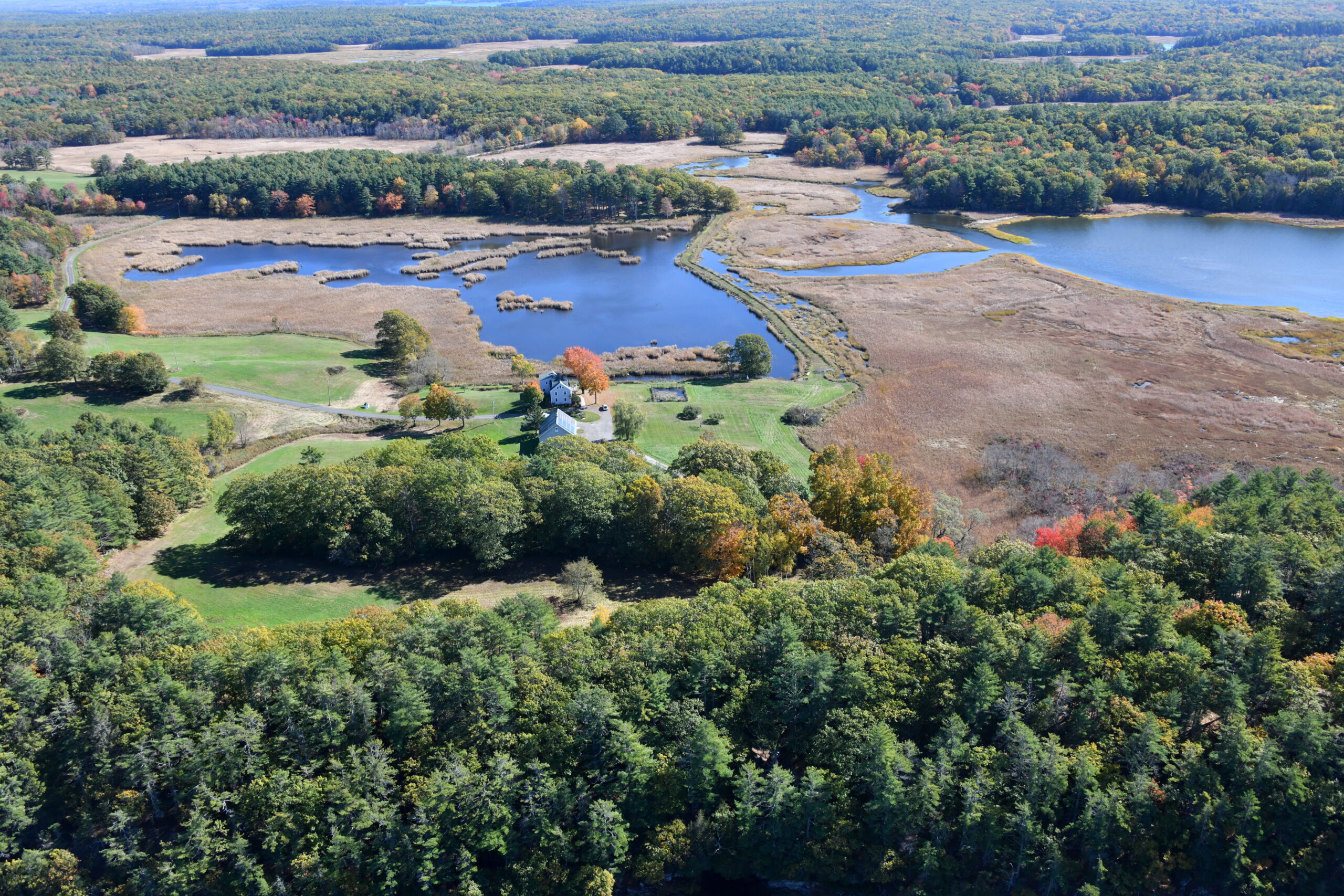
Bonus… a picture of Ken Olsen’s former house, past peak foliage:

For folks who believe in the magic of American real estate as an investment: the Zillow link above says that the house was sold in 2007 for $1.9 million and is now worth $2 million, 13 years later. Up 5 percent, right? (actually 0 percent if it costs 5 percent in real estate commissions to sell) But let’s not forget that it is attracting $28,832 per year in property tax even before the ground has been broken on the nation’s most expensive (per student) school ever constructed.) The S&P 500, by contrast, was at 1,455 at the time of the sale. On October 26, 2020 it was 3,465 (up 138 percent). Instead of requiring the payment of property tax, the S&P 500 has been paying a dividend every year during this period.

What if we adjust for inflation? The house cost $2.4 million in today’s mini dollars. So it has actually lost more than 20 percent in value when you consider the broker fees that will need to be paid to unload it. (Adding insult to injury: U.S. capital gains tax does not adjust for inflation, so the unlucky owner might have to pay capital gains tax on the increase in nominal value despite the fact that there was a loss. in real (inflation-adjusted) terms.)

Full post, including comments

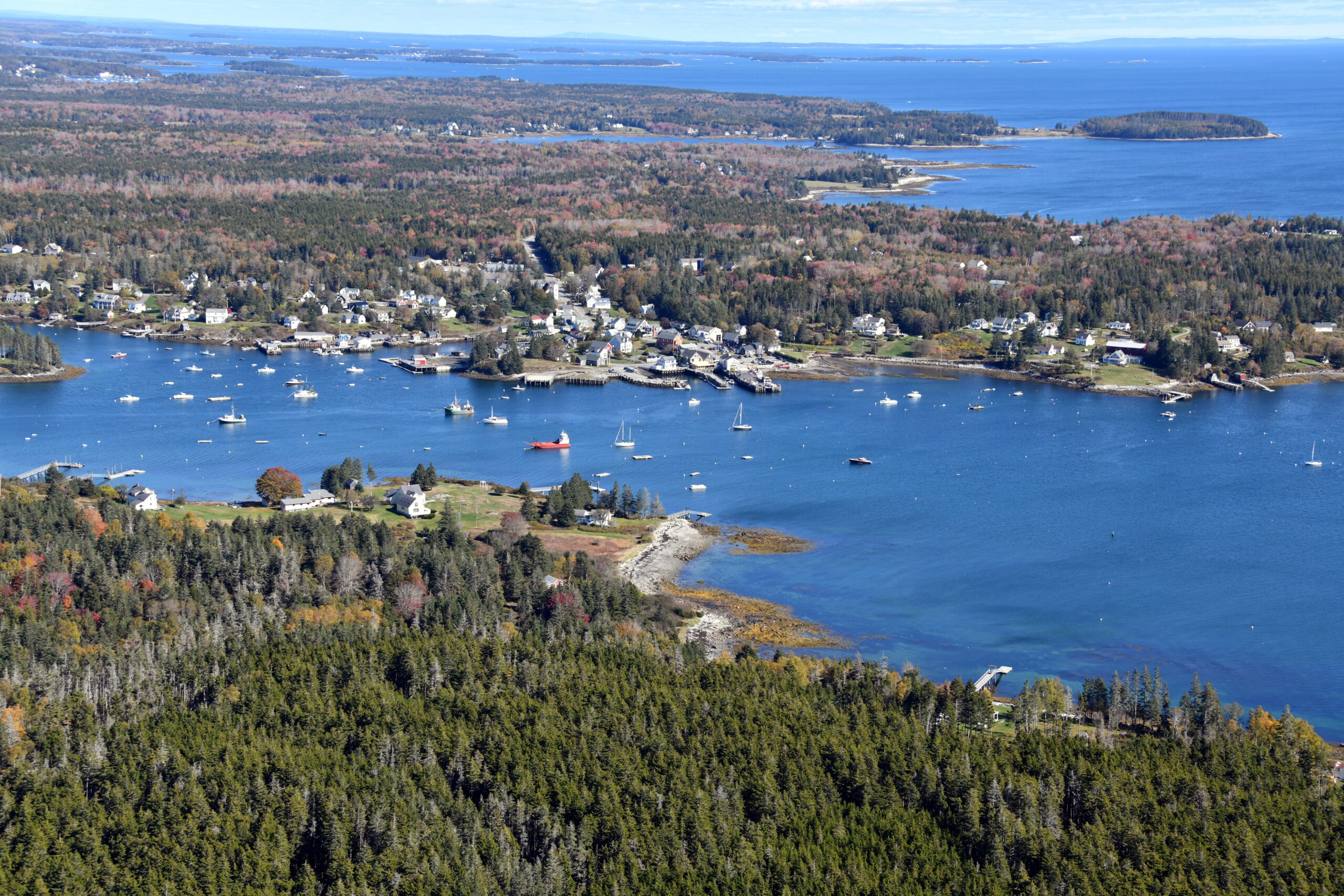
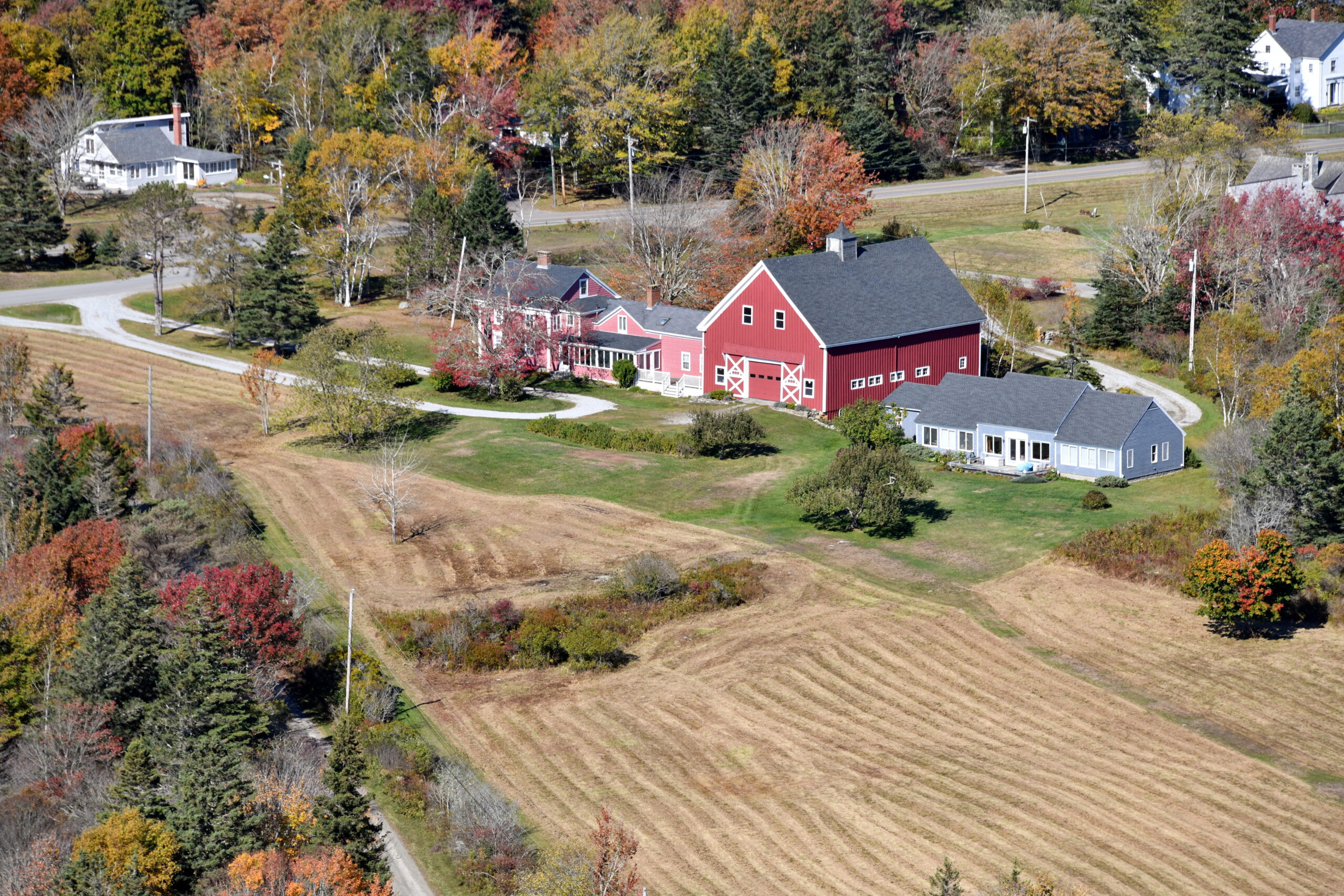
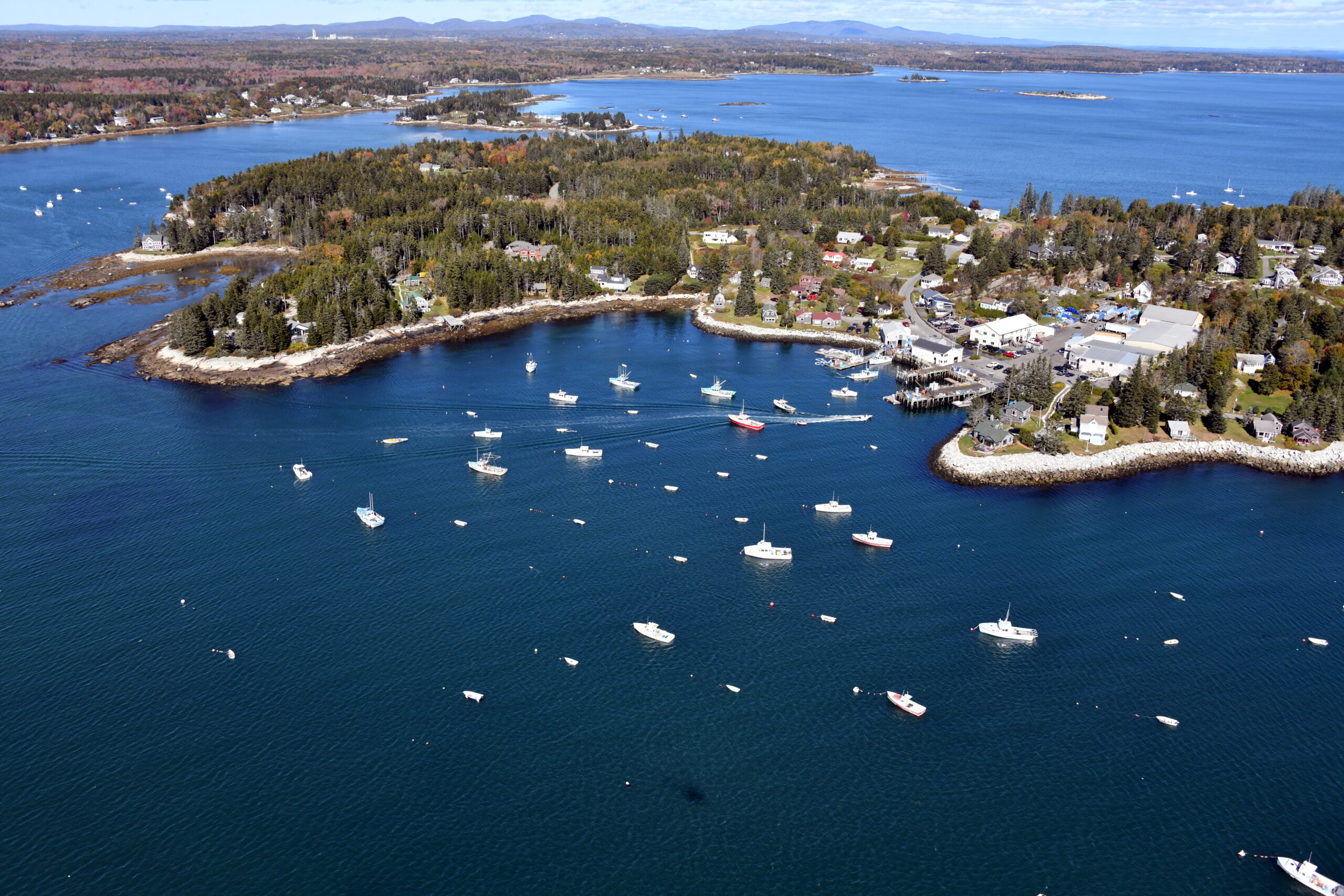
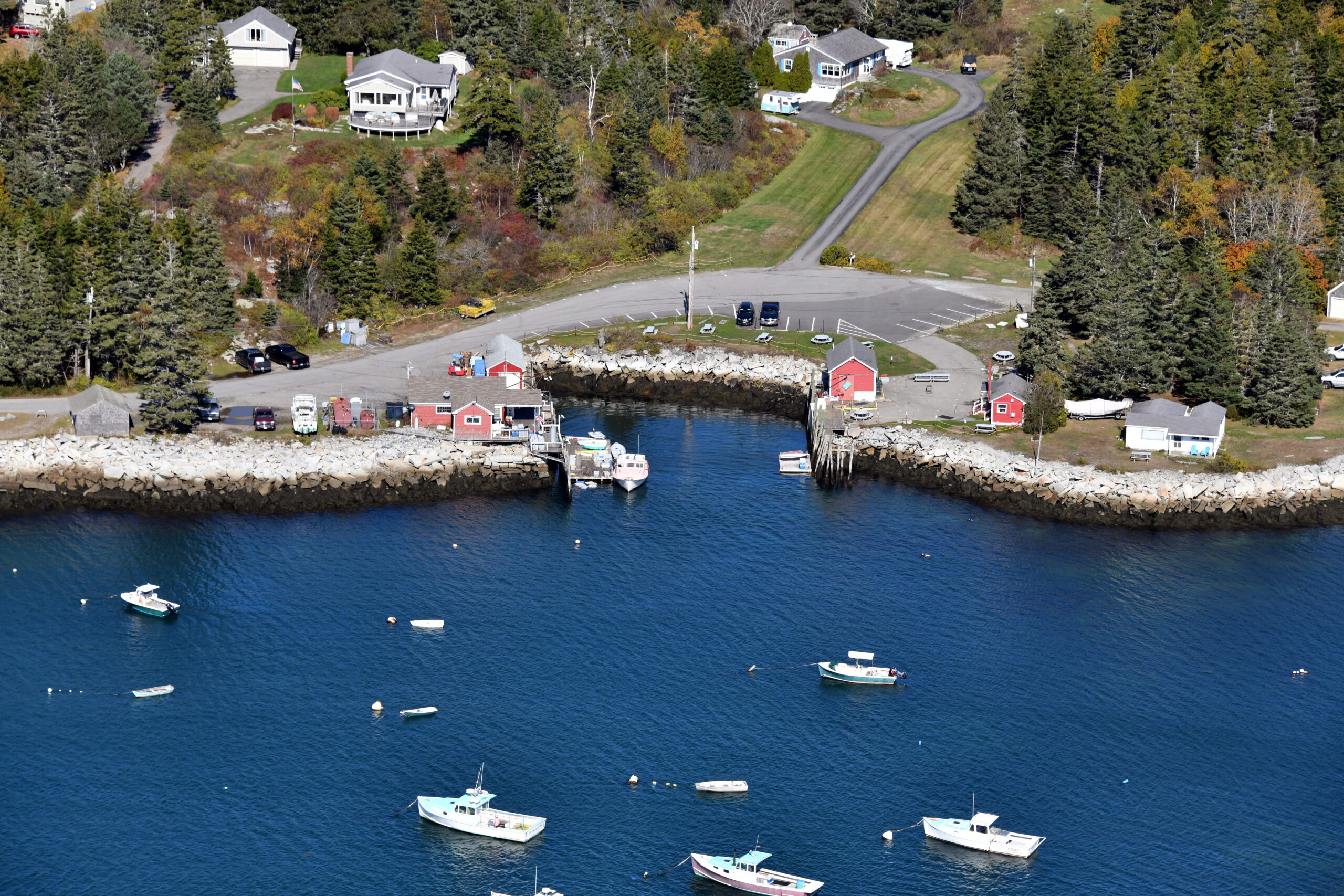
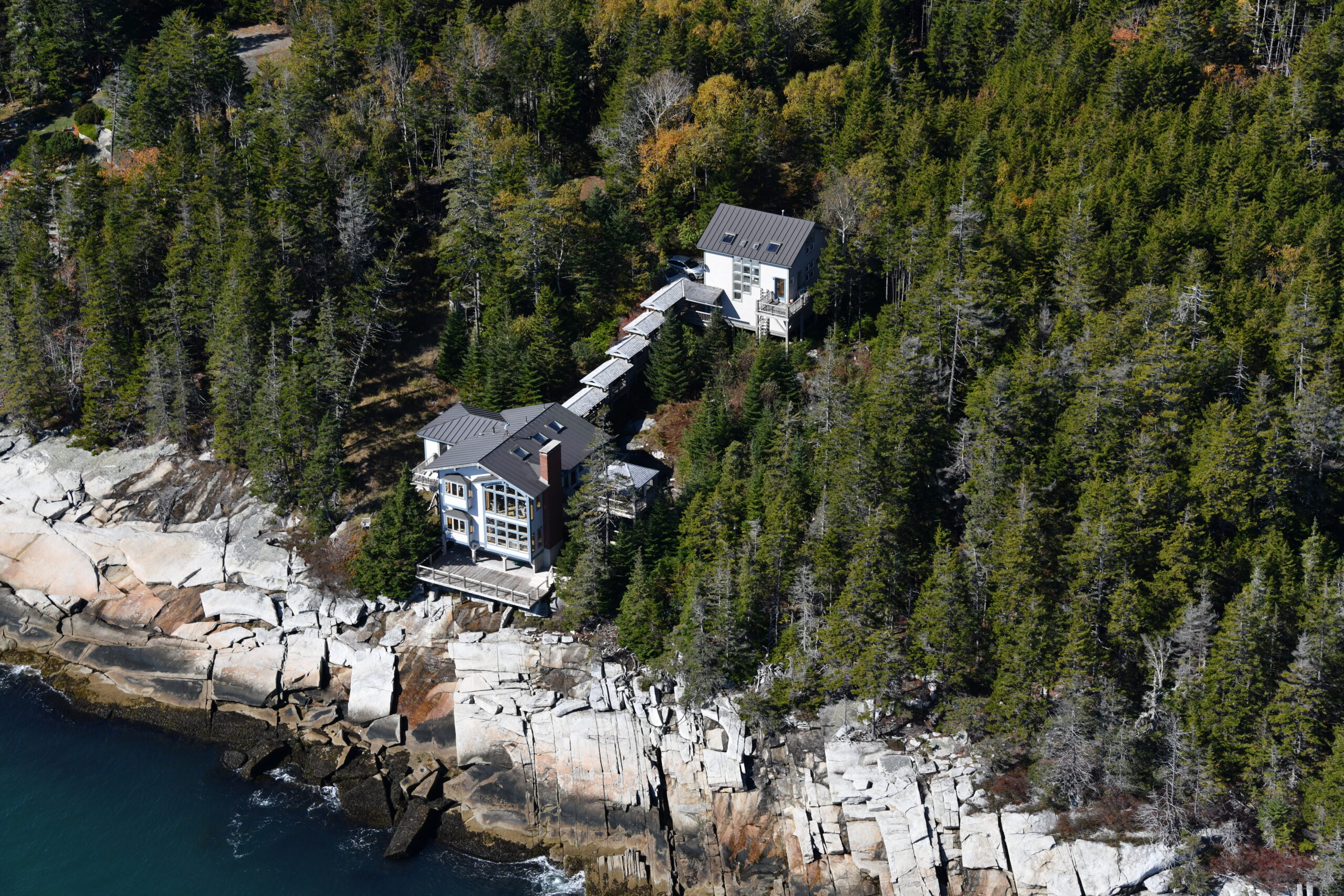
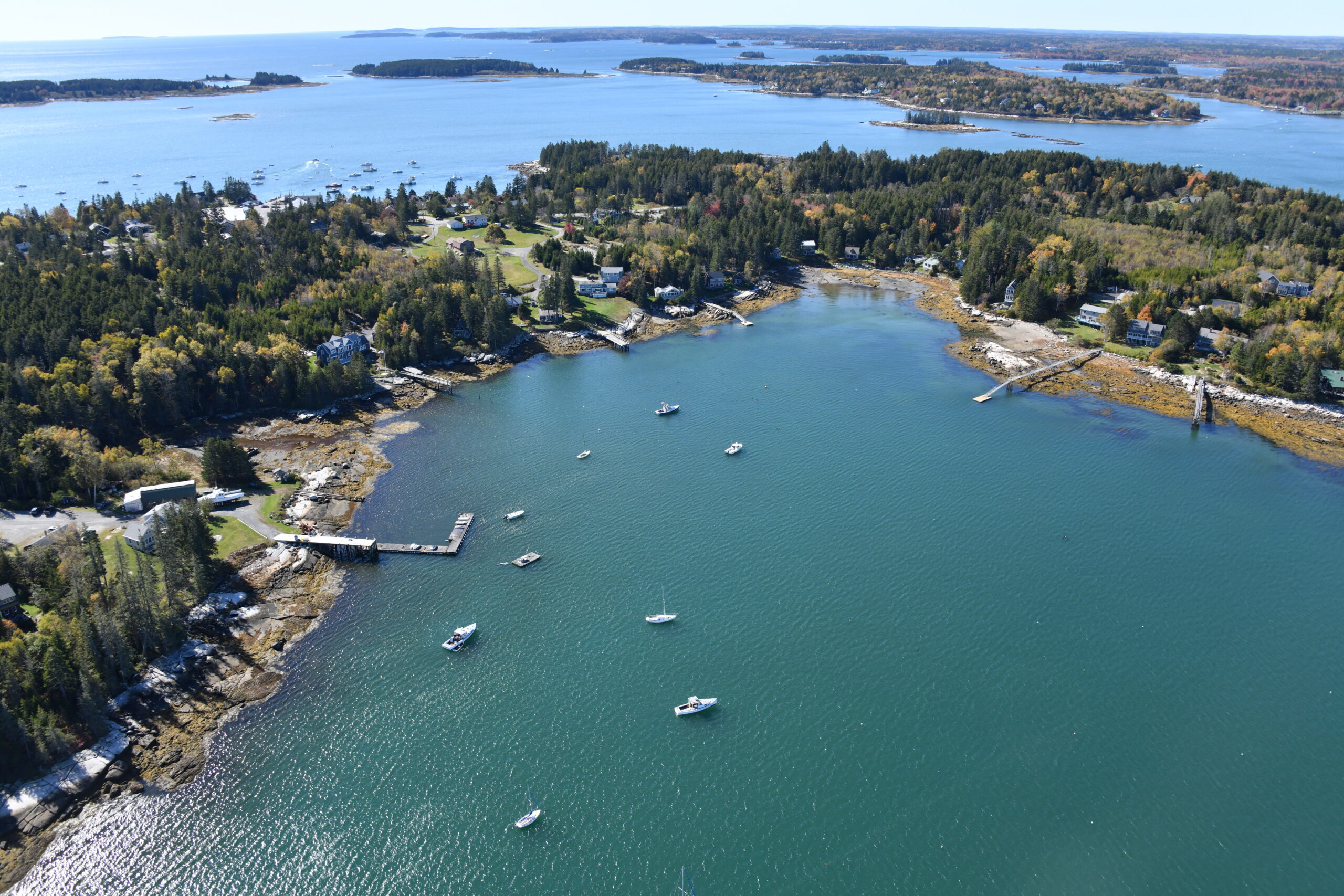
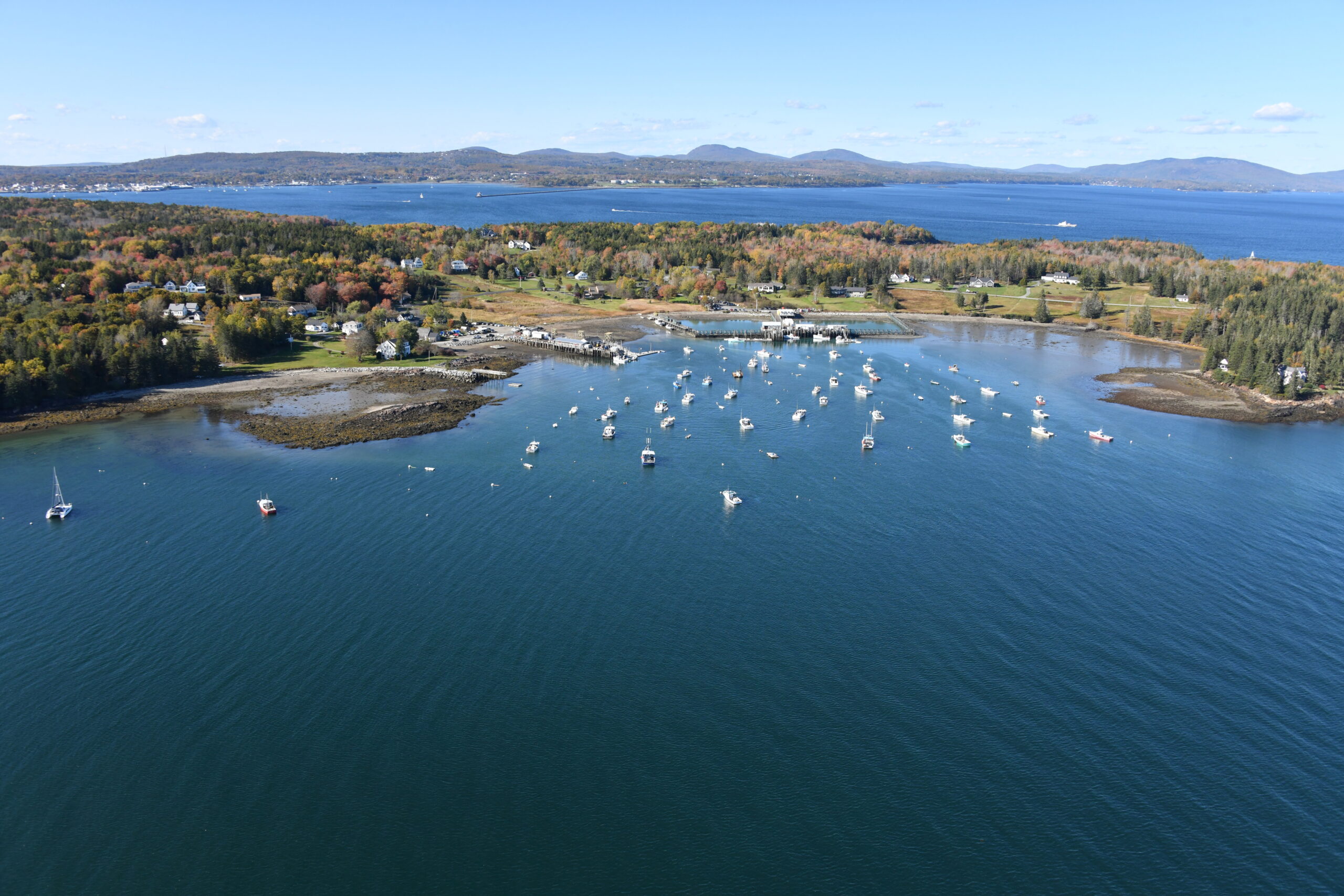
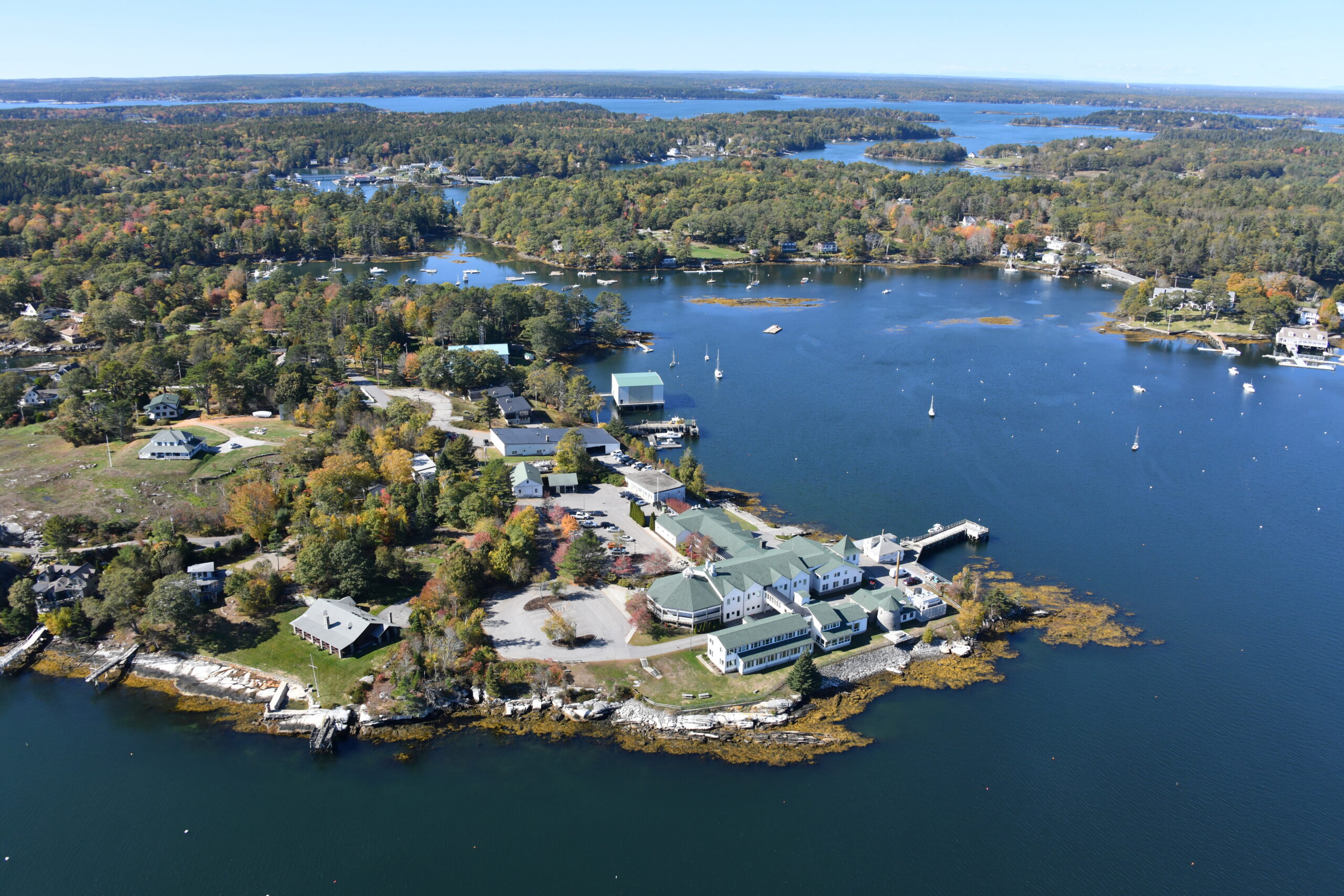
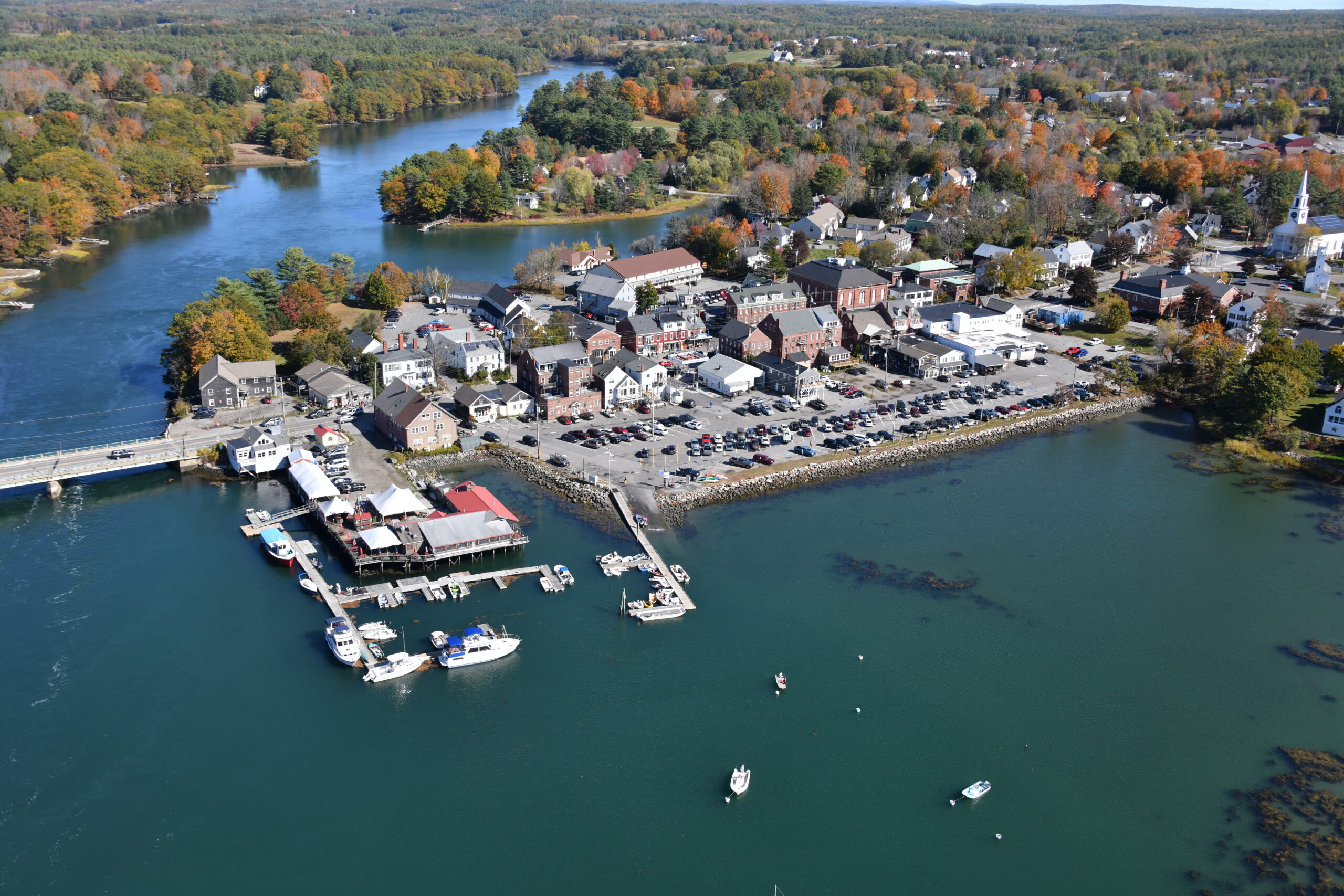
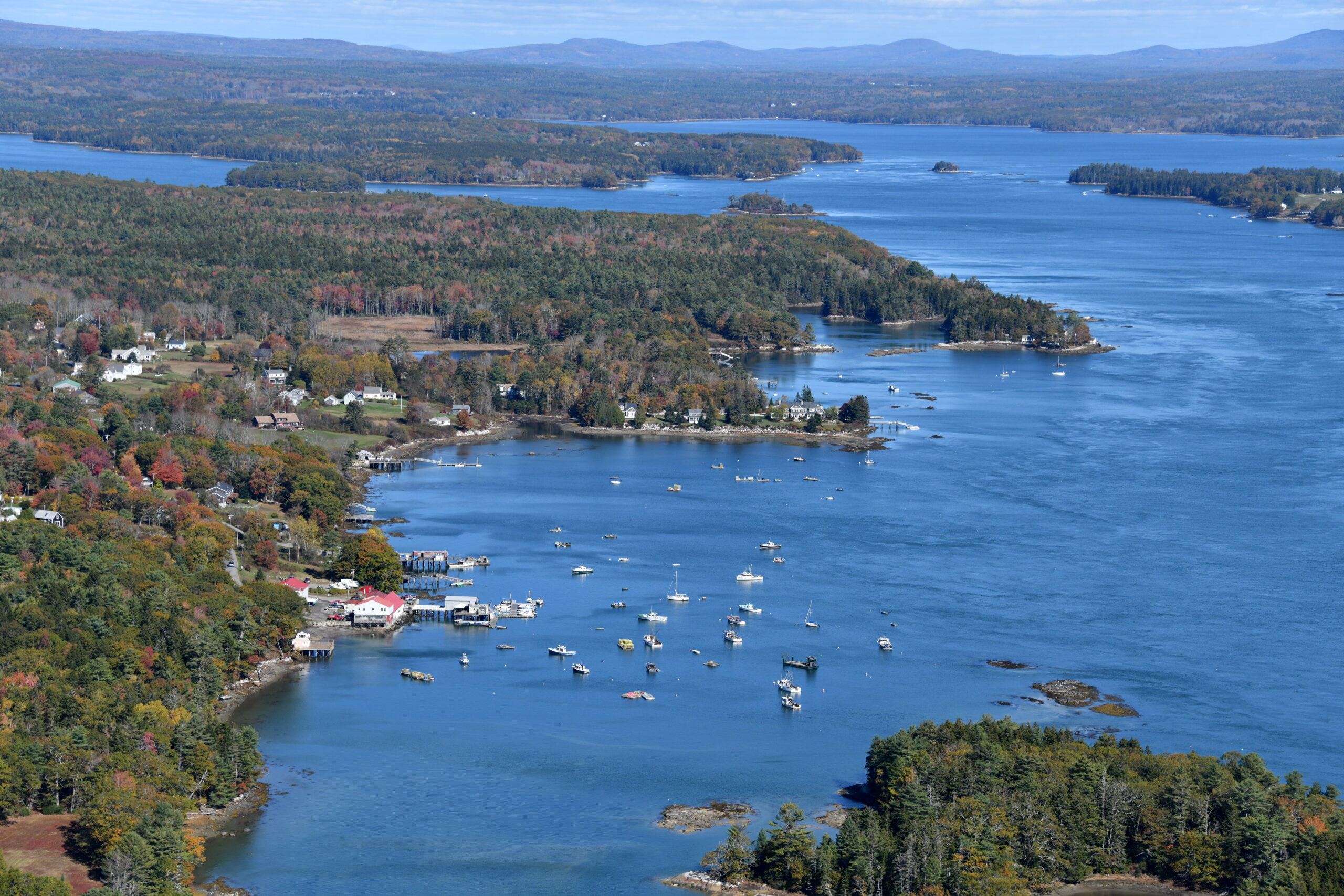
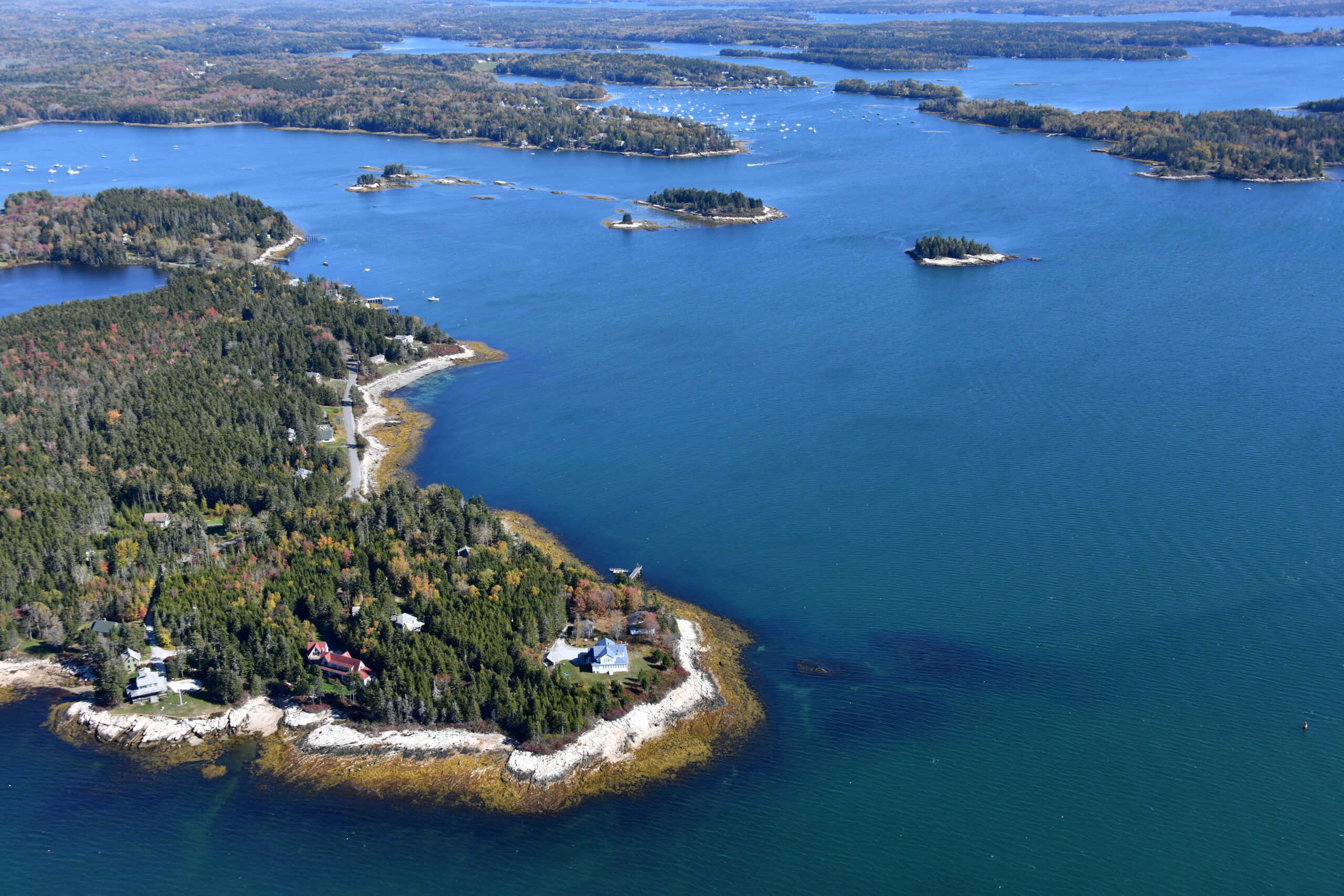
Optimum COVID-19 American lifestyle: Florida in winter; Maine in summer?

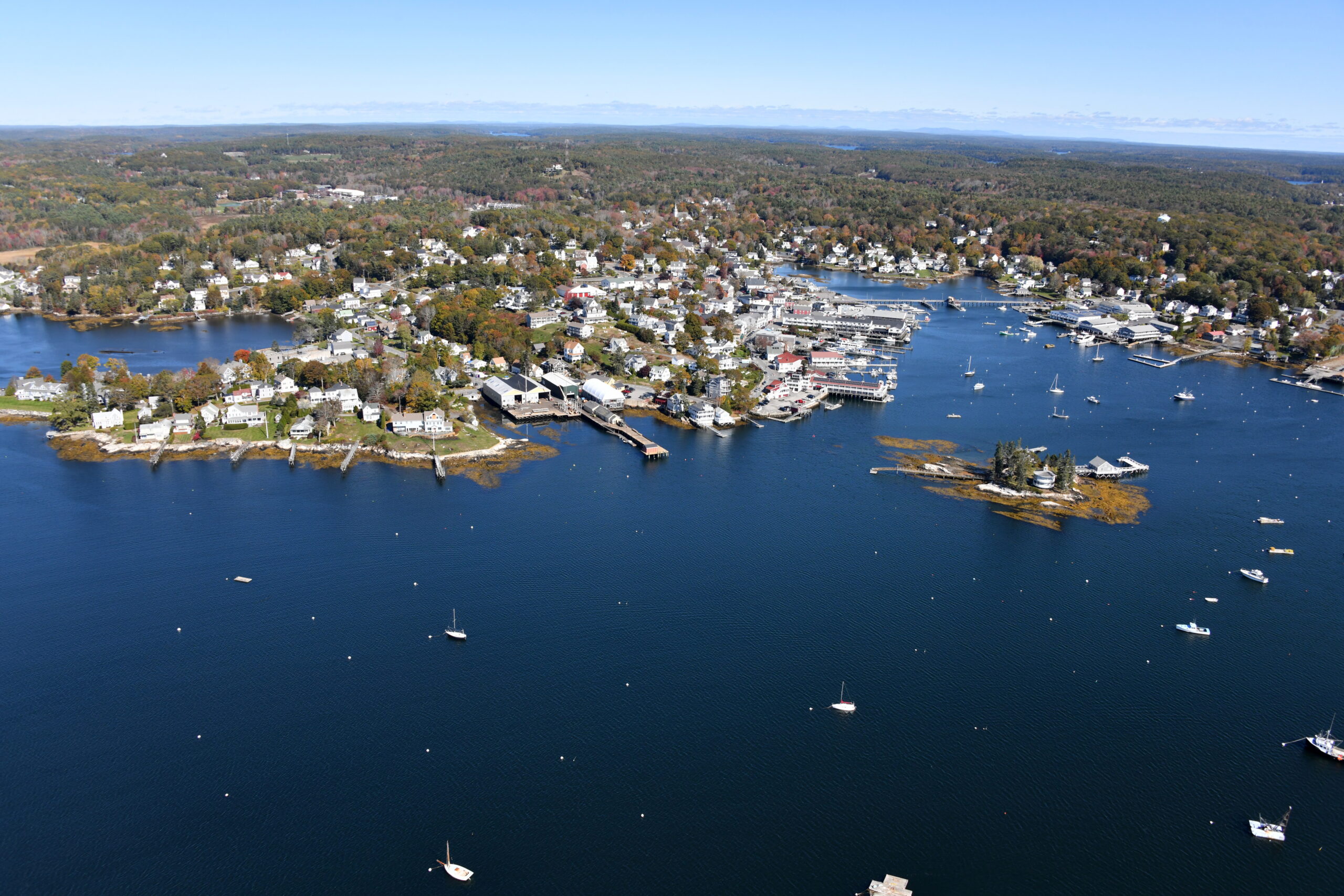
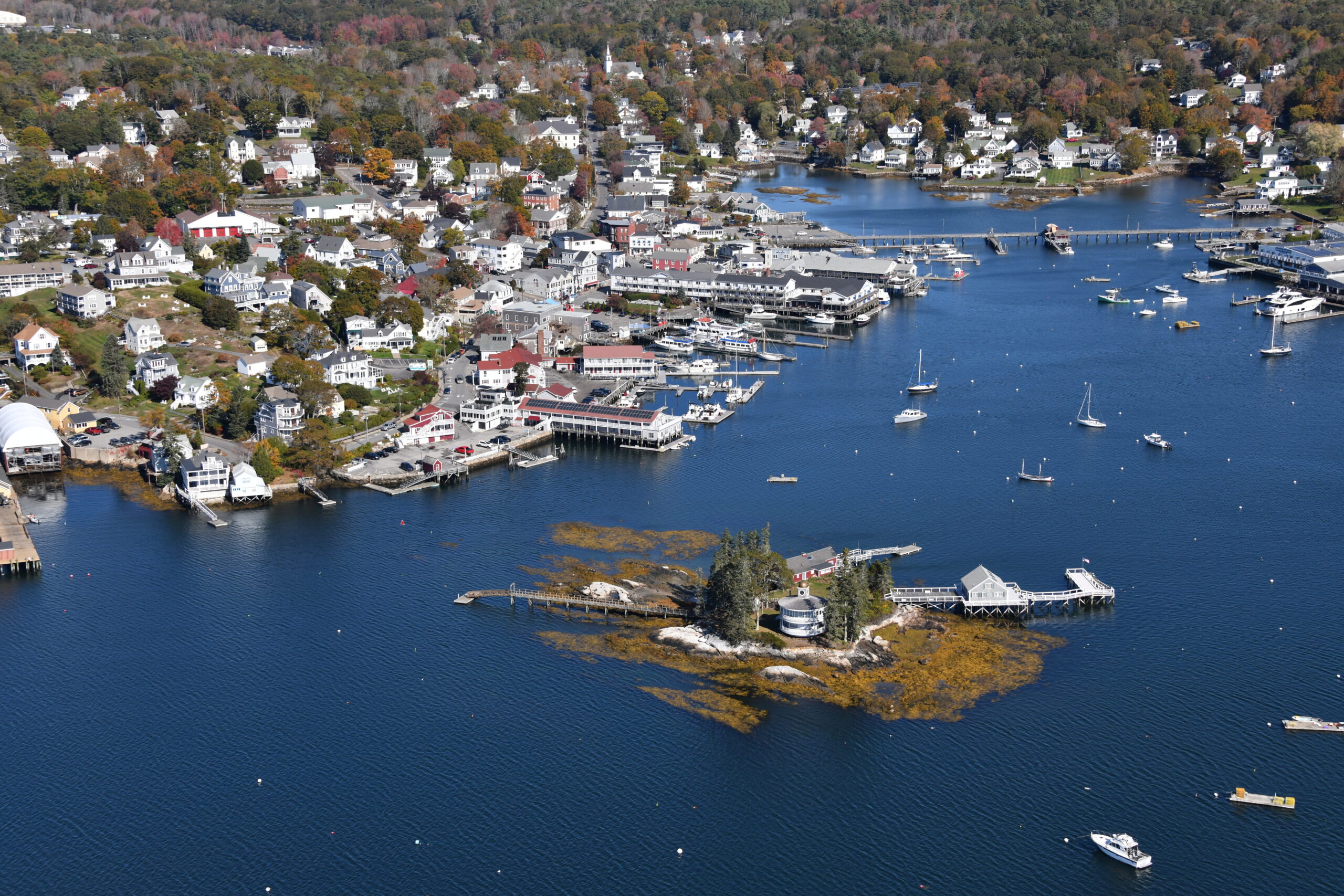
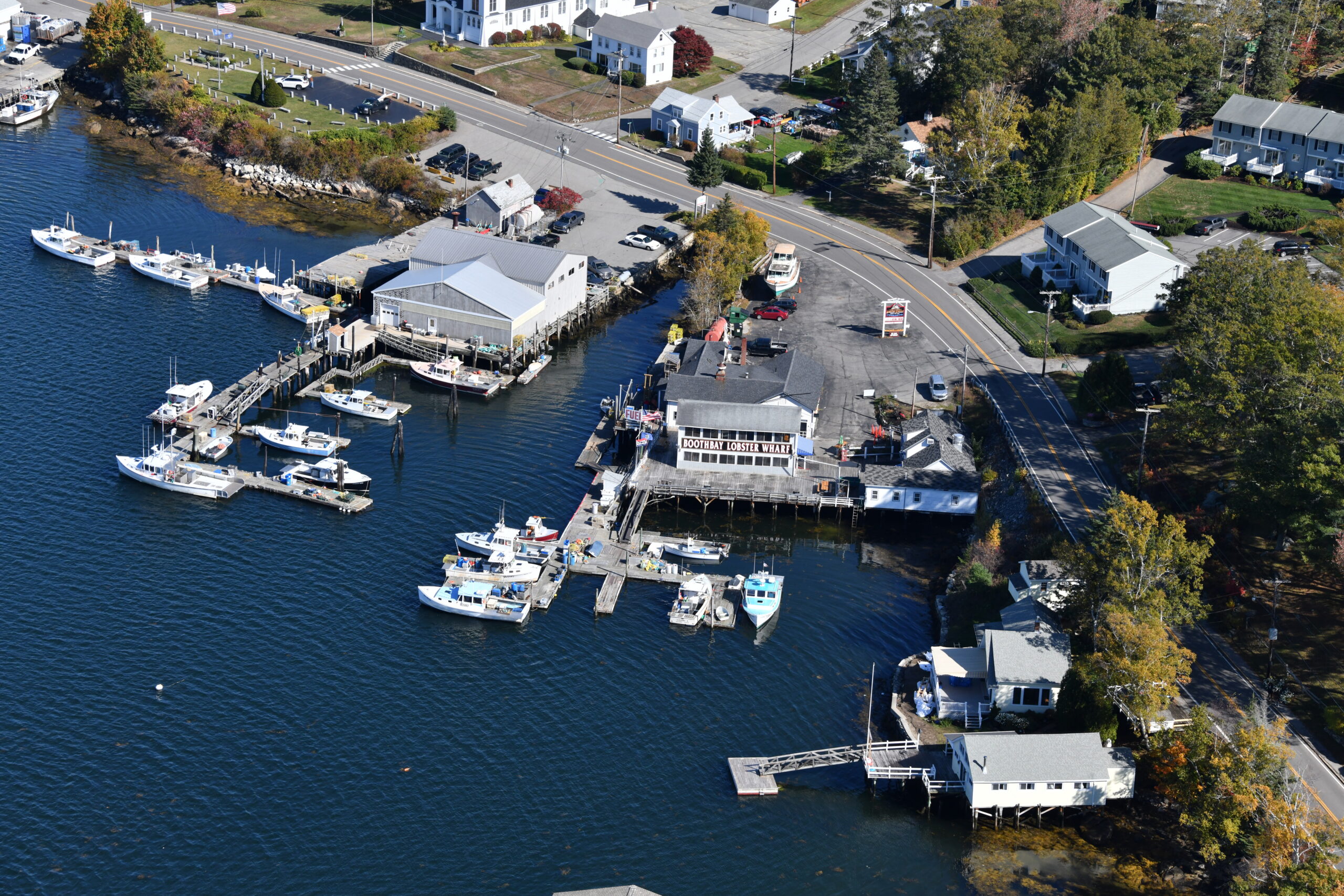
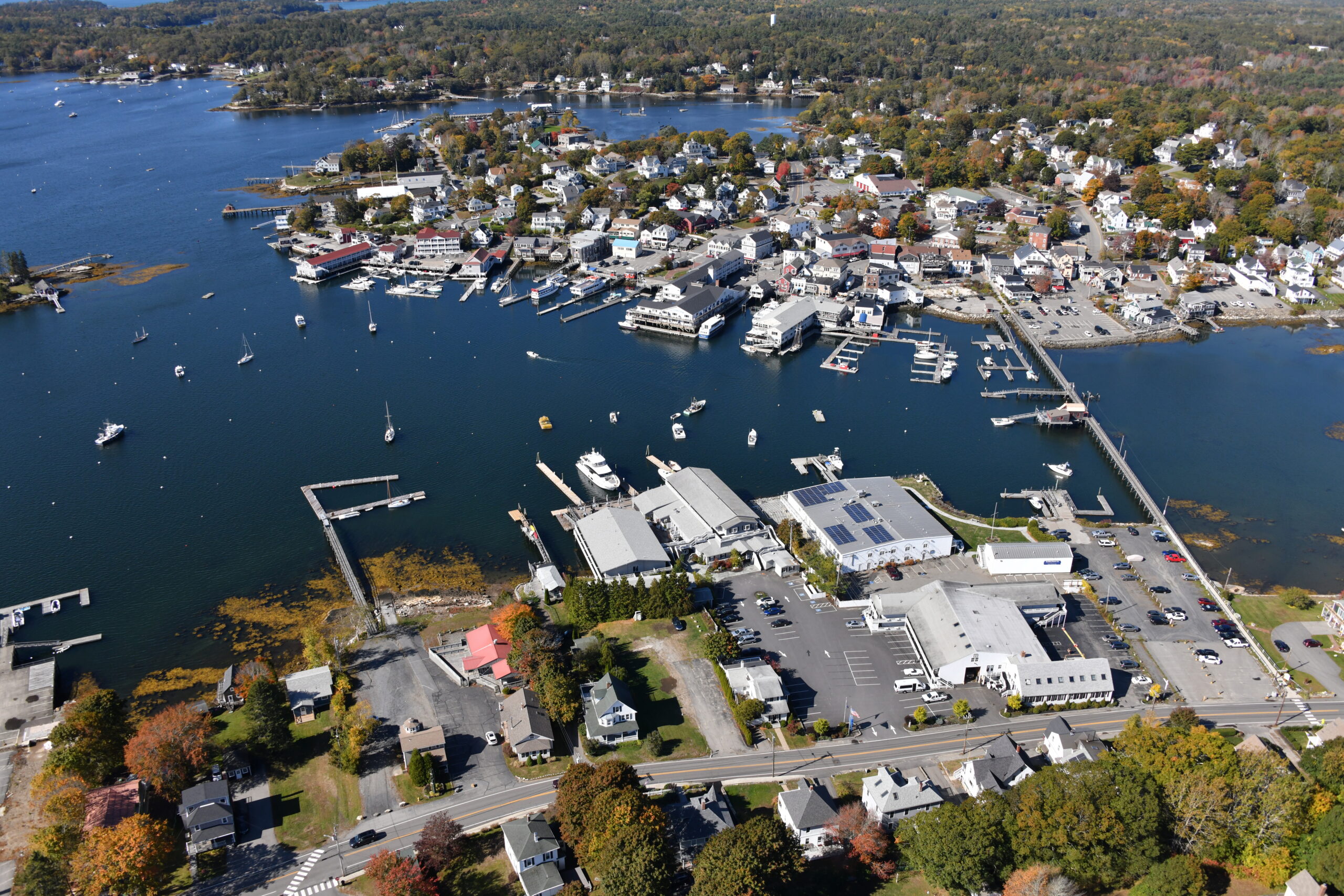
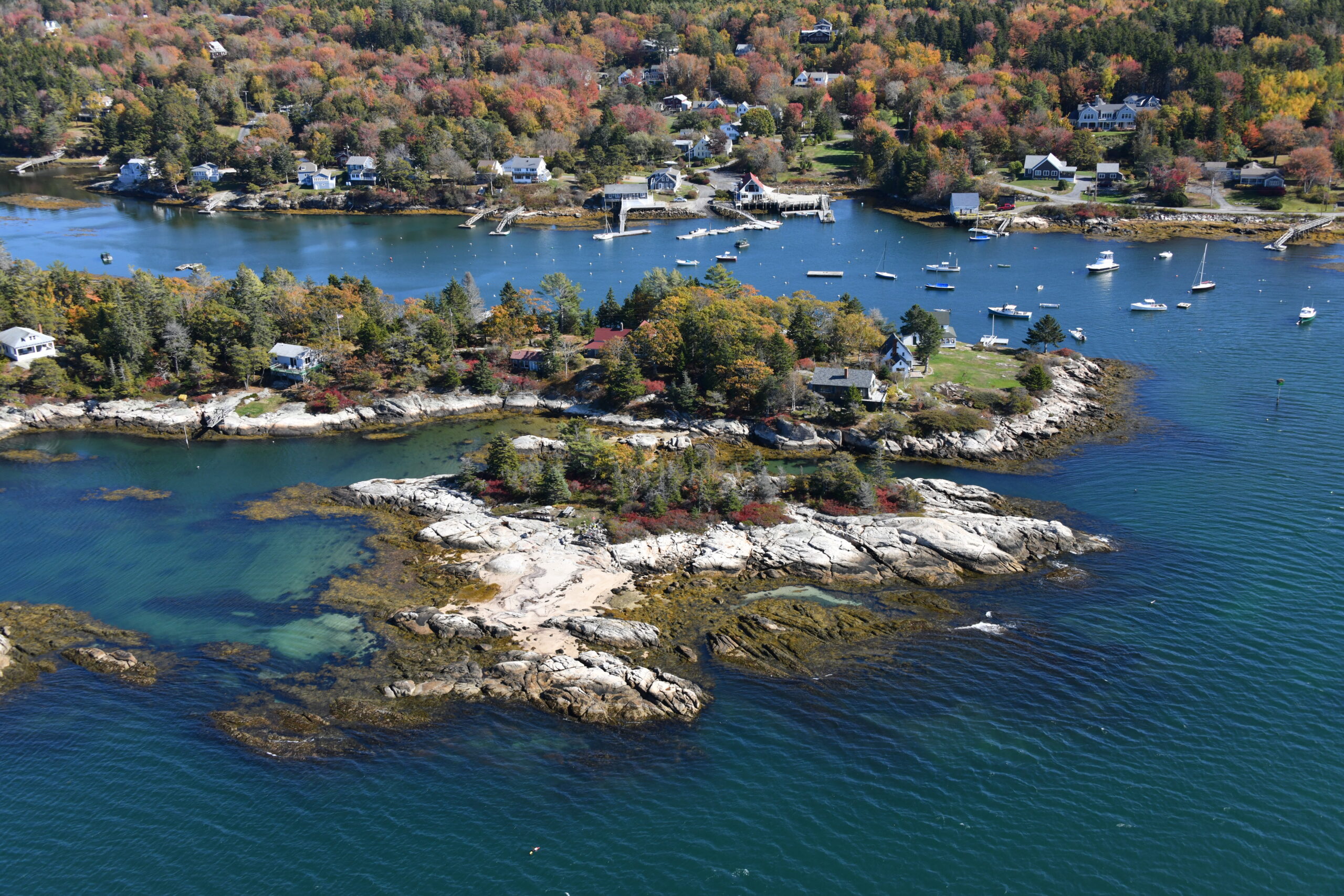
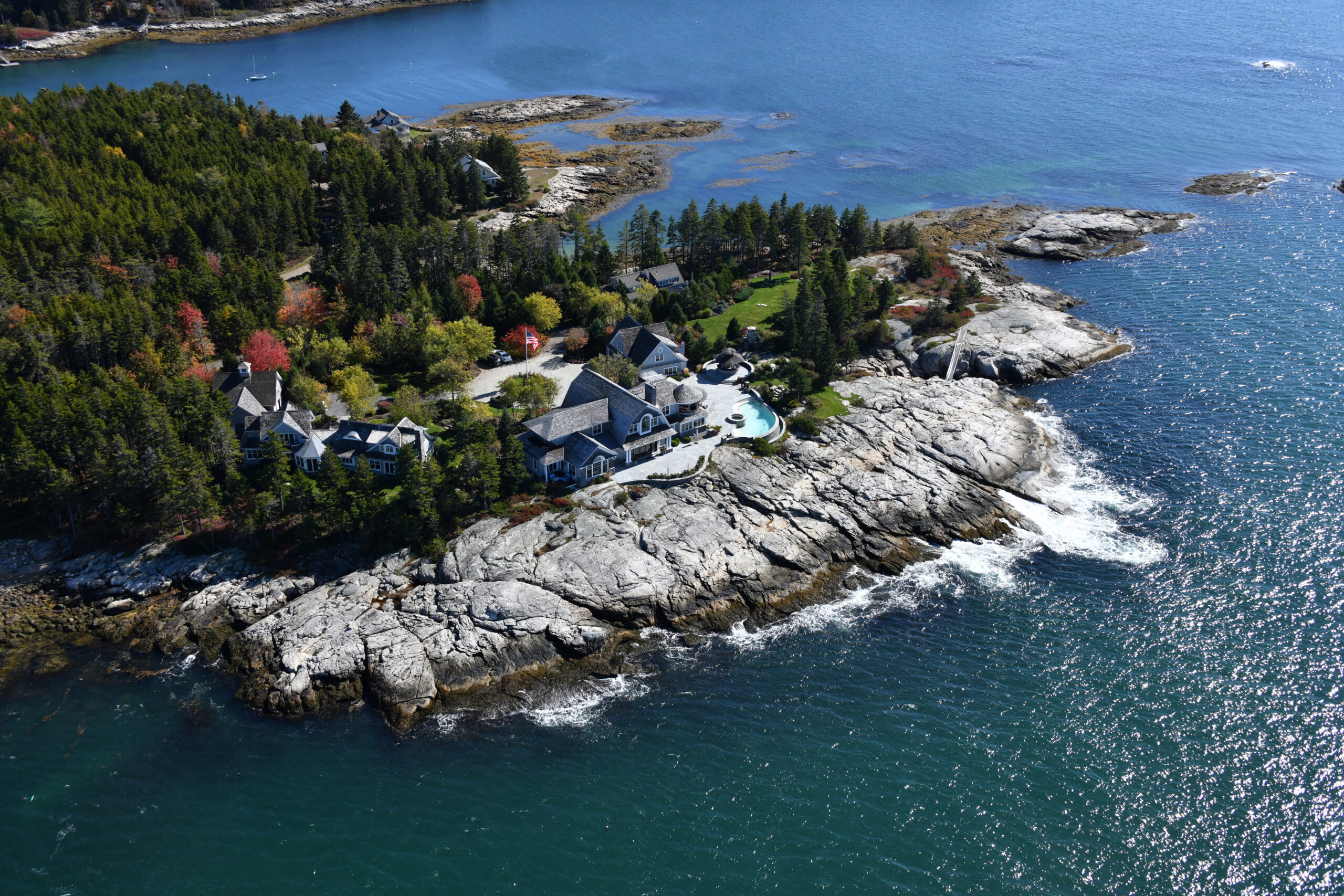
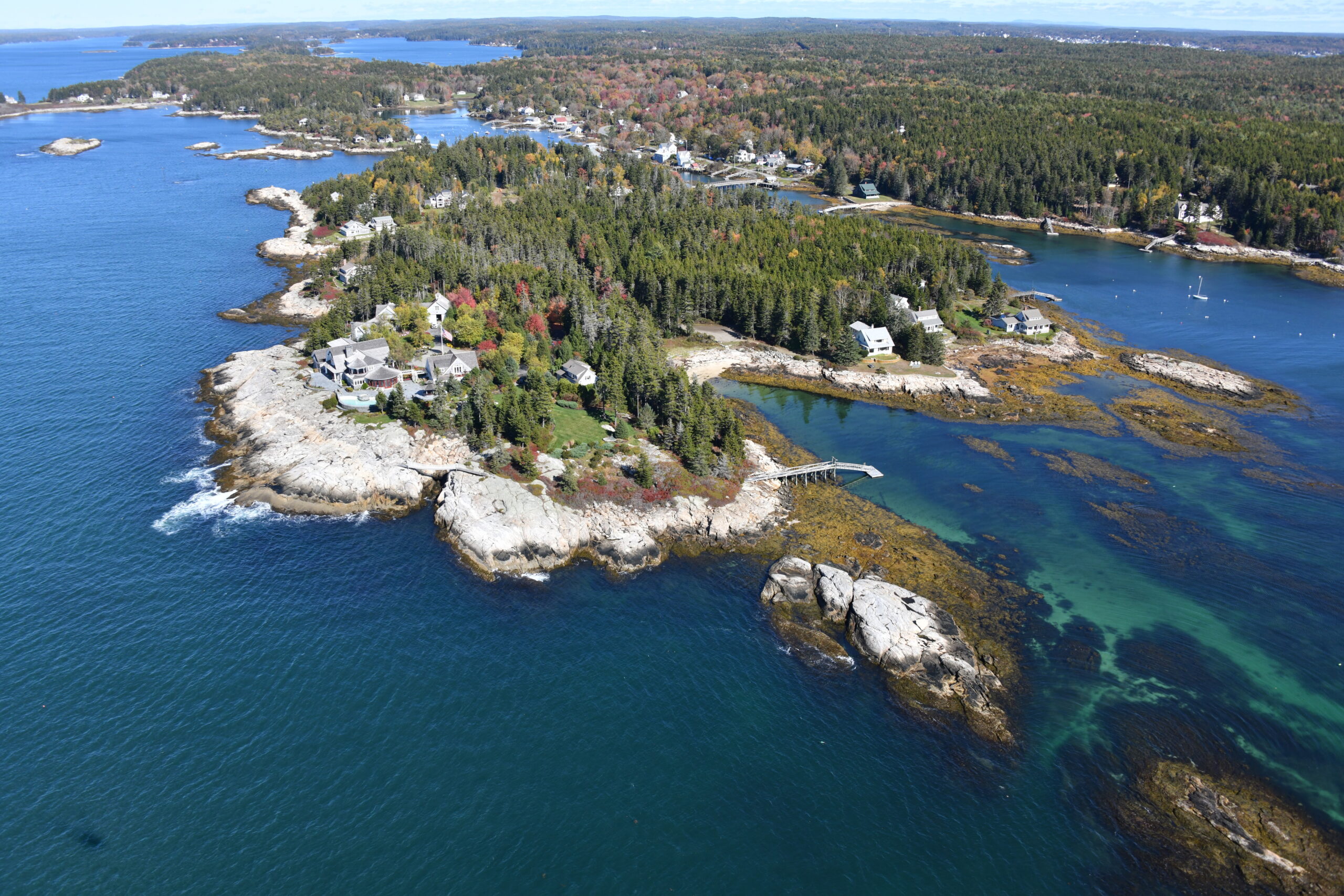
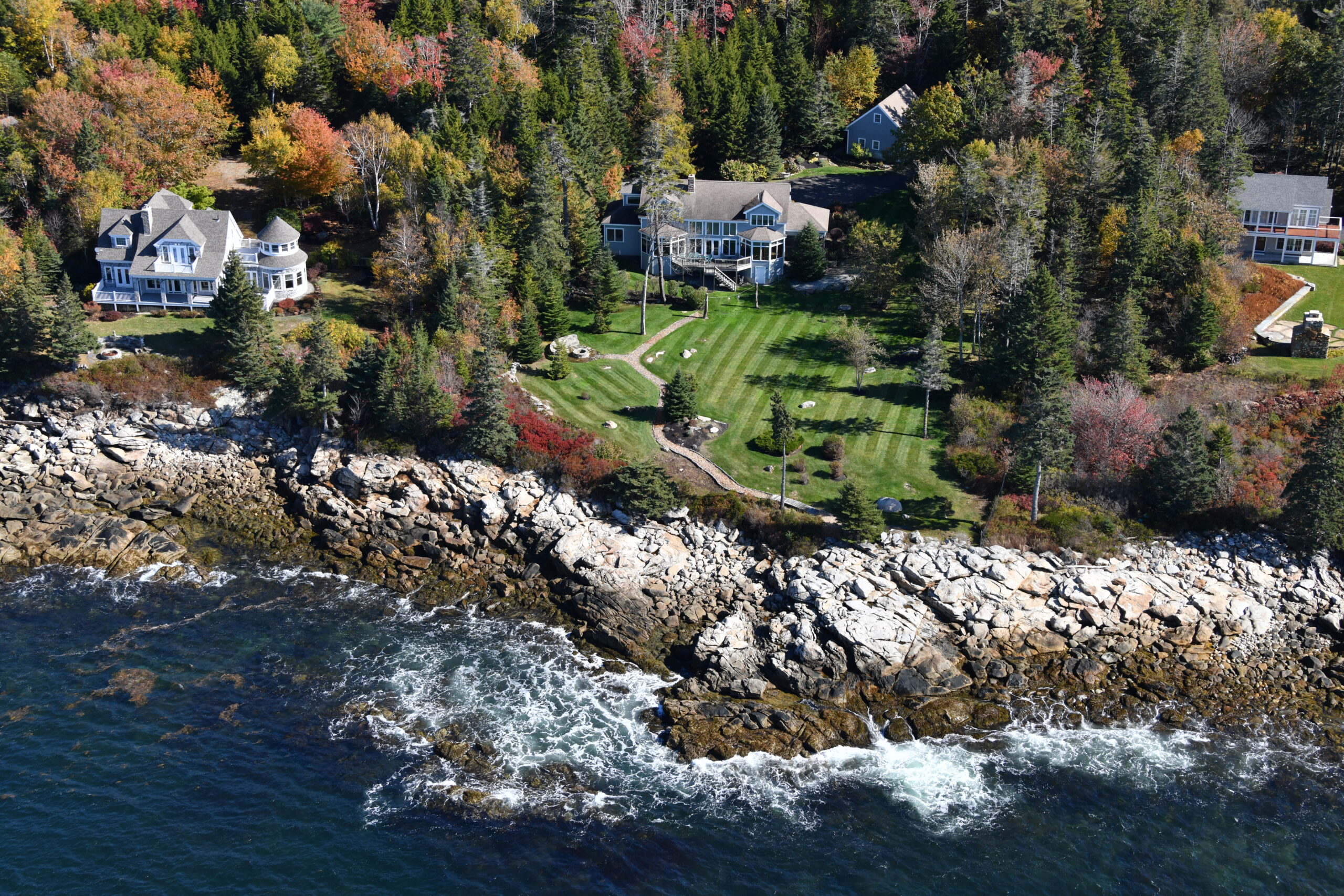
covidexitstrategy.org is the web site that our governor uses to adjust his travel order as to which states are so plague-ridden that a quarantine is required on arrival in our righteous disease-free midst (New York and New Jersey had a higher death rate than #3 Maskachusetts).

Can we use the same map to plan an optimum American lifestyle in the face of coronaplague? My casual inspection of the map reveals that Florida and Texas both have fairly low rates of “cases” (positive tests, potentially from those who actually are not even infected, much less sick), especially given that they didn’t have raging Wave #1 plagues and therefore wouldn’t have the immunity that at least some populations in MA, NJ, NY, CT, etc. would have.

Would the optimum lifestyle right now therefore be to live in a single-family home in a low-density part of Florida during the winter and in a single-family home in a low-density part of Maine during the summer? If 183 days are spent in Florida (for the excellent schools, according to NYT), the optimizer escapes state income and estate tax.

Why not walk unmasked on a wide Atlantic beach in the winter and then walk in the Maine woods (don’t forget a gallon of 100% DEET bug spray!) in the summer while paying only property tax in both locations? Play outdoor tennis and eat in outdoor restaurants all year in both locations.

Who has a better idea for a family of at least moderate wealth?

Atlantic Beach, Florida (near Jacksonville), January 2019:

Jacksonville Beach, also January 2019:

Full post, including comments