What are we thankful for this year?

Happy Thanksgiving to everyone!

What are we thankful for this year? Let’s leave out the obvious “family and friends being healthy” (partly because it is obvious and partly because our media assures us that family and friends were mostly killed in 2020 due to a combination of Covid-19 and Donald Trump).

Here are a few from me…

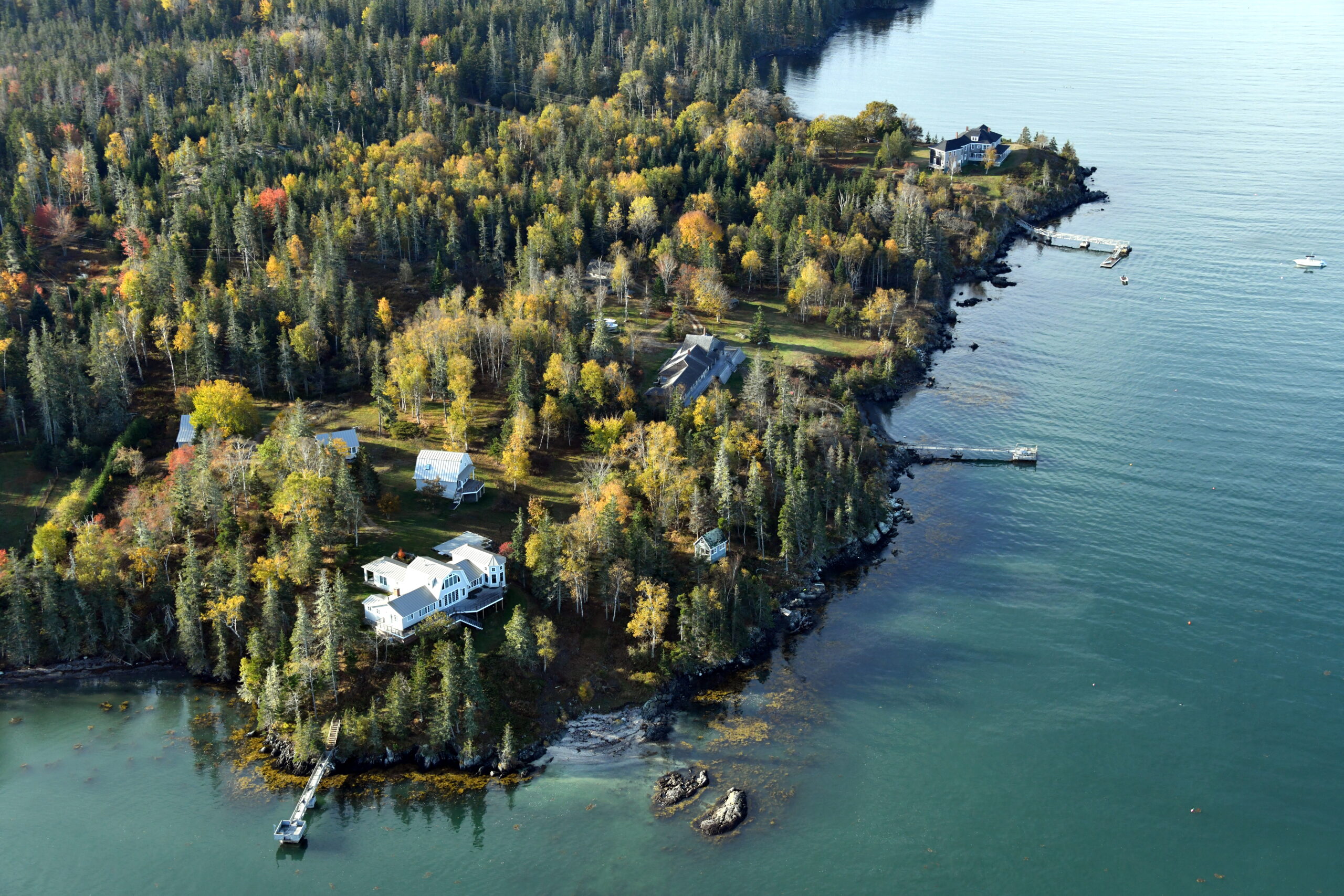
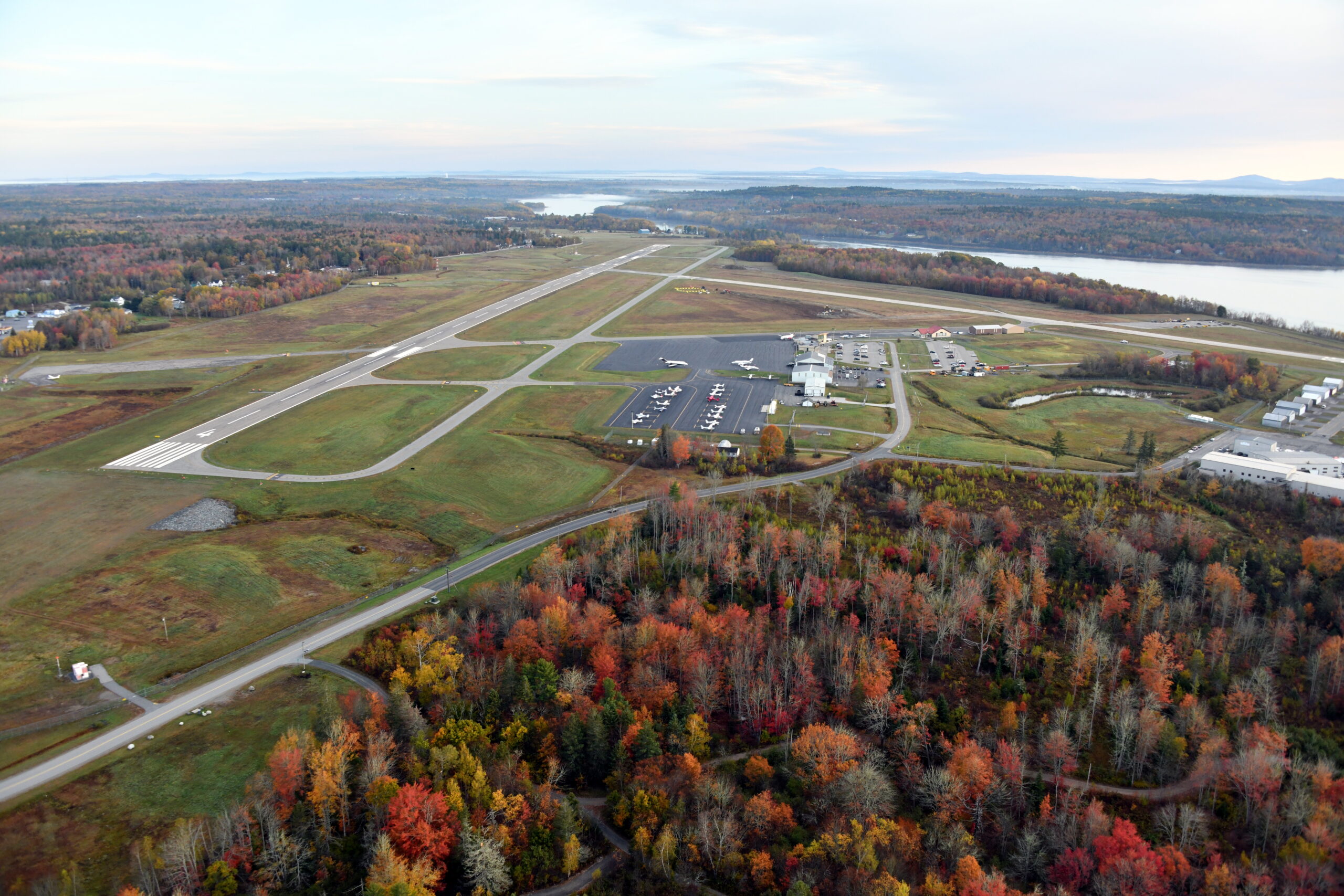
  • the mostly intact general aviation infrastructure in the U.S. We may not have anywhere to go (and various governors’ travel orders may actually make it illegal or impractical to go anywhere), but very likely there will be an awesome airport near our destination with a helpful FBO
  • the Swedes, for showing the world that a society of humans can have priorities other than avoiding Covid-19 (a bit of credit in this category as well to Kristi Noem, the governor of South Dakota, who also deserves credit for telling people that politicians and bureaucrats cannot protect them from a virus)
  • service industry workers, coming into work despite coronapanic and for wages that are often about the same as collecting welfare (and always lower than collecting child support, with proper planning)
  • dogs, whose value to humanity has gone way up now that humans have given up on most purely human goals and activities

Readers: Now it is your turn! (via the comments)

Related:

  • “Is There a TERF at Your Thanksgiving Gathering?”: Toxic relatives come in many forms: the Trump supporter, the devil’s advocate, the COVID-19 denier. There’s also the TERF: the trans-exclusionary radical feminist. TERFs are transphobes who wrongly believe transgender women are not women … But the reality is that trans women are women…
  • Best Facebook sentiment: “Happy Thanksgiving to all our friends and family! Fewer people to cook for this year but no fewer to be thankful for!” (from a Swiss immigrant who now does every American thing better than most Americans)
Full post, including comments

Thanksgiving in the Land of Liberty

A round-up of Thanksgiving policies in the Land of Liberty (TM), COVID-19 edition:

Feel better about paying $trillions for the military that protects us from losing our liberty to the Canadians or Mexicans!

An immigrant originally from Moscow: “I never imagined that one day people would have more freedom in Russia than in the U.S.”

If you’re a sports car enthusiast, this floor sign from the National Corvette Museum might be a good addition to your living room before the relatives show up…

(Photo taken on Monday. Hardly anyone was adhering to this rule. Just as the Swedish MD/PhDs predicted, once you tell humans that masks will protect them, they don’t worry about proximity to other humans.)

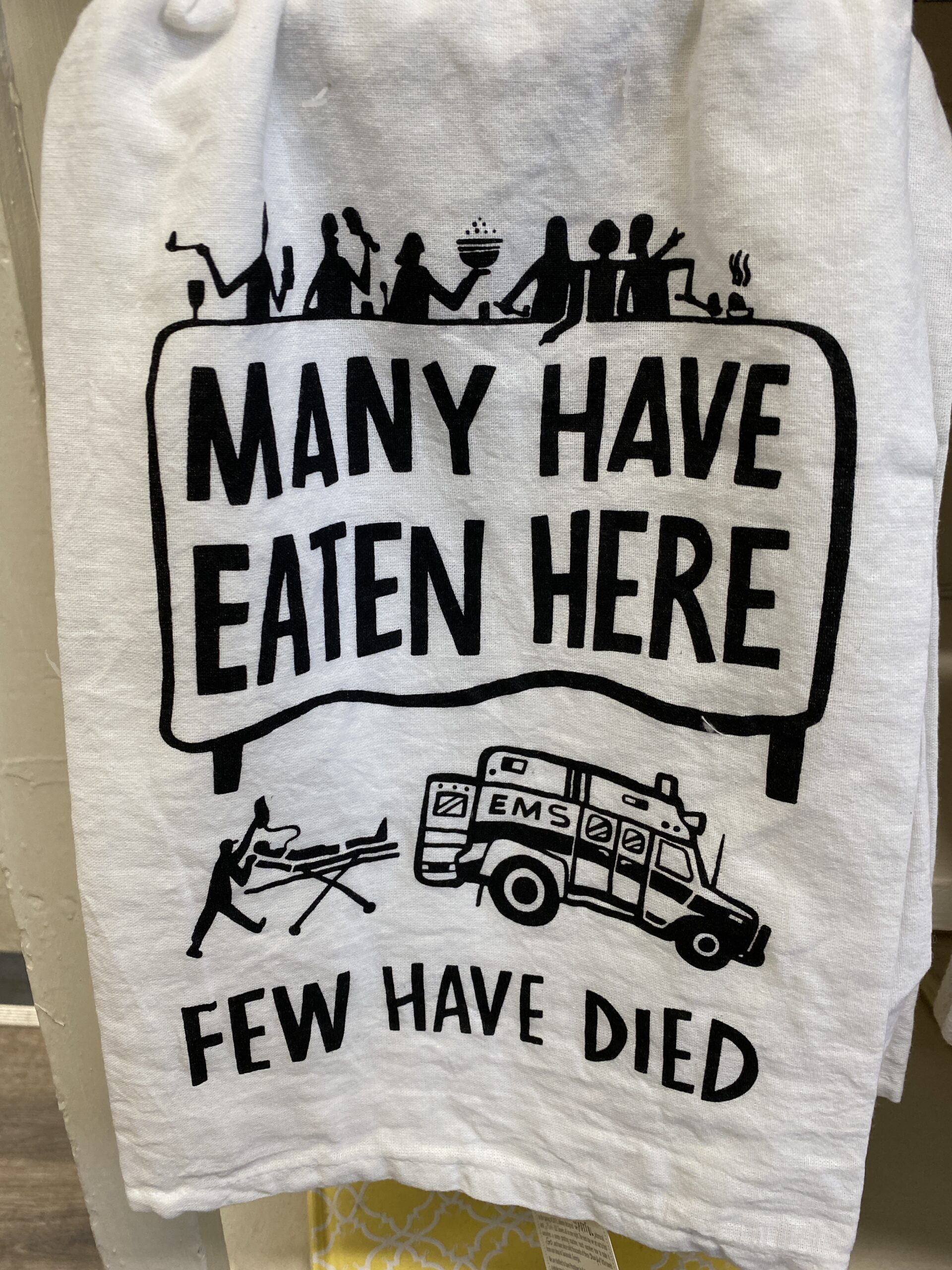
Readers: I hope that your turkey cooking goes well! Our dish towel:

Full post, including comments

Vegas casinos implement some of my coronaplague ideas

As readers of this blog may recall, I’m a big enthusiast for reengineering our environment so as to reduce the spread of respiratory viruses such as coronaplague:

One thing that I’ve been wondering for months is that, with $trillions allocated for dealing with coronaplague, why we don’t see handwashing sinks appear in more places.

Where is my dream alive? Based on a recent visit… Las Vegas! There are now sinks in the middle of the casino. Wave don’t push to open the doors. From the ARIA:

Instead of impressing by valet parking our rented Dodge Journey, we had to self park it almost everywhere.

Supposedly casinos were limited to 50 percent occupancy during our visit (just recently cut to 25 percent), but most felt uncomfortably packed. People proved the Swedish MD/PhDs correct: told that masks will prevent coronaplague, they ignore the 6′ social distance directive (and 7′ is the new 6′, according to the overhead projections on Fremont Street; see below and note that folks who confront Covid-19 at 350 lbs. or more can eat for free at the Heart Attack Grill).

Also from Fremont Street, the Main Street casino where whatever you lose goes to Wall Street and the California casino where presumably you’re funding retired public employees…

One positive for Vegas in the Age of Coronapanic is that one’s eyeglasses tend not to fog up when wearing a mask. Dry and hot is apparently perfect!

Full post, including comments

Volvo touch screen controls: crazier than Sweden’s coronavirus policies?

We recently rented a 2021 Volvo S60 from Enterprise. Many of the controls have migrated to a central touch screen and there are just a handful of buttons in the center plus some labeled-only-with-icon buttons on the steering wheel. Neither I nor Senior Management could figure out how to do the basics, e.g., keep Google Maps from Apple CarPlay on the screen, sync the left/right temperatures, hang up a phone call from a steering wheel button (from another one of which a phone call had been initiated).

The speedometer cluster seems to be a dot-matrix display, which is nice in theory, but the gauges are not presented as clearly as in a more primitive implementation.

Compared to the typical country, Sweden has taken a different path when confronted with coronavirus. Kids have been in school continuously, for example, and adults at work. The country’s first real restriction, limiting “public events” to 8 people, came a year after the world’s first Covid-19 case (November 17, 2019). (Note that Swedes remain free to assemble privately, e.g., a Swedish family could host a party for 20 friends and not be subject to prosecution (nor be scolded if the guests were unmasked). And the restrictions don’t apply to schools or workplaces.)

(Our Church of Shutdown media, of course, characterizes Sweden as a “failure”, operating from the assumption that the only worthwhile human goal is avoiding coronavirus infection. That said, Sweden doesn’t make the first page of countries ranked by Covid-19 death rate.)

I drive at least 30 different cars per year (rental cars, FBO crew cars borrowed at airports, friend’s cars, etc.). None of them have been as confusing as this 2021 Volvo S60. Who wants to defend Swedish idiosyncrasy in dashboard design?

Full post, including comments

Captain Tammie’s life in the Navy

One of the pilots behind the most impressive recent demonstration of airmanship in the airline world gives us an interesting window into the life of a U.S. Navy pilot in her book Nerves of Steel.

Some background from this blog:

Captain Tammie had a rural childhood with an intact two-parent home, but not much money. The situation was made more challenging by a sister’s cerebral palsy. The reward for doing well in 4th grade was a .22 rifle.

She started in the Navy in 1985, more than 10 years after the first Naval aviator identifying as “female” (Barbara Allen Rainey, killed in an apparent stall/spin accident in a primary trainer) but at a time when Navy officers identifying as “women” were an often-unwelcome rarity. On the theory that “tax dollars are free,” primary training is not done at 10 gallons/hour in a piston-engine plane, but in a jet-powered two-seat aerobatic Bonanza:

Training started quickly with a few weeks of ground school—navigation, aerodynamics, and meteorology. We would be flying the Beechcraft T-34C Turbo Mentor, so we studied the aircraft’s systems—hydraulics, fuel, electrical, and flight controls. All of this came before we ever set foot on the flight line. My primary instructor, called an on-wing, was Captain Coston, a Marine Corps C-130 Hercules pilot and a perfect gentleman. Never once did he show a hint of dismay that he’d been assigned “the Navy girl.” Initially he was one of few people in my flight who actually spoke to me. When the time came, Captain Coston took me out under the blazing Texas sun and introduced me to the T-34. Compared to the Cessna 172 I had flown for a few hours back in New Mexico, the T-34 was a hot rod, a tandem-seat turbo prop with 550 horsepower.

Step up to turbojet:

From Corpus Christi the Navy sent me to VT-26, an Intermediate Jet Training squadron at NAS Beeville, Texas (also called Chase Field), to learn how to fly the mighty T-2 Buckeye. The T-2 was never considered the sleekest jet in the military’s lineup. The plump-bodied Buckeye had straight wings with tip tanks and dual engines along the belly of the fuselage. Due to its shape, it was affectionately referred to as the Guppy. But the T-2 had its virtues, one of which was it was built like a tank, just perfect for taking the pounding of aircraft-carrier landings.

Breaking into the club could be challenging:

Things were going well until I was assigned to fly with Captain Cornejo, an exchange pilot from Venezuela. He had been a member of Venezuela’s flight demonstration team, so he lived and breathed formation flying. Unfortunately he didn’t even try to hide the fact that he considered it an insult to be assigned a female student. On our first flight together he came out to the plane while I was doing the preflight check. He was steaming. “Women don’t fly!” he said to me. “There’s a reason they don’t fly!”

To his credit, Captain Cornejo was open to a change of heart, and change he did. I had a great formation flight, which apparently impressed him. By the time we taxied in and shut the aircraft down, I had won him over. He even went to the scheduling office and requested to be my formation instructor for the duration of the program.

Not easy:

Our initial practice took place on a nice, stable runway painted to look like a carrier deck. Beside the runway was what we called the “meatball,” a light system that lets pilots know if they’re on the proper glide slope. Landing Signal Officers (LSOs) stood beside the runway and talked to us on the radio as we flew our approaches, just like they would on the aircraft carrier. We did Field Carrier Landing Practice (FCLP) twice a day for a few weeks. We would take off, turn directly into the landing pattern, and do touch-and-goes until we were out of gas. We made hundreds of passes. In Primary Flight Training, Captain Coston had taught me the “heading, airspeed, altitude” scan. For carrier landings, pilots learned a more advanced three-point scan, which we would repeat from the moment we rolled into the groove to the moment our aircraft’s wheels hit the deck: meatball (glide slope), lineup (with the centerline on the runway), and angle of attack (another term for airspeed).

There was no carrier landing simulator for the T-2, so the first time a Buckeye pilot got a picture of what an aircraft carrier looked like was from behind, when flying out to land on it—solo. The joke was you couldn’t pay anyone enough to sit in the back seat the first time a pilot had to “go to the boat.” The real reason was the student needed to be 100 percent focused on the task at hand, not worrying about what an instructor in the back seat was thinking. For this qualification, the instructor was the LSO watching and talking to you over the radio from the flight deck.

After our flight lead took us out of the stack and maneuvered down toward the carrier, he led us into the break over the ship. When it was my turn, I would break hard left and pull my throttles to idle. I’d pull about five g’s to bleed off my speed from 350 knots down to about 130, roll out after 180 degrees of turn on downwind (heading in the opposite direction from the ship), and put my landing gear and flaps down. Then I’d put my hook down to make my first “trap,” or arrested landing on a carrier. The hook hung below the back of the aircraft and was designed to catch a cable wire and stop the jet. I came into the break at eight hundred feet above the water, held that through the break turn, then descended to six hundred feet on downwind until it was time to start the descending turn. If I did this right, I’d come out right on glide slope when I rolled out of the turn behind the boat. Each aircraft was spaced about one minute behind the aircraft ahead. This allowed the deck crew just enough time to disengage an aircraft from the arresting cable after a trap and to get the cable reset while the aircraft taxied out of the landing area. It was poetry in motion in one of the most dangerous work environments in the world. About halfway through my approach turn, I started to pick up the meatball out the left side of my canopy. It was slightly high and settling into the center as I came around the corner, which meant I was right on glide slope. As I rolled into the groove, the LSO said over the radio, “One twenty-six, call the ball.” “One twenty-six, Buckeye ball, six-point-two,” I said, indicating my call sign, aircraft type, and fuel state. Knowing the fuel state of every aircraft operating around the carrier was critical, particularly in a training environment. They never wanted an aircraft around the ship that didn’t have enough gas to get back to shore.

On that first attempt of mine, I had lined up properly and caught a wire. I had my first trap! As much as I wanted to savor the moment, there was no time for that. A yellow shirt (taxi director) gave me the signal to throttle back to idle and keep my feet off the brakes. I felt a tug backward as they retracted the arresting cable. The yellow shirt gave me the signal to raise my hook and start taxiing with a hard-right turn. The first order of business was to get across the line designating the edge of the landing area. One of my classmates was rolling into the groove right behind me, and I needed to be out of his way.

Also not easy going out:

Next up was my first catapult launch. To prep for this “cat shot,” I followed the taxi directions, which lined me up with one of the Lexington’s two catapults. When directed, I lowered the launch bar on the nose gear of my jet, and the catapult crew secured the plane into the catapult’s shuttle. They raised the blast deflector behind the plane as I confirmed my aircraft’s weight with the crew. I was directed to push my throttles up to full power—I could feel the jet squat as it went into tension. I gave the shooter (the officer in charge of operating the catapults) a sharp salute, signaling that I was ready to go. He looked down the catapult track one more time to ensure that it was safe to launch me, returned my salute, and pushed a button that sent me on an E-ticket ride. I accelerated from zero to about 150 miles an hour in two and a half seconds, and it felt like someone had kicked me in the backside.

The deck of an aircraft carrier sits about sixty feet above the water, and the cat shot sends a jet straight off the bow of the ship. We’d been warned not to climb out after the launch too quickly at that airspeed because, at that altitude, there would be no chance of recovery if a pilot raised the nose too fast and stalled. Besides, the instructors teased, “It makes you look like you’re afraid of the water.” The last thing I wanted was to look like a sissy, so I overcompensated a bit. After the cat shot I kept flying straight ahead about sixty feet off the surface . . . for a while. The feeling of being launched was so intense, I guess I was lost in the moment, enjoying the ride. My instructor took note of my low flight. Afterward he jokingly scribbled in my logbook: “Check for mackerel in the intakes.”

Tammie Jo gets assigned to teach “out of control flight” in the T-2 (what civilians would call “upset recovery”). She meets her future husband on the job, but it is a few decades too early for universal workplace sexual harassment litigation:

I sat down. “There’s a student pilot I met at church. We flew a cross-country together and are starting to spend some time together. I think he may ask me out. I like him but don’t want to do anything that would create a scandal of any kind.” Commander Grant stood, came around from behind his desk, and sat beside me. “Tammie Jo,” he said, “in order for there to be a scandal, someone of importance has to be involved.” He remained quiet long enough for the humor of his statement to sink in. “I’m the commanding officer, and I’m married. If I dated a student, that would be a scandal. Neither one of you is important enough to create a scandal. I suggest you not kiss him in the ready room. Tell whoever you want—or don’t tell anyone at all because your peers will give you grief. If you fly with him, I know you’re professional enough to grade him fairly.”

Women at the time were not allowed to fly in combat, but Tammie Jo eventually moves to a training outfit with A-7 Corsair jets. On a formation flight she experiences a primary flight display failure and has to transition to the backup “peanut” gyro for attitude (“artificial horizon”) information. In hindsight, the smartest thing to do would have been to exercise her pilot-in-command authority, break out of the formation, and ask ATC for vectors to a field that was VMC (clear weather). Instead, she expects her formation leader (a male douchebag, of course) to lead her down to near-minimums for an instrument approach. The guy ditches her and the results are a little ugly:

Black Socks hadn’t bothered to get me lined up with the runway on a final approach course, so Lemoore Approach was going to have to talk me

Full post, including comments

Rent control is keeping rents high in San Francisco

A friend owns a three-unit building in San Francisco, occupying the top floor himself. The two tenants underneath have fled. One lost a job and the other kept the job, but decided to lose the California tax rates and mask/shutdown protocols. Both units are now vacant.

I asked how much rents have fallen and he responded with “30 percent.” Why not rent the units out at the current market rate? “If you ever rent to someone in San Francisco,” he replied, “you can never raise their rent more than about 2 percent per year after that. You’re locked it at whatever rate you start with. So I am waiting until the shutdown ends, hoping that market rents will come back closer to what they were when I bought the building.”

(Why not turn the vacant units into AirBnBs? San Francisco limits AirBnB to 90 days per year, requires them to be part of the owner’s residence, requires a variety of registrations and taxes, etc.)

If his experience is typical, there are a lot of landlords withholding supply and therefore the true market rents should actually be lower than what we’ve heard.

Full post, including comments

San Francisco wrap-up

Photos from this week’s visit…

“With all of the trash along the side of the road [I-880], this really looks like a Third World country,” noted Senior Management. Not sure this boarded-up-against-the-riots post office changed her view:

Getting near the freeway entrances was an experience akin to being in a zombie movie, with hundreds of disfigured and derelict humans lining the sidewalks and wandering into the road.

The Ferry Building looks great:

Right across the street a needle disposal toilet represents the height of “civic pride”:

There was also a playground, equipped with elaborate rules and no children:

The science museum is still fun for kids. Family of four… $115. That’s the kind of “social justice” from a nonprofit org that a Silicon Valley millionaire can support!

Reading material at a shop near Union Square (populated during our morning walk by a screaming guy):

Sculpture highlighting the achievements of Eurocopter and mechanics:

And, of course, some helpful tips for urban life..

Full post, including comments

The wild unmasked territory of South Dakota

South Dakota’s governor Kristi Noem is infamous for failing to #FollowScience and order her subjects to wear masks (though she might argue that she was merely following World Health Organization’s science from January-June 2020 (“don’t wear a mask”)). Her “government can’t protect you from a respiratory virus” attitude is shocking to those who have faith in technocratic “leadership.”

We stopped overnight in Rapid City in mid-November, en route to Bend, Oregon. Compared to Massachusetts or Oregon, it turns out that the observed mask rituals on the ground are not that different in practice. Oregon has huge signs, for example, ordering people to wear masks when on trails. Only about 30 percent of folks out walking obey the order. South Dakota has no order, but about 30 percent of folks choose to wear masks.

Just as residents of South Dakota are free to live unmasked, businesses in South Dakota are free to require masks. Our hotel, for example, required masks in the lobby. A lot of shops had “masks required” signs out front. In a bagel shop that had no signs regarding mask use, nearly all of the customers came in wearing masks and did not remove them until seated at a table.

Just as in Maskachusetts, folks would rather use their limited budget for human interaction on adults in restaurants rather than children in schools. The Rapid City schools, for example, are on a “hybrid” schedule currently. (Contrast to Ireland, where everything is closed except schools!)

A few snapshots. Note that our Maximum Macho president Jimmy Carter is parked right in front of a bridal boutique. (Downtown Rapid City has statues of all of the legitimate presidents (i.e., everyone except Donald Trump).)

Full post, including comments
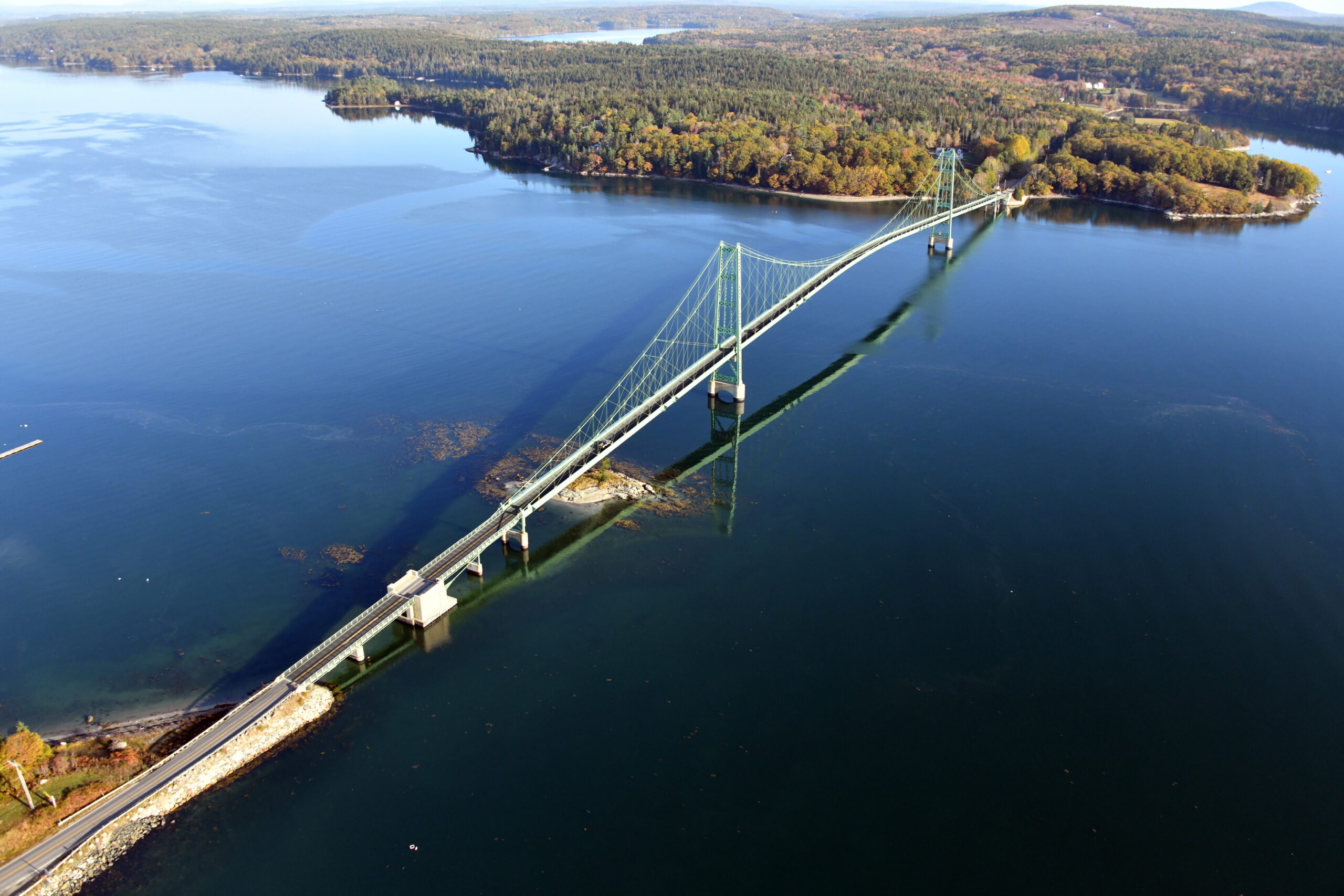
Queer Ecology at Muir Woods
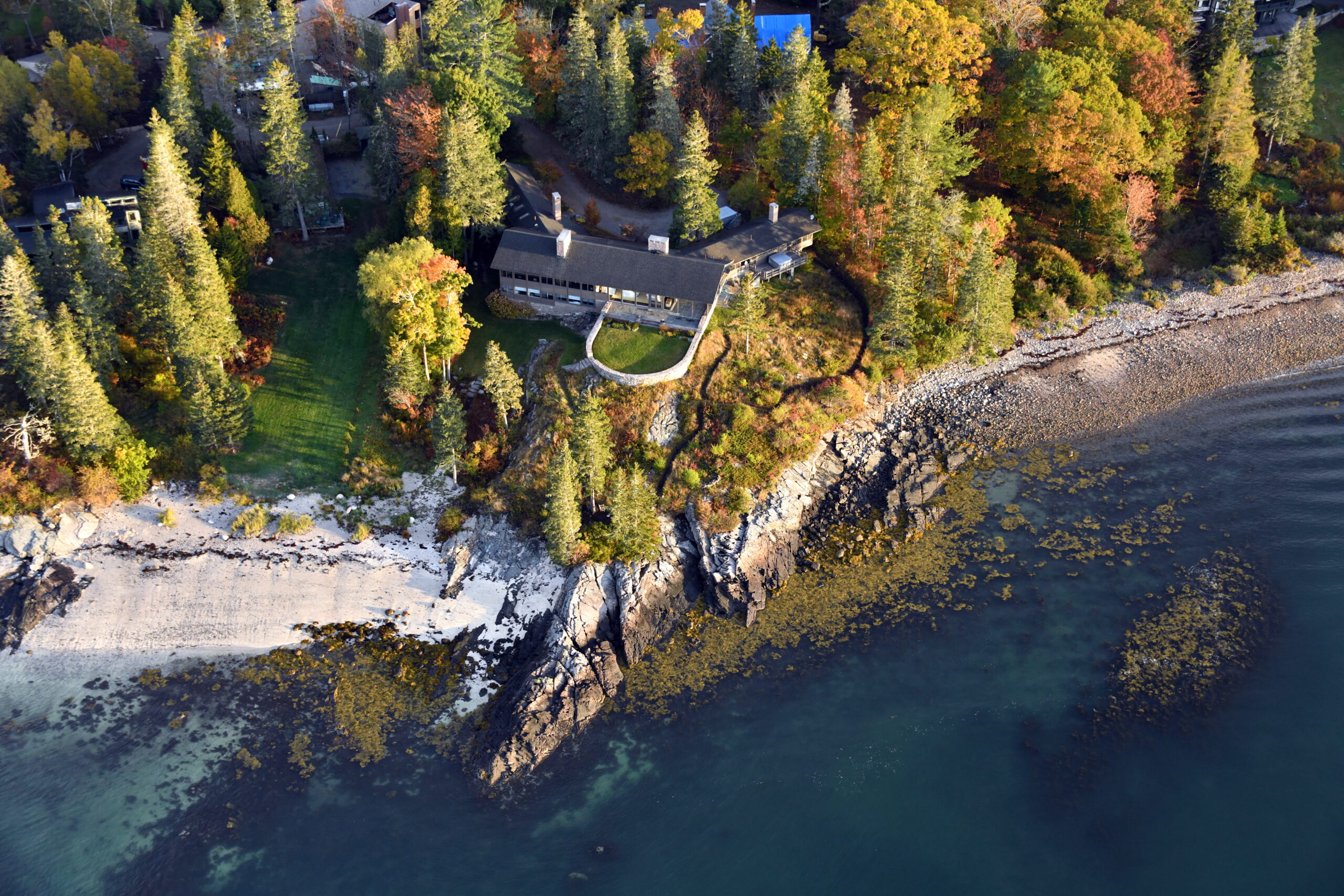
From a November 17, 2020 visit to Muir Woods…

Nature is rarely as simple as A, B, or C, especially in the “Queer Woods.”
Preservation of these trees from the commercial saw is mostly due to Native Americans and people who identified as “women”:

“Indigenous” is another way to be queer, apparently. The Native Americans are lumped into this sign series ($100,000 fine and one year in Federal prison if a Native American were to take offense and remove one):

If you’re going to have sex, it is ideal to follow the examples set by the banana slug and some butterflies (“same sex behaviors”):

Some miscellaneous photos, including an explanation of how bad it is for salmon when a river is “straight”:

(What’s the situation at Muir Woods during coronapanic? Parking reservations are required. Hardly anyone was there on a rainy day. About 75 percent of the visitors wore masks when wandering around the empty trails, though wearing a mask was not required.)

Full post, including comments