EAA AirVenture (“Oshkosh”) starts today. Given how slowly everything in aviation moves, Oshkosh is more of a social gathering than a trade show, but manufacturers do like to announce their progress here.
They say it’s easy to stand with the crowd but it takes courage to stand alone. This Pride Month, the GE Aviation blog celebrates Carmen Campbell, the first person to ever transition at GE’s Grand Rapids, Michigan, site and now GE’s Transgender Advocate for Europe.
Campbell, originally from the US, is an advanced lead systems engineer based in the Cheltenham, UK Power Distribution & Controls business. She is passionate about using her experiences to help cultivate a safe and supportive workplace for her transgender colleagues.
This role sits within the transgender advocacy group, which is part of GE’s Pride Alliance. We run education sessions, work with GE to develop policies around transitioning, and provide support for transgender people within the business. The role is relatively fluid and it’s important to note that we are a resource for everyone at GE, transgender or not.
One of the areas I’m most proud of is the work we have done on the GE transition toolkit, which summarizes GE policies, provides helpful suggestions (like how to develop a communications plan), goes in to site specifics like bathroom usage, and lists who to contact for further support.
There has been some progress in the last 20 years, most notably the step change in legal representation. Gender reassignment became a protected characteristic under the UK’s Equality Act 2005, for example, and it was stipulated that people should be treated in accordance with their acquired gender.
However, I do think we’ve casually been sliding backwards since then. Certain groups, individuals and media outlets have been chipping away at the trans community, trying to roll back the trans rights that we’ve fought so hard for. Indifference can also be an issue.
“Casually sliding backwards”? Maybe the LGBTQIA+ engineers at GE can slide backwards far enough to catch up to where Pratt was in 1961. Then they could put their turboprop on an airplane and fly!
Related:
Cessna Denali, the airplane that has been delayed by the failure of GE to get the engine working
I hope that everyone is going to EAA AirVenture (“Oshkosh”), a safe space for pilots of light aircraft where nobody will say “That is a stupid hobby.”
I’m giving two talks:
introduction to helicopter aerodynamics and operations (targeted at those with some airplane flying experience), at 8:30 am on Wednesday, July 28, at 8:30 am, Forum Stage 6
Instrument Flying Ground School, Lesson 1 (using the materials previously offered here) where lessons 2 and 3 will follow as free Zoom classes. Wednesday, July 28, at 10:00 am, Forum Stage 6.
I’ll also be at the Cirrus Owners and Pilots Association dinner, Monday, July 26 at 5 pm at the Hilton Garden Inn. You might still be able to register. Warning: in previous years this was a typically dull non-profit org event in which the featured speakers talked about the organization’s administration rather than the activity that the organization supposedly fosters. One of my pilot friends refused to return even though I offered to pay for his ticket.
If you’re new to the magic of AirVenture/Oshkosh, see a lunchtime talk from our MIT ground school class:
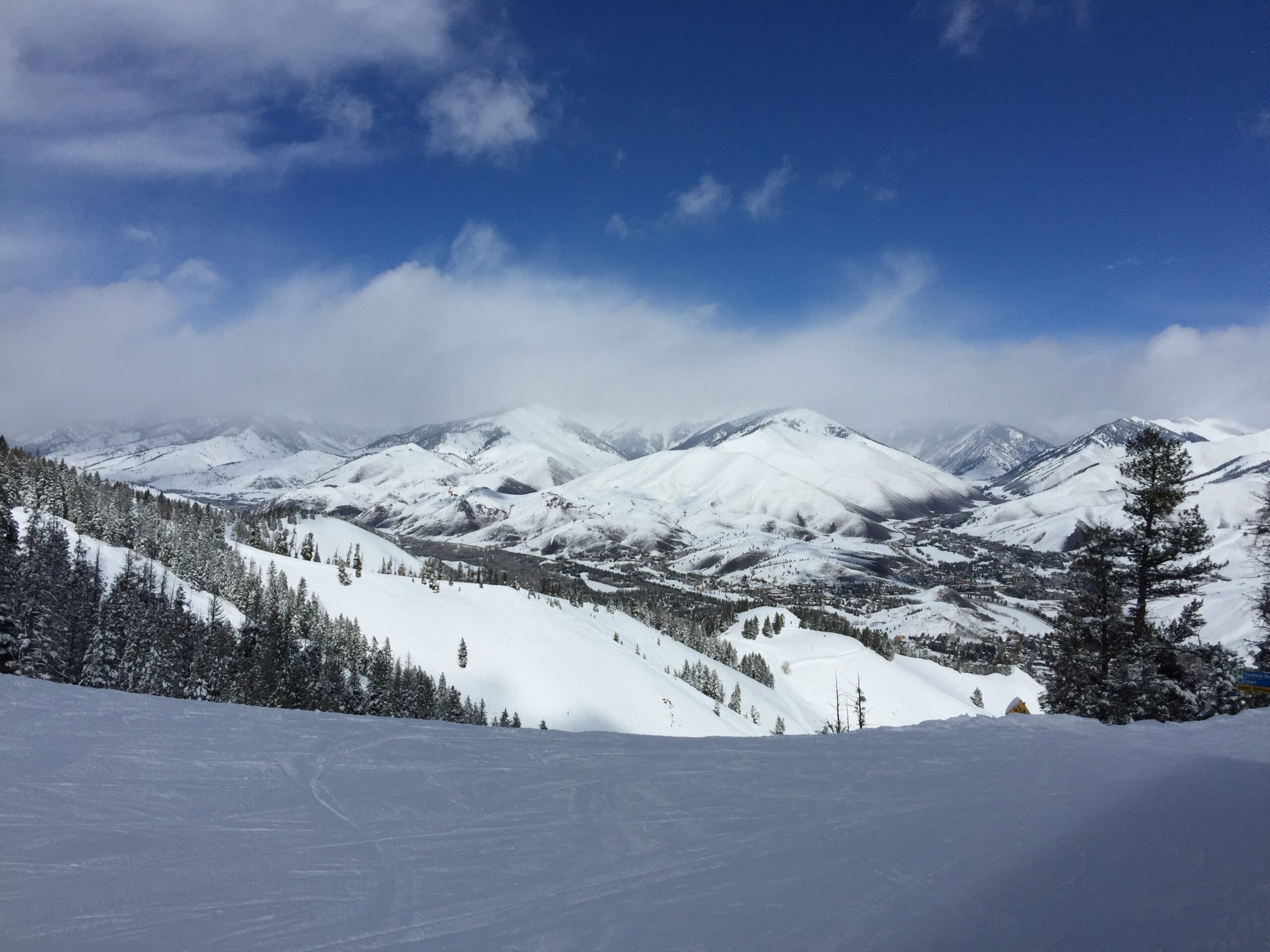
There were so many business jets headed to the 38th annual Allen and Company conference in Sun Valley that the agency had to throttle traffic to Friedman Memorial Airport, which is 13 miles south of the famed resort town.
Like many small mountain airports, Friedman has a single runway (13/31 7550 x 100) and while that seems ample, it’s also at 5318 feet. Idaho is also in the middle of a historic heat wave so density altitude has been a lot higher than that during the heat of the day. Despite the constraints, dozens of aircraft, from Citations to Global 7500s were funneled into the facility and crammed onto the ramp. Keynote speaker was Bill Gates, who delivered a speech on climate change.
Some good life advice from my own March 2016 trip to Sun Valley:
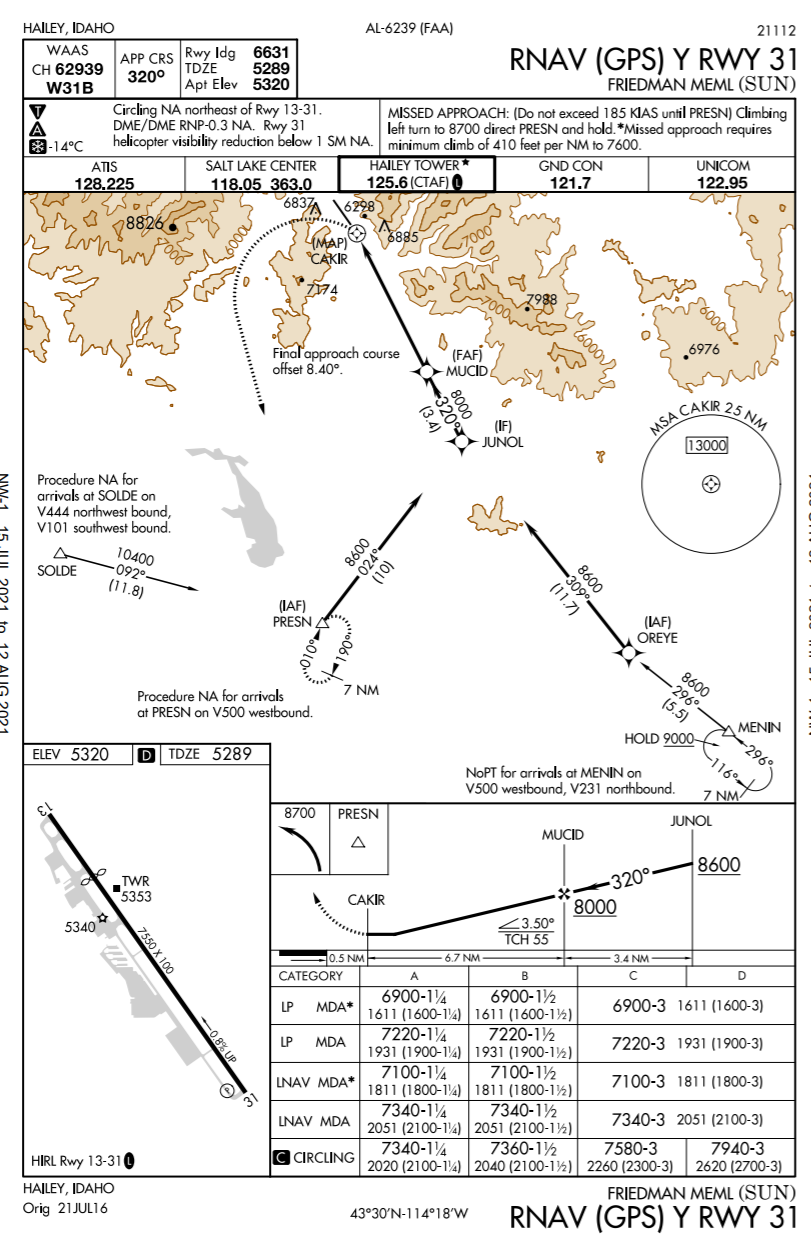
Note the 1600′ minimum ceiling required, i.e., better than VFR minimums to do an instrument approach. There is a somewhat lower procedure available, but only to those whose aircraft have heroic climb rates.
Related:
“Bill Gates joins Blackstone in bid to buy British private jet services firm” (Guardian): … an approach to buy Signature, which handles more than 1.6m private jet flights a year. … According to a study by academics at Lund University, Gates is one of the world’s biggest “super-emitters” due to his regular private jet travel. He took 59 flights in one year travelling more than 200,000 miles, according to the report, which estimated that Gates’ private jet travel emitted about 1,600 tonnes of carbon dioxide. That compares with a global average of less than five tonnes per person.
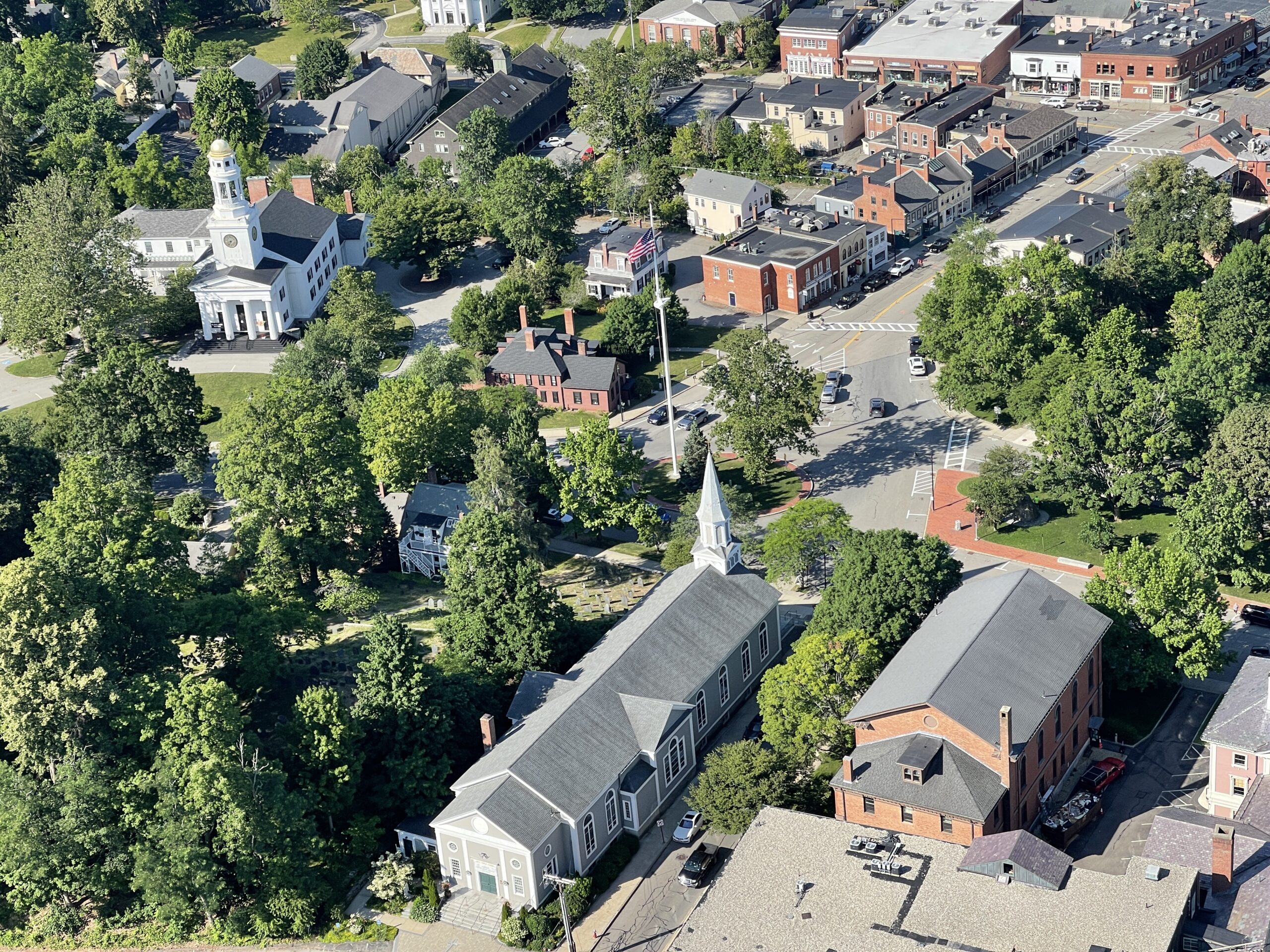
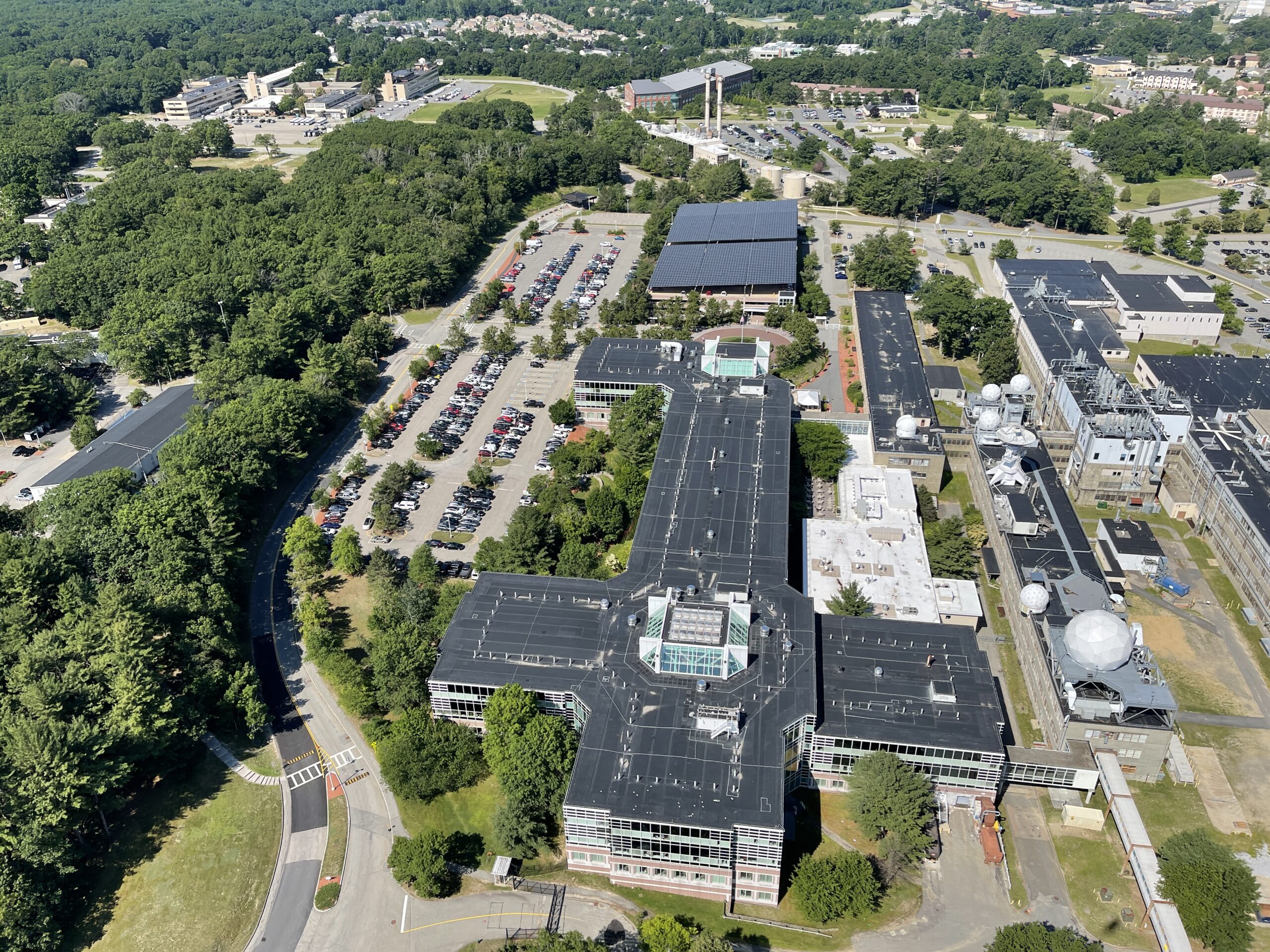
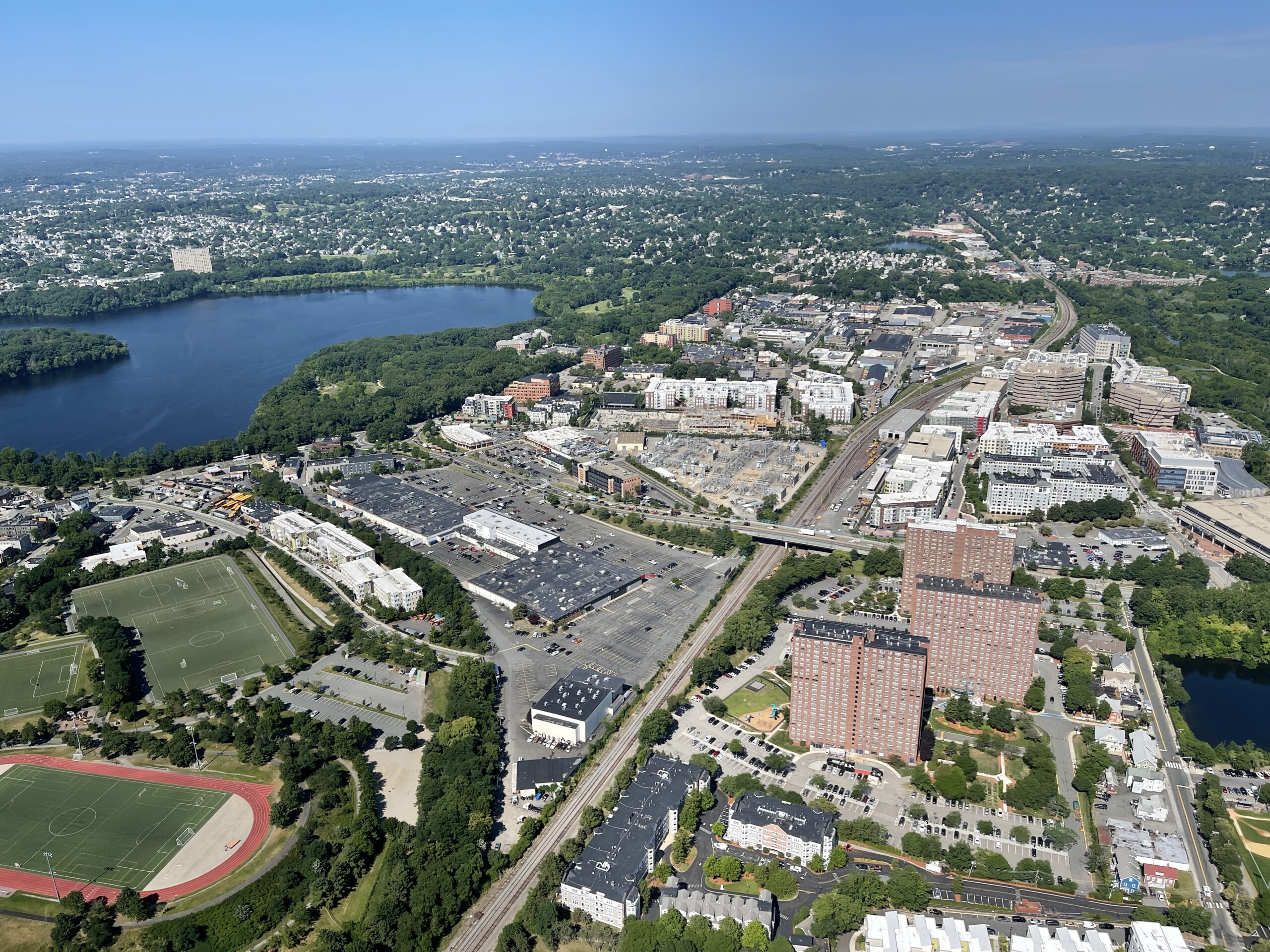
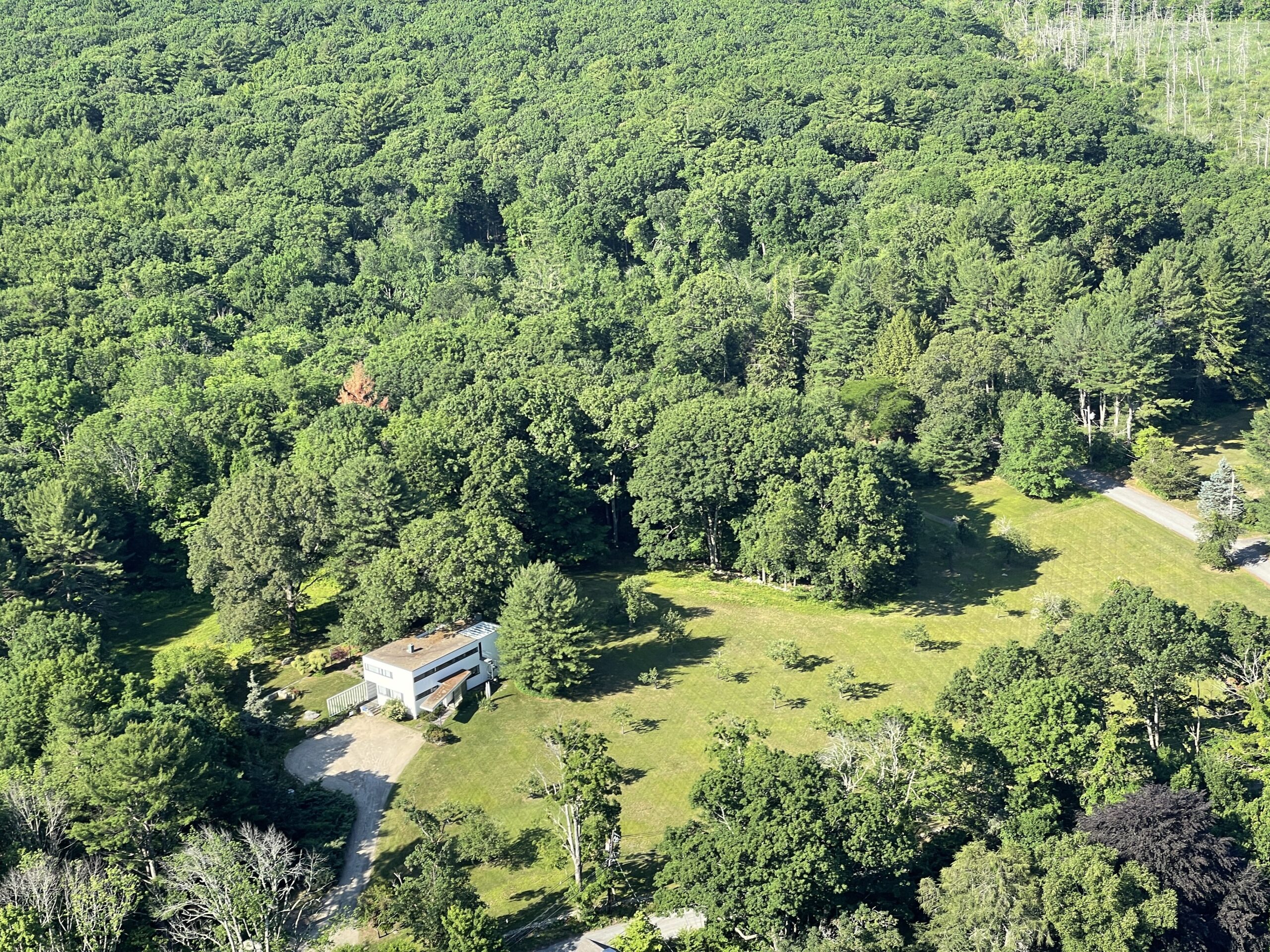
We’re flying with the doors off the Robinson R44 in order to avoid being baked to death in the recent weather (over 90 degrees in God’s chosen system of units). That enables your humble instructor to snap a few iPhone 12 Pro Max photos from the left seat.
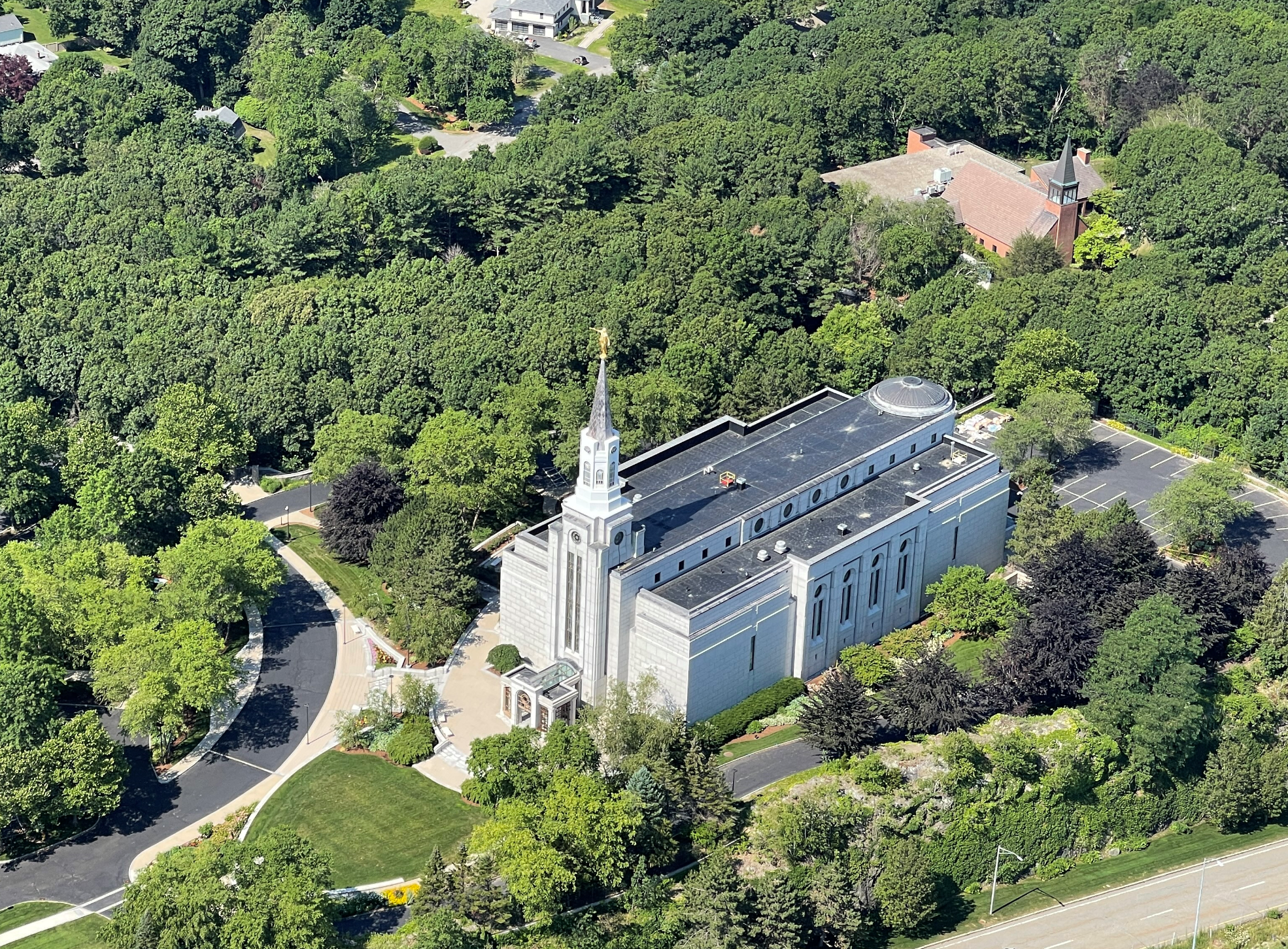
See if you can spot the Black Lives Matter banner on the all-white church in the all-white town of Concord, Maskachusetts:
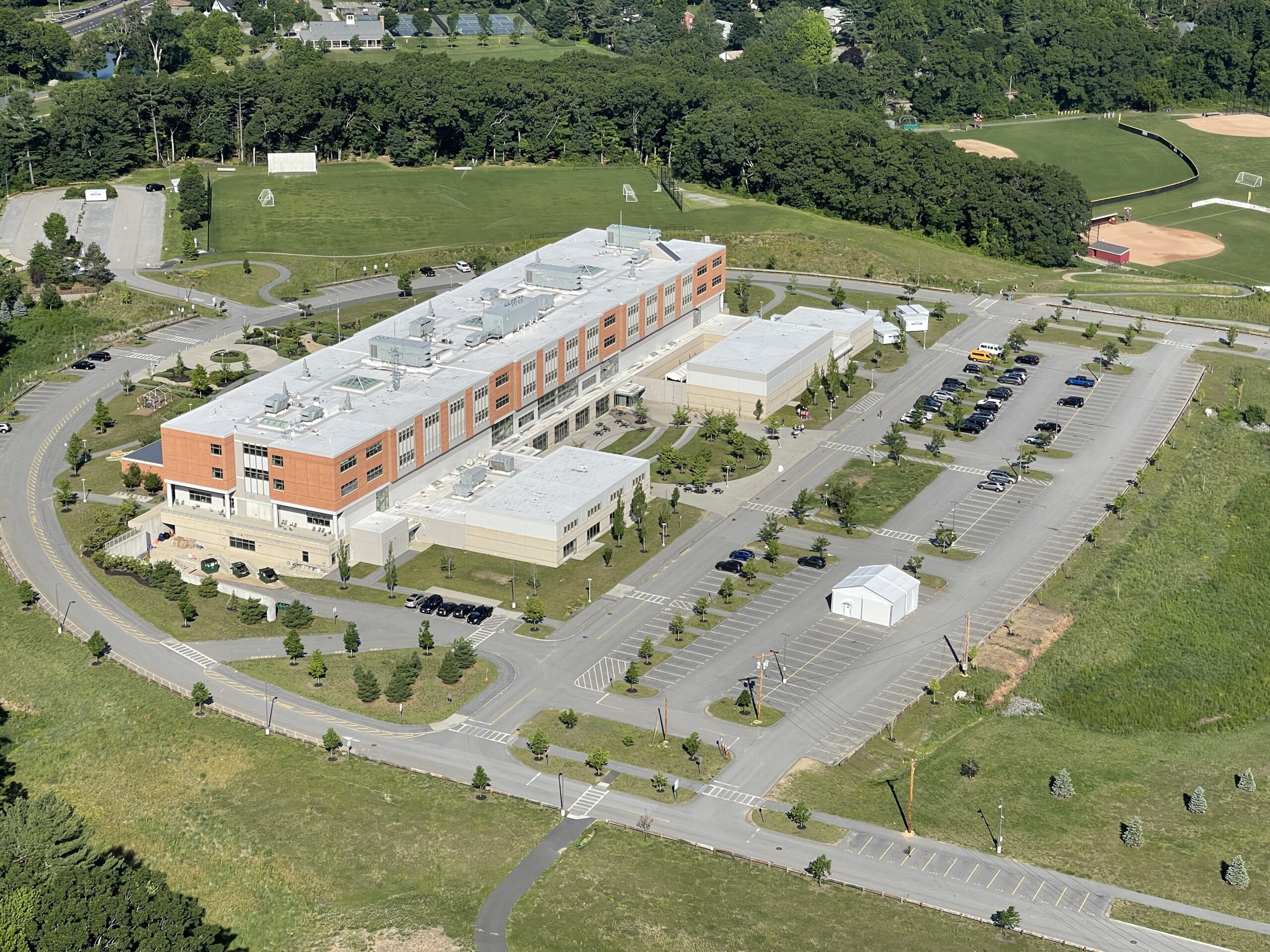
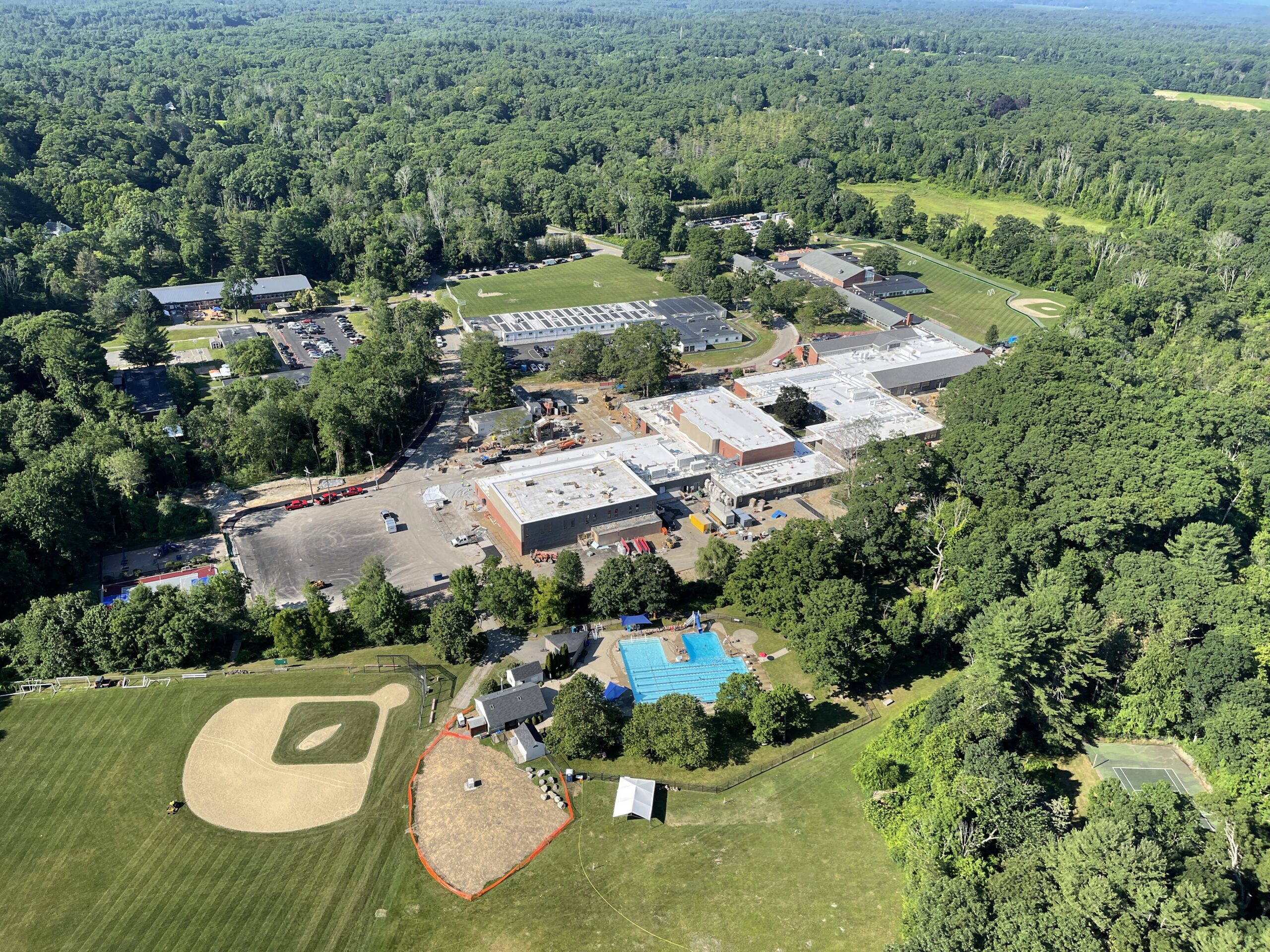
The Concord-Carlisle High School, a $93 million project (about $71,000 per student, half paid for by the state) that taxpayers wisely decided not to use for a year (#AbundanceOfCaution; it was closed entirely for 6 months and then students were able to start attending half time):
The Lincoln K-8 school, a $110 million project, including the solar panels that were borrowed against in an off-books accounting maneuver, ($250,000 per student, 100 percent paid for by the town):
(This is being done as an in-place renovation, with students displaced to trailers for three years, because the campus supposedly does not have enough room for the usual “build new building in parking lot or on soccer field, then demolish old one” process.)
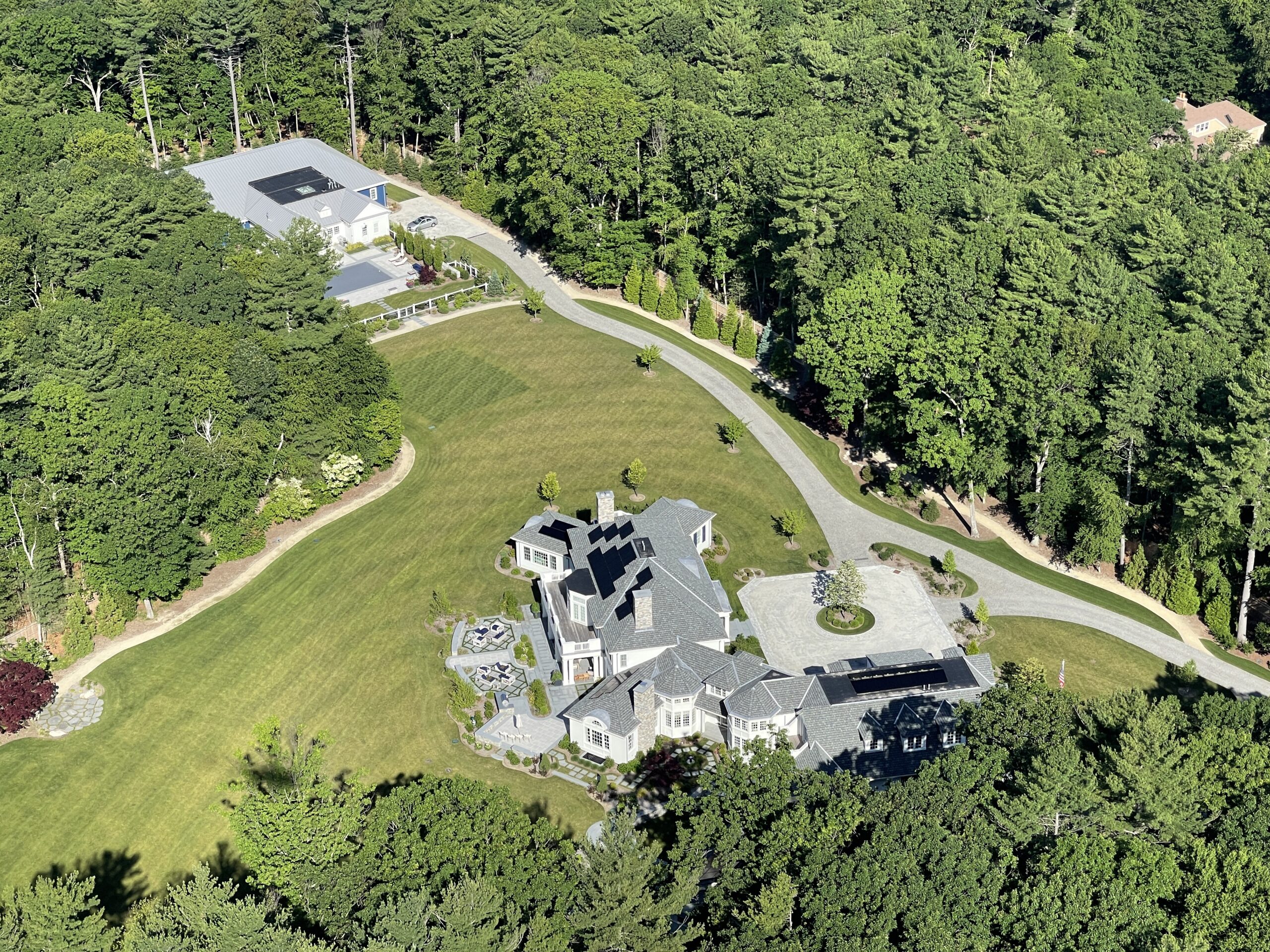
One of the families whose next 30 years of property taxes will fund the bond for the above. #InThisTogether:
Scroll to 1970 on the timeline and you’ll see that the Mode S transponder that is the building block for ADS-B was developed here.
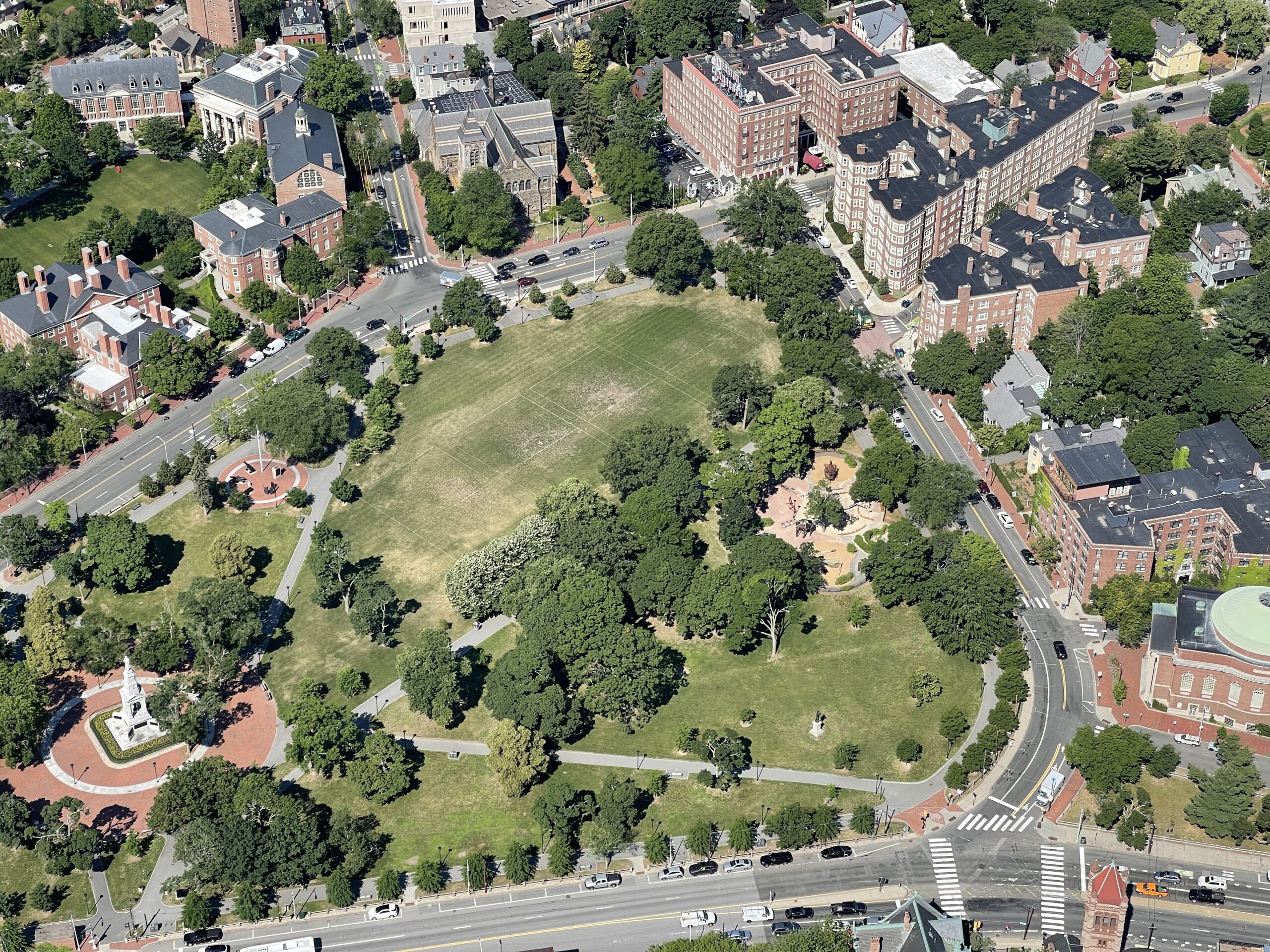
Why can’t you get a seat on the Red Line trains that run every 10 minutes starting at Alewife? Check out everything that has been built recently near the station (center right of frame):
(the three red brick towers in the foreground are public housing (777 units for the worthy poor: “the towers—like many high-rise housing projects of the era—quickly became associated with crime… the complex is still a focus for law enforcement activity, and in 2008 the Cambridge Police opened a substation at the towers”) and, until a few decades ago, were the only significant buildings)
The Gropius House in Lincoln (cost about 4X/square foot to build as a typical house of the time):
A helicopter CFI gets current. We went to downtown Boston to get away from some light rain showers at Bedford:
On Friday, June 24th 2021 aircraft engine Manufacturer Lycoming announced a significant mid-year price hike to take effect next month on 24 July, 2021. The company cited “inflation costs associated with components, surcharge increases, and ongoing availability” as the primary drivers for the sudden increase which was made even more unexpected by the timing of the increase well ahead of the company’s usual annual price increases made each December. Communication from Lycoming attached below.
Rotorcorp has conducted a thorough analysis of the new prices on O-320-B2C, O-360-J2A, O-540-F1B5 and IO-540-AEA5 engines utilized in Robinson R22 and R44 helicopter models. It would appear that the July pricing will represent an additional 13% cost to owners and operators requiring Lycoming Factory new, rebuilt “zero time” and overhaul exchange engine options. It also appears that the price increase (roughly 13%) has been added to all small parts and cylinder kits. In real numbers an Lycoming Rebuilt “Zero Time” Exchange O-540-F1B5 Engine will spike by more than $5500 from the current retail price of $48,303 to $53,879.
The rest of the industry won’t be far behind, presumably. So order everything now if you think that you might need it within the next year or two!
(in the 20 years that I’ve been keeping up with aviation, this is the first time that I have seen this occur. Each manufacturer typically has a date on which the next year’s prices are announced. They don’t issue price increases at mid-points)
Department of First World Problems, email from today:
What to do when you get there?
Charter Yacht Market Preps for Record Season – … Some yachts that normally would be heading across the Atlantic are staying back in the Caribbean to maximize booking there. Others are being repositioned to the Eastern Med where countries like Greece and Croatia have less uncertainty right now than France and Spain. And Costa Rica is predicted to be a new hot yacht destination.
The U.S. government is bigger and more heavily funded than ever, but government employees prefer not to work:
U.S. CBP is still on reduced hours at many airports vs pre-pandemic, so don’t assume an airport that used to have 24-hour customs still does.
(I’m going to guess that the hours reduction did not come with a paid staff reduction.)
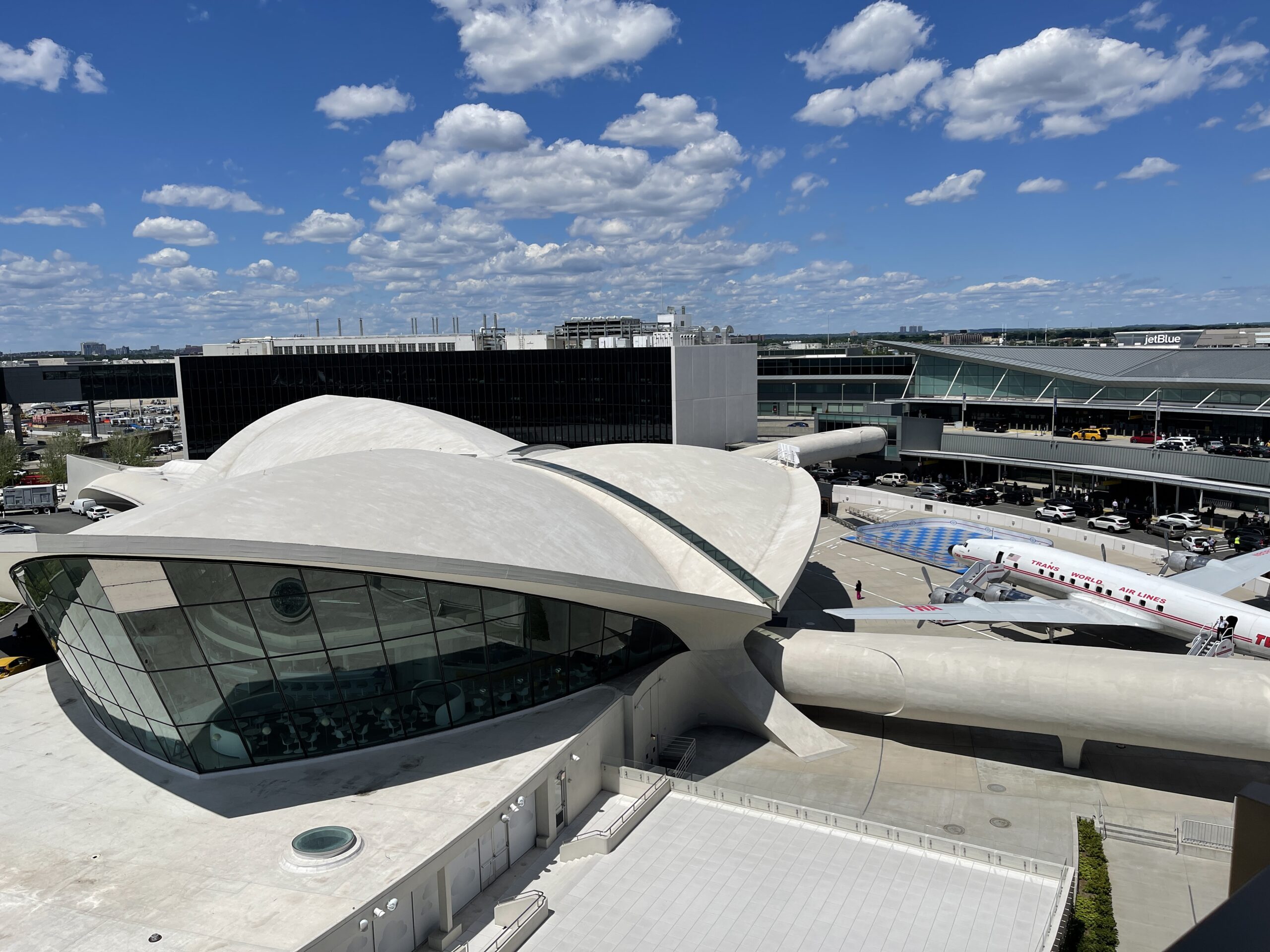
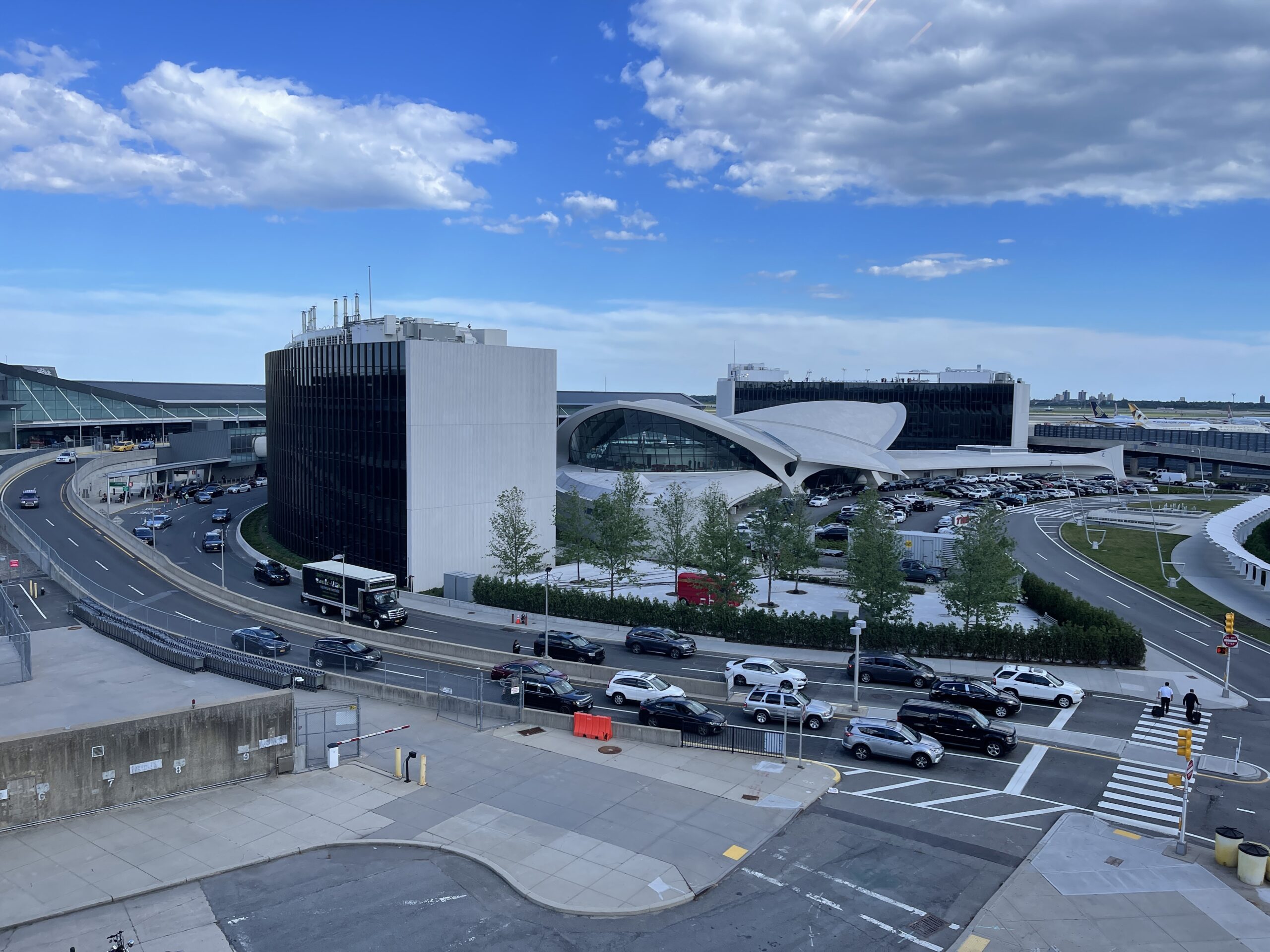
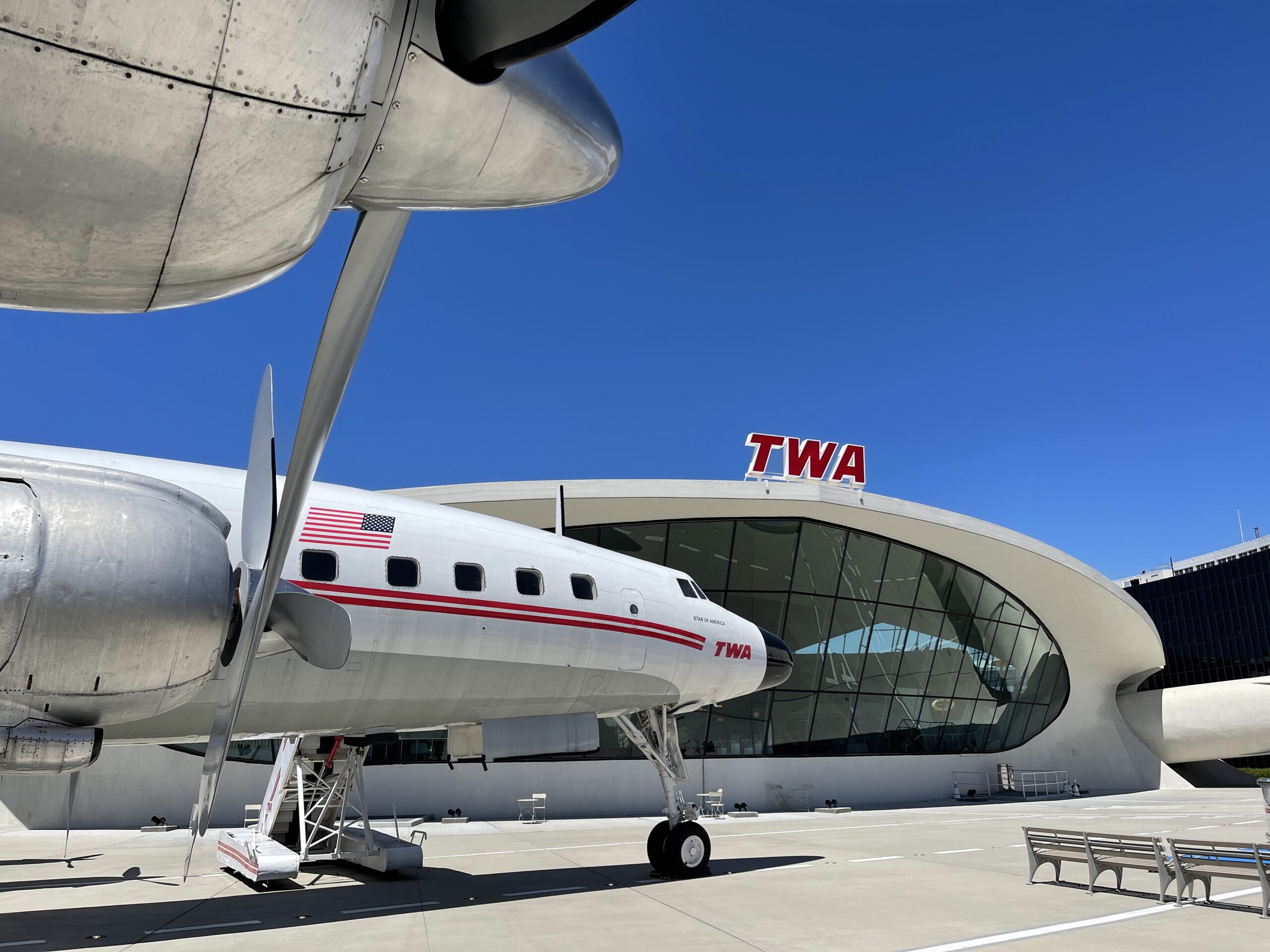
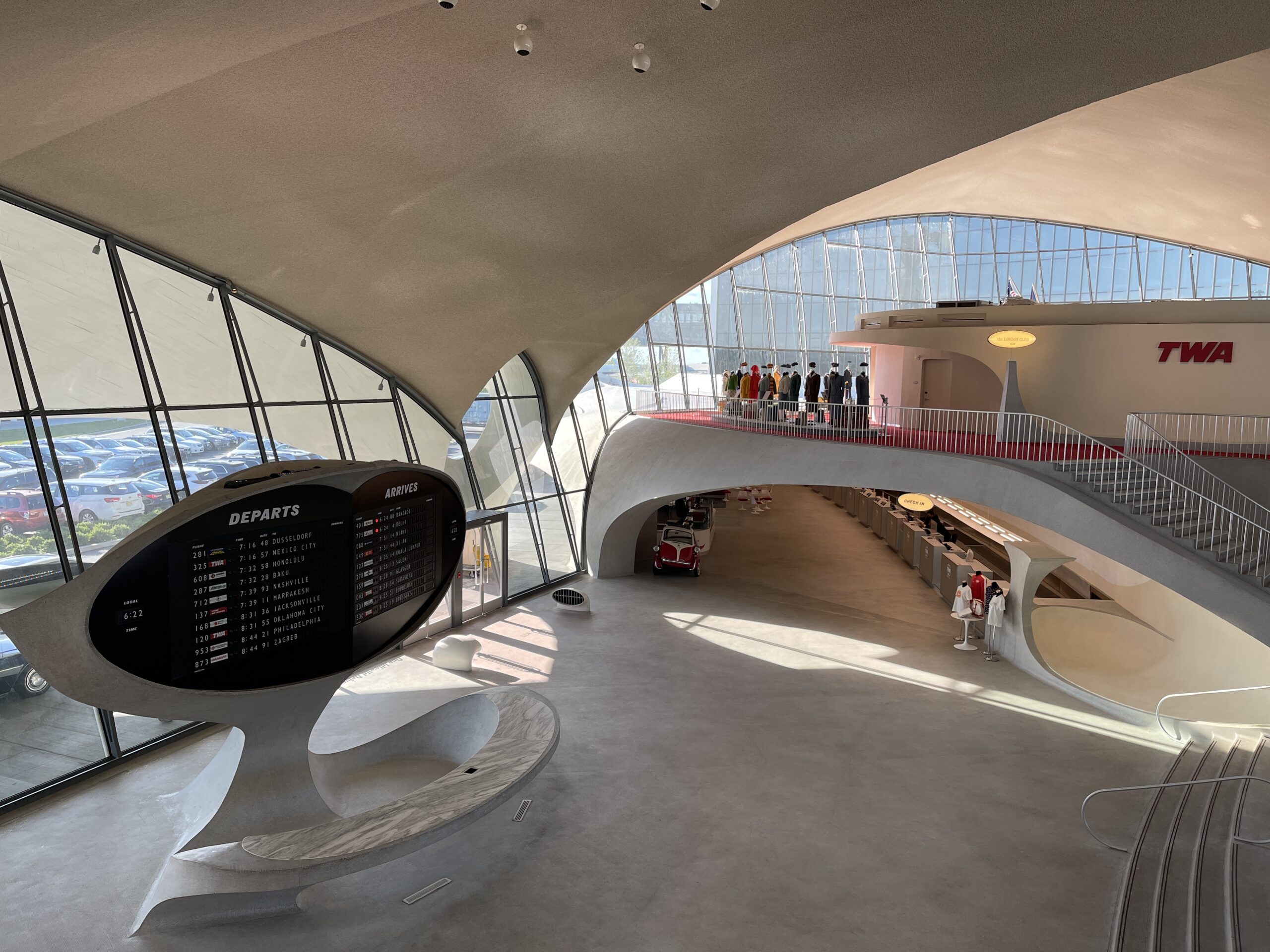
This is a report on a June 23 visit to the TWA Hotel, a conversion of the former TWA Flight Center terminal, designed by Eero Saarinen and used from 1962 through 2001. Essentially two big new apartment/hotel blocks were built and the preserved portion is used as the lobby.
If you don’t mind paying $200 to park overnight, the best way to arrive is by single-engine piston airplane. Once the controllers stop laughing, taxi to Sheltair, chat with the helicopter taxi pilots, and the line guys will give you a ride to the hotel.
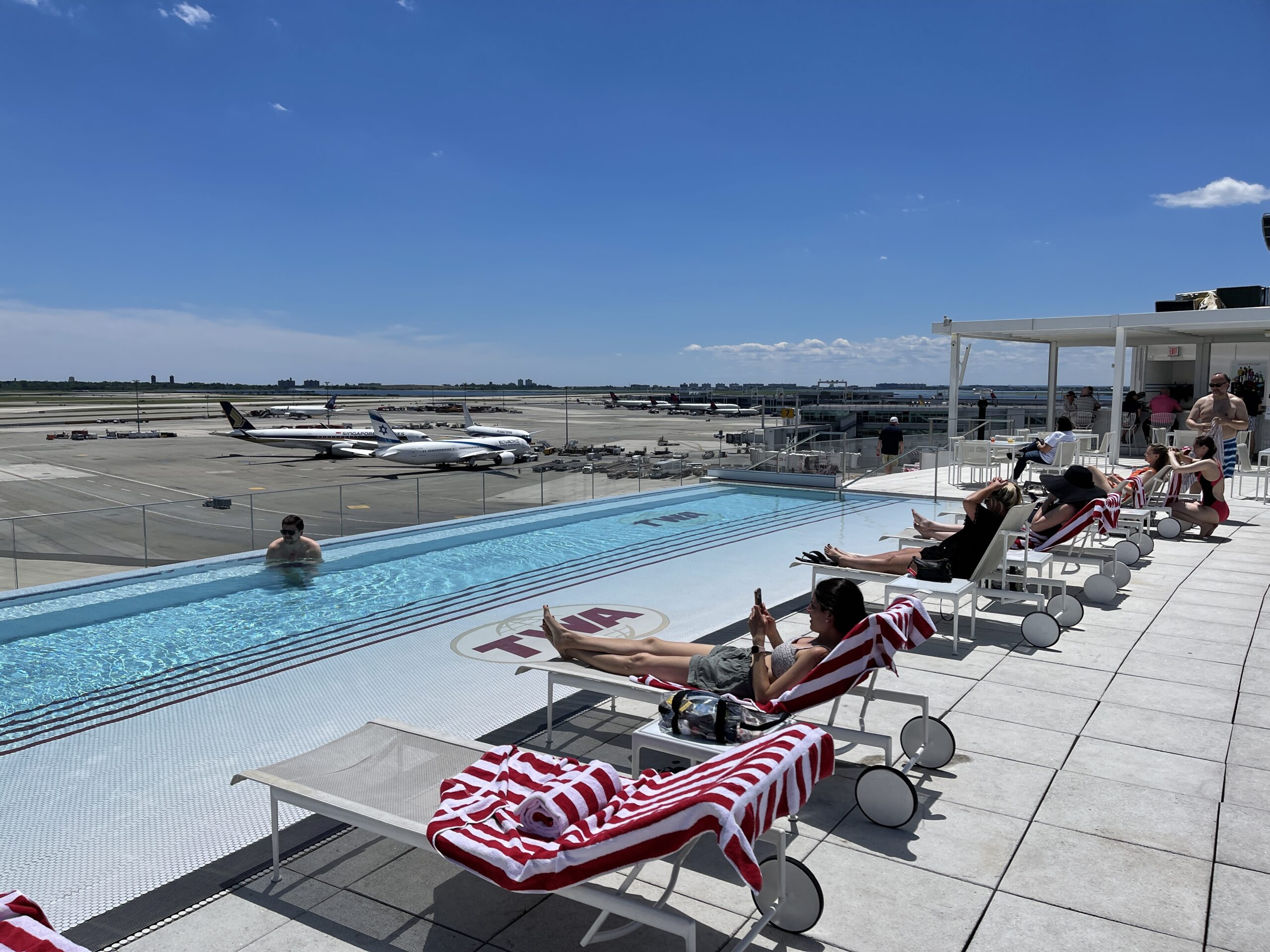
Try to schedule your visit for a day when the airport is using the 4/22 runways. The pool and the “runway view” rooms overlook 4L/22R, with 4R/22L behind. The action won’t be all that dramatic if the 13 runways are in use, but there is a reasonably good view of 31L. We visited when the 13/31 runways were closed for most of the day (painting?). It irked me slightly that I had to land the Cirrus in a crosswind gusting 20 knots when the airport has a 14,500′ runway oriented straight into the wind, but we were rewarded with a great afternoon and morning of plane-watching.
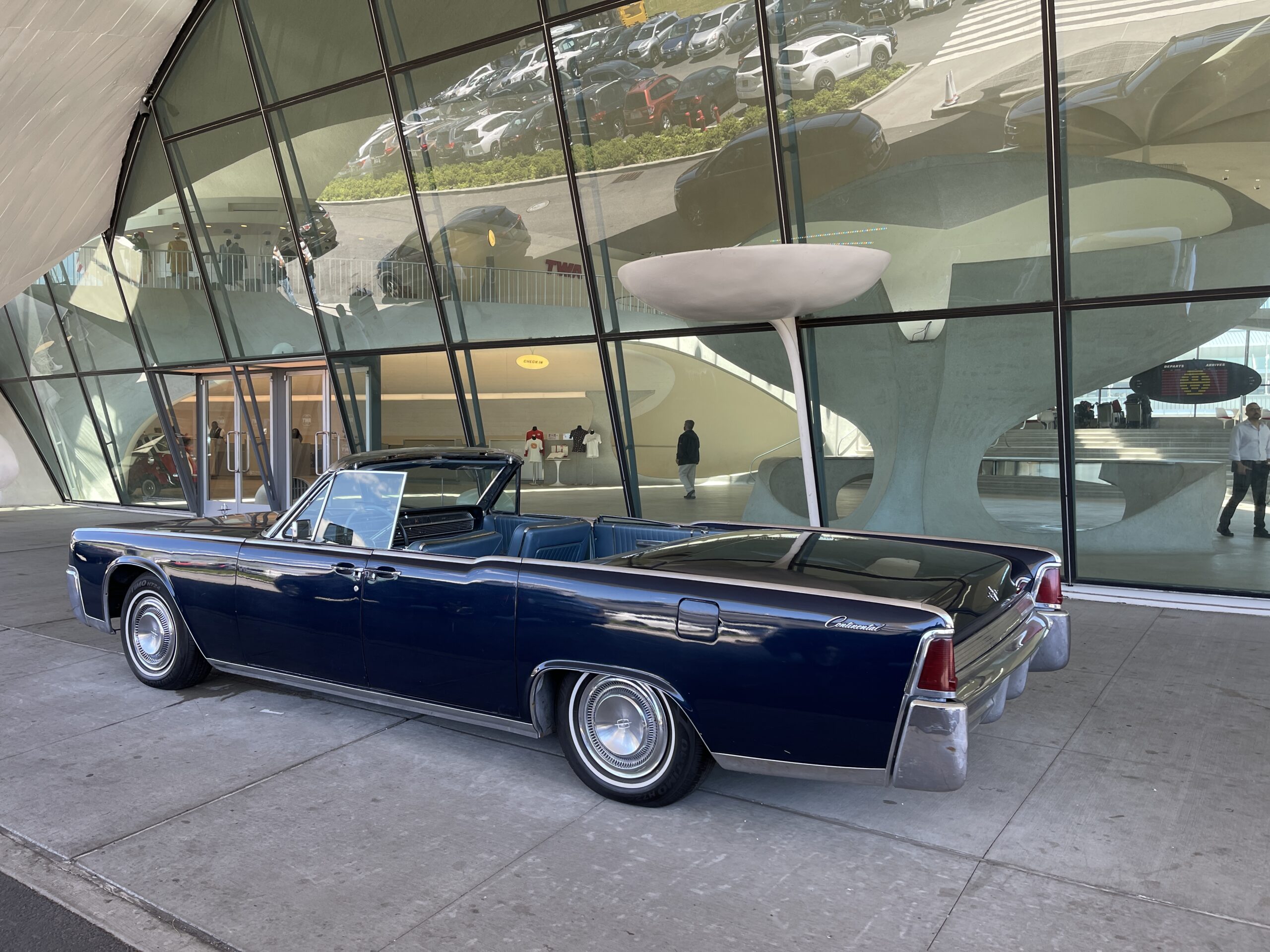
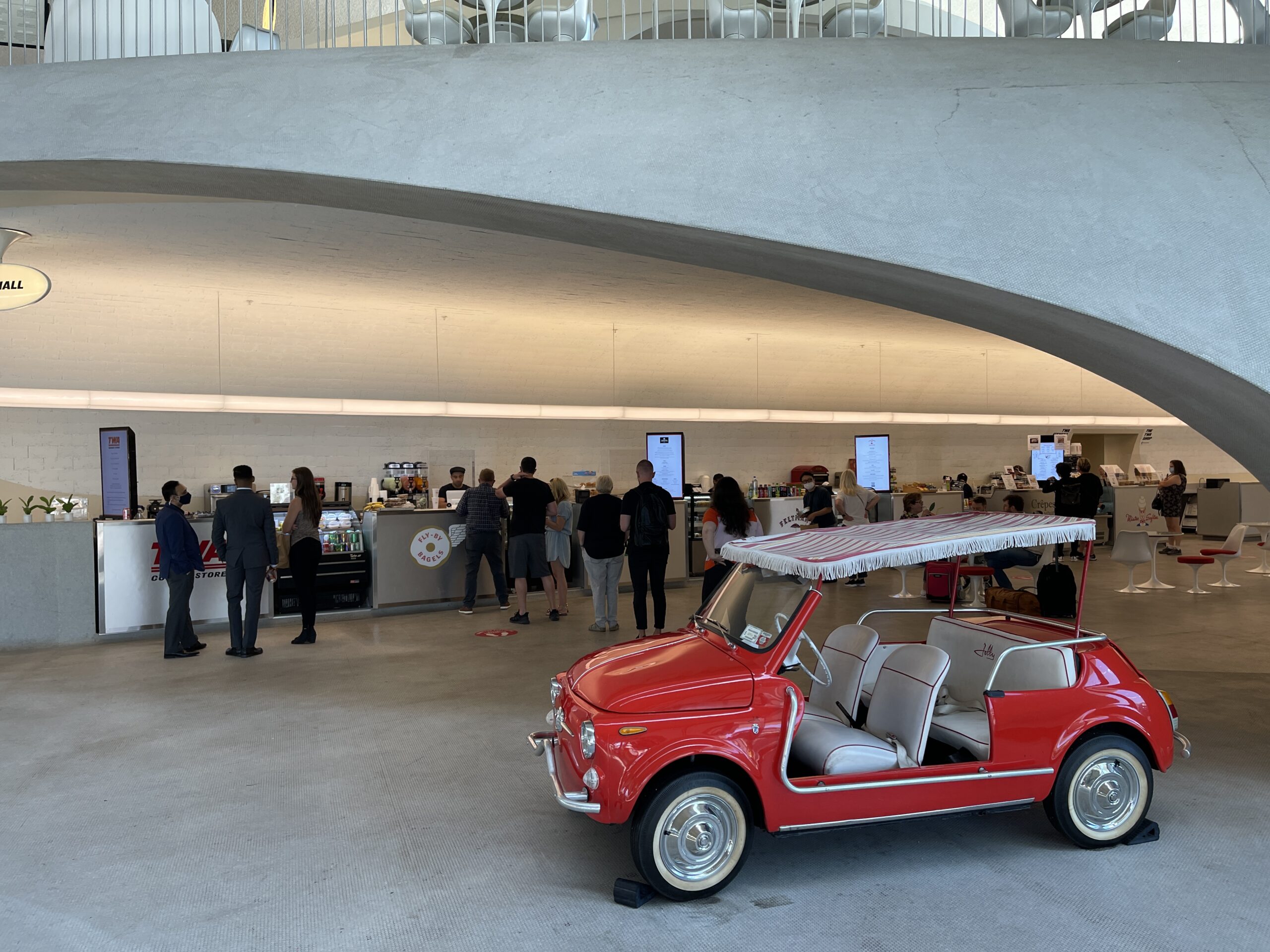
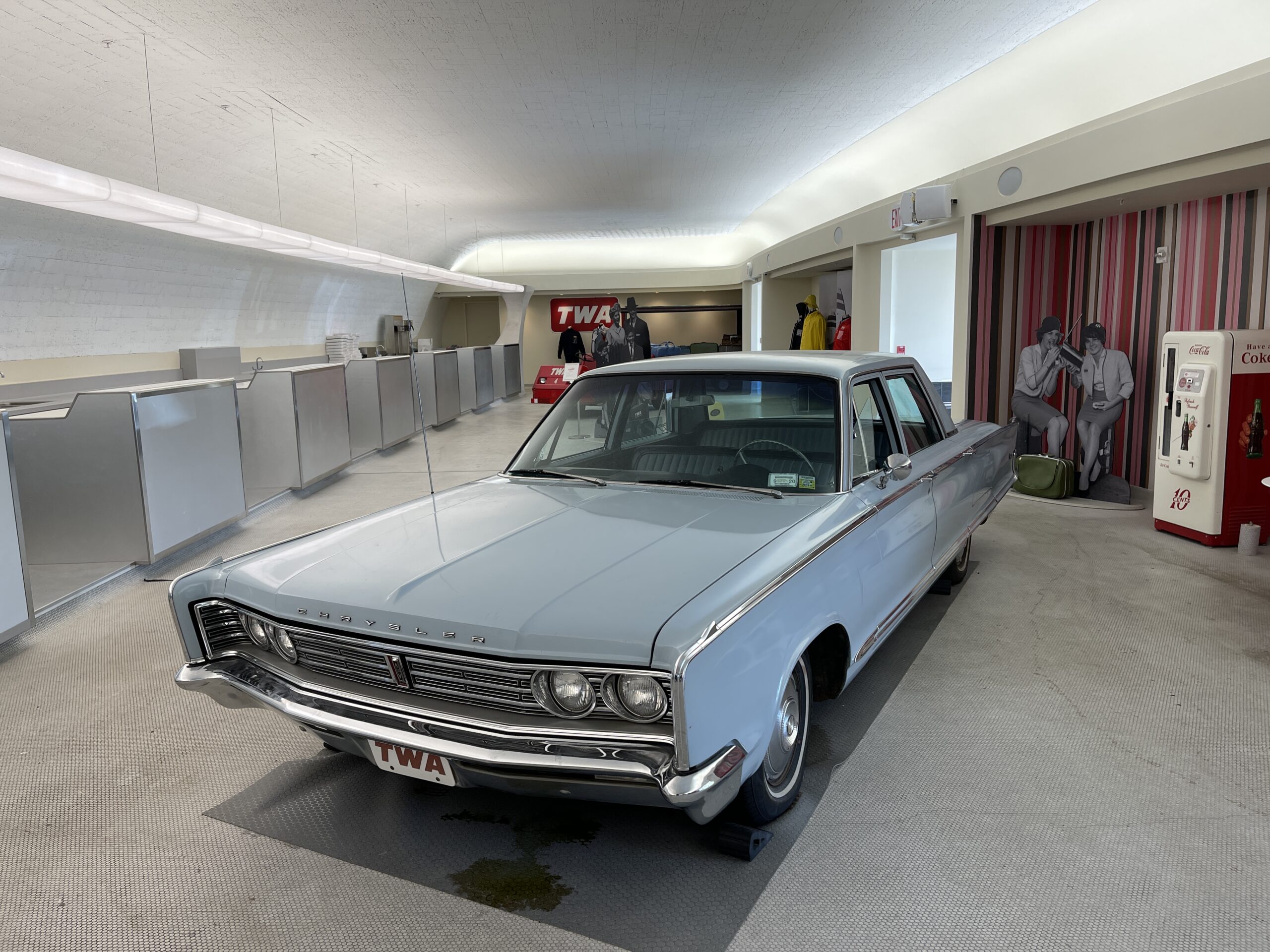
The hotel celebrates everything that was great/groovy about the 1960s. You won’t learn about the Vietnam War or the Great Society programs that have turned roughly half of Americans into government dependents (not to say “on welfare”!). There is an awesome car collection, including a Lincoln Continental with suicide doors, a Chrysler Newport, a Fiat Jolly, and an Isetta.
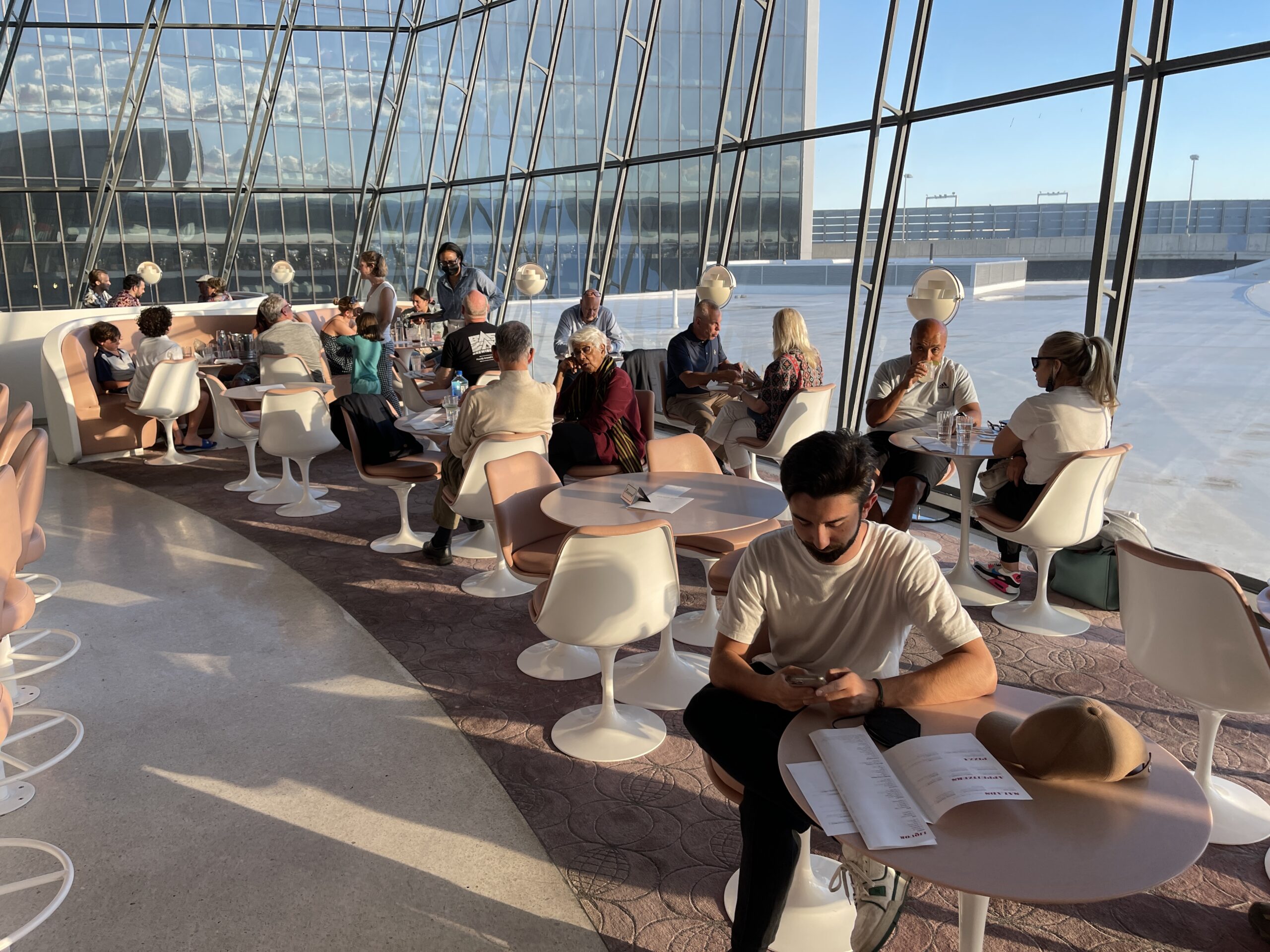
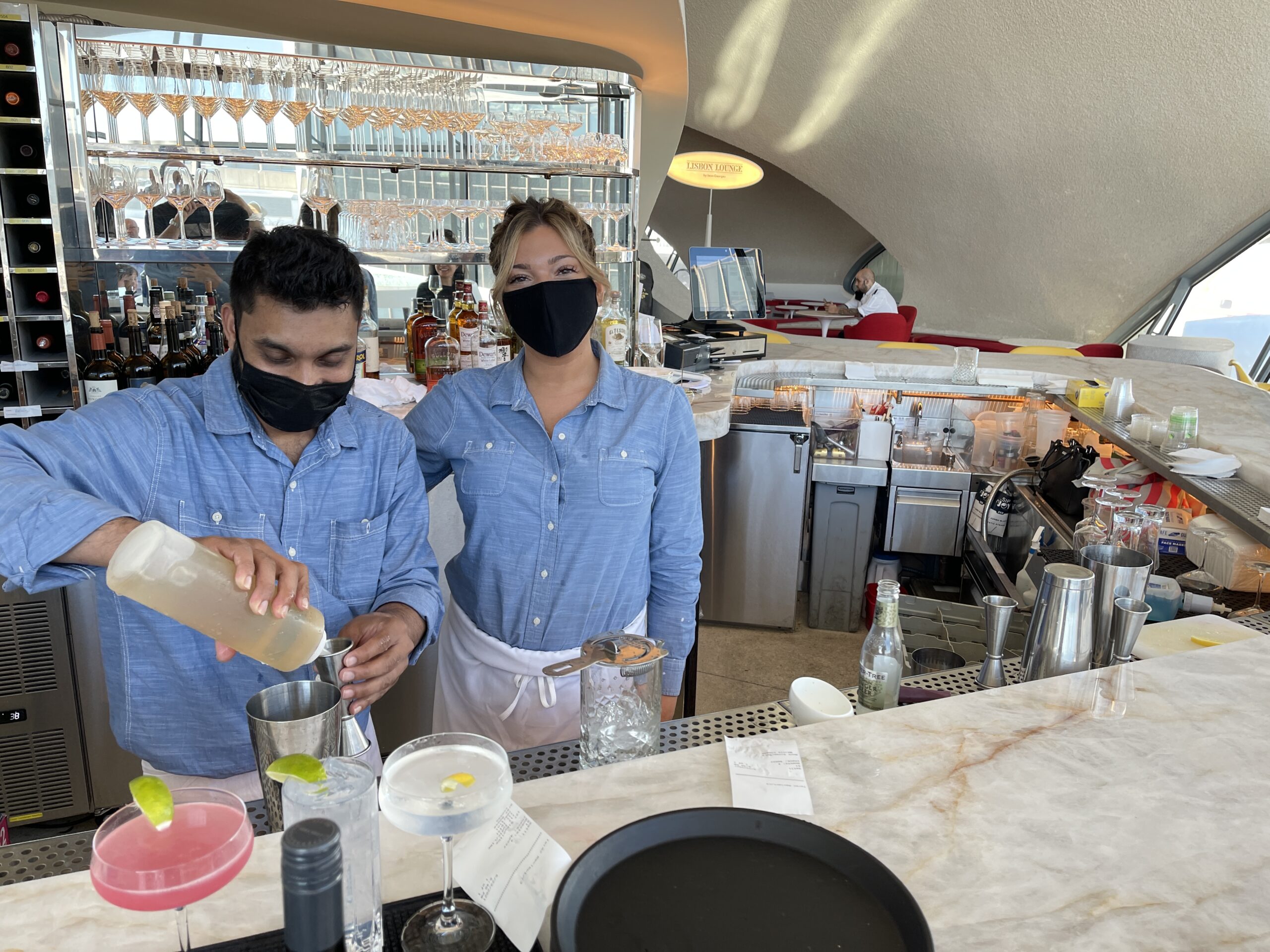
You’ll want to buy a reservation in advance to use the rooftop pool on the afternoon of your arrival (it is open to everyone from 7-10:30 am). When it is time for dinner, walk through the lobby to get to the restaurant (great food, stretched-thin service, reasonable (for NYC+airport) prices).
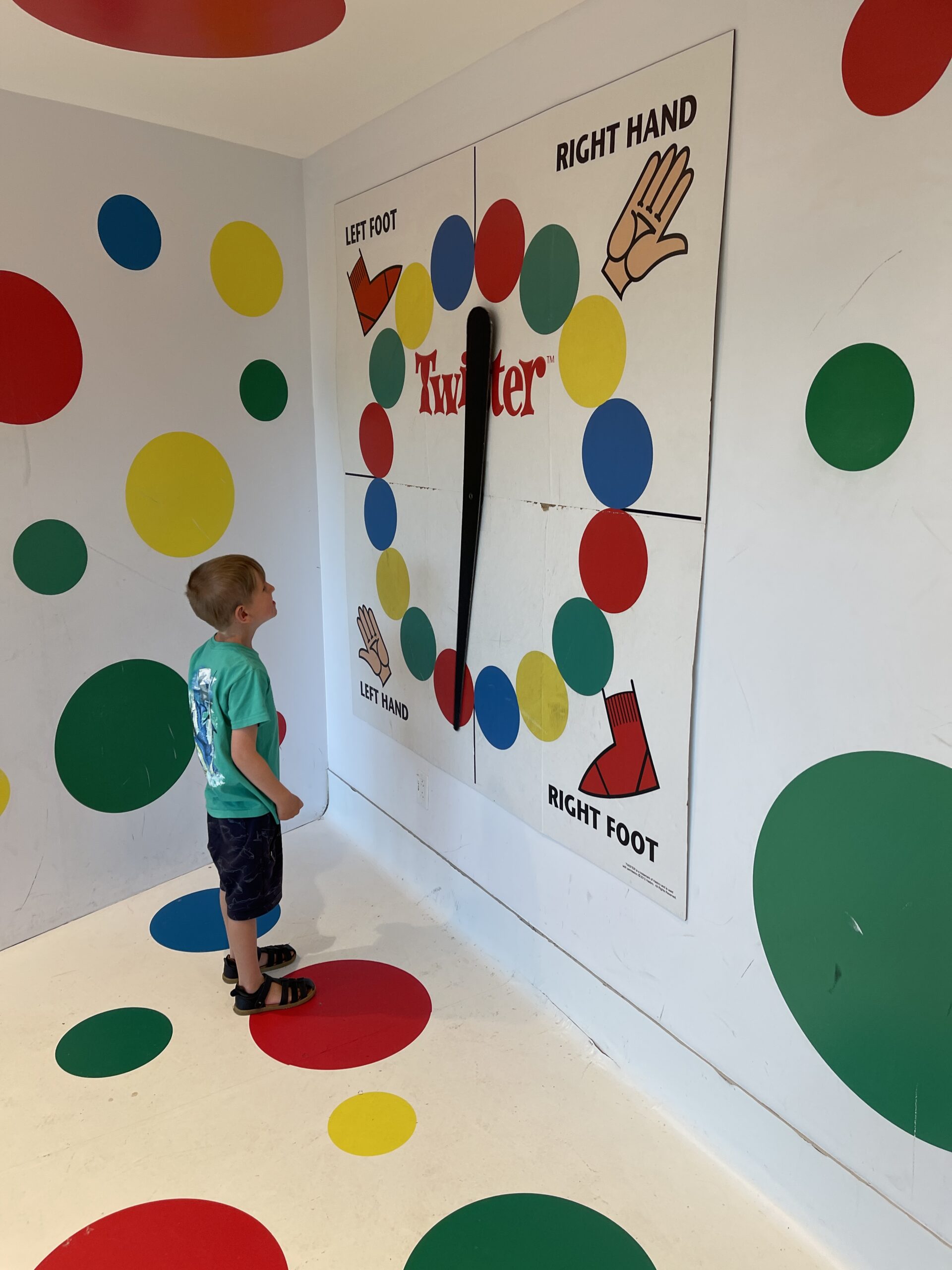
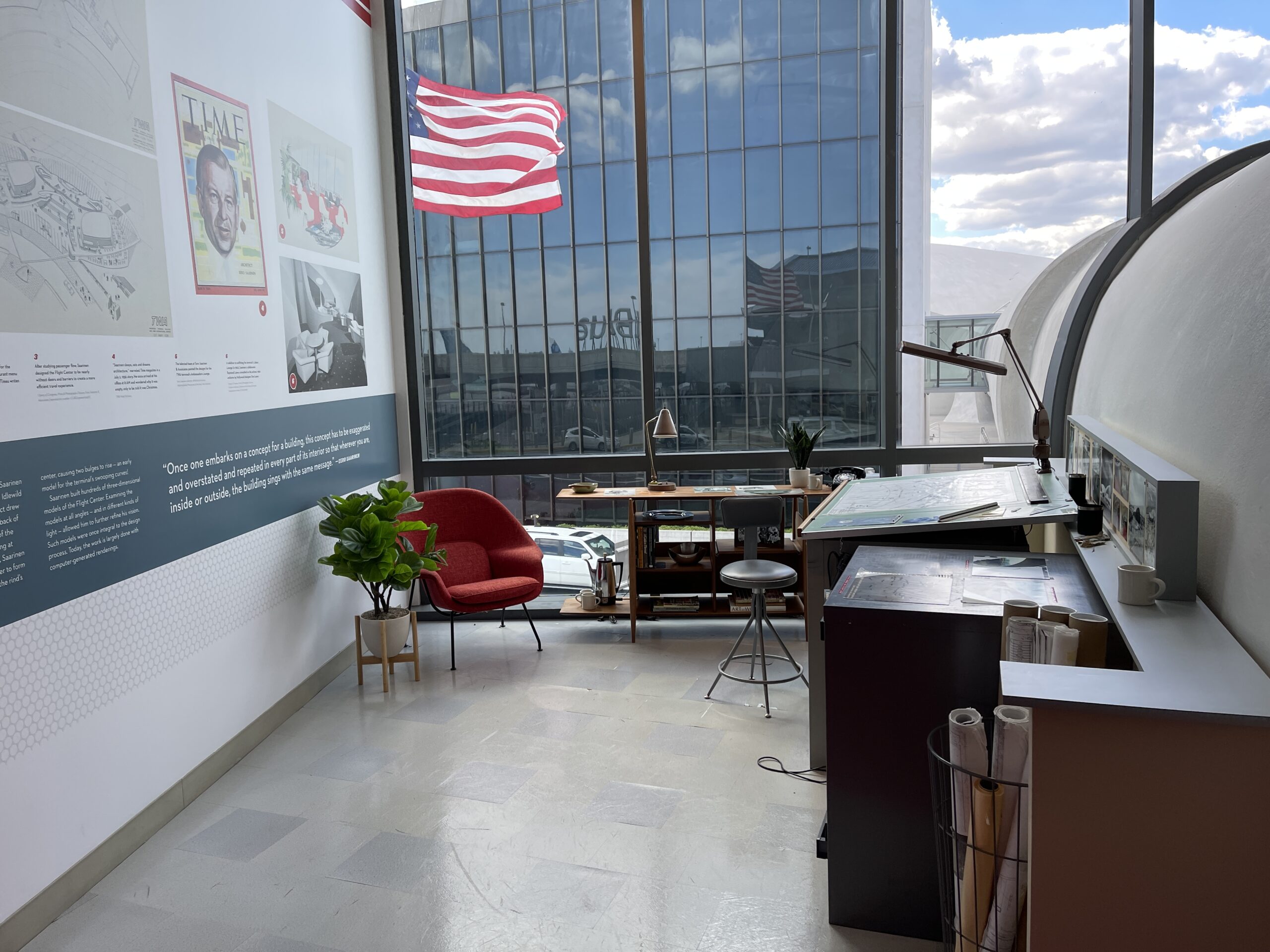
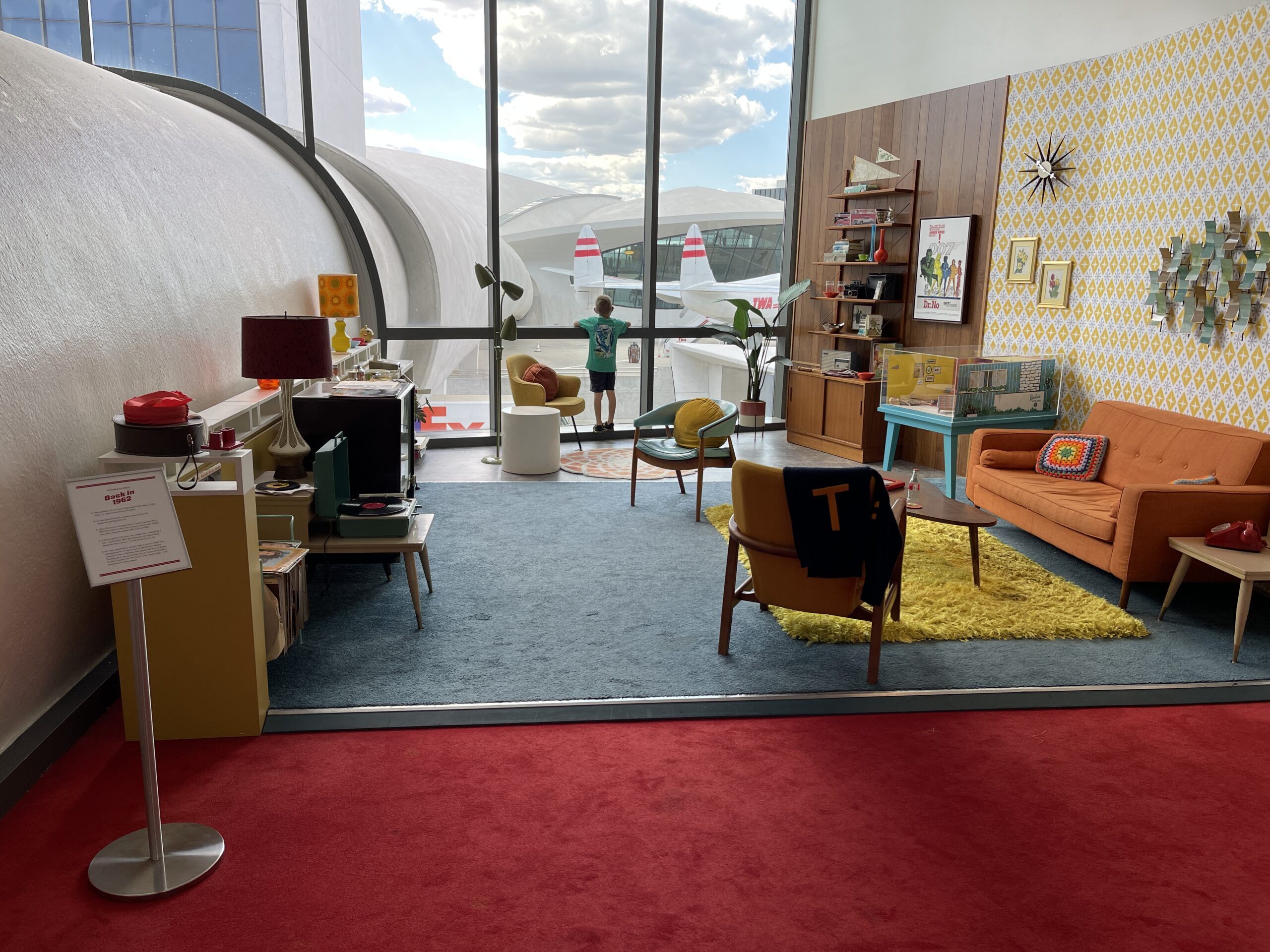
The hotel is tremendously fun for kids, with surprises in a lot of corners. Play Twister, visit Eero Saarinen’s office and drafting table, sit in a 1962 living room, sit at Howard Hughes’s CEO desk.
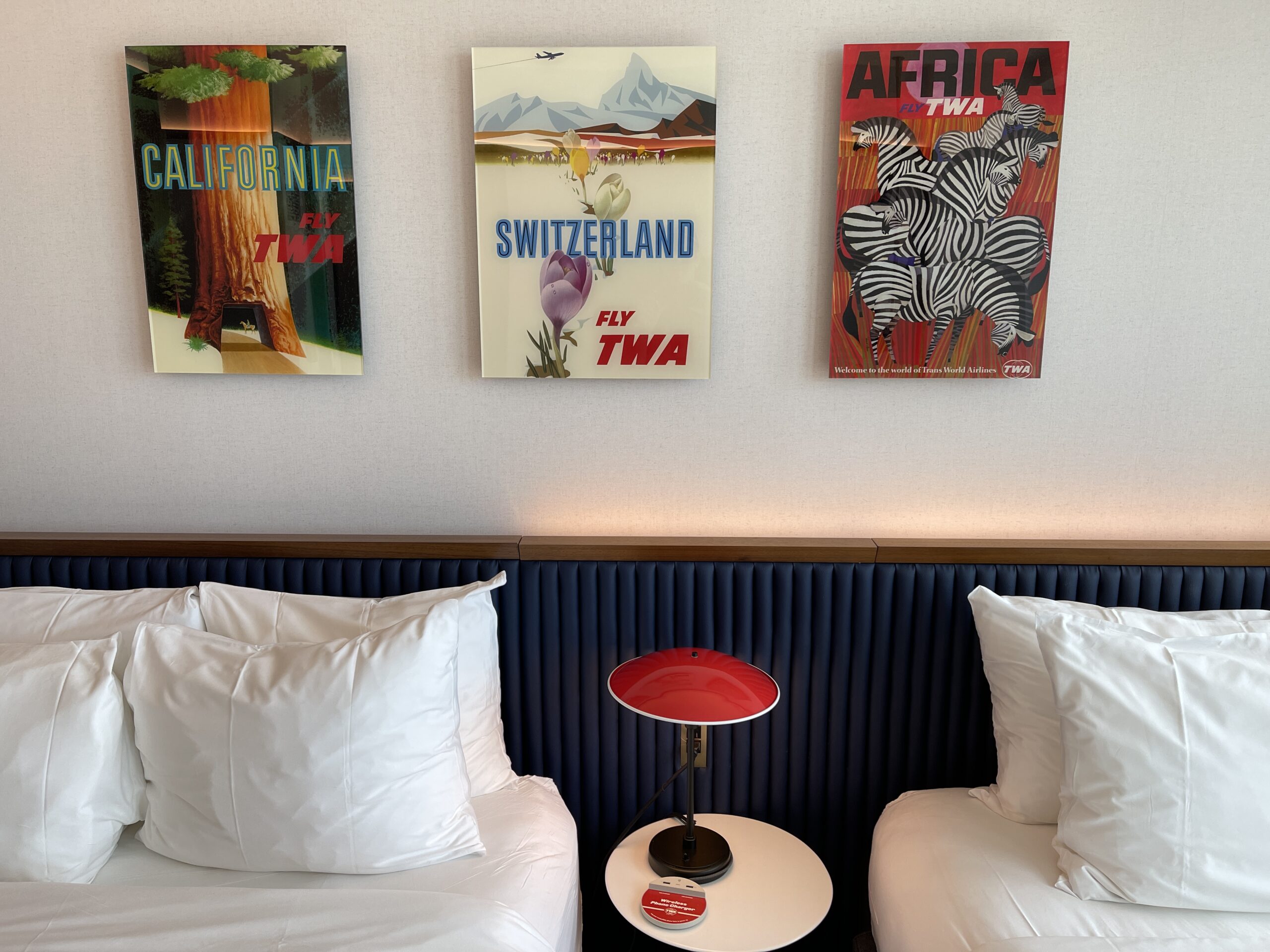
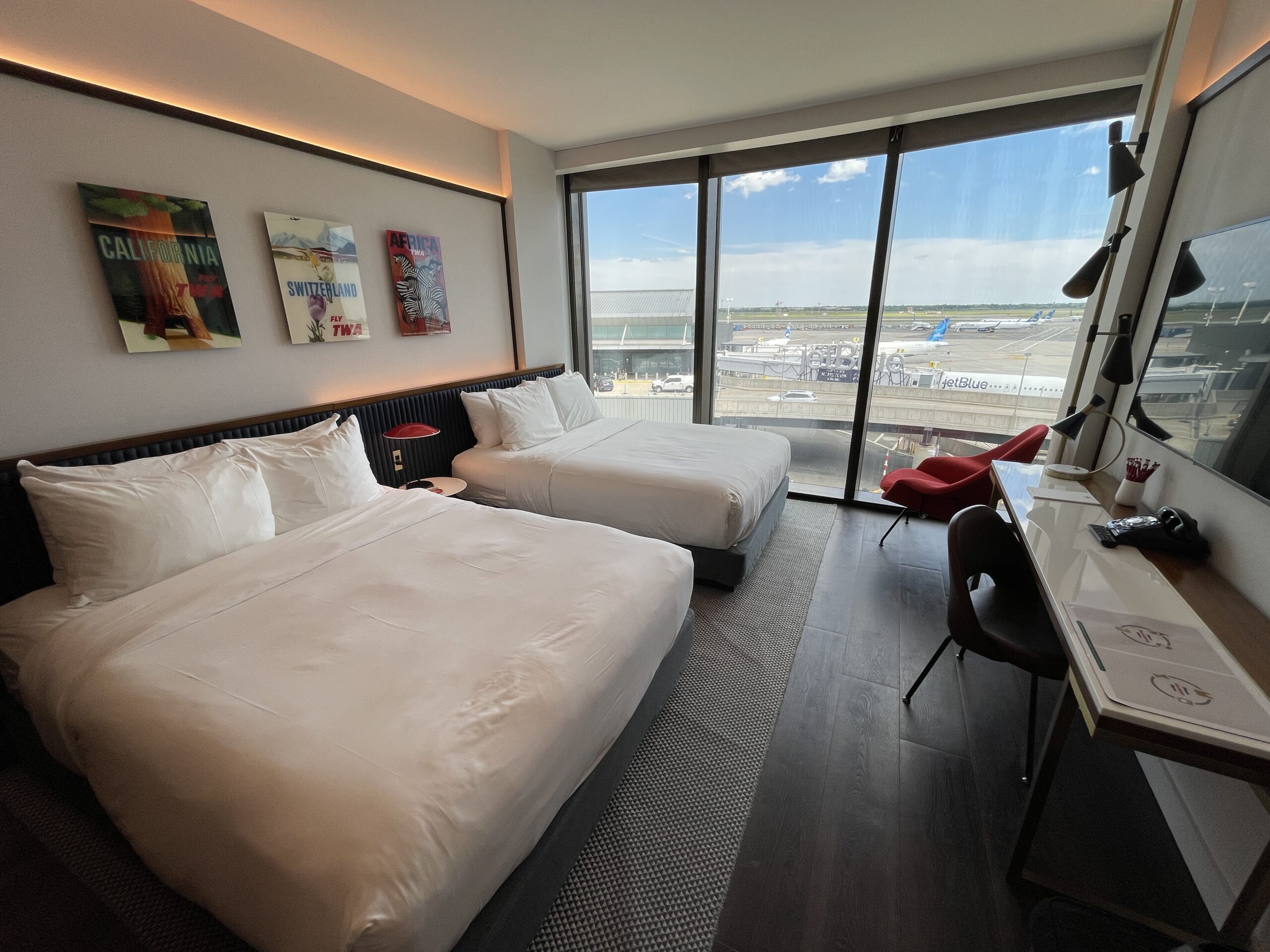
How about the rooms? Here’s ours before we trashed it (the kids are like 1970s rock stars, but without the musical talent). Perhaps 1/2 to 2/3rds the size of a standard Hampton Inn room. Note the Saarinen Womb Chair ($1000). There is no coffee maker in the room and no room service is available, so consider bringing some cold brew and keeping it in the mini-bar fridge (empty).
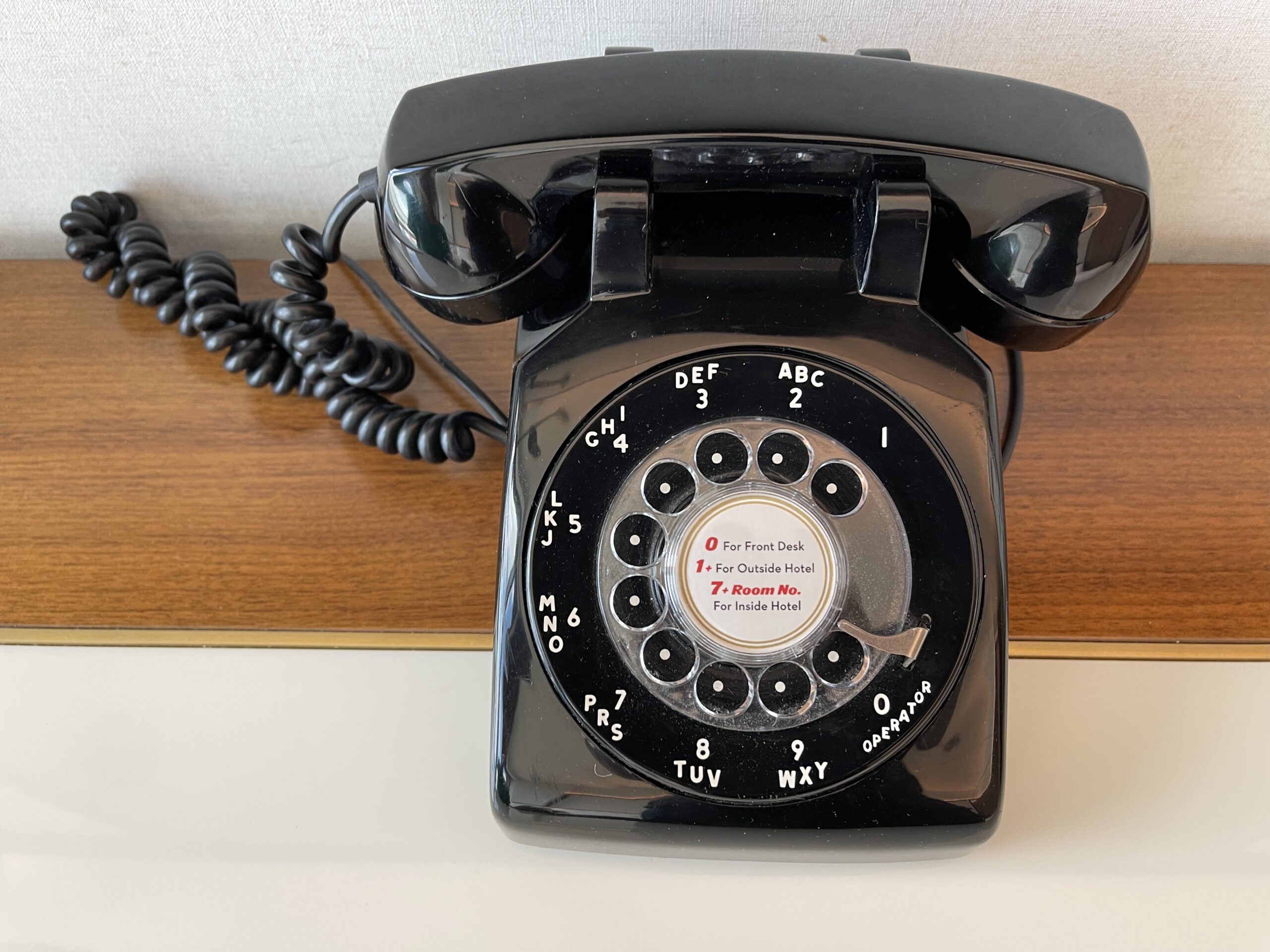
Can you run a hotel without bothering to answer the phone? Sort of. As an experiment, I called the hotel prior to arrival and waited on hold until a human answered. 50 minutes. From the room, however, dialing 0 for the front desk, as the rotary phone suggests one do, never resulted in any contact. This proved to be a problem when two dogs nearby embarked (so to speak) on an extended barkfest starting around 9:30 pm (past the sacred bedtime for our boys!). Senior Management was forced to walk down the hallway, go into the elevator, walk through the connector tube, and talk to the front desk in person. She was informed that the hotel didn’t have enough staff to figure out from which room the barking was emanating. Therefore, it became the guest’s job to explore the floors above and below our room. (We determined that the dogs were in the room just above ours, then went back to the front desk to report. The dogs’ owners were reached, but apparently they couldn’t make it back to their room so the situation continued until midnight).
(Other U.S. hotels seem to be on the same plan. I recently stayed at the Hilton in St. Petersburg, Florida and one of the members of our group waited on hold for nearly an hour, calling from the room, to reach the front desk.)
Speaking of noise… the windows are marvels of acoustic engineering and hardly any noise from 22R makes it into the room. Isolation from other rooms and the hallway is not as good, however, as we found out when listening to the canine chorus.
Due to ongoing health concerns regarding COVID-19, as of Friday, March 20,2020 concessions are only offering grab and go and takeout options, consistent with the latest New York and New Jersey directives. Food courts remain open, but we remind passengers to follow social distancing guidelines and to maintain at least 6 feet of separation between other guests. Many retail stores in the airports have closed. Please note that concessions are adjusting their hours of operation and opening status on a daily basis, and so we cannot guarantee any specific concessions or eateries will be open.
A minimum of 16 months to flatten the curve because 15 months plus vaccines plus PCR tests for nearly all passengers plus masks weren’t sufficient?
From the reservation service used by the hotel restaurant:
Per NYC indoor dining guidelines for COVID-19 safety, all guests will be required to have their temperature checked with a reading of 100.00 degrees or less and must provide a contact name, number, and mailing address prior to entering the restaurant as well as wear a mask at all times when not seated at their table.
Even if you want to read about how wise Dr. Fauci is, you can’t do so. The reading room has been closed for 15 months, but that’s “temporarily” and they “look forward to welcoming [us] soon”. Given the postage stamp sized rooms, it is a shame that any of the common space is sealed off.
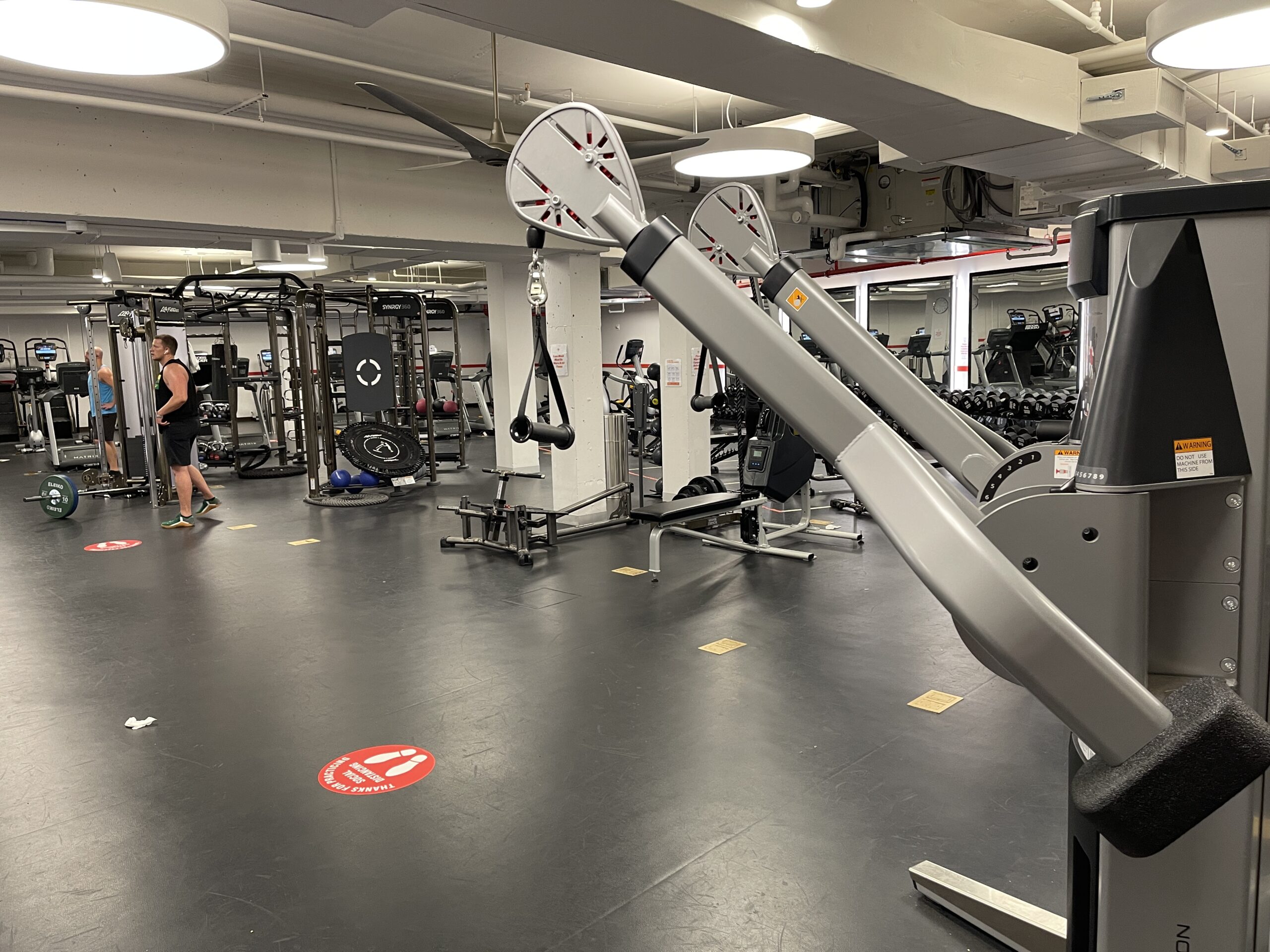
Gym showers will be disinfected after use, in case surface contamination turns out to be a significant source of COVID-19. You will be protected from the hazard of drinking fountains by using these dangerous devices only to refill water bottles.
The actual gym is huge, perhaps 5X the size of what you’d expect. Nobody inside the gym actually cared about his/her/zir/their health, apparently, because nobody was wearing a mask (consistent with Manhattan customs, roughly half of the folks in the lobby, hallways, elevators, etc. were masked).
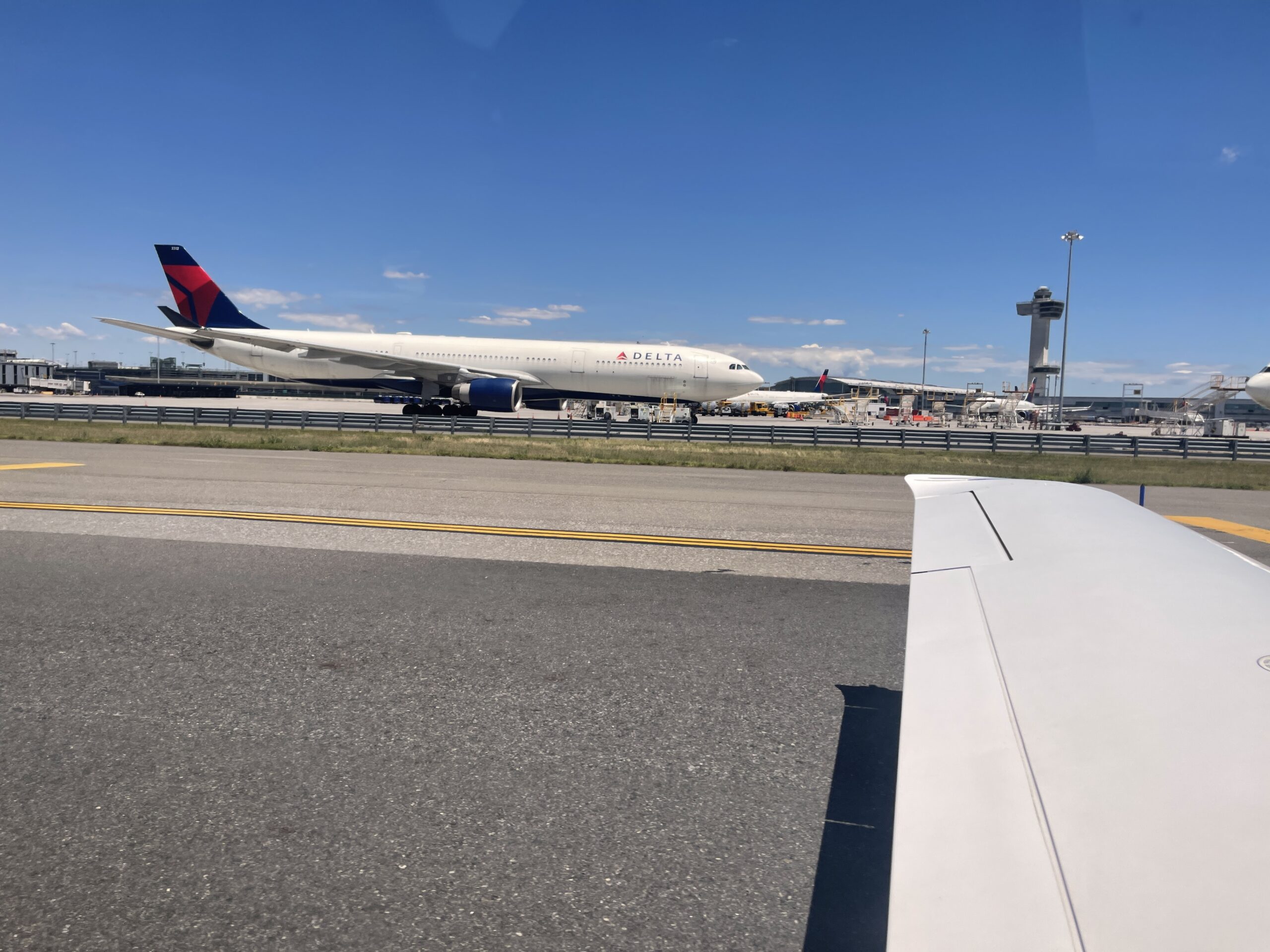
Taxiing out… (photo taken by a 7-year-old)
Summary: It’s a fun experience and well worth the $$ (about $500 for the room, pool reservations, dinner, breakfast for two adults and two kids; let’s try not to think about what it cost to run the Cirrus SR20!). We were not even done with the first day before the kids asked when we’d be coming back.
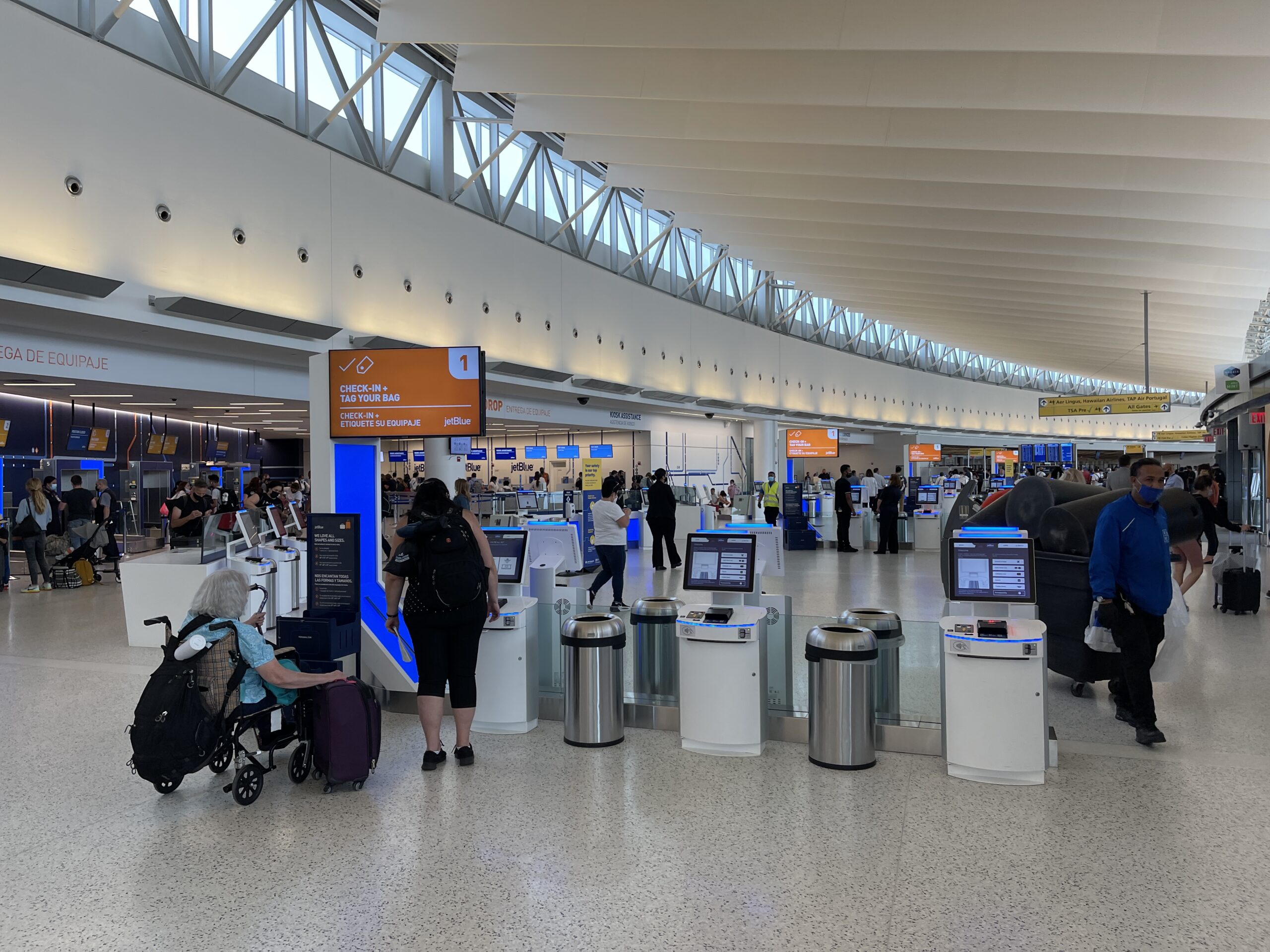
Sad contrast: The JetBlue Terminal 5 that has replaced this magnificent Jet Age building functionally. It is huge without being inspiring, packed with dispirited people being hassled every minute or two with signs and audio announcements regarding masks, and features long lines, e.g., for security. On the plus side, the kids enjoyed riding the AirTrain around all of the terminals!
When the founders of Terrafugia, 15 years ago, showed me their pitch arguing that a flying car was more efficient for some class of trips than a Honda Accord or a traditional piston-powered airplane, I responded that (a) nobody could argue that a small airplane was a better practical transportation tool than a Honda Accord, except for trips to islands such as Martha’s Vineyard, and (b) given the few hundred aircraft they hoped to sell, they didn’t need to convince buyers to purchase based on rational requirements.
Why wasn’t it a big advantage to have a plane that could also be a car and thereby support the last 15 miles of a trip? Nearly every airport offered rental cars, I pointed out. For shorter duration needs, the more popular airports also had crew cars that Cessna and Cirrus pilots could borrow for free. UberX launched in 2012, further reducing the friction of the interface between air and ground.
Like most of my business advice, this turned out to be wrong. It just took 15 years for the wrongness to be obvious! Here in 2021 it is impossible to get rental cars and it is impossible for Uber to compete for labor with the U.S. government (i.e., people who would otherwise be driving Ubers are relaxing at home cashing checks from Uncle Joe; see We are very short staffed and no one wants a job right now).
(Recent conversation at our local airport with the guy working a rental car desk: “We can’t get any cars and we can’t hire anyone. Nobody wants to work. We’re sold out every weekend.”)
If you’re a devoted reader you might recall 20-hour Bonanza flight over the North Pole, in which I discuss a plan to fly to Beaufort, North Carolina with some sea turtles.
The good news for those who #FollowScience, in which the latest edition is that the vaccinated need not wear masks, is that nobody down there was wearing a mask. Not at the airport (contrary to Uncle Joe’s orders?), not government workers at a state park, not museum workers, not restaurant workers, not retail store clerks, not shoppers in retail stores, etc.
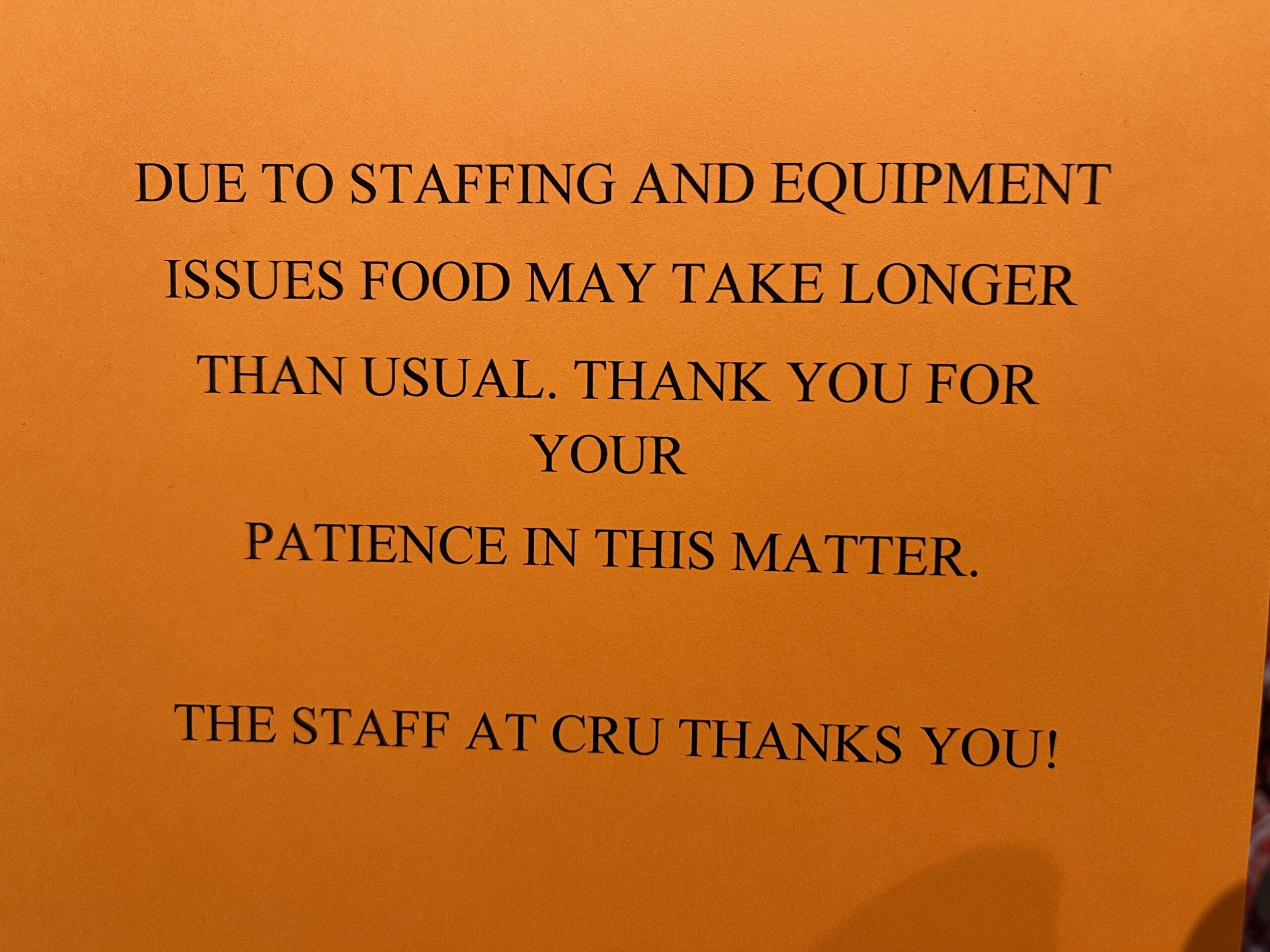
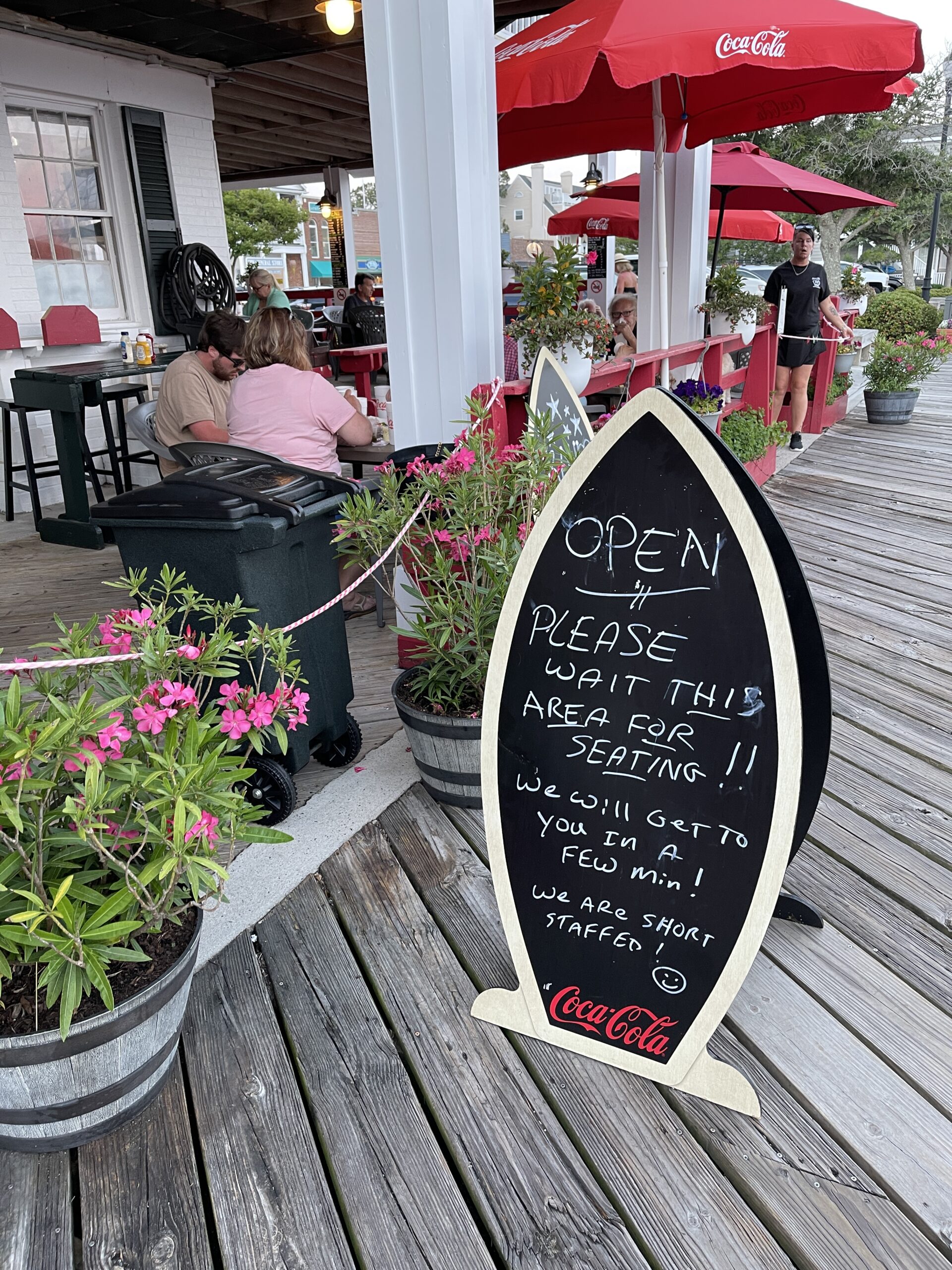
The better news for those who like to relax is that, apparently, nobody in North Carolina feels compelled to toil at a soul-destroying job. Restaurants are closed on certain days and/or telling customers to keep in mind that they’re short-staffed. A sampling:
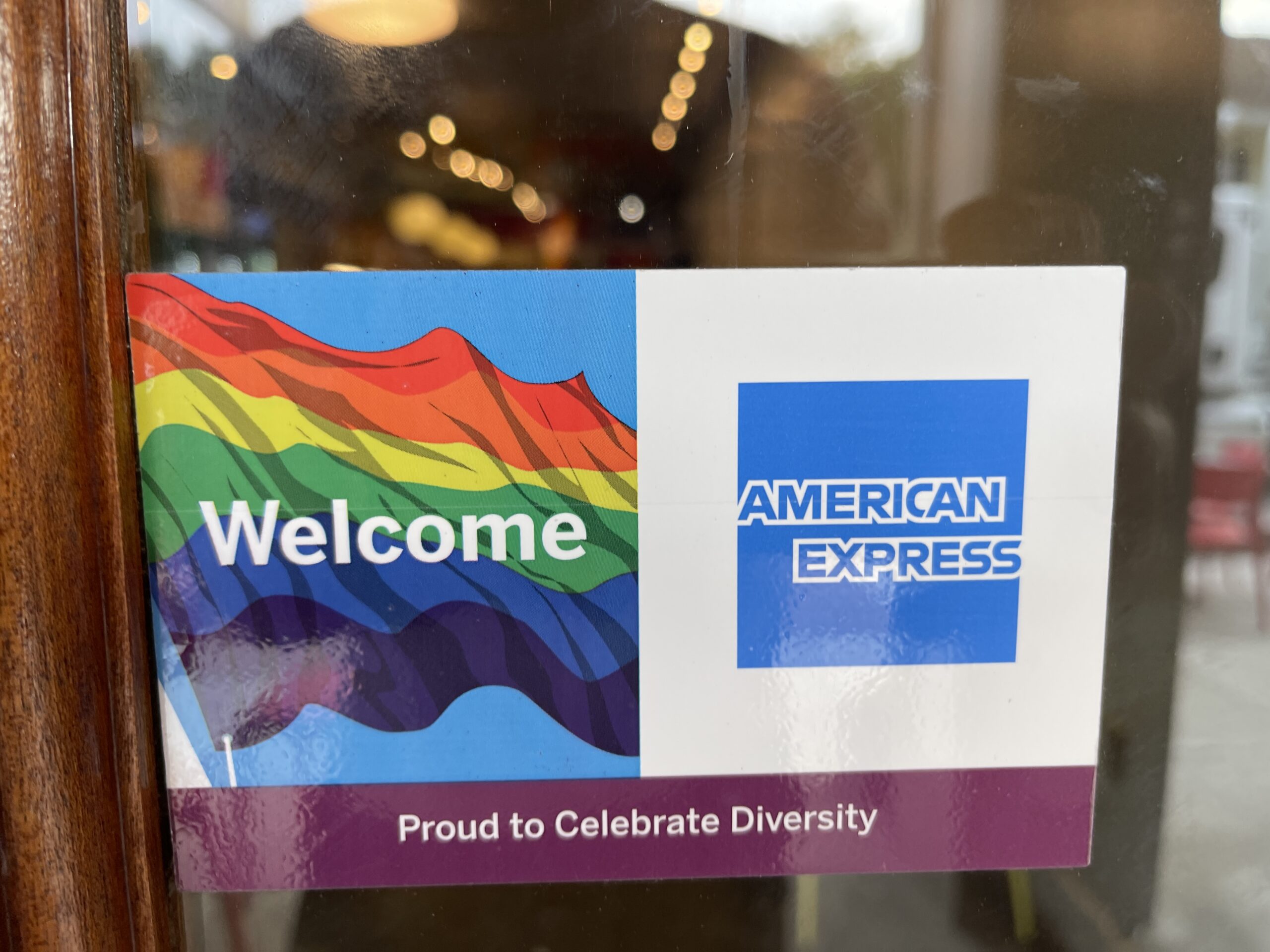
A few days before Pride Month officially began, but the Turner Street Market sandwich shop is already “Proud to Celebrate Diversity”:
How is a sign like this supposed to work at a counter-serve sandwich shop? How would an employee be able to tell what kind of sexual activity is of interest to a customer ordering a sandwich? Is it for situations where a customer says “I need an extra shot of espresso because I was in a four-way last night with three partners with three different gender IDs and all of the sex really wore me out”?
As long as we’re talking about nominally sexual relationships…. “Marriage is a Workshop where the husband works and the wife shops”:
(Thanks to North Carolina family law, this division of labor can be extended indefinitely even after one spouse decides to terminate the marriage.)
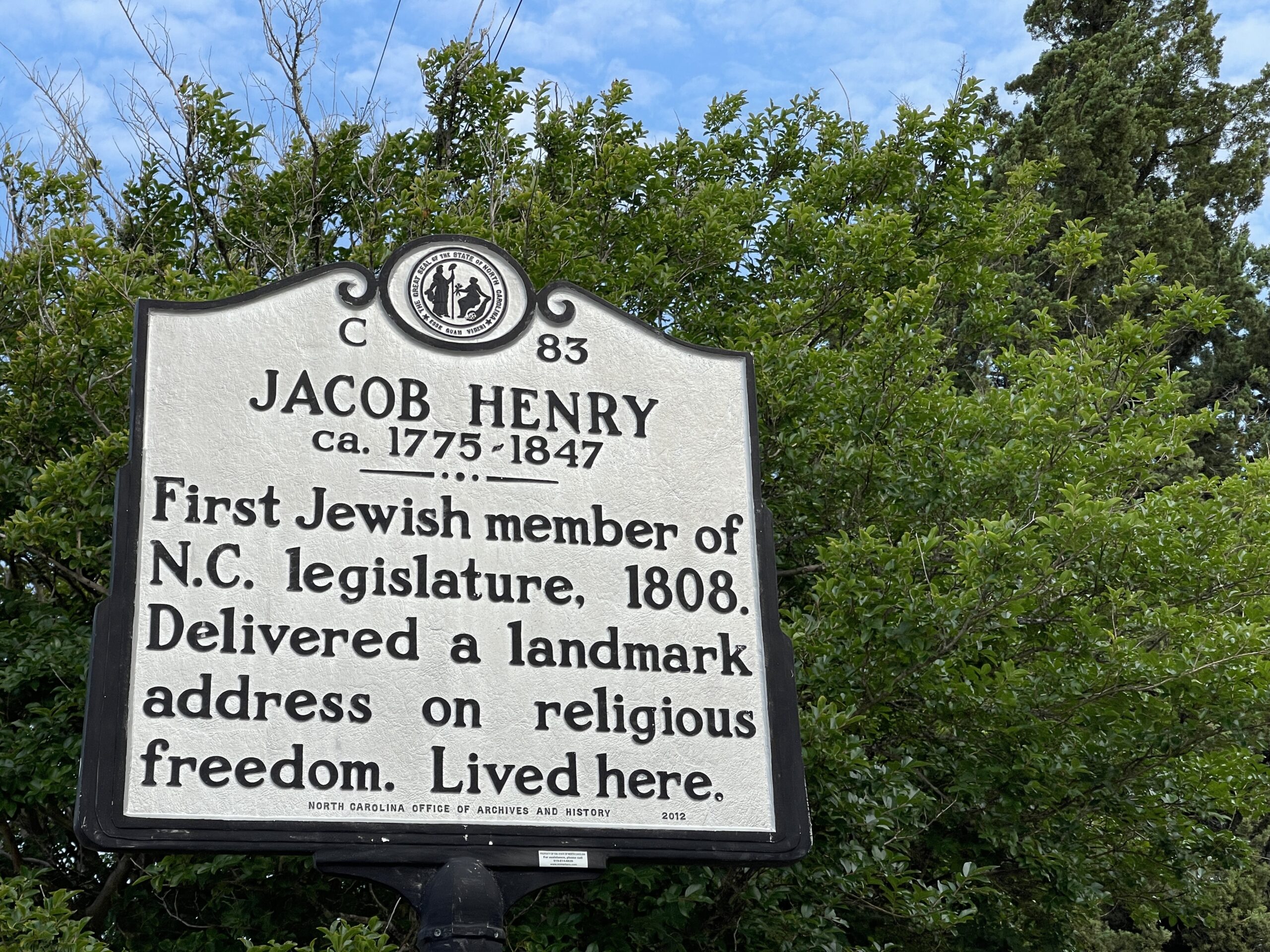
How about identity politics, which we are told is new? This sign about the “first Jewish member of N.C. legislature, 1808”, in front of a waterfront house, dates from 2012:
(Zillow says that his descendants won’t be able to live here unless each one has roughly $2 million to spend on a house.)
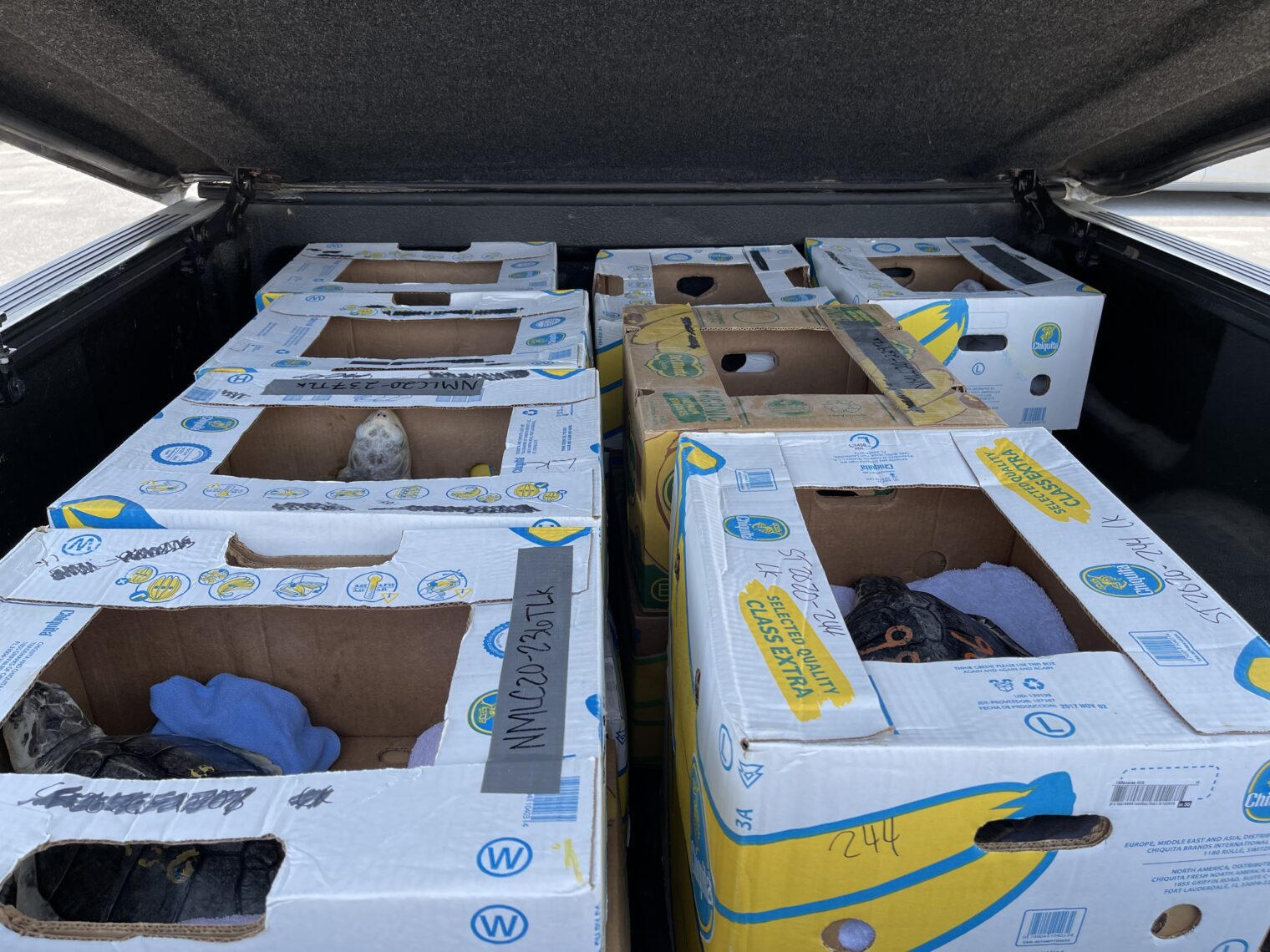
How about the turtles, you might reasonably ask… We picked them up from KGHG (Marshfield, MA) in a NOAA-supervised operation at 7 am. The fuel stop was at climate change activist Bill Gates’s Signature Flight Support in Atlantic City (amazing hospitality from Stacy Suazo, the general manager). The corporate overlords enforce a moderate degree of coronapanic here. In case the CDC is wrong about COVID-19 not being spread via surface contamination, a sign on the fridge that formerly held water bottles for customers to grab with their filthy virus-covered paws:
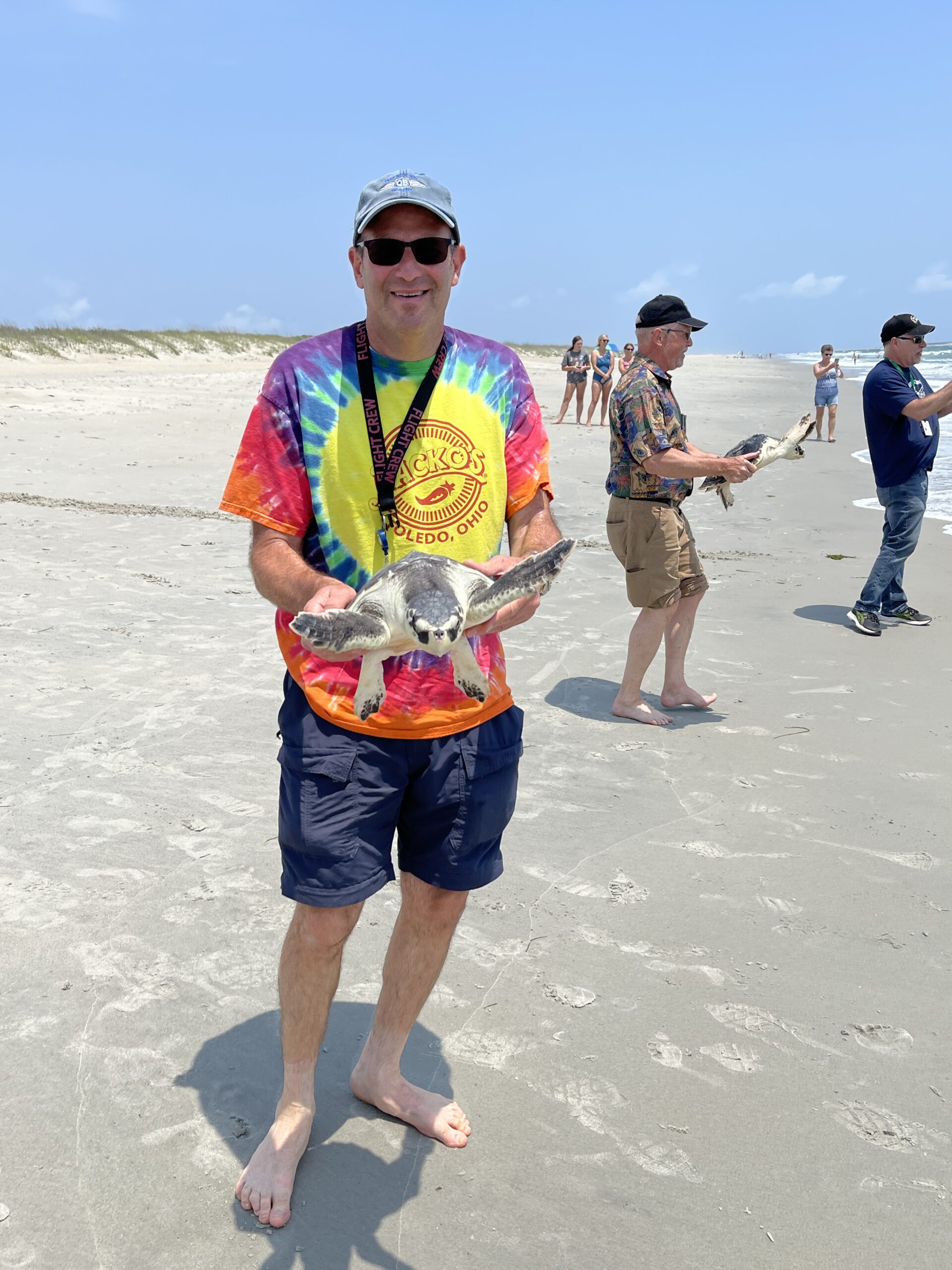
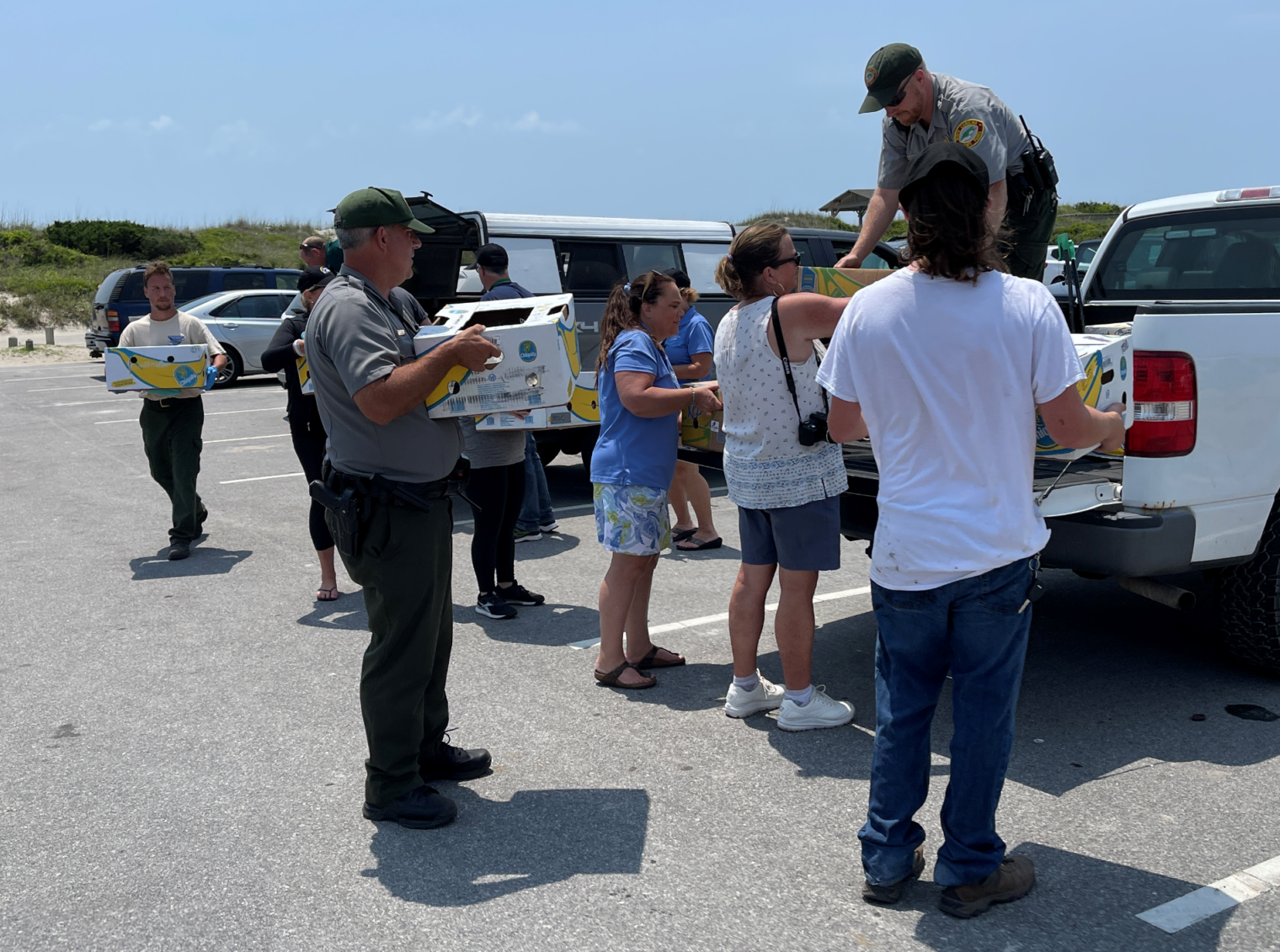
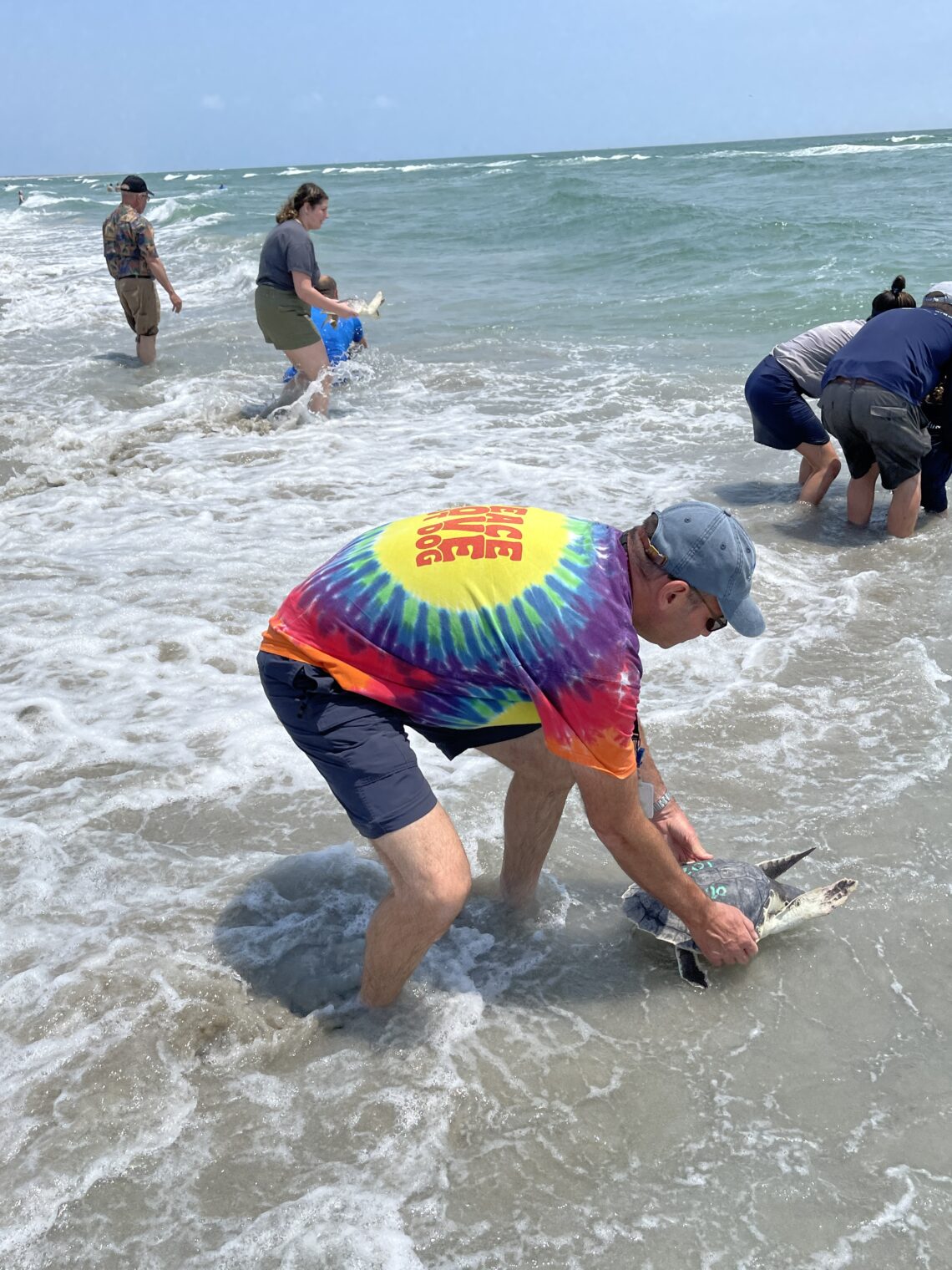
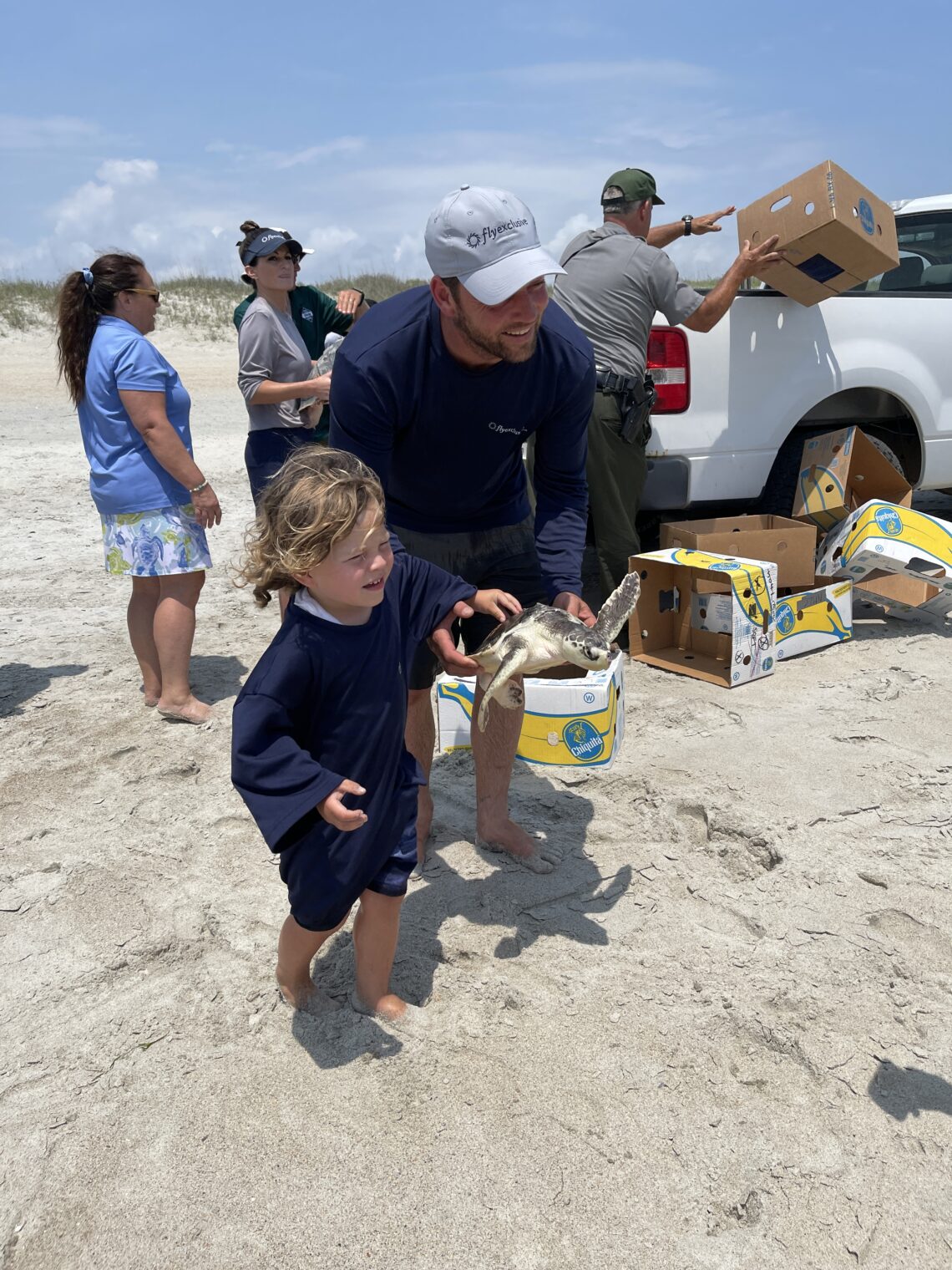
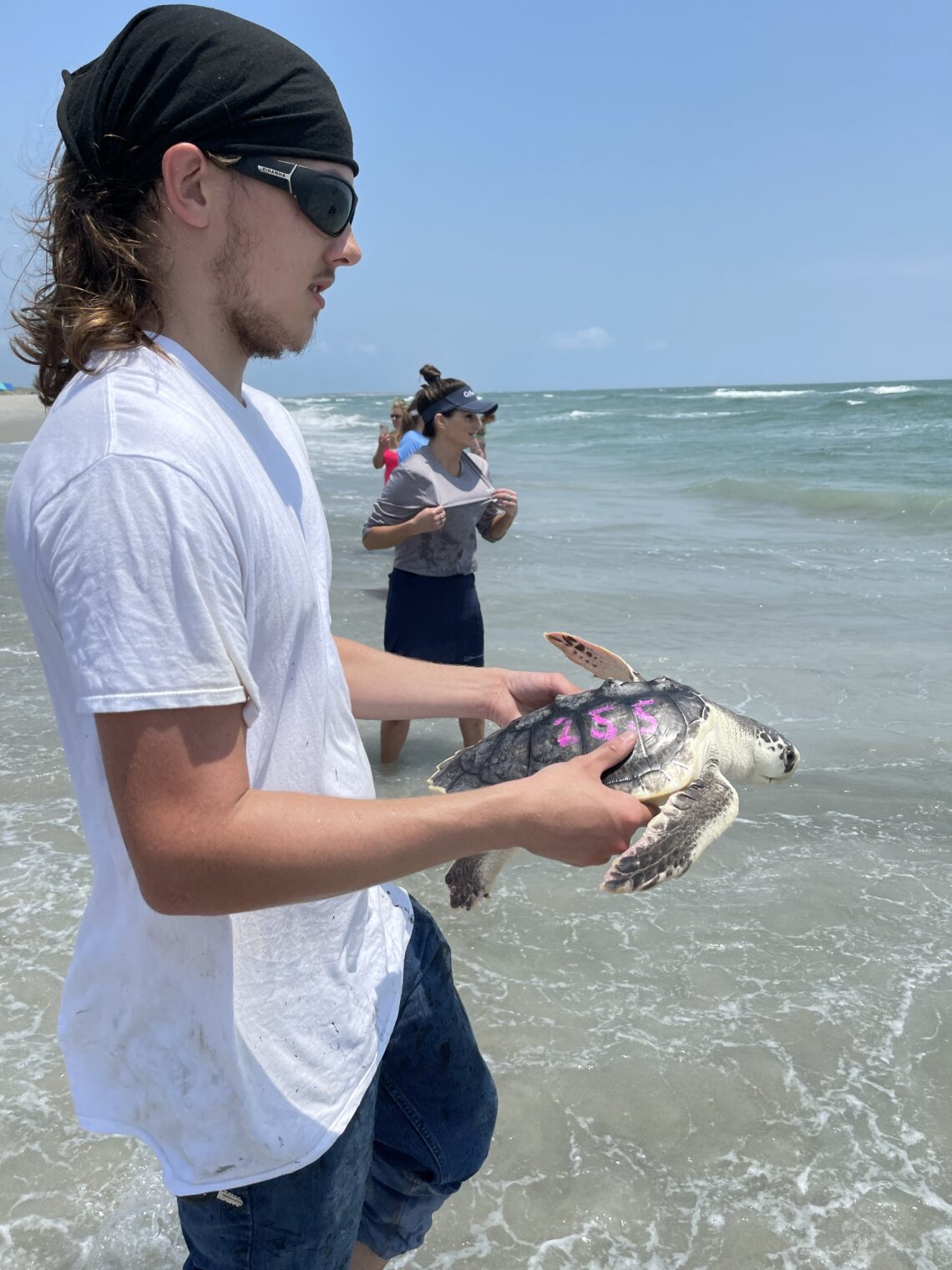
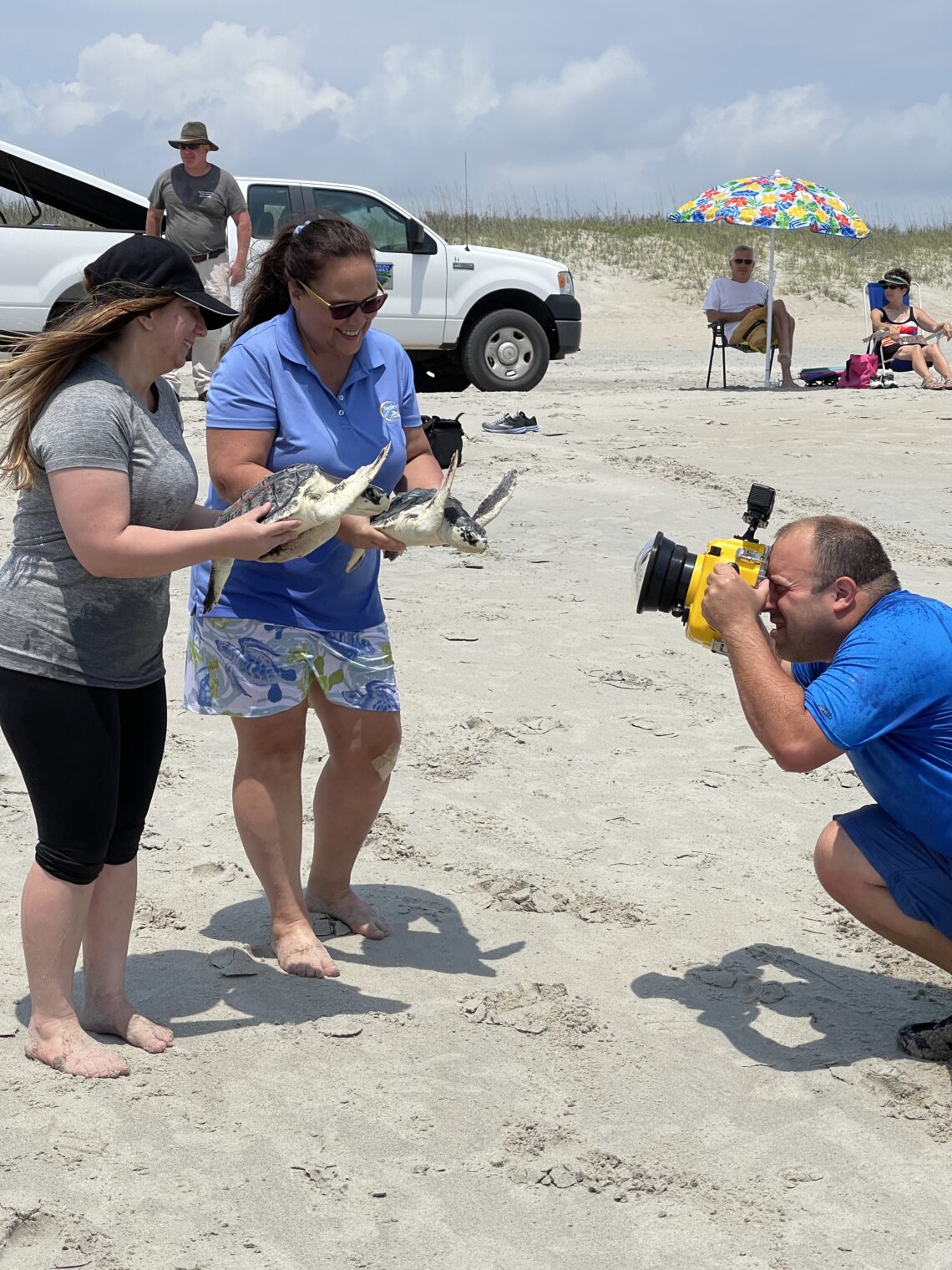
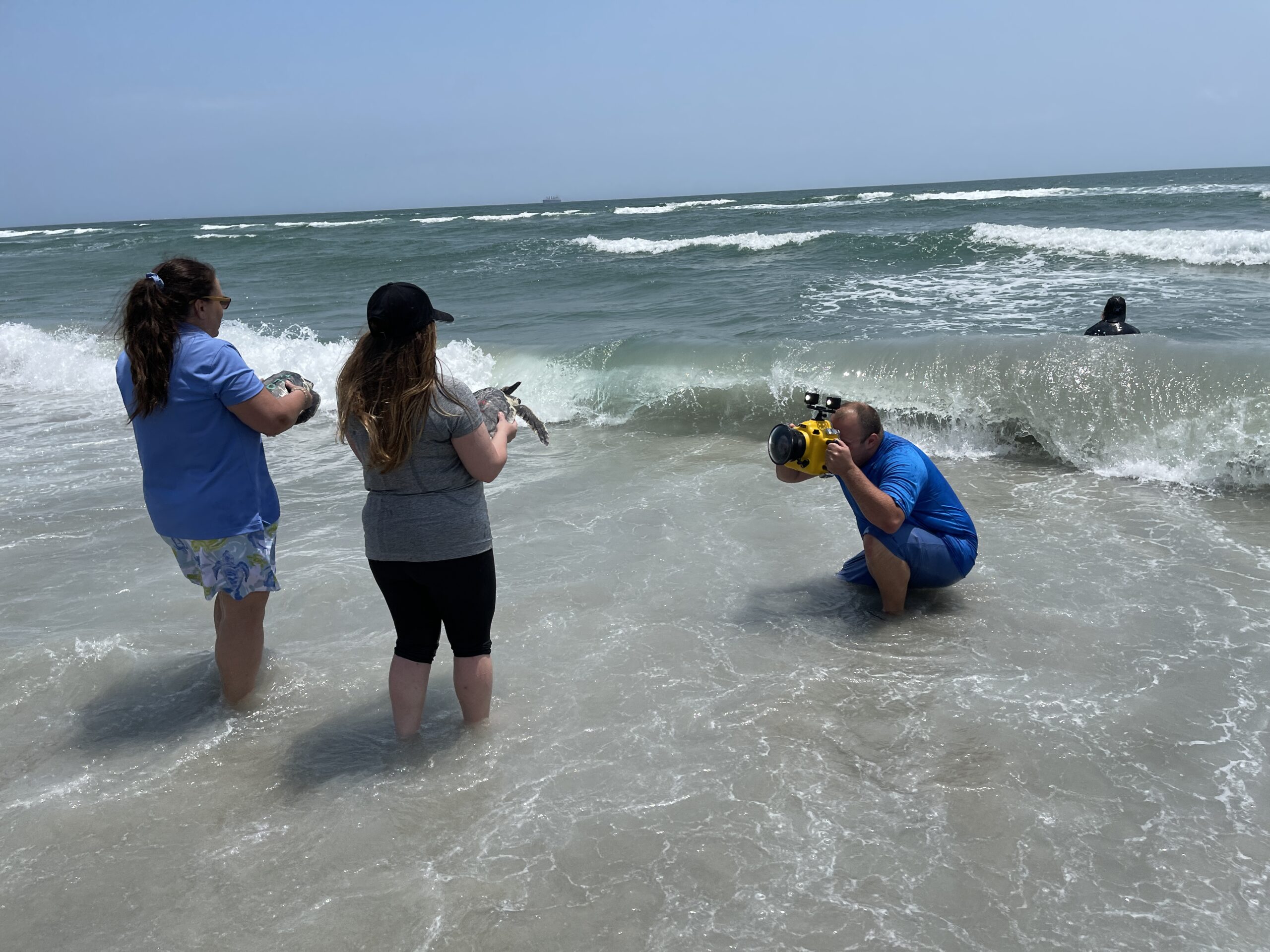
Once we arrived at Beaufort (KMRH), the turtles were rushed into a waiting van and we drove 20 minutes to Fort Macon State Park. In Florida, it is illegal for ordinary folks to touch sea turtles. In North Carolina, however, we were able to get some training from the experts and then carry our passengers from a ranger’s pickup truck into the surf.
(Note my passion for all things LGBTQIA+: the T-shirt is from Tony Packo’s, the stated favorite restaurant of M*A*S*H’s Corporal Maxwell Klinger, who was seeking to be discharged from the Army as a consequence of gender dysphoria (evidenced by Corporal Klinger’s wearing of dresses).)
I got a call today from my sea turtle connection (see Merry Christmas (again) to the Sea Turtles). He needed help getting some turtles from the Boston area to Beaufort, North Carolina. I said that it was a 4-hour trip in the Cirrus SR20 and that was too long to sit in those seats. Therefore we would have to take a stretch-bathroom-coffee-fuel stop after 2 hours. (this doesn’t bother the turtles)
(Also, I’m not sure what is more impressive… that he flew 3,200+ nm in a single-engine piston aircraft or that he surmounted the bureaucratic COVID-19 requirements to get into Iceland and back to the U.S.)