A parent at the Lincoln-Sudbury (Maskachusetts) high school received the following email:
Dear LS Students. Families, and Staff,
It is with profound dismay and disappointment that this past Friday a student reported seeing a swastika scraped into the back of a seat. Today administrators are addressing students in each of the classes who meet in that classroom about what was found to seek additional information and to offer support. Any students feeling in need of counsel due to this incident are encouraged to reach out to their counselors and/or Associate Principal.
It is without question that our society and schools should and can be free of hate symbols of any kind. LS stands for caring and cooperative relationships, respect for human differences and the importance of community. For this to happen when we have only recently been experiencing such joy at the opportunity to be back in school in person on the eve of a memorial day remembering those who died while acting in the service of our country adds greater salt to the wound.
For all who are feeling pained by this incident, be assured that we are way better than this incident might suggest. I have seen it in the many acts of caring and kindness extended toward each other and on the behalf of those needing aid. We stand together in support of the religious freedom of all our students, families and staff to be absent of bias, harassment, and hate.
In deep regard,
Bella Wong
A student who is upset at seeing a symbol of racial hatred will be comforted by talking to a likely white school administrator who made the affirmative decision to work in a nearly all-white town. (Mx. Wong him/her/zir/theirself previously chose to work in the all-white town of Wellesley, MA.)
What about the school bureaucrat herself? From diverseharvard.org:
Please state your views on affirmative action and race-conscious admissions.
As a person of color I cannot help but have thought about this throughout my life.
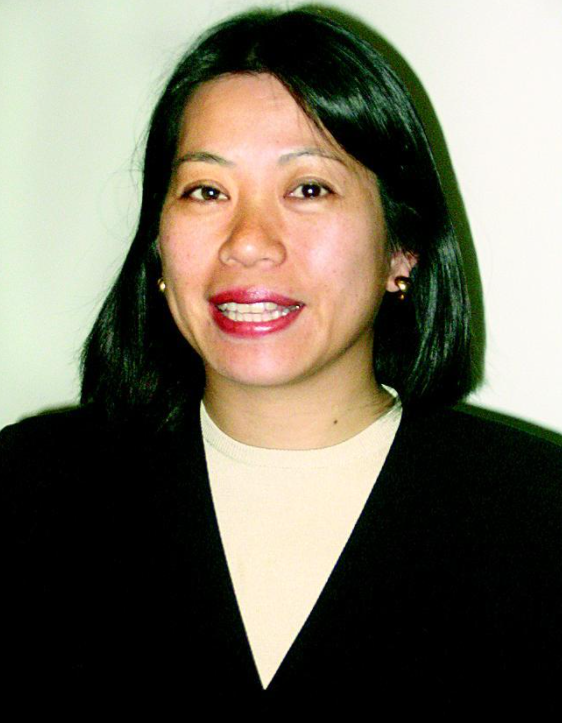
What does a “person of color” look like?
(from MetroWest Daily News, 2013)
Meanwhile, just to our south… “Elementary school project about Hitler causes controversy in New Jersey town” (ABC):
Maugham Elementary School in Tenafly says it is now investigating after teachers allowed a student to write a biography glorifying Adolf Hitler. … The assignment included that student dressing up as Hitler as well. “It’s appalling, it should’ve been stopped the minute this girl [c]ame to school,” resident Shimon Avrahami said.
A strong female (“girl”) taking the role of the 1938 TIME Man of the Year is not cause for celebration on the grounds of escaping gender norms?
From the 5-year-old’s kindergarten operation:
Celebrating Pride Month
Please join us in recognizing and celebrating the LGBTQIA+ community! As beautifully stated by our neighbors LexPride, “Every year we celebrate Pride month in June to commemorate the 1969 Stonewall Uprising in New York. Led by transgender women of color, the Stonewall Uprising was a tipping point for the LGBTQIA+ rights movement. It helped energize the ongoing pursuit of equality.
While we celebrate with festivities, Pride month is also a time to recognize the impact that LGBTQIA+ people have had on history locally, nationally, and internationally. We honor members of the community who have been lost to HIV/AIDS and hate crimes. And we fight against oppression to make a better world for all.”
LexPride is run by the righteous of Lexington, Maskachusetts, previously featured in Our faith calls us to affirm Black Lives Matter…
Circling back to Lincoln-Sudbury, a follow-up email from Cara Endyke Doran, LS School Committee Chairperson:
It is with profound disappointment that I confirm there was an anti-Semitic symbol found in one of our classrooms. The School Committee was briefed and the LS administration is investigating the incident. The administration has sent a statement to our families and students acknowledging the incident and underscoring that this behavior will not be tolerated. Our associate principals addressed the incident with students affirming our promise to combat intolerance.
At Lincoln-Sudbury Regional High School, we stand against discrimination and hate in all its forms. We celebrate the dignity of all individuals in our community and are committed to advancing equity and inclusion. Respecting human differences is one of our core values. L-S is “a place that values diversity in style and substance. Human difference includes all forms of diversity, such as racial, ethnic, religious, familial, economic, and sexual orientation. In addition, L-S honors differences of opinion and differences in learning styles.”
Due to open meeting laws, we must discuss this issue in an open forum. We will be addressing this incident during our upcoming school committee meeting.
Economic diversity is good, but an apartment building where people can live without paying $20,000 per year in property tax is bad.
And then another email from Bella Wong, the “person of color”:
I am writing to follow up on my message earlier this week about the discovery of a swastika in school. An investigation has been completed which included interviewing all students seated in the vicinity of where the swastika was found. Most students interviewed did not see the marking and none had any knowledge of how the swastika was created. The only students who saw the marking was the one who reported seeing it and the ones that student told what had been seen. We commend the student who initially saw it and recognized the need to report it immediately to a teacher.
Administrators tried to recreate what it would have taken to create the marking and found that it could not have been done without being observed if in class. Due to COVID restrictions students do not have free access to classroom space when not scheduled to be in that space. It is therefore entirely possible the marking was created at a much earlier time and only discovered at this time. If anyone has other information that could be helpful to determine how the marking was created please let an Associate Principal or myself know. … I reiterate that hate symbols in school are unacceptable. Thank you to all our students who responded promptly to our request to be interviewed. Thank you to Chief Nix, Town Manager Hayes, and religious and secular community members for your outreach and offers of assistance.
A stated LS core value is to respect human differences. I would like to say that at LS we also stand for the celebration of human differences. Differences enirches [sic] our lives, it inspires where sameness dulls. … To our students, families, and staff I have the utmost faith in all of you and all of us to be able to improve upon our interactions with one another in order for all voices and persuasions to be more freely and respectfully expressed.
I wonder how this “person of color” feels about hearing from “all voices and persuasions” regarding politics? Would it enrich Mx. Wong’s life to hear from someone who says “all lives matter” or that he/she/ze/they thought that Donald Trump was a better choice for president than Joe Biden?
Full post, including comments