Why don’t smartphones have PLB capability?

A friend was recently involved in a helicopter rescue effort described in “‘Not knowing is so hard.’ Hiker rescued after 5 days without food in California forest”:

A hiker was rescued from a canyon in a California forest after going missing for five days without food and little water, officials said.

George “Dave” Null, 58, went missing in the Angeles National Forest May 15, according to a news release from the Los Angeles County Sheriff’s Department. It took a massive search effort, involving at least five agencies, to find him, the sheriff’s department said.

Null was spotted at creek base Wednesday evening while a helicopter crew searched Bear Creek in the canyon east of Triple Rock, according to the Montrose Search and Rescue Team.

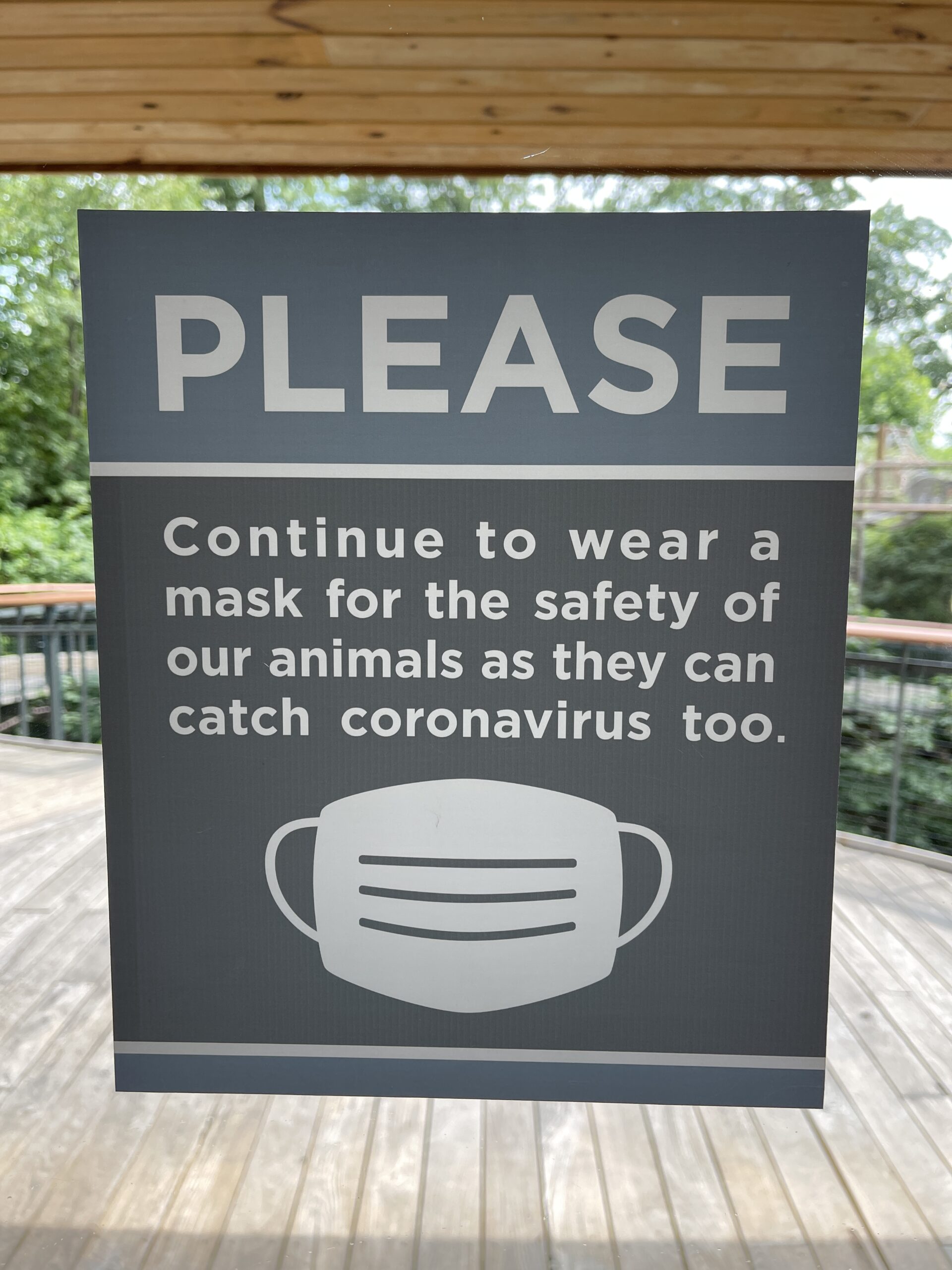
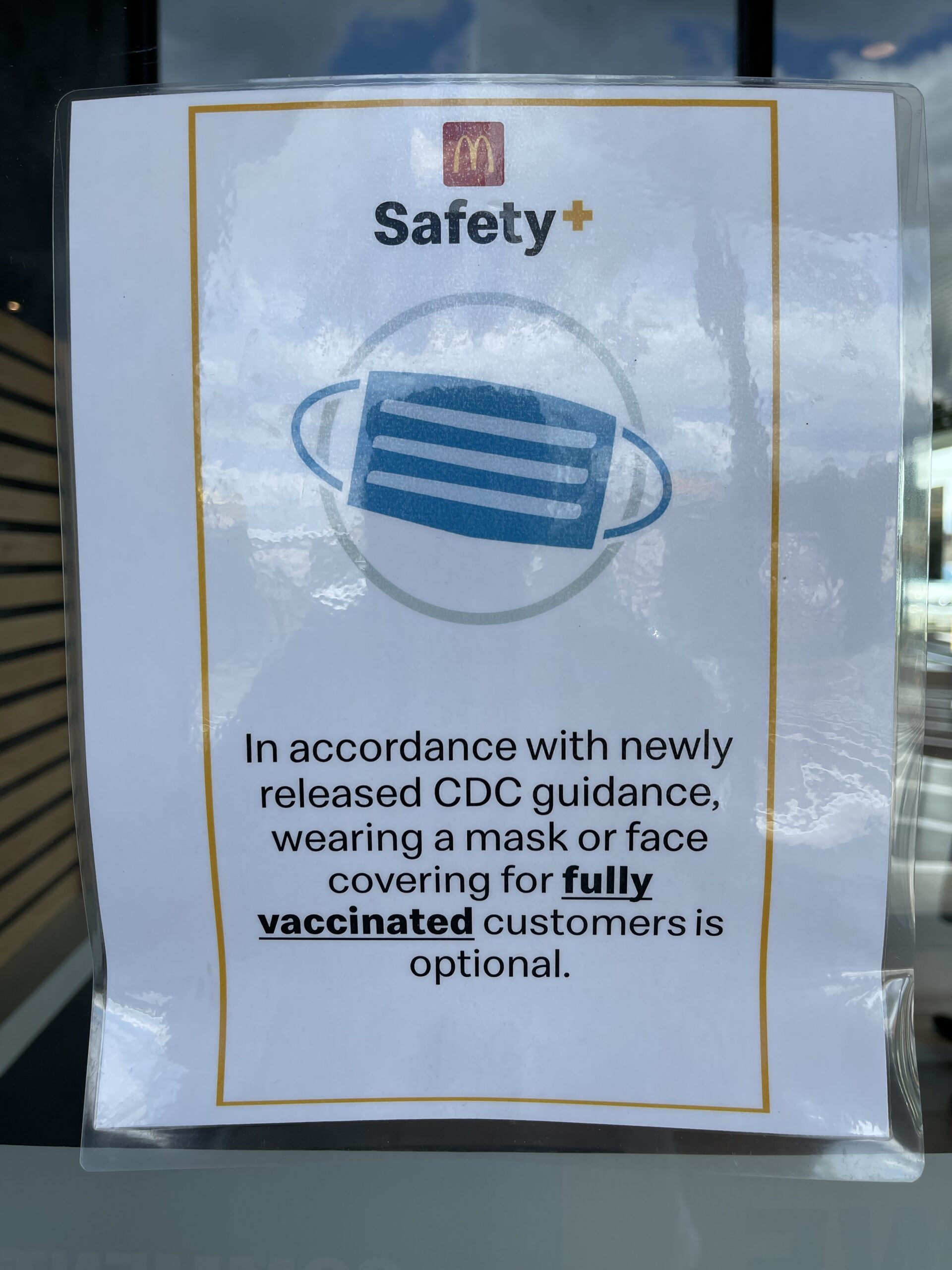
This made me wonder why smartphones don’t have a personal locator beacon capability. Coronapanic has proven that there is no limit to our risk-aversion. Why wouldn’t we engineer slightly thicker phones with a fold-out antenna and a guaranteed dedicated power reserve that can be used as a PLB when we’ve gotten lost, e.g., on the way to or from the vaccine booster clinic or the P100 mask store?

The obvious disadvantage of this approach is that the phone becomes slightly bulkier and heavier. But if we’re willing to wear masks all the time and take non-FDA-approved vaccines why aren’t we willing to carry a slightly heavier phone if it could save just one life?

Related:

Full post, including comments
What to do with 2000 mostly-classical LP records?

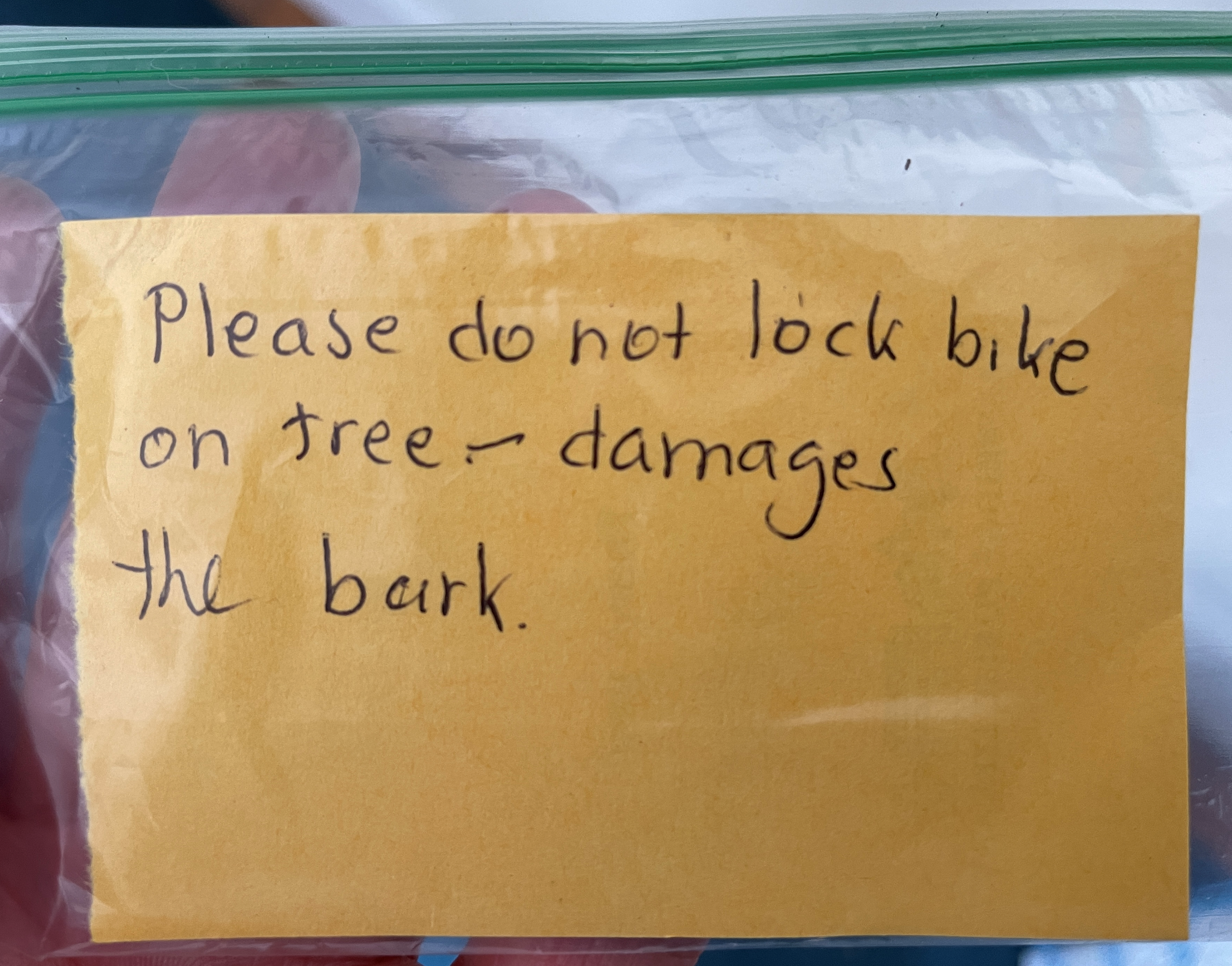
About 15 years ago a polo-oriented friend was showing a teenage polo champion from Argentina around Cambridge. I invited them for a gathering that would today likely be illegal and the rich teenager happened by shelves holding 2000 mostly classical LP records. She asked “What are these?” I explained that they were “LP records”. She followed up with “What are those?”

I am thinking that our children would not be excited to inherit these, although classical music has been terribly served by the streaming services. The “classical” radio stations play tracks at random from CDs classified as “classical.” So you’ll hear the third track from a string quartet followed by the first track from a three-movement piano sonata followed by the fourth track from a symphony. There are some annoying American NPR classical stations (constant interruptions with chatter even when they’re not fundraising). The European stations are better, but the sound quality is not ideal.

What to do with these? It does not seem that it will make sense to bring them with us when we move from Massachusetts to Florida (August). There are probably 200 jazz, rock, and pop albums mixed in that could conceivably have collector value, but I don’t have time to sort through them.

Full post, including comments

Black Lives Matter opposes settler colonialism, but only in Israel?

From America’s moral compass:

If there are Americans who are upset because some indigenous people do not own all of the real estate within and do not have political control of a region, shouldn’t they devote 99% of their energy to correcting injustice right here in North America? Give their houses to the nearest Native Americans. Stop voting and let the legitimate residents of the U.S. (i.e., Native Americans) be the only voters.

We could perhaps excuse some Black Americans from the requirement of giving back their houses to the rightful (Native) owners on the grounds that the ancestors of these Black Americans were brought here involuntarily. But the co-founder of the BLM movement “is the daughter of Nigerian immigrants.” (Wikipedia) The percentage of Americans who identify as “Black” who are recent immigrants or descendants of recent immigrants (see Kamala Harris, for example) increases every day. From the perspective of a Native American, wouldn’t these “Black lives” parked in North America be examples of “settler colonialism”?

Related:

Full post, including comments
Is the crypto crash a buying opportunity?

Bitcoin and Ethereum have been down lately, right?

Could this be the right time to buy for those of us who have mostly missed the cryptocurrency wave?

I recently heard about an alternative to Bitcoin that is also popular with criminals seeking ransom. Here are the characteristics:

  • administered from central server
  • no limit to supply
  • 25 percent of the supply minted in last 6 months
  • 1 percent of holders control 30 percent of the currency
  • 27 trillion units circulating in the system

A good time to jump in?

Full post, including comments

Saudi Arabia banned anyone from leaving for 14 months

I was chatting with a petroleum engineer who has lived for much of his career in Saudi Arabia (and sent three children to the Aramco school there, then on to boarding school in the U.S.). He mentioned that, as an expat, he was allowed to exit the kingdom, but Saudis were not free to leave for fear that they would return with coronaplague. His return to Saudi Arabia won’t be simple. He must spend two weeks in a country that the Saudis consider safe (i.e., not the U.S.!) and then transit only through airline hubs in countries that the Saudis consider safe. Once home in Saudi Arabia he must quarantine for two weeks with COVID-19 tests every five days.

See also “Saudi Arabia Eases Travel Ban for Vaccinated Citizens” (AP in USA Today):

Vaccinated Saudis are being allowed to leave the kingdom for the first time in more than a year as the country eases a ban on international travel aimed at containing the spread of the coronavirus and its new variants.

For the past 14 months, Saudi citizens have mostly been banned from traveling abroad out of concerns that international travel could fuel the outbreak of the virus within the country of more than 30 million people. The ban, in place since March 2020, has impacted Saudi students who were studying abroad, among others.

With limited exception, foreigners from 20 countries, including the U.S., U.K, UAE and France, remain banned from directly entering the kingdom.

I mentioned that a friend had been similarly restricted from leaving the U.S. He lost his passport shortly before coronashutdown (a First World Problem… he has three houses and they’re all huge so the passport could be hiding anywhere within about 20,000 square feet). Getting a replacement passport requires an in-person interview, but the federal government shut down all in-person interviews except for family emergencies. As of this month, it looks as though the government has still not developed an alternative procedure (e.g., via videoconference) and appointments are “extremely limited” for “urgent travel” and “limited” for “LIfe-or-death emergencies” (like Ted Cruz going to Cancun?):

Related:

  • “Passports Were a “Temporary” War Measure” (FEE): “In 1914, warring states of France, Germany, and Italy were the first to make passports mandatory, a measure rapidly followed by others, including the neutral states of Spain, Denmark, and Switzerland.”
Full post, including comments

Is Florida better set up to handle multi-culturalism than the rest of the U.S.?

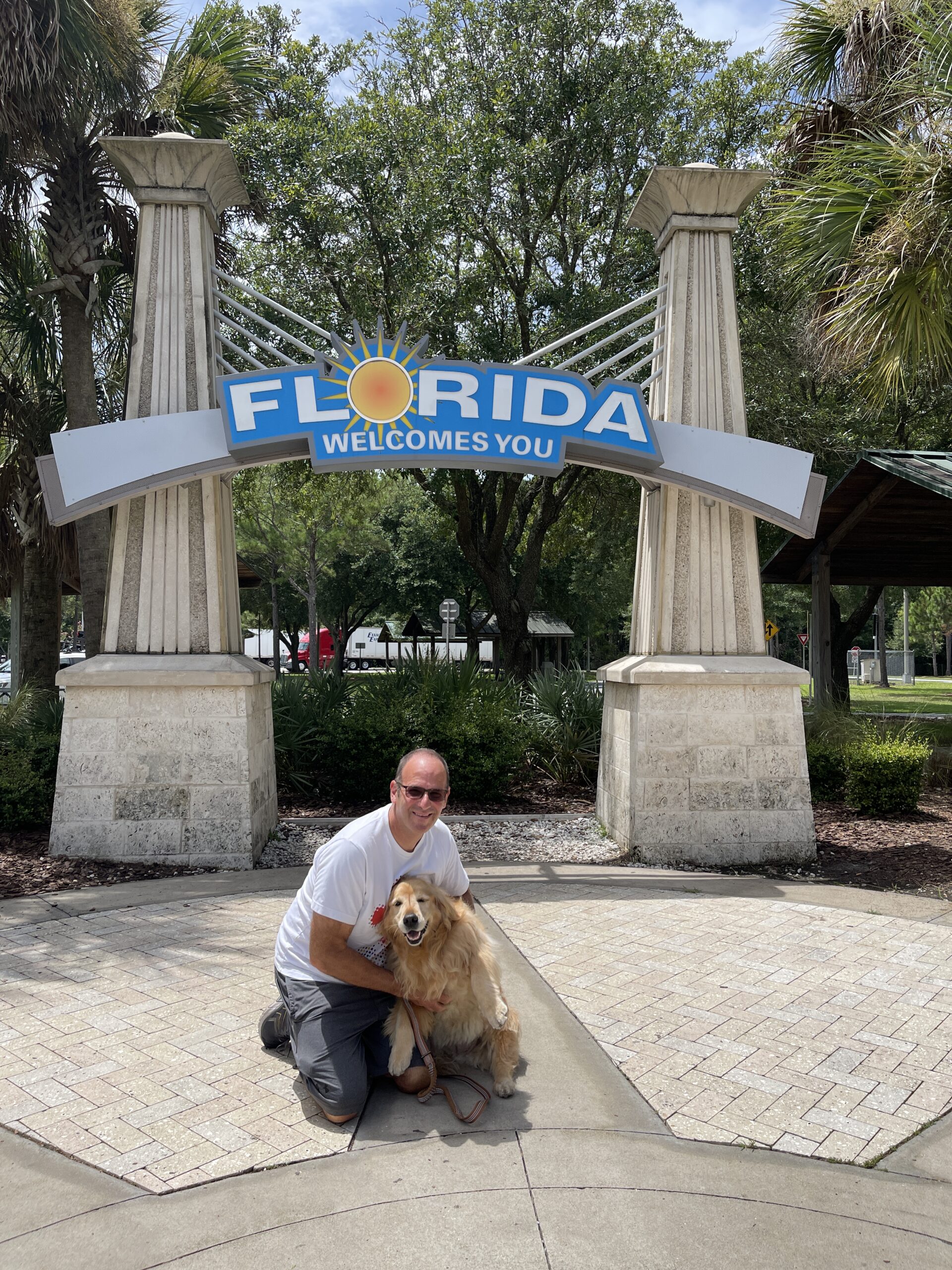
When I talked to a neighbor in Cambridge, MA regarding our upcoming move to Jupiter, Florida (see Relocation to Florida for a family with school-age children) she responded that she wouldn’t want to live anywhere that had privately set up limits on human behavior, e.g., through homeowners’ associations and the covenants and deed restrictions that go with them. She didn’t like the idea that she might not be able to stage a big political demonstration on the street in front of her house (likely illegal in Massachusetts anyway as a violation of one of the governor’s 68 COVID-19 emergency orders).

I found part of the agreement for those who live in Abacoa, a neighborhood within Jupiter. Pit bulls are banned:

Obviously this is not going to increase happiness among those who love pit bulls, but for the average person it might be nice to know that something that is legal under state law won’t happen in one’s neighborhood. (A recent afternoon for a couple of pit bulls: “3-Year-Old Was Playing in Yard for 1st Time With Family When Neighbor’s Dog Attacked, Killing Him”, which notes “a neighbor’s dog escaped an enclosure and attacked them both, killing the young child and leaving his mother severely injured, a source close to the family told NBC New York.”)

My response to the neighbor:

I think Florida’s approach is more sustainable, actually. The U.S. is trending toward a population of 500 million people who have different cultures, languages, expectations, etc. With Chinese-style population density, but without a Chinese-style unified culture and language, we’re going to need more explicit rules if we want people to get along.

If we ever become stupid enough to win a bidding war for a house down there (going to rent at first), it might be burdensome to have to clean up our front yard every evening, but maybe we will come to love the fact that neighbors can’t park ugly boats and RVs in their driveways, keep human-killing dog breeds, be as messy with their yards as we’ve been with ours here in MA, etc. I’ll be sad that I never got to execute on my dream of painting one of the garage doors in a rainbow flag and the other one as a huge BLM banner, but I’ve reached the age where I realize that not all of dreams are attainable.

Readers: What do you think? Does it make sense that a country of 331 million would need more rules than a country of 100 million (the U.S., circa 1920)?

Full post, including comments

97 percent of Maskachusetts school districts shut down for at least part of 2020-2021

Headline from a rich white town’s “school committee update”:

We are among only 3% of MA school districts to hold in-person classes all year 5-days-per-week!

Of course one would not want to imagine that the government could lie to us, but, as part of his 68 (so far) orders, Governor Baker delayed the start of school here in Maskachusetts until mid-September. Therefore, the “all year” part of the above should be “almost all year” (also, the school day was shorted to end at 1:45 pm instead of 2:50 pm, except on the days when teachers already were entitled to a free afternoon (Wednesday), in which case school ended around 12:30 pm).

Flipping this around, we learned that 97 percent of school districts (and the bigger ones were in this group so it would be more than 97 percent of students) denied children at least some of what previously would have been considered their right to an education.

The same newsletter, prepared by white people who administer a school in a nearly all-white town, contains a section titled “Facing dual traumas of racism and inequity” and we learn that “School Committee members have committed to our own anti-bias training,…” and “Middle school students organized a Black Lives Matter group.” Nowhere is it mentioned that the probability of a young Black life being educated in a school in Massachusetts has been extremely low for the 2020-2021 year.

Related:

  • states ranked by COVID-19 death rate (compare to countries ranked and see that science+masks+shutdown would have landed Massachusetts near the very top of the world’s countries in COVID-19 death rate, if MA were its own country)
  • “Wellesley School District Faces Civil Rights Complaint From Parents Group” (WGBH, an NPR affiliate): In March, the [almost-all-white] Wellesley schools hosted a Zoom session described as a “Healing Space for Asian and Asian-American students” and other students of color in grades six through twelve. Attached to the complaint was a screenshot of the invitation, which stated: “*Note: This is a safe space for our Asian/Asian-American and Students of Color, *not* for students who identify only as White.” .. “If you identify as White, and need help to process recent events, please know I’m here for you as well as your guidance counselors,” the invitation read. “If you need to know why this is not for White students, please ask me!” … “The goal was to provide a safe space in which students and staff could reflect, share, and be supported as members of our school district,” the email said. “At the same time, we can also understand the discomfort that some members of our community have shared when learning of a practice that they perceive to be discriminatory. It’s important to note that affinity spaces are not discriminatory.”
Full post, including comments

20-hour Bonanza flight over the North Pole

I got a call today from my sea turtle connection (see Merry Christmas (again) to the Sea Turtles). He needed help getting some turtles from the Boston area to Beaufort, North Carolina. I said that it was a 4-hour trip in the Cirrus SR20 and that was too long to sit in those seats. Therefore we would have to take a stretch-bathroom-coffee-fuel stop after 2 hours. (this doesn’t bother the turtles)

Compare to this AOPA story on a May 11, 2021 trip from Reykjavik, Iceland to the North Pole to Fairbanks, Alaska: 20 hours nonstop in a Beechcraft Bonanza.

Perhaps it is time to stop complaining!

(Also, I’m not sure what is more impressive… that he flew 3,200+ nm in a single-engine piston aircraft or that he surmounted the bureaucratic COVID-19 requirements to get into Iceland and back to the U.S.)

Related:

Full post, including comments

Non-profit logic: higher prices make the museum more accessible

From the Boston Museum of Fine Arts:

(“We’re raising our membership prices on July 1 so we can continue to make art accessible for all.”)

So a middle-class family that wants to visit the museum regularly and not pay $50 per visit (two adults) will find art more accessible when annual membership is more expensive!

Separately, if you ever need someone to run an Ebola clinic, the MFA should be the first recruiting stop. We visited on February 19, 2021 and they’d set up a quarantine tent outside the front door. About six people were employed to check the handful of visitors to make sure that they had reservations, that they answered a bunch of COVID-19 symptom questions, that their temperature was checked, and that they donned orange wristbands to show that the screening process had been accomplished and they couldn’t somehow slip into the building without first going through the quarantine tent.

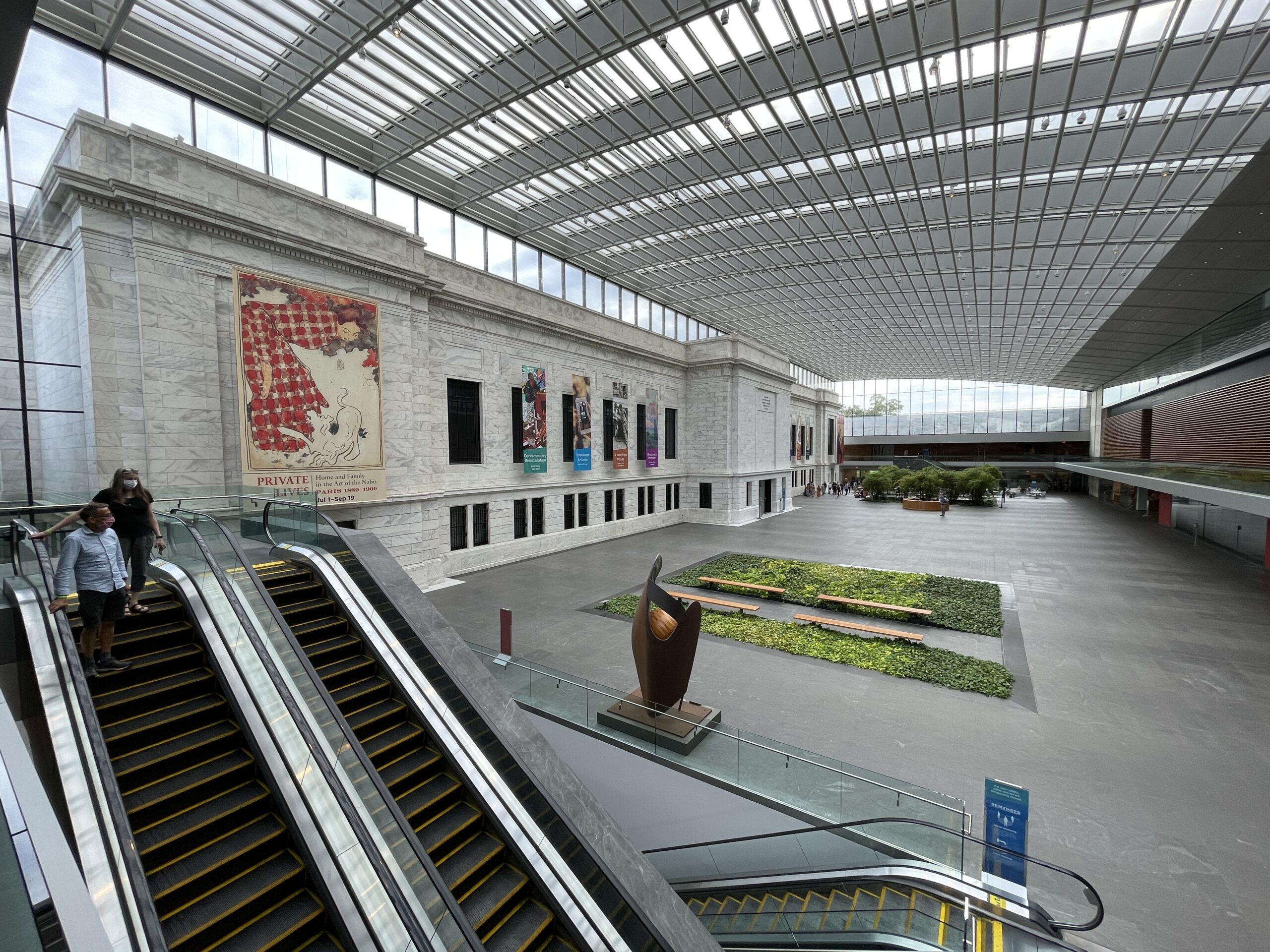
Once inside, the vast spaces had a post-apocalyptic empty feeling.

The white say-gooders who run the museum delegated curatorial responsibility to high school students (of color?):

An allegory of #Science crushing coronavirus via masks and shutdown:

And let’s not forget that closing the drinking fountains will keep us all safe:

If you’re not too dehydrated from the closed drinking fountains to need to use the restroom, the good news is that the Women’s room is for those who “self-identify” as “Women”:

A thoughtful technocrat determined a COVID-safe capacity for each gallery in which masked (a bandana was fine as PPE) visitors might congregate:

Directional stickers on the floor would, if followed, prevent people from passing each other while moving from room to room.

During a post-museum lunch stop, we were reminded that the same government that uses #Science to protect us all from COVID-19 will also buy us an unlimited supply of opioids as a means of treating our opioid addiction:

Although we’re members and returning to the museum would be free, we haven’t gone back. The constant COVID-19 messaging, the emptiness, and the screening procedures more elaborate than what local hospitals use for visitors made it an overly clinical experience.

Related:

Full post, including comments