We’re flying with the doors off the Robinson R44 in order to avoid being baked to death in the recent weather (over 90 degrees in God’s chosen system of units). That enables your humble instructor to snap a few iPhone 12 Pro Max photos from the left seat.
On the ramp at our local airport (KBED), the F-18s that Joe Biden recommends for personal ownership (try to get a friend to pay for fuel, though!):
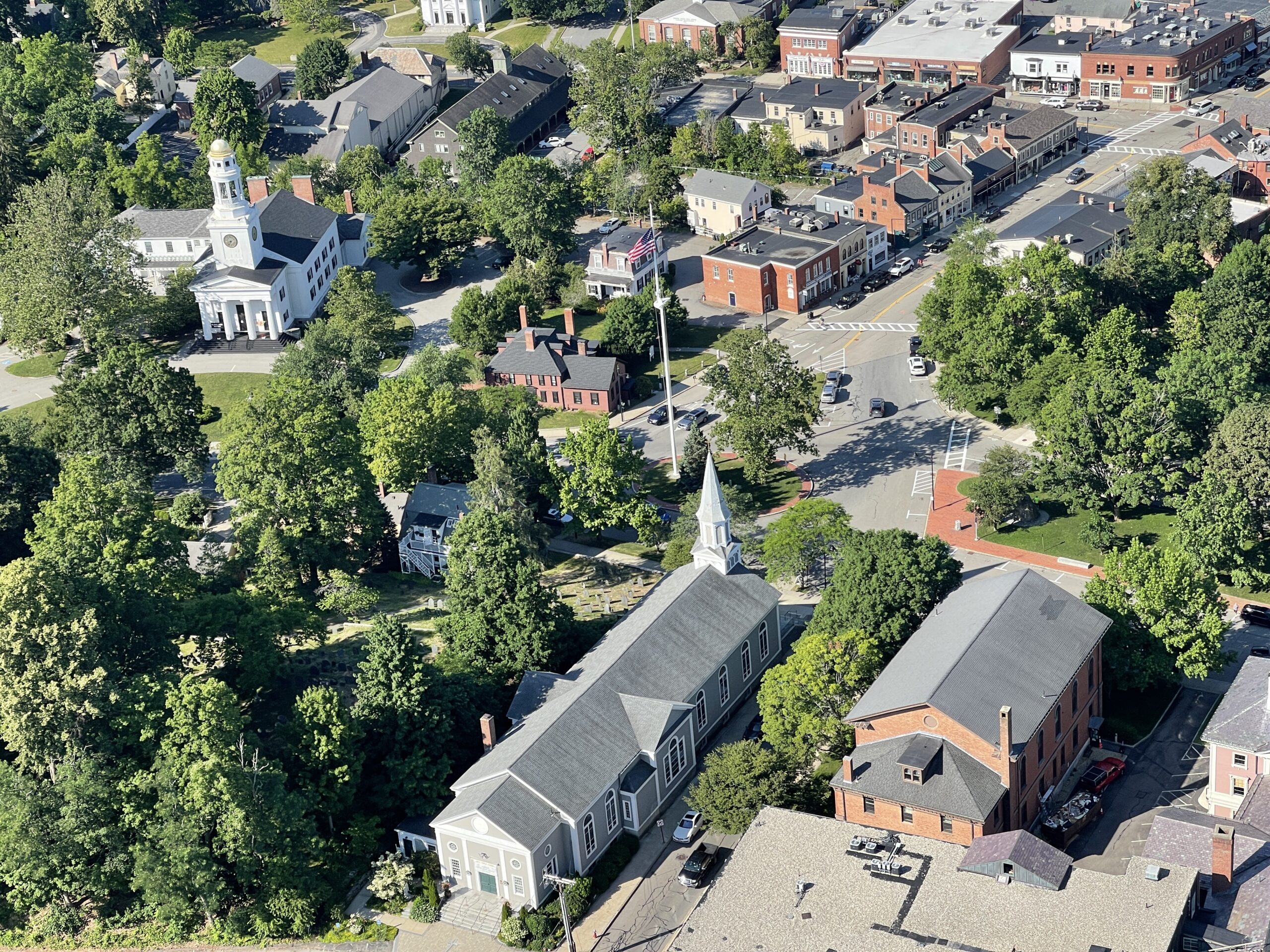
See if you can spot the Black Lives Matter banner on the all-white church in the all-white town of Concord, Maskachusetts:
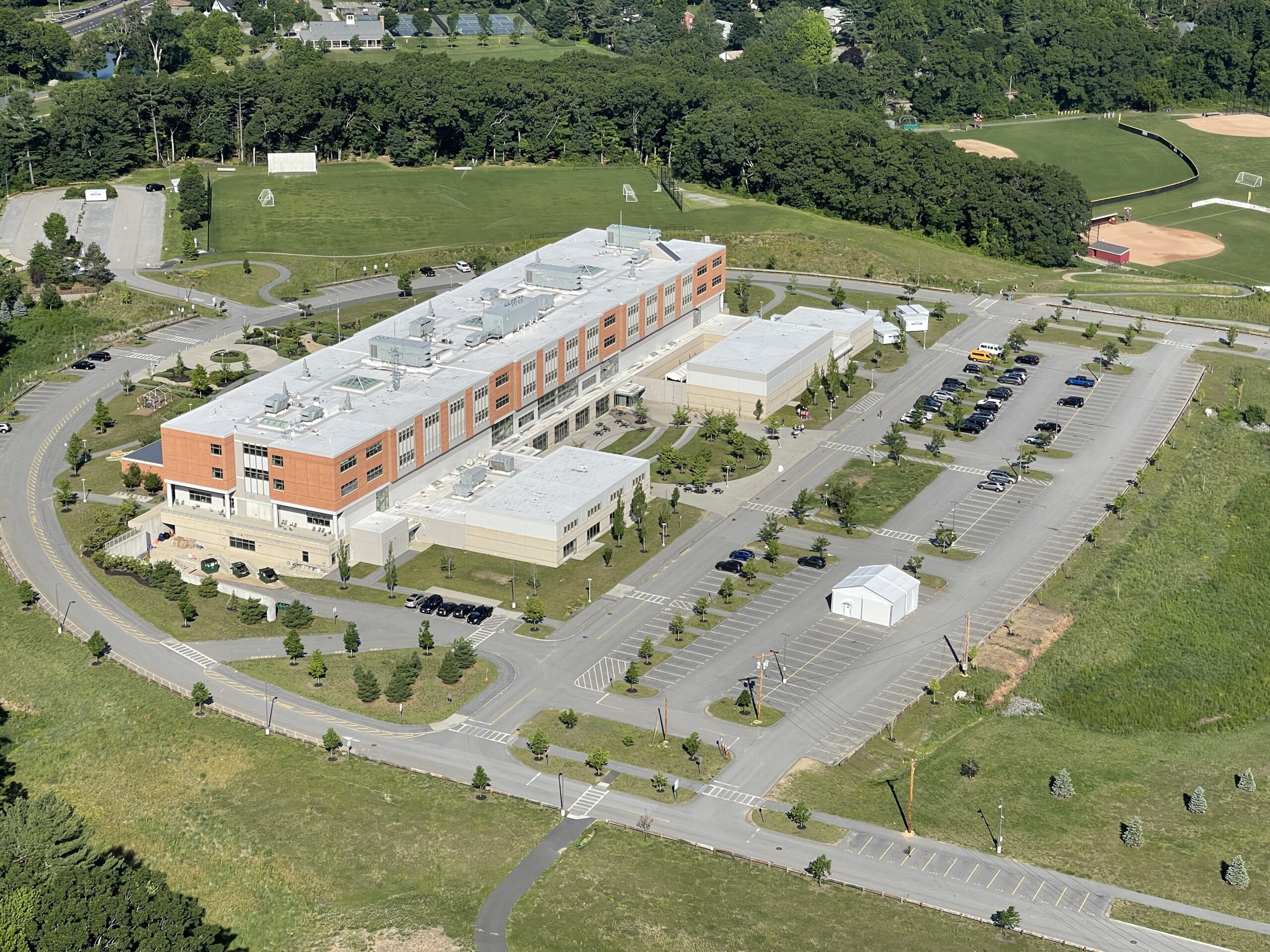
The Concord-Carlisle High School, a $93 million project (about $71,000 per student, half paid for by the state) that taxpayers wisely decided not to use for a year (#AbundanceOfCaution; it was closed entirely for 6 months and then students were able to start attending half time):
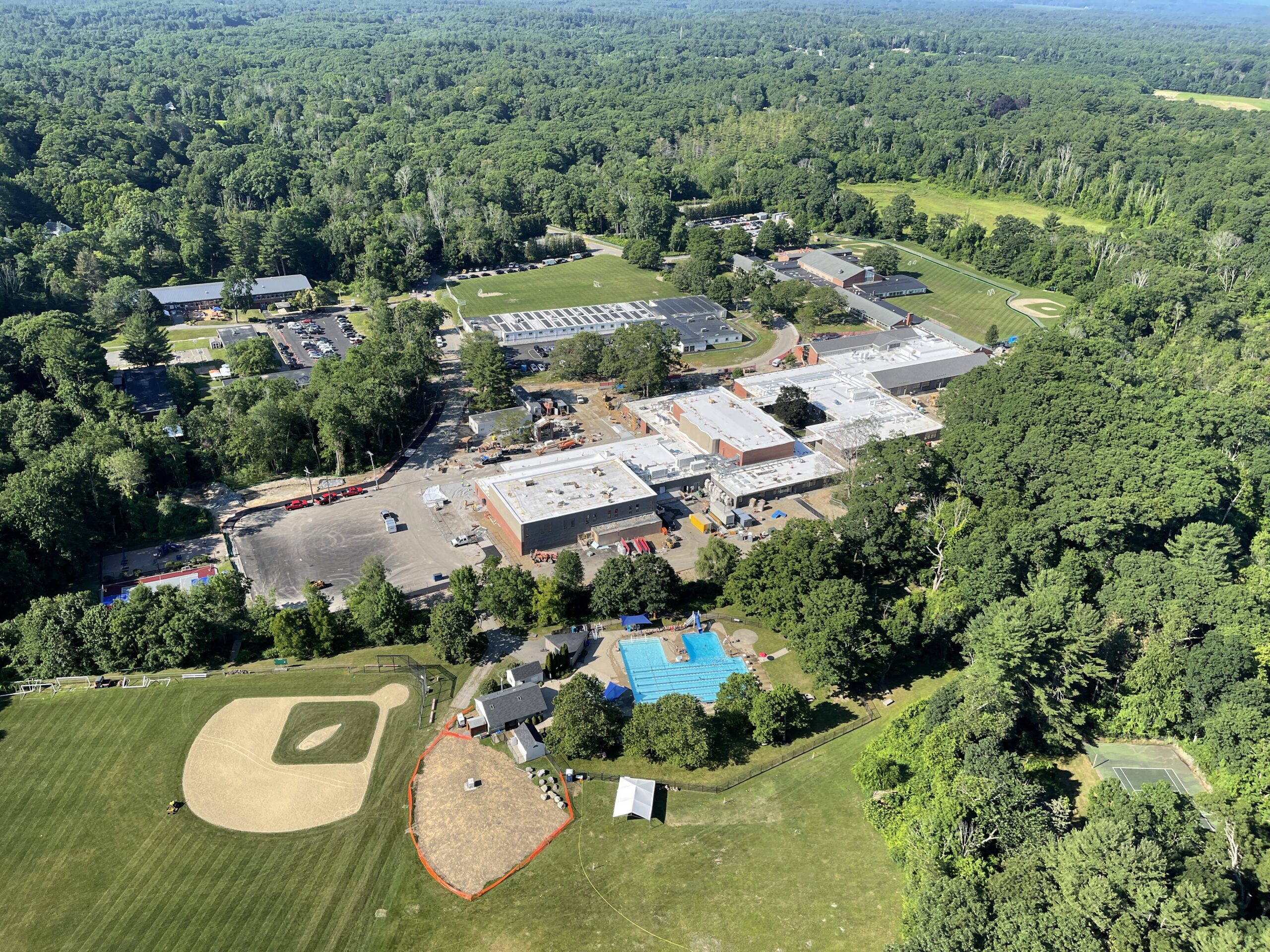
The Lincoln K-8 school, a $110 million project, including the solar panels that were borrowed against in an off-books accounting maneuver, ($250,000 per student, 100 percent paid for by the town):
(This is being done as an in-place renovation, with students displaced to trailers for three years, because the campus supposedly does not have enough room for the usual “build new building in parking lot or on soccer field, then demolish old one” process.)
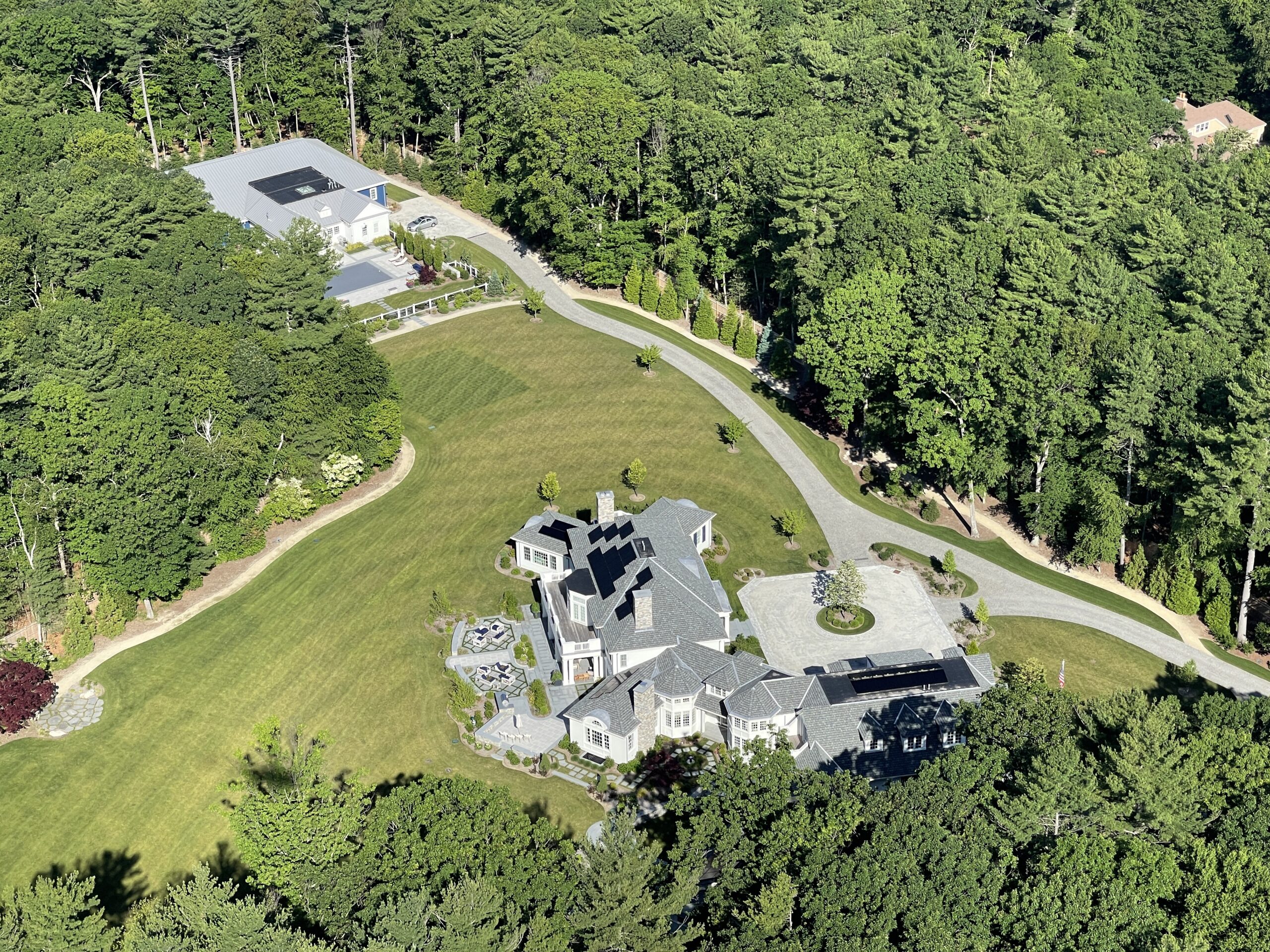
One of the families whose next 30 years of property taxes will fund the bond for the above. #InThisTogether:
(Imagine the legal fees if the “dependent” spouse “pulls a Melinda” and sues the spouse who earned enough money to build the above house! The happy plaintiff can beat the heat with Tinder dates by the pool.)
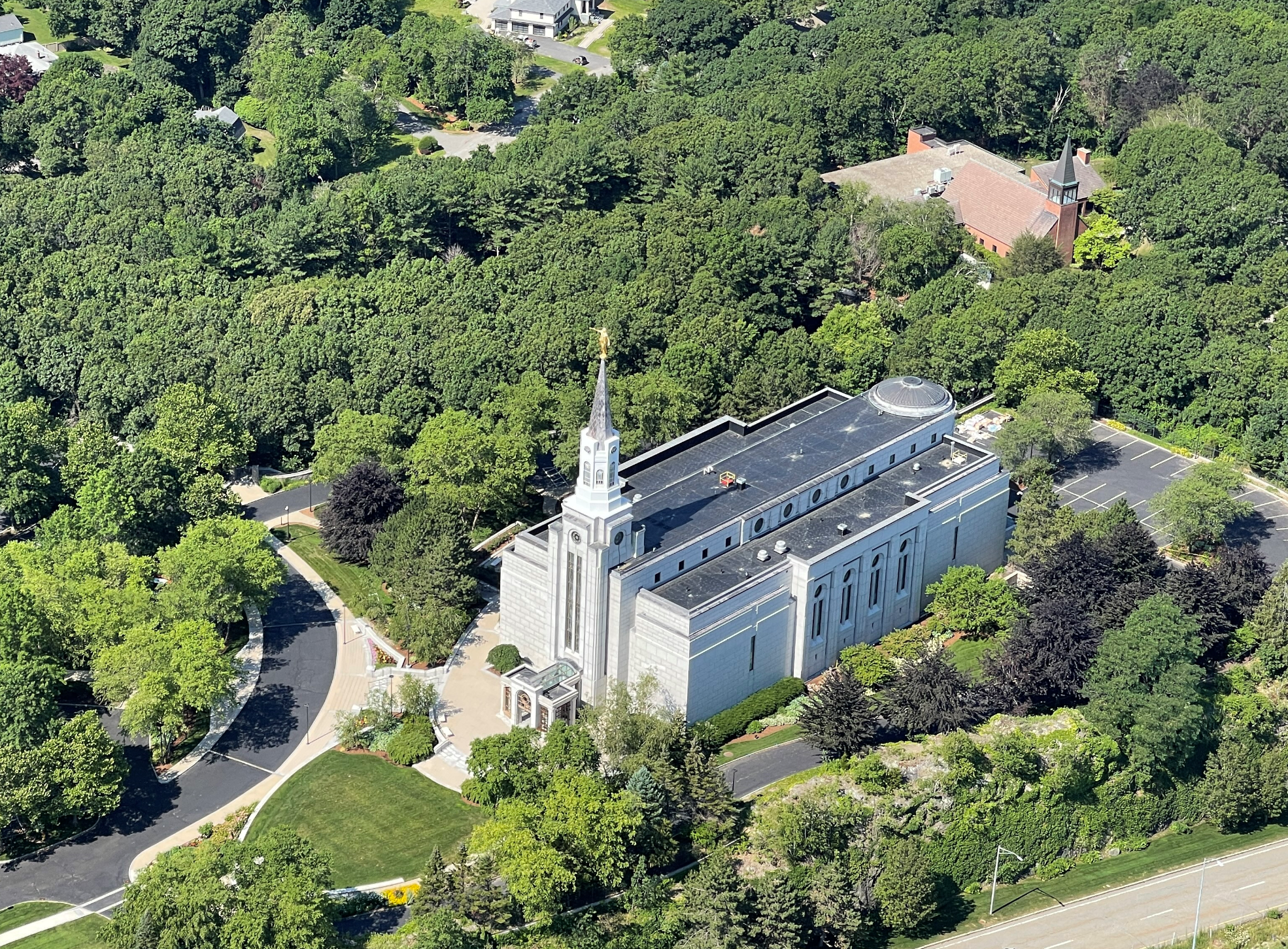
Mitt Romney’s legacy, the Mormon Temple in Belmont, MA:
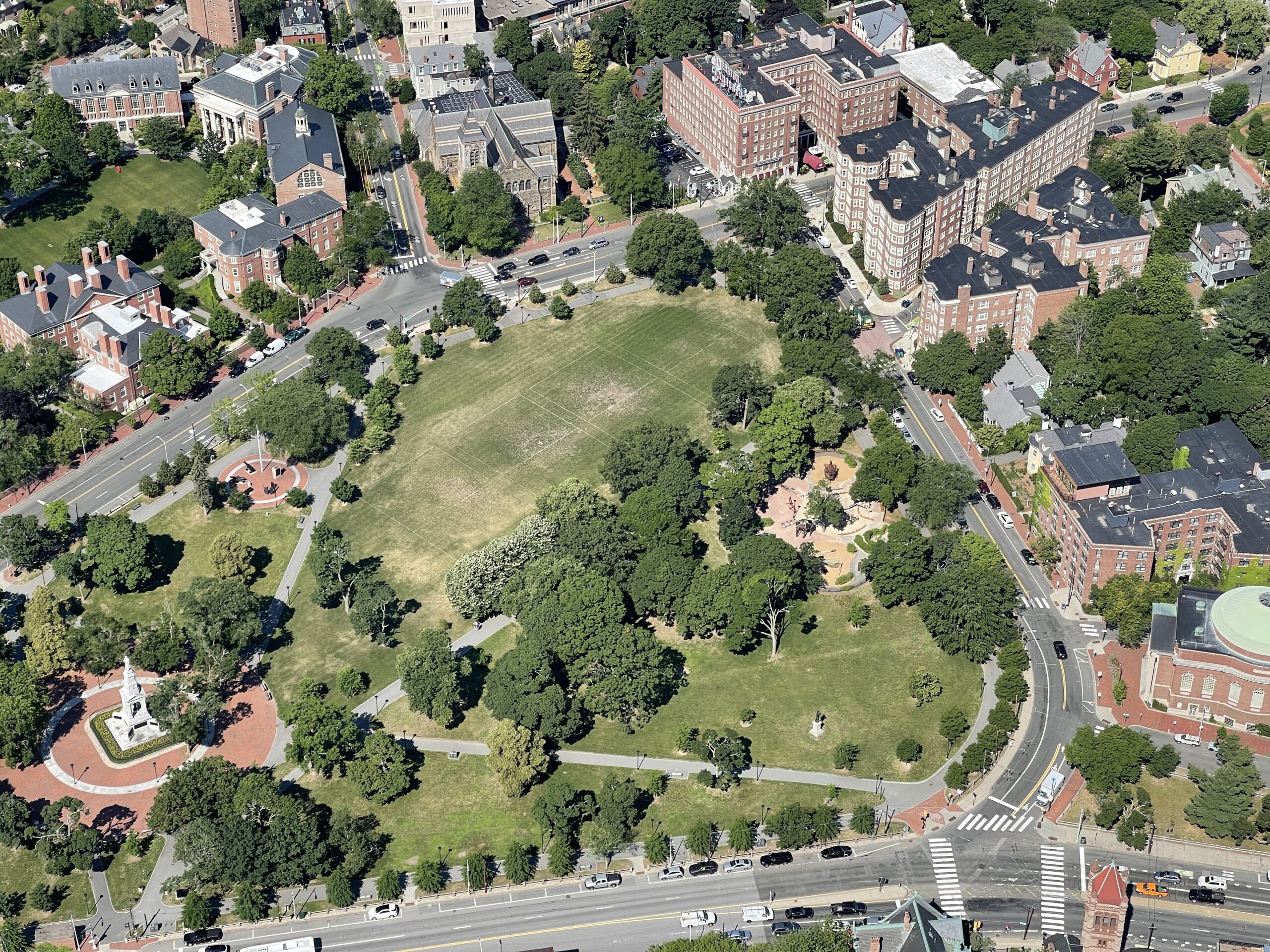
Put on a mask and let your cows and sheep graze for free on Cambridge Common:
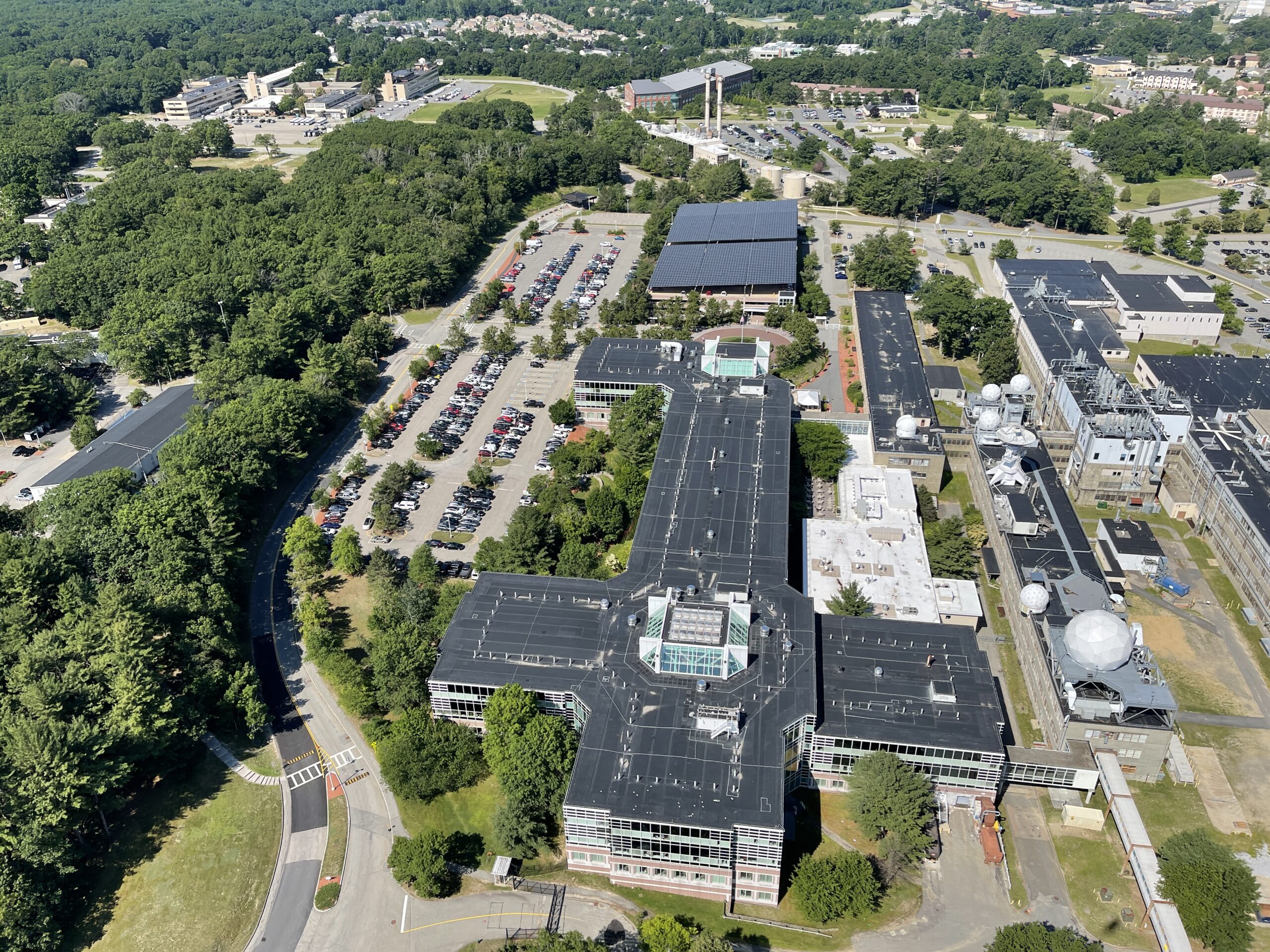
MIT Lincoln Lab:
Scroll to 1970 on the timeline and you’ll see that the Mode S transponder that is the building block for ADS-B was developed here.
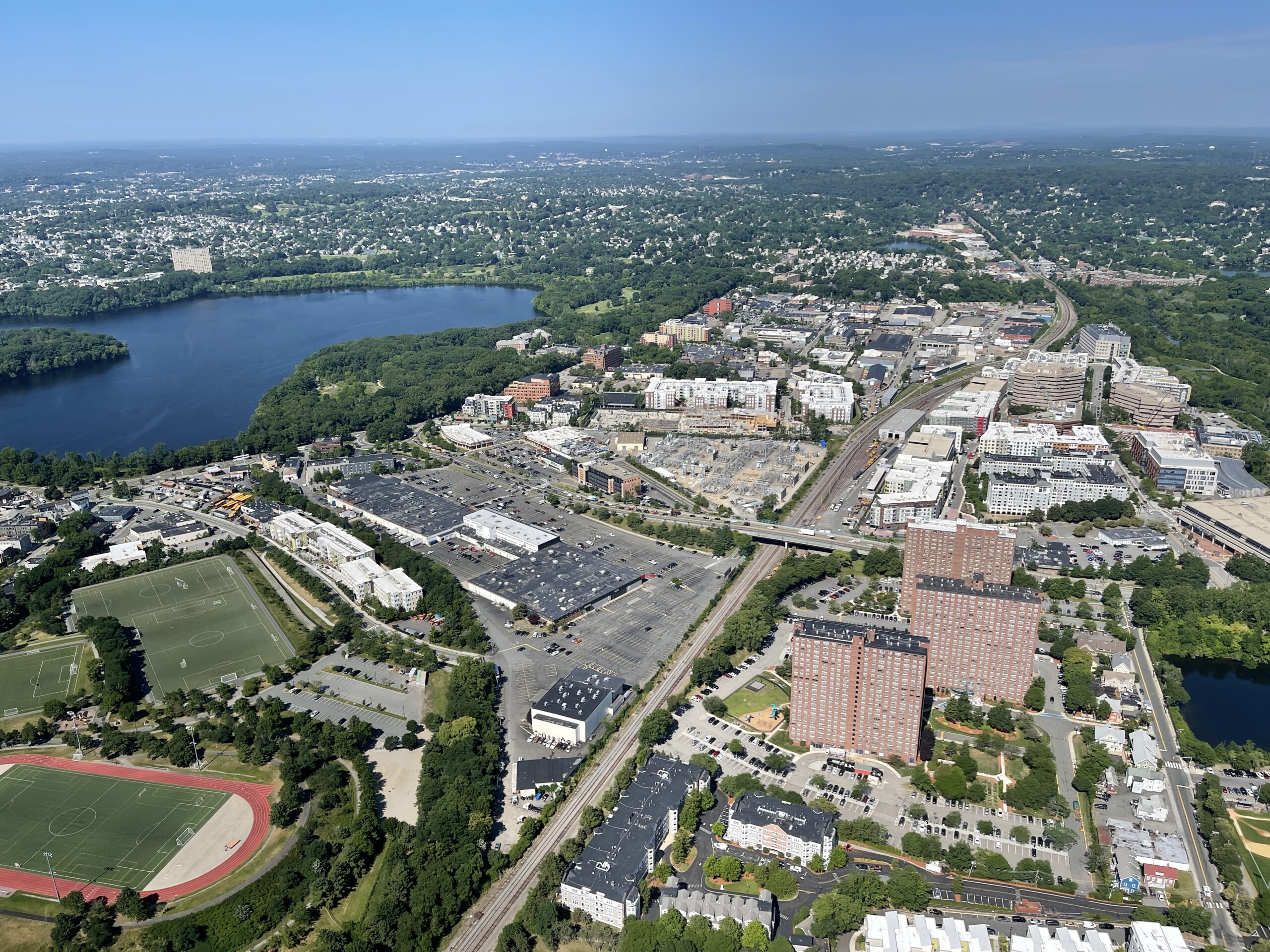
Why can’t you get a seat on the Red Line trains that run every 10 minutes starting at Alewife? Check out everything that has been built recently near the station (center right of frame):
(the three red brick towers in the foreground are public housing (777 units for the worthy poor: “the towers—like many high-rise housing projects of the era—quickly became associated with crime… the complex is still a focus for law enforcement activity, and in 2008 the Cambridge Police opened a substation at the towers”) and, until a few decades ago, were the only significant buildings)
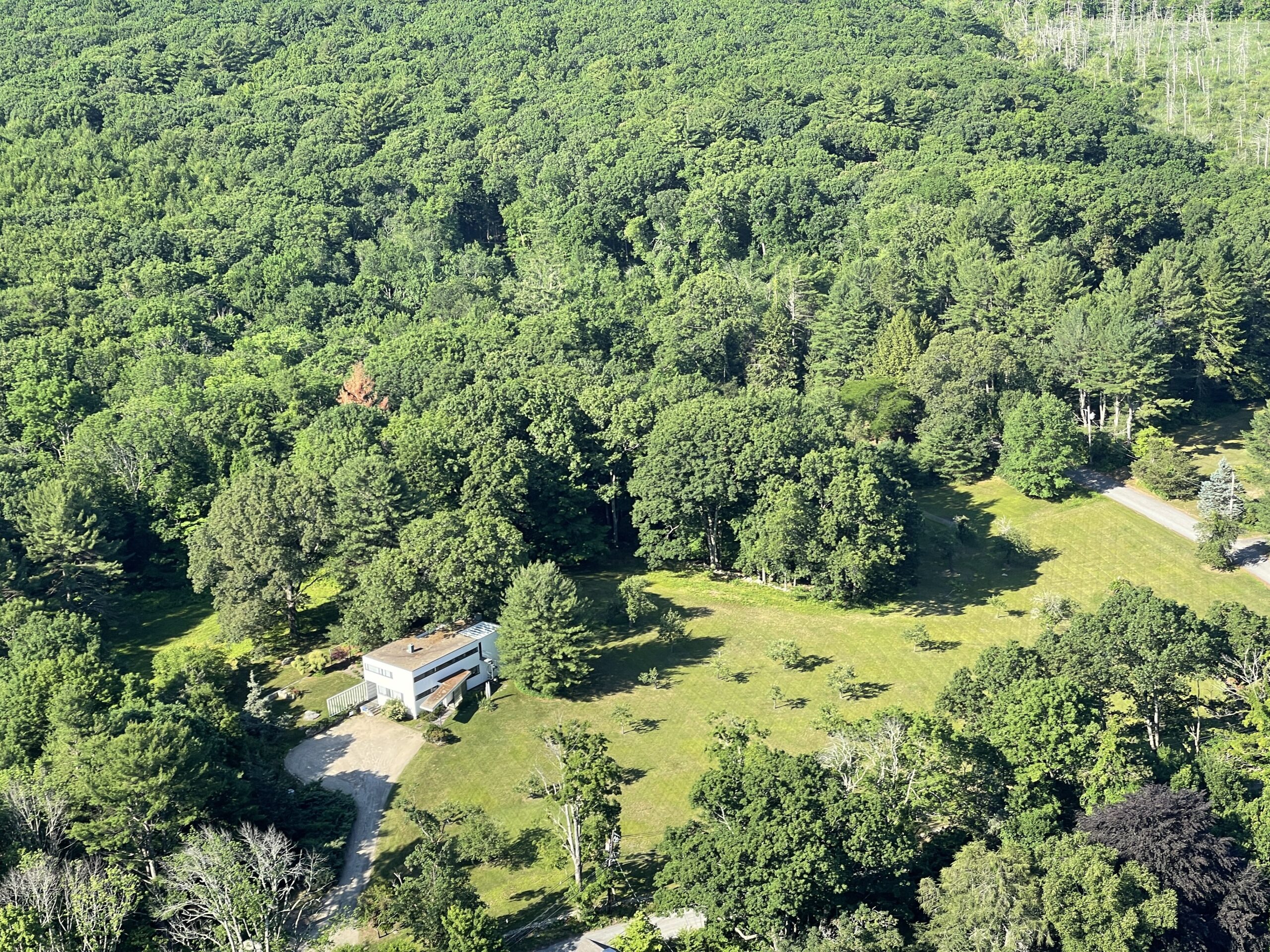
The Gropius House in Lincoln (cost about 4X/square foot to build as a typical house of the time):
A helicopter CFI gets current. We went to downtown Boston to get away from some light rain showers at Bedford:
It is a little unnerving to be using one’s phone as a camera through the open door of a helicopter. Lean out too far into the 90 mph breeze and it will be time to visit the Apple Store (don’t forget to make a COVID appointment, buy a mask, and get temperature-screened!). Maybe a case with a strap?
Full post, including comments