Following the Science at Columbia University
Prepping for a deposition last month in an inter partes review, a guy joined the call who is in his first year at Columbia University’s Law School (he knows enough about patents that it would make more sense for him to be teaching at Columbia, but that’s irrelevant for our purposes). Of course, after asking whether his student loans have already been canceled, I asked what percent of the righteous Ivy Leaguers were wearing masks in class. “100 percent,” he responded. “It’s required for at least the first few weeks of the semester.” Are the Scientists wearing N95 masks? “Cloth masks aren’t allowed, but you don’t need an N95 mask. A surgical mask is okay.”
In “COVID-19 Precautions for Fall 2022”, Columbia says “Students are required to be vaccinated” and “Masking will be required everywhere indoors when the COVID-19 risk is high”, but apparently this is an add-on idea that somehow the first part of the semester is the riskiest (students will get cleaner every day that they spend in the respiratory-virus-free environment of Manhattan).
What is our young colleague going to learn? Let’s check in at

They have a statement on the Supreme Court’s latest outrage:
This opinion is a devastating setback for the long-term struggle for sex equality, bodily autonomy, civil rights, and basic dignity for all. While we do not expect progress to be linear, we do expect our highest court to serve as gatekeeper to the foundational values in which our nation is rooted—equality, liberty, dignity, justice—rather than using their power to dismantle well established constitutional norms, causing the pain and suffering of millions in its wake.
Restrictions on abortion are a fundamental equality issue because: (1) Abortion is singled out for more onerous treatment than other medical procedures that carry similar or greater risks; (2) Restrictions further perpetuate harmful and discriminatory gender stereotypes that limit equal participation in society; …
(Is there a medical procedure that carries greater risks to a 33-week-old baby than abortion care (perfectly legal at all stages of pregnancy in Maskachusetts)?)
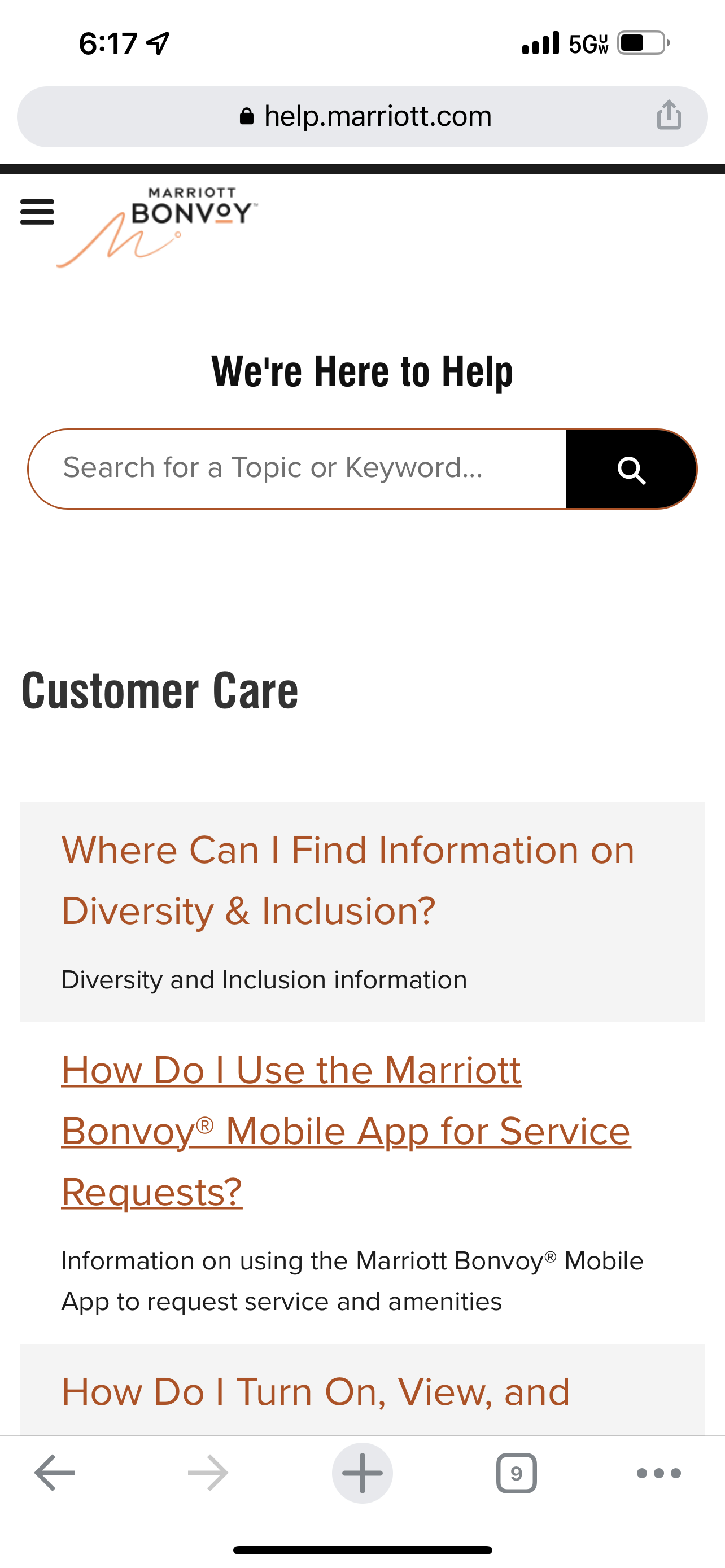
What if he wants to save $25,000 on his third year? The Diversity, Equity, and Inclusion page:
The Fellowship in Support of Careers in Racial and Social Justice, provides a $25,000 grant in the fall of the 3L year to J.D. students who intend to pursue racial justice legal work after graduation and/or students of color who intend to pursue other social justice legal work after graduation.
So the tax-exempt federally-funded institution will allocate these $25,000 grants according to race and/or willingness to follow Justin Trudeau’s example. This has to be legal/Constitutional since the Law School knows everything about law.
Separately, here’s an ad posted within our local Costco:

“Air is life. Make it perfect.” Columbia Law School seems to share this perspective. Make air perfect by adding a saliva-soaked mask in front of your face!
Full post, including comments