Justin Trudeau’s old school in Newton, Maskachusetts makes the news
I hope that everyone (except, perhaps, that notorious reprobate Toucan Sam) has been celebrating Black History Month.
Some news from Newton, Massachusetts… “… Blackface classroom activity was used to ‘celebrate’ Black History Month” (MassLive):
When Nadirah Pierce picked up her children from IC Kids Montessori earlier this week, she noticed they were covered in black paint. They said it was for a Black History Month project.
Pierce didn’t think much of it until the school posted photos from the activity for parents online on Wednesday. That’s when she saw the children had painted faces on paper plates using the black paint and were holding them up to their faces.
IC Kids Montessori in Newton issued an apology for the Blackface incident but removed the post about an hour later and subsequently removed the school’s Facebook account entirely.
“To all who are offended, we sincerely apologize for what happened with one of our classroom activities: black face,” the school originally wrote on Facebook. “Our intention was to celebrate Black History Month. Unfortunately we didn’t do enough research on black history and carried out a wrong activity. We are sorry about it and we mean it!”
The photos also included children planking in rows. This and the popular 2011 trend by the same name mirror the way slaves were often transported on slave ships.
“Planking was a way to transport slaves on ships during the slave trade, its [sic] not funny,” Xzibit tweeted, according to the Washington Post. “Educate yourselves.”
But the National Museum of African American History and Culture told CNN that’s not an excuse.
“Minstrelsy, comedic performances of ‘blackness’ by whites in exaggerated costumes and makeup, cannot be separated fully from the racial derision and stereotyping at its core,” it said.
“I hope this is a lesson for all daycare centers,” she said. “Do your research. Ask people in your community, reach out to the parents.”
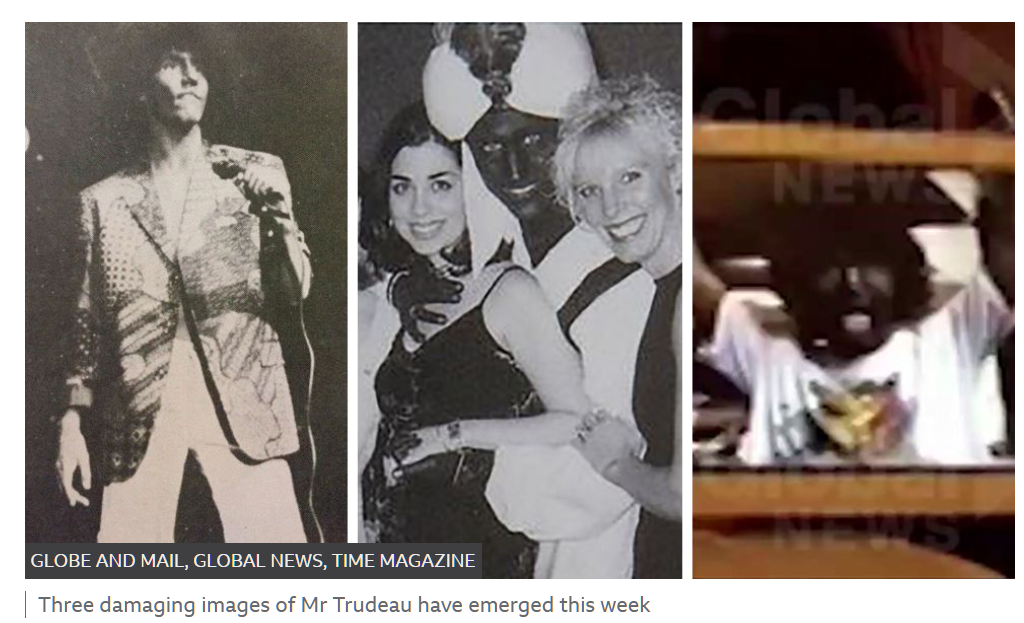
From the BBC, a successful graduate of this Montessori school:
Speaking of following Science, the current personification of Science is from Newton, MA: Rochelle Walensky.
Related:
Full post, including comments