We now know the price of freedom: $0
Continuing the Passover-Freedom theme… what is the actual price tag that Americans put on freedom? “The Curious Case of Florida’s Pandemic Response” (Atlantic) suggests that the value is $0.
To the extent that winning a pandemic is possible, Florida seemed to be winning the pandemic.
(the author does not consider the possibility that Floridians did not enter the COVID Olympics)
Governor Ron DeSantis bragged that Florida drew a straight flush of pandemic outcomes: “open schools, comparatively low unemployment, and per capita COVID mortality below the national average.”
But the closer I looked, the more holes I found in the simple pro-Florida narrative.
Yes, Florida is seeing falling COVID-19 cases and hospitalizations. But so is just about everywhere else. And its overall pandemic performance is just about typical.
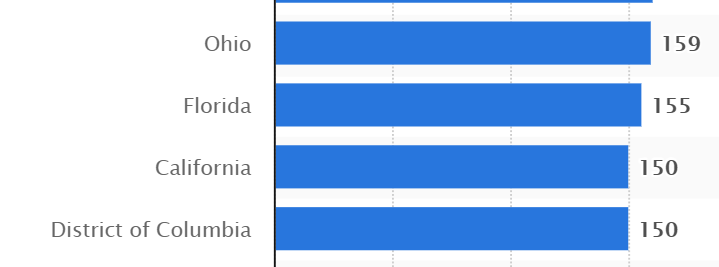
As far as I can tell, though, it didn’t. At 4.8 percent, its unemployment rate is 18th in the country, and not meaningfully different from that of the median states, South Carolina and Virginia, at 5.3 percent. Real-time data tracking state spending and employment show that Florida is doing, again, no better than average. Compared with January 2020, its consumer spending is down 1 percent, which is right in line with the national average. Its small-business revenue is down about 30 percent—again, almost exactly the national average. These statistics may be missing something. But the national narrative of an exceptionally white-hot Florida economy doesn’t match the statistical record of its performance.
What this nation desperately needs is low-skill immigration so that we have lots more people to house:
Since 2012, Miami home prices have increased by 94 percent, nearly the exact same as those in Los Angeles in that time. Prices are soaring as inventory melts away; Florida’s active listings fell by 50 percent last year, and it’s not doing enough to keep up with demand.
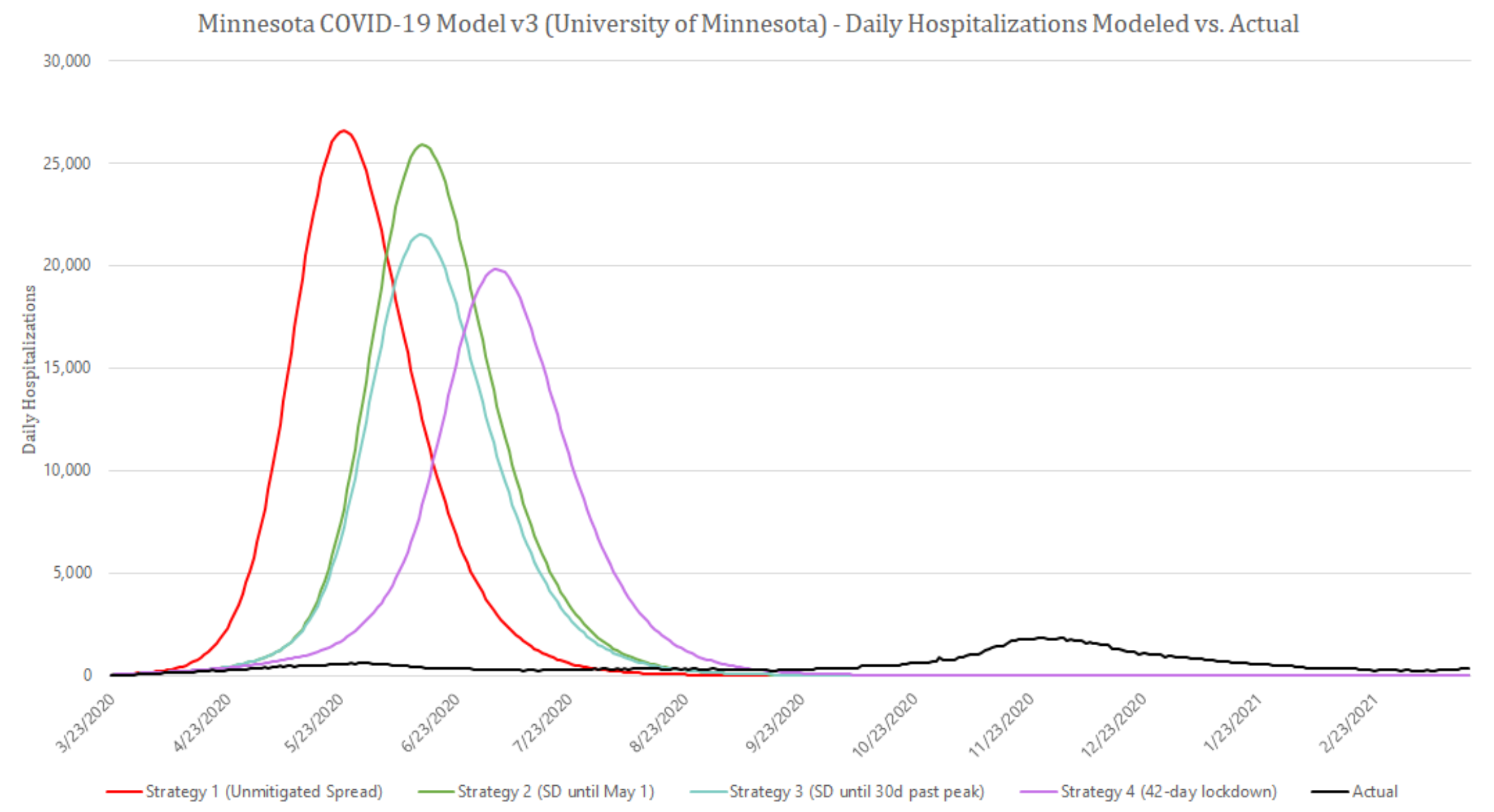
A rare moment of checking to see whether coronascience has any predictive value:
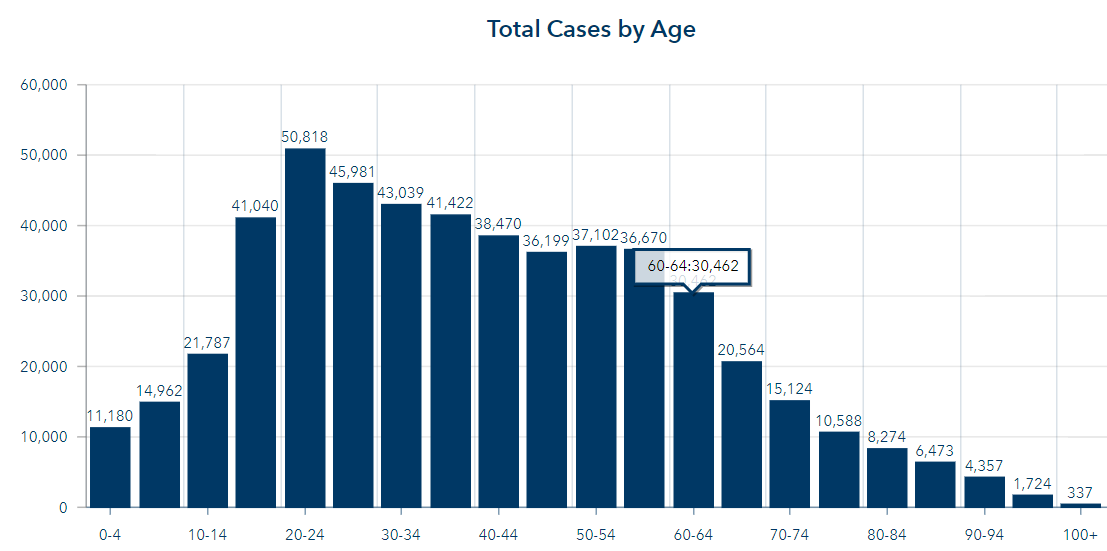
In 2020, smart media figures and scientists predicted that COVID-19 would especially ravage Florida, given its open economy and elderly population. They were wrong. Why? Did Florida just get lucky? Is this mostly about the salutary benefits of the outdoors, or the coronavirus’s sensitivity to heat and humidity? Do strict lockdowns simply fail the cost-benefit analysis? The answer to all three questions may be yes.
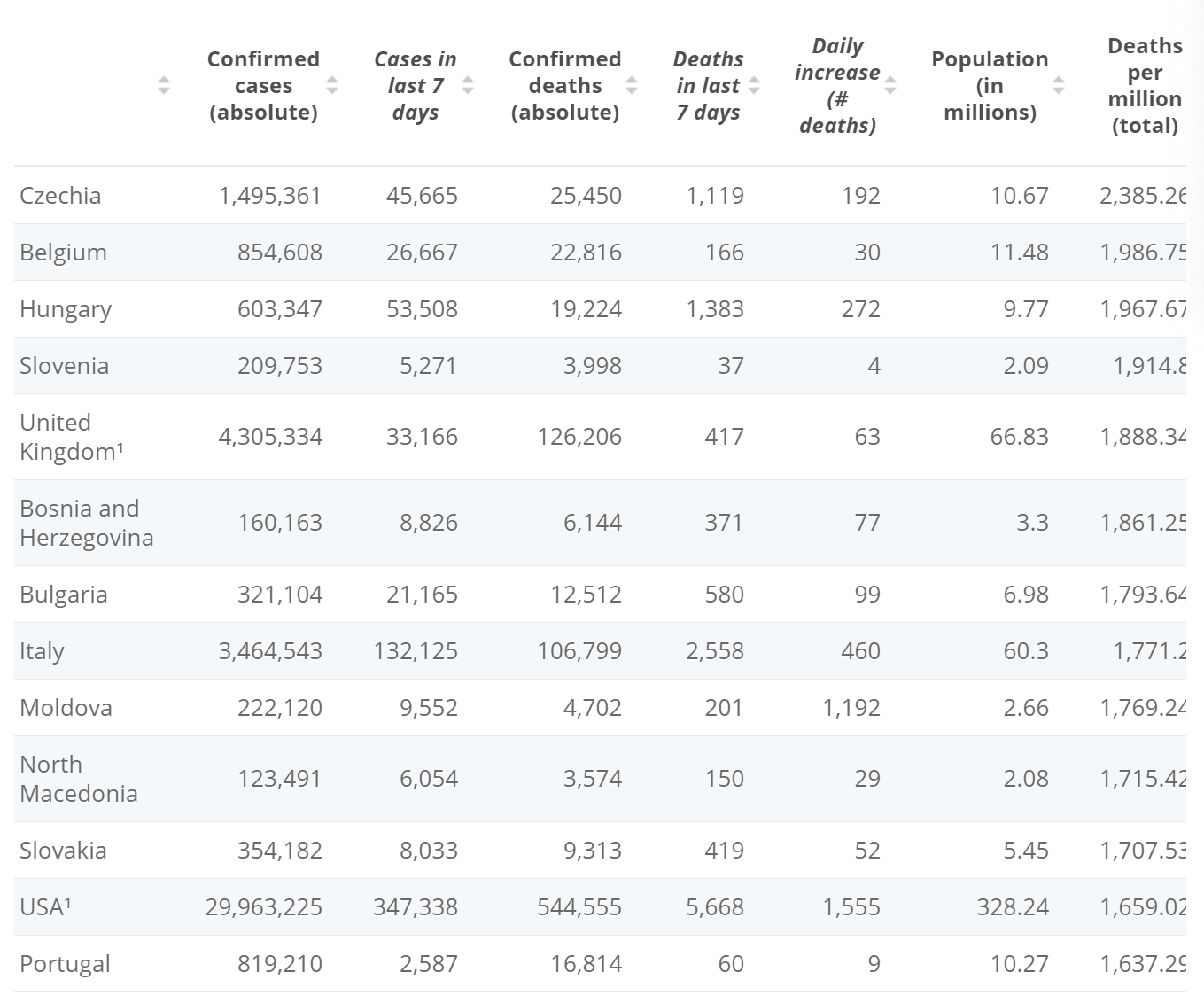
What’s most interesting to me is that the author implicitly values the freedoms to walk out of one’s door, walk outside without a mask, meet friends at a restaurant, host a party at one’s house, etc. at $0. If two people, one confined to his/her/zir/their home by a governor’s executive order and one free to send children to school, go to work, play a sport, socialize, have the same amount of money they are equally well off. So it makes sense to look at the statistics gathered by economists and pronounce a state (or a society) a success or failure based on those statistics. (We also see this applied to Sweden; people will look at a list of countries ranked by COVID-19-tagged deaths per capita and note Sweden’s position without pointing out that it avoided the lockdowns, masquerades, etc.)
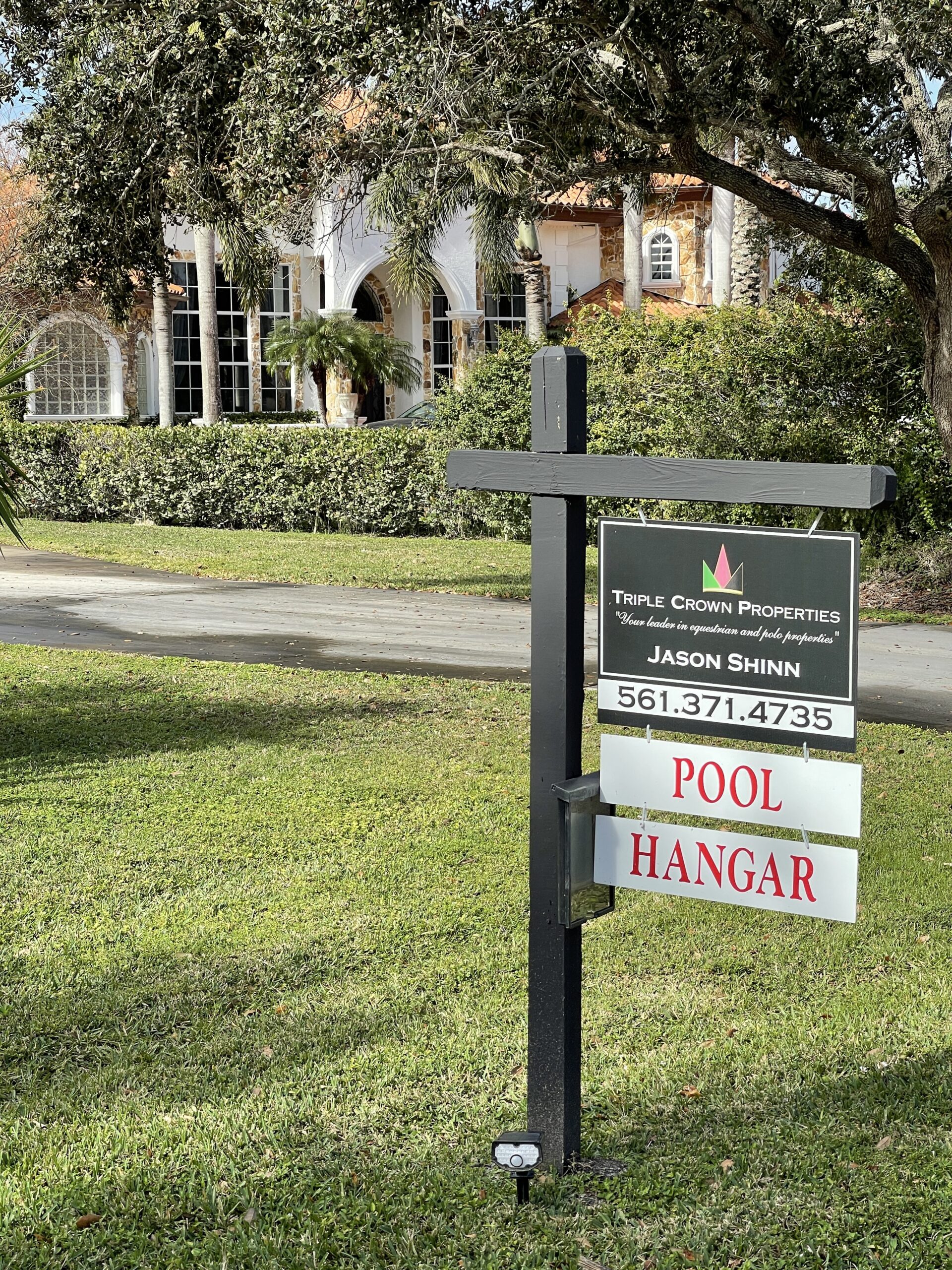
From Wellington, Florida… (Why does the realtor rank “Pool” above “Hangar”?!?!)